IBUM
PolandThe medicine is used to relieve feverish states (e.g., in case of influenza, common cold, or after vaccination) and in cases of mild to moderate pain, such as headache, sore throat, muscle, tooth, joint, or bone pain, earache, as well as postoperative pain and soft tissue injuries.

Frequently asked questions
How to dose IBUM?
The dose depends on body weight and is 20-30 mg/kg of body weight per day, in divided doses. The medicine should be administered at intervals of at least six hours. In infants under 6 months of age, use requires consultation with a doctor. Do not use a higher dose than recommended and do not use the medicine for longer than 3 days without consulting a doctor.
When should this medicine not be used?
It must not be taken if there is an allergy to ibuprofen or other NSAIDs, if the patient has or has had gastric or duodenal ulcers, has blood clotting problems, severe liver, kidney, or heart failure, or has cerebral bleeding. It should not be used in the last 3 months of pregnancy.
What are the possible side effects of IBUM?
It may cause, among others, headache, nausea, abdominal pain, diarrhea, dizziness, or rash. Discontinue use immediately and seek medical help if severe skin reactions occur (e.g., blisters, skin peeling), facial swelling, or difficulty breathing.
Can this medicine be combined with other medicines?
The doctor must be informed about the intake of other medicines, especially anticoagulants, NSAID painkillers, blood pressure-lowering drugs, corticosteroids, anticancer drugs, lithium, or zidovudine, as they may affect the action of the preparation.
What to do in case of overdose?
If a child or adult takes a higher dose than recommended, always consult a doctor or report to the nearest hospital. Symptoms of overdose may include nausea, vomiting, abdominal pain, drowsiness, convulsions, or breathing problems.
Instructions for use
Table of contents
- 1. What Ibum is and what it is used for
- 2. Important information before using Ibum
- 3. How to use Ibum
- 4. Possible adverse reactions
- 5. How to store medicine I
- 6. Contents of the packaging and other information
- Package leaflet: information for the patient
- 1. What IBUM is and what it is used for
- 2. Important information before taking IBUM
- 3. How to take IBUM
- 4. Possible side effects
- 5. How to store medicine I
- 6. Contents of the pack and other information
Package leaflet: Information for the patient
IBUM
100 mg/5 ml, oral suspension
Ibuprofenum
Raspberry-flavoured oral suspension
Please read this leaflet carefully before using the medicine, as it contains important information for the patient.
This medicine should always be used exactly as described in this patient leaflet or as directed by a doctor, pharmacist, or nurse.
- Keep this leaflet, so you can read it again if necessary.
- If you need advice or further information, please consult your pharmacist.
- If you experience any adverse reactions, including any possible adverse reactions not listed in this leaflet, inform your doctor, pharmacist, or nurse. See section 4.
- If there is no improvement after 3 days or if you feel worse, consult your doctor.
Table of contents
- What Ibum is and what it is used for
- Important information before taking Ibum
- How to take Ibum
- Possible side effects
- How to store Ibum
- Contents of the pack and other information
1. What Ibum is and what it is used for
Ibum contains ibuprofen – an active substance belonging to the group of non-steroidal anti-inflammatory drugs (NSAIDs), which have analgesic, antipyretic, and anti-inflammatory properties.
Ibum is indicated for:
- Fever of various origins, including fever associated with influenza, common cold, and post-vaccination reactions;
- Mild to moderate pain of various origins, such as:
- Headaches, sore throat, and muscle pain (e.g. during viral infections),
- Toothache, pain following dental procedures, teething pain,
- Joint and bone pain due to musculoskeletal injuries (e.g. sprains),
- Pain due to soft tissue injuries,
- Postoperative pain,
- Ear pain occurring in middle ear inflammation (otitis media).
If there is no improvement after 3 days or if you feel worse, consult your doctor.
2. Important information before using Ibum
When not to use Ibum:
- if the patient is allergic to ibuprofen, other non-steroidal anti-inflammatory drugs (NSAIDs), or any of the other ingredients of this medicine (listed in section 6),
- in patients with active or a history of peptic ulceration or perforation (gastric or duodenal), gastrointestinal bleeding, or a history of such events occurring during treatment with NSAIDs,
- in patients who previously experienced allergic symptoms such as rhinitis, urticaria, bronchospasm, or asthma during treatment with acetylsalicylic acid or other NSAIDs,
- when taking other medicines from the NSAID group (including COX-2 inhibitors such as celecoxib or etoricoxib),
- in cases of severe liver, kidney, or heart failure,
- in cases of cerebral haemorrhage (bleeding from brain vessels) or other bleeding,
- in cases of blood coagulation disorders, haemorrhagic diathesis (tendency to bleed), or blood cell production disorders of unknown origin.
Women should not take this medicine during the last three months of pregnancy.
Warnings and precautions
Before starting treatment with Ibum, discuss it with your doctor, pharmacist, or nurse.
Exercise particular caution when using Ibum:
- if the patient has systemic lupus erythematosus or mixed connective tissue disease,
- if allergic reactions occurred after taking acetylsalicylic acid,
- if the patient has gastrointestinal disorders or chronic inflammatory bowel diseases (ulcerative colitis, Crohn's disease),
- if the patient has hypertension and/or heart function disorders,
- if the patient has kidney function disorders,
- if the patient has liver function disorders,
- if the patient has blood coagulation disorders (ibuprofen may prolong bleeding time),
- in patients taking other medicines (especially anticoagulants, diuretics, cardiac glycosides, corticosteroids),
- in patients with hereditary fructose intolerance (due to the potential conversion of maltitol, one of the excipients, into fructose).
There is a risk of gastrointestinal haemorrhage, ulceration, or perforation, which may be fatal and may occur without warning symptoms or in patients with a history of such symptoms. If gastrointestinal bleeding or ulceration occurs, discontinue Ibum immediately. Patients with a history of gastrointestinal disorders, especially elderly patients (Ibum may also be used by adults), should inform their doctor of any unusual gastrointestinal symptoms (especially bleeding), particularly during the initial treatment period.
Prolonged, concomitant use of painkillers may lead to kidney damage with a risk of renal failure (analgesic nephropathy).
Taking anti-inflammatory/analgesic medicines such as ibuprofen may be associated with a small increased risk of myocardial infarction or stroke, particularly when used at high doses. Do not exceed the recommended dose or duration of treatment.
Before using Ibum, the patient should discuss treatment with a doctor or pharmacist if:
- the patient has heart diseases such as heart failure, angina pectoris (chest pain), history of myocardial infarction, coronary artery bypass surgery, peripheral arterial disease (poor blood circulation in legs due to narrowed or blocked arteries), or history of stroke (including mini-stroke or transient ischaemic attack - TIA),
- the patient has hypertension, diabetes, high cholesterol levels, a family history of heart disease or stroke, or is a smoker,
- the patient has an infection – see below, section titled "Infections".
While taking ibuprofen, symptoms of allergic reactions to this medicine have occurred, including difficulty breathing, facial and neck swelling (angioedema), and chest pain. If any of these symptoms occur, discontinue Ibum immediately and contact a doctor or emergency medical services without delay.
Skin reactions
Severe skin reactions associated with the use of Ibum have been reported. If any skin rash, mucosal lesions, blisters, or other signs of hypersensitivity appear, stop taking Ibum immediately and seek medical help promptly, as these may be early signs of a very serious skin reaction. See section 4.
Serious skin reactions associated with ibuprofen use include exfoliative dermatitis, erythema multiforme, Stevens-Johnson syndrome, toxic epidermal necrolysis, drug reaction with eosinophilia and systemic symptoms (DRESS), and acute generalised exanthematous pustulosis (AGEP). If the patient develops any of the symptoms related to these severe skin reactions described in section 4, Ibum should be stopped immediately and medical help sought.
Infections
Ibum may mask symptoms of infection such as fever and pain. Therefore, Ibum may delay appropriate treatment of infection and consequently increase the risk of complications. This has been observed in bacterial pneumonia and bacterial skin infections associated with chickenpox. If the patient takes this medicine during an existing infection and symptoms persist or worsen, immediate medical consultation is required.
Ibum with other medicines
Inform your doctor or pharmacist about all medicines currently used, recently used, or planned for use.
Ibum may affect the action of other medicines, or other medicines may affect the action of Ibum. In particular, before taking ibuprofen, inform your doctor or pharmacist if you are taking any of the following medicines:
- other NSAIDs (including COX-2 inhibitors such as celecoxib or etoricoxib),
- anticoagulant medicines (i.e. blood thinners/preventing clot formation, such as aspirin/acetylsalicylic acid, warfarin, ticlopidine),
- blood pressure-lowering medicines (ACE inhibitors such as captopril, beta-blockers such as atenolol-containing medicines, angiotensin II receptor antagonists such as losartan),
- medicines that reduce blood coagulability (anticoagulants, e.g. acenocoumarol, or antiplatelet agents),
- corticosteroids (such as prednisolone or dexamethasone),
- methotrexate (anticancer medicines),
- lithium (antidepressant medicine),
- zidovudine (antiviral medicine).
Some other medicines may also influence or be influenced by treatment with Ibum. Therefore, always consult a doctor or pharmacist before using Ibum with other medicines.
Pregnancy, breastfeeding, and effects on fertility
If the patient is pregnant or breastfeeding, suspects she may be pregnant, or is planning to become pregnant, she should consult a doctor or pharmacist before using this medicine.
Pregnancy
Do not take Ibum during the last three months of pregnancy, as it may harm the unborn child or cause complications during delivery. It may cause kidney and heart problems in the unborn child. It may increase the tendency to bleeding in both the mother and the child and may delay or prolong labour. During the first 6 months of pregnancy, Ibum should not be used unless absolutely necessary and prescribed by a doctor. If treatment is necessary during this period or when trying to conceive, the lowest possible dose should be used for the shortest possible time. From the 20th week of pregnancy, Ibum may cause kidney function disorders in the unborn child; if taken for longer than a few days, it may lead to reduced amniotic fluid volume (oligohydramnios) or narrowing of the blood vessel (ductus arteriosus) in the baby's heart. If treatment is required for longer than a few days, the doctor may recommend additional monitoring.
Breastfeeding
Ibuprofen may pass into breast milk in small amounts.
As there have been no reports of harmful effects of ibuprofen on infants, discontinuation of breastfeeding is not necessary for short-term use of ibuprofen at low doses.
Effect on fertility
This medicine belongs to a group of medicines (non-steroidal anti-inflammatory drugs) which may reversibly impair fertility in women. This effect reverses upon discontinuation of treatment.
Driving and using machines
There are no data available on the effect of Ibum on the ability to drive vehicles, operate machinery, or psychomotor performance.
Ibum contains liquid maltitol, sodium benzoate (E 211), propylene glycol (E 1520), and sodium
Liquid maltitol
The medicine contains 1.087 g of liquid maltitol in each 5 ml of suspension. If the patient has previously been diagnosed with intolerance to certain sugars, the patient should consult a doctor before taking this medicine. The medicine may have a mild laxative effect. Calorific value: 2.3 kcal/g of maltitol.
Sodium benzoate (E 211)
The medicine contains 5.45 mg of sodium benzoate in each 5 ml of suspension.
Propylene glycol (E 1520)
The medicine contains 13.547 mg of propylene glycol in each 5 ml of suspension.
Sodium
The medicine contains 12.81 mg of sodium (main component of table salt) in each 5 ml of suspension.
This corresponds to 0.64% of the maximum recommended daily intake of sodium in the diet for adults.
3. How to use Ibum
This medicine should always be used exactly as described in this patient information leaflet or as directed by your doctor, pharmacist, or nurse. If in doubt, consult your doctor, pharmacist, or nurse.
Ibum is for oral use. Shake the bottle well before use.
The daily dose of Ibum is strictly dependent on body weight and amounts to 20–30 mg/kg body weight, given in divided doses, according to the following table:
4/8
| Child's age (child's body weight) For infants under 6 months of age, administer the medicine only after consulting a doctor.
Figure 1 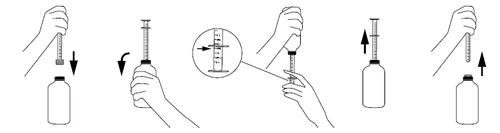
The medicine is intended for immediate use; therefore, if symptoms persist or worsen, or if new symptoms occur, consult a doctor. 4. Possible adverse reactionsLike all medicines, this medicine can cause adverse reactions, although not everyone will experience them.
Other possible adverse reactions include:
Adverse reactions occurring rarely (in 1 to 10 out of 10,000 patients):
Adverse reactions occurring very rarely (less than 1 in 10,000 patients):
Frequency unknown (frequency cannot be determined from available data):
Edema, hypertension and heart failure have been reported in association with NSAID therapy. 5. How to store medicine IKeep this medicine out of sight and reach of children. 6. Contents of the packaging and other informationWhat the medicine contains
What the medicine looks like and contents of the pack Package leaflet: information for the patientIBUM
Contents of the leaflet
1. What IBUM is and what it is used forIBUM contains ibuprofen – a substance belonging to the group of non-steroidal anti-inflammatory drugs (NSAIDs),
If there is no improvement after 3 days or if you feel worse, you should consult your doctor. 2. Important information before taking IBUMWhen not to take IBUM:
Women should not take this medicine during the last 3 months of pregnancy.
There is a risk of gastrointestinal bleeding, ulceration or perforation, which may be fatal and which may occur without warning symptoms or in patients with previous warning signs. If gastrointestinal bleeding or ulceration occurs, discontinue the medicine immediately. Patients with a history of gastrointestinal disorders, especially elderly patients (IBUM may also be used by adults), should inform their doctor of any unusual gastrointestinal symptoms (especially bleeding), particularly during the initial treatment period.
2/8
Some other medicines may also interact with or be affected by treatment with IBUM. Therefore, always consult your doctor or pharmacist before taking IBUM with other medicines. 3. How to take IBUMThis medicine should always be taken exactly as described in this patient leaflet or as directed by your doctor, pharmacist or nurse. If in doubt, consult your doctor, pharmacist or nurse.
|
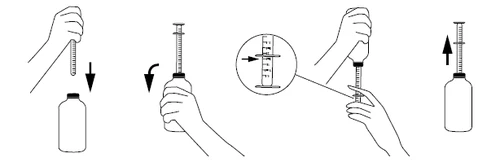
Similar drugs
The original data is available in the language of the country of manufacture.
Data source: Register of Medicinal Products of Poland (URPL)
Data last verified: September 01, 2026