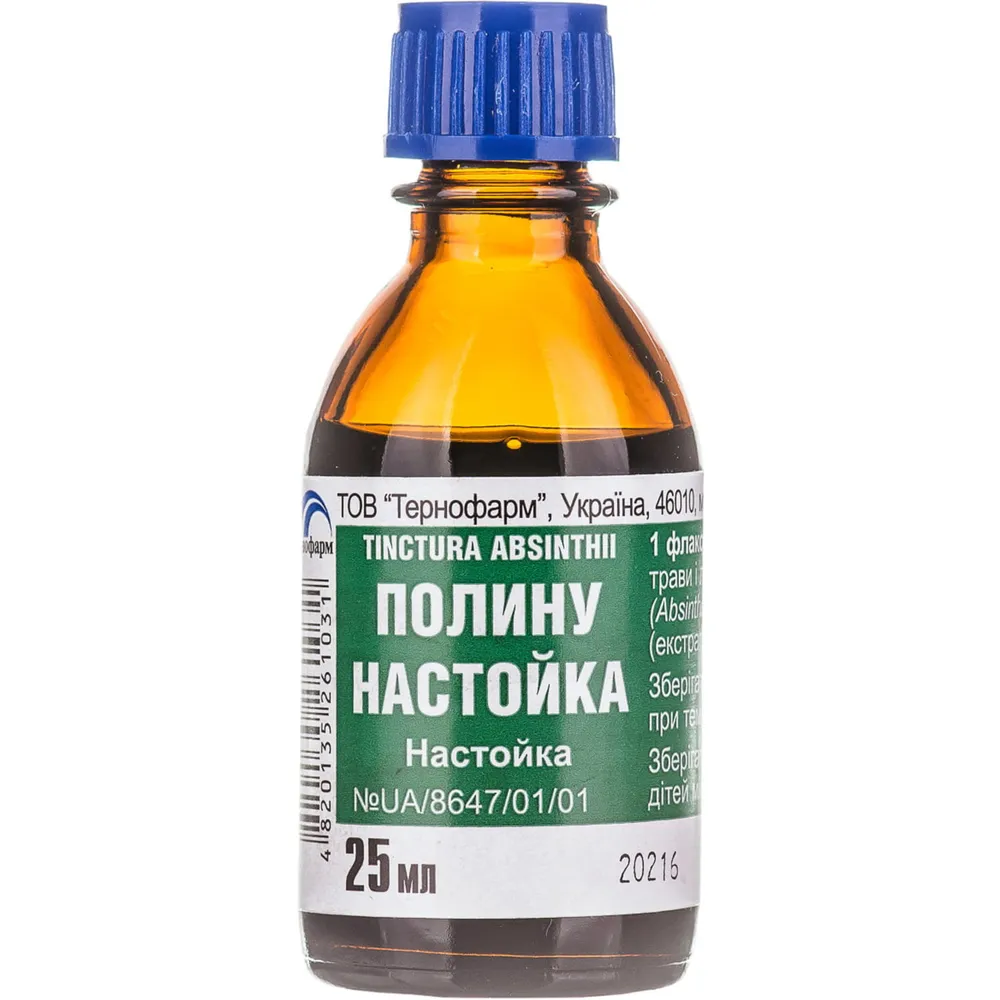
POLYNU TINCTURE
UkraineThe drug is used to increase appetite, as well as for gastritis with low or absent stomach acidity (as part of complex therapy).
Frequently asked questions
How should Polynu tincture be taken correctly?
It should be taken orally in doses of 15–20 drops 3 times a day, 15–30 minutes before meals. The duration of the course is determined by a physician.
Who should not use this drug?
Contraindications include hypersensitivity to the components, increased stomach acidity, gastric and duodenal ulcers, gallstone disease, reflux esophagitis, epilepsy, pregnancy, anemia, and a history of bleeding from pelvic organs. The drug is also not prescribed to children under 12 years of age.
What are the possible side effects of Polynu tincture?
Nausea, vomiting, rash, itching, or skin redness are possible. Prolonged use may cause constipation (intestinal atony), and overdose may lead to convulsions, hallucinations, and loss of consciousness. Prolonged use can also cause so-called wormwood epilepsy.
Can you drive a car during treatment?
Since the drug contains ethanol, it may affect reaction speed; therefore, one should refrain from driving motor vehicles and operating dangerous machinery.
Can the drug be taken by pregnant or breastfeeding women?
No, the drug must not be used during these periods.
Instructions for use
INSTRUCTION FOR MEDICAL USE OF THE MEDICINAL PRODUCT POLYNU TINCTURE
Composition:
Active substance: 1 vial contains 25 ml of tincture of wormwood herb and leaves (1 : 5) (Absinthii herba et folia), (extraction agent – 70% ethanol).
Pharmaceutical form. Tincture.
Main physicochemical properties: brownish-green liquid with a characteristic odor. Sediment may occur during storage.
Pharmacotherapeutic group. Plant-derived appetite stimulant. Bitter (amara).
ATC code A 15.
Pharmacological properties.
Pharmacodynamics. Stimulates sensitive nerve endings of taste receptors in the mucous membranes of the oral cavity and tongue, thereby reflexively enhancing gastric juice secretion, increasing appetite, and improving the digestion process.
Pharmacokinetics. Not studied.
Clinical characteristics.
Indications.
Hypoacidic and anacidic gastritis, anorexia – as part of complex therapy.
Contraindications.
Hypersensitivity to the components of the drug. Increased gastric secretion, peptic ulcer of the stomach and duodenum, cholelithiasis, reflux esophagitis, epilepsy. Pregnancy. Children under 12 years of age. History of bleeding from pelvic organs, anemia.
Interaction with other medicinal products and other forms of interaction.
Not established.
Special precautions for use.
The medicinal product is a traditional herbal medicinal product for use according to indications supported by long-term use.
The patient should consult a doctor if symptoms of the disease do not resolve during treatment with this medicinal product, or if any adverse reactions occur.
Use during pregnancy or breastfeeding.
Do not use in women during pregnancy or breastfeeding.
Ability to influence reaction rate when driving or operating machinery.
Since ethanol is an ingredient of this medicinal product, it may affect the ability to drive or operate potentially hazardous machinery. Therefore, during treatment with this medicinal product, patients should refrain from working with potentially dangerous machinery.
Method of Administration and Dosage.
Take orally, 15–20 drops 3 times daily, 15–30 minutes before meals. The duration of treatment is determined individually by a physician and depends on the severity of the disease, concomitant therapy, and the therapeutic effect achieved.
Children.
Should not be used in children under 12 years of age. For children aged 12 years and older, the medicinal product should be used only as prescribed by a physician.
Overdose.
Ingestion in increased doses, especially prolonged use, may lead to poisoning – development of seizures, hallucinations, and loss of consciousness.
With prolonged use, atonic constipation is possible.
Treatment: symptomatic.
Side effects.
Prolonged use of wormwood tincture may cause so-called absinthism (wormwood epilepsy); intake in increased doses, especially prolonged, may lead to poisoning – development of seizures, hallucinations, etc.
Nausea, vomiting, hypersensitivity reactions (including hyperemia, rash, itching).
Absinthin contained in wormwood, with prolonged use, may cause intestinal atony. If adverse reactions occur, discontinue use of the product and consult a physician immediately.
Shelf life. 5 years.
Storage conditions.
Store in the original packaging at a temperature not exceeding 25 °C.
Keep out of reach of children.
Packaging.
25 ml in dropper bottles;
25 ml in a dropper bottle; 1 dropper bottle per cardboard pack.
Availability. Over-the-counter (without prescription).
Manufacturer/Applicant.
LLC "Ternopharm".
Manufacturer's address and location of business activity / applicant's address.
LLC "Ternopharm"
4 Fabrychna St., Ternopil, 46010, Ukraine
Tel./Fax: (0352) 521-444, www.ternopharm.com.ua
Similar drugs
| Brand name | Dosage form | Active substance / Dosage | Manufacturer |
|---|---|---|---|
| POLYNU TINCTURE | tincture |
|
PJSC Pharmaceutical Factory "Viola" |
The original data is available in the language of the country of manufacture.
Data source: State Register of Medicinal Products of Ukraine
Data last verified: August 13, 2026