NUVARING
PolandIt is a contraceptive in the form of a vaginal ring that prevents pregnancy by inhibiting the release of eggs from the ovaries.
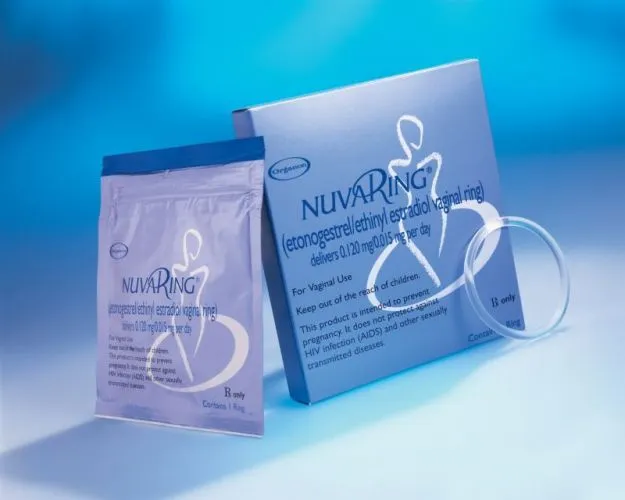
Frequently asked questions
How to use NuvaRing?
The ring should be placed in the vagina for 3 consecutive weeks. After this time, it should be removed and a one-week break should be taken. After the one-week break, a new ring should be inserted.
When should you not use this medicine?
It should not be used, among other things, in cases of current or past blood clots, coagulation disorders, myocardial infarction, stroke, severe diabetes, very high blood pressure, severe liver disease, breast or genital cancer, or in case of allergy to any of the ingredients of the medicine.
What are the possible side effects of NuvaRing?
Common side effects may include: abdominal pain, nausea, vaginal yeast infections, headaches, painful menstruation, acne, or weight gain. Less commonly, serious problems may occur, such as blood clots in the veins or arteries (e.g., pulmonary embolism, myocardial infarction, or stroke).
What should you do if the ring falls out of the vagina?
If the ring has been out of the vagina for less than 3 hours, it should be washed in cold or lukewarm water and reinserted as soon as possible. If it has been out for more than 3 hours during the first or second week of use, it should be washed and reinserted, and an additional method of contraception (e.g., condoms) should be used for the following 7 days. In the third week, the ring should be removed and either a new one should be inserted as soon as possible, or you should wait for withdrawal bleeding and insert a new one after a one-week break.
Does NuvaRing interact with other medicines?
Yes, some medicines (e.g., those used to treat epilepsy, tuberculosis, HIV, hepatitis C, or depressive moods, such as St. John's wort) may reduce the effectiveness of contraception. You should always inform your doctor about all medicines and herbal products you are taking.
Can NuvaRing be used during pregnancy or breastfeeding?
The medicine must not be used during pregnancy. Its use is not recommended during breastfeeding, but if the patient wishes to use it, she must first consult a doctor.
Instructions for use
Table of contents
- 1. What NuvaRing is and what it is used for
- 2. Important information before using NuvaRing
- 3. How to use NuvaRing
- 4. Possible adverse effects
- 5. How to store NuvaRing
- 6. Package Contents and Other Information
- Package Leaflet: Information for the User
- 1. What NuvaRing Is and What It Is Used For
- 2. Important Information Before Using NuvaRing
- 2.1 When Not to Use NuvaRing
- 2.2 Warnings and Precautions
- 2.3 Children and adolescents
- 2.4 NuvaRing and other medicines
- 2.5 Pregnancy and breastfeeding
- 2.6 Driving and using machines
- 3. How to use NuvaRing
- 3.1 Inserting and removing NuvaRing
- 3.2 Three weeks of use, one week break
- 3.3 When to insert the first NuvaRing vaginal therapeutic system
- 3.4 What to do if…
- 3.5 Management if the patient wishes to stop using NuvaRing
- 4. Possible side effects
- 5. How to store NuvaRing and NuvaRing Applicator
- 6. Contents of the pack and other information
Package leaflet: Information for the user
Warning! Keep this leaflet! Information on the immediate packaging in a foreign language.
NuvaRing
(0.120 mg + 0.015 mg)/24 h, vaginal ring system
Etonogestrel + Ethinylestradiol
Important information about combined hormonal contraceptives
- When used correctly, they are one of the most reliable reversible methods of contraception.
- They slightly increase the risk of blood clots in veins and arteries, especially during the first year of use or after restarting use following a break of 4 weeks or more.
- Be alert and consult your doctor if you suspect symptoms of blood clots (see section 2.2 "Warnings and precautions" – BLOOD CLOTS).
Please read this leaflet carefully before using the medicine, as it contains important information for you.
- Keep this leaflet so that you can read it again if necessary.
- If you have any doubts, consult your doctor or pharmacist.
- This medicine has been prescribed for a specific individual. Do not pass it on to others. It may harm someone else.
- If you experience any adverse effects, including any not listed in this leaflet, inform your doctor or pharmacist. See section 4.
Leaflet contents
- What NuvaRing is and what it is used for
- What you need to know before using NuvaRing
- How to use NuvaRing
- Possible side effects
- How to store NuvaRing
- Contents of the pack and other information
1. What NuvaRing is and what it is used for
NuvaRing is a contraceptive medicine in the form of a vaginal ring system that prevents pregnancy. Each vaginal ring contains a small amount of two female sex hormones – etonogestrel and ethinylestradiol. These hormones are slowly released from the ring into the bloodstream. Due to the low dose of hormones released, NuvaRing is classified as a low-dose hormonal contraceptive. Since NuvaRing releases two different hormones, it is also known as a combined hormonal contraceptive.
NuvaRing works in the same way as a combined oral contraceptive pill ("combined pill"), but unlike a daily pill, NuvaRing is used continuously for 3 weeks. NuvaRing releases two female sex hormones which suppress the release of eggs from the ovaries. Because eggs are not released, pregnancy cannot occur.
2. Important information before using NuvaRing
General notes
Before starting to use NuvaRing, you should read the information about blood clots (thrombosis) in section 2. It is particularly important to be aware of the symptoms of blood clots (see section 2.2 "Warnings and precautions" – BLOOD CLOTS).
This leaflet describes situations in which you should stop using NuvaRing or in which its effectiveness may be reduced. In such cases, you should abstain from sexual intercourse or use an additional non-hormonal contraceptive method, such as a male condom or another mechanical method. Do not use calendar-based methods or body temperature monitoring. These methods may be ineffective because NuvaRing affects changes in body temperature and cervical mucus consistency throughout the month.
NuvaRing, like other hormonal contraceptives, does not protect against infection with HIV (AIDS) or other sexually transmitted diseases.
2.1 When not to use NuvaRing
Do not use NuvaRing if you have any of the conditions listed below. If you have any of these conditions, you must inform your doctor. Your doctor will discuss with you which alternative contraceptive method would be more suitable.
- if you currently have (or have ever had) a blood clot in the veins of your legs (deep vein thrombosis), in the lungs (pulmonary embolism), or in other organs;
- if you know you have disorders affecting blood clotting—for example, protein C deficiency, protein S deficiency, antithrombin III deficiency, factor V Leiden mutation, or antiphospholipid antibodies;
- if you are undergoing surgery or will be immobile for a prolonged period (see section 2.2 "Warnings and precautions" – BLOOD CLOTS);
- if you have had a heart attack or stroke;
- if you have (or have previously had) angina pectoris (a condition causing severe chest pain, which may be the first sign of a heart attack) or transient ischaemic attack (temporary stroke-like symptoms);
- if you have any of the following conditions that may increase the risk of arterial blood clots:
- severe diabetes with blood vessel damage;
- very high blood pressure;
- very high levels of blood fats (cholesterol or triglycerides);
- a condition called hyperhomocysteinemia;
- if you currently have or have previously had a type of migraine called "migraine with aura";
- if you currently have or have previously had pancreatitis associated with high levels of fats in the blood;
- if you currently have or have previously had severe liver disease and liver function has not returned to normal;
- if you currently have or have previously had a benign or malignant liver tumour;
- if you currently have or have previously had breast cancer or genital organ cancer, or if there is suspicion of such cancers;
- if you have unexplained vaginal bleeding;
- if you are allergic to ethinylestradiol or etonogestrel, or to any of the other ingredients of this medicine (listed in section 6).
If any of the above symptoms occur for the first time during use of NuvaRing, remove the vaginal ring immediately and consult your doctor. During this time, use a non-hormonal contraceptive method.
If you have hepatitis C virus infection and are taking medicines containing ombitasvir, paritaprevir, ritonavir, and dasabuvir or glecaprevir, pibrentasvir, do not use the NuvaRing vaginal system (see also section 2.4 "NuvaRing and other medicines").
2.2 Warnings and precautions
When should you contact your doctor?
Seek immediate medical advice:
- if you notice possible symptoms of blood clots, which may indicate that you have a blood clot in your leg (deep vein thrombosis), in your lungs (pulmonary embolism), a heart attack, or a stroke (see section below "BLOOD CLOTS").
- For a description of symptoms of these serious adverse effects, see "How to recognize the occurrence of blood clots".
Tell your doctor if you have any of the following conditions.
If any of these symptoms develop or worsen during treatment with NuvaRing, you should also inform your doctor.
- if breast cancer has occurred in close family members;
- if you have epilepsy (see section 2.4 "NuvaRing and other medicines");
- if you have liver disease (e.g. jaundice) or gallbladder disease (e.g. gallstones);
- if you have Crohn's disease or ulcerative colitis (chronic inflammatory bowel diseases);
- if you have systemic lupus erythematosus (a disease affecting the body's natural immune system);
- if you have haemolytic uraemic syndrome (a blood clotting disorder causing kidney failure);
- if you have sickle cell anaemia (a hereditary disorder of red blood cells);
- if you have high levels of fats in the blood (hypertriglyceridaemia) or a positive family history of this condition. Hypertriglyceridaemia is associated with an increased risk of developing pancreatitis;
- if you are undergoing surgery or will be immobile for a prolonged period (see section "BLOOD CLOTS");
- if you have recently given birth, as you are then at increased risk of blood clots. Consult your doctor for advice on how soon you can start using NuvaRing after childbirth;
- if you have phlebitis (inflammation of superficial veins);
- if you have varicose veins;
- if you have conditions that first occurred or worsened during pregnancy or previous use of sex hormones (e.g. hearing loss, porphyria [a blood disorder], herpes gestationis [blistering skin rash during pregnancy], or Sydenham's chorea [a nervous system disorder with involuntary, sudden movements]);
- seek immediate medical advice if you experience symptoms of angioedema such as swelling of the face, tongue, and/or throat and/or difficulty swallowing or hives potentially with breathing difficulties. Medicines containing estrogens may cause or worsen symptoms of hereditary or acquired angioedema;
- if you currently have or have previously had chloasma (yellowish-brown pigmentation patches, so-called "pregnancy mask", especially on the face). If such patches occur, avoid excessive sun exposure and ultraviolet radiation;
- if you have conditions that make using NuvaRing difficult, such as frequent constipation, uterine prolapse, or pain during intercourse;
- if you experience sudden, frequent urge to urinate with a burning sensation and/or pain, and if you cannot locate the vaginal ring inside the vagina. These symptoms may indicate accidental placement of the NuvaRing vaginal system into the urinary bladder.
BLOOD CLOTS
Using combined hormonal contraceptives such as the NuvaRing vaginal system is associated with an increased risk of blood clots compared to not using such contraception. In rare cases, a blood clot may block a blood vessel and cause serious complications.
Blood clots may occur:
- in veins (referred to as "venous thrombosis" or "venous thromboembolic disease");
- in arteries (referred to as "arterial thrombosis" or "arterial thromboembolic events").
Recovery from a blood clot is not always complete. In rare cases, the consequences of a blood clot may be permanent or, very rarely, fatal.
Remember that the overall risk of harmful blood clots caused by using NuvaRing is low.
HOW TO RECOGNIZE THE OCCURRENCE OF BLOOD CLOTS
Seek immediate medical advice if you experience any of the following symptoms.
Are you experiencing any of these symptoms? What might they indicate?
-
swelling of the leg or swelling along a vein in the leg or foot, especially if accompanied by:
Deep vein thrombosis -
pain or tenderness in the leg, which may occur only when standing or walking;
-
increased warmth in the affected leg;
-
change in skin colour of the leg, such as paleness, redness, or blueness;
-
sudden unexplained shortness of breath or rapid breathing;
Pulmonary embolism -
sudden cough without obvious cause, possibly with coughing up blood;
-
sharp chest pain, which may worsen on deep breathing;
-
severe dizziness or vertigo;
-
rapid or irregular heartbeat;
-
severe stomach pain.
If you are unsure, consult your doctor, as some of these symptoms, such as cough or breathlessness, may be mistaken for milder conditions such as a respiratory tract infection (e.g. cold).
Symptoms most commonly occur in one eye:
Retinal vein thrombosis
- sudden loss of vision or
(blood clot in the eye) - painless visual disturbances, which may progress to vision loss;
| Heart attack |
| Stroke |
| Blood clots blocking other blood vessels |
VENOUS BLOOD CLOTS
What can happen if blood clots form in a vein?
- The use of combined hormonal contraceptives is associated with an increased risk of developing blood clots in veins (venous thrombosis). Although these adverse events are rare, they most commonly occur during the first year of using combined hormonal contraceptives.
- If blood clots form in the veins of the leg or foot, this may lead to the development of deep vein thrombosis.
- If a blood clot travels from the leg and lodges in the lungs, it may cause pulmonary embolism.
- In very rare cases, a clot may form in another organ, such as the eye (retinal vein thrombosis).
When is the risk of venous blood clots the highest?
The risk of developing venous blood clots is greatest during the first year of using combined hormonal contraceptives for the first time. The risk may also be increased when restarting combined hormonal contraceptives (the same or a different product) after a break of 4 weeks or more.
After the first year, the risk decreases, although it remains higher than in women who do not use combined hormonal contraceptives.
If a woman stops using NuvaRing, the risk of blood clots returns to normal within a few weeks.
What factors influence the risk of venous blood clots?
The risk depends on a woman’s natural risk of venous thromboembolic disease and the type of combined hormonal contraceptive used.
The overall risk of developing blood clots in the legs or lungs associated with the use of NuvaRing is low.
- In the course of one year, about 2 out of 10,000 women who do not use combined hormonal contraceptives and who are not pregnant will develop blood clots.
- In the course of one year, about 5–7 out of 10,000 women who use combined hormonal contraceptives containing levonorgestrel, norethisterone, or norgestimate will develop blood clots.
- In the course of one year, about 6 to 12 out of 10,000 women who use combined hormonal contraceptives containing norelgestromin or etonogestrel, such as the NuvaRing vaginal contraceptive system, will develop blood clots.
- The risk of developing blood clots depends on the individual medical history of the woman (see “Factors that increase the risk of blood clots”, below).
| Risk of developing blood clots in one year | |
| Women who are not using combined hormonal pills/patches/vaginal rings and are not pregnant | About 2 in 10,000 women |
| Women using combined oral contraceptive pills containing levonorgestrel, norethisterone or norgestimate | About 5-7 in 10,000 women |
| Women using the NuvaRing vaginal ring | About 6-12 in 10,000 women |
Factors increasing the risk of venous blood clots
The risk of blood clots associated with the use of the NuvaRing vaginal ring system is small, but certain factors may increase this risk.
The risk is higher:
- if the patient is significantly overweight (body mass index (BMI) above 30 kg/m²);
- if a close family member of the patient has had blood clots in the legs, lungs, or other organs at a young age (e.g. under 50 years). In this case, the patient may have an inherited clotting disorder;
- if the patient is due to have surgery, will be immobile for a prolonged period due to injury or illness, or has a leg in plaster. It may be necessary to stop using NuvaRing several weeks before surgery or during immobility. If the patient must stop using NuvaRing, ask the doctor when it is safe to resume use;
- with increasing age (particularly over 35 years);
- if the patient has given birth within the last few weeks.
The risk of developing blood clots increases with the number of risk factors present in the patient.
Air travel (>4 hours) may temporarily increase the risk of blood clots, especially if the patient has another risk factor listed above.
It is important to inform the doctor if any of these risk factors apply to the patient, even if uncertain. The doctor may decide to discontinue use of NuvaRing.
Inform the doctor if any of the above conditions change during use of NuvaRing, for example, if a close family member develops unexplained thrombosis or if the patient gains significant weight.
ARTERIAL BLOOD CLOTS
What can happen if blood clots form in the arteries?
As with venous blood clots, arterial clots can lead to serious consequences, such as heart attack or stroke.
Factors increasing the risk of arterial blood clots
It is important to emphasize that the risk of heart attack or stroke associated with the use of the NuvaRing vaginal ring system is very low, but may increase:
- with age (over approximately 35 years);
- if the patient smokes. While using a hormonal contraceptive such as the NuvaRing vaginal ring system, it is recommended to stop smoking. If the patient is unable to stop smoking and is over 35 years old, the doctor may recommend using another type of contraception;
- if the patient is overweight;
- if the patient has high blood pressure;
- if a close family member has had a heart attack or stroke at a young age (under 50 years). In this case, the patient may also be at increased risk of heart attack or stroke;
- if the patient or a close family member has high levels of blood fats (cholesterol or triglycerides);
- if the patient suffers from migraines, especially migraines with aura;
- if the patient has heart disease (valve problems, heart rhythm disorder known as atrial fibrillation);
- if the patient has diabetes.
If the patient has more than one of the above conditions, or if any of them are particularly severe, the risk of blood clots may be further increased.
Inform the doctor if any of the above conditions change during use of the NuvaRing vaginal ring system, for example, if the patient starts smoking, if a close family member develops unexplained thrombosis, or if the patient gains significant weight.
Cancer
The following information is based on studies using combined oral contraceptives and may also apply to NuvaRing. Data on vaginal hormonal contraceptives (as used in NuvaRing) are limited.
A slightly higher incidence of breast cancer has been observed among women using combined oral contraceptives, although it is not known whether this is caused by the medication. It is possible that breast cancer is detected more frequently in these women because they undergo medical examinations more regularly. The increased incidence of breast cancer gradually decreases after stopping combined oral contraceptives.
Regular breast examination is very important. If any lump is detected, contact the doctor. Also inform the doctor if a close relative has or has had breast cancer (see section 2.2 "Warnings and precautions").
In rare cases, benign liver tumours have been reported in women using combined oral contraceptives, and very rarely malignant liver tumours. If unusual, severe abdominal pain occurs, contact the doctor.
There are reports that endometrial cancer (cancer of the lining of the uterus) and ovarian cancer occur less frequently in women using combined oral contraceptives. This may also apply to NuvaRing, but has not yet been confirmed.
Psychiatric disorders
Some women using hormonal contraceptives, including NuvaRing, have reported depression or low mood. Depression can be severe and may sometimes lead to suicidal thoughts. If mood changes or symptoms of depression occur, contact the doctor as soon as possible for further medical advice.
2.3 Children and adolescents
The safety and efficacy of NuvaRing have not been studied in adolescents under 18 years of age.
2.4 NuvaRing and other medicines
Always inform the doctor about any medicines or herbal products currently used by the patient. Also inform any other doctor, dentist, or pharmacist prescribing other medicines about the use of NuvaRing. They may advise using an additional contraceptive method (e.g. male condoms), and if so, for how long, and whether adjustment of the other medicine is needed.
Some medicines:
- may affect the blood levels of NuvaRing;
- may reduce its contraceptive effectiveness;
- may cause unexpected bleeding.
This applies to medicines used to treat:
- epilepsy (e.g. primidone, phenytoin, barbiturates, carbamazepine, oxcarbazepine, topiramate, felbamate);
- tuberculosis (e.g. rifampicin);
- HIV infection (e.g. ritonavir, nelfinavir, nevirapine, efavirenz);
- hepatitis C virus infection (e.g. boceprevir, telaprevir);
- other infections (e.g. griseofulvin);
- high blood pressure in the pulmonary blood vessels (bosentan);
- depression (St. John's wort).
If the patient is taking medicines or herbal remedies that may reduce the effectiveness of NuvaRing, a mechanical contraceptive method (e.g. male condom) should also be used. Because the effect of another medicine on NuvaRing may last up to 28 days after stopping the medicine, additional mechanical contraception is necessary during this time.
Warning: NuvaRing should not be used with a diaphragm, cervical cap, or female condom.
NuvaRing may affect the action of other medicines such as:
- medicines containing cyclosporine;
- the antiepileptic drug lamotrigine (which may lead to increased frequency of seizures).
If the patient has hepatitis C virus infection and is taking medicines containing ombitasvir, paritaprevir, ritonavir, and dasabuvir, or glecaprevir, pibrentasvir, the NuvaRing vaginal ring system should not be used, as this may lead to increased liver function test parameters in blood laboratory tests (increased activity of the liver enzyme AlAT).
Before starting these medicines, the doctor will prescribe another type of contraceptive.
Use of the NuvaRing vaginal ring system may be resumed approximately 2 weeks after completion of this treatment. See section 2.1 "When not to use NuvaRing".
Before taking any medicine, consult a doctor or pharmacist.
During use of NuvaRing, tampons may be used. Insert NuvaRing before inserting a tampon. Be careful when removing the tampon to avoid accidentally removing NuvaRing. If expulsion occurs, rinse the vaginal ring with cool or lukewarm water and reinsert it as soon as possible.
Damage to the vaginal ring has occurred during use of vaginal products such as lubricants or treatments for infections (see section 3.4 "What to do if the vaginal ring is damaged"). Use of spermicides or vaginal antifungal medicines does not reduce the contraceptive effectiveness of NuvaRing.
Diagnostic tests
If blood or urine laboratory tests are to be performed, inform the person conducting the test that NuvaRing is being used, as use of the vaginal ring system may affect the results of certain laboratory tests.
2.5 Pregnancy and breastfeeding
NuvaRing must not be used during pregnancy or if pregnancy is suspected. If the patient becomes pregnant while using NuvaRing, remove the vaginal ring and contact the doctor.
If the patient wishes to stop using NuvaRing because she wants to become pregnant, refer to section 3.5 "What to do if the patient wants to stop using NuvaRing".
Use of NuvaRing is not recommended during breastfeeding. If the patient wishes to use NuvaRing while breastfeeding, consult the doctor first.
2.6 Driving and using machines
NuvaRing does not affect the ability to drive or operate machinery.
3. How to use NuvaRing
The NuvaRing medicine can be inserted and removed by yourself. Your doctor will instruct you when to start using the medicine. The NuvaRing vaginal ring system should be inserted on the appropriate day of the cycle (see section 3.3 "When to insert the first NuvaRing vaginal ring system") and left in place continuously for 3 weeks. You should regularly check that the NuvaRing vaginal ring system is in the vagina (for example, before and after sexual intercourse) to ensure contraceptive protection. After three weeks, remove the NuvaRing and take a one-week break. Withdrawal bleeding usually occurs during this break period.
Do not use certain mechanical contraceptive methods for women, such as a diaphragm, cervical cap, or female condom while using NuvaRing. These mechanical contraceptive methods should not be used as an additional contraceptive method because NuvaRing may interfere with the correct placement and positioning of an intrauterine device, cervical cap, or female condom. However, you may use a male condom as an additional mechanical contraceptive method.
3.1 Inserting and removing NuvaRing
- Before inserting the system, check the expiration date (see section 5 "How to store NuvaRing").
- Wash your hands before inserting or removing the system.
- Choose the most comfortable position for insertion, such as standing with one leg raised, sitting in a squatting position, or lying down.
- Remove the NuvaRing from its pouch.
- Holding the system between your thumb and index finger, squeeze it and insert it into the vagina (see Figures 1–4). Alternatively, the NuvaRing may be inserted using the NuvaRing Applicator (which is not included in the NuvaRing packaging). The NuvaRing Applicator may not be available in all countries. The correct position of the NuvaRing vaginal ring system is one where it is not felt. If the system causes discomfort, gently adjust its position (e.g., push it slightly deeper into the vagina) until you feel comfortable. The exact position within the vagina does not affect its contraceptive effectiveness.
- After three weeks, remove the system from the vagina. This can be done by hooking your index finger under the edge of the ring or grasping it with your index and middle fingers and pulling it out (Figure 5). If you locate the system in the vagina but are unable to remove it, contact your doctor.
- Dispose of the used system with household waste, preferably in the sealed pouch it originally came in. Do not flush NuvaRing down the toilet.
How to insert the NuvaRing vaginal ring system:
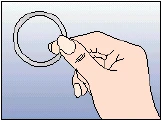
Figure 1
Remove the system from the pouch
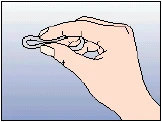
Figure 2
Squeeze the system
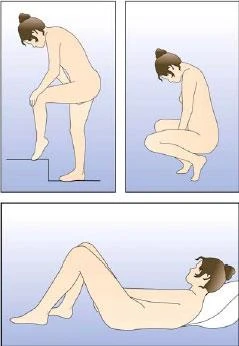
Figure 3
Choose the most comfortable position
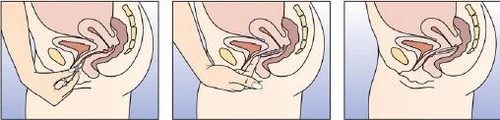
Figure 4A Figure 4B Figure 4C
Insert the system into the vagina with one hand (Figure 4A), spreading the labia with the other hand if needed. Place it inside the vagina so that it does not cause discomfort (Figure 4B). Leave the system in the vagina for 3 weeks (Figure 4C).
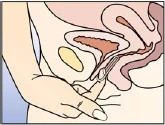
Figure 5
Remove the system from the vagina by hooking your index finger under the edge of the system or grasping it with your index and middle fingers and pulling it out.
3.2 Three weeks of use, one-week break
- The system must remain in the vagina continuously for three weeks, starting from the day of insertion.
- After three weeks, remove it on the same day of the week and approximately at the same time as it was inserted. For example, if the NuvaRing was inserted on a Wednesday at around 10:00 PM, it should be removed on a Wednesday, three weeks later, at around 10:00 PM.
- After removal, take a one-week break. During this time, bleeding may occur. It usually starts 2–3 days after removal.
- Insert a new system exactly one week after the break (on the same day of the week and approximately at the same time), even if bleeding is still ongoing. If the insertion of the new system is delayed by more than 3 hours, contraceptive effectiveness may be reduced. In such a case, follow the instructions in section 3.4 "What to do if the patient forgets to insert a new vaginal ring system after the one-week break".
If NuvaRing is used according to the above instructions, subsequent bleedings will occur every month on approximately the same days of the week.
3.3 When to insert the first NuvaRing vaginal ring system
-
Previously not using hormonal contraception Insert the system on the first day of your natural cycle (i.e., the first day of menstruation). NuvaRing is effective from the moment of insertion. There is no need to use any additional contraceptive methods. You may also start using NuvaRing between days 2 and 5 of your menstrual cycle; however, in this case, an additional contraceptive method (such as a male condom) must be used for the first 7 days of NuvaRing use. This recommendation applies only when starting NuvaRing for the first time.
-
Previously used combined oral contraceptive pills Begin using NuvaRing no later than the day following the break from your current pill. If your current pill regimen includes inactive (placebo) tablets, start using NuvaRing no later than the day after taking the last inactive tablet. If you are unsure which tablet is inactive, consult your doctor or pharmacist. Do not extend the break from your current pills beyond the recommended period. If you have taken your pills regularly and are certain you are not pregnant, you may stop taking your pills on any day and immediately start using NuvaRing.
-
Previously used a transdermal system (patch) Begin using NuvaRing no later than the day following the break from the transdermal system. Do not extend the break from the transdermal system beyond the recommended period. If you have used the transdermal system regularly and are certain you are not pregnant, you may stop using the transdermal system on any day and immediately start using NuvaRing.
-
Previously used a progestogen-only pill (mini-pill) You may stop using the mini-pill on any day and start using NuvaRing the next day at the same time you usually took the mini-pill. An additional contraceptive method (such as a male condom) must be used for the first 7 days of NuvaRing use.
-
Previously used injections, an implant, or an intrauterine system releasing progestogen [IUD] Begin using NuvaRing on the day of your next scheduled injection or on the day of removal of the implant or intrauterine system releasing progestogen. An additional contraceptive method (such as a male condom) must be used for the first 7 days of NuvaRing use.
-
After childbirth After childbirth, your doctor may recommend waiting until after the first menstrual period before starting NuvaRing. Sometimes, NuvaRing may be started earlier; your doctor will advise you when. If you are breastfeeding and wish to use NuvaRing, discuss this first with your doctor.
-
After miscarriage As advised by your doctor.
3.4 What to do if…
Management in case the system accidentally falls out of the vagina
The NuvaRing vaginal ring system may accidentally fall out of the vagina, for example, if it was inserted incorrectly, during tampon removal, during intercourse, due to constipation, or uterine prolapse. Therefore, you should regularly check whether the system is in the vagina (for example, before and after sexual intercourse).
Management if the system has been outside the vagina for some time
NuvaRing may still protect against pregnancy, depending on how long it was outside the vagina.
If the system was outside the vagina for:
- less than 3 hours , you are still protected against pregnancy. Wash the vaginal ring system with cold or lukewarm (not hot) water and reinsert it as soon as possible, but only if it was outside the vagina for less than 3 hours.
- more than 3 hours during the first or second week of use , contraceptive effectiveness may have decreased. Wash the vaginal ring system with cold or lukewarm (not hot) water and reinsert it as soon as possible, and leave it in place continuously for at least 7 days. If you have intercourse during these 7 days, use an additional male condom. If you are in the first week of your cycle and had intercourse in the last 7 days, there is a possibility of pregnancy. In this case, contact your doctor.
- more than 3 hours during the third week of use , contraceptive effectiveness may have decreased. Remove the vaginal ring system and choose one of the following two options:
1 – Insert a new vaginal ring system as soon as possible. Inserting a new vaginal ring system means starting the next three-week use period. This may prevent the expected withdrawal bleeding, although breakthrough bleeding or spotting may occur.
2 – Do not insert a new vaginal ring system. Wait for withdrawal bleeding to occur and insert a new vaginal ring system no later than 7 days after removal or expulsion of the previous one. This approach may only be used if you have used NuvaRing continuously for the past 7 days. - unknown duration , you may not be protected against pregnancy. Before inserting a new vaginal ring system, perform a pregnancy test and consult your doctor.
Management in case of damage to the vaginal ring system
Very rarely, the NuvaRing may become damaged. Vaginal wall injury has been reported in association with damage to the vaginal ring system. If you notice that NuvaRing is damaged, remove it and insert a new one as soon as possible. Use an additional contraceptive method (e.g., male condom) for the next 7 days. If intercourse occurred before you noticed the damage, contact your doctor.
Management if more than one vaginal ring system is inserted
There have been no reports of serious harmful effects related to overdose of the hormones in NuvaRing. If more than one vaginal ring system is accidentally inserted, symptoms such as nausea, vomiting, or genital bleeding may occur. Remove the additional vaginal ring system and contact your doctor if symptoms persist.
Management if the patient forgets to insert a new vaginal ring system after the one-week break
If the break in using the vaginal ring system was longer than 7 days , insert a new system as soon as possible. If intercourse occurs within the next 7 days, use an additional contraceptive method (e.g., male condom). If intercourse occurred during the break in using the vaginal ring system, there is a possibility of pregnancy. In this case, contact your doctor as soon as possible. The longer the break in using the vaginal ring system, the higher the likelihood of pregnancy.
Management if the patient forgets to remove the vaginal ring system on time
- If the system has remained in the vagina for longer than 3 weeks but not longer than 4 weeks , you are still protected against pregnancy. Remove the vaginal ring system and take a one-week break, then insert a new one.
- If the vaginal ring system has been used for longer than 4 weeks , there is a possibility of pregnancy. Contact your doctor before inserting a new vaginal ring system.
Management if withdrawal bleeding does not occur
- If the patient has used NuvaRing according to instructions If withdrawal bleeding does not occur on schedule, but you have used NuvaRing as directed and have not taken other medications, the likelihood of pregnancy is very low. Continue using NuvaRing as usual. However, if withdrawal bleeding does not occur twice in a row, there is a possibility of pregnancy. Contact your doctor as soon as possible. Do not insert a new NuvaRing until your doctor confirms you are not pregnant.
- If the patient has not used NuvaRing according to instructions If withdrawal bleeding does not occur during the first break in using NuvaRing and you have not used the vaginal ring system as directed, you may be pregnant. Contact your doctor before using a new NuvaRing.
Management of unexpected bleeding
During use of the vaginal ring system, some women may experience unexpected mid-cycle bleeding. You may need sanitary pads. Leave the system in the vagina and continue using it as usual. If irregular bleeding increases or recurs, contact your doctor.
Management if the day of bleeding changes
If NuvaRing is used as directed, menstrual periods (withdrawal bleeding) will begin during the one-week break from the vaginal ring system. If you wish for withdrawal bleeding to start on a different day, you may shorten the break (but never extend it!).
For example: if withdrawal bleeding usually starts on Friday, and you wish to change this to Tuesday (3 days earlier) next month, insert the new vaginal ring system 3 days earlier than usual.
If the break is significantly shortened (e.g., to 3 days or less), withdrawal bleeding may not occur at all during that time. During use of the next vaginal ring system, spotting (single drops or blood stains) or mid-cycle bleeding may occur.
If you are unsure how to proceed, consult your doctor.
Management if you wish to delay the onset of bleeding
Although not recommended, you may delay the onset of menstruation (withdrawal bleeding) by inserting a new vaginal ring system immediately after removing the previous one, without taking a break. The new vaginal ring system should not be used for longer than 3 weeks. During use of the new vaginal ring system, spotting or mid-cycle bleeding may occur. To induce withdrawal bleeding, remove the vaginal ring system. A regular weekly break between consecutive systems is recommended.
Before deciding to delay your period, you may consult your doctor.
3.5 What to do if the patient wishes to stop using NuvaRing
You may stop using NuvaRing at any time.
If you do not wish to become pregnant, ask your doctor about other contraceptive methods.
If you stop using NuvaRing because you wish to become pregnant, wait until after your first menstrual period before trying to conceive. This will help determine the due date.
4. Possible adverse effects
Like any medicine, the NuvaRing vaginal ring system may cause adverse effects, although not everyone experiences them. If any adverse effects occur, especially severe or persistent ones, or any changes in health that the patient considers related to the use of NuvaRing, medical advice should be sought.
All women using combined hormonal contraceptives have an increased risk of venous blood clots (venous thromboembolic disease) or arterial blood clots (arterial thromboembolic disorders). For detailed information on various risk factors associated with the use of combined hormonal contraceptives, please refer to section 2. "Important information before using NuvaRing".
If hypersensitivity (allergy) to any component of NuvaRing occurs, it may manifest as (frequency unknown): angioedema and (or) anaphylactic reaction [swelling of the face, lips, tongue, and (or) throat and (or) difficulty swallowing] or urticaria accompanied by breathing difficulties. In such cases, the NuvaRing system should be removed immediately and medical advice sought without delay (see also section 2.2 "Warnings and precautions").
Women using NuvaRing have reported the following adverse effects:
Common: may affect up to 1 in 10 women
- Abdominal pain, nausea
- Vaginal yeast infections (such as "thrush"); discomfort due to presence of the system in the vagina; genital itching; vaginal discharge
- Headache or migraine headache; depressed mood; decreased libido
- Breast pain; pelvic pain; painful menstruation
- Acne
- Weight gain
- Expulsion of the system
Uncommon: may affect up to 1 in 100 women
- Vision disturbances; dizziness
- Bloating; vomiting, diarrhoea or constipation
- Feeling tired, malaise or restlessness; mood changes; sudden mood swings
- Swelling (oedema)
- Urinary bladder or urinary tract infections
- Problems or pain during urination; urgency or need to urinate; frequent urination
- Discomfort during intercourse, including pain, bleeding, or discomfort related to the presence of the system, as experienced by the male partner
- Increased blood pressure
- Increased appetite
- Back pain; muscle cramps; pain in lower or upper limbs
- Decreased skin sensitivity
- Breast tenderness or enlargement; fibrocystic breast changes (cysts which may cause breast swelling or pain)
- Cervicitis; cervical polyps; cervical ectropion
- Changes in menstrual bleeding (e.g. heavy, prolonged, irregular or complete absence of menstruation); pelvic discomfort; premenstrual syndrome; uterine cramps
- Vaginal infections (fungal or bacterial); burning sensation, unpleasant odour, pain, discomfort or dryness of the vagina or vulva
- Hair loss, rash, itching, skin rash or hot flushes
- Urticaria
Rare: may affect up to 1 in 1,000 women
- Harmful blood clots in a vein or artery, for example:
- In the leg or foot (e.g. deep vein thrombosis)
- In the lungs (e.g. pulmonary embolism)
- Heart attack
- Stroke
- Transient ischaemic attack (mini-stroke) or temporary stroke-like symptoms, known as transient ischaemic attack (TIA)
- Blood clots in the liver, stomach and intestines, kidneys or eye
The likelihood of developing blood clots may be higher if the patient has any other conditions that increase this risk (see section 2 for further information on risk factors for blood clots and symptoms of blood clots).
- Milky discharge from the breast (galactorrhea)
Frequency not known: (frequency cannot be estimated from available data)
- Chloasma (pigmented yellowish-brown patches on the skin, especially on the face)
- Partner's discomfort during intercourse (such as irritation, rash, itching)
- Inability to remove the vaginal ring system without medical assistance (e.g. due to adhesion of the vaginal ring system to the vaginal wall)
- Vaginal wall injury related to damage of the vaginal ring system
Breast cancer and liver tumours have been reported in women using combined hormonal contraceptives. For detailed information, see section 2.2 "Warnings and precautions" – Neoplastic diseases.
Very rarely, NuvaRing may become damaged. For additional information, see section 3.4 "Instructions in case of damage to the vaginal ring system".
Reporting of adverse effects
If any adverse effects occur, including any not listed in this leaflet, inform your doctor or pharmacist. Adverse effects can be reported directly to the Department of Monitoring Adverse Drug Reactions of the Office for Registration of Medicinal Products, Medical Devices and Biocidal Products, Al. Jerozolimskie 181C, 02-222 Warsaw, tel.: +48 22 49 21 301, fax: +48 22 49 21 309, website: https://smz.ezdrowie.gov.pl .
Reporting adverse effects helps to provide more information on the safety of this medicine.
5. How to store NuvaRing
Keep the medicine out of the sight and reach of children.
Contact a doctor if a child is exposed to the hormones contained in NuvaRing.
Store below 30°C. Keep in the original packaging to protect from light and moisture.
Do not use NuvaRing after 4 months from the date of dispensing. The date of dispensing is indicated on the box and on the sachet.
Do not use NuvaRing after the expiry date stated on the box and on the sachet.
Do not use NuvaRing if you notice any change in colour or any signs of deterioration.
Used vaginal contraceptive rings should be disposed of in a regular household waste container, preferably in a sealed pouch. Do not flush NuvaRing down the toilet. As with other medicines, unused or expired systems must not be disposed of via sewage systems or household waste. Ask your pharmacist how to dispose of medicines no longer in use. This will help protect the environment.
Translation of some abbreviations appearing on the immediate packaging:
Pentru farmacist - For the dispenser
Data eliberării - Date of dispensing
A se utiliza înainte de - Use before
6. Package Contents and Other Information
What NuvaRing Contains
- The active substances in this medicine are: etonogestrel (11.7 mg) and ethinylestradiol (2.7 mg).
- Other ingredients are: poly(ethylene-vinyl acetate), 28% vinyl acetate, poly(ethylene-vinyl acetate), 9% vinyl acetate (a type of plastic that does not dissolve in the body), and magnesium stearate.
Etonogestrel and ethinylestradiol are released from the vaginal contraceptive system at a rate of
0.120 mg/day and 0.015 mg/day over a 3-week period.
What NuvaRing Looks Like and Contents of the Pack
NuvaRing is a flexible, transparent, colourless or almost colourless ring
with an outer diameter of 54 mm.
Each vaginal contraceptive system is individually packaged in a sealed foil pouch. The pouch can be resealed after opening. The pouches are contained in a cardboard box together with the package leaflet. The pack contains 1 or 3 systems.
For more detailed information, please contact the responsible entity or parallel importer.
Responsible Entity in Romania, Country of Export:
Organon Biosciences S.R.L.
Strada Av. Popișteanu, Nr. 54A, Expo Business Park, Clădirea 2
Office 306 and Office 307, Floor 3, Sector 1, Bucharest, Romania
Manufacturer:
N.V. Organon
Kloosterstraat 6
5349 AB Oss, The Netherlands
Parallel Importer:
InPharm Sp. z o.o.
ul. Strumykowa 28/11
03-138 Warsaw, Poland
Repackaged at:
InPharm Sp. z o.o. Services sp. k.
ul. Chełmżyńska 249
04-458 Warsaw, Poland
Marketing Authorisation Number in Romania, Country of Export: 4823/2012/01
4823/2012/02
Parallel Import Authorisation Number: 445/19
This medicinal product is authorised for sale in the European Economic Area and in the United Kingdom (Northern Ireland) under the following name:
NuvaRing
0.120 mg/0.015 mg/24 h, vaginal contraceptive system
Austria, Belgium, Bulgaria, Czech Republic, Denmark, Estonia, Finland, France, Germany, Greece, Hungary, Iceland, Ireland, Italy, Latvia, Lithuania, Luxembourg, Malta, The Netherlands, Norway, Romania, Poland, Portugal, Slovakia, Slovenia, Spain, Sweden, United Kingdom (Northern Ireland).
Package Leaflet: Information for the User
Warning! Keep this leaflet! The information on the immediate packaging is in a foreign language.
NuvaRing
(0.120 mg + 0.015 mg)/24 h, vaginal contraceptive system
Etonogestrelum + Ethinylestradiolum
Important Information About Combined Hormonal Contraceptives
- When used correctly, they are among the most reliable reversible methods of contraception.
- They slightly increase the risk of venous and arterial blood clots, especially during the first year of use or after restarting following a break of 4 weeks or more.
- Be vigilant and consult a doctor if you suspect symptoms of blood clots (see section 2.2 "Warnings and Precautions" - BLOOD CLOTS).
Please read this leaflet carefully before using the medicine, as it contains important information for you.
- Keep this leaflet for future reference.
- If you have any questions, consult your doctor or pharmacist.
- This medicine has been prescribed for a specific individual. Do not pass it on to others. It may harm someone else.
- If you experience any adverse effects, including those not listed in this leaflet, inform your doctor or pharmacist. See section 4.
Table of Contents of the Leaflet
- What NuvaRing Is and What It Is Used For
- Important Information Before Using NuvaRing
- How to Use NuvaRing
- Possible Side Effects
- How to Store NuvaRing and the NuvaRing Applicator
- Contents of the Pack and Other Information
1. What NuvaRing Is and What It Is Used For
NuvaRing is a contraceptive medicine in the form of a vaginal contraceptive system that prevents pregnancy. Each vaginal contraceptive system contains a small amount of two female sex hormones – etonogestrel and ethinylestradiol. These hormones are slowly released from the system into the bloodstream. Due to the low dose of hormones released, NuvaRing is classified as a low-dose hormonal contraceptive. Since NuvaRing releases two different hormones, it is also known as a combined hormonal contraceptive.
NuvaRing works similarly to a combined oral contraceptive pill (a "combined pill"). However, unlike a daily pill, NuvaRing is used continuously for 3 weeks. NuvaRing releases two female sex hormones that inhibit the release of eggs from the ovaries. Since eggs are not released, pregnancy cannot occur.
2. Important Information Before Using NuvaRing
General Notes
Before starting NuvaRing, read the information about blood clots (thrombosis) in section 2. It is especially important to understand the symptoms of blood clots (see section 2.2 "Warnings and Precautions" - BLOOD CLOTS).
This leaflet describes situations in which you should stop using NuvaRing or when its effectiveness may be reduced. In such cases, avoid sexual intercourse or use an additional non-hormonal contraceptive method, such as a male condom or another mechanical method. Do not use calendar-based methods or body temperature measurement. These may be ineffective because NuvaRing affects body temperature changes and cervical mucus consistency throughout the month.
NuvaRing, like other hormonal contraceptives, does not protect against HIV (AIDS) infection or other sexually transmitted diseases.
2.1 When Not to Use NuvaRing
Do not use NuvaRing if you have any of the conditions listed below. If you have any of these conditions, inform your doctor. Your doctor will discuss with you which alternative contraceptive method may be more suitable.
- if you currently have (or have ever had) a blood clot in the veins of your legs (deep vein thrombosis), in your lungs (pulmonary embolism), or in other organs;
- if you know you have blood clotting disorders – for example, protein C deficiency, protein S deficiency, antithrombin III deficiency, factor V Leiden mutation, or antiphospholipid antibodies;
- if you are undergoing surgery or will be immobile for a prolonged period (see section 2.2 "BLOOD CLOTS");
- if you have had a heart attack or stroke;
- if you have (or have had in the past) angina pectoris (a condition causing severe chest pain, which may be the first sign of a heart attack) or transient ischaemic attack (temporary stroke-like symptoms);
- if you have any of the following conditions that may increase the risk of arterial blood clots:
- severe diabetes with blood vessel damage;
- very high blood pressure;
- very high levels of fats in the blood (cholesterol or triglycerides);
- a condition called hyperhomocysteinemia;
- if you currently have or have previously had a type of migraine called "migraine with aura";
- if you currently have or have previously had pancreatitis associated with high levels of fats in the blood;
- if you currently have or have previously had severe liver disease and liver function has not returned to normal;
- if you currently have or have previously had a benign or malignant liver tumour;
- if you currently have or have previously had breast cancer or genital organ cancer, or if such cancers are suspected;
- if you have unexplained vaginal bleeding;
- if you are allergic to ethinylestradiol or etonogestrel or any of the other ingredients of this medicine (listed in section 6).
If any of the above conditions occur for the first time during use of NuvaRing, remove the system from the vagina immediately and consult your doctor. During this time, use a non-hormonal contraceptive method.
Do not use the NuvaRing vaginal contraceptive system if you have hepatitis C virus infection and are taking medicines containing ombitasvir, paritaprevir, ritonavir, and dasabuvir or glecaprevir, pibrentasvir (see also section 2.4 "NuvaRing and Other Medicines").
2.2 Warnings and Precautions
When Should You Contact a Doctor?
Seek immediate medical advice if:
- you notice possible symptoms of blood clots, which may indicate deep vein thrombosis (blood clot in the leg), pulmonary embolism (blood clot in the lungs), heart attack, or stroke (see section below "BLOOD CLOTS"). For a description of symptoms of these serious adverse effects, see "How to Recognise Blood Clots".
Inform your doctor if you have any of the following conditions.
If any of these conditions develop or worsen during use of NuvaRing, inform your doctor.
- if breast cancer is currently present or has occurred in close family members;
- if you have epilepsy (see section 2.4 "NuvaRing and Other Medicines");
- if you have liver disease (e.g. jaundice) or gallbladder disease (e.g. gallstones);
- if you have Crohn's disease or ulcerative colitis (chronic inflammatory bowel diseases);
- if you have systemic lupus erythematosus (a disease affecting the body's natural defence system);
- if you have haemolytic uraemic syndrome (a blood clotting disorder causing kidney failure);
- if you have sickle cell anaemia (a hereditary red blood cell disorder);
- if you have high levels of fats in the blood (hypertriglyceridaemia) or a positive family history of this condition. Hypertriglyceridaemia is associated with an increased risk of pancreatitis;
- if you require surgery or will be immobile for a prolonged period (see section "BLOOD CLOTS");
- if you have recently given birth, as you are at increased risk of blood clots. Consult your doctor about when it is safe to start using NuvaRing after childbirth;
- if you have phlebitis (inflammation of veins under the skin);
- if you have varicose veins;
- if you have conditions that first occurred or worsened during pregnancy or previous use of sex hormones (e.g. hearing loss, porphyria [a blood disorder], herpes gestationis [a blistering skin rash during pregnancy], or Sydenham's chorea [a nervous system disorder causing involuntary, sudden movements]);
- seek immediate medical attention if you experience symptoms of angioedema such as swelling of the face, tongue, and/or throat and/or difficulty swallowing or hives with breathing difficulties. Medicines containing estrogens may cause or worsen symptoms of hereditary or acquired angioedema;
- if you currently have or have previously had chloasma (yellowish-brown patches, so-called "pregnancy mask", especially on the face). If these occur, avoid excessive sun exposure and ultraviolet radiation;
- if you have conditions that make using NuvaRing difficult, such as frequent constipation, uterine prolapse, or pain during intercourse;
- if you experience sudden, frequent urges to urinate with a burning sensation and/or pain, and if you cannot locate the vaginal contraceptive system inside the vagina. These symptoms may indicate accidental placement of the NuvaRing vaginal contraceptive system into the urinary bladder.
BLOOD CLOTS
Using combined hormonal contraceptives, such as the NuvaRing vaginal contraceptive system, increases the risk of blood clots compared to not using hormonal contraception. In rare cases, a blood clot can block a blood vessel and cause serious complications.
Blood clots may occur:
- in veins (referred to as "venous thrombosis" or "venous thromboembolic disease");
- in arteries (referred to as "arterial thrombosis" or "arterial thromboembolic events").
Recovery from a blood clot is not always complete. In rare cases, the consequences of a blood clot may be permanent or, very rarely, fatal.
Remember that the overall risk of harmful blood clots associated with using NuvaRing is low.
HOW TO RECOGNISE BLOOD CLOTS
Seek immediate medical advice if you experience any of the following symptoms.
Are you experiencing any of these symptoms? What might be the likely cause?
- swelling of the leg or swelling along a vein in the leg or foot – Deep vein thrombosis, especially if accompanied by:
- pain or tenderness in the leg, which may occur only when standing or walking;
- increased warmth in the affected leg;
- change in skin colour of the leg, such as pallor, redness, or blueness;
- sudden unexplained shortness of breath or rapid breathing – Pulmonary embolism;
- sudden cough without an obvious cause, possibly with coughing up blood;
- sharp chest pain, which may worsen with deep breathing;
- severe dizziness or lightheadedness;
- rapid or irregular heartbeat;
- severe stomach pain.
If you are unsure, consult a doctor,
as some of these symptoms, such as cough or
shortness of breath, may be mistaken for milder
conditions such as respiratory tract infections (e.g.
common cold).
Symptoms most commonly affect one eye: Retinal vein thrombosis
- sudden loss of vision or (blood clot in the eye)
- painless visual disturbances, which may progress to vision loss;
| Heart attack |
| Stroke |
| Blood clots blocking other blood vessels |
BLOOD CLOTS IN VEINS
What can happen if blood clots form in veins?
- The use of combined hormonal contraceptives is associated with an increased risk of developing blood clots in veins (venous thromboembolism). Although these adverse events are rare, they most commonly occur during the first year of using combined hormonal contraceptives.
- If blood clots form in the veins of the leg or foot, this may lead to deep vein thrombosis.
- If a blood clot travels from the leg and lodges in the lungs, it may cause pulmonary embolism.
- In very rare cases, a clot may form in another organ, such as the eye (retinal vein thrombosis).
When is the risk of developing blood clots in veins the highest?
The risk of developing blood clots in veins is greatest during the first year of using combined hormonal contraceptives for the first time. The risk may also be higher when restarting combined hormonal contraceptives (either the same or a different product) after a break of 4 weeks or more.
After the first year, the risk decreases, although it remains higher than in women who do not use combined hormonal contraceptives.
If a woman stops using NuvaRing, the risk of developing blood clots returns to normal within a few weeks.
What factors influence the risk of developing blood clots in veins?
The risk depends on the natural risk of developing venous thromboembolic disease and the type of combined hormonal contraceptive used.
The overall risk of developing blood clots in the legs or lungs associated with the use of NuvaRing is low.
- In the course of one year, about 2 out of 10,000 women who do not use combined hormonal contraceptives and who are not pregnant will develop blood clots.
- In the course of one year, about 5–7 out of 10,000 women who use combined hormonal contraceptives containing levonorgestrel, norethisterone, or norgestimate will develop blood clots.
- In the course of one year, about 6 to 12 out of 10,000 women who use combined hormonal contraceptives containing norelgestromin or etonogestrel, such as the NuvaRing vaginal contraceptive system, will develop blood clots.
- The risk of developing blood clots depends on an individual woman's medical history (see "Factors that increase the risk of blood clots", below).
| Risk of developing blood clots within one year | |
| Women who are not using combined hormonal pills/patches/vaginal rings and are not pregnant | About 2 per 10,000 women |
| Women using combined oral contraceptive pills containing levonorgestrel, norethisterone or norgestimate | About 5-7 per 10,000 women |
| Women using the NuvaRing vaginal ring system | About 6-12 per 10,000 women |
Factors increasing the risk of venous blood clots
The risk of developing blood clots associated with the use of the NuvaRing vaginal ring system is low, but certain factors may increase this risk.
The risk is higher:
- if the patient is significantly overweight (body mass index (BMI) above 30 kg/m²);
- if a close family member of the patient has had blood clots in the legs, lungs, or other organs at a young age (e.g., under 50 years). In such cases, the patient may have an inherited clotting disorder;
- if the patient needs to undergo surgery, will be immobilized for a prolonged period due to injury or illness, or has a leg in a cast. It may be necessary to discontinue use of NuvaRing several weeks before surgery or immobilization. If the patient must stop using NuvaRing, consult a doctor about when it is safe to resume use;
- with increasing age (especially over 35 years);
- if the patient has recently given birth (within the past few weeks). The risk of developing blood clots increases with the number of risk factors present in the patient.
Air travel (>4 hours) may temporarily increase the risk of developing blood clots, especially if the patient has another risk factor listed above.
It is important to inform the doctor if any of these risk factors apply to the patient, even if uncertain. The doctor may decide to discontinue use of NuvaRing.
Inform the doctor if any of the above conditions change during use of NuvaRing, for example, if a close family member is diagnosed with unexplained thrombosis or if the patient gains significant weight.
ARTERIAL BLOOD CLOTS
What can happen if blood clots form in the arteries?
As with venous blood clots, arterial clots may lead to serious consequences, such as heart attack or stroke.
Factors increasing the risk of arterial blood clots
It is important to emphasize that the risk of heart attack or stroke associated with the use of the NuvaRing vaginal ring system is very low, but may increase:
- with age (over approximately 35 years);
- if the patient smokes. While using a hormonal contraceptive such as the NuvaRing vaginal ring system, smoking should be discontinued. If the patient is unable to stop smoking and is over 35 years old, the doctor may recommend using a different type of contraception;
- if the patient is overweight;
- if the patient has high blood pressure;
- if a close family member has had a heart attack or stroke at a young age (under 50 years). In such cases, the patient may also be at increased risk of heart attack or stroke;
- if the patient or a close family member has high levels of blood lipids (cholesterol or triglycerides);
- if the patient suffers from migraines, particularly migraines with aura;
- if the patient has heart disease (valvular heart disease, cardiac arrhythmia such as atrial fibrillation);
- if the patient has diabetes.
If the patient has more than one of the above conditions, or if any of them are particularly severe, the risk of blood clots may be further increased.
Inform the doctor if any of the above conditions change during use of the NuvaRing vaginal ring system, for example, if the patient starts smoking, a close family member is diagnosed with unexplained thrombosis, or if the patient gains significant weight.
Cancer
The following information is based on studies using combined oral contraceptives and may also apply to NuvaRing. Data on vaginal hormonal contraceptives (as used in NuvaRing) are limited.
A slightly increased incidence of breast cancer has been observed among women using combined hormonal contraceptives, although it is not known whether this is caused by the medication. It is possible that breast cancers are detected more frequently in these women because they undergo more regular medical examinations. The increased risk of breast cancer gradually decreases after stopping combined hormonal contraceptives.
Regular breast examinations are very important. If any lump is detected, consult a doctor immediately. Also inform the doctor if a close relative has or has had breast cancer (see section 2.2 "Warnings and precautions").
In rare cases, benign liver tumors have been reported in women using combined hormonal contraceptives, and very rarely, malignant liver tumors. If unusual, severe abdominal pain occurs, consult the doctor.
There are reports that women using combined hormonal contraceptives have a lower incidence of endometrial cancer (cancer of the uterine lining) and ovarian cancer. This may also apply to NuvaRing, but has not yet been confirmed.
Psychiatric disorders
Some women using hormonal contraceptives, including NuvaRing, have reported depression or low mood. Depression can be severe and may sometimes lead to suicidal thoughts. If mood changes or symptoms of depression occur, contact a doctor as soon as possible for further medical advice.
2.3 Children and adolescents
The safety and efficacy of NuvaRing have not been studied in adolescents under 18 years of age.
2.4 NuvaRing and other medicines
Always inform the doctor about any medicines or herbal products currently being used. Also inform any other specialist doctor, dentist, or pharmacist prescribing other medicines about the use of NuvaRing. They may advise whether additional contraceptive methods (e.g., male condoms) are needed, how long they should be used, and whether any adjustment of other medication is required.
Some medicines:
- may affect the blood concentration of NuvaRing;
- may reduce its contraceptive effectiveness;
- may cause unexpected bleeding.
These include medicines used to treat:
- epilepsy (e.g., primidone, phenytoin, barbiturates, carbamazepine, oxcarbazepine, topiramate, felbamate);
- tuberculosis (e.g., rifampicin);
- HIV infection (e.g., ritonavir, nelfinavir, nevirapine, efavirenz);
- hepatitis C virus infection (e.g., boceprevir, telaprevir);
- other infections (e.g., griseofulvin);
- pulmonary arterial hypertension (bosentan);
- depression (St. John’s wort).
If the patient is taking medicines or herbal products that may reduce the effectiveness of NuvaRing, a mechanical contraceptive method (e.g., male condom) should also be used. Because the effect of another medicine on NuvaRing may persist for up to 28 days after stopping the medicine, additional mechanical contraception should be used during this period.
Note: NuvaRing should not be used with a diaphragm, cervical cap, or female condom.
NuvaRing may affect the action of other medicines such as:
- medicines containing cyclosporine;
- the antiepileptic drug lamotrigine (which may lead to increased frequency of seizures).
If the patient has hepatitis C virus infection and is taking medicines containing ombitasvir, paritaprevir, ritonavir, and dasabuvir or glecaprevir, pibrentasvir, the NuvaRing vaginal ring system should not be used, as this may lead to increased liver function parameters in blood tests (increased activity of the liver enzyme AlAT).
Before starting these medicines, the doctor will prescribe a different type of contraceptive.
Use of the NuvaRing vaginal ring system may be resumed approximately 2 weeks after completing this treatment. See section 2.1 "When not to use NuvaRing".
Before taking any medicine, consult a doctor or pharmacist.
During use of NuvaRing, tampons may be used. Insert NuvaRing before inserting a tampon. Be careful when removing the tampon not to accidentally remove NuvaRing as well. If NuvaRing is expelled, rinse it with cool or lukewarm water and reinsert as soon as possible.
Damage to the vaginal ring system may occur when using vaginal products such as lubricants or treatments for infections (see section 3.4 "What to do if the vaginal ring system is damaged"). Use of spermicides or vaginal antifungal medicines does not reduce the contraceptive effectiveness of NuvaRing.
Diagnostic tests
If blood or urine tests are being performed, inform the laboratory staff that NuvaRing is being used, as the use of the vaginal ring system may affect the results of certain laboratory tests.
2.5 Pregnancy and breastfeeding
NuvaRing must not be used during pregnancy or if pregnancy is suspected. If the patient becomes pregnant while using NuvaRing, remove the vaginal ring system and contact a doctor.
If the patient wishes to stop using NuvaRing because she wants to become pregnant, refer to section 3.5 "What to do if the patient wants to stop using NuvaRing".
Use of NuvaRing is not recommended during breastfeeding. If the patient wishes to use NuvaRing while breastfeeding, she should consult her doctor first.
2.6 Driving and using machines
NuvaRing does not affect the ability to drive or operate machinery.
3. How to use NuvaRing
NuvaRing can be inserted and removed by the patient herself. The doctor will advise when to start using it. The NuvaRing vaginal ring system should be inserted on the correct day of the cycle (see section 3.3 "When to insert the first NuvaRing vaginal ring") and left in place for three consecutive weeks. Regularly check that the NuvaRing vaginal ring system is in the vagina (e.g., before and after sexual intercourse) to ensure contraceptive protection. After three weeks, remove the NuvaRing system and take a one-week break. Withdrawal bleeding usually occurs during this break.
Do not use certain female mechanical contraceptive methods, such as a diaphragm, cervical cap, or female condom, while using NuvaRing. These methods should not be used as additional contraceptive methods because NuvaRing may interfere with the correct placement and positioning of an intrauterine device, cervical cap, or female condom. However, a male condom may be used as an additional mechanical contraceptive method.
3.1 Inserting and removing NuvaRing
- Before insertion, check the expiry date (see section 5 "How to store NuvaRing and NuvaRing Applicator").
- Wash hands before inserting or removing the system.
- Choose the most comfortable position for insertion, such as standing with one leg raised, squatting, or lying down.
- Remove the NuvaRing from the pouch.
- Holding the ring between the thumb and index finger, compress it and insert into the vagina (see Figures 1–4). Alternatively, use the NuvaRing Applicator to help place the system in the vagina (see: Instructions for Use, below). The correct position of NuvaRing is one where it is not felt. If the ring causes discomfort, gently adjust its position (e.g., push it slightly deeper into the vagina) until the patient feels comfortable. The exact position within the vagina does not affect its contraceptive effectiveness.
- After three weeks, remove the system from the vagina. This can be done by hooking a finger under the edge of the ring or grasping it with the index and middle fingers and pulling it out (Figure 5). If the patient can locate the ring in the vagina but cannot remove it, she should contact her doctor.
- Dispose of the used system with household waste, preferably in the sealed pouch it originally came in. Do not flush NuvaRing down the toilet.
How to insert the NuvaRing vaginal ring system using fingers only:
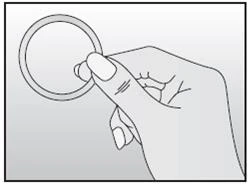
Figure 1
Remove NuvaRing from pouch
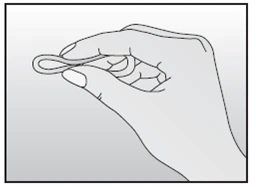
Figure 2
Compress the ring
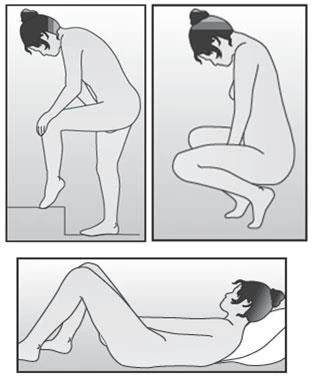
Figure 3
Choose the most comfortable position for insertion
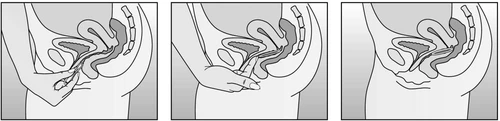
Figure 4A Figure 4B Figure 4C
Insert the ring into the vagina with one hand (Figure 4A), spreading the labia with the other hand if needed. Place it inside the vagina in a comfortable position (Figure 4B). Leave the ring in place for 3 weeks (Figure 4C).
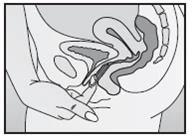
Figure 5
Remove the ring from the vagina by hooking a finger under its edge or grasping it with the index and middle fingers and pulling it out.
Important information about the NuvaRing Applicator:
- Optional for use when inserting the NuvaRing vaginal ring system.
- DO NOT reuse the applicator; it is intended for single use only.
- DO NOT share the applicator with others.
- If the applicator is accidentally dropped, wash it with cool or lukewarm (NOT hot) water.
- After use, immediately dispose of the applicator in a regular household waste container.
- Do not flush the applicator down the toilet.
How to insert the NuvaRing vaginal ring system using the applicator:
1: Preparation
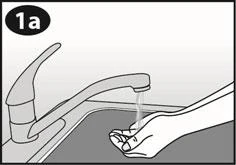 | Wash hands before opening the package. The package should be opened ONLY immediately before using the applicator. DO NOT use the applicator if the package or its contents are visibly damaged. |
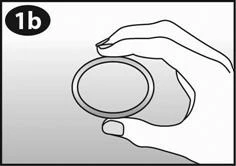 | The applicator is intended for use ONLY with the NuvaRing vaginal contraceptive system. Do not use it with other medicinal products. |
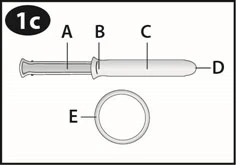 | Refer to the illustration showing the applicator and its individual parts. A. Plunger B. Handle C. Cylinder D. Hole in the cylinder E. NuvaRing vaginal contraceptive system |
2: Setting the plunger and assuming the correct position
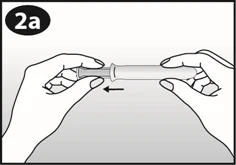 | Gently pull the plunger to the end. |
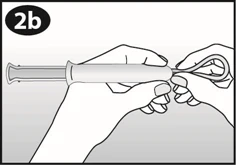 | Squeeze the opposite sides of the vaginal therapeutic system together and insert it into the opening of the cylinder. |
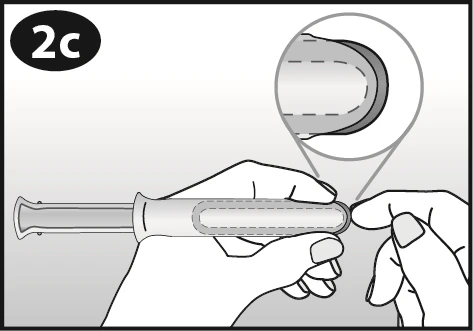 | Gently push the vaginal therapeutic system into the center of the cylinder. The tip of the vaginal therapeutic system should protrude slightly from the opening of the cylinder. |
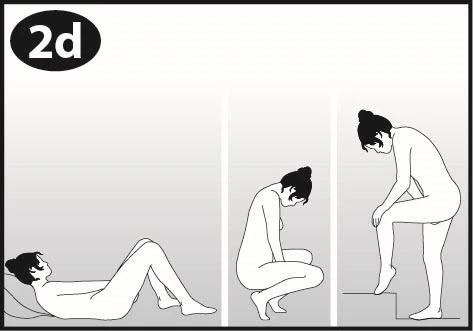 | Choose the most comfortable position for inserting the vaginal therapeutic system, for example lying down, sitting in a squatting position, or standing with one leg raised. |
3: Insertion of the vaginal ring and removal of the applicator
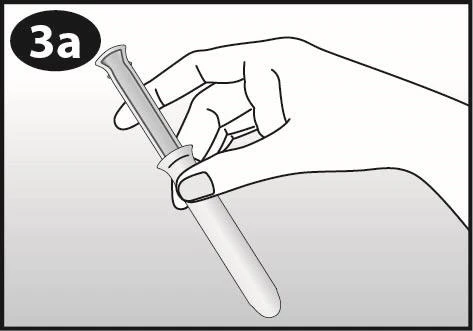 | Hold the applicator by the handle between your thumb and middle finger. |
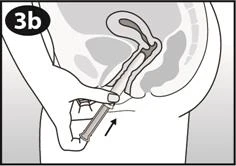 | Gently insert the barrel into the vagina until your fingers (on the grip) touch the body. Then, using your index finger, gently press the plunger fully down. During use of the applicator, some women experienced a transient, mild stinging sensation. |
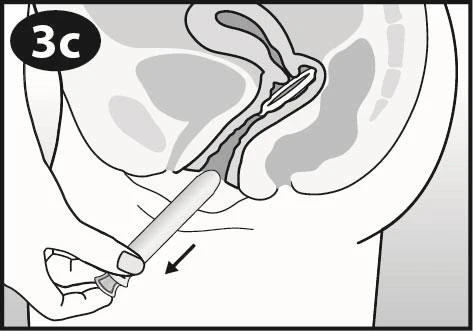 | The vaginal ring will be expelled from the applicator. Gently remove the applicator. |
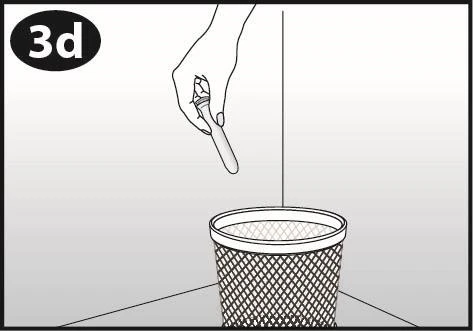 | Ensure that the vaginal ring has NOT remained in the applicator. Dispose of the used applicator in a household waste container. DO NOT flush the applicator down the toilet. DO NOT reuse the applicator. |
3.2 Three weeks of use, one week break
-
The system must remain in the vagina continuously for three weeks, starting from the day of insertion.
-
After three weeks, remove the system on the same day of the week and approximately at the same time as it was inserted. For example, if NuvaRing was inserted on a Wednesday at about 10:00 PM, it should be removed on Wednesday three weeks later, around 10:00 PM.
-
After removing the system, take a one-week break. During this time, withdrawal bleeding may occur. It usually begins 2–3 days after removal.
-
Insert a new system exactly one week after the break (on the same day of the week and approximately at the same time), even if bleeding is still ongoing. If insertion of the new system is delayed by more than 3 hours, contraceptive effectiveness may be reduced. In such a case, follow the instructions in section 3.4, “What to do if the patient forgets to insert a new vaginal therapeutic system after the weekly break.”
If NuvaRing is used according to the above instructions, withdrawal bleeding will typically occur every month around the same days of the week.
3.3 When to insert the first NuvaRing vaginal therapeutic system
- Previously not using hormonal contraception Insert the NuvaRing system on the first day of the natural cycle (i.e., the first day of menstruation). NuvaRing is effective from the moment of insertion. There is no need to use any additional contraceptive methods. NuvaRing may also be started between days 2 and 5 of menstruation; however, in this case, an additional contraceptive method (such as a male condom) must be used during the first 7 days of NuvaRing use. This recommendation applies only when starting NuvaRing for the first time.
- Previously using combined oral contraceptives Begin using NuvaRing no later than the day after the break from the current oral contraceptive. If the current oral contraceptive includes inactive (placebo) tablets, start NuvaRing no later than the day after taking the last inactive tablet. If in doubt about which tablet is which, consult a doctor or pharmacist. Do not extend the break from the current oral contraceptive beyond the recommended period. If the patient has taken her pills regularly and is certain she is not pregnant, she may stop taking the pills on any day and immediately start using NuvaRing.
- Previously using a transdermal system (patch) Begin using NuvaRing no later than the day after stopping the transdermal system. Do not extend the break from the transdermal system beyond the recommended period. If the patient has used the transdermal system regularly and is certain she is not pregnant, she may discontinue the transdermal system on any day and immediately start using NuvaRing.
- Previously using a progestin-only pill (minipill) The progestin-only pill may be discontinued on any day, and NuvaRing should be inserted the next day at the same time the pill was usually taken. An additional contraceptive method (such as a male condom) must be used during the first 7 days of NuvaRing use.
- Previously using injections, an implant, or a progestin-releasing intrauterine system [IUD] Begin using NuvaRing on the day the next injection is due, or on the day of removal of the implant or progestin-releasing intrauterine system. An additional contraceptive method (such as a male condom) must be used during the first 7 days of NuvaRing use.
- After childbirth After childbirth, the doctor may recommend starting NuvaRing only after the first menstruation. Sometimes NuvaRing may be started earlier; the doctor will advise when. If breastfeeding and considering using NuvaRing, discuss this first with a doctor.
- After miscarriage As advised by the doctor.
3.4 What to do if…
Management in case the system accidentally falls out of the vagina
The NuvaRing vaginal therapeutic system may accidentally fall out of the vagina, for example, if inserted incorrectly, during tampon removal, during sexual intercourse, due to constipation, or uterine prolapse. Therefore, check regularly whether the system is in place (e.g., before and after sexual intercourse).
Management if the system has been outside the vagina for some time
NuvaRing may still protect against pregnancy, depending on how long it was outside the vagina.
If the system was outside the vagina for:
- less than 3 hours , the patient remains protected against pregnancy. Wash the vaginal therapeutic system with cold or lukewarm (not hot) water and reinsert it as soon as possible, but only if it was out for less than 3 hours.
- more than 3 hours during the first or second week of use , contraceptive effectiveness may be reduced. Wash the vaginal therapeutic system with cold or lukewarm (not hot) water and reinsert it as soon as possible, and leave it in place continuously for at least 7 days. If sexual intercourse occurs during these 7 days, use an additional male condom. If the patient is in the first week of the cycle and had sexual intercourse in the past 7 days, pregnancy is possible. In this case, contact a doctor.
- more than 3 hours during the third week of use , contraceptive effectiveness may be reduced. Remove the vaginal therapeutic system and choose one of the following options:
- Insert a new vaginal therapeutic system as soon as possible. Inserting a new system starts the next three-week cycle of use. This may prevent the expected withdrawal bleeding, but breakthrough bleeding or spotting may occur.
- Do not reinsert the vaginal therapeutic system. Wait for withdrawal bleeding and insert a new vaginal therapeutic system no later than 7 days after removal or expulsion of the previous one. This approach may only be used if the patient has used NuvaRing continuously for the last 7 days.
- unknown duration , the woman may not be protected against pregnancy. Before inserting a new vaginal therapeutic system, perform a pregnancy test and consult a doctor.
Management in case of damage to the vaginal therapeutic system
Very rarely, NuvaRing may become damaged. Vaginal wall injury has been reported in association with damage to the vaginal therapeutic system. If the patient notices that NuvaRing is damaged, it should be removed and a new one inserted as soon as possible. An additional contraceptive method (e.g., male condom) should be used for the next 7 days. If sexual intercourse occurred before the damage was noticed, contact a doctor.
Management if more than one vaginal therapeutic system is inserted
There have been no reports of severe harmful effects related to overdose of hormones in NuvaRing. If more than one vaginal therapeutic system is inserted by accident, nausea, vomiting, or genital bleeding may occur. Remove the additional system and contact a doctor if symptoms persist.
Management if the patient forgets to insert a new vaginal therapeutic system after the weekly break
If the break in use of the vaginal therapeutic system was longer than 7 days , insert a new system as soon as possible. If sexual intercourse occurs in the next 7 days, use an additional contraceptive method (e.g., male condom). If sexual intercourse occurred during the break in use of the vaginal therapeutic system, pregnancy is possible. In such a case, contact a doctor as soon as possible. The longer the break in use, the higher the likelihood of pregnancy.
Management if the patient forgets to remove the vaginal therapeutic system on time
- If the system remained in the vagina longer than 3 weeks but not longer than 4 weeks , the patient remains protected against pregnancy. Remove the vaginal therapeutic system for one week, then insert a new one.
- If the patient used the vaginal therapeutic system longer than 4 weeks , pregnancy is possible. Contact a doctor before inserting a new vaginal therapeutic system.
Management if withdrawal bleeding does not occur
- If the patient used NuvaRing according to instructions If withdrawal bleeding does not occur on schedule, but the patient used NuvaRing as directed and did not take other medications, the likelihood of pregnancy is very low. Continue using NuvaRing as before. However, if withdrawal bleeding does not occur for two consecutive cycles, pregnancy is possible. Contact a doctor as soon as possible. Do not insert a new NuvaRing system until the doctor confirms the patient is not pregnant.
- If the patient used NuvaRing incorrectly If withdrawal bleeding does not occur during the first break in NuvaRing use and the patient used the vaginal therapeutic system incorrectly, pregnancy is possible. Contact a doctor before using a new NuvaRing.
Management of unexpected bleeding
During use of the vaginal therapeutic system, some women may experience unexpected mid-cycle bleeding. Sanitary pads may be needed. Leave the system in place and continue use as usual. If irregular bleeding increases or persists, contact a doctor.
Management if the day of withdrawal bleeding changes
If NuvaRing is used as directed, menstruation (withdrawal bleeding) will begin during the weekly break in use of the vaginal therapeutic system. If the patient wishes withdrawal bleeding to start on a different day, she may shorten the break in use (but never extend it!).
For example: if withdrawal bleeding usually starts on Friday, and the patient wants to shift it to Tuesday (3 days earlier) next month, she should insert the new vaginal therapeutic system 3 days earlier than usual.
If the break in use of the vaginal therapeutic system is significantly shortened (e.g., to 3 days or less), withdrawal bleeding may not occur at all. During the next cycle of use, spotting (small drops or stains of blood) or mid-cycle bleeding may occur.
If the patient is unsure how to proceed, she should consult a doctor.
Management if delaying withdrawal bleeding is desired
Although not recommended, menstruation (withdrawal bleeding) can be delayed by inserting a new vaginal therapeutic system immediately after removing the previous one, without a break. The new vaginal therapeutic system should not be used for longer than 3 weeks. During use of the new system, spotting (small drops or stains of blood) or mid-cycle bleeding may occur. To induce withdrawal bleeding, remove the vaginal therapeutic system. A regular weekly break between consecutive systems is recommended.
Before deciding to delay menstruation, the patient may consult her doctor.
3.5 Management if the patient wishes to stop using NuvaRing
NuvaRing may be discontinued at any time.
If the patient does not wish to become pregnant, consult a doctor about alternative contraceptive methods.
If the patient discontinues NuvaRing because she wishes to become pregnant, she should wait until after the first menstruation before trying to conceive. This helps determine the due date.
4. Possible side effects
Like all medicines, the NuvaRing vaginal therapeutic system may cause side effects, although not everyone experiences them. If any side effects occur, especially severe or persistent ones, or changes in health believed to be related to NuvaRing use, consult a doctor.
All women using combined hormonal contraceptives have an increased risk of venous blood clots (venous thromboembolic disease) or arterial blood clots (arterial thromboembolic events). For detailed information on various risk factors associated with combined hormonal contraceptives, refer to section 2, “Important information before using NuvaRing.”
If allergic reaction (hypersensitivity) to any component of NuvaRing occurs, it may manifest as (frequency unknown): angioedema and (or) anaphylactic reaction (swelling of the face, lips, tongue, and (or) throat and (or) difficulty swallowing) or hives with breathing difficulty. In such cases, remove NuvaRing and contact a doctor immediately (see also section 2.2, “Warnings and precautions”).
Women using NuvaRing have reported the following side effects:
Common: (may affect up to 1 in 10 women)
- abdominal pain, nausea
- vaginal fungal infections (e.g., “yeast infection”); discomfort due to presence of the system in the vagina; genital itching; vaginal discharge
- headache or migraine headache; depressed mood; decreased libido
- breast pain; pelvic pain; painful menstruation
- acne
- weight gain
- expulsion of the system
Uncommon: (may affect up to 1 in 100 women)
- visual disturbances; dizziness
- bloating; vomiting, diarrhea, or constipation
- feeling of fatigue, malaise, or irritability; mood changes; sudden mood swings
- swelling
- urinary bladder or urinary tract infections
- problems or pain during urination; urgency or need to urinate; frequent urination
- discomfort during intercourse, including pain, bleeding, or discomfort related to the presence of the system, felt by the male partner
- increased blood pressure
- increased appetite
- back pain; muscle cramps; pain in lower or upper limbs
- decreased skin sensitivity
- breast tenderness or enlargement; fibrocystic breast disease (cysts that may cause breast swelling or pain)
- cervical inflammation; cervical polyps; cervical ectropion
- changes in menstrual bleeding (e.g., heavy, prolonged, irregular, or complete absence of menstruation); pelvic discomfort; premenstrual syndrome; uterine cramps
- vaginal infections (fungal or bacterial); burning sensation, unpleasant odor, pain, discomfort, or dryness of the vagina or vulva
- hair loss, rash, itching, hives, or hot flushes
- urticaria
Rare: (may affect up to 1 in 1000 women)
- harmful blood clots in veins or arteries, for example:
o in leg or foot (e.g., deep vein thrombosis)
o in lungs (e.g., pulmonary embolism)
o heart attack
o stroke
o mini-stroke or transient ischemic attack (TIA)
o blood clots in the liver, stomach, intestines, kidneys, or eye
The risk of blood clots may be higher if the patient has other risk factors (see section 2 for further information on risk factors for blood clots and symptoms of clot formation).
- milk discharge from the breast
Unknown: (frequency cannot be determined from available data)
- chloasma (yellowish-brown pigmented patches on the skin, especially on the face)
- partner’s discomfort during intercourse (e.g., irritation, rash, itching)
- inability to remove the vaginal therapeutic system without medical assistance (e.g., due to adhesion of the system to the vaginal wall)
- vaginal wall injury associated with damage to the vaginal therapeutic system
Breast cancer and liver tumors have occurred in women using combined hormonal contraceptives. For detailed information, see section 2.2, “Warnings and precautions” – Neoplastic diseases.
Very rarely, NuvaRing may become damaged. For additional information, see section 3.4, “Management in case of damage to the vaginal therapeutic system.”
Reporting of side effects
If any side effects occur, including those not listed in this leaflet, inform a doctor or pharmacist. Side effects can be reported directly to the Department of Monitoring Adverse Drug Reactions, Office for Registration of Medicinal Products, Medical Devices and Biocidal Products, Al. Jerozolimskie 181C, 02-222 Warsaw, tel.: +48 22 49 21 301, fax: +48 22 49 21 309, website: https://smz.ezdrowie.gov.pl.
Reporting side effects helps gather more information on the safety of the medicine.
5. How to store NuvaRing and NuvaRing Applicator
Keep the medicine out of sight and reach of children.
Contact a doctor if a child is exposed to the hormones in NuvaRing.
Store below 30°C. Keep in the original packaging to protect from light and moisture.
Do not use NuvaRing more than 4 months after the date of dispensing from the pharmacy. The dispensing date is indicated on the box and on the vaginal therapeutic system sachet.
Do not use NuvaRing after the expiry date stated on the box and on the sachet.
Do not use NuvaRing if a color change is noticed or if there are any signs of deterioration.
Dispose of the used vaginal therapeutic system in a regular household waste container, preferably in a sealed sachet. Dispose of the used applicator in a regular household waste container. Do not flush NuvaRing or the NuvaRing Applicator down the toilet. Unused or expired medicines, like other medicinal products, should not be disposed of via wastewater or household waste. Ask a pharmacist how to dispose of medicines no longer in use. This helps protect the environment.
Translation of some abbreviations on the immediate packaging:
Pentru farmacist – For the dispenser
Data eliberării – Date of dispensing
A se utiliza înainte de – Use by
6. Contents of the pack and other information
What NuvaRing contains
- Active substances: etonogestrel (11.7 mg) and ethinylestradiol (2.7 mg)
- Other ingredients: poly(ethylene-vinyl acetate), 28% vinyl acetate and poly(ethylene-vinyl acetate), 9% vinyl acetate (a type of plastic that does not dissolve in the body), and magnesium stearate.
Etonogestrel and ethinylestradiol are released from the vaginal therapeutic system at a rate of 0.120 mg/day and 0.015 mg/day, respectively, over a 3-week period.
What NuvaRing and NuvaRing Applicator look like and contents of the pack
NuvaRing is a flexible, transparent, colorless or almost colorless ring with an outer diameter of 54 mm.
Each vaginal therapeutic system is individually packaged in a foil sachet. The sachet can be resealed after opening.
The applicator is a non-sterile, single-use medical device made of PP plastic. Each applicator is individually packaged. The applicator bears the CE marking, which is embossed on the medical device.
The sachet containing the vaginal therapeutic system(s) and applicator(s) is placed in a cardboard box with the package leaflet.
Each pack contains 1 or 3 systems and corresponding applicators.
For more detailed information, contact the responsible entity or parallel importer.
Responsible entity in Romania, country of export:
Organon Biosciences S.R.L.
Strada Av. Popișteanu, Nr. 54A, Expo Business Park, Clădirea 2
Birou 306 și Birou 307, Etaj 3, Sectorul 1, Bucharest, Romania
Manufacturer:
N.V. Organon
Kloosterstraat 6
5349 AB Oss
The Netherlands
Parallel importer:
InPharm Sp. z o.o.
ul. Strumykowa 28/11
03-138 Warsaw
Repackaged in:
InPharm Sp. z o.o. Services sp. k.
ul. Chełmżyńska 249
04-458 Warsaw
Marketing authorization number in Romania, country of export: 4823/2012/03
4823/2012/04
Parallel import authorization number: 445/19
This medicinal product is authorized for sale in the European Economic Area and the United Kingdom (Northern Ireland) under the following name:
NuvaRing
0.120 mg/0.015 mg/24 h, vaginal therapeutic system
Austria, Belgium, Bulgaria, Czech Republic, Denmark, Estonia, Finland, France, Germany, Greece, Hungary, Iceland, Ireland, Italy, Latvia, Lithuania, Luxembourg, Malta, The Netherlands, Norway, Romania, Poland, Portugal, Slovakia, Slovenia, Spain, Sweden, United Kingdom (Northern Ireland).
Similar drugs
| Brand name | Dosage form | Active substance / Dosage | Manufacturer |
|---|---|---|---|
| ADARING | vaginal therapeutic system |
|
Adamed Pharma S.A. |
| CIRCLET | vaginal therapeutic system |
|
N.V. Organon |
| GINORING | vaginal therapeutic system |
|
Laboratorios Leon Farma S.A. |
| GINORING | vaginal therapeutic system |
|
UAB "Exeltis Baltics" |
| GINORING | vaginal therapeutic system |
|
Medical Valley Invest AB |
| MIRGI | vaginal therapeutic system |
|
Mithra Pharmaceuticals CDMO S.A. |
| NUVARING | vaginal therapeutic system |
|
ORGANON BIOSCIENCES S.R.L. |
| NUVARING | vaginal therapeutic system |
|
ORGANON BIOSCIENCES S.R.L. |
| NUVARING | vaginal therapeutic system |
|
N.V. Organon |
| NUVARING | vaginal therapeutic system |
|
N.V. Organon |
| NUVARING | vaginal therapeutic system |
|
Organon Belgium |
| NUVARING | vaginal therapeutic system |
|
Organon Healthcare GmbH |
The original data is available in the language of the country of manufacture.
Data source: Register of Medicinal Products of Poland (URPL)
Data last verified: September 01, 2026