ITALEPT
ItalyItalept is an antiepileptic medicinal product used to treat epileptic seizures. It can be used alone in adults and adolescents aged 16 years and older for certain forms of epilepsy, or as an add-on to other medicines to treat different types of seizures in adults, adolescents, children, and infants (from one month of age).
Frequently asked questions
How should I take Italept?
The medicine must be taken twice daily, once in the morning and once in the evening, approximately at the same time. Tablets should be swallowed with a sufficient amount of liquid and can be taken with or without food. The exact dose and form (tablets or oral solution) are determined by the doctor based on the patient's age, weight, and needs.
When should I not take this medicine?
You must not take Italept if you are allergic to levetiracetam, pyrrolidone derivatives, or any of the other ingredients of the medicine. It is important to inform the doctor if you suffer from kidney problems or if you have cardiac arrhythmia problems.
What are the side effects of Italept?
The most common side effects include nasopharyngitis, drowsiness, headache, fatigue, and dizziness. Other effects may also occur, such as loss of appetite, anxiety, irritability, balance disorders, nausea, diarrhea, or skin rashes. In rare or very rare cases, serious allergic reactions, kidney or liver function problems, or significant changes in mood and behavior may occur.
Are there interactions with other medicines?
It is necessary to inform the doctor if you are taking other medicines. In particular, you should not take macrogol (a laxative) one hour before and one hour after taking levetiracetam, as it could reduce its efficacy.
What should I do if I forget a dose or take too much?
If you forget a dose, contact your doctor; do not take a double dose to compensate. In case of overdose, which can cause drowsiness, agitation, or other serious symptoms, contact your doctor immediately.
Can I drive while undergoing therapy?
Italept may cause drowsiness, reducing the ability to drive vehicles or use machinery. You must not drive until you have verified that the medicine does not affect your ability to perform these activities.
Instructions for use
Table of contents
- ITALEPT 100 mg/ml oral solution
- 1. What Italept is and what it is used for
- 2. What you need to know before taking ITALEPT
- 3. How to take Italept
- 4. Possible side effects
- 5. How to store Italept
- 6. Package contents and other information
- 1. What Italept is and what it is used for
- 2. What you need to know before taking Italept
- 3. How to take Italept
- 4. Possible side effects
- 5. How to store Italept
- 6. Package contents and other information
Package leaflet: Information for the patient
ITALEPT 100 mg/ml oral solution
Levetiracetam
Generic medicine
Read this leaflet carefully before you or your child starts taking this medicine
because it contains important information for you.
- Keep this leaflet. You may need to read it again.
- If you have any questions, ask your doctor or pharmacist.
- This medicine has been prescribed for you only. Do not give it to others, even if their symptoms are the same as yours, as it could be harmful.
- If you experience any adverse reaction, including those not listed in this leaflet, contact your doctor or pharmacist. See section 4.
Contents of this leaflet:
- What Italept is and what it is used for
- What you need to know before taking Italept
- How to take Italept
- Possible side effects
- How to store Italept
- Contents of the pack and other information
1. What Italept is and what it is used for
Italept 100 mg/ml oral solution is an antiepileptic medicine (a medicine used to treat
epileptic seizures).
Italept is used:
- as monotherapy in adults and adolescents from the age of 16 years with newly diagnosed epilepsy, to treat a certain type of epilepsy. Epilepsy is a condition in which patients have repeated seizures. Levetiracetam is used for the type of epilepsy in which the seizure starts in only one part of the brain, but may subsequently spread to broader areas on both sides of the brain (partial-onset seizures with or without secondary generalization). Your doctor has prescribed levetiracetam to reduce the number of your seizures.
- as add-on therapy to other antiepileptic medicines to treat:
- partial-onset seizures, with or without generalization, in adults, adolescents, children and infants from one month of age;
- myoclonic seizures (brief, shock-like spasms of a muscle or group of muscles) in adults and adolescents from 12 years of age with juvenile myoclonic epilepsy;
- primary generalized tonic-clonic seizures (major seizures, including loss of consciousness) in adults and adolescents from 12 years of age with idiopathic generalized epilepsy (the type of epilepsy believed to have a genetic cause).
2. What you need to know before taking ITALEPT
Do not take Italept
- If you are allergic to levetiracetam, to pyrrolidone derivatives, or to any of the other ingredients of this medicine (listed in section 6).
Warnings and Precautions
Talk to your doctor before taking Italept
- If you have kidney problems, follow your doctor's instructions. Your doctor may decide whether your dose needs to be adjusted.
- If you notice slowed growth or unexpected onset of puberty in a child, contact your doctor.
- A limited number of people treated with antiepileptic medicines such as Italept have experienced suicidal thoughts or self-harming thoughts. If you have any symptoms of depression and/or suicidal thoughts, contact your doctor.
- If you or a family member has a cardiac arrhythmia (visible on electrocardiogram), or if you have a disease and/or are taking medicines that may cause irregular heartbeats or electrolyte imbalances.
Inform your doctor or pharmacist if any of the following side effects worsen or last longer than a
few days:
- Abnormal thoughts, feeling irritable, or more aggressive reactions than usual, or if you, your family, or friends notice the onset of significant changes in mood or behavior.
- Worsening of epilepsy: Seizures may rarely worsen or occur more frequently, mainly during the first month after starting treatment or increasing the dose. In a very rare form of early-onset epilepsy (epilepsy associated with SCN8A mutations), which causes multiple seizure types and loss of abilities, you may notice that seizures persist or worsen during treatment.
If you experience any of these new symptoms while taking Italept, consult a
doctor as soon as possible.
Children and adolescents
Italept as monotherapy (used alone) is not indicated in children and adolescents under 16 years of age.
Other medicines and Italept
Inform your doctor or pharmacist if you are taking, have recently taken, or might take
any other medicines.
Do not take macrogol (a medicine used as a laxative) within one hour before or one hour after taking levetiracetam, as it may cause loss of effectiveness of levetiracetam.
Pregnancy and breastfeeding
If you are pregnant, breastfeeding, suspect you may be pregnant, or are planning to have a child, inform your doctor before taking this medicine.
Levetiracetam may be used during pregnancy only if, after careful evaluation, your doctor considers it necessary.
Do not stop your treatment without discussing it with your doctor.
A risk of birth defects for the unborn child cannot be completely excluded. Two studies do not suggest an increased risk of autism or intellectual disability in children born to mothers treated with levetiracetam during pregnancy. However, available data on the impact of levetiracetam on children's neurological development are limited.
Breastfeeding is not recommended during treatment.
Driving and using machines
Italept may reduce your ability to drive or use tools or machinery, as it may cause drowsiness. This is more likely at the beginning of treatment or after a dose increase. You must not drive or operate machinery until you are certain that your ability to perform these activities is not impaired.
Italept contains excipients with known effects
Italept 100 mg/ml oral solution contains:
- methyl parahydroxybenzoate (E218) and propyl parahydroxybenzoate (E216), which may cause allergic reactions (including delayed reactions).
- maltitol. If your doctor has diagnosed you with an intolerance to certain sugars, contact him before taking this medicine.
- less than 1 mmol (23 mg) of sodium per 15 ml (maximum dose), i.e. essentially 'sodium-free'.
- 0.24 mg of alcohol (ethanol) in 1 ml (0.24% p/v). The amount in 15 ml (maximum dose) of this medicine is equivalent to less than 1 ml of beer or 1 ml of wine. The small amount of alcohol in this medicine will not produce significant effects.
3. How to take Italept
Take this medicine exactly as directed by your doctor or pharmacist. If you have any doubts, consult your doctor or pharmacist.
Italept should be taken twice daily, once in the morning and once in the evening, approximately at the same time each day.
Take the oral solution as instructed by your doctor.
Monotherapy (from age 16 onwards)
Adults (≥ 18 years) and adolescents (from age 16 onwards):
Measure the appropriate dose using the 10 ml syringe provided in the package for patients aged 4 years and older.
Recommended dose: Italept should be taken twice daily in two equal doses, each ranging between 5 ml (500 mg) and 15 ml (1500 mg).
When starting Italept for the first time, your doctor will prescribe a lower dose for the first 2 weeks before increasing to the lowest daily dose.
Adjunctive therapy
Dosage for adults and adolescents (12 to 17 years of age):
Measure the appropriate dose using the 10 ml syringe provided in the package for patients aged 4 years and older.
Recommended dose: Italept should be taken twice daily in two equal divided doses, each ranging between 5 ml (500 mg) and 15 ml (1500 mg).
Dosage for children aged 6 months and older:
Your doctor will prescribe the most appropriate Italept formulation depending on the child's age, weight, and required dose.
- For children from 6 months to 4 years of age: Measure the appropriate dose using a syringe not included in the package.
- For children above 4 years of age: Measure the appropriate dose using the 10 ml syringe provided in the package.
Recommended dose: Italept should be taken twice daily in two equal doses, each ranging between 0.1 ml (10 mg) and 0.3 ml (30 mg) per kg of the child's body weight (see the table below for examples of dosing).
Dosage for children aged 6 months and older:
| Weight | Initial dose: 0.1 ml/kg twice daily | Maximum dose: 0.3 ml/kg twice daily |
| 6 kg | 0.6 ml twice daily | 1.8 ml twice daily |
| 8 kg | 0.8 ml twice daily | 2.4 ml twice daily |
| 10 kg | 1 ml twice daily | 3 ml twice daily |
| 15 kg | 1.5 ml twice daily | 4.5 ml twice daily |
| 20 kg | 2 ml twice daily | 6 ml twice daily |
| 25 kg | 2.5 ml twice daily | 7.5 ml twice daily |
| 50 kg and above | 5 ml twice daily | 15 ml twice daily |
Dose for infants (from 1 month to less than 6 months)
For infants from 1 month to less than 6 months: measure the appropriate dose using a syringe not included in the package.
Recommended dose: Italept should be taken twice daily, in two equal doses, each ranging from 0.07 ml (7 mg) to 0.21 ml (21 mg) per kg of the infant's body weight (see the table below for examples of dosing).
Dose for infants (from 1 month to less than 6 months):
| Weight | Initial dose: 0.07 ml/kg twice daily | Maximum dose: 0.21 ml/kg twice daily |
| 4 kg | 0.3 ml twice daily | 0.85 ml twice daily |
| 5 kg | 0.35 ml twice daily | 1.05 ml twice daily |
| 6 kg | 0.45 ml twice daily | 1.25 ml twice daily |
| 7 kg | 0.5 ml twice daily | 1.5 ml twice daily |
Method of administration
After measuring the correct dose with an appropriate syringe, Italept oral solution may be
diluted in a glass of water or a feeding bottle. It may be taken with or without food.
Instructions for use:
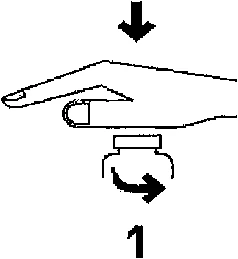
- Open the bottle: press down on the closure cap and turn counterclockwise (figure 1).
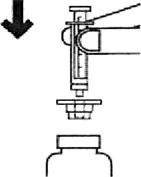
- Insert the adapter into the neck of the bottle (figure 2). Make sure it is securely attached.
- Take the syringe and insert it into the opening of the adapter (figure 2).
2
- Invert the bottle (figure 3).

3
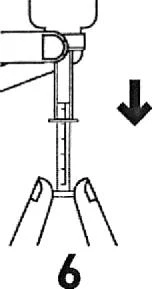
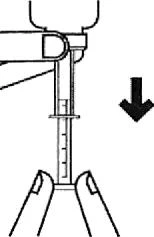
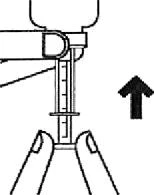
- Fill the syringe with a small amount of solution by pulling the plunger downward (figure 4), then push the plunger upward to remove any possible air bubbles (figure 5). Pull the plunger downward until the mark corresponding to the prescribed amount in millilitres (ml) is reached (figure 6).
- Turn the bottle upright.
- Remove the syringe from the adapter (figure 6).
4 5
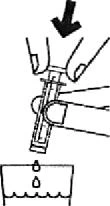
- Empty the contents of the syringe into a glass of water or a feeding bottle by pressing the plunger fully (figure 7).
7
- Drink the entire contents of the glass/feeding bottle.
- Close the bottle with the plastic screw cap.

8
- Wash the syringe with water only (figure 8).
Duration of treatment
- Italept is used as a chronic treatment. Treatment with Italept should continue for as long as prescribed by your doctor.
- Do not stop treatment without consulting your doctor, as this could increase the frequency of seizures.
If you take more Italept than you should
Possible adverse effects of an Italept overdose include drowsiness, agitation, aggression,
reduced attention, respiratory depression, and coma.
Contact your doctor if you have taken more Italept than you should. Your doctor will determine the most appropriate treatment for the overdose.
If you forget to take Italept
Contact your doctor if you have forgotten to take one or more doses.
Do not take a double dose to make up for a missed dose.
If you stop taking Italept
If treatment needs to be discontinued, Italept should be gradually withdrawn to avoid an increase in seizures.
If your doctor decides to stop treatment with Italept, they will provide you with instructions on how to gradually discontinue the medication.
If you have any questions about the use of this medicine, consult your doctor or pharmacist.
4. Possible side effects
Like all medicines, this medicine can cause side effects, although not everybody gets them.
Contact your doctor immediately or go to the nearest emergency room if you experience:
- weakness, feeling faint or dizzy, or have difficulty breathing, as these may be signs of a severe allergic (anaphylactic) reaction
- swelling of the face, lips, tongue, and throat (Quincke’s oedema)
- flu-like symptoms and rash on the face followed by widespread rash with high fever, increased liver enzyme levels observed in blood tests, increase in a type of white blood cells (eosinophilia), and swollen lymph nodes (drug reaction with eosinophilia and systemic symptoms [DRESS])
- symptoms such as reduced urine volume, fatigue, nausea, vomiting, confusion, and swelling of legs, ankles, or feet, as these may indicate sudden worsening of kidney function
- a skin rash which may appear as blisters resembling small targets (dark central spots surrounded by a lighter area, with a dark ring around the edge) (erythema multiforme)
- widespread skin rash with blisters and peeling of the skin, particularly around the mouth, nose, eyes, and genitals (Stevens-Johnson syndrome)
- a more severe form of skin rash causing skin peeling over more than 30% of the body surface (toxic epidermal necrolysis)
- signs of serious mental disturbances, or if someone around you notices signs of confusion, drowsiness, amnesia (memory loss), memory impairment (forgetfulness), abnormal behaviour, or other neurological signs, including involuntary or uncontrolled movements.
These could be symptoms of encephalopathy.
The most frequently reported side effects are: nasopharyngitis, drowsiness, headache, fatigue, and dizziness. Some of these side effects, such as drowsiness, fatigue, and dizziness, may be more common at the beginning of treatment or when the dose is increased. However, these effects should decrease over time.
Very common: may affect more than 1 in 10 people
- nasopharyngitis
- drowsiness, headache
Common: may affect up to 1 in 10 people
- anorexia (loss of appetite)
- depression, hostility or aggression, anxiety, insomnia, nervousness or irritability
- convulsion, balance disorders, dizziness (feeling of unsteadiness), lethargy (lack of energy and enthusiasm), tremor (involuntary shaking)
- vertigo (sensation of spinning)
- cough
- abdominal pain, diarrhoea, dyspepsia (indigestion), vomiting, nausea
- rash
- asthenia/fatigue (feeling weak)
Uncommon: may affect up to 1 in 100 people
- decreased number of platelets in the blood, decreased number of white blood cells in the blood
- weight loss, weight gain
- suicidal attempt and suicidal thoughts, mental disorder, abnormal behaviour, hallucinations, anger, confusion, panic attack, emotional lability/mood swings, agitation
- amnesia (memory loss), memory impairment (forgetfulness), abnormal coordination/ataxia (impaired motor coordination), paraesthesia (tingling sensations), attention disturbance (loss of concentration)
- diplopia (double vision), blurred vision
- elevated/abnormal liver function test results
- hair loss, eczema, pruritus (itching)
- muscle weakness, myalgia (muscle pain)
- trauma
Rare: may affect up to 1 in 1,000 people
- infection
- decreased number of all types of blood cells
- severe allergic reactions (DRESS, anaphylactic reactions [severe and significant allergic reactions], Quincke’s oedema [swelling of the face, lips, tongue, and throat])
- decreased concentration of sodium in the blood
- suicide, personality disorder (behavioural problems), thought disturbances (slowed thinking, inability to concentrate)
- delirium
- encephalopathy (see the section “Contact your doctor immediately” for a detailed description of symptoms)
- seizures may worsen or occur more frequently
- uncontrollable muscle spasms involving the head, trunk, and limbs, difficulty controlling movements, hyperkinesia (hyperactivity)
- changes in heart rhythm (electrocardiogram abnormalities)
- pancreatitis
- liver failure, hepatitis
- sudden worsening of kidney function
- skin rash which may appear as blisters resembling small targets (dark central spots surrounded by a lighter area, with a dark ring around the edge) (erythema multiforme), widespread skin rash with blisters and peeling of the skin, particularly around the mouth, nose, eyes, and genitals (Stevens-Johnson syndrome), and a more severe form causing skin peeling over more than 30% of the body surface (toxic epidermal necrolysis)
- rhabdomyolysis (breakdown of muscle tissue) and associated increase in blood creatine phosphokinase levels. The prevalence is significantly higher in Japanese patients compared to non-Japanese patients
- limping or difficulty walking
- combination of fever, muscle rigidity, unstable blood pressure and heart rate, confusion, and reduced level of consciousness (may be signs of a condition called neuroleptic malignant syndrome). The prevalence is significantly higher in Japanese patients compared to non-Japanese patients
Very rare: may affect up to 1 in 10,000 people
- repetitive unwanted thoughts or urges to perform actions repeatedly (obsessive-compulsive disorder)
Reporting of side effects
If you experience any side effects, including those not listed in this leaflet, talk to your doctor or pharmacist. You can also report side effects directly via the national reporting system at: https://www.aifa.gov.it/content/segnalazioni-reazioni-avverse.
By reporting side effects, you can help provide more information on the safety of this medicine.
5. How to store Italept
Keep this medicine out of the sight and reach of children.
Do not use this medicine after the expiry date which is stated on the carton and on the bottle after
Exp. The expiry date refers to the last day of the month. Do not use after 7 months from first opening of the bottle.
Keep in the original packaging to protect the medicine from light.
Store in an upright position.
Do not dispose of any medicine via wastewater or household waste. Ask your pharmacist how to dispose of medicines no longer required. This will help protect the environment.
6. Package contents and other information
What Italept contains
The active substance is levetiracetam.
Each ml contains 100 mg of levetiracetam.
The excipients are: Sodium citrate, Citric acid monohydrate, Methyl parahydroxybenzoate (E218), Propyl
parahydroxybenzoate (E216), Ammonium glycyrrhizinate, Glycerol (E422), Maltitol liquid (E965),
Acesulfame potassium (E950), Grapefruit flavour, Purified water.
Description of the appearance of Italept and the contents of the pack
Italept 100 mg/ml oral solution is a clear liquid.
300 ml of solution in an amber glass bottle with child-resistant closure, contained in a cardboard box with a 10 ml oral syringe (graduated every 0.25 ml) and a syringe adapter.
It is possible that not all pack sizes are marketed.
Marketing Authorization Holder and Manufacturer
So.Se.PHARM S.r.l.
Via dei Castelli Romani, 22
00071 Pomezia (Rome) - Italy
Marketing Authorization Holder
Istituto Luso Farmaco D’Italia S.p.A. – Milanofiori - Strada 6 - Edificio L - Rozzano (MI)
Manufacturer
Special Product’s Line S.p.A.
Via Fratta Rotonda Vado Largo n. 1
03012 Anagni (FR)
Italy
This medicinal product is authorized in the Member States of the European Economic Area under the following
names:
Italy: ITALEPT 100mg/ml oral solution
Patient Information Leaflet
ITALEPT 500 mg film-coated tablets
ITALEPT 1000 mg film-coated tablets
Levetiracetam
Generic medicine
Please read all of this leaflet carefully before you or your child starts taking this medicine
because it contains important information for you.
- Keep this leaflet. You may need to read it again.
- If you have any questions, ask your doctor or pharmacist.
- This medicine has been prescribed for you only. Do not give it to other people, even if their symptoms are the same as yours, as it may be harmful.
- If you experience any side effects, including those not listed in this leaflet, tell your doctor or pharmacist. See section 4.
Contents of this leaflet:
- What Italept is and what it is used for
- What you need to know before taking Italept
- How to take Italept
- Possible side effects
- How to store Italept
- Package contents and other information
1. What Italept is and what it is used for
Italept film-coated tablets is an antiepileptic medicinal product (a medicine used to treat epileptic seizures).
Italept is used:
- as monotherapy in adults and adolescents aged 16 years and older with newly diagnosed epilepsy, to treat a specific type of epilepsy. Epilepsy is a condition in which patients experience repeated seizures. Levetiracetam is used for the type of epilepsy in which the seizure begins in only one part of the brain but may subsequently spread to broader areas on both sides of the brain (partial-onset seizures with or without secondary generalization). Your doctor has prescribed levetiracetam to reduce the number of seizures you experience.
- as add-on therapy to other antiepileptic medicines to treat:
- partial-onset seizures, with or without secondary generalization, in adults, adolescents, children, and infants aged 1 month and older;
- myoclonic seizures (brief, shock-like spasms of a muscle or muscle group) in adults and adolescents aged 12 years and older with juvenile myoclonic epilepsy;
- primary generalized tonic-clonic seizures (grand mal seizures, including loss of consciousness) in adults and adolescents aged 12 years and older with idiopathic generalized epilepsy (the type of epilepsy thought to have a genetic cause).
2. What you need to know before taking Italept
Do not take Italept
- if you are allergic to levetiracetam, pyrrolidone derivatives, or any of the other ingredients of this medicine (listed in section 6).
Warnings and Precautions
Talk to your doctor before taking Italept
- If you have kidney problems, follow your doctor's instructions. Your doctor may decide whether your dose needs to be adjusted.
- If you observe slowed growth or unexpected onset of puberty in the child, contact your doctor.
- A small number of people taking antiepileptic medicines such as Italept have experienced suicidal thoughts or self-harming thoughts. If you experience symptoms of depression and/or suicidal thoughts, contact your doctor.
- If you or a family member has a heart rhythm disorder (visible on electrocardiogram), or if you have a disease and/or are taking medicines that may cause irregular heartbeats or electrolyte imbalances.
Inform your doctor or pharmacist if any of the following side effects worsen or last longer than a
few days:
- Unusual thoughts, feeling irritable or more aggressive than usual, or if you or your family and friends notice significant changes in mood or behaviour.
- Worsening of epilepsy: Seizures may rarely worsen or occur more frequently, especially during the first month after starting treatment or increasing the dose. In a very rare form of early-onset epilepsy (epilepsy associated with SCN8A mutations), which causes multiple seizure types and loss of abilities, you may notice that seizures persist or worsen during treatment.
If you develop any of these new symptoms while being treated with Italept, consult a
doctor as soon as possible.
Children and adolescents
Italept as monotherapy (used alone) is not indicated in children and adolescents under 16 years of age.
Other medicines and Italept
Inform your doctor or pharmacist if you are taking, have recently taken, or might take
any other medicines.
Do not take macrogol (a medicine used as a laxative) one hour before or one hour after taking
levetiracetam, as this may result in loss of effectiveness of levetiracetam.
Pregnancy and breastfeeding
If you are pregnant or breastfeeding, think you may be pregnant, or are planning to have a child,
please consult your doctor before taking this medicine.
Italept may be used during pregnancy only if, after careful evaluation, your doctor considers it
necessary.
Do not stop your treatment without discussing it with your doctor.
A risk of birth defects in the unborn child cannot be completely ruled out. Two studies do not
suggest an increased risk of autism or intellectual disability in children born to
mothers treated with levetiracetam during pregnancy. However, available data on the impact
of levetiracetam on children's neurological development are limited.
Breastfeeding is not recommended during treatment.
Driving and using machines
Italept may reduce your ability to drive vehicles or operate tools or machinery, as it may
cause drowsiness. This is more likely at the beginning of treatment or after a dose increase. You must not drive or use machinery until you have determined that your ability to perform these activities is not impaired.
3. How to take Italept
Take this medicine exactly as directed by your doctor or pharmacist. If you have any doubts, consult your doctor or pharmacist.
Take the number of tablets as instructed by your doctor.
Italept should be taken twice daily, once in the morning and once in the evening, approximately at the same time each day.
Adjunctive therapy and monotherapy (from age 16 onwards)
- Adults (≥ 18 years) and adolescents (12 to 17 years) weighing 50 kg or more: Recommended dose: between 1000 mg and 3000 mg daily. When you first start taking Italept, your doctor will prescribe a lower dose for 2 weeks before increasing to your lowest daily dose. Example: if your daily dose is to be 1000 mg, your initial reduced dose is 1 tablet of 250 mg in the morning and 1 tablet of 250 mg in the evening, and the dose will be gradually increased to reach 1000 mg per day after 2 weeks.
- Adolescents (12 to 17 years) weighing 50 kg or less: Your doctor will prescribe the most appropriate pharmaceutical form of Italept depending on weight and required dose.
- Dose for infants (1 month to 23 months) and children (2 to 11 years) weighing less than 50 kg: Your doctor will prescribe the most appropriate pharmaceutical form of Italept depending on age, weight, and required dose.
Italept 100 mg/mL oral solution is the most suitable formulation for infants and children under 6 years of age, for children and adolescents (6 to 17 years) weighing less than 50 kg, and when tablets do not allow accurate dosing.
Method of administration
Swallow Italept tablets with a sufficient amount of liquid (e.g. a glass of water). You may take Italept with or without food.
Duration of treatment
- Italept is used as a chronic treatment. You must continue taking Italept for as long as prescribed by your doctor.
- Do not stop treatment without consulting your doctor, as this could increase the number of seizures.
If you take more Italept than you should
Possible adverse effects of an overdose of Italept include drowsiness, agitation, aggression, reduced attention, respiratory depression, and coma.
Contact your doctor if you have taken more tablets than prescribed. Your doctor will determine the best possible treatment for the overdose.
If you forget to take Italept
Contact your doctor if you have forgotten to take one or more doses.
Do not take a double dose to make up for the forgotten tablet.
If you stop taking Italept
If treatment needs to be discontinued, Italept should be gradually withdrawn to avoid an increase in seizures. If your doctor decides to stop treatment with Italept, they will provide you with instructions on how to gradually discontinue the medicine.
If you have any doubts about how to use this medicine, consult your doctor or pharmacist.
4. Possible side effects
Like all medicines, this medicine can cause side effects, although not everybody gets them.
Contact your doctor immediately or go to the nearest emergency room if you experience:
- weakness, lightheadedness or dizziness, or have difficulty breathing, as these may be signs of a severe allergic reaction (anaphylactic reaction);
- swelling of the face, lips, tongue, or throat (angioedema, also known as Quincke's edema);
- flu-like symptoms and a rash on the face followed by widespread rash with high fever, increased liver enzyme levels observed in blood tests, increase in a type of white blood cells (eosinophilia), and swollen lymph nodes (drug reaction with eosinophilia and systemic symptoms [DRESS]);
- symptoms such as reduced urine volume, fatigue, nausea, vomiting, confusion, and swelling of the legs, ankles, or feet, as these may indicate sudden kidney dysfunction;
- a skin rash that may appear as blisters forming small target-like lesions (dark central spots surrounded by a lighter area, with a dark ring around the edge) (erythema multiforme);
- widespread skin rash with blisters and peeling of the skin, particularly around the mouth, nose, eyes, and genitals (Stevens-Johnson syndrome);
- a more severe form of skin rash causing skin peeling affecting more than 30% of the body surface (toxic epidermal necrolysis);
- signs of serious mental disturbances or if someone around you notices confusion, drowsiness, amnesia (memory loss), memory impairment (forgetfulness), abnormal behavior, or other neurological signs, including involuntary or uncontrollable movements. These could be symptoms of encephalopathy.
The most frequently reported side effects are: nasopharyngitis, drowsiness, headache, fatigue, and dizziness. Some of these side effects such as drowsiness, fatigue, and dizziness may be more common at the beginning of treatment or when the dose is increased. However, these effects should decrease over time.
Very common: may affect more than 1 in 10 people
- nasopharyngitis;
- drowsiness, headache.
Common: may affect up to 1 in 10 people
- anorexia (loss of appetite);
- depression, hostility or aggression, anxiety, insomnia, nervousness or irritability;
- seizures, balance disorders, dizziness (feeling of unsteadiness), lethargy (lack of energy and enthusiasm), tremor (involuntary tremors);
- vertigo (spinning sensation);
- cough;
- abdominal pain, diarrhea, dyspepsia (indigestion), vomiting, nausea;
- skin rash;
- asthenia/fatigue (feeling weak).
Uncommon: may affect up to 1 in 100 people
- decreased number of platelets in the blood, decreased number of white blood cells in the blood;
- weight loss, weight gain;
- suicide attempt and suicidal ideation, mental disorder, abnormal behavior, hallucinations, anger, confusion, panic attack, emotional lability/mood swings, agitation;
- amnesia (memory loss), memory impairment (forgetfulness), abnormal coordination/ataxia (impaired motor coordination), paresthesia (tingling), attention disturbance (loss of concentration);
- diplopia (double vision), blurred vision;
- elevated/abnormal liver function test results;
- hair loss, eczema, pruritus (itching);
- muscle weakness, myalgia (muscle pain);
- injury.
Rare: may affect up to 1 in 1,000 people
- infection;
- decreased number of all types of blood cells;
- severe allergic reactions (DRESS), anaphylactic reaction (severe and significant allergic reaction), angioedema (swelling of the face, lips, tongue, and throat);
- decreased sodium concentration in the blood;
- suicide, personality disorder (behavioral problems), thought disturbances (slowed thinking, inability to concentrate);
- delirium;
- encephalopathy (see the subsection “Contact your doctor immediately” for a detailed description of symptoms);
- seizures may worsen or occur more frequently;
- uncontrollable muscle spasms involving the head, trunk, and limbs, difficulty controlling movements, hyperkinesia (hyperactivity);
- changes in heart rhythm (electrocardiogram abnormalities);
- pancreatitis;
- liver failure, hepatitis;
- sudden decrease in kidney function;
- skin rash that may appear as blisters forming small target-like lesions (dark central spots surrounded by a lighter area, with a dark ring around the edge) (erythema multiforme), widespread skin rash with blisters and peeling of the skin, particularly around the mouth, nose, eyes, and genitals (Stevens-Johnson syndrome), and a more severe form causing skin peeling affecting more than 30% of the body surface (toxic epidermal necrolysis);
- rhabdomyolysis (breakdown of muscle tissue) and associated increase in blood creatine phosphokinase levels. The prevalence is significantly higher in Japanese patients compared to non-Japanese patients;
- limping gait or difficulty walking;
- combination of fever, muscle rigidity, unstable blood pressure and heart rate, confusion, and reduced level of consciousness (may be signs of a disorder called neuroleptic malignant syndrome). The prevalence is significantly higher in Japanese patients compared to non-Japanese patients.
Very rare: may affect up to 1 in 10,000 people
- repetitive unwanted thoughts or sensations, or an urge to repeatedly perform certain actions (obsessive-compulsive disorder).
Reporting of side effects
If you experience any side effects, including those not listed in this leaflet, talk to your doctor or pharmacist. You can also report side effects directly via the national reporting system at: https://www.aifa.gov.it/content/segnalazioni-reazioni-avverse.
By reporting side effects, you can help provide more information on the safety of this medicine.
5. How to store Italept
Keep this medicine out of the sight and reach of children.
Do not use this medicine after the expiry date stated on the carton and blister after Exp.
The expiry date refers to the last day of the month.
Film-coated tablets 500 mg
This medicine does not require any special storage conditions.
Film-coated tablets 1000 mg
Do not store above 30 °C.
Do not dispose of any medicine via wastewater or household waste. Ask your pharmacist how to
dispose of medicines no longer used. This will help protect the environment.
6. Package contents and other information
What Italept contains
The active substance is called levetiracetam.
Each film-coated tablet contains 500 mg of levetiracetam.
Each film-coated tablet contains 1000 mg of levetiracetam.
The other components (excipients) are:
Tablet core:
corn starch
povidone K 30
talc
colloidal silicon dioxide
magnesium stearate (E 572)
Film-coated tablets 500 mg
Coating:
partially hydrolysed polyvinyl alcohol
titanium dioxide (E171)
macrogol 3350
talc
yellow iron oxide (E172)
Film-coated tablets 1000 mg
Coating:
partially hydrolysed polyvinyl alcohol
titanium dioxide (E171)
macrogol 3350
talc
Description of the appearance of Italept and contents of the pack
The film-coated tablets are yellow, elongated in shape, with a central score line and marked with the number "500". The tablet can be divided into two equal parts.
The film-coated tablets are white, elongated in shape, with a central score line and marked with the number "1000". The tablet can be divided into two equal parts.
The cardboard box contains:
Film-coated tablets 500 mg
60 film-coated tablets
Film-coated tablets 1000 mg
30 film-coated tablets
Not all pack sizes may be marketed.
Marketing Authorization Holder
So.Se.PHARM S.r.l.
Via dei Castelli Romani, 22
00071 Pomezia (Roma) - Italy
Marketing Authorization Holder (Responsible for Commercialization)
Istituto Luso Farmaco D’Italia S.p.A. – Milanofiori - Strada 6 - Edificio L - Rozzano (MI)
Manufacturer
Special Product’s Line S.p.A.
Via Fratta Rotonda Vado Largo n. 1
03012 Anagni (FR) - Italy
This medicinal product is authorized in the European Economic Area countries under the following names:
Italy: ITALEPT 500 mg - 1000 mg film-coated tablets
Similar drugs
| Brand name | Dosage form | Active substance / Dosage | Manufacturer |
|---|---|---|---|
| EPITIRAM | tablets, film-coated | NEURAXPHARM ITALY S.P.A. | |
| GRIFOXINA | tablets, film-coated | PIAM FARMACEUTICI S.P.A. | |
| KEPPRA | tablets, film-coated | UCB PHARMA S.A. | |
| LEVETIRACETAM ACCORD | tablets, film-coated | ACCORD HEALTHCARE, S.L.U. | |
| LEVETIRACETAM ACTAVIS | tablets, film-coated | ACTAVIS GROUP PTC EHF | |
| LEVETIRACETAM ALMUS | tablets, film-coated | ALMUS S.R.L. | |
| LEVETIRACETAM ALTER | tablets, film-coated | LABORATORI ALTER S.R.L. | |
| LEVETIRACETAM AUROBINDO | tablets, film-coated | AUROBINDO PHARMA (ITALIA) S.R.L. | |
| LEVETIRACETAM DOC GENERICI | tablets, film-coated | DOC GENERICI SRL | |
| LEVETIRACETAM DOC GENERICI | tablets, film-coated | DOC GENERICI SRL | |
| LEVETIRACETAM EG | tablets, film-coated | EG S.P.A. | |
| LEVETIRACETAM EG STADA | tablets, film-coated | EG S.P.A. |
The original data is available in the language of the country of manufacture.
Data source: Italian Medicines Agency (AIFA)
Data last verified: September 21, 2026