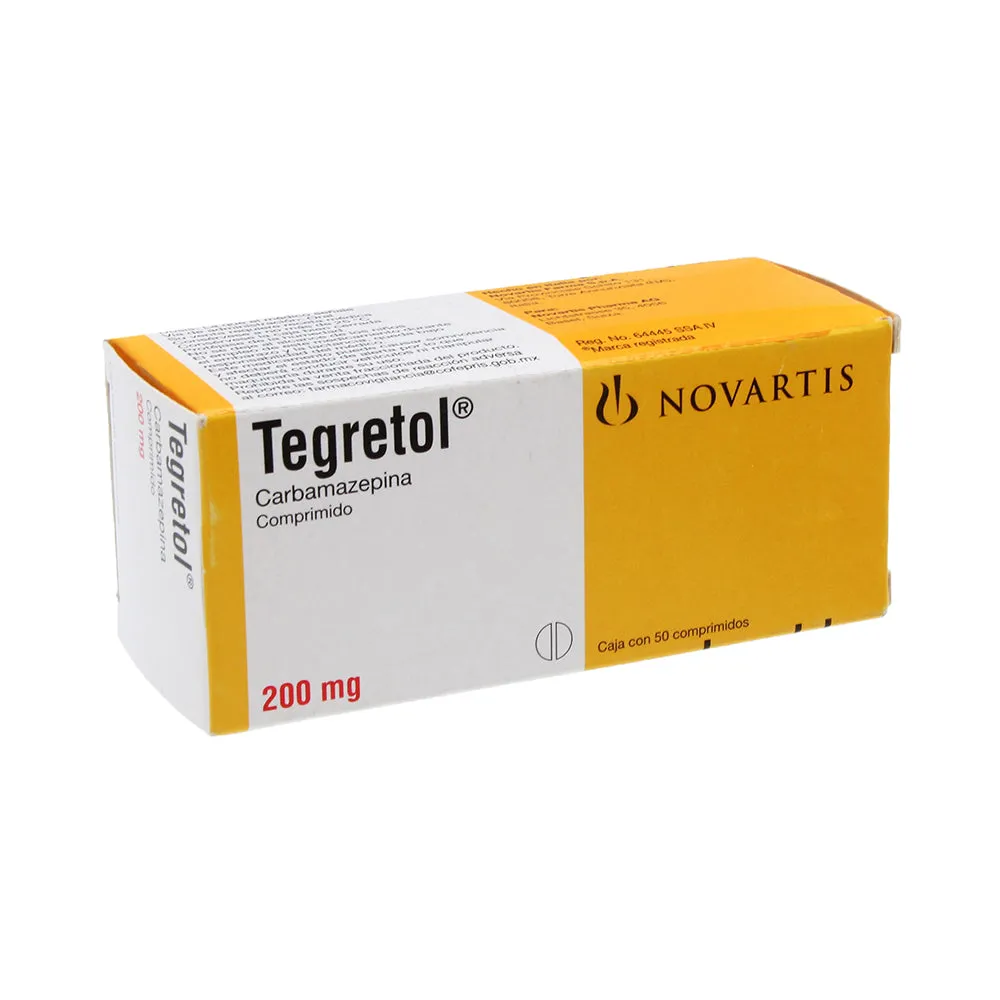
TEGRETOL
ItalyThe drug is used to treat epilepsy, manic states (a mental disorder), and pain caused by the trigeminal nerve (trigeminal neuralgia). The syrup version is also indicated for seizure states in childhood.
Frequently asked questions
How should Tegretol be taken?
Tablets can be taken before, during, or after meals with a little liquid. Modified-release tablets must not be chewed. The syrup should be shaken before use and can be taken before, during, or after meals. It is essential to always follow the doses and methods prescribed by the doctor.
When should you not use this medicine?
You must not take Tegretol if you are allergic to carbamazepine or other ingredients, if you have heart conduction problems, if you have had bone marrow depression or a blood disorder called porphyria, or if you are using medications for depression and Parkinson's (monoamine oxidase inhibitors). It should not be used during pregnancy or breastfeeding.
What are the side effects of Tegretol?
Very common effects include reduction of white blood cells, dizziness, drowsiness, nausea, vomiting, urticaria, fatigue, and increased liver enzymes. Other effects may also occur, such as double vision, headache, weight gain, or reduced sodium in the blood. Serious skin reactions that require immediate discontinuation of treatment have also been reported.
Are there precautions regarding alcohol and food?
Alcohol should not be consumed during treatment because it reduces alcohol tolerance. It is also necessary to avoid grapefruit juice, as it increases the effect of the drug.
What do you need to know regarding pregnancy and breastfeeding?
The use of Tegretol during pregnancy can cause significant congenital defects in the fetus and neurological development problems; therefore, women of childbearing age must use effective contraceptive methods. The drug also passes into breast milk, so it is necessary to consult a doctor if breastfeeding.
Does the drug interact with other medicines?
Yes, Tegretol can interact with many other drugs. Some may increase its effect (such as certain antibiotics, antipsychotics, or heart medications), while others may reduce its efficacy (such as some medications for epilepsy, asthma, or St. John's wort). It is essential to inform the doctor about all medications you are currently taking.
Instructions for use
Table of contents
- Tegretol 200 mg tablets, 400 mg tablets
- 1. What Tegretol is and what it is used for
- 2. What you should know before taking Tegretol
- 3. How to use Tegretol
- 4. Possible side effects
- 5. How to store Tegretol
- 6. Package contents and other information
- Patient information leaflet: information for the patient
- Tegretol 200 mg modified-release tablets, 400 mg modified-release tablets
- 1. What Tegretol is and what it is used for
- 2. What you should know before using Tegretol
- 3. How to use Tegretol
- 4. Possible adverse effects
- 5. How to store Tegretol
- 6. Package contents and other information
- Package leaflet: information for the patient
- Tegretol Children 20 mg/ml syrup
- 1. What Tegretol is and what it is used for
- 2. What you need to know before using Tegretol
- 3. How to use Tegretol
- 4. Possible side effects
- 5. How to store Tegretol
- 6. Package contents and other information
Package leaflet: Information for the patient
Tegretol 200 mg tablets, 400 mg tablets
carbamazepine
Please read this leaflet carefully before using this medicine because it contains important information for you.
- Keep this leaflet. You may need to read it again.
- If you have any questions, ask your doctor or pharmacist.
- This medicine has been prescribed for you only. Do not give it to others, even if they have the same symptoms as you, because it could be harmful.
- If you experience any side effects, including those not listed in this leaflet, talk to your doctor or pharmacist. See section 4.
Contents of this leaflet:
- What Tegretol is and what it is used for
- What you need to know before taking Tegretol
- How to take Tegretol
- Possible side effects
- How to store Tegretol
- Contents of the pack and other information
1. What Tegretol is and what it is used for
Tegretol contains the active substance carbamazepine. Tegretol is used to treat epilepsy, mania (a psychiatric disorder), and painful conditions of the trigeminal nerve.
Tegretol tablets are indicated for the treatment of:
- epilepsy, such as psychomotor or temporal lobe epilepsy, generalized tonic-clonic seizures, mixed forms, and focal seizures
- recurrent episodes of sudden and severe pain in the face and neck, usually affecting only one side, involving one or more divisions of the trigeminal nerve (essential trigeminal neuralgia)
- episodes of mania.
Your doctor may prescribe Tegretol for you/your child as monotherapy or in combination with other medicines.
Tegretol does not work in certain forms of epilepsy, such as absence seizures ("petit mal") and myoclonic seizures.
2. What you should know before taking Tegretol
Do not use Tegretol
- if you/your child are allergic to carbamazepine, to medicines similar to carbamazepine (e.g. tricyclic antidepressants), or to any of the other ingredients of this medicine (listed in section 6)
- if you/your child have a conduction disorder of the heart (atrioventricular block)
- if you/your child have had bone marrow depression, i.e. a reduced number of blood cells due to malfunction of the blood cell production system
- if you/your child have a blood disorder called hepatic porphyria, e.g. acute intermittent porphyria, variegate porphyria, or late cutaneous porphyria
- if you/your child are taking medicines for depression and Parkinson’s disease (monoamine oxidase inhibitors). See section “Other medicines and Tegretol”.
- if you are pregnant or breastfeeding (see section “Pregnancy, breastfeeding and fertility”).
Warnings and precautions
Talk to your doctor or pharmacist before taking Tegretol.
Inform your doctor before taking Tegretol:
- if you/your child have or have had liver problems: your doctor will arrange for blood tests at the beginning and during treatment
- if you/your child have or have had heart problems
- if you/your child have or have had kidney problems
- if you/your child have kidney problems associated with low sodium levels in the blood, or if you/your child are taking medicines that reduce sodium levels in the blood, e.g. diuretics to reduce blood pressure and medicines that counteract the activity of a hormone called aldosterone. Your doctor will check sodium levels in the blood before starting Tegretol treatment, then again after about two weeks, and subsequently once a month during the first three months of treatment, or as needed.
- if you/your child have had adverse effects affecting the blood after treatment with other medicines or after previous courses of carbamazepine therapy
- if you/your child are of Chinese, Thai, Japanese, Caucasian, American indigenous, Hispanic, South Indian, or Arab descent, because serious skin-related adverse reactions have been reported in these populations. If you/your child belong to one of the populations listed above, the risk of these adverse reactions may be predicted by a blood test
- if you/your child have previously had severe skin reactions (Stevens-Johnson syndrome, toxic epidermal necrolysis) during prior treatment with Tegretol, because you/your child must not use Tegretol again
- if you/your child are allergic to phenytoin, primidone, or phenobarbital (medicines for epilepsy), because you/your child may also be allergic to carbamazepine contained in Tegretol
- if you/your child have hypothyroidism, i.e. the thyroid gland is not functioning properly, because your doctor will monitor you/your child and may consider reducing the dose of Tegretol
- if you/your child have high pressure inside the eye
- if you/your child have urinary retention.
Stop treatment with Tegretol and inform your doctor immediately if:
- you/your child develop signs and symptoms of serious skin reactions, such as round red spots or circular patches, often with blisters in the central trunk area, mouth ulcers, in the throat, nose, genitals, and conjunctivitis (red, swollen eyes), often accompanied by flu-like symptoms, because these are signs of serious skin reactions which may be fatal. These reactions are more likely during the first months of treatment.
- you/your child develop signs and symptoms of a severe allergic reaction to Tegretol, such as swelling of the lips, eyelids, face, throat, mouth, or sudden breathing problems, fever, rash, blood vessel inflammation, swollen lymph nodes, joint pain, changes in certain blood parameters, liver, spleen, lung, or other organ problems.
Inform your doctor immediately if during treatment:
- you/your child develop fever, sore throat, rash, or any sign of skin reactions, mouth ulcers, capillary fragility, small red spots on the skin (petechiae), or red-violet bleeding, because these are signs of toxicity and blood disorders. See also “Important information”.
- if you/your child are being treated with Tegretol for mixed seizure types (including typical and atypical absences) and notice worsening of epileptic seizures, because treatment interruption may be necessary
- if you/your child experience worsening of liver problems or develop new liver problems, because treatment with Tegretol may need to be discontinued
- if you/your child have reduced sodium levels in the blood (detectable by blood tests)
- if you/your child develop thoughts or tendencies toward suicide
- if you/your child are taking oral contraceptives to prevent pregnancy, because their effectiveness may be reduced or nullified by Tegretol treatment. Discuss with your doctor the use of alternative contraceptive methods (see section “Pregnancy, breastfeeding and fertility”)
- if you/your child experience dizziness, drowsiness, low blood pressure, confusion, sedation, or movement disorders that may lead to falls.
Important information:
- If you/your child have had allergic reactions to carbamazepine, you/your child may also have an allergic reaction to oxcarbazepine.
- During treatment with Tegretol, your doctor will arrange for periodic urine and blood tests for you/your child.
- During treatment with Tegretol, a reduction in platelet and white blood cell counts may occur; cases of reduced red blood cell production (aplastic anaemia) and severe reduction in white blood cells (agranulocytosis) have also been reported. Your doctor will closely monitor you/your child and perform a complete blood count before treatment and periodically during treatment.
- Treatment with Tegretol may unmask underlying psychiatric disorders and cause agitation and confusion in elderly patients.
- Use of Tegretol during pregnancy carries a risk of fetal harm. Women of childbearing potential must use effective contraception during treatment with Tegretol and for two weeks after the last dose (see “Pregnancy and breastfeeding”).
Other medicines and Tegretol
Inform your doctor or pharmacist if you are taking, have recently taken, or might take any other medicine.
Do not use Tegretol if you/your child are taking:
- medicines for depression and Parkinson’s disease (monoamine oxidase inhibitors). Before using Tegretol, treatment with monoamine oxidase inhibitors must be discontinued for at least 2 weeks or longer (see section “Do not use Tegretol”).
Consult your doctor before using Tegretol if you/your child are taking:
- levetiracetam (an antiepileptic medicine)
- isoniazid (an antibiotic)
- lithium (a mood-stabilizing medicine)
- metoclopramide (an antiemetic medicine)
- neuroleptics (psychiatric drugs): haloperidol, thioridazine
- diuretics (medicines that promote urine elimination, used to reduce fluid retention and lower blood pressure): hydrochlorothiazide, furosemide
- muscle relaxants, e.g.: pancuronium
- direct oral anticoagulants, e.g.: rivaroxaban, dabigatran, apixaban, edoxaban.
Inform your doctor if you/your child are taking one or more of the following medicines, because they increase the effects of Tegretol:
- pain and anti-inflammatory medicines: dextropropoxyphene, ibuprofen
- hormonal medicines (androgens): danazol
- antibiotics: erythromycin, troleandomycin, josamycin, clarithromycin, ciprofloxacin
- antidepressants: desipramine, fluoxetine, fluvoxamine, nefazodone, paroxetine, trazodone, vilazodone
- antiepileptic and anticonvulsant medicines: stiripentol, vigabatrin, primidone, progabide, valproic acid, brivaracetam
- antifungal medicines: itraconazole, ketoconazole, fluconazole, voriconazole
- antiallergic medicines: loratadine, terfenadine
- medicines used in severe psychiatric disorders (antipsychotics): olanzapine, loxapine, quetiapine
- tuberculosis medicines: isoniazid
- antiviral medicines: ritonavir
- blood pressure-lowering medicines: acetazolamide
- heart medicines: verapamil, diltiazem
- stomach medicines: cimetidine, omeprazole
- muscle relaxants: oxybutynin, dantrolene
- medicines that reduce blood clotting: ticlopidine
- nicotinamide (in adults only at high doses), used in vitamin B3 deficiency and in sun-sensitive skin conditions
- sedative medicines: valnoctamide
- valpromide (a medicine used for epilepsy and manic episodes in bipolar disorders).
These medicines increase the levels of Tegretol in the blood and may therefore cause adverse effects (e.g. dizziness, drowsiness, loss of motor coordination, double vision). Therefore, your doctor will perform blood tests to monitor Tegretol and these medicines levels and may consider reducing the doses.
Inform your doctor if you/your child are taking one or more of the following medicines, because they reduce the effects of Tegretol:
- antiepileptic medicines: felbamate, methsuximide, oxcarbazepine, phenobarbital, fensuximide, phenytoin and fosphenytoin, primidone, clonazepam
- anticancer medicines: cisplatin, doxorubicin
- tuberculosis medicines: rifampicin
- asthma medicines: theophylline, aminophylline
- acne treatments: isotretinoin
- St. John’s Wort (Hypericum perforatum), a herbal medicine used for depression.
These medicines reduce carbamazepine levels and may therefore make Tegretol less effective. Your doctor will perform blood tests to monitor Tegretol levels and may consider adjusting the dose.
Inform your doctor if you/your child are taking one or more of the following medicines, because Tegretol may alter their effects:
- pain and anti-inflammatory medicines: buprenorphine, methadone, paracetamol (acetaminophen), phenazone (antipyrine), tramadol
- antibiotics: doxycycline, rifabutin
- oral anticoagulants, e.g.: warfarin, phenprocoumon, dicoumarol, acenocoumarol, rivaroxaban, dabigatran, apixaban, edoxaban
- antidepressants: bupropion, citalopram, mianserin, nefazodone, sertraline, trazodone, imipramine, amitriptyline, nortriptyline, clomipramine
- anti-nausea medicines: aprepitant
- antiepileptic medicines: clobazam, clonazepam, ethosuximide, felbamate, lamotrigine, eslicarbazepine, oxcarbazepine, primidone, tiagabine, topiramate, valproic acid, zonisamide, mephenytoin
- antifungal medicines: itraconazole, voriconazole
- antiparasitic medicines: praziquantel, albendazole
- anticancer medicines: imatinib, cyclophosphamide, lapatinib, temsirolimus
- antipsychotics: clozapine, haloperidol and bromperidol, olanzapine, quetiapine, risperidone, ziprasidone, aripiprazole, paliperidone
- antiviral medicines: indinavir, ritonavir, saquinavir
- anti-anxiety medicines: alprazolam, midazolam
- asthma medicines: theophylline
- hormonal contraceptives, e.g. pills, patches, injections, or implants. Tegretol may affect the action of hormonal contraceptives and reduce their effectiveness in preventing pregnancy. Consult your doctor, who will discuss with you the most appropriate type of contraception to use during Tegretol treatment (see section “Pregnancy, breastfeeding and fertility”)
- heart and blood vessel medicines and/or blood pressure-lowering medicines (dihydropyridine calcium channel blockers), e.g.: felodipine, ivabradine, digoxin
- cholesterol-lowering medicines: simvastatin, atorvastatin, lovastatin, cerivastatin
- hormonal medicines (corticosteroids), e.g.: prednisolone, dexamethasone
- erectile dysfunction medicines: tadalafil
- immunosuppressants: cyclosporine, everolimus, tacrolimus, sirolimus
- thyroid medicines: levothyroxine
- medicines containing estrogen and/or progesterone
Carbamazepine may decrease blood levels of certain medicines, leading to reduced or even abolished efficacy. Your doctor will assess whether dose adjustments are needed.
Diagnostic tests
Carbamazepine may interfere with certain laboratory tests used to measure levels of perphenazine and tricyclic antidepressants.
Tegretol with food, drinks and alcohol
Do not take Tegretol with grapefruit juice, as it increases the effect of Tegretol.
Do not consume alcohol with Tegretol, as it reduces alcohol tolerance.
Pregnancy, breastfeeding and fertility
If you are pregnant, think you may be pregnant, are planning to become pregnant, or are breastfeeding, consult your doctor or pharmacist before using this medicine.
Pregnancy
Tegretol may cause significant congenital malformations. If you take Tegretol during pregnancy, your baby has up to a 3 times higher risk of congenital defects compared to babies born to women not taking antiepileptic medication. Serious congenital defects have been reported, including neural tube defects (spinal column opening), facial defects such as cleft lip (cleft upper lip) and cleft palate, head defects, heart defects, penile defects involving the urinary opening (hypospadias), and finger defects. The fetus should be closely monitored if you have taken Tegretol during pregnancy.
Neurological development problems (brain development) have been reported in children born to mothers who used Tegretol during pregnancy. Some studies have shown that carbamazepine negatively affects neurological development in children exposed to carbamazepine in utero, while others have not found such an effect. A potential effect on neurological development cannot be ruled out.
If you are a woman of childbearing potential and not planning a pregnancy, you must use an effective contraceptive method during Tegretol treatment. Tegretol may affect the efficacy of hormonal contraceptives, such as the contraceptive pill, making them less effective in preventing pregnancy. Consult your doctor, who will discuss with you the most appropriate type of contraception to use during Tegretol treatment. If Tegretol treatment is discontinued, you must continue using an effective contraceptive for two additional weeks after stopping.
If you are a woman of childbearing potential and planning a pregnancy, consult your doctor before stopping contraception and attempting pregnancy, so that you can switch to appropriate alternative treatments to avoid fetal exposure to carbamazepine.
If you are pregnant or suspect you may be pregnant, inform your doctor immediately. Do not stop taking the medicine until you have discussed it with your doctor. Stopping treatment without medical advice may cause potentially dangerous seizures for you and the fetus. Your doctor may decide to modify your treatment.
If you take Tegretol during pregnancy, your baby may also be at risk of bleeding problems shortly after birth. Your doctor may administer a medicine to you and your baby to prevent this.
Breastfeeding
Carbamazepine passes into breast milk. Consult your doctor if you intend to breastfeed, to reassess together the need for Tegretol treatment.
Fertility
Impaired fertility and sperm production have been rarely reported in males.
Driving and using machines
Your ability to drive and operate machinery may be impaired by the underlying condition (seizures) and by adverse effects of Tegretol treatment, such as drowsiness, dizziness, loss of motor coordination (ataxia), and visual disturbances (double vision, blurred vision).
These effects are more common at the beginning of treatment and when Tegretol doses are changed.
Exercise particular caution if you need to drive vehicles (including bicycles), operate machinery, or perform other activities requiring special attention.
Tegretol 200 and 400 mg tablets contain sodium
This medicine contains less than 1 mmol (23 mg) of sodium per tablet, i.e. essentially “sodium-free”.
3. How to use Tegretol
Use this medicine exactly as instructed by your doctor or pharmacist. If you have any doubts,
consult your doctor or pharmacist.
You must take Tegretol regularly and at the doses prescribed by your doctor. Do not exceed the doses or the
frequency of administration recommended by your doctor.
The tablets may be taken before, during, or after meals. The tablets should be taken with some liquid.
Treatment of epilepsy
Your doctor will determine the most appropriate dose for you and may gradually increase the dose over time.
Use in adults
The recommended starting dose at the beginning of treatment is 100–200 mg once or twice daily.
Your doctor will then instruct you to gradually increase the dose up to 400 mg two or three times daily.
Use in children
Do not use the tablets in very young children (under 5 years of age): for children, Tegretol syrup is available.
The recommended starting dose in children from 5 years of age is 100 mg per day, which is then increased by 100 mg each week.
The recommended maintenance dose is:
| Children from 5 years | 200-400 mg per day |
| Children from 6 to 10 years | 400-600 mg per day |
| Children from 11 to 15 years | 600-1000 mg per day |
| Children over 15 years | 800-1200 mg per day (the same dose indicated in adults) |
For doses exceeding 200 mg per day, divide the daily dose into 2-3 administrations.
The recommended maximum maintenance dose is:
| Children up to 6 years | 35 mg per kilogram of body weight per day |
| Children from 6 to 15 years | 1000 mg per day |
| Children over 15 years | 1200 mg per day |
Treatment of trigeminal neuralgia
Use in adults
The recommended starting dose at the beginning of treatment is 200–400 mg per day, which is then gradually increased until pain disappears (usually to a dose of 200 mg 3–4 times daily).
Subsequently, your doctor will gradually reduce the dose until reaching the lowest effective maintenance dose.
The maximum recommended dose is 1200 mg per day. Once the pain has disappeared, your doctor will gradually discontinue treatment until a new attack occurs.
Use in elderly patients and sensitive patients
In elderly patients and particularly sensitive individuals, the recommended starting dose is 100 mg twice daily.
Treatment of mania
The dose ranges from 400 mg to 1600 mg per day. The recommended dose is 400–600 mg per day, divided into 2–3 doses.
Use in elderly patients
Your doctor will evaluate whether a dose reduction is necessary and determine the appropriate dosage regimen for this patient population.
If you take more Tegretol than you should
In case of accidental overdose of Tegretol, contact your doctor immediately or go to the nearest hospital.
If an excessive dose of Tegretol is taken, you/your child may experience difficulty breathing, rapid and irregular heartbeat, hypotension or sometimes hypertension, nausea or vomiting, muscle problems, loss of consciousness associated with cardiac arrest, decreased activity of the central nervous system (e.g. slowed breathing, slowed heartbeat), disorientation, decreased level of consciousness, drowsiness, agitation, hallucinations, coma, blurred vision, speech disorders (dysarthria, slurred speech), nystagmus (rhythmic, undulating, involuntary eye movements), loss of coordination of movement (ataxia), involuntary movements of the tongue, mouth, trunk, and extremities (dyskinesia), increased reflexes (hyperreflexia) followed by reduced reflexes (hyporeflexia), seizures, psychomotor disturbances, brief and involuntary muscle twitching (myoclonus), excessive lowering of body temperature (hypothermia), pupil dilation (mydriasis), urinary retention, reduced urine output (oliguria), inability to urinate (anuria), water intoxication with symptoms such as lethargy, vomiting, headache, confusion.
In such cases, stop treatment with Tegretol and contact your doctor immediately.
If you forget to take Tegretol
Do not take a double dose to make up for the missed dose.
If you stop taking Tegretol
Do not stop treatment with Tegretol abruptly, as you/your child may experience worsening of the disease. If you have any doubts about using this medicine, consult your doctor or pharmacist.
If you/your child are taking Tegretol for the treatment of seizures or epilepsy, therapy should be discontinued gradually over a period of at least 6 months.
If treatment with Tegretol has to be stopped abruptly, your doctor will prescribe another medicine for you/your child.
4. Possible side effects
Like all medicines, this medicine can cause side effects, although not everybody gets them.
Very common side effects (may affect more than 1 in 10 people)
- decrease in the number of white blood cells in the blood (leucopenia)
- loss of coordination of movements (ataxia)
- dizziness
- drowsiness
- vomiting, nausea
- hives, which may be severe
- allergic dermatitis
- fatigue
- increase in certain liver enzymes
Common side effects (may affect up to 1 in 10 people)
- decrease in the number of platelets in the blood (thrombocytopenia)
- increase in the number of white blood cells in the blood (eosinophilia)
- swelling due to fluid accumulation (edema), fluid retention
- weight gain
- reduction in sodium levels in the blood
- reduction in certain substances in the blood (e.g. salts), which may rarely lead to water intoxication accompanied by vomiting, drowsiness, lethargy, headache, confusion, and brain disturbances
- double vision, blurred vision
- headache
- dry mouth
- increase in alkaline phosphatase levels in the blood
Uncommon side effects (may affect up to 1 in 100 people)
- abnormal involuntary movements, e.g. tremor, asterixis, abnormal posture and interruption of movements due to muscle problems (dystonia), tics
- nystagmus (rhythmic, wavelike, involuntary eye movements)
- diarrhoea, constipation
- exfoliative dermatitis
- increase in certain liver enzymes (transaminases)
Rare side effects (may affect up to 1 in 1,000 people)
- increase in the number of white blood cells in the blood (leukocytosis)
- enlargement of lymph nodes (lymphadenopathy)
- delayed allergic reaction affecting multiple organs, with symptoms that may occur in different combinations, such as fever, rash, inflammation of blood vessels, enlarged lymph nodes (lymphadenopathy), pseudo-lymphoma, joint pain (arthralgia), reduction in the number of white blood cells in the blood (leucopenia), increase in the number of white blood cells in the blood (eosinophilia), enlargement of the liver and/or spleen, abnormal liver function tests and destruction and disappearance of intrahepatic bile ducts (vanishing bile duct syndrome). Lungs, kidneys, pancreas, myocardium and colon may also be involved.
- folic acid deficiency
- decreased appetite
- hallucinations (visual or auditory), depression, aggression, agitation, restlessness, confusion
- involuntary movements of the tongue, mouth, trunk and limbs (dyskinesia), eye movement disorders, speech disorders (dysarthria, slurred speech), alteration in body movements (choreoathetosis)
- damage to peripheral nerves (peripheral neuropathies), tingling (paresthesia), paresis
- disturbances in the heart's electrical activity
- high or low blood pressure
- abdominal pain
- autoimmune disease called systemic lupus erythematosus
- itching
- liver problems including yellowing of the skin, mucous membranes and eyes (jaundice)
- muscle weakness
Very rare side effects (may affect up to 1 in 10,000 people)
- severe reduction in the number of white blood cells in the blood (agranulocytosis)
- reduction in the number of red blood cells due to various causes (anaemia, megaloblastic anaemia, haemolytic anaemia, aplastic anaemia)
- reduction in all blood cells (pancytopenia)
- reduction in the production of red blood cells (pure red cell aplasia)
- increase in levels of red blood cell precursors (reticulocytosis)
- allergic reactions, even severe ones
- swelling of the skin or mucous membranes (angioedema)
- reduction in gamma globulins in the blood (hypogammaglobulinemia)
- secretion of a milky or serous substance from one or both nipples (galactorrhea)
- breast enlargement in males
- blood disorders known as acute porphyria (acute intermittent porphyria and variegate porphyria), non-acute porphyria (porphyria cutanea tarda)
- mental disorders
- altered mental status and muscle rigidity, increased body temperature, increased heart rate, increased blood pressure (neuroleptic malignant syndrome)
- inflammation of the membranes covering the brain and spinal cord (aseptic meningitis) with sudden muscle contractions and increased number of white blood cells in the blood (eosinophilia)
- unpleasant taste
- clouding of the lens (a structure of the eye), inflammation of the membrane of the eye called conjunctiva (conjunctivitis)
- hearing disorders, e.g. ringing or buzzing in the ears (tinnitus), hypersensitivity and reduced tolerance to sounds, reduced ability to hear sounds, altered perception of pitch
- changes in heart rhythm, severe heart failure, worsening of coronary problems, slowed heartbeat, heart conduction block accompanied by fainting
- circulatory collapse, formation of a blood clot in a vein, e.g. in the lungs (pulmonary embolism)
- inflammation of a vein with resulting blood clot formation in the vein itself (thrombophlebitis)
- pulmonary hypersensitivity, characterized for example by fever, breathing difficulties, pneumonia
- inflammation of the pancreas (pancreatitis)
- inflammation of the tongue (glossitis)
- inflammation of the mucous membrane of the mouth (stomatitis)
- liver problems including liver failure, granulomatous hepatitis
- skin rashes, even potentially fatal ones (erythema multiforme, erythema nodosum, purpura, Stevens-Johnson syndrome, toxic epidermal necrolysis)
- appearance of spots or redness on the skin following exposure to sunlight or sunlamps
- change in skin pigmentation, acne
- excessive sweating
- hair loss
- in women, appearance of male-pattern hair growth
- bone metabolism disorders (decrease in plasma calcium concentrations and blood concentrations of 25-hydroxy-cholecalciferol) leading to bone weakening (osteomalacia/osteoporosis), joint pain, muscle pain and spasms
- kidney problems such as tubulointerstitial nephritis, kidney failure
- presence of protein in the urine (albuminuria), presence of blood in the urine (haematuria), increased levels of urea and nitrogen in the blood
- reduced urine output (oliguria), urine retention, frequent passage of small amounts of urine (pollakiuria)
- sexual dysfunction, erectile dysfunction, abnormalities in sperm formation in males with reduced sperm count and/or motility
- increased pressure inside the eye
- increased levels of cholesterol in the blood, HDL and triglycerides
- alteration in thyroid function parameters: decrease in L-thyroxine (free thyroxine, thyroxine, triiodothyronine) and increase in blood concentrations of thyroid-stimulating hormone, increased levels of prolactin in the blood
Not known (frequency cannot be estimated from the available data)
- recurrence of infections due to the Herpes virus
- bone marrow suppression (decrease in blood cells caused by malfunction of the blood cell production system)
- falls due to dizziness, drowsiness, low blood pressure, confusion, sedation, disturbances in voluntary movements
- sedation, memory impairment
- inflammation of the colon (colitis)
- skin rash due to the medicine with increased number of white blood cells in the blood (eosinophilia) and symptoms involving the whole body
- severe form of drug reaction, characterized by erythema and swelling with pustule formation (acute generalized exanthematous pustulosis (AGEP))
- skin alteration presenting thickened reddish plaques (lichenoid keratosis)
- loss of a nail (onychomadesis)
- bone fractures, decreased bone density
- elevated levels of ammonia in the blood (hyperammonaemia). Symptoms of hyperammonaemia may include irritability, confusion, vomiting, loss of appetite and drowsiness.
Reporting of side effects
If you experience any side effect, including those not listed in this leaflet, please inform your doctor or pharmacist. You can also report side effects directly via the national reporting system at https://www.aifa.gov.it/content/segnalazioni-reazioni-avverse. By reporting side effects, you can help provide more information on the safety of this medicine.
5. How to store Tegretol
Keep this medicine out of the sight and reach of children.
Do not use this medicine after the expiry date which is stated on the packaging after Exp. The expiry date refers to the last day of that month.
Store in the original packaging to protect the medicine from moisture.
Do not dispose of any medicine via wastewater or household waste. Ask your pharmacist how to dispose of medicines you no longer use. This will help protect the environment.
6. Package contents and other information
What Tegretol contains
- The active substance is carbamazepine. Each tablet contains 200 mg or 400 mg of carbamazepine.
- The other components are microcrystalline cellulose, sodium carmellose, anhydrous colloidal silica, magnesium stearate.
Description of the appearance of Tegretol and contents of the pack
Tegretol 200 mg tablets: each pack contains 50 tablets.
Tegretol 400 mg tablets: each pack contains 30 tablets.
Marketing Authorization Holder
Novartis Farma S.p.A.
Viale Luigi Sturzo 43
20154 Milan MI
Italy
Manufacturer
Novartis Farma S.p.A.
Via Provinciale Schito, 131
80058 Torre Annunziata NA
Italy
Novartis Farmacéutica SA
Gran Via de les Corts Catalanes, 764
08013 Barcelona
Spain
Novartis Pharma GmbH
Roonstrasse 25
90429 Nuremberg
Germany
Patient information leaflet: information for the patient
Tegretol 200 mg modified-release tablets, 400 mg modified-release tablets
carbamazepine
Please read this leaflet carefully before using this medicine because it contains important information for you.
- Keep this leaflet. You may need to read it again.
- If you have any questions, ask your doctor or pharmacist.
- This medicine has been prescribed for you only. Do not give it to others, even if their symptoms are the same as yours, as it may be harmful.
- If you experience any side effects, including those not listed in this leaflet, contact your doctor or pharmacist. See section 4.
Contents of this leaflet:
- What Tegretol is and what it is used for
- What you need to know before taking Tegretol
- How to take Tegretol
- Possible side effects
- How to store Tegretol
- Contents of the pack and other information
1. What Tegretol is and what it is used for
Tegretol contains the active substance carbamazepine. Tegretol is used to treat epilepsy, mania (a psychiatric disorder), and painful conditions of the trigeminal nerve.
Tegretol prolonged-release tablets are indicated for the treatment of:
- epilepsy, such as psychomotor or temporal epilepsy, generalized tonic-clonic seizures, mixed forms, and focal seizures
- recurrent episodes of sudden and severe pain in the face and jaw, usually affecting one side only, involving one or more branches of the trigeminal nerve (essential trigeminal neuralgia)
- manic states.
Your doctor may prescribe Tegretol for you/your child as monotherapy or in combination with other medicinal products.
Tegretol is not effective in certain forms of epilepsy, such as absence seizures ("petit mal") and myoclonic seizures.
2. What you should know before using Tegretol
Do not use Tegretol
- if you/your child are allergic to carbamazepine, to medicines similar to carbamazepine (e.g. tricyclic antidepressants), or to any of the other ingredients of this medicine (listed in section 6)
- if you/your child have a disorder of the heart's electrical conduction (atrioventricular block)
- if you/your child have experienced bone marrow depression, i.e. a reduced number of blood cells caused by malfunction of the system producing blood cells
- if you/your child have a blood disorder called hepatic porphyria, e.g. acute intermittent porphyria, variegate porphyria, or late cutaneous porphyria
- if you/your child are taking medicines for depression and Parkinson’s disease (monoamine oxidase inhibitors). See section “Other medicines and Tegretol”.
- if you are pregnant or breastfeeding (see section “Pregnancy, breastfeeding and fertility”).
Warnings and precautions
Talk to your doctor or pharmacist before taking Tegretol.
Inform your doctor before taking Tegretol:
- if you/your child have or have had liver problems: your doctor will perform tests at the beginning and during treatment
- if you/your child have or have had heart problems
- if you/your child have or have had kidney problems
- if you/your child have kidney problems associated with low sodium levels in the blood, or if you/your child are taking medicines that reduce sodium levels in the blood, e.g. diuretics to reduce blood pressure and medicines that counteract the activity of a hormone called aldosterone. Your doctor will check sodium levels in the blood before starting Tegretol treatment, then approximately two weeks later, and subsequently once a month during the first three months of treatment, or as needed.
- if you/your child have experienced adverse effects affecting the blood after treatment with other medicines or previous courses of carbamazepine therapy
- if you/your child are of Chinese, Thai, Japanese, Caucasian, Native American, Hispanic, South Indian, or Arab descent, as serious skin-related adverse reactions have been reported in these populations. If you/your child belong to one of the populations listed above, the risk of these adverse effects may be predicted by a blood test
- if you/your child have previously had severe skin reactions (Stevens-Johnson syndrome, toxic epidermal necrolysis) during prior treatment with Tegretol, as you must not use Tegretol again
- if you/your child are allergic to phenytoin, primidone, or phenobarbital (medicines for epilepsy), as you may also be allergic to carbamazepine contained in Tegretol
- if you/your child suffer from hypothyroidism, i.e. the thyroid gland does not function properly, as your doctor will monitor you and may consider reducing the dose of Tegretol
- if you/your child suffer from high pressure inside the eye
- if you/your child suffer from urinary retention.
Stop treatment with Tegretol and inform your doctor immediately if:
- you/your child develop signs and symptoms of serious skin reactions, such as round red spots or circular patches often accompanied by blisters on the central part of the trunk, mouth ulcers, ulcers in the throat, nose, genitals, and conjunctivitis (red and swollen eyes), often accompanied by flu-like symptoms, as these are signs of serious skin reactions which may be fatal. These reactions are more likely during the first months of treatment.
- you/your child develop signs and symptoms of a severe allergic reaction to Tegretol, such as swelling of lips, eyelids, face, throat, mouth, or sudden breathing difficulties, fever, rash, blood vessel inflammation, swollen lymph nodes, joint pain, changes in certain blood parameters, or problems with the liver, spleen, lungs, or other organs.
Inform your doctor immediately if during treatment:
- you/your child develop fever, sore throat, rash, or any sign of skin reactions, mouth ulcers, capillary fragility, small red spots on the skin (petechiae), or red-violet bleeding, as these are signs of toxicity and blood-related problems. See also “Important information”.
- if you/your child are being treated with Tegretol for mixed seizure types (including typical and atypical absences) and notice a worsening of epileptic seizures, as treatment may need to be discontinued
- if you/your child experience worsening of liver problems or develop new liver problems, as treatment with Tegretol may need to be discontinued
- if you/your child develop reduced sodium levels in the blood (detected through blood tests)
- if you/your child develop thoughts of suicide or suicidal tendencies
- if you/your daughter are using oral contraceptives to prevent pregnancy, as their effectiveness may be reduced or nullified by Tegretol treatment. Discuss with your doctor the use of alternative contraceptive methods (see section “Pregnancy, breastfeeding and fertility”)
- if you/your child experience dizziness, drowsiness, low blood pressure, confusion, sedation, or movement disorders that may lead to falls.
Important information:
- If you/your child have had allergic reactions to carbamazepine, you may also have an allergic reaction to oxcarbazepine.
- During treatment with Tegretol, your doctor will periodically perform urine and blood tests for you/your child.
- During treatment with Tegretol, a reduction in the number of platelets and white blood cells may occur; cases of reduced red blood cell production (aplastic anaemia) and severe reduction in white blood cells (agranulocytosis) have also been reported. Your doctor will closely monitor you/your child and perform a complete blood count before treatment and periodically during treatment.
- Treatment with Tegretol may unmask underlying psychiatric disorders and cause agitation and confusion in elderly patients.
- The use of Tegretol during pregnancy carries a risk of fetal harm. Women of childbearing potential must use effective contraception during treatment with Tegretol and for two weeks after the last dose (see “Pregnancy and breastfeeding”).
Other medicines and Tegretol
Tell your doctor or pharmacist if you are taking, have recently taken, or might take any other medicine.
Do not use Tegretol if you/your child are taking:
- medicines for depression and Parkinson’s disease (monoamine oxidase inhibitors). Before starting Tegretol, treatment with monoamine oxidase inhibitors must be discontinued for at least 2 weeks or longer (see section “Do not use Tegretol”).
Consult your doctor before using Tegretol if you/your child are taking:
- levetiracetam (an antiepileptic medicine)
- isoniazid (an antibiotic)
- lithium (a mood-stabilizing medicine)
- metoclopramide (an antiemetic medicine)
- neuroleptics (psychotropic medicines): haloperidol, thioridazine
- diuretics (medicines that increase urine elimination, used to reduce fluid retention and lower blood pressure): hydrochlorothiazide, furosemide
- muscle relaxants, e.g.: pancuronium
- direct oral anticoagulants, e.g.: rivaroxaban, dabigatran, apixaban, edoxaban.
Inform your doctor if you/your child are taking one or more of the following medicines, as they increase the effects of Tegretol:
- medicines to relieve pain and inflammation: dextropropoxyphene, ibuprofen
- hormonal medicines (androgens): danazol
- antibiotics: erythromycin, troleandomycin, josamycin, clarithromycin, ciprofloxacin
- antidepressant medicines: desipramine, fluoxetine, fluvoxamine, nefazodone, paroxetine, trazodone, viloxazine
- antiepileptic and anticonvulsant medicines: stiripentol, vigabatrin, primidone, progabide, valproic acid, brivaracetam
- antifungal medicines: itraconazole, ketoconazole, fluconazole, voriconazole
- antihistamines: loratadine, terfenadine
- medicines used in severe psychiatric disorders (antipsychotics): olanzapine, loxapine, quetiapine
- medicines for tuberculosis: isoniazid
- antiviral medicines: ritonavir
- medicines to lower blood pressure: acetazolamide
- heart medicines: verapamil, diltiazem
- stomach medicines: cimetidine, omeprazole
- muscle relaxants: oxybutynin, dantrolene
- medicines that reduce blood clotting: ticlopidine
- nicotinamide (in adults only at high doses), used in vitamin B3 deficiency and in light-sensitive skin conditions
- sedatives: valnoctamide
- valpromide (a medicine used for epilepsy and manic episodes in bipolar disorders).
These medicines increase the blood levels of Tegretol and may therefore cause adverse effects (e.g. dizziness, drowsiness, loss of motor coordination, double vision). Your doctor will perform blood tests to monitor Tegretol and these medicines’ levels and may consider reducing their doses.
Inform your doctor if you/your child are taking one or more of the following medicines, as they reduce the effects of Tegretol:
- antiepileptic medicines: felbamate, methsuximide, oxcarbazepine, phenobarbital, fensuximide, phenytoin and fosphenytoin, primidone, clonazepam
- anticancer medicines: cisplatin, doxorubicin
- medicines for tuberculosis: rifampicin
- medicines for asthma: theophylline, aminophylline
- medicines for skin conditions such as acne: isotretinoin
- St. John’s wort (Hypericum perforatum), a herbal remedy used for depression.
These medicines reduce carbamazepine levels, potentially making it less effective. Your doctor will perform blood tests to monitor Tegretol levels and may consider adjusting the dose.
Inform your doctor if you/your child are taking one or more of the following medicines, as Tegretol may alter their effects:
- medicines to relieve pain and inflammation: buprenorphine, methadone, paracetamol (acetaminophen), phenazone (antipyrine), tramadol
- antibiotics: doxycycline, rifabutin
- oral anticoagulants, e.g.: warfarin, phenprocoumon, dicoumarol, acenocoumarol, rivaroxaban, dabigatran, apixaban, edoxaban
- antidepressants: bupropion, citalopram, mianserine, nefazodone, sertraline, trazodone, imipramine, amitriptyline, nortriptyline, clomipramine
- anti-nausea medicines: aprepitant
- antiepileptic medicines: clobazam, clonazepam, ethosuximide, felbamate, lamotrigine, eslicarbazepine, oxcarbazepine, primidone, tiagabine, topiramate, valproic acid, zonisamide, mephenytoin
- antifungal medicines: itraconazole, voriconazole
- antiparasitic medicines: praziquantel, albendazole
- anticancer medicines: imatinib, cyclophosphamide, lapatinib, temsirolimus
- medicines used in severe psychiatric disorders (antipsychotics): clozapine, haloperidol and bromperidol, olanzapine, quetiapine, risperidone, ziprasidone, aripiprazole, paliperidone
- antiviral medicines: indinavir, ritonavir, saquinavir
- anti-anxiety medicines: alprazolam, midazolam
- asthma medicines: theophylline
- hormonal contraceptives, e.g. pills, patches, injections, or implants. Tegretol may affect the action of hormonal contraceptives and reduce their effectiveness in preventing pregnancy. Consult your doctor, who will discuss the most suitable type of contraception to use during Tegretol treatment (see section “Pregnancy, breastfeeding and fertility”)
- heart and blood vessel medicines and/or blood pressure-lowering medicines (dihydropyridine calcium antagonists), e.g.: felodipine, ivabradine, digoxin
- cholesterol-lowering medicines: simvastatin, atorvastatin, lovastatin, cerivastatin
- hormonal medicines (corticosteroids), e.g.: prednisolone, dexamethasone
- medicines for erectile dysfunction: tadalafil
- immunosuppressive medicines: cyclosporine, everolimus, tacrolimus, sirolimus
- thyroid medicines: levothyroxine
- medicines containing oestrogens and/or progesterone
Carbamazepine may reduce blood levels of certain medicines, leading to reduced or even abolished efficacy. Your doctor will assess whether the dose of these medicines needs to be adjusted.
Diagnostic tests
Carbamazepine may interfere with certain tests used to measure levels of perphenazine and antidepressant medicines (tricyclic antidepressants).
Tegretol with food, drinks and alcohol
Do not take Tegretol with grapefruit juice, as this increases the effect of Tegretol.
Do not consume alcohol with Tegretol, as this reduces alcohol tolerance.
Pregnancy, breastfeeding and fertility
If you are pregnant, suspect you may be pregnant, are planning a pregnancy, or are breastfeeding, consult your doctor or pharmacist before using this medicine.
Pregnancy
Tegretol may cause significant congenital malformations. If you take Tegretol during pregnancy, your baby has up to a 3-fold increased risk of congenital malformations compared to babies born to women not taking antiepileptic drugs. Serious congenital malformations reported include neural tube defects (open spine), facial malformations such as cleft lip (a split in the upper lip) and cleft palate, head malformations, heart defects, penile malformations involving the urinary opening (hypospadias), and digital malformations. The fetus must be closely monitored if you have taken Tegretol during pregnancy.
Neurological developmental problems (brain development) have been reported in children born to mothers who used Tegretol during pregnancy. Some studies have shown that carbamazepine negatively affects neurological development in children exposed to carbamazepine in utero, while other studies have not found such an effect. A potential effect on neurological development cannot be ruled out.
If you are a woman of childbearing potential and not planning a pregnancy, you must use an effective contraceptive method during Tegretol treatment. Tegretol may affect the efficacy of hormonal contraceptives, such as the contraceptive pill, making them less effective in preventing pregnancy. Consult your doctor, who will discuss the most appropriate type of contraception to use during Tegretol treatment. If Tegretol treatment is discontinued, you must continue using an effective contraceptive for an additional two weeks after stopping the medicine.
If you are a woman of childbearing potential and planning a pregnancy, consult your doctor before stopping contraception and attempting pregnancy, so that you can switch to alternative appropriate treatments to avoid fetal exposure to carbamazepine.
If you are pregnant or suspect you may be pregnant, inform your doctor immediately. Do not stop taking the medicine until you have discussed it with your doctor. Stopping treatment without medical advice may cause potentially life-threatening seizures for you and the fetus. Your doctor may decide to modify your treatment.
If you take Tegretol during pregnancy, your baby will also be at risk of bleeding problems immediately after birth. Your doctor may administer a medicine to you and your baby to prevent this.
Breastfeeding
Carbamazepine passes into breast milk. Consult your doctor if you are breastfeeding to reassess the need for Tegretol treatment.
Fertility
In rare cases, impaired fertility and sperm production have been reported in males.
Driving and using machines
Your ability to drive vehicles and operate machinery may be impaired by the underlying condition (seizures) and by adverse effects of Tegretol treatment such as drowsiness, dizziness, loss of motor coordination (ataxia), and visual disturbances (double vision, blurred vision).
These effects are more common at the beginning of treatment and when Tegretol doses are changed.
Exercise particular caution if you need to drive vehicles (including bicycles), operate machinery, or perform other activities requiring special attention.
Tegretol 200 mg and 400 mg modified-release tablets contain
- polyoxyl 40 hydrogenated castor oil: may cause gastrointestinal discomfort and diarrhoea
- sodium: this medicine contains less than 1 mmol (23 mg) of sodium per tablet, i.e. essentially “sodium-free”.
3. How to use Tegretol
Use this medicine exactly as instructed by your doctor or pharmacist. If you have any doubts,
consult your doctor or pharmacist.
You must take Tegretol regularly and at the doses prescribed by your doctor. Do not exceed the doses or the frequency of
administration recommended by your doctor.
The modified-release tablets should be taken with some liquid, without chewing.
Treatment of epilepsy
Your doctor will determine the most appropriate dose for you and may gradually increase the dose over time.
Use in adults
The recommended starting dose at the beginning of treatment is 100–200 mg once or twice daily.
Your doctor will then instruct you to gradually increase the dose up to 400 mg two or three times daily.
Use in children
Do not use the modified-release tablets in very young children (under 5 years of age): for children, Tegretol syrup is available.
The recommended starting dose in children from the age of 5 years is 100 mg per day, which is then increased by 100 mg each week.
The recommended maintenance dose is:
| Children from 5 years of age | 200–400 mg per day |
| Children from 6 to 10 years of age | 400–600 mg per day |
| Children from 11 to 15 years of age | 600–1000 mg per day |
| Children over 15 years of age | 800–1200 mg per day (the same dose indicated for adults) |
For doses exceeding 200 mg per day, divide the dose throughout the day into 2–3 administrations.
The recommended maximum maintenance dose is:
| Children up to 6 years | 35 mg per kilogram of body weight per day |
| Children from 6 to 15 years | 1000 mg per day |
| Children over 15 years | 1200 mg per day |
Treatment of trigeminal neuralgia
Use in adults
The recommended starting dose is 200–400 mg per day, which is then gradually increased until pain subsides (usually to a dose of 200 mg 3–4 times daily).
Subsequently, your doctor will gradually reduce the dose until reaching the lowest effective maintenance dose.
The maximum recommended dose is 1200 mg per day. Once the pain has subsided, your doctor will gradually discontinue treatment until a new attack occurs.
Use in elderly patients and sensitive patients
In elderly patients and particularly sensitive individuals, the recommended starting dose is 100 mg twice daily.
Treatment of mania
The dose ranges from 400 mg to 1600 mg per day. The recommended dose is 400–600 mg per day, divided into 2–3 doses.
Use in elderly patients
The doctor will evaluate whether a dose reduction is necessary and determine the appropriate dosage for this patient population.
If you take more Tegretol than you should
In case of accidental ingestion of an excessive dose of Tegretol, contact your doctor immediately or go to the nearest hospital.
If an excessive dose of Tegretol is ingested, you/your child may experience difficulty breathing, rapid and irregular heartbeat, hypotension or sometimes hypertension, nausea or vomiting, muscle problems, loss of consciousness associated with cardiac arrest, decreased activity of the central nervous system (e.g. slowed breathing, slowed heartbeat), disorientation, decreased level of consciousness, drowsiness, agitation, hallucinations, coma, blurred vision, speech disorders (dysarthria, slurred speech), nystagmus (rhythmic, involuntary oscillations of the eyes), loss of coordination of movements (ataxia), involuntary movements of the tongue, mouth, trunk, and extremities (dyskinesia), increased reflexes (hyperreflexia) followed by reduced reflexes (hyporeflexia), seizures, psychomotor disturbances, brief and involuntary muscle contractions (myoclonus), excessive lowering of body temperature (hypothermia), pupil dilation (mydriasis), urinary retention, reduced urine output (oliguria), inability to urinate (anuria), water intoxication with symptoms such as lethargy, vomiting, headache, confusion.
In such cases, stop treatment with Tegretol and contact your doctor immediately.
If you forget to take Tegretol
Do not take a double dose to make up for the missed dose.
If you stop taking Tegretol
Do not stop treatment with Tegretol abruptly, as you/your child may experience worsening of the condition. If you have any doubts about using this medicine, consult your doctor or pharmacist.
If you/your child are taking Tegretol for the treatment of seizures or epilepsy, therapy should be discontinued gradually over a period of at least 6 months.
If treatment with Tegretol must be stopped abruptly, your doctor will prescribe another medicine for you/your child.
4. Possible adverse effects
Like all medicines, this medicine can cause adverse effects, although not everyone experiences them.
Very common adverse effects (may affect more than 1 in 10 people)
- decrease in the number of white blood cells in the blood (leucopenia)
- loss of coordination of movements (ataxia)
- dizziness
- drowsiness
- vomiting, nausea
- urticaria, which may be severe
- allergic dermatitis
- fatigue
- increase in certain liver enzymes
Common adverse effects (may affect up to 1 in 10 people)
- decrease in the number of platelets in the blood (thrombocytopenia)
- increase in the number of white blood cells in the blood (eosinophilia)
- swelling due to fluid accumulation (edema), fluid retention
- weight gain
- reduction in blood sodium levels
- reduction in certain substances in the blood (e.g. salts), which may rarely lead to water intoxication accompanied by vomiting, drowsiness, lethargy, headache, confusion, and brain disorders
- double vision, blurred vision
- headache
- dry mouth
- increase in alkaline phosphatase levels in the blood
Uncommon adverse effects (may affect up to 1 in 100 people)
- involuntary abnormal movements, e.g. tremor, asterixis, abnormal posture and interruption of movements due to muscle problems (dystonia), tics
- nystagmus (rhythmic, wavelike, involuntary eye movements)
- diarrhoea, constipation
- exfoliative dermatitis
- increase in certain liver enzymes (transaminases)
Rare adverse effects (may affect up to 1 in 1,000 people)
- increase in the number of white blood cells in the blood (leukocytosis)
- enlargement of lymph nodes (lymphadenopathy)
- delayed allergic reaction affecting multiple organs, with symptoms that may occur in different combinations, such as fever, rash, inflammation of blood vessels, enlarged lymph nodes (lymphadenopathy), pseudo-lymphoma, joint pain (arthralgia), decreased number of white blood cells in the blood (leucopenia), increased number of white blood cells in the blood (eosinophilia), enlargement of liver and/or spleen, altered liver function tests, and destruction and disappearance of intrahepatic bile ducts (vanishing bile duct syndrome). Lungs, kidneys, pancreas, myocardium, and colon may also be involved.
- folic acid deficiency
- decreased appetite
- hallucinations (visual or auditory), depression, aggression, agitation, restlessness, confusion
- involuntary movements of the tongue, mouth, trunk, and limbs (dyskinesia), eye movement disorders, speech disorders (dysarthria, slurred speech), alteration in body movements (choreoathetosis)
- damage to peripheral nerves (peripheral neuropathies), tingling (paresthesia), paresis
- disturbances in the heart's electrical activity
- high or low blood pressure
- abdominal pain
- autoimmune disease called systemic lupus erythematosus
- pruritus
- liver problems including yellowing of the skin, mucous membranes, and eyes (jaundice)
- muscle weakness
Very rare adverse effects (may affect up to 1 in 10,000 people)
- severe reduction in the number of white blood cells in the blood (agranulocytosis)
- reduction in the number of red blood cells due to various causes (anaemia, megaloblastic anaemia, haemolytic anaemia, aplastic anaemia)
- reduction in the number of all blood cells (pancytopenia)
- reduction in red blood cell production (pure red cell aplasia)
- increase in levels of red blood cell precursors (reticulocytosis)
- allergic reactions, including severe ones
- swelling of the skin or mucous membranes (angioedema)
- reduction in gamma globulins in the blood (hypogammaglobulinemia)
- secretion of a milky or serous fluid from one or both nipples (galactorrhea)
- breast enlargement in males
- blood disorders known as acute porphyria (acute intermittent porphyria and variegate porphyria), non-acute porphyria (porphyria cutanea tarda)
- mental disorders
- altered mental state and muscle rigidity, increased body temperature, increased heart rate, increased blood pressure (neuroleptic malignant syndrome)
- inflammation of the membranes covering the brain and spinal cord (aseptic meningitis), with sudden muscle contractions and increased number of white blood cells in the blood (eosinophilia)
- unpleasant taste
- clouding of the lens (an eye structure), inflammation of the eye membrane called conjunctiva (conjunctivitis)
- hearing disorders, e.g. ringing or buzzing in the ears (tinnitus), hypersensitivity and reduced tolerance to sounds, reduced ability to hear sounds, altered perception of pitch
- changes in heart rhythm, severe heart failure, worsening of coronary problems, slowed heartbeat, heart conduction block accompanied by fainting
- circulatory collapse, formation of a blood clot in a vein, e.g. in the lungs (pulmonary embolism)
- inflammation of a vein with consequent formation of a blood clot in the vein itself (thrombophlebitis)
- pulmonary hypersensitivity, characterized, for example, by fever, breathing difficulties, pneumonia
- inflammation of the pancreas (pancreatitis)
- inflammation of the tongue (glossitis)
- inflammation of the mucous membrane of the mouth (stomatitis)
- liver problems including liver failure, granulomatous hepatitis
- skin rashes, even potentially fatal ones (erythema multiforme, erythema nodosum, purpura, Stevens-Johnson syndrome, toxic epidermal necrolysis)
- appearance of spots or redness on the skin following exposure to sunlight or sunlamps
- change in skin pigmentation, acne
- excessive sweating
- hair loss
- in women, appearance of male-pattern hair growth
- bone metabolism disorders (decreased plasma calcium levels and blood levels of 25-hydroxy-cholecalciferol), leading to bone weakening (osteomalacia/osteoporosis), joint pain, muscle pain and spasms
- kidney problems such as tubulointerstitial nephritis, renal failure
- presence of protein in the urine (albuminuria), presence of blood in the urine (haematuria), increased levels of urea and nitrogen in the blood
- reduced urine output (oliguria), urine retention, frequent passage of small amounts of urine (pollakiuria)
- sexual dysfunction, erectile dysfunction, abnormalities in sperm formation in males with reduced number of sperm and/or motility
- increased intraocular pressure
- increased levels of cholesterol in the blood, HDL, and triglycerides
- alteration of thyroid function parameters: decrease in L-Thyroxine (free thyroxine, thyroxine, triiodothyronine) and increase in blood concentrations of thyroid-stimulating hormone, increased blood levels of prolactin
Not known (frequency cannot be estimated from the available data)
- recurrence of infections caused by the Herpes virus
- bone marrow suppression (decrease in blood cells due to malfunction of the blood cell production system)
- falls due to dizziness, drowsiness, low blood pressure, confusion, sedation, disturbances in voluntary movements
- sedation, memory disturbances
- inflammation of the colon (colitis)
- skin rash due to the medicine with increased number of white blood cells in the blood (eosinophilia) and systemic symptoms
- severe drug reaction characterized by erythema and swelling with pustule formation (acute generalized exanthematous pustulosis (AGEP))
- skin changes presenting as thickened reddish plaques (lichenoid keratosis)
- loss of a nail (onychomadesis)
- bone fractures, decreased bone density
- elevated levels of ammonia in the blood (hyperammonaemia). Symptoms of hyperammonaemia may include irritability, confusion, vomiting, loss of appetite, and drowsiness.
Reporting of adverse effects
If you experience any adverse effect, including those not listed in this leaflet, consult your doctor or pharmacist. You may also report adverse effects directly via the national reporting system at https://www.aifa.gov.it/content/segnalazioni-reazioni-avverse. By reporting adverse effects, you can help provide more information on the safety of this medicine.
5. How to store Tegretol
Keep this medicine out of the sight and reach of children.
Do not use this medicine after the expiry date stated on the pack after Exp. The expiry date refers to the last day of that month.
Do not store above 30°C. Keep in the original packaging to protect the medicine from moisture.
Do not dispose of any medicine via wastewater or household waste. Ask your pharmacist how to dispose of medicines you no longer use. This will help protect the environment.
6. Package contents and other information
What Tegretol contains
- The active substance is carbamazepine. Each modified-release tablet contains 200 mg or 400 mg of carbamazepine.
- The other components are anhydrous colloidal silica, aqueous ethylcellulose dispersion, microcrystalline cellulose, polycrylate dispersion 30%, magnesium stearate, sodium croscarmellose, talc, hypromellose, hydrogenated polyoxyl 40 castor oil, red iron oxide, yellow iron oxide, titanium dioxide.
Description of the appearance of Tegretol and contents of the pack
Tegretol 200 mg modified-release tablets: each pack contains 30 modified-release tablets.
Tegretol 400 mg modified-release tablets: each pack contains 30 modified-release tablets.
Marketing Authorization Holder
Novartis Farma S.p.A.
Viale Luigi Sturzo 43
20154 Milan MI
Italy
Manufacturer
Novartis Farma S.p.A.
Via Provinciale Schito, 131
80058 Torre Annunziata NA
Italy
Novartis Farmacéutica SA
Gran Via de les Corts Catalanes, 764
08013 Barcelona
Spain
Novartis Pharma GmbH
Roonstrasse 25
90429 Nuremberg
Germany
Package leaflet: information for the patient
Tegretol Children 20 mg/ml syrup
carbamazepine
Please read this leaflet carefully before using this medicine because it contains important information for you.
- Keep this leaflet. You may need to read it again.
- If you have any questions, consult your doctor or pharmacist.
- This medicine has been prescribed for you only. Do not give it to other people, even if their symptoms are the same as yours, because it could be dangerous.
- If you experience any adverse reaction, including those not listed in this leaflet, contact your doctor or pharmacist. See section 4.
Contents of this leaflet:
- What Tegretol is and what it is used for
- What you need to know before taking Tegretol
- How to take Tegretol
- Possible side effects
- How to store Tegretol
- Contents of the pack and other information
1. What Tegretol is and what it is used for
Tegretol contains the active substance carbamazepine. Tegretol is used to treat epilepsy, mania (a psychiatric disorder), and trigeminal neuralgia (painful nerve conditions).
Tegretol syrup is indicated for the treatment of:
- convulsive states in childhood
- epilepsy, such as psychomotor or temporal lobe epilepsy, generalized tonic-clonic seizures, mixed forms, and focal seizures.
Your doctor may prescribe Tegretol for you/your child either alone or in combination with other medicines.
Tegretol does not work in certain forms of epilepsy, such as absence seizures ("petit mal") and myoclonic seizures.
2. What you need to know before using Tegretol
Do not use Tegretol
- if you/your child are allergic to carbamazepine, to medicines similar to carbamazepine (e.g. tricyclic antidepressants), or to any of the other ingredients of this medicine (listed in section 6)
- if you/your child have a disorder of the heart's electrical conduction (atrioventricular block)
- if you/your child have had bone marrow depression, i.e. a reduced number of blood cells due to malfunction of the blood cell-producing system
- if you/your child have a blood disorder called hepatic porphyria, e.g. acute intermittent porphyria, variegate porphyria, or late cutaneous porphyria
- if you/your child are taking medicines for depression and Parkinson’s disease (monoamine oxidase inhibitors). See section “Other medicines and Tegretol”.
- if you are pregnant or breastfeeding (see section “Pregnancy, breastfeeding and fertility”).
Warnings and precautions
Talk to your doctor or pharmacist before using Tegretol.
Inform your doctor before using Tegretol:
- if you/your child have or have had liver problems: your doctor will carry out checks at the beginning and during treatment
- if you/your child have or have had heart problems
- if you/your child have or have had kidney problems
- if you/your child have kidney problems associated with low sodium levels in the blood or if you/your child are taking medicines that reduce sodium levels in the blood, e.g. diuretics to reduce blood pressure and medicines that counteract the activity of a hormone called aldosterone. Your doctor will check sodium levels in the blood before starting Tegretol treatment, then after about two weeks and subsequently once a month during the first three months of treatment, or as needed.
- if you/your child have experienced side effects affecting the blood after treatment with other medicines or previous courses of carbamazepine therapy
- if you/your child are of Chinese, Thai, Japanese, Caucasian, American indigenous, Hispanic, South Indian, or Arab descent, as serious skin-related adverse reactions have been reported. If you/your child belong to one of the populations listed above, the risk of these adverse effects may be predicted through a blood test
- if you/your child have previously had severe skin reactions (Stevens-Johnson syndrome, toxic epidermal necrolysis) during prior treatment with Tegretol, because you must not use Tegretol again
- if you/your child are allergic to phenytoin, primidone, or phenobarbital (medicines for epilepsy), because you may also be allergic to carbamazepine contained in Tegretol
- if you/your child suffer from hypothyroidism, i.e. the thyroid gland does not function properly, because your doctor will monitor you and may consider reducing the dose of Tegretol
- if you/your child suffer from high pressure inside the eye
- if you/your child suffer from urinary retention.
Stop treatment with Tegretol and inform your doctor immediately if:
- you/your child develop signs and symptoms of serious skin reactions, such as round red spots or circular patches often accompanied by blisters on the central trunk, mouth ulcers, in the throat, nose, genitals, and conjunctivitis (red and swollen eyes), often accompanied by flu-like symptoms, because these are signs of serious skin reactions which may be fatal. These reactions are more likely during the first months of treatment.
- you/your child develop signs and symptoms of a severe allergic reaction to Tegretol, such as swelling of lips, eyelids, face, throat, mouth, or sudden breathing problems, fever, rash, inflammation of blood vessels, swollen lymph nodes, joint pain, changes in certain blood parameters, liver, spleen, lung, or other organ problems.
Inform your doctor immediately if during treatment:
- you/your child develop fever, sore throat, rash, or any sign of skin reactions, mouth ulcers, capillary fragility, small red spots on the skin (petechiae), or red-purple bleeding, because these are signs of toxicity and blood problems. See also “Important information”.
- if you/your child are being treated with Tegretol for mixed seizure types (including typical and atypical absence seizures) and notice worsening of epileptic seizures, because treatment may need to be discontinued
- if you/your child experience worsening of liver problems or develop new liver problems, because treatment with Tegretol may need to be discontinued
- if you/your child develop reduced sodium levels in the blood (detectable through blood tests)
- if you/your child develop thoughts of suicide or suicidal tendencies
- if you/your daughter are using oral contraceptives to prevent pregnancy, because their effectiveness may be reduced or nullified by Tegretol treatment. Discuss with your doctor the use of alternative contraceptive methods (see section “Pregnancy, breastfeeding and fertility”)
- if you/your child develop dizziness, drowsiness, low blood pressure, confusion, sedation, or movement disorders that may lead to falls.
Important information:
- If you/your child have had allergic reactions to carbamazepine, you may also have an allergic reaction to oxcarbazepine.
- During treatment with Tegretol, your doctor will carry out periodic urine and blood tests for you/your child.
- During treatment with Tegretol, a reduction in the number of platelets and white blood cells may occur; cases of reduced red blood cell production (aplastic anaemia) and severe reduction in white blood cells (agranulocytosis) have also been reported. Your doctor will closely monitor you/your child and perform a complete blood count before treatment and periodically during treatment.
- Treatment with Tegretol may unmask underlying mental illnesses and may cause agitation and confusion in elderly patients.
- Use of Tegretol during pregnancy carries a risk of fetal harm. Women of childbearing potential must use effective contraceptive methods during treatment with Tegretol and for two weeks after the last dose (see “Pregnancy and breastfeeding”).
Other medicines and Tegretol
Inform your doctor or pharmacist if you are taking, have recently taken, or might take any other
medicine.
Do not use Tegretol if you/your child are taking:
- medicines for depression and Parkinson’s disease (monoamine oxidase inhibitors). Before using Tegretol, treatment with monoamine oxidase inhibitors must be stopped for at least 2 weeks or longer (see section “Do not use Tegretol”).
Consult your doctor before using Tegretol if you/your child are taking:
- levetiracetam (medicine for epilepsy)
- isoniazid (antibiotic)
- lithium (medicine for mood disorders)
- metoclopramide (anti-emetic medicine)
- neuroleptics (psychiatric drugs): haloperidol, thioridazine
- diuretics (medicines that promote urine elimination, used to reduce fluid retention and lower blood pressure): hydrochlorothiazide, furosemide
- muscle relaxants, e.g.: pancuronium
- direct oral anticoagulants, e.g.: rivaroxaban, dabigatran, apixaban, edoxaban.
Inform your doctor if you/your child are taking one or more of the following medicines, because they
increase the effects of Tegretol:
- pain and anti-inflammatory medicines: dextropropoxyphene, ibuprofen
- hormonal medicines (androgens): danazol
- antibiotics: erythromycin, troleandomycin, josamycin, clarithromycin, ciprofloxacin
- antidepressants: desipramine, fluoxetine, fluvoxamine, nefazodone, paroxetine, trazodone, viloxazine
- medicines for epilepsy and seizures: stiripentol, vigabatrin, primidone, progabide, valproic acid, brivaracetam
- antifungal medicines: itraconazole, ketoconazole, fluconazole, voriconazole
- allergy medicines: loratadine, terfenadine
- medicines used in severe psychiatric disorders (antipsychotics): olanzapine, loxapine, quetiapine
- medicines for tuberculosis: isoniazid
- antiviral medicines: ritonavir
- blood pressure-lowering medicines: acetazolamide
- heart medicines: verapamil, diltiazem
- stomach medicines: cimetidine, omeprazole
- muscle relaxants: oxybutynin, dantrolene
- medicines that reduce blood clotting: ticlopidine
- nicotinamide (in adults only at high doses), used in vitamin B3 deficiency and sun-sensitive skin conditions
- sedatives: valnoctamide
- valpromide (medicine used for epilepsy and manic episodes in bipolar disorders).
These medicines increase the levels of the medicine in the blood and may therefore cause adverse effects
(e.g. dizziness, drowsiness, loss of motor coordination, double vision). Therefore, your doctor
will carry out blood tests to monitor levels of Tegretol and these medicines in the blood and
will assess whether doses need to be reduced.
Inform your doctor if you/your child are taking one or more of the following medicines, because they
reduce the effects of Tegretol:
- epilepsy medicines: felbamate, methsuximide, oxcarbazepine, phenobarbital, fensuximide, phenytoin and fosphenytoin, primidone, clonazepam
- anticancer medicines: cisplatin, doxorubicin
- tuberculosis medicines: rifampicin
- asthma medicines: theophylline, aminophylline
- acne medicines: isotretinoin
- St. John’s Wort (Hypericum perforatum), a herbal remedy used for depression
These medicines reduce carbamazepine levels, which may make it less effective. Your doctor will carry out
blood tests to monitor Tegretol levels and will assess whether the dose needs to be adjusted.
Inform your doctor if you/your child are taking one or more of the following medicines, because Tegretol
may alter their effect:
- pain and anti-inflammatory medicines: buprenorphine, methadone, paracetamol (acetaminophen), phenazone (antipyrine), tramadol
- antibiotics: doxycycline, rifabutin
- oral anticoagulants, e.g.: warfarin, phenprocoumon, dicoumarol, acenocoumarol, rivaroxaban, dabigatran, apixaban, edoxaban
- antidepressants: bupropion, citalopram, mianserin, nefazodone, sertraline, trazodone, imipramine, amitriptyline, nortriptyline, clomipramine
- anti-nausea medicines: aprepitant
- epilepsy medicines: clobazam, clonazepam, ethosuximide, felbamate, lamotrigine, eslicarbazepine, oxcarbazepine, primidone, tiagabine, topiramate, valproic acid, zonisamide, mephenytoin
- antifungal medicines: itraconazole, voriconazole
- antiparasitic medicines: praziquantel, albendazole
- anticancer medicines: imatinib, cyclophosphamide, lapatinib, temsirolimus
- medicines used in severe psychiatric disorders (antipsychotics): clozapine, haloperidol and bromperidol, olanzapine, quetiapine, risperidone, ziprasidone, aripiprazole, paliperidone
- antiviral medicines: indinavir, ritonavir, saquinavir
- anxiety medicines: alprazolam, midazolam
- asthma medicines: theophylline
- hormonal contraceptives, e.g. pills, patches, injections, or implants. Tegretol may affect the action of hormonal contraceptives and make them less effective in preventing pregnancy. Talk to your doctor, who will discuss with you the most appropriate type of contraception to use during Tegretol treatment (see section “Pregnancy, breastfeeding and fertility”)
- heart and blood vessel medicines and/or blood pressure-lowering medicines (dihydropyridine calcium antagonists), e.g.: felodipine, ivabradine, digoxin
- cholesterol-lowering medicines: simvastatin, atorvastatin, lovastatin, cerivastatin
- hormonal medicines (corticosteroids), e.g.: prednisolone, dexamethasone
- erectile dysfunction medicines: tadalafil
- immunosuppressive medicines: cyclosporine, everolimus, tacrolimus, sirolimus
- thyroid medicines: levothyroxine
- medicines containing oestrogens and/or progesterone
Carbamazepine may decrease blood levels of certain medicines, causing reduced or even nullified activity. Your doctor will assess whether the dose of these medicines needs to be adjusted.
Diagnostic tests
Carbamazepine may alter certain tests used to determine concentrations of perphenazine and antidepressant medicines (tricyclic antidepressants).
Tegretol with food, drinks and alcohol
Do not use Tegretol with grapefruit juice, as this increases the effect of Tegretol.
Do not consume alcohol with Tegretol, as this reduces alcohol tolerance.
Pregnancy, breastfeeding and fertility
If you are pregnant, think you may be pregnant, planning a pregnancy, or breastfeeding, ask your doctor or pharmacist for advice before using this medicine.
Pregnancy
Tegretol may cause serious birth defects. If you take Tegretol during pregnancy, your baby has a risk up to 3 times higher of having a birth defect compared to women who do not take antiepileptic drug treatment. Serious birth defects reported include neural tube defects (open spine), facial birth defects such as cleft lip (cleft in the upper lip) and cleft palate, head malformations, heart defects, penile defects involving the urinary opening (hypospadias), and finger defects. The fetus must be carefully monitored if you have taken Tegretol during pregnancy.
Neurological development problems (brain development) have been reported in children born to mothers who used Tegretol during pregnancy. Some studies have shown that carbamazepine negatively affects neurological development in children exposed to carbamazepine in utero, while other studies have not found such an effect. A possible effect on neurological development cannot be ruled out.
If you are a woman of childbearing potential and are not planning a pregnancy, you must use an effective contraceptive method during treatment with Tegretol. Tegretol may affect the action of hormonal contraceptives, such as the contraceptive pill, making them less effective in preventing pregnancy. Talk to your doctor, who will discuss with you the most appropriate type of contraception to use during Tegretol treatment. If Tegretol treatment is stopped, you must continue using an effective contraceptive for an additional two weeks after stopping.
If you are a woman of childbearing potential and are planning a pregnancy, consult your doctor before stopping contraception and starting a pregnancy, so that you can switch to other appropriate treatments to avoid exposing the fetus to carbamazepine.
If you are pregnant or suspect you are pregnant, inform your doctor immediately. Do not stop taking the medicine until you have discussed it with your doctor. Stopping treatment without consulting your doctor could cause potentially dangerous seizures for you and the fetus. Your doctor may decide to modify your treatment.
If you take Tegretol during pregnancy, your baby will also be at risk of bleeding problems immediately after birth. Your doctor may administer a medicine to you and your baby to prevent this.
Breastfeeding
Carbamazepine passes into breast milk. Talk to your doctor if you are breastfeeding, to reassess together the need for Tegretol treatment.
Fertility
In rare cases, impaired fertility and sperm production have been reported in males.
Driving and using machines
Your ability to drive vehicles and operate machinery may be impaired by the underlying condition (seizures) and by adverse effects following treatment with Tegretol such as drowsiness, dizziness, loss of motor coordination (ataxia), and visual disturbances (double vision, blurred vision).
These effects are more common at the beginning of treatment and when Tegretol doses are changed.
Exercise particular caution if you need to drive vehicles (including bicycles), operate machinery, or perform other activities requiring special attention.
Tegretol Bambini 20 mg/ml syrup contains
- sodium: this medicine contains less than 1 mmol (23 mg) of sodium per millilitre, i.e. essentially “sodium-free”.
- sorbitol: this medicine contains 175 mg of sorbitol per millilitre. Sorbitol is a source of fructose. If your doctor has told you that you (or the child) are intolerant to certain sugars, or if you have been diagnosed with hereditary fructose intolerance, a rare genetic disease in which patients cannot metabolise fructose, talk to your doctor before you (or the child) take this medicine. It may cause gastrointestinal problems and has a mild laxative effect.
- propylene glycol: this medicine contains 25 mg of propylene glycol per millilitre. If the child is less than 4 weeks old, talk to your doctor or pharmacist before administering this medicine, especially if the child is taking other medicines containing propylene glycol or alcohol.
- methyl 4-hydroxybenzoate and propyl 4-hydroxybenzoate: may cause allergic reactions (including delayed reactions).
3. How to use Tegretol
Use this medicine exactly as instructed by your doctor or pharmacist. If you have any doubts, consult your doctor or pharmacist.
You must take Tegretol regularly and at the doses prescribed by your doctor. Do not exceed the doses or the frequency of administration recommended by your doctor.
The syrup (the bottle must be shaken before use) may be taken before, during, or after meals.
Treatment of epilepsy
Your doctor will determine the most appropriate dose for you and may gradually increase it over time.
Use in adults
The recommended starting dose is 100–200 mg once or twice daily.
Your doctor will then instruct you to gradually increase the dose up to 400 mg two or three times daily.
Use in children
Children up to 4 years
The recommended starting dose for children up to 4 years of age is 20–60 mg per day, which is then increased by 20–60 mg every 2 days.
Children over 4 years
The recommended starting dose for children over 4 years of age is 100 mg per day, which is then increased by 100 mg each week.
The recommended maintenance dose is:
| Children under 1 year | 100-200 mg daily, equivalent to 5-10 ml (1-2 measuring cups of syrup) |
| Children from 1 to 5 years | 200-400 mg daily, equivalent to 10-20 ml (1-2 measuring cups of syrup, twice daily) |
| Children from 6 to 10 years | 400-600 mg daily, equivalent to 20-30 ml (2-3 measuring cups of syrup, twice daily) |
| Children from 11 to 15 years | 600-1000 mg daily, equivalent to 30-50 ml (2-3 measuring cups of syrup, three times daily) |
| Children over 15 years | 800-1200 mg/day (the same dose indicated for adults) |
For doses exceeding 200 mg per day, divide the dose throughout the day into 2–3 administrations.
The recommended maximum maintenance dose is:
| Children up to 6 years | 35 mg per kilogram of body weight per day |
| Children from 6 to 15 years | 1000 mg per day |
| Children over 15 years | 1200 mg per day |
Use in elderly patients
The physician will consider a possible dose reduction and determine the appropriate dosage regimen in this patient population.
If you take more Tegretol than you should
In case of accidental ingestion of an excessive dose of Tegretol, contact your doctor immediately or go to the nearest hospital.
If an excessive dose of Tegretol is taken, you/your child may experience difficulty breathing, rapid and irregular heartbeat, hypotension or sometimes hypertension, nausea or vomiting, muscle problems, loss of consciousness associated with cardiac arrest, decreased activity of the central nervous system (e.g. slowed breathing, slowed heartbeat), disorientation, reduced level of consciousness, drowsiness, agitation, hallucinations, coma, blurred vision, speech disorders (dysarthria, slurred speech), nystagmus (rhythmic, undulating, involuntary eye movements), loss of coordination of movement (ataxia), involuntary movements of the tongue, mouth, trunk and extremities (dyskinesia), increased reflexes (hyperreflexia) followed by reduced reflexes (hyporeflexia), seizures, psychomotor disturbances, brief and involuntary muscle contractions (myoclonus), abnormally low body temperature (hypothermia), pupil dilation (mydriasis), urinary retention, reduced urine output (oliguria), inability to urinate (anuria), water intoxication with symptoms such as lethargy, vomiting, headache, confusion.
In such cases, stop treatment with Tegretol and contact your doctor immediately.
If you forget to take Tegretol
Do not take a double dose to make up for the missed dose.
If you stop taking Tegretol
Do not stop treatment with Tegretol abruptly, as your condition may worsen. If you have any doubts about using this medicine, consult your doctor or pharmacist.
If you/your child are taking Tegretol for the treatment of seizures or epilepsy, therapy should be discontinued gradually over a period of at least 6 months.
If treatment with Tegretol has to be stopped abruptly, your doctor will prescribe another medicine for you/your child.
4. Possible side effects
Like all medicines, this medicine can cause side effects, although not everybody will experience them.
Very common side effects (may affect more than 1 in 10 people)
- decrease in the number of white blood cells in the blood (leucopenia)
- loss of coordination of movements (ataxia)
- dizziness
- drowsiness
- vomiting, nausea
- urticaria, which may be severe
- allergic dermatitis
- fatigue
- increase in some liver enzymes
Common side effects (may affect up to 1 in 10 people)
- decrease in the number of platelets in the blood (thrombocytopenia)
- increase in the number of white blood cells in the blood (eosinophilia)
- swelling due to fluid accumulation (edema), fluid retention
- weight gain
- decrease in sodium levels in the blood
- decrease in certain substances in the blood (e.g. salts), which may rarely lead to water intoxication accompanied by vomiting, drowsiness, lethargy, headache, confusion, and brain disorders
- double vision, blurred vision
- headache
- dry mouth
- increase in alkaline phosphatase levels in the blood
Uncommon side effects (may affect up to 1 in 100 people)
- involuntary abnormal movements, e.g. tremor, asterixis, abnormal posture and interruption of movements due to muscle problems (dystonia), tics
- nystagmus (rhythmic, wavelike, involuntary eye movements)
- diarrhoea, constipation
- exfoliative dermatitis
- increase in some liver enzymes (transaminases)
Rare side effects (may affect up to 1 in 1,000 people)
- increase in the number of white blood cells in the blood (leucocytosis)
- enlargement of lymph nodes (lymphadenopathy)
- delayed allergic reaction affecting multiple organs, with symptoms that may occur in different combinations, such as fever, rash, inflammation of blood vessels, enlarged lymph nodes (lymphadenopathy), pseudo-lymphoma, joint pain (arthralgia), decrease in the number of white blood cells in the blood (leucopenia), increase in the number of white blood cells in the blood (eosinophilia), enlargement of the liver and/or spleen, changes in liver function tests, and destruction and disappearance of intrahepatic bile ducts (vanishing bile duct syndrome). Lungs, kidneys, pancreas, myocardium, and colon may also be involved.
- folic acid deficiency
- decreased appetite
- hallucinations (visual or auditory), depression, aggression, agitation, restlessness, confusion
- involuntary movements of the tongue, mouth, trunk, and limbs (dyskinesia), eye movement disorders, speech disorders (dysarthria, slurred speech), alteration of body movements (choreoathetosis)
- damage to peripheral nerves (peripheral neuropathies), tingling sensations (paresthesias), paresis
- disturbances in the heart's electrical activity
- high or low blood pressure
- abdominal pain
- autoimmune disease called systemic lupus erythematosus
- itching (pruritus)
- liver problems including yellowing of the skin, mucous membranes, and eyes (jaundice)
- muscle weakness
Very rare side effects (may affect up to 1 in 10,000 people)
- decrease in the number of white blood cells in the blood (agranulocytosis)
- decrease in red blood cells due to various causes (anaemia, megaloblastic anaemia, haemolytic anaemia, aplastic anaemia)
- decrease in all blood cells (pancytopenia)
- reduced production of red blood cells (pure red cell aplasia)
- increase in red blood cell precursors (reticulocytosis)
- allergic reactions, even severe ones
- swelling of the skin or mucous membranes (angioedema)
- decrease in gammaglobulins in the blood (hypogammaglobulinaemia)
- secretion of a milky or serous fluid from one or both nipples (galactorrhoea)
- breast enlargement in males
- blood disorders called acute porphyria (acute intermittent porphyria, variegate porphyria), non-acute porphyria (porphyria cutanea tarda)
- mental disorders
- altered mental state and muscle rigidity, increased body temperature, increased heart rate, increased blood pressure (neuroleptic malignant syndrome)
- inflammation of the membranes covering the brain and spinal cord (aseptic meningitis), with sudden muscle contractions and increased number of white blood cells in the blood (eosinophilia)
- unpleasant taste
- clouding of the lens (an eye structure), inflammation of the eye membrane called conjunctiva (conjunctivitis)
- hearing disorders, e.g. ringing or buzzing in the ears (tinnitus), sound hypersensitivity and reduced sound tolerance, reduced ability to hear sounds, altered perception of pitch
- changes in heart rhythm, severe heart failure, worsening of coronary problems, slowed heart rate, cardiac conduction block accompanied by fainting
- circulatory collapse, formation of a blood clot in a vein, e.g. in the lungs (pulmonary embolism)
- inflammation of a vein with consequent formation of a blood clot in the vein itself (thrombophlebitis)
- pulmonary hypersensitivity, characterized e.g. by fever, breathing difficulties, pneumonia
- inflammation of the pancreas (pancreatitis)
- inflammation of the tongue (glossitis)
- inflammation of the mouth mucosa (stomatitis)
- liver problems including liver failure, granulomatous hepatitis
- skin rashes, even potentially fatal ones (erythema multiforme, erythema nodosum, purpura, Stevens-Johnson syndrome, toxic epidermal necrolysis)
- appearance of spots or redness on the skin following exposure to sunlight or sunlamps
- changes in skin colour, acne
- excessive sweating
- hair loss
- in women, appearance of male-pattern hair growth
- bone metabolism disorders (decreased plasma calcium levels and decreased blood levels of 25-hydroxy-cholecalciferol), leading to bone weakening (osteomalacia/osteoporosis), joint pain, muscle pain and spasms
- kidney problems such as tubulointerstitial nephritis, renal failure
- presence of protein in the urine (albuminuria), presence of blood in the urine (haematuria), increased levels of urea and nitrogen in the blood
- reduced urine output (oliguria), urine retention, frequent passage of small amounts of urine (pollakiuria)
- sexual dysfunction, erectile dysfunction, abnormalities in sperm formation in males with reduced sperm count and/or motility
- increased pressure inside the eye
- increased levels of cholesterol in the blood, HDL and triglycerides
- alteration of thyroid function parameters: decrease in L-Thyroxine (free thyroxine, thyroxine, triiodothyronine) and increase in blood concentrations of thyroid-stimulating hormone, increased levels of prolactin in the blood
Not known (frequency cannot be estimated from the available data)
- recurrence of infections due to the Herpes virus
- bone marrow depression (decrease in blood cells caused by malfunction of the blood cell production system)
- falls due to dizziness, drowsiness, low blood pressure, confusion, sedation, disturbances in voluntary movements
- sedation, memory disturbances
- inflammation of the colon (colitis)
- skin rash due to the medicine with increased number of white blood cells in the blood (eosinophilia) and symptoms involving the whole body
- severe form of drug reaction, characterized by erythema and swelling with pustule formation (acute generalized exanthematous pustulosis (AGEP))
- skin alteration presenting thickened reddish plaques (lichenoid keratosis)
- loss of a nail (onychomadesis)
- bone fractures, decreased bone density
- elevated levels of ammonia in the blood (hyperammonaemia). Symptoms of hyperammonaemia may include irritability, confusion, vomiting, loss of appetite, and drowsiness.
Reporting of side effects
If you experience any side effect, including those not listed in this leaflet, talk to your doctor or pharmacist. You can also report side effects directly via the national reporting system at https://www.aifa.gov.it/content/segnalazioni-reazioni-avverse.
By reporting side effects, you can help provide more information on the safety of this medicine.
5. How to store Tegretol
Keep this medicine out of the sight and reach of children.
Do not use this medicine after the expiry date stated on the pack after Exp. The expiry date refers to the last day of that month.
Store in the original packaging to protect the medicine from light. Protect from heat.
Do not dispose of medicines via wastewater or household waste. Ask your pharmacist how to dispose of medicines you no longer use. This will help protect the environment.
6. Package contents and other information
What Tegretol contains
- The active substance is carbamazepine. 100 ml of syrup contain 2 g of carbamazepine.
- The other components are polyethylene glycol stearate, microcrystalline cellulose/sodium carmellose, sorbitol 70% (non-crystallizable), methyl parahydroxybenzoate, propyl parahydroxybenzoate, sodium saccharin, hydroxyethylcellulose, sorbic acid, propylene glycol, caramel flavor, purified water.
Description of the appearance of Tegretol and contents of the pack
Each pack contains a brown glass bottle with a child-resistant closure containing 250 ml of syrup and one 5 ml dosing spoon.
Marketing Authorization Holder
Novartis Farma S.p.A.
Viale Luigi Sturzo 43
20154 Milan MI
Italy
Manufacturer
Novartis Farma S.p.A.
Via Provinciale Schito, 131
80058 Torre Annunziata NA
Italy
Novartis Farma S.p.A.
Viale Luigi Sturzo 43
20154 Milan MI
Italy
Novartis Farmacéutica SA
Gran Via de les Corts Catalanes, 764
08013 Barcelona
Spain
Novartis Pharma GmbH
Roonstrasse 25
90429 Nuremberg
Germany
Similar drugs
| Brand name | Dosage form | Active substance / Dosage | Manufacturer |
|---|---|---|---|
| CARBAMAZEPINE EG | tablets | EG S.P.A. |
The original data is available in the language of the country of manufacture.
Data source: Italian Medicines Agency (AIFA)
Data last verified: September 21, 2026