MEXYLOR
ItalyIt is indicated for the short-term treatment of sleep disorders (insomnia), in cases where the disorder is severe, disabling, and causes significant distress.
Frequently asked questions
How should MEXYLOR be taken?
The medicine should be taken just before going to bed, by diluting the drops in a little water or another beverage. The doctor will determine the correct dose: for adults, the recommended dose is usually from 1 mg (10 drops) to 2 mg (20 drops), while for the elderly, the single dose is 0.5 - 1 mg (5-10 drops).
What are the possible side effects of MEXYLOR?
The most common side effects are headache, sedation, and anxiety. Other common effects include drowsiness, dizziness, amnesia, double vision, nausea, vomiting, and fatigue. Serious reactions may also occur, such as swelling of the face, lips, and tongue (angioedema) or, in cases related to pre-existing depression, suicide attempts.
When should you not take this medicine?
It must not be taken if you are allergic to lormetazepam or any of its other components, if you are pregnant or breastfeeding, or if you suffer from myasthenia gravis, severe respiratory insufficiency, severe hepatic insufficiency, sleep apnea, narrow-angle glaucoma, or acute intoxication from alcohol, sleeping pills, painkillers, or other psychotropic drugs.
Can the drug interact with other substances?
Yes. The use of alcohol during treatment is prohibited as it increases its effects. The medicine may interact with other psychotropic drugs, opioids (which can increase the risk of dependence and respiratory depression), certain anti-asthmatics, antibiotics, hormones, and medicines for the heart or for arrhythmia.
What happens if treatment is stopped abruptly?
Sudden discontinuation, especially if the treatment has lasted more than two weeks, can cause withdrawal symptoms such as extreme anxiety, irritability, headache, muscle pain, rebound insomnia, or other mood disturbances. For this reason, the dose must be reduced gradually under medical supervision.
Does this medicine affect driving or the use of machinery?
Yes, MEXYLOR can significantly affect the ability to drive or use machinery because it can cause sedation, memory loss, difficulty concentrating, and muscle coordination problems.
Instructions for use
PACKAGE LEAFLET: INFORMATION FOR THE PATIENT
MEXYLOR 2.5 mg/ml oral drops, solution
Lormetazepam
Generic Medicine
Please read this leaflet carefully before taking this medicine because it contains important information for you.
- Keep this leaflet. You may need to read it again.
- If you have any questions, ask your doctor or pharmacist.
- This medicine has been prescribed for you only. Do not give it to others, even if their symptoms are the same as yours, as it may be harmful.
- If you experience any side effect, including those not listed in this leaflet, tell your doctor or pharmacist. See section 4.
Contents of this leaflet:
- What MEXYLOR is and what it is used for
- What you need to know before taking MEXYLOR
- How to take MEXYLOR
- Possible side effects
- How to store MEXYLOR
- Contents of the pack and other information
1. What MEXYLOR is and what it is used for
MEXYLOR contains the active substance lormetazepam, which belongs to a group of medicines called benzodiazepines, sedative-hypnotic medicines.
This medicine is indicated for short-term treatment of sleep disorders (insomnia), in cases where the disorder is severe, disabling and causes severe distress to the person.
2. What you should know before taking MEXYLOR
Do not take MEXYLOR
If you are:
- allergic to lormetazepam, benzodiazepines, or any of the other ingredients of this medicine (listed in section 6);
- pregnant or breastfeeding (see “Pregnancy and breastfeeding”).
If you suffer from:
- severe myasthenia gravis (a serious disorder affecting muscle function);
- severe respiratory insufficiency (the inability of the lungs to effectively absorb oxygen and eliminate carbon dioxide – for example, severe chronic obstructive pulmonary disease);
- severe hepatic insufficiency (reduced liver function).
If you have:
- sleep apnoea syndrome (nocturnal breathing pauses);
- narrow-angle glaucoma (a rapid increase in pressure within the eye);
- acute intoxication (excessive use) of alcohol, hypnotics (sleeping aids), analgesics (painkillers), or psychotropic medicines (medicines acting on mental functions such as neuroleptics, antidepressants, lithium).
Warnings and precautions
Talk to your doctor or pharmacist before taking MEXYLOR.
Speak with your doctor especially if:
- you have a history of drug or alcohol abuse;
- you suffer from spinocerebellar ataxia (a serious disorder of movement coordination);
- you suffer from chronic respiratory insufficiency (the inability of the lungs to effectively absorb oxygen and eliminate carbon dioxide). In this case, your doctor will prescribe a lower dose due to the risk of respiratory depression (increased level of carbon dioxide in the blood) (see “How to take Mexylor” and “Do not take Mexylor”);
- you suffer from hepatic insufficiency (reduced liver function). In this case, your doctor will assess whether a lower dose should be prescribed (see “How to take Mexylor”), since in patients with severe hepatic insufficiency and/or encephalopathy, the use of benzodiazepines may worsen hepatic encephalopathy (altered consciousness level and coma due to liver failure);
- you suffer from severe renal insufficiency (reduced kidney function);
- you suffer from cardiac insufficiency (weak heart) and low blood pressure, as you will need regular monitoring during treatment with this medicine;
- you are elderly. In this case, your doctor will prescribe a reduced dose, as adverse reactions such as lack of movement coordination may occur.
Benzodiazepines, such as this medicine, and benzodiazepine-like agents are indicated only
when the condition is severe, disabling, or causes severe distress.
Benzodiazepines are not recommended for the primary treatment of psychotic disorders and must
not be used alone to treat depression or anxiety associated with depression (suicide may be triggered in such patients) (see “Patients with psychosis”).
Treatment with Mexylor, as with all benzodiazepines, should be as short as possible: a maximum
of four weeks, including a gradual discontinuation period at the end.
Tolerance
After repeated use for several weeks, a certain loss of effectiveness of the hypnotic effects of the medicine (“tolerance”) may develop.
Dependence and abuse
The use of this medicine and other benzodiazepines may lead to the development of physical and
psychological dependence on these medicines. The risk increases with dose and duration of treatment and
is greater in patients with a history of drug or alcohol abuse. Therefore, if you have a history of alcohol or drug abuse, use this medicine with extreme caution (see “Warnings and precautions”).
The risk of dependence is reduced when this medicine is used at the appropriate dose for a
short-term treatment.
Abuse of benzodiazepines has been reported.
Withdrawal symptoms
Once physical dependence has developed, abrupt discontinuation of treatment may be accompanied
by withdrawal symptoms (see section “Undesirable effects”). These may
include:
- extreme anxiety, tension, restlessness, confusion, irritability, headache, muscle pain. In severe cases, the following symptoms may occur:
- derealization (a feeling of perceiving reality in a distorted way, as unreal or unfamiliar), depersonalization (loss of sense of personal identity), hyperacusis (difficulty tolerating certain sounds), numbness and tingling in the extremities, paresthesia of the limbs (altered sensation in the limbs), hypersensitivity to light, noise, and physical contact, hallucinations (seeing or hearing things that are not present in reality), and epileptic seizures.
Other symptoms include:
- depression, insomnia, sweating, tinnitus (ringing in the ears) persisting, involuntary movements, vomiting, paresthesia (altered sensation), perceptual disturbances, abdominal and muscle cramps, tremor, myalgia (muscle pain), agitation, palpitations, tachycardia (accelerated heart rate), panic attacks, dizziness, hyper-reflexia (exaggerated reflexes), short-term memory loss, hyperthermia (increased body temperature).
Upon discontinuation of treatment, the following may also occur:
- rebound insomnia, a transient syndrome in which the symptoms that led to benzodiazepine treatment recur in a worsened form. This may be accompanied by other reactions including: mood changes, anxiety, restlessness, or sleep disturbances.
When short-acting benzodiazepines are administered, withdrawal symptoms may appear during the dosing interval, particularly at high doses.
However, when switching to Mexylor treatment after prolonged use and/or high doses of benzodiazepines with significantly longer duration of action, withdrawal symptoms may occur.
Withdrawal symptoms, especially the more severe ones, are more common in patients who have taken excessive doses over a long period; however, they may also occur after discontinuation of benzodiazepines taken continuously at therapeutic doses, especially if the discontinuation is abrupt.
Since the risk of withdrawal or rebound symptoms is higher after abrupt discontinuation of
treatment, treatment should be discontinued gradually by tapering the dose.
Amnesia
Mexylor may cause anterograde amnesia (difficulty in memorizing new information). This is most likely to occur in the first few hours after taking the medicine; therefore, to reduce the risk, ensure you can sleep uninterrupted for 7–8 hours before taking Mexylor (see “Possible undesirable effects”).
Paradoxical and psychiatric reactions
The use of benzodiazepines, such as this medicine, may lead to reactions such as restlessness, agitation,
irritability, aggression, delirium, delusion, rage, anger, nightmares, hallucinations (seeing or hearing things that are not present in reality), psychosis (mental disorder characterized by detachment from reality), inappropriate behaviour, and other behavioural changes. If this occurs, stop using the medicine. These reactions are more likely to occur in children and elderly patients, as well as in patients with organic brain syndrome (reduced mental function). During the use of benzodiazepines, including Mexylor, a pre-existing depressive state may be unmasked. If you suffer from depression, use Mexylor with caution.
For athletes
This medicine contains ethanol (ethyl alcohol). The use of medicines containing ethyl alcohol may result in positive anti-doping tests according to the alcohol concentration limits set by certain sports federations.
Children and adolescents
Mexylor must not be administered to patients under 18 years of age. If administration to children is necessary, the doctor will first assess the actual need for treatment. The duration of treatment should be as short as possible (see “Use in children and adolescents”).
Elderly
The use of benzodiazepines, including this medicine, may be associated with an increased risk of falls due to adverse effects such as ataxia (lack of coordination in movement), muscle weakness, dizziness, drowsiness, fatigue, and tiredness. In this case, your doctor will prescribe a reduced dose (see “Use in the elderly”).
Patients with psychosis (mental illnesses)
Mexylor must not be used alone to treat insomnia associated with depression.
Benzodiazepines are not recommended for the primary treatment of psychotic disorders and must not be used alone to treat depression or anxiety associated with depression (the risk of suicide may be increased in these patients).
Other medicines and MEXYLOR
Tell your doctor or pharmacist if you are taking, have recently taken, or might take any other
medicine.
Interactions with other medicines:
- Other psychotropic medicines (medicines acting on the central nervous system); combining these medicines with Mexylor requires special attention and monitoring by your doctor to avoid unexpected adverse interactions;
- Medicines that depress respiratory function, such as opioids (analgesics [painkillers], antitussives [for cough], substitution treatments), particularly in elderly patients; combining with these medicines requires special attention.
Medicines that depress the Central Nervous System (CNS):
- Medicines that depress the CNS such as narcotic analgesics, anaesthetics, opioids (pain medicines such as morphine and codeine and some cough medicines), antipsychotics/neuroleptics (medicines used to treat severe mental illnesses), hypnotics (medicines that help sleep), anxiolytics/tranquilizers/sedatives (medicines that help reduce anxiety or feel calm), antidepressants (medicines used for depression), antiepileptics (medicines to prevent epileptic seizures), anticonvulsants (medicines against seizures), anaesthetics, and sedating antihistamines (some medicines for allergies that cause sedation), as their effects may be enhanced. Concomitant use of Mexylor and these medicines increases the risk of drowsiness, difficulty breathing (respiratory depression), coma, and may be life-threatening. For this reason, concomitant use should only be considered when no other treatment options are possible. However, if your doctor prescribes Mexylor together with opioids, the dose and duration of concomitant treatment must be limited by your doctor. Inform your doctor about all opioid medicines you are taking and strictly follow your doctor’s dosage recommendations. It may be helpful to inform friends and family so they are aware of the signs and symptoms listed above. Contact your doctor if you experience such symptoms.
- Opioids/narcotic analgesics (e.g., pain medicines such as morphine and codeine and some cough medicines): concomitant use of these medicines with Mexylor may enhance the effect of both, and narcotic analgesics may increase euphoria, thereby increasing the risk of psychological dependence.
- Cytochrome P450 inhibitors (medicines that slow down the activity of certain enzymes involved in drug metabolism); may increase the activity of benzodiazepines.
- Cardiac glycosides (medicines for heart failure); concomitant use may increase cardiac glycoside levels in the blood.
- Beta-blockers (medicines for treating arrhythmias and heart failure); may enhance the clinical effects of Mexylor.
- Methylxanthines, theophyllines or aminophyllines (anti-asthmatics), rifampicin (antibiotic); may reduce the effect of Mexylor.
- Medicines containing estrogens (hormones); concomitant use may reduce benzodiazepine blood levels.
- Clozapine (a medicine for treating mental illnesses); concomitant use with Mexylor may cause marked sedation, excessive salivation, and ataxia (loss of coordination of movements).
MEXYLOR with alcohol
Do not consume alcohol during treatment with Mexylor. Benzodiazepines cause an additive effect when taken with alcohol.
Pregnancy, breastfeeding and fertility
If you are pregnant, suspect you may be pregnant, are planning a pregnancy, or are breastfeeding,
consult your doctor or pharmacist before taking this medicine.
Do not take MEXYLOR during pregnancy and breastfeeding (see “Do not take Mexylor”).
If you have been prescribed MEXYLOR and are a woman of childbearing age, contact your doctor regarding
discontinuation of treatment if you plan to become pregnant or suspect you are pregnant.
If, for serious medical reasons, MEXYLOR is administered during the late stages of pregnancy or
during labour and delivery, effects on the newborn may occur such as hypothermia (decreased body temperature), hypotonia (loss of muscle tone), hypotension (low blood pressure), sucking difficulties (“infant hypotonia”), and moderate respiratory depression (increased carbon dioxide levels in the blood) due to the pharmacological action of the medicine.
Furthermore, newborns born to mothers who have taken MEXYLOR or other benzodiazepines long-term during advanced stages of pregnancy may develop physical dependence and may be at risk of experiencing withdrawal symptoms in the postnatal period.
Since small amounts of the medicine may pass into breast milk, do not take Mexylor during breastfeeding (see “Do not take MEXYLOR”).
Driving and using machines
MEXYLOR significantly affects the ability to drive or operate machinery
due to sedation, amnesia (memory loss), concentration disturbances, and impaired muscle function. If sleep duration has been insufficient, there may be a higher likelihood that your alertness is impaired. Reactions may vary depending on the time of intake, your individual sensitivity, and the dose taken. This is particularly evident with high doses in combination with alcohol (see “MEXYLOR with alcohol”).
MEXYLOR contains ethanol (alcohol), propylene glycol, sodium, and orange/lemon/caramel flavour containing
linalool and citral
This medicine contains 30.72 mg of alcohol (ethanol) per dose (10 drops correspond to 0.4 ml), equivalent to 76.8 mg/ml. The amount in 0.4 ml of this medicine is equivalent to less than 1 ml of beer or 1 ml of wine. The small amount of alcohol in this medicine will not produce significant effects.
This medicine contains 284 mg of propylene glycol per dose (10 drops correspond to 0.4 ml), equivalent to 710 mg/ml.
This medicine contains less than 1 mmol (23 mg) of sodium per dose, i.e., essentially sodium-free.
This medicine also contains orange/lemon/caramel flavour, which contains linalool and citrale, substances that may cause allergic reactions.
3. How to take MEXYLOR
Take this medicine exactly as directed by your doctor or pharmacist. If you are unsure, consult your doctor or pharmacist.
Your doctor will determine the correct dose for you.
Use in adults
Unless otherwise prescribed by your doctor, the recommended dose in adults ranges from 1 mg (10 drops) to 2 mg (20 drops).
Use in children and adolescents
Your doctor will prescribe MEXYLOR to patients under 18 years of age only if strictly necessary and only after careful evaluation (see section 2 “Warnings and precautions”).
The duration of treatment should be as short as possible. The dosage will be determined solely by your doctor.
Use in elderly patients
The single dose for elderly patients is 0.5–1 mg, i.e. 5–10 drops.
Use in patients with chronic respiratory insufficiency or impaired liver and/or kidney function
In patients with impaired renal function, your doctor will carefully determine the appropriate dosage for your case and may consider reducing the doses indicated above.
In patients with mild to moderate respiratory difficulties or with impaired liver function, a dose reduction should be considered.
Instructions for use
Take this medicine just before going to bed. The drops should be diluted in a small amount of water or another beverage.
Take MEXYLOR drops as follows:
- To open the bottle: press down on the cap while simultaneously unscrewing it (Fig. 1).
- Let the drops fall into a glass, holding the bottle vertically with the opening facing downwards (Fig. 2).
- To close the bottle: screw the cap until tightly sealed (Fig. 3).
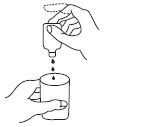
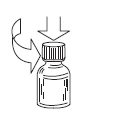
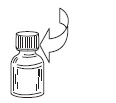
Fig. 1 Fig. 2 Fig. 3
Duration of treatment
Your doctor will explain that treatment should be short-term and that the dose may be gradually reduced before stopping.
Treatment with MEXYLOR should be as short as possible. Your doctor will regularly reassess your condition and the need for continued treatment, especially if you are asymptomatic.
Treatment duration generally ranges from a few days to two weeks, up to a maximum of four weeks, including a gradual tapering-off period. In certain cases, extension beyond the maximum treatment period may be necessary, but only after your doctor has re-evaluated your condition.
Treatment should begin with the lowest recommended dose and increased cautiously without exceeding the maximum dose, and should be kept as brief as possible.
If treatment lasts longer than two weeks, MEXYLOR should not be stopped abruptly, as sleep disturbances may temporarily return with increased intensity. Therefore, it is recommended to conclude treatment by gradually reducing the dose.
If you take more MEXYLOR than you should
In case of accidental ingestion/overdose of MEXYLOR, contact your doctor immediately or go to the nearest hospital.
As with other benzodiazepines, an overdose of MEXYLOR is unlikely to be life-threatening unless other centrally acting depressant drugs (including alcohol) are taken concomitantly. Overdose of benzodiazepines usually results in varying degrees of central nervous system depression, ranging from drowsiness to coma.
Symptoms of mild poisoning include drowsiness, fatigue, ataxia (loss of coordination of voluntary muscle movements), blurred vision, confusion, mental confusion, and lethargy (tendency to prolonged drowsiness and unresponsiveness to normal stimuli).
Higher oral doses may cause symptoms ranging from deep sleep to unconsciousness, ataxia (loss of coordination of voluntary muscle movements), hypotonia (reduced muscle tone), hypotension (low blood pressure), respiratory depression (increased carbon dioxide levels in the blood), rarely coma, and very rarely, death.
Treatment of overdose
In managing overdose, consider the possibility of concomitant intake of other substances, which may lead to respiratory depression (increased carbon dioxide levels in the blood), rarely coma, and very rarely, death. Patients with mild symptoms of intoxication should sleep under observation.
Following an oral overdose of benzodiazepines, vomiting should be induced (within one hour) if the patient is conscious, or gastric lavage should be performed with protection of the airway if the patient is unconscious. If no improvement is observed after gastric emptying, activated charcoal should be administered to reduce absorption. Special attention must be paid to respiratory and cardiovascular functions during emergency treatment.
In case of hypotension (low blood pressure), peripheral circulation-supporting agents such as noradrenergic and volume-expanding drugs should be used. Assisted ventilation is required in case of respiratory impairment, which may also be caused by peripheral muscular relaxation. In cases of mixed intoxication, hemodialysis and peritoneal dialysis (blood dialysis) may be helpful. However, these methods are not effective in cases of isolated intoxication with Mexylor.
Flumazenil may be useful as an antidote (to counteract the harmful effects of the medicine).
Opioid antagonists are contraindicated.
If you stop treatment with MEXYLOR
Discontinuation of this medicine should be done by gradually reducing the dosage. Stopping treatment, especially abruptly, may be accompanied by withdrawal symptoms (see “Withdrawal symptoms”).
If you have any doubts about how to use this medicine, consult your doctor or pharmacist.
4. Possible side effects
Like all medicines, this medicine can cause side effects, although not everybody gets them.
At the beginning of treatment, daytime sleepiness, emotional disturbances, depressed level of consciousness, confusion, fatigue, headache, dizziness, muscle weakness, ataxia (loss of coordination of movements), or diplopia (double vision) may occur. These reactions usually disappear with continued treatment.
The most frequently observed adverse reactions in patients receiving Mexylor are headache, sedation, and anxiety. The most serious adverse reactions in patients receiving Mexylor are angioedema (swelling of the skin of the face, lips, and tongue), suicide or attempted suicide associated with unmasking of pre-existing depression.
Contact your doctor if you experience any of the following side effects:
Very common side effects (may affect more than 1 in 10 people)
- headache.
Common side effects (may affect up to 1 in 10 people)
- angioedema* (swelling of the skin of the face, lips, and tongue),
- anxiety,
- decreased libido (reduced sexual desire),
- dizziness,
- sedation,
- somnolence,
- attention disturbance,
- amnesia (memory impairment),
- visual impairment,
- speech disorder,
- dysgeusia (altered taste),
- psychomotor retardation,
- diplopia (double vision),
- tachycardia (increased heart rate),
- vomiting,
- nausea,
- upper abdominal pain,
- constipation,
- dry mouth,
- pruritus,
- urinary disorder (difficulty urinating),
- asthenia (reduced muscle strength),
- hyperhidrosis (excessive sweating).
Rare side effects (may affect up to 1 in 1,000 people)
- anaphylactic/anaphylactoid reactions (severe allergic or allergy-like reactions),
- increased bilirubin (a pigment contained in bile),
- jaundice (yellowing of the skin, mucous membranes, and whites of the eyes),
- increased liver transaminases (liver enzymes),
- increased alkaline phosphatase (an enzyme),
- thrombocytopenia (low platelet count in the blood),
- agranulocytosis (lack of blood cells called granulocytes),
- pancytopenia (deficiency of all types of blood cells),
- syndrome of inappropriate antidiuretic hormone secretion (a hormonal disorder).
Side effects with unknown frequency (frequency cannot be estimated from the available data)
- suicide (unmasking of pre-existing depression)*,
- attempted suicide (unmasking of pre-existing depression),
- acute psychosis (mental disorder),
- hallucination (seeing or hearing things that are not present in reality),
- dependence,
- depression (unmasking of pre-existing depression),
- delirium,
- withdrawal syndrome (rebound insomnia),
- agitation,
- aggression,
- irritability,
- restlessness,
- anger,
- nightmares,
- abnormal behaviour,
- emotional disturbance,
- confusion,
- reduced alertness,
- ataxia (loss of coordination of movements),
- muscle weakness,
- vertigo,
- urticaria,
- rash,
- fatigue,
- fall.
* life-threatening or fatal cases have been reported
§ see "Warnings and precautions"
Reporting of side effects
If you experience any side effect, including those not listed in this leaflet, talk to your doctor or pharmacist. You can also report side effects directly via the national reporting system at the website https://www.aifa.gov.it/content/segnalazioni-reazioni-avverse. Reporting side effects can help provide more information on the safety of this medicine.
5. How to store MEXYLOR
Keep this medicine out of the sight and reach of children.
Do not use this medicine after the expiry date stated on the packaging after "Exp.".
The expiry date refers to the last day of that month.
Do not store above 25°C.
The product should be used within 45 days of first opening the bottle. Any excess product should be discarded.
Do not dispose of any medicine via wastewater or household waste. Ask your pharmacist how to dispose of medicines you no longer use. This will help protect the environment.
6. Package contents and other information
What MEXYLOR contains
The active substance is lormetazepam. 1 ml (25 drops) of solution contains 2.5 mg of lormetazepam.
The other components are: sodium saccharin, glycerol 85 percent, ethanol 96 percent, orange/lemon/caramel flavouring, and propylene glycol.
Description of the appearance of MEXYLOR and contents of the pack
Pack containing one 20 ml bottle of solution.
Marketing Authorization Holder
Epifarma S.r.l. – Via San Rocco, 6 – 85033 Episcopia (PZ) – Italy.
Manufacturer
Doppel Farmaceutici S.r.l. – Via dei Martiri delle Foibe, 1 – 29016 Cortemaggiore (Piacenza) – Italy.
Similar drugs
| Brand name | Dosage form | Active substance / Dosage | Manufacturer |
|---|---|---|---|
| LORAZEPAM ABC | drops, oral solution | ABC FARMACEUTICI S.P.A. | |
| LORAZEPAM ALMUS | drops, oral solution | ALMUS S.R.L. | |
| LORAZEPAM ALTER | drops, oral solution | LABORATORI ALTER S.R.L. | |
| LORAZEPAM AUROBINDO ITALIA | drops, oral solution | AUROBINDO PHARMA (ITALIA) S.R.L. | |
| LORAZEPAM DOC GENERICI | drops, oral solution | DOC GENERICI SRL | |
| LORAZEPAM HEXAL | drops, oral solution | SANDOZ S.P.A. | |
| LORAZEPAM MYLAN GENERICS | drops, oral solution | MYLAN S.P.A. | |
| LORAZEPAM PENSA | drops, oral solution | TOWA PHARMACEUTICAL S.P.A. | |
| LORAZEPAM ZENTIVA | drops, oral solution | ZENTIVA ITALIA S.R.L. | |
| LORMETAZEPAM EG | drops, oral solution | EG S.P.A. | |
| LORMETAZEPAM RATIOPHARM ITALIA | drops, oral solution | TEVA B.V. |
The original data is available in the language of the country of manufacture.
Data source: Italian Medicines Agency (AIFA)
Data last verified: September 21, 2026