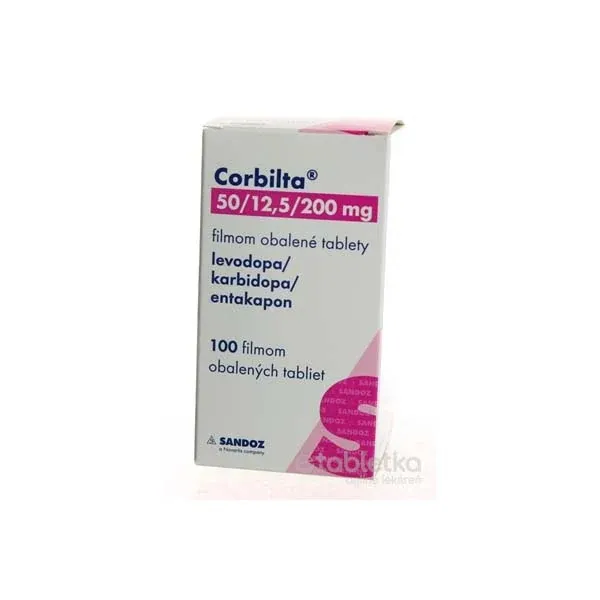
CORBILTA
ItalyIt is used to treat Parkinson's disease, a condition caused by low levels of dopamine in the brain. Its active ingredients help increase dopamine levels and improve the effectiveness of symptom treatment.
Frequently asked questions
How should I take Corbilta?
Your doctor will indicate the exact dose to be taken each day. The tablets should not be divided into smaller parts and should be taken one at a time. It can be taken with or without food, but if high-protein foods (such as meat, fish, dairy, seeds, and nuts) are consumed, absorption may be reduced.
What should I do if I forget a dose?
Do not take a double dose to make up for it. If you remember the dose more than an hour before the next one, take it immediately; if it is less than an hour away, wait an hour and then take the tablet. Always ensure there is at least one hour between two successive doses.
When should Corbilta not be taken?
You must not take this medication if you are allergic to its ingredients, if you suffer from angle-closure glaucoma, if you have an adrenal gland tumor, if you have severe liver disease, or if you are taking certain antidepressants (MAO inhibitors). It has also been reported that it should not be taken in cases of previous Neuroleptic Malignant Syndrome or rhabdomyolysis of non-traumatic origin.
What are the side effects of Corbilta?
Very common side effects include involuntary movements, nausea, diarrhea, muscle pain, and a harmless reddish-brown discoloration of the urine. Other common side effects may include dizziness, drowsiness, insomnia, anxiety, depression, or heart problems. It is important to inform your doctor if you experience uncontrollable impulses (such as gambling or excessive spending) or mood changes.
Are there interactions with other drugs or foods?
Corbilta may enhance the effect of certain antidepressants and drugs for heart or respiratory diseases. It can also make iron absorption more difficult: it is advisable to take iron supplements at least 2-3 hours apart from the medication.
Which symptoms require immediate medical attention?
You must consult a doctor immediately if you experience muscle stiffness, severe contractions, tremors, agitation, confusion, fever, blood pressure fluctuations, or if an allergic reaction occurs (swelling of the face, lips, tongue, or throat, difficulty breathing or swallowing).
Instructions for use
Table of contents
- Corbilta 50 mg/12.5 mg/200 mg film-coated tablets
- 1. What Corbilta is and what it is used for
- 2. What you need to know before taking Corbilta
- 3. How to take Corbilta
- 4. Possible side effects
- 5. How to store Corbilta
- 6. Package Contents and Other Information
- Patient Information Leaflet: Information for the User
- Corbilta 75 mg/18.75 mg/200 mg film-coated tablets
- 1. What Corbilta is and what it is used for
- 2. What you need to know before taking Corbilta
- 3. How to take Corbilta
- 4. Possible side effects
- 5. How to store Corbilta
- 6. Package contents and other information
- Package leaflet: Information for the user
- Corbilta 100 mg/25 mg/200 mg film-coated tablets
- 1. What Corbilta is and what it is used for
- 2. What you need to know before taking Corbilta
- 3. How to take Corbilta
- 4. Possible side effects
- 5. How to store Corbilta
- 6. Package contents and other information
- Package leaflet: Information for the user
- Corbilta 125 mg/31.25 mg/200 mg film-coated tablets
- 1. What Corbilta is and what it is used for
- 2. What you need to know before taking Corbilta
- 3. How to take Corbilta
- 4. Possible side effects
- 5. How to store Corbilta
- 6. Package contents and other information
- Package leaflet: information for the user
- Corbilta 150 mg/37.5 mg/200 mg film-coated tablets
- 1. What Corbilta is and what it is used for
- 2. What you need to know before taking Corbilta
- 3. How to take Corbilta
- 4. Possible side effects
- 5. How to store Corbilta
- 6. Package contents and other information
- Package leaflet: Information for the user
- Corbilta 175 mg/43.75 mg/200 mg film-coated tablets
- 1. What Corbilta is and what it is used for
- 2. What you need to know before taking Corbilta
- 3. How to take Corbilta
- 4. Possible side effects
- 5. How to store Corbilta
- 6. Package contents and other information
- Patient Information Leaflet: Information for the user
- Corbilta 200 mg/50 mg/200 mg film-coated tablets
- 1. What Corbilta is and what it is used for
- 2. What you need to know before taking Corbilta
- 3. How to take Corbilta
- 4. Possible side effects
- 5. How to store Corbilta
- 6. Package contents and other information
Package leaflet: Information for the user
Corbilta 50 mg/12.5 mg/200 mg film-coated tablets
levodopa/carbidopa/entacapone
Please read all of this leaflet carefully before you start taking this medicine, as it contains
important information for you.
- Keep this leaflet. You may need to read it again.
- If you have any questions, ask your doctor or pharmacist.
- This medicine has been prescribed for you only. Do not give it to others, even if they have the same symptoms as yours, as it may be harmful.
- If you experience any side effects, including those not listed in this leaflet, talk to your doctor or pharmacist. See section 4.
Contents of this leaflet:
- What Corbilta is and what it is used for
- What you need to know before taking Corbilta
- How to take Corbilta
- Possible side effects
- How to store Corbilta
- Contents of the pack and other information
1. What Corbilta is and what it is used for
Corbilta contains three active substances (levodopa, carbidopa and entacapone) in a film-coated tablet. Corbilta is used to treat Parkinson's disease.
Parkinson's disease is caused by low levels of a substance called dopamine in the brain.
Levodopa increases the level of dopamine and thereby reduces the symptoms of Parkinson's disease. Carbidopa and entacapone enhance the effectiveness of levodopa's anti-Parkinson effects.
2. What you need to know before taking Corbilta
Do not take Corbilta
- if you are allergic to levodopa, carbidopa, entacapone, or any of the other ingredients of this medicine (listed in section 6)
- if you have closed-angle glaucoma (a disorder of the eye)
- if you have a tumour of the adrenal gland
- if you are taking antidepressants (combinations of selective MAO-A inhibitors and MAO-B inhibitors, or non-selective MAO inhibitors)
- if you have previously experienced the rare reaction to certain antipsychotic medicines known as Neuroleptic Malignant Syndrome (NMS)
- if you have previously experienced a rare form of non-traumatic muscle disorder called non-traumatic rhabdomyolysis
- if you have severe liver disease.
Warnings and precautions
Talk to your doctor or pharmacist before taking Corbilta if you have or have previously had:
- a heart attack, other heart diseases including arrhythmias, or blood vessel disorders
- asthma or other lung diseases
- liver disorders, as your dose may need to be adjusted
- kidney or hormonal disorders
- gastric ulcer or seizures
- prolonged diarrhoea – consult your doctor as this may be a sign of inflammation of the colon
- severe psychiatric disorders of any kind, such as psychosis
- chronic open-angle glaucoma, as your dose may need to be adjusted and your eye pressure monitored.
Talk to your doctor if you are taking:
- antipsychotic medicines (medicines used to treat psychosis)
- a medicine that may cause low blood pressure when standing up from a sitting or lying position. You should be aware that Corbilta may worsen such reactions.
Talk to your doctor if, during treatment with Corbilta:
- you develop muscle stiffness or strong contractions, or experience tremors, agitation, confusion, fever, increased heart rate, or severe blood pressure fluctuations. In such cases, you must seek immediate medical advice
- you feel depressed or have thoughts of suicide, or if you notice any changes in your behaviour
- you experience sudden attacks of sleepiness or feel unusually sleepy. If this occurs, you must not drive or operate machinery (see also section “Driving and using machines”)
- you develop uncontrolled movements or if such movements worsen after taking Corbilta. In this case, consult your doctor, as it may be necessary to adjust the dosage of your anti-Parkinson’s medicines
- you experience diarrhoea: regular monitoring of body weight is recommended to avoid excessive weight loss
- you experience progressive anorexia, asthenia (weakness, fatigue), and weight loss over a relatively short period. In such cases, a general medical check-up should be considered, including liver function monitoring.
- you feel the need to stop taking Corbilta; see section “If you stop taking Corbilta”.
Inform your doctor if you or a family member/carer notice the development of symptoms resembling dependence, leading to a desire for high doses of Corbilta and other medicines used to treat Parkinson’s disease.
Inform your doctor if you, or your family members/carer, notice that you develop impulses or strong urges to behave in unusual ways or are unable to resist the impulse, drive, or temptation to carry out activities that could be harmful to you or others. These behaviours are known as impulse control disorders and may include gambling addiction, excessive spending and eating, abnormally increased sexual drive, or preoccupation with increased sexual thoughts or desires. Your doctor may need to review your treatment.
During prolonged treatment with Corbilta, your doctor may request regular laboratory tests.
If you are scheduled for surgery, inform your doctor that you are taking Corbilta.
The use of Corbilta is not recommended for the treatment of extrapyramidal symptoms (e.g. involuntary movements, tremors, muscle rigidity, and muscle contractions) caused by other medicines.
Children and adolescents
Experience with Corbilta in patients under 18 years of age is limited. Therefore, Corbilta is not recommended for use in children or adolescents.
Other medicines and Corbilta
Inform your doctor or pharmacist if you are taking, have recently taken, or might take any other medicines.
Do not take Corbilta if you are taking certain antidepressants (combinations of selective MAO-A inhibitors and MAO-B inhibitors, or non-selective MAO inhibitors).
Corbilta may enhance the effects and side effects of certain medicines. These include:
- medicines used to treat depression such as moclobemide, amitriptyline, desipramine, maprotiline, venlafaxine, and paroxetine
- rimiterol and isoprenaline, used to treat certain respiratory conditions
- adrenaline, used in severe allergic reactions
- noradrenaline, dopamine, and dobutamine, used to treat certain heart conditions and hypotension
- alpha-methyldopa, used to treat hypertension
- apomorphine, used to treat Parkinson’s disease.
The effects of Corbilta may be reduced by certain medicines. These include:
- dopamine antagonists used to treat certain psychiatric disorders, nausea, and vomiting
- phenytoin, used to prevent seizures
- papaverine, used to relax muscles.
Corbilta may impair the absorption of iron. Therefore, it is not recommended to take Corbilta at the same time as iron supplements. Corbilta and iron-containing medicines should be taken at least 2–3 hours apart.
Corbilta with food and drink
Corbilta may be taken with or without food. For some patients, Corbilta may not be well absorbed if taken with, or immediately after, high-protein foods (such as meat, fish, dairy products, seeds, and nuts). Consult your doctor if you think this may apply to you.
Pregnancy, breastfeeding, and fertility
If you are pregnant, suspect you may be pregnant, planning to become pregnant, or breastfeeding, consult your doctor or pharmacist before taking this medicine.
Women must not breastfeed during treatment with Corbilta.
Driving and using machines
Corbilta may lower blood pressure, which can cause dizziness and lightheadedness. Exercise particular caution when driving or operating machinery.
If you experience drowsiness or sudden sleep attacks, wait until you are fully alert again before resuming driving or any other activity requiring vigilance. Otherwise, you may place yourself and others at serious risk, even death.
Corbilta contains sucrose
Corbilta contains sucrose (1.2 mg/tablet). If your doctor has diagnosed you with an intolerance to certain sugars, contact your doctor before taking this medicine.
This medicine contains less than 1 mmol (23 mg) of sodium per maximum daily dose, i.e. essentially “sodium-free”.
3. How to take Corbilta
Take this medicine exactly as instructed by your doctor or pharmacist. If you
have any doubts, consult your doctor or pharmacist.
Adults and elderly:
- Your doctor will tell you exactly how many Corbilta tablets to take each day.
- The tablet is not intended to be divided into smaller parts.
- Take only one tablet at a time.
- Depending on your response to treatment, your doctor may recommend a higher or lower dose.
- If you are taking Corbilta tablets 50 mg/12.5 mg/200 mg, 75 mg/18.75 mg/200 mg, 100 mg/25 mg/200 mg, 125 mg/31.25 mg/200 mg or 150 mg/37.5 mg/200 mg, do not take more than 10 tablets per day.
If you feel that the effect of Corbilta is too strong or too weak, or if you experience possible
side effects, consult your doctor or pharmacist.
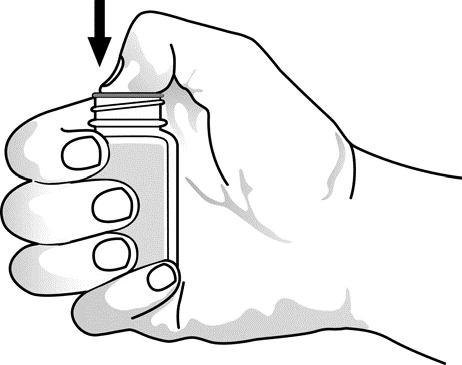
Opening the bottle for the first time: open the
Figure 1
closure and then press with your thumb on the seal
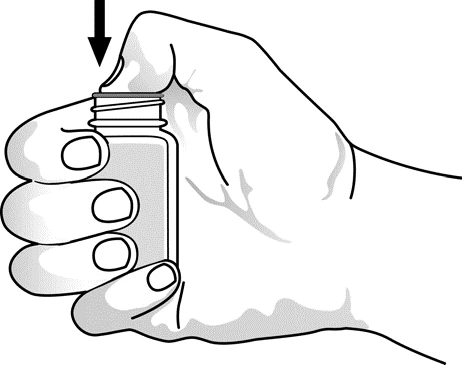
until it breaks. See figure 1.
If you take more Corbilta than you should
Contact your doctor or pharmacist immediately if you have accidentally taken more Corbilta tablets
than prescribed. In case of overdose, you may feel confused or agitated, your heartbeat may speed up or slow down, or the color of your skin, tongue, eyes, or urine may change.
If you forget to take Corbilta
Do not take a double dose to make up for a forgotten tablet.
If more than one hour remains before the next dose:
Take one tablet as soon as you remember, then take the next one at the scheduled time.
If less than one hour remains before the next dose:
Take one tablet as soon as you remember, wait one hour, then take another tablet. Then continue
as normal.
Always allow at least one hour between consecutive doses of Corbilta to avoid possible side
effects.
If you stop taking Corbilta
Do not stop treatment with Corbilta unless your doctor tells you to do so. In such a case, your doctor
may need to adjust the dose of other anti-Parkinson’s medicines you are taking, especially levodopa, to adequately control your symptoms. Abruptly stopping treatment with Corbilta and other anti-Parkinson’s medicines may cause side effects.
If you have any doubts about how to use this medicine, consult your doctor or pharmacist.
4. Possible side effects
Like all medicines, this medicine can cause side effects, although not everyone experiences them. Many of the side effects can be reduced simply by adjusting the dose.
If you experience any of the following symptoms while taking Corbilta, seek immediate medical advice:
- Muscle stiffness or severe contractions, tremors, agitation, confusion, fever, increased heart rate, or severe fluctuations in blood pressure. These may be symptoms of neuroleptic malignant syndrome (NMS, a rare and serious reaction to medicines used to treat disorders of the central nervous system) or rhabdomyolysis (a rare and serious muscle disorder).
- An allergic reaction, which may include signs such as hives, itching, rash, swelling of the face, lips, tongue, or throat. Swelling of the throat may cause difficulty breathing or swallowing.
Very common (may affect more than 1 in 10 people):
- involuntary movements (dyskinesia)
- feeling unwell (nausea)
- harmless brownish-red discoloration of the urine
- muscle pain
- diarrhoea.
Common (may affect up to 1 in 10 people):
- light-headedness or fainting due to low blood pressure, increased blood pressure
- worsening of Parkinsonian symptoms, dizziness, drowsiness
- vomiting, abdominal pain and discomfort, heartburn, dry mouth, constipation
- insomnia, hallucinations, confusion, abnormal dreams (including nightmares), fatigue
- mental disorders including memory problems, anxiety, and depression (including suicidal thoughts)
- heart disease or problems with arteries (e.g. chest pain), irregular heart rhythm or heart rate
- increased frequency of falls
- shortness of breath
- increased sweating, skin rash
- muscle cramps, swelling of the legs
- blurred vision
- anaemia
- decreased appetite, weight loss
- headache, joint pain
- urinary tract infection.
Uncommon (may affect up to 1 in 100 people):
- heart attack
- gastrointestinal bleeding
- changes in blood cells that may lead to bleeding, abnormalities in liver function tests
- seizures
- agitation
- psychotic symptoms
- colitis (inflammation of the colon)
- changes in colouration other than urine (e.g. of skin, nails, hair, sweat)
- difficulty swallowing, difficulty urinating.
Not known (frequency cannot be estimated from the available data):
Desire for higher doses of Corbilta than required to control motor symptoms, known as dopamine dysregulation syndrome. Some patients may experience severe involuntary abnormal movements (dyskinesias), mood changes, or other side effects after taking high doses of Corbilta.
The following side effects have also been reported:
- hepatitis (inflammation of the liver)
- itching.
You may develop the following side effects:
- Inability to resist the impulse to carry out an action that could be harmful, which may include:
- a strong impulse to gamble excessively, despite serious personal or family consequences;
- altered or increased sexual interests and behaviours, causing significant concern for you or others, such as increased sexual drive;
- uncontrollable excessive shopping or spending;
- binge eating (eating large amounts of food in a short time) or compulsive eating (eating more food than usual and more than needed to satisfy hunger).
Inform your doctor if you experience any of these behaviours; they will discuss ways to manage or reduce these symptoms.
Reporting of side effects
If you experience any side effect, including those not listed in this leaflet, talk to your doctor or pharmacist. You can also report side effects directly through the national reporting system listed in Annex V.
By reporting side effects, you can help provide more information on the safety of this medicine.
5. How to store Corbilta
Keep this medicine out of the sight and reach of children.
Do not use this medicine after the expiry date stated on the bottle and outer carton. The expiry date refers to the last day of that month.
This medicine requires no special storage conditions.
Do not dispose of medicines via wastewater or household waste. Ask your pharmacist how to dispose of medicines you no longer use. This will help protect the environment.
6. Package Contents and Other Information
What Corbilta Contains
- The active substances in Corbilta are levodopa, carbidopa and entacapone.
- Each Corbilta 50 mg/12.5 mg/200 mg tablet contains 50 mg of levodopa, 12.5 mg of carbidopa and 200 mg of entacapone.
- The excipients of the tablet core are croscarmellose sodium, magnesium stearate, maize starch, mannitol (E421) and povidone (E1201).
- The excipients of the film coating are glycerol (85%) (E422), hypromellose, magnesium stearate, polysorbate 80, iron oxide red (E172), sucrose, titanium dioxide (E171) and iron oxide yellow (E172).
Description of Corbilta and Contents of the Pack
Corbilta 50 mg/12.5 mg/200 mg: brown or greyish-red, round, convex, film-coated tablets that are not divisible, marked with "LCE 50" on one side.
Corbilta 50 mg/12.5 mg/200 mg tablets are available in six pack sizes (containing 10, 30, 100, 130, 175 or 250 tablets). Not all pack sizes may be marketed.
Marketing Authorization Holder
Orion Corporation
Orionintie 1
FI-02200 Espoo
Finland
Manufacturer
Orion Corporation Orion Pharma
Joensuunkatu 7
FI-24100 Salo
Finland
For further information about this medicinal product, please contact the local representative of the Marketing Authorization Holder:
België/Belgique/Belgien Lietuva
Sandoz n.v./s.a. Orion Corporation
Tél/Tel: +32 2 722 97 97 Tel. +358 10 4261
България Luxembourg/Luxemburg
ТП Сандоз Sandoz n.v./s.a.
Teл.: + 359 2 970 47 47 Tél/Tel: +32 2 722 97 97
Česká republika Magyarország
Sandoz s.r.o. Sandoz Hungária Kft.
Tel: +420 225 775 111 Tel.: +36 1 430 2890
Danmark Malta
Orion Corporation Orion Corporation
Tlf: +358 10 4261 Tel: +358 10 4261
Deutschland Nederland
Orion Corporation Sandoz B.V.
Tel: +358 10 4261 Tel: +31 (0)36 5241600
Eesti Norge
Orion Corporation Orion Corporation
Tel: +358 10 4261 Tlf: +358 10 4261
Ελλάδα Österreich
Novartis (Hellas) S.A.C.I. Sandoz GmbH
Τηλ: +30 210 2811712 Tel: +43 5338 200 0
España Polska
Orion Corporation Orion Corporation
Tel: +358 10 4261 Tel.: +358 10 4261
France Portugal
Orion Corporation Sandoz Farmacêutica Lda.
Tel: +358 10 4261 Tel: +351 21 924 19 19
Hrvatska România
Sandoz d.o.o. S.C Sandoz S.R.L.
Tel. +385 1 2353 111 +40 21 407 51 60
Ireland Slovenija
Orion Corporation Lek Pharmaceuticals d.d.
Tel: +358 10 4261 Tel: +386 1 580 21 11
Ísland Slovenská republika
Orion Corporation Sandoz d.d. organizačná zložka
Sími: +358 10 4261 Tel: +421 2 48 200 600
Italia Suomi/Finland
Sandoz S.p.A. Orion Corporation
Tel: +39 02 96 54 3494 Puh./Tel: +358 10 4261
Κύπρος Sverige
Sandoz GmbH Orion Corporation
Τηλ: +43 5338 200 0 Tel: +358 10 4261
Latvija United Kingdom (Northern Ireland)
Orion Corporation Orion Corporation
Tel: +358 10 4261 Tel: +358 10 4261
Other Sources of Information
More detailed information on this medicinal product is available on the website of the European Medicines Agency: http://www.ema.europa.eu.
Patient Information Leaflet: Information for the User
Corbilta 75 mg/18.75 mg/200 mg film-coated tablets
levodopa/carbidopa/entacapone
Please read this leaflet carefully before taking this medicine because it contains
important information for you.
- Keep this leaflet. You may need to read it again.
- If you have any questions, ask your doctor or pharmacist.
- This medicine has been prescribed for you only. Do not give it to others, even if their symptoms are the same as yours, as it could be harmful.
- If you experience any side effects, including those not listed in this leaflet, contact your doctor or pharmacist. See section 4.
Contents of this leaflet:
- What Corbilta is and what it is used for
- What you need to know before taking Corbilta
- How to take Corbilta
- Possible side effects
- How to store Corbilta
- Contents of the pack and other information
1. What Corbilta is and what it is used for
Corbilta contains three active substances (levodopa, carbidopa, and entacapone) in a film-coated tablet. Corbilta is used to treat Parkinson's disease.
Parkinson's disease is caused by low levels of a substance called dopamine in the brain.
Levodopa increases the level of dopamine and thereby reduces the symptoms of Parkinson's disease. Carbidopa and entacapone enhance the anti-Parkinson effects of levodopa.
2. What you need to know before taking Corbilta
Do not take Corbilta
- if you are allergic to levodopa, carbidopa, entacapone, or any of the other ingredients of this medicine (listed in section 6)
- if you have closed-angle glaucoma (an eye condition)
- if you have a tumour of the adrenal gland
- if you are taking antidepressants (combinations of selective MAO-A inhibitors and MAO-B inhibitors, or non-selective MAO inhibitors)
- if you have previously experienced the rare reaction to certain antipsychotic medicines known as Neuroleptic Malignant Syndrome (NMS)
- if you have previously experienced the rare muscle disorder called non-traumatic rhabdomyolysis
- if you have severe liver disease.
Warnings and precautions
Talk to your doctor or pharmacist before taking Corbilta if you have or have previously had:
- a heart attack, other heart diseases including arrhythmias, or blood vessel disorders
- asthma or other lung diseases
- liver problems, as your dose may need to be adjusted
- kidney or hormonal disorders
- gastric ulcer or seizures
- prolonged diarrhoea – consult your doctor as this may be a sign of inflammation of the colon
- severe psychiatric disorders of any kind, such as psychosis
- chronic open-angle glaucoma, as your dose may need to be adjusted and your eye pressure monitored.
Talk to your doctor if you are taking:
- antipsychotic medicines (medicines used to treat psychosis)
- a medicine that may cause a drop in blood pressure when standing up from a sitting or lying position. You should be aware that Corbilta may worsen such reactions.
Talk to your doctor if, while taking Corbilta:
- you develop muscle stiffness or strong contractions, or if you experience tremors, agitation, confusion, fever, increased heart rate, or severe fluctuations in blood pressure. In such cases, you must contact your doctor immediately
- you feel depressed or have thoughts of suicide, or if you notice any changes in your behaviour
- you experience sudden attacks of sleep, or feel unusually sleepy. If this occurs, you must not drive or operate machinery (see also section “Driving and using machines”)
- you develop uncontrolled movements or if such movements worsen after taking Corbilta. In this case, consult your doctor, as the dosage of your anti-Parkinson’s medicines may need to be changed
- you develop diarrhoea: regular monitoring of body weight is recommended to prevent potentially excessive weight loss
- you experience progressive anorexia, asthenia (weakness, fatigue), and weight loss over a relatively short period of time. In such cases, a general medical check-up, including liver function tests, should be considered
- you feel the need to stop taking Corbilta; see section “If you stop taking Corbilta”.
Inform your doctor if you or a family member/carer notice the development of symptoms
resembling dependence, leading to a desire for high doses of Corbilta and other medicines
used to treat Parkinson’s disease.
Inform your doctor if you, or your family members/carer, notice that you develop impulses or
strong urges to behave in unusual ways or are unable to resist the impulse, drive, or temptation
to carry out activities that could be harmful to you or others. These behaviours are known as
impulse control disorders and may include compulsive gambling, excessive spending and
eating, abnormally increased sexual drive, or preoccupation with increased sexual thoughts or
desires. Your doctor may need to review your treatment.
During prolonged treatment with Corbilta, your doctor may periodically request laboratory tests.
If you are due to undergo surgery, inform your doctor that you are taking Corbilta.
The use of Corbilta is not recommended for the treatment of extrapyramidal symptoms (e.g.
involuntary movements, tremors, muscle rigidity, and muscle contractions) caused by other
medicines.
Children and adolescents
Experience with Corbilta in patients under 18 years of age is limited. Therefore, Corbilta is not
recommended for use in children or adolescents.
Other medicines and Corbilta
Tell your doctor or pharmacist if you are taking, have recently taken, or might take any other medicines.
Do not take Corbilta if you are taking certain antidepressants (combinations of selective MAO-A
inhibitors and MAO-B inhibitors, or non-selective MAO inhibitors).
Corbilta may enhance the effects and side effects of certain medicines. These include:
- medicines used to treat depression such as moclobemide, amitriptyline, desipramine, maprotiline, venlafaxine, and paroxetine
- rimiterol and isoprenaline, used to treat certain respiratory conditions
- adrenaline, used in severe allergic reactions
- noradrenaline, dopamine, and dobutamine, used to treat certain heart conditions and hypotension
- alpha-methyldopa, used to treat hypertension
- apomorphine, used to treat Parkinson’s disease.
The effects of Corbilta may be reduced by certain medicines. These include:
- dopamine antagonists used to treat certain psychiatric disorders, nausea, and vomiting
- phenytoin, used to prevent seizures
- papaverine, used to relax muscles.
Corbilta may impair the absorption of iron. Therefore, it is recommended not to take Corbilta at the
same time as iron supplements. Corbilta and iron-containing medicines should be taken at least 2–3
hours apart.
Corbilta with food and drink
Corbilta can be taken with or without food. For some patients, Corbilta may not be well absorbed if
taken with, or immediately after, high-protein meals (such as meat, fish, dairy products, seeds, and
nuts). Consult your doctor if you think this may apply to you.
Pregnancy, breastfeeding and fertility
If you are pregnant, think you may be pregnant, are planning to become pregnant, or are breastfeeding,
consult your doctor or pharmacist before taking this medicine.
Women must not breastfeed during treatment with Corbilta.
Driving and using machines
Corbilta may lower blood pressure, which can cause dizziness and lightheadedness. Exercise particular
caution when driving or operating machinery.
If you experience drowsiness or sudden sleep attacks, wait until you are fully alert again before resuming
driving or any other activity requiring vigilance. Otherwise, you may put yourself and others at serious
risk, including risk of death.
Corbilta contains sucrose
Corbilta contains sucrose (1.4 mg/tablet). If your doctor has diagnosed you with an intolerance to
certain sugars, contact him or her before taking this medicine.
This medicine contains less than 1 mmol (23 mg) of sodium per maximum daily dose, i.e. essentially
“sodium-free”.
3. How to take Corbilta
Always take this medicine exactly as your doctor or pharmacist has told you. If
you have any doubts, consult your doctor or pharmacist.
Adults and elderly:
- Your doctor will tell you exactly how many Corbilta tablets to take each day.
- The tablet is not intended to be divided into smaller parts.
- Take only one tablet at a time.
- Depending on your response to treatment, your doctor may recommend a higher or lower dose.
- If you are taking Corbilta tablets 50 mg/12.5 mg/200 mg, 75 mg/18.75 mg/200 mg, 100 mg/25 mg/200 mg, 125 mg/31.25 mg/200 mg or 150 mg/37.5 mg/200 mg, do not take more than 10 tablets per day.
If you feel that the effect of Corbilta is too strong or too weak, or if you experience possible
side effects, consult your doctor or pharmacist.
Opening the bottle for the first time: open the
Figure 1
closure and then press with your thumb on the seal
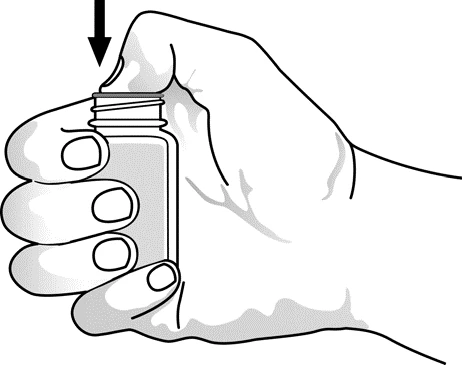
until it breaks. See figure 1.
If you take more Corbilta than you should
Contact your doctor or pharmacist immediately if you have accidentally taken more Corbilta tablets
than prescribed. In case of overdose, you may feel confused or agitated, your heartbeat may speed up or slow down, or the colour of your skin, tongue, eyes or urine may change.
If you forget to take Corbilta
Do not take a double dose to make up for a forgotten tablet.
If more than one hour remains until the next dose:
Take one tablet as soon as you remember, then take the next one at the scheduled time.
If less than one hour remains until the next dose:
Take one tablet as soon as you remember, wait one hour, then take another tablet. Then continue as normal.
Always leave at least one hour between consecutive doses of Corbilta to avoid possible side effects.
If you stop taking Corbilta
Do not stop treatment with Corbilta unless your doctor tells you to. In such a case, your doctor may need to adjust the dose of other antiparkinsonian medicines you are taking, especially levodopa, to adequately control your symptoms. Abruptly stopping treatment with Corbilta and other antiparkinsonian medicines may cause side effects.
If you have any questions about using this medicine, consult your doctor or pharmacist.
4. Possible side effects
Like all medicines, this medicine can cause side effects, although not everyone gets them. Many of the side effects can be reduced simply by adjusting the dose.
If you experience any of the following symptoms while taking Corbilta, contact your doctor immediately:
- Muscle stiffness or severe contractions, tremors, agitation, confusion, fever, increased heart rate, or severe fluctuations in blood pressure. These may be symptoms of neuroleptic malignant syndrome (NMS, a rare and serious reaction to medicines used to treat disorders of the central nervous system) or rhabdomyolysis (a rare and serious muscle disorder).
- An allergic reaction, which may include signs such as hives, itching, rash, swelling of the face, lips, tongue or throat. Swelling of the throat may cause difficulty breathing or swallowing.
Very common (may affect more than 1 in 10 people):
- Involuntary movements (dyskinesia)
- Feeling unwell (nausea)
- Harmless brownish-red discoloration of the urine
- Muscle pain
- Diarrhoea.
Common (may affect up to 1 in 10 people):
- Light-headedness or fainting due to low blood pressure, increased blood pressure
- Worsening of Parkinsonian symptoms, dizziness, drowsiness
- Vomiting, abdominal pain and discomfort, heartburn, dry mouth, constipation
- Insomnia, hallucinations, confusion, abnormal dreams (including nightmares), fatigue
- Mental disorders including memory problems, anxiety and depression (including suicidal thoughts)
- Heart disease or problems with arteries (e.g. chest pain), irregular heart rhythm or heart rate
- Increased frequency of falls
- Shortness of breath
- Increased sweating, skin rash
- Muscle cramps, swelling of the legs
- Blurred vision
- Anaemia
- Decreased appetite, weight loss
- Headache, joint pain
- Urinary tract infection.
Uncommon (may affect up to 1 in 100 people):
- Heart attack
- Gastrointestinal bleeding
- Changes in blood cells that may cause bleeding, abnormalities in liver function tests
- Seizures
- Agitation
- Psychotic symptoms
- Colitis (inflammation of the colon)
- Changes in skin, nail, hair, or sweat colour different from the urine discoloration
- Difficulty swallowing
- Difficulty urinating.
Not known (frequency cannot be estimated from the available data):
Desire for excessively high doses of Corbilta beyond what is needed to control motor symptoms, known as dopamine dysregulation syndrome. Some patients may experience severe abnormal involuntary movements (dyskinesias), mood changes, or other side effects after taking high doses of Corbilta.
The following side effects have also been reported:
- Hepatitis (inflammation of the liver)
- Itching.
You may develop the following side effects:
- Inability to resist the impulse to carry out an action that could be harmful, which may include:
- Strong impulse to gamble excessively, despite serious personal or family consequences;
- Altered or increased sexual interests and behaviours, causing significant concern to you or others, for example increased sexual drive;
- Uncontrollable excessive shopping or spending;
- Binge eating (eating large amounts of food in a short time) or compulsive eating (eating more food than usual and more than needed to satisfy hunger).
Inform your doctor if you experience any of these behaviours; they will discuss ways to manage or reduce these symptoms.
Reporting of side effects
If you experience any side effect, including those not listed in this leaflet, talk to your doctor or pharmacist. You can also report side effects directly through the national reporting system detailed in Annex V.
By reporting side effects, you can help provide more information on the safety of this medicine.
5. How to store Corbilta
Keep this medicine out of the sight and reach of children.
Do not use this medicine after the expiry date stated on the bottle and the carton. The expiry date refers to the last day of that month.
This medicine requires no special storage conditions.
Do not dispose of any medicine via wastewater or household waste. Ask your pharmacist how to dispose of medicines no longer required. This will help protect the environment.
6. Package contents and other information
What Corbilta contains
- The active substances in Corbilta are levodopa, carbidopa and entacapone.
- Each tablet of Corbilta 75 mg/18.75 mg/200 mg contains 75 mg of levodopa, 18.75 mg of carbidopa and 200 mg of entacapone.
- The excipients of the tablet core are croscarmellose sodium, magnesium stearate, maize starch, mannitol (E421) and povidone (E1201).
- The excipients of the tablet coating are glycerol (85 per cent) (E422), hypromellose, magnesium stearate, polysorbate 80, iron oxide red (E172), sucrose and titanium dioxide (E171).
Description of the appearance of Corbilta and contents of the pack
Corbilta 75 mg/18.75 mg/200 mg: light brownish-red, oval tablets marked with
“LCE 75” on one side.
Corbilta 75 mg/18.75 mg/200 mg tablets are available in five pack sizes (containing
10, 30, 100, 130 or 175 tablets). Not all pack sizes may be marketed.
Marketing Authorization Holder
Orion Corporation
Orionintie 1
FI-02200 Espoo
Finland
Manufacturer
Orion Corporation Orion Pharma
Joensuunkatu 7
FI-24100 Salo
Finland
For further information on this medicinal product, contact the local representative of the Marketing Authorization Holder:
België/Belgique/Belgien Lietuva
Sandoz n.v./s.a. Orion Corporation
Tél/Tel: +32 2 722 97 97 Tel. +358 10 4261
България Luxembourg/Luxemburg
TP Sandoz Sandoz n.v./s.a.
Teл.: + 359 2 970 47 47 Tél/Tel: +32 2 722 97 97
Česká republika Magyarország
Sandoz s.r.o. Sandoz Hungária Kft.
Tel: +420 225 775 111 Tel.: +36 1 430 2890
Danmark Malta
Orion Corporation Orion Corporation
Tlf: +358 10 4261 Tel: +358 10 4261
Deutschland Nederland
Orion Corporation Sandoz B.V.
Tel: +358 10 4261 Tel: +31 (0)36 5241600
Eesti Norge
Orion Corporation Orion Corporation
Tel: +358 10 4261 Tlf: +358 10 4261
Ελλάδα Österreich
Novartis (Hellas) S.A.C.I. Sandoz GmbH
Τηλ: +30 210 2811712 Tel: +43 5338 200 0
España Polska
Orion Corporation Orion Corporation
Tel: +358 10 4261 Tel.: +358 10 4261
France Portugal
Orion Corporation Sandoz Farmacêutica Lda.
Tel: +358 10 4261 Tel: +351 21 924 19 19
Hrvatska România
Sandoz d.o.o. S.C Sandoz S.R.L.
Tel. +385 1 2353 111 +40 21 407 51 60
Ireland Slovenija
Orion Corporation Lek Pharmaceuticals d.d.
Tel: +358 10 4261 Tel: +386 1 580 21 11
Ísland Slovenská republika
Orion Corporation Sandoz d.d. organizačná zložka
Sími: +358 10 4261 Tel: +421 2 48 200 600
Italia Suomi/Finland
Sandoz S.p.A. Orion Corporation
Tel: +39 02 96 54 3494 Puh./Tel: +358 10 4261
Κύπρος Sverige
Sandoz GmbH Orion Corporation
Τηλ: +43 5338 200 0 Tel: +358 10 4261
Latvija United Kingdom (Northern Ireland)
Orion Corporation Orion Corporation
Tel: +358 10 4261 Tel: +358 10 4261
Other sources of information
More detailed information on this medicinal product is available on the website of the European Medicines Agency, http://www.ema.europa.eu.
Package leaflet: Information for the user
Corbilta 100 mg/25 mg/200 mg film-coated tablets
levodopa/carbidopa/entacapone
Please read all of this leaflet carefully before taking this medicine because it contains
important information for you
- Keep this leaflet. You may need to read it again.
- If you have any questions, ask your doctor or pharmacist.
- This medicine has been prescribed for you only. Do not give it to other people, even if their symptoms are the same as yours, as it may be harmful.
- If you experience any side effects, including those not listed in this leaflet, contact your doctor or pharmacist. See section 4.
Contents of this leaflet:
- What Corbilta is and what it is used for
- What you need to know before taking Corbilta
- How to take Corbilta
- Possible side effects
- How to store Corbilta
- Contents of the pack and other information
1. What Corbilta is and what it is used for
Corbilta contains three active substances (levodopa, carbidopa, and entacapone) in a film-coated tablet.
Corbilta is used to treat Parkinson's disease.
Parkinson's disease is caused by low levels of a substance called dopamine in the brain.
Levodopa increases dopamine levels and thereby reduces the symptoms of Parkinson's disease.
Carbidopa and entacapone enhance the anti-Parkinsonian effects of levodopa.
2. What you need to know before taking Corbilta
Do not take Corbilta
- if you are allergic to levodopa, carbidopa, entacapone, or any of the other ingredients of this medicine (listed in section 6)
- if you have closed-angle glaucoma (an eye condition)
- if you have a tumour of the adrenal gland
- if you are taking antidepressants (combinations of selective MAO-A inhibitors and MAO-B inhibitors, or non-selective MAO inhibitors)
- if you have previously experienced the rare reaction to certain antipsychotic drugs known as Neuroleptic Malignant Syndrome (NMS)
- if you have previously experienced the rare muscle disorder called non-traumatic rhabdomyolysis
- if you have severe liver disease.
Warnings and precautions
Talk to your doctor or pharmacist before taking Corbilta if you have or have previously had:
- a heart attack, other heart diseases including arrhythmias, or blood vessel disorders
- asthma or other lung diseases
- liver problems, as your dose may need to be adjusted
- kidney or hormonal disorders
- gastric ulcer or seizures
- prolonged diarrhoea – consult your doctor as this may be a sign of inflammation of the colon
- severe psychiatric disorders of any type, such as psychosis
- chronic open-angle glaucoma, as your dose may need to be adjusted and your eye pressure monitored.
Talk to your doctor if you are taking:
- antipsychotic medicines (medicines used to treat psychosis)
- a medicine that may cause low blood pressure when standing up from a sitting or lying position. You should be aware that Corbilta may worsen such reactions.
Talk to your doctor if, during treatment with Corbilta, you:
- notice the onset of muscle rigidity or strong contractions, or if you develop tremors, agitation, confusion, fever, increased heart rate, or severe fluctuations in blood pressure. In such cases, you must seek immediate medical attention
- feel depressed or have thoughts of suicide, or if you notice any changes in your behaviour
- experience sudden attacks of sleep or feel unusually sleepy. If this occurs, you must not drive or operate machinery (see also section “Driving and using machines”)
- notice the onset of uncontrolled movements or if such movements worsen after taking Corbilta. In this case, consult your doctor, as it may be necessary to adjust the dosage of your anti-Parkinson’s medications
- develop diarrhoea: regular monitoring of body weight is recommended to avoid potentially excessive weight loss
- experience progressive anorexia, asthenia (weakness, fatigue), and weight loss over a relatively short period. In such cases, a general medical evaluation should be considered, including assessment of liver function
- feel the need to stop taking Corbilta; see section “If you stop taking Corbilta”.
Inform your doctor if you or a family member/carer notices the development of symptoms suggestive of dependence, such as a craving for high doses of Corbilta or other medicines used to treat Parkinson’s disease.
Inform your doctor if you, or your family members/carer, notice that you develop impulses or strong urges to behave in unusual ways or are unable to resist the impulse, drive, or temptation to carry out activities that could be harmful to yourself or others. These behaviours are known as impulse control disorders and may include compulsive gambling, excessive spending and eating, abnormally increased sex drive, or preoccupation with an increase in sexual thoughts or urges. Your doctor may need to review your treatment.
During prolonged treatment with Corbilta, your doctor may periodically request laboratory tests.
If you are scheduled for surgery, inform your doctor that you are taking Corbilta.
The use of Corbilta is not recommended for the treatment of extrapyramidal symptoms (e.g. involuntary movements, tremors, muscle rigidity, and muscle contractions) caused by other medicines.
Children and adolescents
Experience with Corbilta in patients under 18 years of age is limited. Therefore, Corbilta is not recommended for use in children or adolescents.
Other medicines and Corbilta
Tell your doctor or pharmacist if you are taking, have recently taken, or might take any other medicines.
Do not take Corbilta if you are taking certain antidepressants (combinations of selective MAO-A inhibitors and MAO-B inhibitors, or non-selective MAO inhibitors).
Corbilta may enhance the effects and side effects of certain medicines. These include:
- medicines used to treat depression such as moclobemide, amitriptyline, desipramine, maprotiline, venlafaxine, and paroxetine
- rimiterol and isoprenaline, used to treat certain respiratory conditions
- adrenaline, used in severe allergic reactions
- noradrenaline, dopamine, and dobutamine, used to treat certain heart conditions and hypotension
- alpha-methyldopa, used to treat hypertension
- apomorphine, used to treat Parkinson’s disease.
The effects of Corbilta may be reduced by certain medicines. These include:
- dopaminergic antagonists used to treat certain psychiatric disorders, nausea, and vomiting
- phenytoin, used to prevent seizures
- papaverine, used to relax muscles.
Corbilta may impair the absorption of iron. Therefore, it is recommended not to take Corbilta at the same time as iron supplements. Corbilta and iron-containing medicines should be taken at least 2–3 hours apart.
Corbilta with food and drink
Corbilta may be taken with or without food. For some patients, Corbilta may not be well absorbed if taken with, or immediately after, high-protein meals (such as meat, fish, dairy products, seeds, and nuts). Consult your doctor if you think this may apply to you.
Pregnancy, breastfeeding, and fertility
If you are pregnant, think you may be pregnant, are planning to become pregnant, or are breastfeeding, consult your doctor or pharmacist before taking this medicine.
Women must not breastfeed during treatment with Corbilta.
Driving and using machines
Corbilta may lower blood pressure, which can cause dizziness or lightheadedness. Exercise particular caution when driving or operating machinery.
If you experience drowsiness or sudden episodes of sleep, wait until you are fully alert again before driving or performing any activity requiring vigilance.
Otherwise, you may put yourself and others at serious risk, including risk of death.
Corbilta contains sucrose
Corbilta contains sucrose (1.6 mg/tablet). If your doctor has diagnosed you with an intolerance to certain sugars, contact your doctor before taking this medicine.
This medicine contains less than 1 mmol (23 mg) of sodium per maximum daily dose, i.e., essentially “sodium-free”.
3. How to take Corbilta
Take this medicine exactly as directed by your doctor or pharmacist. If you have any doubts, consult your doctor or pharmacist.
Adults and elderly:
- Your doctor will tell you exactly how many Corbilta tablets to take each day.
- The tablet is not intended to be divided into smaller parts.
- Take only one tablet at a time.
- Depending on your response to treatment, your doctor may recommend a higher or lower dose.
- If you are taking Corbilta tablets 50 mg/12.5 mg/200 mg, 75 mg/18.75 mg/200 mg, 100 mg/25 mg/200 mg, 125 mg/31.25 mg/200 mg or 150 mg/37.5 mg/200 mg, do not take more than 10 tablets per day.
If you think that the effect of Corbilta is too strong or too weak, or if you experience possible side effects, consult your doctor or pharmacist.
Opening the bottle for the first time: open the
Figure 1
closure and then press with your thumb on the seal
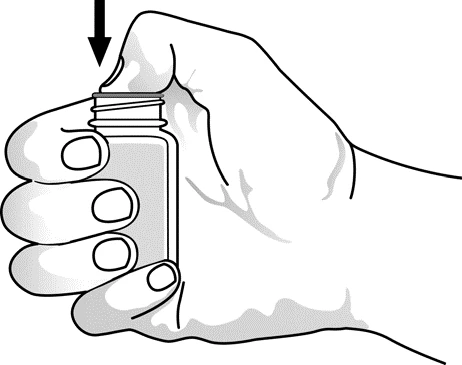
until it breaks. See Figure 1.
If you take more Corbilta than you should
Contact your doctor or pharmacist immediately if you have taken more Corbilta tablets than prescribed. In case of overdose, you may feel confused or agitated, your heartbeat may speed up or slow down, or the colour of your skin, tongue, eyes or urine may change.
If you forget to take Corbilta
Do not take a double dose to make up for a forgotten tablet.
If more than one hour remains until the next dose:
Take one tablet as soon as you remember, then take the next dose at the scheduled time.
If less than one hour remains until the next dose:
Take one tablet as soon as you remember, wait one hour, then take another tablet. Then continue as normal.
Always allow at least one hour between consecutive doses of Corbilta to avoid possible side effects.
If you stop taking Corbilta
Do not stop treatment with Corbilta unless instructed by your doctor. In such a case, your doctor may consider it necessary to adjust the dose of other anti-Parkinson's medicines you are taking, especially levodopa, to adequately control your symptoms. Abruptly stopping treatment with Corbilta and other anti-Parkinson's medicines may cause side effects.
If you have any questions about how to use this medicine, consult your doctor or pharmacist.
4. Possible side effects
Like all medicines, this medicine can cause side effects, although not everyone experiences them. Many of the side effects can be reduced simply by adjusting the dose.
If you experience any of the following symptoms while taking Corbilta, seek immediate medical advice:
- Muscle stiffness or severe contractions, tremors, agitation, confusion, fever, increased heart rate, or severe fluctuations in blood pressure. These may be symptoms of neuroleptic malignant syndrome (NMS, a rare and serious reaction to medicines used to treat disorders of the central nervous system) or rhabdomyolysis (a rare and serious muscle disorder).
- An allergic reaction, which may include signs such as hives, itching, rash, swelling of the face, lips, tongue, or throat. Swelling of the throat may cause difficulty breathing or swallowing.
Very common (may affect more than 1 in 10 people):
- involuntary movements (dyskinesia)
- feeling unwell (nausea)
- harmless brownish-red discoloration of the urine
- muscle pain
- diarrhoea.
Common (may affect up to 1 in 10 people):
- light-headedness or fainting due to low blood pressure, increased blood pressure
- worsening of Parkinsonian symptoms, dizziness, drowsiness
- vomiting, abdominal pain and discomfort, heartburn, dry mouth, constipation
- insomnia, hallucinations, confusion, abnormal dreams (including nightmares), fatigue
- mental disorders including memory problems, anxiety and depression (including suicidal thoughts)
- heart disease or problems with arteries (e.g. chest pain), irregular heartbeat or heart rate
- increased frequency of falls
- shortness of breath
- increased sweating, skin rash
- muscle cramps, swelling of the legs
- blurred vision
- anaemia
- loss of appetite, weight loss
- headache, joint pain
- urinary tract infection.
Uncommon (may affect up to 1 in 100 people):
- heart attack
- gastrointestinal bleeding
- changes in blood cells that may cause bleeding, abnormalities in liver function tests
- seizures
- agitation
- psychotic symptoms
- colitis (inflammation of the colon)
- changes in colouration other than in urine (e.g. of skin, nails, hair, sweat)
- difficulty swallowing
- difficulty urinating.
Not known (frequency cannot be estimated from the available data):
Desire for excessively high doses of Corbilta beyond what is needed to control motor symptoms, known as dopamine dysregulation syndrome. Some patients may experience severe, involuntary abnormal movements (dyskinesias), mood changes, or other side effects after taking high doses of Corbilta.
The following side effects have also been reported:
- hepatitis (inflammation of the liver)
- itching.
You may develop the following side effects:
- Inability to resist the impulse to carry out an action that could be harmful, which may include:
- a strong urge to gamble excessively, despite serious personal or family consequences;
- altered or increased sexual interests and behaviours, causing significant concern to you or others, for example increased sexual drive;
- uncontrolled, excessive shopping or spending;
- binge eating (consuming large amounts of food in a short time) or compulsive eating (eating more food than usual and more than needed to satisfy hunger).
Inform your doctor if you experience any of these behaviours; they will discuss ways to manage or reduce these symptoms.
Reporting of side effects
If you experience any side effect, including those not listed in this leaflet, talk to your doctor or pharmacist. You can also report side effects directly via the national reporting system detailed in Annex V.
Reporting side effects can help provide more information on the safety of this medicine.
5. How to store Corbilta
Keep this medicine out of the sight and reach of children.
Do not use this medicine after the expiry date stated on the bottle and carton.
The expiry date refers to the last day of that month.
This medicine does not require any special storage conditions.
Do not dispose of any medicine via wastewater or household waste. Ask your pharmacist how to
dispose of medicines no longer required. This will help protect the environment.
6. Package contents and other information
What Corbilta contains
- The active substances in Corbilta are levodopa, carbidopa and entacapone.
- Each Corbilta 100 mg/25 mg/200 mg tablet contains 100 mg of levodopa, 25 mg of carbidopa and 200 mg of entacapone.
- The excipients in the tablet core are croscarmellose sodium, magnesium stearate, maize starch, mannitol (E421) and povidone (E1201).
- The excipients in the tablet coating are glycerol (85 percent) (E422), hypromellose, magnesium stearate, polysorbate 80, iron oxide red (E172), sucrose, titanium dioxide (E171) and iron oxide yellow (E172).
Description of the appearance of Corbilta and contents of the pack
Corbilta 100 mg/25 mg/200 mg: film-coated, non-divisible, oval tablets, brown or reddish-grey in colour, marked with “LCE 100” on one side.
Corbilta 100 mg/25 mg/200 mg tablets are available in six pack sizes (containing 10, 30, 100, 130, 175 or 250 tablets). Not all pack sizes may be marketed.
Marketing Authorization Holder
Orion Corporation
Orionintie 1
FI-02200 Espoo
Finland
Manufacturer
Orion Corporation Orion Pharma
Joensuunkatu 7
FI-24100 Salo
Finland
For further information on this medicinal product, please contact the local representative of the Marketing Authorization Holder:
België/Belgique/Belgien Lietuva
Sandoz n.v./s.a. Orion Corporation
Tél/Tel: +32 2 722 97 97 Tel. +358 10 4261
България Luxembourg/Luxemburg
TP Sandoz Sandoz n.v./s.a.
Teл.: +359 2 970 47 47 Tél/Tel: +32 2 722 97 97
Česká republika Magyarország
Sandoz s.r.o. Sandoz Hungária Kft.
Tel: +420 225 775 111 Tel.: +36 1 430 2890
Danmark Malta
Orion Corporation Orion Corporation
Tlf: +358 10 4261 Tel: +358 10 4261
Deutschland Nederland
Orion Corporation Sandoz B.V.
Tel: +358 10 4261 Tel: +31 (0)36 5241600
Eesti Norge
Orion Corporation Orion Corporation
Tel: +358 10 4261 Tlf: +358 10 4261
Ελλάδα Österreich
Novartis (Hellas) S.A.C.I. Sandoz GmbH
Τηλ: +30 210 2811712 Tel: +43 5338 200 0
España Polska
Orion Corporation Orion Corporation
Tel: +358 10 4261 Tel.: +358 10 4261
France Portugal
Orion Corporation Sandoz Farmacêutica Lda.
Tel: +358 10 4261 Tel: +351 21 924 19 19
Hrvatska România
Sandoz d.o.o. S.C. Sandoz S.R.L.
Tel. +385 1 2353 111 +40 21 407 51 60
Ireland Slovenija
Orion Corporation Lek Pharmaceuticals d.d.
Tel: +358 10 4261 Tel: +386 1 580 21 11
Ísland Slovenská republika
Orion Corporation Sandoz d.d. organizačná zložka
Sími: +358 10 4261 Tel: +421 2 48 200 600
Italia Suomi/Finland
Sandoz S.p.A. Orion Corporation
Tel: +39 02 96 54 3494 Puh./Tel: +358 10 4261
Κύπρος Sverige
Sandoz GmbH Orion Corporation
Τηλ: +43 5338 200 0 Tel: +358 10 4261
Latvija United Kingdom (Northern Ireland)
Orion Corporation Orion Corporation
Tel: +358 10 4261 Tel: +358 10 4261
Further sources of information
More detailed information on this medicinal product is available on the website of the European Medicines Agency: http://www.ema.europa.eu.
Package leaflet: Information for the user
Corbilta 125 mg/31.25 mg/200 mg film-coated tablets
levodopa/carbidopa/entacapone
Please read this leaflet carefully before taking this medicine because it contains important information for you.
- Keep this leaflet. You may need to read it again.
- If you have any questions, consult your doctor or pharmacist.
- This medicine has been prescribed for you only. Do not give it to other people, even if their symptoms are the same as yours, as it may be harmful.
- If you experience any adverse reaction, including those not listed in this leaflet, contact your doctor or pharmacist. See section 4.
Contents of this leaflet:
- What Corbilta is and what it is used for
- What you need to know before taking Corbilta
- How to take Corbilta
- Possible side effects
- How to store Corbilta
- Contents of the pack and other information
1. What Corbilta is and what it is used for
Corbilta contains three active substances (levodopa, carbidopa and entacapone) in a film-coated tablet. Corbilta is used to treat Parkinson's disease.
Parkinson's disease is caused by low levels of a substance called dopamine in the brain.
Levodopa increases the level of dopamine and thereby reduces the symptoms of Parkinson's disease. Carbidopa and entacapone enhance the effectiveness of levodopa's anti-Parkinson effects.
2. What you need to know before taking Corbilta
Do not take Corbilta
- if you are allergic to levodopa, carbidopa, entacapone, or any of the other ingredients of this medicine (listed in section 6)
- if you have closed-angle glaucoma (an eye disorder)
- if you have a tumour of the adrenal gland
- if you are taking antidepressants (combinations of selective MAO-A inhibitors and MAO-B inhibitors, or non-selective MAO inhibitors)
- if you have previously experienced the rare reaction to certain antipsychotic medicines known as Neuroleptic Malignant Syndrome (NMS)
- if you have previously experienced the rare muscle disorder called non-traumatic rhabdomyolysis
- if you have severe liver disease.
Warnings and precautions
Talk to your doctor or pharmacist before taking Corbilta if you have or have previously had:
- a heart attack, other heart diseases including arrhythmias, or blood vessel disorders
- asthma or other lung diseases
- liver problems, as your dose may need to be adjusted
- kidney or hormonal disorders
- gastric ulcer or seizures
- prolonged diarrhoea – consult your doctor as this may be a sign of inflammation of the colon
- severe psychiatric disorders of any type, such as psychosis
- chronic open-angle glaucoma, as your dose may need to be adjusted and your eye pressure monitored.
Talk to your doctor if you are taking:
- antipsychotic medicines (medicines used to treat psychosis)
- a medicine that could cause low blood pressure when standing up from a sitting or lying position. Be aware that Corbilta may worsen such reactions.
Talk to your doctor if, while being treated with Corbilta:
- you notice the onset of muscle stiffness or strong contractions, or if you experience tremors, agitation, confusion, fever, increased heart rate, or severe fluctuations in blood pressure. In such cases, you must seek immediate medical attention
- you feel depressed or have thoughts of suicide, or if you notice any changes in your behaviour
- you experience sudden attacks of sleep, or feel unusually sleepy. If this occurs, do not drive or operate machinery (see also section “Driving and use of machines”)
- you notice the onset of uncontrolled movements or if such movements worsen after taking Corbilta. In this case, consult your doctor, as it may be necessary to adjust the dosage of your anti-Parkinson’s medicines
- you develop diarrhoea: regular monitoring of body weight is recommended to avoid potentially excessive weight loss
- you experience progressive anorexia, asthenia (weakness, fatigue), and weight loss over a relatively short period of time. In such cases, a general medical check-up, including liver function tests, should be considered
- you feel the need to stop taking Corbilta; see section “If you stop taking Corbilta”.
Inform your doctor if you or a family member/carer notice the development of symptoms
resembling dependence, leading to a desire for high doses of Corbilta and other medicines
used to treat Parkinson’s disease.
Inform your doctor if you, or your family members/carers, notice that you develop impulses or
strong urges to behave in unusual ways, or are unable to resist the impulse, drive, or temptation to carry out activities that could be harmful to you or others. These behaviours
are known as impulse control disorders and may include gambling addiction, excessive spending and eating, abnormally increased sexual drive, or preoccupation with increased sexual thoughts or urges. Your doctor may need to review your treatment.
During long-term treatment with Corbilta, your doctor may request regular laboratory tests.
If you are due to undergo surgery, inform your doctor that you are taking Corbilta.
The use of Corbilta is not recommended for the treatment of extrapyramidal symptoms (e.g.
involuntary movements, tremors, muscle rigidity, and muscle contractions) caused by other
medicines.
Children and adolescents
Experience with Corbilta in patients under 18 years of age is limited. Therefore, Corbilta is not
recommended for use in children or adolescents.
Other medicines and Corbilta
Tell your doctor or pharmacist if you are taking, have recently taken, or might take any other medicines.
Do not take Corbilta if you are taking certain antidepressants (combinations of selective MAO-A inhibitors and MAO-B inhibitors, or non-selective MAO inhibitors).
Corbilta may enhance the effects and side effects of certain medicines. These include:
- medicines used to treat depression such as moclobemide, amitriptyline, desipramine, maprotiline, venlafaxine, and paroxetine
- rimiterol and isoprenaline, used to treat certain respiratory diseases
- adrenaline, used in severe allergic reactions
- noradrenaline, dopamine, and dobutamine, used to treat certain heart conditions and hypotension
- alpha-methyldopa, used to treat hypertension
- apomorphine, used to treat Parkinson’s disease.
The effects of Corbilta may be reduced by certain medicines. These include:
- dopaminergic antagonists used to treat certain psychiatric disorders, nausea, and vomiting
- phenytoin, used to prevent seizures
- papaverine, used to relax muscles.
Corbilta may impair the absorption of iron. Therefore, it is recommended not to take Corbilta
concurrently with iron-containing supplements. Corbilta and iron-containing medicines should
be taken at least 2–3 hours apart.
Corbilta with food and drink
Corbilta can be taken with or without food. For some patients, Corbilta may not be well absorbed
if taken with, or immediately after, high-protein meals (such as meat, fish, dairy products, seeds, and nuts).
Consult your doctor if you think this may apply to you.
Pregnancy, breastfeeding, and fertility
If you are pregnant, think you may be pregnant, are planning to become pregnant, or are breastfeeding,
please consult your doctor or pharmacist before taking this medicine.
Women must not breastfeed during treatment with Corbilta.
Driving and use of machines
Corbilta may lower blood pressure, which can cause dizziness and lightheadedness. Exercise particular caution when driving or operating machinery.
If you experience drowsiness or sudden sleep attacks, wait until you have fully recovered before resuming driving or any other activity requiring alertness.
Otherwise, you may put yourself and others at serious risk, including risk of death.
Corbilta contains sucrose
Corbilta contains sucrose (1.6 mg/tablet). If your doctor has diagnosed you with an intolerance to certain sugars, contact them before taking this medicine.
This medicine contains less than 1 mmol (23 mg) of sodium per maximum daily dose, i.e. essentially “sodium-free”.
3. How to take Corbilta
Take this medicine exactly as directed by your doctor or pharmacist.
If you have any doubts, consult your doctor or pharmacist.
Adults and elderly:
- Your doctor will tell you exactly how many Corbilta tablets to take each day.
- The tablet is not designed to be divided into smaller parts.
- Take only one tablet at a time.
- Depending on your response to treatment, your doctor may recommend a higher or lower dose.
- If you are taking Corbilta tablets 50 mg/12.5 mg/200 mg, 75 mg/18.75 mg/200 mg, 100 mg/25 mg/200 mg, 125 mg/31.25 mg/200 mg, or 150 mg/37.5 mg/200 mg, do not take more than 10 tablets per day.
If you feel that the effect of Corbilta is too strong or too weak, or if you experience possible side effects, consult your doctor or pharmacist.
Opening the bottle for the first time: open the closure and then press with your thumb on the seal
until it breaks. See figure 1.
If you take more Corbilta than you should
Contact your doctor or pharmacist immediately if you have accidentally taken more Corbilta tablets than prescribed. In case of overdose, you may feel confused or agitated, your heartbeat may become faster or slower, or the colour of your skin, tongue, eyes, or urine may change.
If you forget to take Corbilta
Do not take a double dose to make up for the missed tablet.
-
If more than one hour remains before the next dose:
Take one tablet as soon as you remember, then take the next dose at the scheduled time. -
If less than one hour remains before the next dose:
Take one tablet as soon as you remember, wait one hour, then take another tablet. After that, continue as normal.
Always leave at least one hour between consecutive doses of Corbilta to avoid possible side effects.
If you stop taking Corbilta
Do not stop treatment with Corbilta unless your doctor tells you to. In such a case, your doctor may need to adjust the dose of your other antiparkinsonian medicines, especially levodopa, to adequately control your symptoms. Abruptly stopping treatment with Corbilta and other antiparkinsonian medicines may cause unwanted side effects.
If you have any questions about the use of this medicine, consult your doctor or pharmacist.
4. Possible side effects
Like all medicines, this medicine can cause side effects, although not everyone gets them. Many of the side effects can be reduced simply by adjusting the dose.
If you experience any of the following symptoms while taking Corbilta, contact your doctor immediately:
- Muscle rigidity or strong contractions, tremors, agitation, confusion, fever, increased heart rate or severe fluctuations in blood pressure. These may be symptoms of neuroleptic malignant syndrome (NMS, a rare and serious reaction to medicines used to treat disorders of the central nervous system) or rhabdomyolysis (a rare and serious muscle disorder).
- An allergic reaction, which may include hives, itching, rash, swelling of the face, lips, tongue or throat. Swelling of the throat may cause difficulty breathing or swallowing.
Very common (may affect more than 1 in 10 people):
- involuntary movements (dyskinesia)
- feeling unwell (nausea)
- harmless brownish-red discoloration of the urine
- muscle pain
- diarrhoea.
Common (may affect up to 1 in 10 people):
- light-headedness or fainting due to low blood pressure, increased blood pressure
- worsening of Parkinsonian symptoms, dizziness, drowsiness
- vomiting, abdominal pain and discomfort, heartburn, dry mouth, constipation
- insomnia, hallucinations, confusion, abnormal dreams (including nightmares), fatigue
- mental disorders including memory problems, anxiety and depression (including suicidal thoughts)
- heart disease or problems with arteries (e.g. chest pain), irregular heart rhythm or heart rate
- increased frequency of falls
- shortness of breath
- increased sweating, skin rash
- muscle cramps, swelling of the legs
- blurred vision
- anaemia
- decreased appetite, weight loss
- headache, joint pain
- urinary tract infection.
Uncommon (may affect up to 1 in 100 people):
- heart attack
- gastrointestinal bleeding
- changes in blood cells which may lead to bleeding, abnormal liver function tests
- seizures
- agitation
- psychotic symptoms
- colitis (inflammation of the colon)
- changes in colour other than urine (e.g. of skin, nails, hair, sweat)
- difficulty swallowing
- difficulty urinating.
Not known (frequency cannot be estimated from the available data):
Desire for excessively high doses of Corbilta beyond what is needed to control motor symptoms, known as dopamine dysregulation syndrome. Some patients may experience severe involuntary abnormal movements (dyskinesias), mood changes or other side effects after taking high doses of Corbilta.
The following side effects have also been reported:
- hepatitis (inflammation of the liver)
- itching.
You may develop the following side effects:
- Inability to resist the impulse to carry out an action that could be harmful, which may include:
- a strong urge to gamble excessively, despite serious personal or family consequences;
- altered or increased sexual interests and behaviours, causing significant concern to you or others, for example increased sexual drive;
- excessive, uncontrolled shopping or spending;
- binge eating (eating large amounts of food in a short time) or compulsive eating (eating more food than usual and more than needed to satisfy hunger).
Inform your doctor if you experience any of these behaviours; they will discuss ways to manage or reduce these symptoms.
Reporting of side effects
If you experience any side effect, including those not listed in this leaflet, talk to your doctor or pharmacist. You can also report side effects directly via the national reporting system detailed in Annex V.
By reporting side effects, you can help provide more information on the safety of this medicine.
5. How to store Corbilta
Keep this medicine out of the sight and reach of children.
Do not use this medicine after the expiry date stated on the bottle and carton. The expiry date refers to the last day of that month.
This medicine does not require any special storage conditions.
Do not dispose of any medicine via wastewater or household waste. Ask your pharmacist how to dispose of medicines you no longer use. This will help protect the environment.
6. Package contents and other information
What Corbilta contains
- The active substances in Corbilta are levodopa, carbidopa and entacapone.
- Each Corbilta 125 mg/31.25 mg/200 mg tablet contains 125 mg of levodopa, 31.25 mg of carbidopa and 200 mg of entacapone.
- The excipients in the tablet core are croscarmellose sodium, magnesium stearate, maize starch, mannitol (E421) and povidone (E1201).
- The excipients in the tablet coating are glycerol (85 percent) (E422), hypromellose, magnesium stearate, polysorbate 80, iron oxide red (E172), sucrose and titanium dioxide (E171).
Description of the appearance of Corbilta and contents of the pack
Corbilta 125 mg/31.25 mg/200 mg: oval-shaped, light reddish-brown tablets
with the mark “LCE125” engraved on one side.
Corbilta 125 mg/31.25 mg/200 mg tablets are available in five pack sizes (containing
10, 30, 100, 130 or 175 tablets). Not all pack sizes may be marketed.
Marketing Authorisation Holder
Orion Corporation
Orionintie 1
FI-02200 Espoo
Finland
Manufacturer
Orion Corporation Orion Pharma
Joensuunkatu 7
FI-24100 Salo
Finland
For further information about this medicinal product, please contact the local representative of the Marketing Authorisation Holder:
België/Belgique/Belgien Lietuva
Sandoz n.v./s.a. Orion Corporation
Tél/Tel: +32 2 722 97 97 Tel. +358 10 4261
България Luxembourg/Luxemburg
TP Sandoz Sandoz n.v./s.a.
Tel.: +359 2 970 47 47 Tél/Tel: +32 2 722 97 97
Česká republika Magyarország
Sandoz s.r.o. Sandoz Hungária Kft.
Tel: +420 225 775 111 Tel.: +36 1 430 2890
Danmark Malta
Orion Corporation Orion Corporation
Tlf: +358 10 4261 Tel: +358 10 4261
Deutschland Nederland
Orion Corporation Sandoz B.V.
Tel: +358 10 4261 Tel: +31 (0)36 5241600
Eesti Norge
Orion Corporation Orion Corporation
Tel: +358 10 4261 Tlf: +358 10 4261
Ελλάδα Österreich
Novartis (Hellas) S.A.C.I. Sandoz GmbH
Tel: +30 210 2811712 Tel: +43 5338 200 0
España Polska
Orion Corporation Orion Corporation
Tel: +358 10 4261 Tel.: +358 10 4261
France Portugal
Orion Corporation Sandoz Farmacêutica Lda.
Tel: +358 10 4261 Tel: +351 21 924 19 19
Hrvatska România
Sandoz d.o.o. S.C. Sandoz S.R.L.
Tel. +385 1 2353 111 +40 21 407 51 60
Ireland Slovenija
Orion Corporation Lek Pharmaceuticals d.d.
Tel: +358 10 4261 Tel: +386 1 580 21 11
Ísland Slovenská republika
Orion Corporation Sandoz d.d. organizačná zložka
Sími: +358 10 4261 Tel: +421 2 48 200 600
Italia Suomi/Finland
Sandoz S.p.A. Orion Corporation
Tel: +39 02 96 54 3494 Puh./Tel: +358 10 4261
Κύπρος Sverige
Sandoz GmbH Orion Corporation
Tel: +43 5338 200 0 Tel: +358 10 4261
Latvija United Kingdom (Northern Ireland)
Orion Corporation Orion Corporation
Tel: +358 10 4261 Tel: +358 10 4261
Other sources of information
More detailed information on this medicinal product is available on the website of the European Medicines Agency, http://www.ema.europa.eu.
Package leaflet: information for the user
Corbilta 150 mg/37.5 mg/200 mg film-coated tablets
levodopa/carbidopa/entacapone
Please read this entire leaflet carefully before taking this medicine because it contains
important information for you.
- Keep this leaflet. You may need to read it again.
- If you have any questions, ask your doctor or pharmacist.
- This medicine has been prescribed for you only. Do not give it to others, even if their symptoms are the same as yours, as it could be harmful.
- If you experience any adverse reactions, including those not listed in this leaflet, contact your doctor or pharmacist. See section 4.
Contents of this leaflet:
- What Corbilta is and what it is used for
- What you need to know before taking Corbilta
- How to take Corbilta
- Possible side effects
- How to store Corbilta
- Contents of the pack and other information
1. What Corbilta is and what it is used for
Corbilta contains three active substances (levodopa, carbidopa and entacapone) in a film-coated tablet. Corbilta is used to treat Parkinson's disease.
Parkinson's disease is caused by low levels of a substance called dopamine in the brain.
Levodopa increases dopamine levels and thereby reduces the symptoms of Parkinson's disease. Carbidopa and entacapone enhance the effectiveness of levodopa's anti-Parkinsonian effects.
2. What you need to know before taking Corbilta
Do not take Corbilta
- if you are allergic to levodopa, carbidopa, entacapone, or any of the other ingredients of this medicine (listed in section 6)
- if you have closed-angle glaucoma (an eye disorder)
- if you have a tumor of the adrenal gland
- if you are taking antidepressants (combinations of selective MAO-A inhibitors and MAO-B inhibitors, or non-selective MAO inhibitors)
- if you have previously experienced the rare reaction to certain antipsychotic medicines known as Neuroleptic Malignant Syndrome (NMS)
- if you have previously experienced the rare muscle disorder called non-traumatic rhabdomyolysis
- if you have severe liver disease.
Warnings and precautions
Talk to your doctor or pharmacist before taking Corbilta if you have or have previously had:
- a heart attack, other heart or blood vessel diseases including arrhythmias
- asthma or other lung diseases
- liver problems, as your dose may need to be adjusted
- kidney or hormonal disorders
- gastric ulcer or seizures
- prolonged diarrhea; consult your doctor as this may be a sign of colon inflammation
- severe psychiatric disorders such as psychosis
- chronic open-angle glaucoma, as your dose may need to be adjusted and eye pressure monitored.
Talk to your doctor if you are taking:
- antipsychotic medicines (medicines used to treat psychosis)
- a medicine that may cause low blood pressure when standing up from sitting or lying down. You should be aware that Corbilta may worsen such reactions.
Talk to your doctor if, during treatment with Corbilta:
- you notice the onset of muscle stiffness or strong contractions, or if you experience tremors, agitation, confusion, fever, increased heart rate, or severe fluctuations in blood pressure. In such cases, you must contact your doctor immediately
- you feel depressed or have thoughts of suicide, or if you notice any changes in your behaviour
- you experience sudden attacks of sleep or feel unusually sleepy. If this occurs, you must not drive or operate machinery (see also section “Driving and use of machinery”)
- you notice the onset of uncontrolled movements or if these worsen after taking Corbilta. In this case, you should consult your doctor, as it may be necessary to adjust the dosage of your anti-Parkinson’s medicines
- you develop diarrhea: regular monitoring of body weight is recommended to avoid potentially excessive weight loss
- you experience progressive anorexia, asthenia (weakness, fatigue), and weight loss over a relatively short period. In such cases, a general medical check-up should be considered, including liver function tests.
- you feel the need to stop taking Corbilta; see section “If you stop taking Corbilta”.
Inform your doctor if you or a family member/carer notice the development of symptoms resembling dependence, leading to a desire for high doses of Corbilta and other medicines used to treat Parkinson’s disease.
Inform your doctor if you, or your family members/carers, notice that you develop impulses or strong urges to behave in unusual ways or are unable to resist the impulse, drive, or temptation to carry out activities that could be harmful to you or others. These behaviours are known as impulse control disorders and may include compulsive gambling, excessive spending and eating, abnormally increased sexual drive, or preoccupation with an increase in sexual thoughts or desires. Your doctor may need to review your treatment.
During prolonged treatment with Corbilta, your doctor may request regular laboratory tests.
If you are scheduled for surgery, inform your doctor that you are taking Corbilta.
The use of Corbilta is not recommended for the treatment of extrapyramidal symptoms (e.g., involuntary movements, tremors, muscle rigidity, and muscle contractions) caused by other medicines.
Children and adolescents
Experience with Corbilta in patients under 18 years of age is limited. Therefore, Corbilta is not recommended for use in children or adolescents.
Other medicines and Corbilta
Inform your doctor or pharmacist if you are taking, have recently taken, or might take any other medicines.
Do not take Corbilta if you are taking certain antidepressants (combinations of selective MAO-A inhibitors and MAO-B inhibitors, or non-selective MAO inhibitors).
Corbilta may enhance the effects and side effects of certain medicines. These include:
- medicines used to treat depression such as moclobemide, amitriptiline, desipramine, maprotiline, venlafaxine, and paroxetine
- rimiterol and isoprenaline, used to treat certain respiratory conditions
- adrenaline, used in severe allergic reactions
- noradrenaline, dopamine, and dobutamine, used to treat certain heart conditions and hypotension
- alpha-methyldopa, used to treat hypertension
- apomorphine, used to treat Parkinson’s disease.
The effects of Corbilta may be reduced by certain medicines. These include:
- dopamine antagonists used to treat certain psychiatric disorders, nausea, and vomiting
- phenytoin, used to prevent seizures
- papaverine, used to relax muscles.
Corbilta may impair the absorption of iron. Therefore, it is advised not to take Corbilta at the same time as iron supplements. Corbilta and iron-containing medicines should be taken at least 2–3 hours apart.
Corbilta with food and drink
Corbilta can be taken with or without food. For some patients, Corbilta may not be well absorbed if taken with, or immediately after, high-protein foods (such as meat, fish, dairy products, seeds, and nuts). Consult your doctor if you think this may apply to you.
Pregnancy, breastfeeding, and fertility
If you are pregnant, think you may be pregnant, are planning to become pregnant, or are breastfeeding, consult your doctor or pharmacist before taking this medicine.
Women must not breastfeed during treatment with Corbilta.
Driving and use of machinery
Corbilta may lower blood pressure, which can cause dizziness or lightheadedness. Exercise particular caution when driving or operating machinery.
If you experience drowsiness or sudden sleep attacks, wait until you are fully alert again before resuming driving or performing any other activity requiring alertness. Otherwise, you may put yourself and others at serious risk, even fatal risk.
Corbilta contains sucrose and sodium
Corbilta contains sucrose (1.9 mg/tablet). If your doctor has diagnosed you with an intolerance to certain sugars, contact your doctor before taking this medicine.
This medicine contains 2.6 mg of sodium (a main component of table salt) per tablet. The maximum recommended daily dose (10 tablets) contains 26 mg of sodium. This is equivalent to 1.3% of the maximum daily dietary intake recommended for an adult.
3. How to take Corbilta
Take this medicine exactly as your doctor or pharmacist has told you. If
you have any doubts, consult your doctor or pharmacist.
Adults and elderly
- Your doctor will tell you exactly how many Corbilta tablets to take each day.
- The tablet is not designed to be divided into smaller parts.
- Take only one tablet at a time.
- Depending on your response to treatment, your doctor may recommend a higher or lower dose.
- If you are taking Corbilta tablets 50 mg/12.5 mg/200 mg, 75 mg/18.75 mg/200 mg, 100 mg/25 mg/200 mg, 125 mg/31.25 mg/200 mg or 150 mg/37.5 mg/200 mg, do not take more than 10 tablets per day.
If you think that the effect of Corbilta is too strong or too weak, or if you experience possible
side effects, consult your doctor or pharmacist.
Opening the bottle for the first time: open the
Figure 1
closure and then press your thumb on the seal
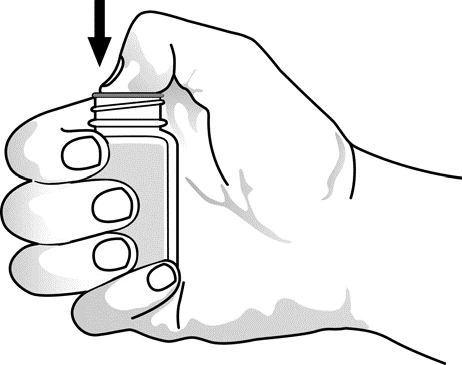
until it breaks. See figure 1.
If you take more Corbilta than you should
Contact your doctor or pharmacist immediately if you have taken more Corbilta tablets than you were
supposed to. In case of overdose, you may feel confused or agitated, your heartbeat may speed up or slow down, or the colour of your skin, tongue, eyes or urine may change.
If you forget to take Corbilta
Do not take a double dose to make up for a forgotten tablet.
If more than one hour remains before your next dose:
Take one tablet as soon as you remember, then take the next one at the usual time.
If less than one hour remains before your next dose:
Take one tablet as soon as you remember, wait one hour, then take another tablet. Then continue as normal.
Always leave at least one hour between successive doses of Corbilta, to avoid possible side effects.
If you stop taking Corbilta
Do not stop treatment with Corbilta unless your doctor tells you to. In such a case, your doctor may
need to adjust the dose of other anti-Parkinson's medicines you are taking, especially levodopa, to
adequately control your symptoms. Abruptly stopping treatment with Corbilta and other anti-Parkinson's medicines may cause side effects.
If you have any questions about how to use this medicine, consult your doctor or pharmacist.
4. Possible side effects
Like all medicines, this medicine can cause side effects, although not everyone gets them. Many of the side effects can be reduced simply by adjusting the dose.
If you experience any of the following symptoms while taking Corbilta, contact your doctor immediately:
- Muscle stiffness or severe contractions, tremors, agitation, confusion, fever, increased heart rate, or severe fluctuations in blood pressure. These may be symptoms of neuroleptic malignant syndrome (NMS, a rare and serious reaction to medicines used to treat disorders of the central nervous system) or rhabdomyolysis (a rare and serious muscle disorder).
- An allergic reaction, which may include signs such as hives, itching, rash, swelling of the face, lips, tongue or throat. Swelling of the throat may cause difficulty breathing or swallowing.
Very common (may affect more than 1 in 10 people):
- involuntary movements (dyskinesia)
- feeling unwell (nausea)
- harmless brownish-red discoloration of the urine
- muscle pain
- diarrhoea.
Common (may affect up to 1 in 10 people):
- lightheadedness or fainting due to low blood pressure, increased blood pressure
- worsening of Parkinsonian symptoms, dizziness, drowsiness
- vomiting, abdominal pain and discomfort, heartburn, dry mouth, constipation
- insomnia, hallucinations, confusion, abnormal dreams (including nightmares), fatigue
- mental disorders including memory problems, anxiety and depression (including suicidal thoughts)
- heart disease or problems with arteries (e.g. chest pain), irregularities in heart rhythm or heart rate
- increased frequency of falls
- shortness of breath
- increased sweating, skin rash
- muscle cramps, swelling in the legs
- blurred vision
- anaemia
- decreased appetite, weight loss
- headache, joint pain
- urinary tract infection.
Uncommon (may affect up to 1 in 100 people):
- heart attack
- gastrointestinal bleeding
- changes in blood cells that may lead to bleeding, abnormalities in liver function tests
- seizures
- agitation
- psychotic symptoms
- colitis (inflammation of the colon)
- changes in pigmentation other than in urine (e.g. of the skin, nails, hair, sweat)
- difficulty swallowing
- difficulty urinating.
Not known (frequency cannot be estimated from the available data):
Craving for high doses of Corbilta beyond what is needed to control motor symptoms, known as dopamine dysregulation syndrome. Some patients may experience severe involuntary abnormal movements (dyskinesias), mood changes or other side effects after taking high doses of Corbilta.
The following side effects have also been reported:
- hepatitis (inflammation of the liver)
- itching.
You may develop the following side effects:
- Inability to resist the impulse to carry out an action that could be harmful, which may include:
- a strong urge to gamble excessively, despite serious personal or family consequences;
- altered or increased sexual interests and behaviours, causing significant concern to you or others, for example increased sexual drive;
- uncontrollable excessive shopping or spending;
- binge eating (eating large amounts of food in a short time) or compulsive eating (eating more food than usual and more than needed to satisfy hunger).
Inform your doctor if you experience any of these behaviours; they will discuss ways to manage or reduce these symptoms.
Reporting of side effects
If you experience any side effect, including those not listed in this leaflet, talk to your doctor or pharmacist. You can also report side effects directly via the national reporting system detailed in Annex V.
By reporting side effects, you can help provide more information on the safety of this medicine.
5. How to store Corbilta
Keep this medicine out of the sight and reach of children.
Do not use this medicine after the expiry date stated on the bottle and carton. The expiry date refers to the last day of that month.
This medicine does not require any special storage conditions.
Do not dispose of any medicine via wastewater or household waste. Ask your pharmacist how to dispose of medicines no longer in use. This will help protect the environment.
6. Package contents and other information
What Corbilta contains
- The active substances in Corbilta are levodopa, carbidopa and entacapone.
- Each Corbilta 150 mg/37.5 mg/200 mg tablet contains 150 mg of levodopa, 37.5 mg of carbidopa and 200 mg of entacapone.
- The excipients of the tablet core are croscarmellose sodium, magnesium stearate, maize starch, mannitol (E421) and povidone (E1201).
- The excipients of the film coating are glycerol (85 percent) (E422), hypromellose, magnesium stearate, polysorbate 80, iron oxide red (E172), sucrose, titanium dioxide (E171) and iron oxide yellow (E172).
Description of the appearance of Corbilta and package contents
Corbilta 150 mg/37.5 mg/200 mg: non-scored, film-coated, elongated oval tablets, brown or greyish-red in colour, marked with “LCE 150” on one side.
Corbilta 150 mg/37.5 mg/200 mg tablets are available in six pack sizes (containing 10, 30, 100, 130, 175 or 250 tablets). Not all pack sizes may be marketed.
Marketing Authorisation Holder
Orion Corporation
Orionintie 1
FI-02200 Espoo
Finland
Manufacturer
Orion Corporation Orion Pharma
Joensuunkatu 7
FI-24100 Salo
Finland
For further information about this medicinal product, please contact the local representative of the Marketing Authorisation Holder:
België/Belgique/Belgien Lietuva
Sandoz n.v./s.a. Orion Corporation
Tél/Tel: +32 2 722 97 97 Tel. +358 10 4261
България Luxembourg/Luxemburg
TP Sandoz Sandoz n.v./s.a.
Teл.: +359 2 970 47 47 Tél/Tel: +32 2 722 97 97
Česká republika Magyarország
Sandoz s.r.o. Sandoz Hungária Kft.
Tel: +420 225 775 111 Tel.: +36 1 430 2890
Danmark Malta
Orion Corporation Orion Corporation
Tlf: +358 10 4261 Tel: +358 10 4261
Deutschland Nederland
Orion Corporation Sandoz B.V.
Tel: +358 10 4261 Tel: +31 (0)36 5241600
Eesti Norge
Orion Corporation Orion Corporation
Tel: +358 10 4261 Tlf: +358 10 4261
Ελλάδα Österreich
Novartis (Hellas) S.A.C.I. Sandoz GmbH
Τηλ: +30 210 2811712 Tel: +43 5338 200 0
España Polska
Orion Corporation Orion Corporation
Tel: +358 10 4261 Tel.: +358 10 4261
France Portugal
Orion Corporation Sandoz Farmacêutica Lda.
Tel: +358 10 4261 Tel: +351 21 924 19 19
Hrvatska România
Sandoz d.o.o. S.C. Sandoz S.R.L.
Tel. +385 1 2353 111 +40 21 407 51 60
Ireland Slovenija
Orion Corporation Lek Pharmaceuticals d.d.
Tel: +358 10 4261 Tel: +386 1 580 21 11
Ísland Slovenská republika
Orion Corporation Sandoz d.d. organizačná zložka
Sími: +358 10 4261 Tel: +421 2 48 200 600
Italia Suomi/Finland
Sandoz S.p.A. Orion Corporation
Tel: +39 02 96 54 3494 Puh./Tel: +358 10 4261
Κύπρος Sverige
Sandoz GmbH Orion Corporation
Τηλ: +43 5338 200 0 Tel: +358 10 4261
Latvija United Kingdom (Northern Ireland)
Orion Corporation Orion Corporation
Tel: +358 10 4261 Tel: +358 10 4261
Other sources of information
More detailed information on this medicinal product is available on the European Medicines Agency website, http://www.ema.europa.eu.
Package leaflet: Information for the user
Corbilta 175 mg/43.75 mg/200 mg film-coated tablets
levodopa/carbidopa/entacapone
Please read this leaflet carefully before taking this medicine because it contains
important information for you.
- Keep this leaflet. You may need to read it again.
- If you have any questions, ask your doctor or pharmacist.
- This medicine has been prescribed for you only. Do not give it to other people, even if their symptoms are the same as yours, because it could be harmful.
- If you experience any side effects, including those not listed in this leaflet, consult your doctor or pharmacist. See section 4.
Contents of this leaflet:
- What Corbilta is and what it is used for
- What you need to know before taking Corbilta
- How to take Corbilta
- Possible side effects
- How to store Corbilta
- Contents of the pack and other information
1. What Corbilta is and what it is used for
Corbilta contains three active substances (levodopa, carbidopa and entacapone) in a film-coated tablet. Corbilta is used to treat Parkinson's disease.
Parkinson's disease is caused by low levels of a substance called dopamine in the brain.
Levodopa increases the level of dopamine and thereby reduces the symptoms of Parkinson's disease. Carbidopa and entacapone enhance the effectiveness of levodopa's anti-Parkinson effects.
2. What you need to know before taking Corbilta
Do not take Corbilta
- if you are allergic to levodopa, carbidopa, entacapone, or any of the other ingredients of this medicine (listed in section 6)
- if you have closed-angle glaucoma (an eye disorder)
- if you have a tumour of the adrenal gland
- if you are taking antidepressants (combinations of selective MAO-A inhibitors and MAO-B inhibitors, or non-selective MAO inhibitors)
- if you have previously experienced the rare reaction to certain antipsychotic medicines known as Neuroleptic Malignant Syndrome (NMS)
- if you have previously experienced a rare form of non-traumatic muscle disorder called rhabdomyolysis
- if you have severe liver disease.
Warnings and precautions
Talk to your doctor or pharmacist before taking Corbilta if you have or have previously had:
- a heart attack, other heart diseases including arrhythmias, or blood vessel disorders
- asthma or other lung diseases
- liver disorders, as your dose may need to be adjusted
- kidney or hormonal disorders
- gastric ulcer or seizures
- prolonged diarrhoea; consult your doctor as this may be a sign of inflammation of the colon
- severe psychiatric disorders of any kind, such as psychosis
- chronic open-angle glaucoma, as your dose may need to be adjusted and eye pressure monitored.
Talk to your doctor if you are taking:
- antipsychotic medicines (medicines used to treat psychosis)
- any medicine that may cause low blood pressure when standing up from sitting or lying down. Be aware that Corbilta may worsen such reactions.
Talk to your doctor if, while taking Corbilta:
- you develop muscle stiffness or strong contractions, or experience tremors, agitation, confusion, fever, increased heart rate, or severe blood pressure fluctuations. In such cases, you must seek immediate medical attention
- you feel depressed or have thoughts of suicide, or if you notice any changes in your behaviour
- you experience sudden attacks of sleep or feel unusually sleepy. If this occurs, do not drive or operate machinery (see also section “Driving and using machines”)
- you develop uncontrolled movements or if such movements worsen after taking Corbilta. In this case, consult your doctor, as it may be necessary to adjust the dosage of your anti-Parkinson’s medicines
- you experience diarrhoea: body weight monitoring is recommended to avoid potentially excessive weight loss
- you experience progressive anorexia, asthenia (weakness, fatigue), and weight loss over a relatively short period. In such cases, consider undergoing a general medical check-up, including liver function tests.
- you feel the need to stop taking Corbilta; see section “If you stop taking Corbilta”.
Inform your doctor if you or a family member/carer notice the development of dependence-like symptoms leading to a desire for high doses of Corbilta and other medicines used to treat Parkinson’s disease.
Inform your doctor if you, or your family members/carer, notice that you develop impulses or strong urges to behave in unusual ways or are unable to resist the impulse, drive, or temptation to carry out activities that could be harmful to yourself or others. These behaviours are known as impulse control disorders and may include compulsive gambling, excessive spending and eating, abnormally increased sexual drive, or preoccupation with an increase in sexual thoughts or desires. Your doctor may need to review your treatment.
During prolonged treatment with Corbilta, your doctor may periodically request laboratory tests.
If you are scheduled for surgery, inform your doctor that you are taking Corbilta.
The use of Corbilta is not recommended for the treatment of extrapyramidal symptoms (e.g. involuntary movements, tremors, muscle rigidity, and muscle contractions) caused by other medicines.
Children and adolescents
Experience with Corbilta in patients under 18 years of age is limited. Therefore, Corbilta is not recommended for use in children or adolescents.
Other medicines and Corbilta
Inform your doctor or pharmacist if you are taking, have recently taken, or might take any other medicines.
Do not take Corbilta if you are taking certain antidepressants (combinations of selective MAO-A inhibitors and MAO-B inhibitors, or non-selective MAO inhibitors).
Corbilta may enhance the effects and side effects of certain medicines. These include:
- medicines used to treat depression such as moclobemide, amitriptiline, desipramine, maprotiline, venlafaxine, and paroxetine
- rimiterol and isoprenaline, used to treat certain respiratory diseases
- adrenaline, used in severe allergic reactions
- noradrenaline, dopamine, and dobutamine, used to treat certain heart conditions and hypotension
- alpha-methyldopa, used to treat hypertension
- apomorphine, used to treat Parkinson’s disease.
The effects of Corbilta may be reduced by certain medicines. These include:
- dopamine antagonists used to treat certain psychiatric disorders, nausea, and vomiting
- phenytoin, used to prevent seizures
- papaverine, used to relax muscles.
Corbilta may impair the absorption of iron. Therefore, it is advised not to take Corbilta at the same time as iron supplements. Corbilta and iron-containing medicines should be taken at least 2–3 hours apart.
Corbilta with food and drink
Corbilta may be taken with or without food. For some patients, Corbilta may not be well absorbed if taken with or immediately after high-protein meals (such as meat, fish, dairy products, seeds, and nuts). Consult your doctor if you think this may apply to you.
Pregnancy, breastfeeding, and fertility
If you are pregnant, think you may be pregnant, planning to become pregnant, or breastfeeding, consult your doctor or pharmacist before taking this medicine.
Women should not breastfeed during treatment with Corbilta.
Driving and using machines
Corbilta may lower blood pressure, which can cause dizziness or lightheadedness. Exercise particular caution when driving or operating machinery.
If you experience drowsiness or sudden sleep attacks, wait until you are fully alert again before resuming driving or any other activity requiring vigilance.
Otherwise, you may put yourself and others at serious risk, including risk of death.
Corbilta contains sucrose
Corbilta contains sucrose (1.89 mg/tablet). If your doctor has diagnosed you with an intolerance to certain sugars, contact him/her before taking this medicine.
This medicine contains less than 1 mmol (23 mg) of sodium per maximum daily dose, i.e. essentially “sodium-free”.
3. How to take Corbilta
Take this medicine exactly as directed by your doctor or pharmacist. If
you have any doubts, consult your doctor or pharmacist.
Adults and elderly:
- Your doctor will tell you exactly how many Corbilta tablets to take each day.
- The tablet is not designed to be divided into smaller parts.
- Take only one tablet at a time.
- Depending on your response to treatment, your doctor may recommend a higher or lower dose.
- If you are taking Corbilta tablets 175 mg/43.75 mg/200 mg, do not take more than 8 tablets per day.
If you feel that the effect of Corbilta is too strong or too weak, or if you experience possible
side effects, contact your doctor or pharmacist.
Opening the bottle for the first time: open the
Figure 1
closure and then press with your thumb on the seal
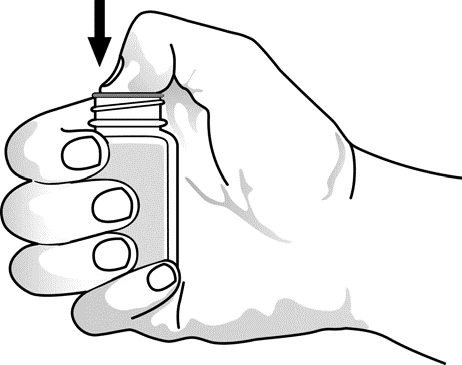
until it breaks. See figure 1.
If you take more Corbilta than you should
Contact your doctor or pharmacist immediately if you have accidentally taken more Corbilta tablets
than prescribed. In case of overdose, you may feel confused or agitated, your heartbeat may speed up or slow down, or the colour of your skin, tongue, eyes, or urine may change.
If you forget to take Corbilta
Do not take a double dose to make up for a forgotten tablet.
If more than one hour remains until the next dose:
Take one tablet as soon as you remember, then take the next one at the scheduled time.
If less than one hour remains until the next dose:
Take one tablet as soon as you remember, wait one hour, then take another tablet. Then continue as normal.
Always leave at least one hour between consecutive doses of Corbilta to avoid possible side effects.
If you stop taking Corbilta
Do not stop treatment with Corbilta unless your doctor tells you to do so. In such a case, your doctor may consider it necessary to adjust the dose of other anti-Parkinson's medicines you are taking, especially levodopa, to adequately control your symptoms. A sudden interruption of treatment with Corbilta and other anti-Parkinson's medicines may cause unwanted effects.
If you have any questions about the use of this medicine, consult your doctor or pharmacist.
4. Possible side effects
Like all medicines, this medicine can cause side effects, although not everyone experiences them. Many of the side effects can be reduced simply by adjusting the dose.
If you experience any of the following symptoms while taking Corbilta, seek immediate medical advice:
- Muscle stiffness or severe contractions, tremors, agitation, confusion, fever, increased heart rate, or severe fluctuations in blood pressure. These may be symptoms of neuroleptic malignant syndrome (NMS, a rare and serious reaction to medicines used to treat disorders of the central nervous system) or rhabdomyolysis (a rare and serious muscle disorder).
- An allergic reaction, which may include signs such as hives, itching, rash, swelling of the face, lips, tongue or throat. Swelling of the throat may cause difficulty breathing or swallowing.
Very common (may affect more than 1 in 10 people):
- Involuntary movements (dyskinesia)
- Feeling unwell (nausea)
- Harmless brownish-red discoloration of the urine
- Muscle pain
- Diarrhoea.
Common (may affect up to 1 in 10 people):
- Light-headedness or fainting due to low blood pressure, increased blood pressure
- Worsening of Parkinsonian symptoms, dizziness, drowsiness
- Vomiting, abdominal pain and discomfort, heartburn, dry mouth, constipation
- Insomnia, hallucinations, confusion, abnormal dreams (including nightmares), fatigue
- Mental disorders including memory problems, anxiety and depression (including suicidal thoughts)
- Heart disease or problems with arteries (e.g. chest pain), irregular heart rhythm or heart rate
- Increased frequency of falls
- Shortness of breath
- Increased sweating, skin rash
- Muscle cramps, swelling of the legs
- Blurred vision
- Anaemia
- Decreased appetite, weight loss
- Headache, joint pain
- Urinary tract infection.
Uncommon (may affect up to 1 in 100 people):
- Heart attack
- Gastrointestinal bleeding
- Changes in blood cells that may lead to bleeding, abnormalities in liver function tests
- Seizures
- Agitation
- Psychotic symptoms
- Colitis (inflammation of the colon)
- Changes in colour other than urine (e.g. of skin, nails, hair, sweat)
- Difficulty swallowing
- Difficulty urinating.
Not known (frequency cannot be estimated from available data):
A desire for excessively high doses of Corbilta beyond what is needed to control motor symptoms, known as dopamine dysregulation syndrome. Some patients experience severe involuntary abnormal movements (dyskinesias), mood changes or other side effects after taking high doses of Corbilta.
The following side effects have also been reported:
- Hepatitis (inflammation of the liver)
- Itching.
You may develop the following side effects:
- Inability to resist the impulse to carry out an action that could be harmful, which may include:
- A strong impulse to gamble excessively, despite serious personal or family consequences;
- Altered or increased sexual interests and behaviours, causing significant concern to you or others, for example increased sexual drive;
- Uncontrollable excessive shopping or spending;
- Binge eating (eating large amounts of food in a short time) or compulsive eating (eating more food than usual and more than needed to satisfy hunger).
Inform your doctor if you experience any of these behaviours; they will discuss ways to manage or reduce these symptoms.
Reporting of side effects
If you experience any side effect, including those not listed in this leaflet, talk to your doctor or pharmacist. You can also report side effects directly via the national reporting system listed in Annex V.
By reporting side effects, you can help provide more information on the safety of this medicine.
5. How to store Corbilta
Keep this medicine out of the sight and reach of children.
Do not use this medicine after the expiry date stated on the bottle and carton. The expiry date refers to the last day of that month.
This medicine does not require any special storage conditions.
Do not dispose of medicines via wastewater or household waste. Ask your pharmacist how to dispose of medicines you no longer use. This will help protect the environment.
6. Package contents and other information
What Corbilta contains
- The active substances in Corbilta are levodopa, carbidopa and entacapone.
- Each tablet of Corbilta 175 mg/43.75 mg/200 mg contains 175 mg of levodopa, 43.75 mg of carbidopa and 200 mg of entacapone.
- The excipients in the tablet core are croscarmellose sodium, magnesium stearate, maize starch, mannitol (E421) and povidone (E1201).
- The excipients in the tablet coating are glycerol (85 percent) (E422), hypromellose, magnesium stearate, polysorbate 80, iron oxide red (E172), sucrose and titanium dioxide (E171).
Description of the appearance of Corbilta and contents of the pack
Corbilta 175 mg/43.75 mg/200 mg: oval-shaped, light brownish-red tablets
with the mark “LCE175” engraved on one side.
Corbilta 175 mg/43.75 mg/200 mg tablets are available in five pack sizes (containing
10, 30, 100, 130 or 175 tablets). Not all pack sizes may be marketed.
Marketing Authorisation Holder
Orion Corporation
Orionintie 1
FI-02200 Espoo
Finland
Manufacturer
Orion Corporation Orion Pharma
Joensuunkatu 7
FI-24100 Salo
Finland
For further information about this medicinal product, please contact the local representative of the Marketing Authorisation Holder:
België/Belgique/Belgien Lietuva
Sandoz n.v./s.a. Orion Corporation
Tél/Tel: +32 2 722 97 97 Tel. +358 10 4261
България Luxembourg/Luxemburg
TP Sandoz Sandoz n.v./s.a.
Tel.: +359 2 970 47 47 Tél/Tel: +32 2 722 97 97
Česká republika Magyarország
Sandoz s.r.o. Sandoz Hungária Kft.
Tel: +420 225 775 111 Tel.: +36 1 430 2890
Danmark Malta
Orion Corporation Orion Corporation
Tlf: +358 10 4261 Tel: +358 10 4261
Deutschland Nederland
Orion Corporation Sandoz B.V.
Tel: +358 10 4261 Tel: +31 (0)36 5241600
Eesti Norge
Orion Corporation Orion Corporation
Tel: +358 10 4261 Tlf: +358 10 4261
Ελλάδα Österreich
Novartis (Hellas) S.A.C.I. Sandoz GmbH
Tel: +30 210 2811712 Tel: +43 5338 200 0
España Polska
Orion Corporation Orion Corporation
Tel: +358 10 4261 Tel.: +358 10 4261
France Portugal
Orion Corporation Sandoz Farmacêutica Lda.
Tel: +358 10 4261 Tel: +351 21 924 19 19
Hrvatska România
Sandoz d.o.o. S.C. Sandoz S.R.L.
Tel. +385 1 2353 111 +40 21 407 51 60
Ireland Slovenija
Orion Corporation Lek Pharmaceuticals d.d.
Tel: +358 10 4261 Tel: +386 1 580 21 11
Ísland Slovenská republika
Orion Corporation Sandoz d.d. organizačná zložka
Sími: +358 10 4261 Tel: +421 2 48 200 600
Italia Suomi/Finland
Sandoz S.p.A. Orion Corporation
Tel: +39 02 96 54 3494 Puh./Tel: +358 10 4261
Κύπρος Sverige
Sandoz GmbH Orion Corporation
Tel: +43 5338 200 0 Tel: +358 10 4261
Latvija United Kingdom (Northern Ireland)
Orion Corporation Orion Corporation
Tel: +358 10 4261 Tel: +358 10 4261
Other sources of information
More detailed information on this medicinal product is available on the website of the European Medicines Agency, http://www.ema.europa.eu.
Patient Information Leaflet: Information for the user
Corbilta 200 mg/50 mg/200 mg film-coated tablets
levodopa/carbidopa/entacapone
Please read this leaflet carefully before taking this medicine because it contains
important information for you.
- Keep this leaflet. You may need to read it again.
- If you have any questions, ask your doctor or pharmacist.
- This medicine has been prescribed for you only. Do not give it to other people, even if they have the same symptoms as yours, because it could be harmful.
- If you experience any side effect, including those not listed in this leaflet, tell your doctor or pharmacist. See section 4.
Contents of this leaflet:
- What Corbilta is and what it is used for
- What you need to know before taking Corbilta
- How to take Corbilta
- Possible side effects
- How to store Corbilta
- Contents of the pack and other information
1. What Corbilta is and what it is used for
Corbilta contains three active substances (levodopa, carbidopa and entacapone) in a film-coated tablet. Corbilta is used to treat Parkinson's disease.
Parkinson's disease is caused by low levels of a substance called dopamine in the brain.
Levodopa increases dopamine levels and thereby reduces the symptoms of Parkinson's disease. Carbidopa and entacapone enhance the effectiveness of the anti-Parkinson effects of levodopa.
2. What you need to know before taking Corbilta
Do not take Corbilta
- if you are allergic to levodopa, carbidopa, entacapone, or any of the other ingredients of this medicine (listed in section 6)
- if you have closed-angle glaucoma (a disorder of the eye)
- if you have a tumour of the adrenal gland
- if you are taking antidepressants (combinations of selective MAO-A inhibitors and MAO-B inhibitors, or non-selective MAO inhibitors)
- if you have previously experienced the rare reaction to certain antipsychotic medicines known as Neuroleptic Malignant Syndrome (NMS)
- if you have previously experienced a rare form of muscle disorder called non-traumatic rhabdomyolysis
- if you have severe liver disease
Warnings and precautions
Talk to your doctor or pharmacist before taking Corbilta if you have or have previously had:
- a heart attack, other heart diseases including arrhythmias, or blood vessel disorders
- asthma or other lung diseases
- liver problems, as your dose may need to be adjusted
- kidney or hormonal disorders
- gastric ulcer or seizures
- prolonged diarrhoea – consult your doctor as this may be a sign of inflammation of the colon
- severe psychiatric disorders of any kind, such as psychosis
- chronic open-angle glaucoma, as your dose may need to be adjusted and your eye pressure monitored.
Talk to your doctor if you are taking:
- antipsychotic medicines (medicines used to treat psychosis)
- a medicine that may cause a drop in blood pressure when standing up from a sitting or lying position. You should be aware that Corbilta may worsen such reactions.
Talk to your doctor if, during treatment with Corbilta:
- you notice the onset of muscle stiffness or strong contractions, or if you experience tremors, agitation, confusion, fever, increased heart rate, or severe fluctuations in blood pressure. In such cases, you must seek immediate medical advice
- you feel depressed or have thoughts of suicide, or if you notice any changes in your behaviour
- you experience sudden attacks of sleep, or feel unusually sleepy. If this occurs, you must not drive or operate machinery (see also section “Driving and using machines”).
- you notice the onset of uncontrolled movements or if these worsen after taking Corbilta. In this case, you should consult your doctor, as it may be necessary to adjust the dosage of your anti-Parkinson’s medicines
- you develop diarrhoea: regular monitoring of body weight is recommended to avoid potentially excessive weight loss
- you experience progressive anorexia, asthenia (weakness, fatigue), and weight loss over a relatively short period of time. In such cases, a general medical evaluation should be considered, including assessment of liver function.
- you feel the need to stop taking Corbilta; see section “If you stop taking Corbilta”.
Inform your doctor if you or a family member/carer notice the development of symptoms
resembling dependence, leading to a desire for high doses of Corbilta and other medicines
used to treat Parkinson’s disease.
Inform your doctor if you, or your family members/carers, notice that you develop impulses or
strong urges to behave in unusual ways or are unable to resist the impulse, drive, or
temptation to carry out activities that could be harmful to yourself or others. These behaviours
are known as impulse control disorders and may include compulsive gambling, excessive spending and eating, abnormally increased sexual drive, or preoccupation with an increase in sexual thoughts or urges. Your doctor may need to review your treatment.
During prolonged treatment with Corbilta, your doctor may request regular laboratory tests.
If you are scheduled for surgery, inform your doctor that you are taking Corbilta.
The use of Corbilta is not recommended for the treatment of extrapyramidal symptoms (e.g.,
involuntary movements, tremors, muscle rigidity, and muscle contractions) caused by other
medicines.
Children and adolescents
Experience with Corbilta in patients under 18 years of age is limited. Therefore, Corbilta is not
recommended for use in children or adolescents.
Other medicines and Corbilta
Inform your doctor or pharmacist if you are taking, have recently taken, or might take any other medicine.
Do not take Corbilta if you are taking certain antidepressants (combinations of selective
MAO-A inhibitors and MAO-B inhibitors, or non-selective MAO inhibitors).
Corbilta may enhance the effects and side effects of certain medicines. These include:
- medicines used to treat depression such as moclobemide, amitriptyline, desipramine, maprotiline, venlafaxine, and paroxetine
- rimiterol and isoprenaline, used to treat certain respiratory conditions
- adrenaline, used in severe allergic reactions
- noradrenaline, dopamine, and dobutamine, used to treat certain heart conditions and hypotension
- alpha-methyldopa, used to treat hypertension
- apomorphine, used to treat Parkinson’s disease.
The effects of Corbilta may be reduced by certain medicines. These include:
- dopamine antagonists used to treat certain psychiatric disorders, nausea, and vomiting
- phenytoin, used to prevent seizures
- papaverine, used to relax muscles.
Corbilta may impair the absorption of iron. Therefore, it is not recommended to take Corbilta
at the same time as iron-containing supplements. Corbilta and iron-containing medicines should
be taken at least 2–3 hours apart.
Corbilta with food and drink
Corbilta may be taken with or without food. For some patients, Corbilta may not be well absorbed
when taken with, or immediately after, high-protein meals (such as meat, fish, dairy products, seeds, and nuts).
Consult your doctor if you think this may apply to you.
Pregnancy, breastfeeding, and fertility
If you are pregnant, think you may be pregnant, are planning to become pregnant, or are breastfeeding,
please consult your doctor or pharmacist before taking this medicine.
Women must not breastfeed during treatment with Corbilta.
Driving and using machines
Corbilta may lower blood pressure, which can cause dizziness or lightheadedness. Exercise particular caution when driving or operating machinery.
If you experience drowsiness or sudden sleep attacks, wait until you have fully recovered before resuming driving or any other activity requiring alertness.
Otherwise, you may put yourself and others at serious risk, even death.
Corbilta contains sucrose
Corbilta contains sucrose (2.3 mg/tablet). If your doctor has diagnosed you with an intolerance to
certain sugars, contact your doctor before taking this medicine.
This medicine contains less than 1 mmol (23 mg) of sodium per maximum daily dose, i.e.,
essentially “sodium-free”.
3. How to take Corbilta
Take this medicine exactly as directed by your doctor or pharmacist. If you have any doubts, consult your doctor or pharmacist.
Adults and elderly:
- Your doctor will tell you exactly how many Corbilta tablets to take each day.
- The tablet is not designed to be divided into smaller parts.
- Take only one tablet at a time.
- Depending on your response to treatment, your doctor may recommend a higher or lower dose.
- If you are taking Corbilta 200 mg/50 mg/200 mg tablets, do not take more than 7 tablets of this strength per day.
If you feel that the effect of Corbilta is too strong or too weak, or if you experience possible side effects, consult your doctor or pharmacist.
Opening the bottle for the first time: Open the cap and then press with your thumb on the seal until it breaks. See Figure 1.
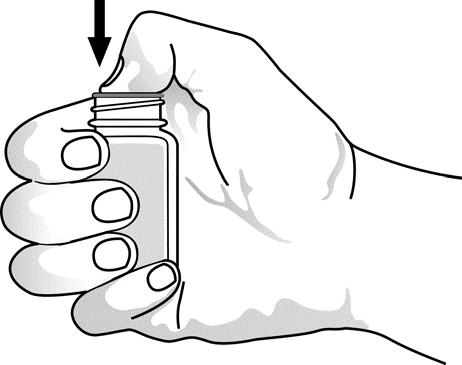
If you take more Corbilta than you should
Contact your doctor or pharmacist immediately if you have accidentally taken more Corbilta tablets than prescribed. In case of overdose, you may feel confused or agitated, your heartbeat may become faster or slower, or the color of your skin, tongue, eyes, or urine may change.
If you forget to take Corbilta
Do not take a double dose to make up for the missed tablet.
-
If more than one hour remains before your next scheduled dose:
Take one tablet as soon as you remember, then take the next tablet at the usual time. -
If less than one hour remains before your next scheduled dose:
Take one tablet as soon as you remember, wait one hour, then take another tablet. After that, continue as normal.
Always leave at least one hour between consecutive doses of Corbilta to avoid possible side effects.
If you stop taking Corbilta
Do not stop treatment with Corbilta unless your doctor advises you to do so. In such a case, your doctor may need to adjust the dose of other antiparkinsonian medicines you are taking, especially levodopa, to properly control your symptoms. Abruptly stopping treatment with Corbilta and other antiparkinsonian medicines may cause unwanted side effects.
If you have any questions about how to use this medicine, consult your doctor or pharmacist.
4. Possible side effects
Like all medicines, this medicine can cause side effects, although not everyone gets them.
Many of the side effects can be reduced simply by adjusting the dose.
If you experience any of the following symptoms while taking Corbilta, contact your doctor immediately:
- Muscle stiffness or strong contractions, tremors, agitation, confusion, fever, increased heart rate, or severe fluctuations in blood pressure. These may be symptoms of neuroleptic malignant syndrome (NMS, a rare and serious reaction to medicines used to treat disorders of the central nervous system) or rhabdomyolysis (a rare and serious muscle disorder).
- An allergic reaction, which may include signs such as hives, itching, rash, swelling of the face, lips, tongue, or throat. Swelling of the throat may cause difficulty breathing or swallowing.
Very common (may affect more than 1 in 10 people):
- involuntary movements (dyskinesia)
- feeling unwell (nausea)
- harmless brownish-red discoloration of the urine
- muscle pain
- diarrhoea.
Common (may affect up to 1 in 10 people):
- light-headedness or fainting due to low blood pressure, high blood pressure
- worsening of Parkinsonian symptoms, dizziness, drowsiness
- vomiting, abdominal pain and discomfort, heartburn, dry mouth, constipation
- insomnia, hallucinations, confusion, abnormal dreams (including nightmares), fatigue
- mental disorders including memory problems, anxiety and depression (including suicidal thoughts)
- heart disease or problems with arteries (e.g. chest pain), irregular heart rhythm or heart rate
- increased frequency of falls
- shortness of breath
- increased sweating, skin rash
- muscle cramps, swelling of the legs
- blurred vision
- anaemia
- decreased appetite, weight loss
- headache, joint pain
- urinary tract infection.
Uncommon (may affect up to 1 in 100 people):
- heart attack
- intestinal bleeding
- increased blood pressure
- changes in blood cells which may cause bleeding, abnormalities in liver function tests
- seizures
- agitation
- psychotic symptoms
- colitis (inflammation of the colon)
- changes in colouration other than urine (e.g. of the skin, nails, hair, sweat)
- difficulty swallowing
- difficulty urinating.
Not known (frequency cannot be estimated from the available data):
Desire for excessively high doses of Corbilta beyond what is needed to control motor symptoms, known as dopamine dysregulation syndrome. Some patients experience severe involuntary abnormal movements (dyskinesias), mood changes, or other side effects after taking high doses of Corbilta.
The following side effects have also been reported:
- hepatitis (inflammation of the liver)
- itching.
You may develop the following side effects:
- Inability to resist the impulse to carry out an action that could be harmful, which may include:
- a strong urge to gamble excessively, despite serious personal or family consequences;
- altered or increased sexual interests and behaviours, causing significant concern to you or others, for example increased sexual drive;
- uncontrolled excessive shopping or spending;
- binge eating (eating large amounts of food in a short time) or compulsive eating (eating more food than usual and more than needed to satisfy hunger).
Inform your doctor if you experience any of these behaviours; they will discuss ways to manage or reduce these symptoms.
Reporting of side effects
If you get any side effect, including ones not listed in this leaflet, talk to your doctor or pharmacist. You can also report side effects directly via the national reporting system detailed in Annex V.
By reporting side effects, you can help provide more information on the safety of this medicine.
5. How to store Corbilta
Keep this medicine out of the sight and reach of children.
Do not use this medicine after the expiry date stated on the bottle and carton. The expiry date refers to the last day of that month.
This medicine does not require any special storage conditions.
Do not dispose of any medicine via wastewater or household waste. Ask your pharmacist how to dispose of medicines you no longer use. This will help protect the environment.
6. Package contents and other information
What Corbilta contains
- The active substances in Corbilta are levodopa, carbidopa and entacapone.
- Each Corbilta 200 mg/50 mg/200 mg tablet contains 200 mg of levodopa, 50 mg of carbidopa and 200 mg of entacapone.
- The excipients in the tablet core are croscarmellose sodium, magnesium stearate, maize starch, mannitol (E421) and povidone (E1201).
- The excipients in the tablet coating are glycerol (85%) (E422), hypromellose, magnesium stearate, polysorbate 80, iron oxide red (E172), sucrose and titanium dioxide (E171).
Description of the appearance of Corbilta and contents of the pack
Corbilta 200 mg/50 mg/200 mg: film-coated, non-divisible, oval tablets, dark brownish-red in colour, with the imprint “LCE 200” engraved on one side.
Corbilta 200 mg/50 mg/200 mg tablets are available in five pack sizes (containing 10, 30, 100, 130 or 175 tablets). Not all pack sizes may be marketed.
Marketing Authorisation Holder
Orion Corporation
Orionintie 1
FI-02200 Espoo
Finland
Manufacturer
Orion Corporation Orion Pharma
Joensuunkatu 7
FI-24100 Salo
Finland
For further information about this medicinal product, please contact the local representative of the Marketing Authorisation Holder:
België/Belgique/Belgien Lietuva
Sandoz n.v./s.a. Orion Corporation
Tél/Tel: +32 2 722 97 97 Tel. +358 10 4261
България Luxembourg/Luxemburg
ТП Сандоз Sandoz n.v./s.a.
Teл.: + 359 2 970 47 47 Tél/Tel: +32 2 722 97 97
Česká republika Magyarország
Sandoz s.r.o. Sandoz Hungária Kft.
Tel: +420 225 775 111 Tel.: +36 1 430 2890
Danmark Malta
Orion Corporation Orion Corporation
Tlf: +358 10 4261 Tel: +358 10 4261
Deutschland Nederland
Orion Corporation Sandoz B.V.
Tel: +358 10 4261 Tel: +31 (0)36 5241600
Eesti Norge
Orion Corporation Orion Corporation
Tel: +358 10 4261 Tlf: +358 10 4261
Ελλάδα Österreich
Novartis (Hellas) S.A.C.I. Sandoz GmbH
Τηλ: +30 210 2811712 Tel: +43 5338 200 0
España Polska
Orion Corporation Orion Corporation
Tel: +358 10 4261 Tel.: +358 10 4261
France Portugal
Orion Corporation Sandoz Farmacêutica Lda.
Tel: +358 10 4261 Tel: +351 21 924 19 19
Hrvatska România
Sandoz d.o.o. S.C Sandoz S.R.L.
Tel. +385 1 2353 111 +40 21 407 51 60
Ireland Slovenija
Orion Corporation Lek Pharmaceuticals d.d.
Tel: +358 10 4261 Tel: +386 1 580 21 11
Ísland Slovenská republika
Orion Corporation Sandoz d.d. organizačná zložka
Sími: +358 10 4261 Tel: +421 2 48 200 600
Italia Suomi/Finland
Sandoz S.p.A. Orion Corporation
Tel: +39 02 96 54 3494 Puh./Tel: +358 10 4261
Κύπρος Sverige
Sandoz GmbH Orion Corporation
Τηλ: +43 5338 200 0 Tel: +358 10 4261
Latvija United Kingdom (Northern Ireland)
Orion Corporation Orion Corporation
Tel: +358 10 4261 Tel: +358 10 4261
Other sources of information
More detailed information on this medicinal product is available on the website of the European Medicines Agency: http://www.ema.europa.eu.
Similar drugs
| Brand name | Dosage form | Active substance / Dosage | Manufacturer |
|---|---|---|---|
| LEVODOPA/CARBIDOPA/ENTACAPONE MYLAN | tablets, film-coated | MYLAN S.P.A. | |
| LEVODOPA/CARBIDOPA/ENTACAPONE ORION | tablets, film-coated | ORION CORPORATION | |
| LEVODOPA/CARBIDOPA/ENTACAPONE TEVA | tablets, film-coated | TEVA ITALIA S.R.L. | |
| STALEVO | tablets, film-coated | ORION CORPORATION |
The original data is available in the language of the country of manufacture.
Data source: Italian Medicines Agency (AIFA)
Data last verified: September 21, 2026