ALBAFLO
ItalyThis medicine is used to treat states of shock (surgical, traumatic, or burn-related), severe allergic reactions, asthma attacks, cerebral edema, heart attacks, blood disorders, and severe adrenal gland problems. It is also indicated for joint problems (such as tennis elbow or shoulder inflammation) and when oral medication cannot be taken due to vomiting, diarrhea, or facial surgery.

Frequently asked questions
How should ALBAFLO be taken?
The medicine must be taken following the exact instructions of the doctor or pharmacist. It can be administered via intramuscular injection, intravenous bolus, or, if necessary, via infusion. The usual dose ranges from 1.5 mg to 4 mg, but in some cases, the doctor may prescribe higher doses.
When should you not use this medicine?
You must not take ALBAFLO if you are allergic to any of its components, if you suffer from a systemic infection without specific anti-infective therapy, or if you have received a vaccine. It should not be used during pregnancy or breastfeeding, unless otherwise medically indicated. Furthermore, the medicine must never be injected directly into tendons.
What are the side effects of ALBAFLO?
Possible side effects include: alterations in fluid balance (such as reduced potassium), osteoporosis, bone fragility, gastrointestinal problems (such as peptic ulcer), thinning of the skin, dizziness, headache, mood disturbances (euphoria, insomnia, depression), menstrual cycle irregularities, increased blood glucose, eye problems (glaucoma or cataracts), and increased susceptibility to infections.
Are there interactions with other medicines?
Yes. It is important to inform the doctor if you are taking blood-thinning drugs (such as acetylsalicylic acid or anticoagulants), as the dosage may need to be adjusted. ALBAFLO may reduce the effect of anti-inflammatories, drugs for myasthenia gravis, and certain contrast agents. It may also be affected by drugs such as phenytoin, phenobarbital, ephedrine, and rifampicin, while other medicines (such as those for HIV) may increase its effects.
What happens if you stop taking the medicine suddenly?
You must never stop taking ALBAFLO abruptly. The reduction in dosage must always be gradual and determined by the doctor based on the previously taken dose and the duration of the therapy.
Instructions for use
Package leaflet: Information for the patient
ALBAFLO 1.5 mg/2 ml solution for injection, 4 mg/2 ml solution for injection
Betamethasone
Equivalent medicine
Please read all of this leaflet carefully before you take this medicine because it contains important information for you.
- Keep this leaflet. You may need to read it again.
- If you have any questions, ask your doctor or pharmacist.
- This medicine has been prescribed for you only. Do not give it to other people, even if their symptoms are the same as yours, as it may be harmful.
- If you experience any side effect, including those not listed in this leaflet, talk to your doctor or pharmacist. See section 4.
Contents of this leaflet:
- What ALBAFLO is and what it is used for
- What you need to know before taking ALBAFLO
- How to take ALBAFLO
- Possible side effects
- How to store ALBAFLO
- Contents of the pack and other information
1. What ALBAFLO is and what it is used for
ALBAFLO contains the active substance betamethasone disodium phosphate.
Betamethasone disodium phosphate belongs to a group of medicines called corticosteroids and has anti-inflammatory and antireactive properties.
ALBAFLO is indicated for the treatment of: shock states (surgical and traumatic shock, shock in burn patients), severe allergic reactions (severe and sudden swelling of the throat, drug allergies, allergic reactions following transfusions), asthmatic crises, severe and sudden swelling of brain tissue (cerebral edema), heart attack, blood disorders (haematological diseases), severe malfunction of the adrenal gland in patients affected by conditions known as Waterhouse-Friderichsen syndrome, Addison's disease, Simmonds' disease, in patients who have undergone surgical removal of the adrenal gland or whose adrenal gland has reduced its function following prolonged corticosteroid therapy, and in cases of joint problems (such as tennis elbow or inflammation of the shoulder joint).
ALBAFLO is also indicated when oral therapy (e.g. tablets) cannot be used, such as in cases of vomiting, diarrhoea, or facial surgery making swallowing difficult.
2. What you need to know before taking ALBAFLO
Do not take ALBAFLO
- If you are allergic to the active substances or to any of the other ingredients of this medicine (listed in section 6).
- If you have a systemic infection and are not receiving specific anti-infective treatment.
- If you have recently received a vaccine.
- If you are pregnant or breastfeeding (see "Pregnancy and Breastfeeding"). ALBAFLO injectable solution must not be injected directly into tendons.
Warnings and precautions
Talk to your doctor or pharmacist before taking ALBAFLO:
- If you are experiencing particularly stressful conditions: your doctor may need to adjust your ALBAFLO dose;
- If you have a serious disease called tuberculosis: your doctor will closely monitor your condition;
- If you have heart failure;
- If you have diabetes, osteoporosis, glaucoma, or epilepsy: ALBAFLO may worsen these conditions;
- If you have or have had emotional or psychiatric disorders: ALBAFLO may worsen these conditions (see section 4);
- If you have steroid-induced muscle disorders or peptic ulcer: ALBAFLO may worsen these conditions;
- If you have thyroid dysfunction or liver diseases (hepatic insufficiency, hepatic cirrhosis): your doctor will carefully evaluate the effect of ALBAFLO on you;
- If you have ocular herpes infection (herpes simplex oculare): eye damage (corneal perforation) may occur;
- If you have a disease called ulcerative colitis;
- If you have pyogenic infections (characterized by the presence of pus);
- If you have diverticulitis (inflammation of the intestine);
- If you have recently undergone intestinal anastomosis surgery;
- If you have myasthenia gravis (a type of muscle weakness);
- If you have high blood pressure (hypertension);
- If you have kidney problems (renal insufficiency);
- If you have a pheochromocytoma (a tumor of the adrenal gland).
Also pay attention to the following possible situations:
- ALBAFLO may mask some signs of infection, and during its use you may be more susceptible to infections (see section 4). If you suspect you have an infection, inform your doctor, who will evaluate appropriate therapy for you.
- When you stop taking ALBAFLO, you may experience reduced function of your adrenal glands, which may last up to one year. Gradually reducing the dose of ALBAFLO can minimize this risk. However, if during this period you experience particularly stressful conditions, inform your doctor, who will assess whether you need to resume or continue hormonal therapy.
- Taking ALBAFLO may interfere with the production of steroid hormones (mineralocorticoid secretion): inform your doctor, who will advise you on how to compensate for this deficiency.
- If you are on long-term treatment with high doses of ALBAFLO, an alteration in the normal balance between intake and elimination of body fluids (electrolyte balance) may occur. In this case, inform your doctor, who will advise you on how to correct this imbalance.
- Glucocorticoids increase calcium excretion.
Elderly patients
In elderly patients, therapy—especially if prolonged—should be planned considering that this population is more prone to developing possible adverse effects such as: osteoporosis, worsening of diabetes or hypertension, increased susceptibility to infections, and skin thinning (see section 4).
In these cases, the dose taken should always be the lowest effective dose capable of controlling symptoms. If dose reduction is necessary, your doctor will evaluate your current dose and treatment duration, and advise you on the appropriate method and timing for tapering.
Children and adolescents
Children and adolescents undergoing prolonged therapy should be kept under close medical supervision to monitor both growth and development. Your doctor will advise giving your child the lowest possible dose for the shortest necessary duration.
Glucocorticoids may negatively interfere with certain physiological and hormonal mechanisms controlling a child's growth (hypothalamic-pituitary-adrenal axis). To reduce this risk, your doctor may consider prescribing alternate-day single-dose administration for your child.
For athletes
Using this medicine without therapeutic need constitutes doping and may lead to a positive result in anti-doping tests.
Other medicines and ALBAFLO
Tell your doctor or pharmacist if you are taking, have recently taken, or might take any other medicines, including those obtained without a prescription.
In particular, inform your doctor if you are taking other medicines that make the blood thinner:
- acetylsalicylic acid
- anticoagulants
In these cases, your doctor may prescribe a different dosage.
ALBAFLO may reduce the effect of the following medicines:
- salicylates and non-steroidal anti-inflammatory drugs
- anticholinesterases (medicines used in the treatment of myasthenia gravis)
- radiographic contrast agents in cholecystography (gallbladder ultrasound)
The following medicines may reduce the effect of ALBAFLO:
- phenytoin and phenobarbitone (medicines used for the treatment of epilepsy)
- ephedrine (nasal decongestant)
- rifampicin (antibiotic)
Some medicines may increase the effects of ALBAFLO, and your doctor may need to monitor you closely if you are taking these medicines (including certain HIV treatments: ritonavir, cobicistat).
Pregnancy and breastfeeding
If you are pregnant, suspect you may be pregnant, planning pregnancy, or breastfeeding, consult your doctor or pharmacist before taking this medicine.
Pregnancy
If you are pregnant, you should take ALBAFLO only under direct medical supervision, and your doctor will assess whether the potential benefits outweigh the possible risks.
Breastfeeding
Corticosteroids pass into breast milk.
If you are breastfeeding or intend to breastfeed, you should take ALBAFLO only under direct medical supervision, and your doctor will assess whether the potential benefits outweigh the possible risks.
Newborns of mothers who received ALBAFLO near the end of pregnancy may have low blood sugar levels after birth.
Driving and using machines
The medicine has no known direct effect on the ability to drive or operate machinery; however, this ability may be reduced if you experience rare neurological adverse effects.
ALBAFLO contains sodium metabisulfite
ALBAFLO contains sodium metabisulfite (0.1% w/v) as a preservative, which may rarely cause severe hypersensitivity reactions and bronchospasm.
You should take ALBAFLO only under direct medical supervision.
ALBAFLO contains sodium
ALBAFLO injectable solution contains less than 1 mmol (23 mg) of sodium per dose, i.e., it is practically "sodium-free".
3. How to take ALBAFLO
Take this medicine exactly as directed by your doctor or pharmacist. If you have
any doubts, consult your doctor or pharmacist.
Treatment with ALBAFLO should be administered at dosages appropriate to the severity of your condition and to the effects the
drug has on you.
The usual dose ranges from 1.5 mg to 4 mg at a time, repeated as needed until the desired response is achieved.
In certain cases, doses may reach 10–15 mg or more in a single injection: this dosage may
be repeated 3–4 times within 24 hours.
ALBAFLO may be administered by intramuscular injection, by intravenous bolus, or, if necessary, by
infusion after direct addition to standard infusion fluids.
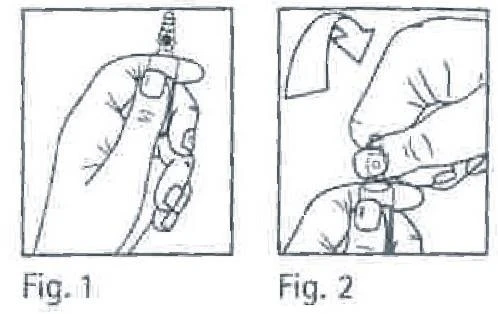
Instructions for opening the vial
The vials are equipped with a safety pre-break and must be opened as follows:
- position the vial as shown in figure 1;
- apply pressure with the thumb placed over the COLOURED DOT as indicated in figure 2.
If you take more ALBAFLO than you should
Overdose with corticosteroids, including betamethasone (the active substance in ALBAFLO), does not
typically result in life-threatening conditions.
Prolonged overdose over a few days is unlikely to produce dangerous effects unless extremely high doses are used or specific contraindications are present, such as diabetes mellitus, glaucoma, or peptic ulcer, or concomitant treatment with drugs such as digitalis, coumarins, or potassium-depleting diuretics (see section 2).
If you forget to take ALBAFLO
Do not take a double dose to make up for a forgotten dose.
If you stop taking ALBAFLO
Always discontinue ALBAFLO gradually. Dose reduction must be gradual and adjusted according to the previously administered dose and the duration of treatment.
If you have any doubts about the use of this medicine, consult your doctor or pharmacist.
4. Possible side effects
Like all medicines, this medicine can cause side effects, although not everyone experiences them.
If you experience any of the following serious side effects, stop taking this medicine immediately
and contact your doctor right away or go to the nearest hospital.
- Severe musculoskeletal disorders characterized by degeneration of bone tissue in a localized area, particularly at the upper end of the femur (aseptic osteonecrosis).
Other side effects that may occur with ALBAFLO
- Disturbances in the normal fluid and electrolyte balance, particularly decreased potassium levels in the blood, which rarely and in particularly predisposed patients may lead to increased blood pressure and the heart's inability to pump sufficient blood to meet the body's needs (congestive heart failure); reduction in lymphocytes (white blood cells) in the blood.
- Musculoskeletal disorders such as osteoporosis, muscle disorders, and bone fragility;
- Gastrointestinal complications that may progress to the development or activation of small lesions affecting the superficial layer of the digestive tract exposed to gastric juices (peptic ulcer);
- Skin disorders such as delayed wound healing, skin thinning, and fragility;
- Nervous system disorders such as dizziness, headache, and increased pressure around the brain (intracranial pressure);
- Psychiatric disturbances characterized by euphoria, insomnia, mood or personality changes, severe depression, or symptoms of true psychosis (See "Warnings and precautions");
- Disorders affecting hormone-producing glands (endocrine system), such as menstrual irregularities, excessive hormone production by the adrenal gland, appearance similar to patients affected by a condition known as Cushing's syndrome, growth disturbances;
- Irregular function of the hypothalamic-pituitary-adrenal axis, particularly during periods of stress;
- Disturbances in carbohydrate metabolism with possible manifestation of latent diabetes mellitus, and increased need for medications that lower blood sugar levels in diabetic patients;
- Eye disorders such as damage to the optic nerve (glaucoma), corticosteroid-induced cataract (known as posterior subcapsular cataract), and increased intraocular pressure;
- Negative alteration in nitrogen balance (difference between nitrogen intake and nitrogen loss), a parameter used to assess the amount of protein utilized and lost, therefore, during prolonged treatment, protein intake should be adequately increased;
- Increased susceptibility to infections. Glucocorticoids reduce immune defenses and their use increases the likelihood of developing infections;
- Hiccups (frequency not known).
Elderly patients
In elderly patients, particularly those undergoing prolonged therapy, osteoporosis, worsening of diabetes and hypertension, increased susceptibility to infections, and skin thinning may occur (See "Warnings and precautions").
Reporting of side effects
If you experience any side effect, including those not listed in this leaflet, consult your doctor or pharmacist. You can also report side effects directly via the national reporting system at the following website: https://www.aifa.gov.it/content/segnalazioni-reazioni-avverse. By reporting side effects, you can help provide more information on the safety of this medicine.
5. How to store ALBAFLO
Keep this medicine out of the sight and reach of children.
Do not use this medicine after the expiry date which is stated on the label after “Exp.”. The expiry date refers to the last day of that month.
Store ALBAFLO in the original packaging to protect the product from light.
Do not dispose of medicines via wastewater or household waste. Ask your pharmacist how to dispose of medicines you no longer use. This will help protect the environment.
6. Package contents and other information
What ALBAFLO contains
The active substance is betamethasone.
ALBAFLO 1.5 mg/2 ml injectable solution
Each vial contains:
Betamethasone disodium phosphate 1.975 mg equivalent to betamethasone 1.5 mg
ALBAFLO 4 mg/2 ml injectable solution
Each vial contains:
Betamethasone disodium phosphate 5.263 mg equivalent to betamethasone 4 mg
The other components are:
Phenol, sodium chloride, sodium metabisulfite (E223), sodium edetate, sodium hydroxide (pH adjuster),
water for injections.
Description of the appearance of ALBAFLO and contents of the pack
Colourless glass vials (Type I) containing injectable solution, packed in cardboard boxes.
ALBAFLO 1.5 mg/2 ml injectable solution
Box containing 6 vials.
ALBAFLO 4 mg/2 ml injectable solution
Box containing 3 vials.
Marketing Authorization Holder and Manufacturer
MARKETING AUTHORIZATION HOLDER
EBERLIFE FARMACEUTICI S.p.A. - Via G. Porzio snc - 80143 Naples
Italy
MANUFACTURER
ESSETI Farmaceutici
Via Campobello, 15
00071 Pomezia (RM)
Italy
Similar drugs
| Brand name | Dosage form | Active substance / Dosage | Manufacturer |
|---|---|---|---|
| BETAMETHASONE DOC GENERICI | solution for injection | DOC GENERICI SRL | |
| BETAMETHASONE EG | solution for injection | EG S.P.A. | |
| BETAMETHASONE L.F.M. | solution for injection | LABORATORIO FARMACOLOGICO MILANESE S.R.L. | |
| IBET | solution for injection | BIOPHARMA S.R.L. |
The original data is available in the language of the country of manufacture.
Data source: Italian Medicines Agency (AIFA)
Data last verified: September 21, 2026