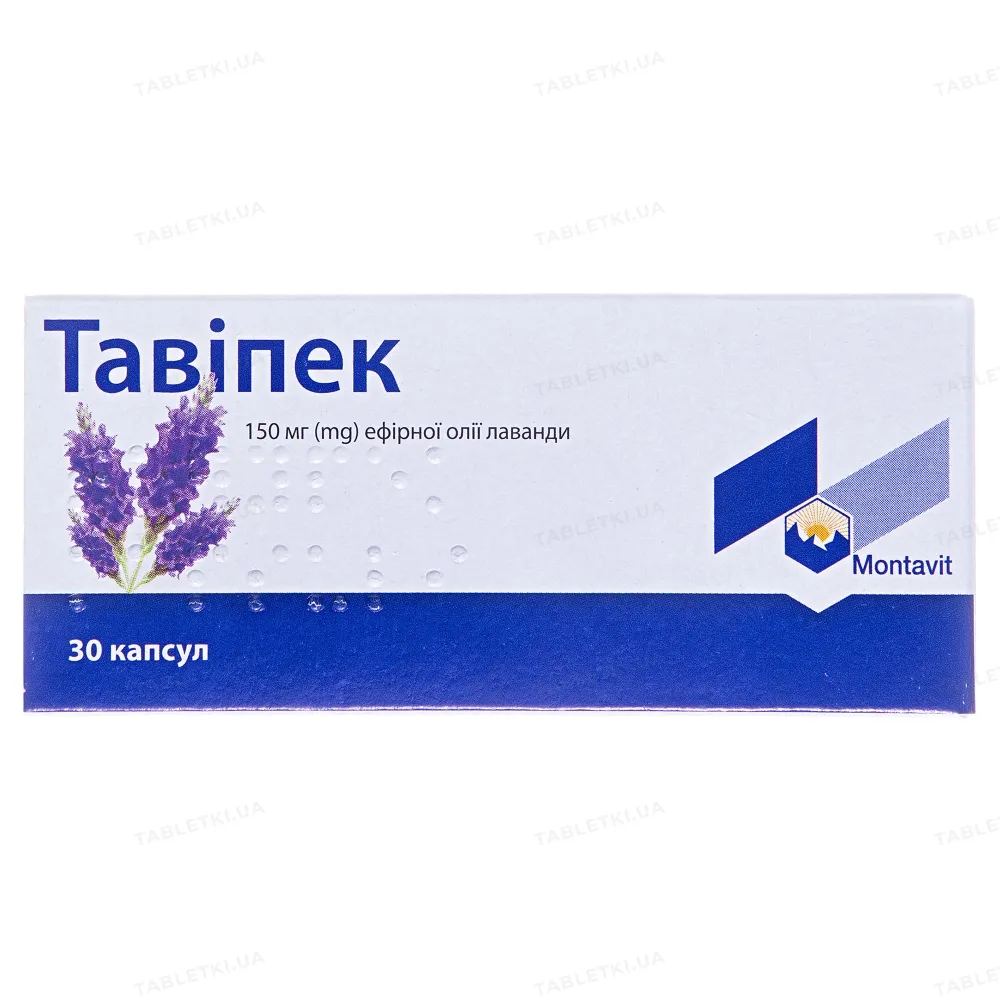
TAVIPEG
UkraineThe drug is used for the treatment of acute and chronic bronchitis, bronchiectasis, sinusitis, as well as smoker's cough.
Frequently asked questions
How should Tavipeg be taken correctly?
Adults and children aged 12 years and older should take 1-2 capsules 3 times a day during meals. Capsules should be swallowed whole, without chewing.
What are the possible side effects of Tavipeg?
Rarely, belching, short-term nausea, vomiting, abdominal pain, or taste changes may occur. Allergic reactions, such as skin rashes, are also possible. A lavender scent may be noticed during exhalation, which is normal.
Who should not take this drug?
Contraindications include hypersensitivity to the components of the drug, peptic ulcer disease, hyperacid gastritis, acute hepatitis, pancreatitis, and nephritis.
Can the drug be taken during pregnancy or breastfeeding?
There are no warnings regarding the use of the drug during this period.
Does the drug affect the ability to drive a vehicle?
No, the drug does not affect the ability to drive a vehicle or operate other mechanisms.
Does the drug interact with other medicines?
No interactions with other medicinal products have been identified.
Instructions for use
INSTRUCTIONS FOR MEDICAL USE OF THE MEDICINAL PRODUCT TAVIPEC® (TAVIPEC®)
Composition:
Active substance: 1 capsule contains 150 mg (0.15 g) of lavender essential oil;
Excipients: gelatin, glycerol, quinoline yellow (E 104), sunset yellow (E 110), methacrylic acid copolymer (type A), sodium lauryl sulfate, propylene glycol, polysorbate 80, glycerol monostearate.
Pharmaceutical form. Enteric soft capsules.
Main physicochemical characteristics: oval yellow enteric soft capsules containing a transparent mobile light-yellow or greenish-yellow liquid.
Pharmacotherapeutic group.
Preparations used in cough and common cold. Expectorants. ATC code R05C A.
Pharmacological properties.
Pharmacodynamics.
Tavipeg possesses secretolytic, expectorant, mucolytic, epithelializing, anti-inflammatory, antimicrobial, and immunostimulatory effects.
The secretolytic effect of the drug is manifested by increased mucociliary clearance. The mucolytic and expectorant effects are due to liquefaction of mucus and enhanced functional activity of the ciliated epithelium, promoting faster and easier elimination of mucus from the respiratory tract. The antimicrobial and anti-inflammatory activity of Tavipeg is attributed to the bactericidal and anti-inflammatory properties of lavender essential oil, resulting in inhibition of overall bacterial growth. In in vitro studies, lavender essential oil inhibits the growth of bacteria and fungi, including Mycobacterium tuberculosis, while not affecting normal intestinal microflora. Tavipeg deactivates staphylococcal toxin – alpha-hemolysin and streptococcal toxin – streptolysin, which are toxins released by pathogenic bacteria. Tavipeg stimulates non-specific immune mechanisms by activating cellular immunity and enhancing phagocytic activity of leukocytes.
Pharmacokinetics.
After oral administration of 1,8-cineole in enteric-coated capsules labeled with lavender essential oil, bioavailability of the drug remains unchanged even at maximum residence time in the gastrointestinal tract.
Clinical characteristics.
Indications.
- Acute bronchitis;
- chronic bronchitis;
- bronchiectasis;
- smoker's cough;
- sinusitis.
Contraindications.
Hypersensitivity to any component of the drug, peptic ulcer, hyperacid gastritis, acute hepatitis, pancreatitis, nephritis.
Interaction with other medicinal products and other forms of interaction.
Not established.
Instructions for use.
Use during pregnancy or breastfeeding.
There are no warnings regarding the use of the drug during pregnancy or breastfeeding.
Ability to affect reaction rate and when driving vehicles or operating other machinery.
The drug does not affect the ability to drive a vehicle or operate other mechanical devices.
Dosage and Administration.
For adults and children aged 12 years and older: 1–2 capsules three times daily, swallowed whole, during meals. The duration of treatment depends on the nature and severity of the disease and is determined individually by a physician.
Children. The drug is indicated for the treatment of children aged 12 years and older.
Overdose.
Not reported. Symptoms of lavender essential oil overdose are unknown. In case of overdose, nausea and other gastrointestinal complaints are likely to occur.
Side effects.
Rarely, belching, transient nausea, vomiting, abdominal pain, and dysgeusia may occur. Allergic reactions, including skin rashes, cannot be ruled out. An odor of lavender oil in exhaled air is possible and does not cause discomfort.
Shelf life. 3 years.
Storage conditions.
Store in the original cardboard packaging, protected from light, at a temperature not exceeding 30 °C.
Packaging.
10 capsules per blister; 3 blisters per cardboard box.
Availability. Over-the-counter (without prescription).
Manufacturer.
Pharmazeutische Fabrik Montavit GmbH.
Manufacturer's address.
Salzbergstrasse 96, 6067 Absam, Austria
Similar drugs
| Brand name | Dosage form | Active substance / Dosage | Manufacturer |
|---|---|---|---|
| NAZIRUS SINUS RESPIRAL | capsules, soft enteric-coated |
|
Catalent Germany Eberbach GmbH (manufacturing of capsules, primary and secondary packaging, testing of residual solvent content (ethanol, acetone)) |
The original data is available in the language of the country of manufacture.
Data source: State Register of Medicinal Products of Ukraine
Data last verified: August 13, 2026