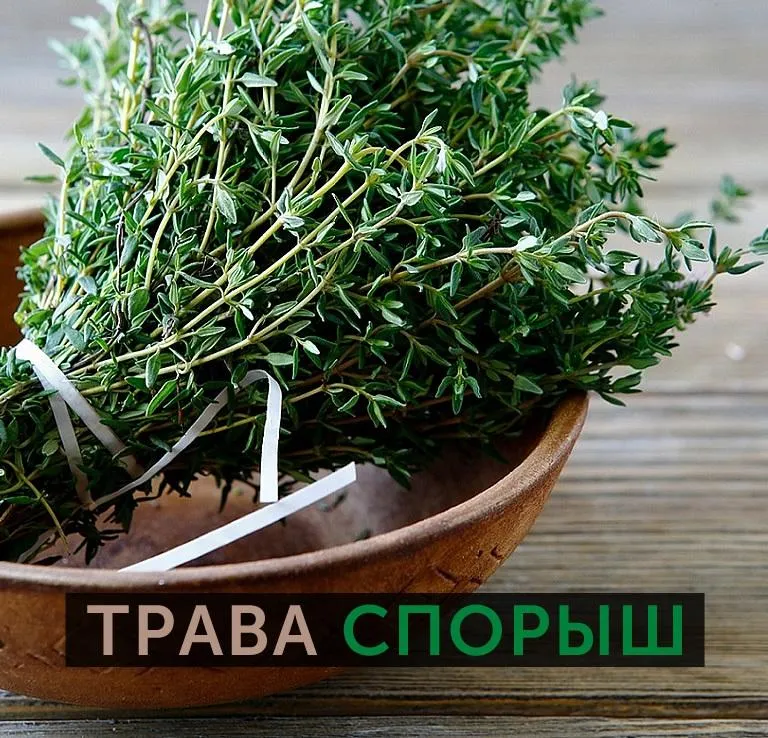
PURSLANE HERB
UkraineThe preparation is used in the early stages of urolithiasis, uric acid diathesis, after surgeries for kidney stone removal, as well as in chronic renal failure, glomerulonephritis, pyelonephritis, and bladder inflammation during the remission stage.
Frequently asked questions
How to correctly prepare and take Purslane herb?
Pour 200 ml of hot water over 3 tablespoons of the herb and infuse in a water bath for 15 minutes. After cooling, strain, bring the liquid volume up to 200 ml with water, and shake. Take warm 2-3 times a day, 15-20 minutes before meals. For adults — 1/3–1/2 cup; for children aged 14 and older — 1/4 cup; for children aged 12-14 — 2 tablespoons; for children aged 7-12 — 1 tablespoon. The course lasts up to 20-25 days.
Who should not use this preparation?
Contraindicated in thrombophlebitis, acute inflammation of the kidneys or bladder, changes in blood properties, the presence of urinary tract stones larger than 6 mm, as well as hypersensitivity to the components. It must not be taken by pregnant or breastfeeding women.
What are the possible side effects of Purslane herb?
Allergic reactions (rash, itching, skin edema) and renal colic are possible. With prolonged use, damage to tooth enamel and disruption of bone tissue structure (osteoporosis) may occur.
How to protect teeth during administration?
It is recommended to drink the infusion through a straw to prevent contact with the teeth, as this may lead to enamel dissolution.
Can the preparation be given to children?
Yes, it can be used in children aged 7 years and older, following the appropriate dosages.
Does the preparation interact with other medicines?
Information regarding interactions with other medicinal products is currently unknown.
Instructions for use
INSTRUCTION FOR MEDICAL USE OF THE MEDICINAL PRODUCT SPORISHU HERB (POLYGONI AVICULARIS HERBA)
Composition:
Active substance: Sporishu herb (Polygoni avicularis herba);
One pack contains 50 g or 100 g of Sporishu herb (Polygoni avicularis herba).
Pharmaceutical form. Herb.
Main physico-chemical properties: fragments of stems, leaves, and flowers of various shapes passing through a sieve with 7 mm diameter openings. Color ranges from grayish-green to greenish-brown, odor is weak, taste is slightly astringent.
Pharmacotherapeutic group.
Agents used in urology. ATC code G04BC.
Pharmacological properties.
The biologically active substances of the herb prevent the formation of urinary calculi and promote their excretion in urolithiasis, enhance diuresis, increase urinary excretion of excess sodium and chloride ions, enhance glomerular filtration in the kidneys and reduce tubular reabsorption, and decrease the permeability of blood vessel walls.
Clinical characteristics.
Indications.
Initial stages of urolithiasis; uric acid diathesis; postoperative period after removal of urinary stones; chronic renal failure; chronic glomerulonephritis, pyelonephritis, bladder inflammation in remission phase (as part of complex therapy).
Contraindications.
Thrombophlebitis; acute inflammatory diseases of kidneys and urinary bladder; changes in blood rheological properties; presence of urinary tract stones larger than 6 mm. Hypersensitivity to biologically active substances of the drug.
Interaction with other medicinal products and other forms of interactions.
Unknown.
Special precautions for use.
It is recommended to take the infusion through a straw to avoid contact with teeth (possible enamel erosion and tooth damage).
Use during pregnancy or breastfeeding.
Contraindicated.
Ability to affect reaction speed when driving or operating machinery.
No effect.
Method of Administration and Dosage.
Place 3 tablespoons of the herb into an enameled container, pour 200 ml of hot boiled water, cover with a lid, and steep in a boiling water bath for 15 minutes. Allow to cool at room temperature for 45 minutes, then strain and squeeze the residue into the strained infusion. Adjust the volume of the infusion to 200 ml with boiled water. Shake the infusion well before use. Take warm, 2–3 times daily, 15–20 minutes before meals: adults—1/3–½ cup; children aged 14 years and older—¼ cup; children aged 12–14 years—2 tablespoons; children aged 7–12 years—1 tablespoon.
Duration of treatment—up to 20–25 days. Repeat courses (no more than 4 per year) should be conducted after a 10–12-day break.
Children.
Sporysh herb may be used in children aged 7 years and older.
Overdose.
No reports available.
Adverse Reactions.
Allergic reactions (including rash, itching, hyperemia, skin swelling), renal colic. Prolonged use of the drug may lead to demineralization of dental enamel and disruption of bone tissue structure (osteoporosis).
Shelf Life. 3 years.
Do not use the drug after the expiry date stated on the packaging.
Storage Conditions.
Store in the original packaging at a temperature not exceeding 25 °C.
Keep out of reach of children.
The prepared infusion should be stored at a temperature between 8 °C and 15 °C for no more than 2 days.
Packaging.
50 g or 100 g in carton boxes with an inner packet.
Availability Category. Over-the-counter.
Manufacturer.
JSC «Lubnyfarm».
Manufacturer’s Location and Address of Business Activity.
16, Barvinkova St., Lubny, Poltava Oblast, 37500, Ukraine.
INSTRUCTION
for Medical Use of the Medicinal Product
SPORISH HERB
(POLYGONI AVICULARIS HERBA)
Composition:
Active ingredient: Sporish herb (Polygoni avicularis herba);
One package contains 50 g or 100 g of Sporish herb (Polygoni avicularis herba).
Pharmaceutical Form. Herb.
Main physicochemical properties: fragments of stems, leaves, and flowers of various shapes, passing through a sieve with 7 mm diameter openings. Color ranges from grayish-green to greenish-brown, odor is weak, taste is slightly astringent.
Pharmacotherapeutic Group.
Agents used in urology. ATC Code G04BC.
Pharmacological Properties.
Biologically active substances of the herb prevent formation and promote elimination of urinary stones in urolithiasis, enhance diuresis, increase excretion of excess sodium and chloride ions with urine, enhance glomerular filtration and reduce tubular reabsorption in the kidneys, and decrease permeability of blood vessel walls.
Clinical Characteristics.
Indications.
Early stages of urolithiasis; uric acid diathesis; postoperative period following removal of urinary stones; chronic renal failure; chronic glomerulonephritis, pyelonephritis, bladder inflammation in remission phase (as part of combination therapy).
Contraindications.
Thrombophlebitis; acute inflammatory processes in kidneys and urinary bladder; alterations in blood rheological properties; presence of urinary tract stones larger than 6 mm. Hypersensitivity to biologically active components of the medicinal product.
Interaction with Other Medicinal Products and Other Forms of Interaction. Unknown.
Special Precautions.
It is recommended to use the infusion through a straw to prevent contact with teeth (possible enamel erosion and tooth damage).
Use during Pregnancy or Breastfeeding.
Contraindicated.
Ability to Affect Reaction Speed while Operating Vehicles or Machinery.
Does not affect.
Administration and Dosage.
Place 3 tablespoons of the herb into an enameled container, add 200 mL of hot boiled water, cover with a lid, and infuse in a water bath for 15 minutes. Cool at room temperature for 45 minutes, strain, press the residue into the strained infusion. Adjust the volume of the infusion to 200 mL with boiled water. Shake well before use. Take warm, 2–3 times daily, 15–20 minutes before meals: adults – 1/3–½ cup; children aged 14 years and older – ¼ cup; children aged 12–14 years – 2 tablespoons; children aged 7–12 years – 1 tablespoon.
Treatment duration – up to 20–25 days. Repeat courses (no more than 4 per year) should be conducted after a 10–12 day break.
Children.
Sporish herb may be used in children aged 7 years and older.
Overdose.
No reports available.
Adverse Reactions.
Allergic reactions (including rash, itching, hyperemia, skin swelling); renal colic. Prolonged use of the drug may lead to demineralization of dental enamel and disruption of bone tissue structure (osteoporosis).
Shelf Life. 3 years.
Do not use after the expiry date stated on the packaging.
Storage Conditions.
Store in the original packaging at a temperature not exceeding 25 °C.
Keep out of reach of children.
The prepared infusion should be stored at a temperature between 8 °C and 15 °C for no more than 2 days.
Packaging.
50 g or 100 g in carton boxes with an inner packet.
Availability Category. Over-the-counter.
Manufacturer.
JSC «Lubnyfarm».
Manufacturer’s Location and Address of Business Activity.
16, Barvinkova St., Lubny, Poltava Oblast, 37500, Ukraine.
Similar drugs
| Brand name | Dosage form | Active substance / Dosage | Manufacturer |
|---|---|---|---|
| HERBA GENTIANAE | herb |
|
Ternofarm LLC |
| HERBA GENTIANAE CRUCIATAE | herb |
|
PJSC Pharmaceutical Factory "Viola" |
| PURSLANE HERB | herb |
|
PJSC "Lektravy" |
The original data is available in the language of the country of manufacture.
Data source: State Register of Medicinal Products of Ukraine
Data last verified: August 13, 2026