SPIRIVA® RESPIMAT®
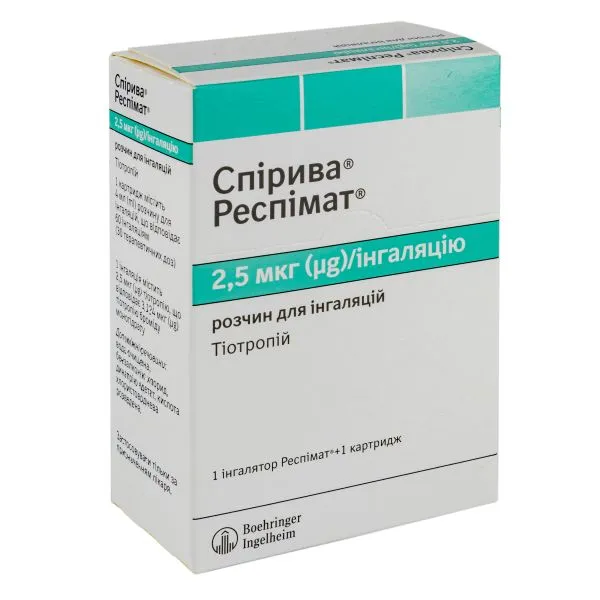
UkraineThe drug is used for maintenance therapy to relieve symptoms in patients with chronic obstructive pulmonary disease (COPD). It is also prescribed as add-on maintenance therapy for adults and children from 6 years of age with severe asthma who have had serious exacerbations within the last year.
Frequently asked questions
How should Spiriva respimat® be taken correctly?
The drug should be inhaled once daily at the same time. For adults and children from 6 years of age, it is recommended to take two inhalations at once. It is important not to exceed the recommended dose.
Can the drug be used for rapid relief during an attack?
No, Spiriva respimat® is not intended for the treatment of acute bronchospasm attacks (emergency relief). In the event of an acute attack, fast-acting beta-2 agonists must be used.
What are the possible side effects of Spiriva respimat®?
The most common side effect is dry mouth. Dizziness, headache, cough, pharyngitis, nasal congestion, sleep disturbances, urinary retention, or constipation may also be observed. In rare cases, palpitations, tachycardia, vision changes, or increased intraocular pressure are possible.
Who should not take this drug?
The drug is contraindicated in case of hypersensitivity to the active substance or other components of the composition. It should be used with caution in patients with angle-closure glaucoma, prostatic hyperplasia, cardiac arrhythmias, or heart failure.
Can the drug be combined with other medicines?
Spiriva respimat® can be used in conjunction with other drugs for the treatment of COPD and asthma (for example, steroids or mucolytics). However, simultaneous use with other anticholinergic agents is not recommended.
Does the drug affect pregnancy and breastfeeding?
During pregnancy, it is desirable to avoid using the drug. Breastfeeding is not recommended; the decision regarding therapy should be made considering the benefits to both the mother and the child.
How should the inhaler be stored after opening?
After the first use, the inhaler must be used within 3 months.
Instructions for use
INSTRUCTIONS FOR MEDICAL USE OF THE MEDICINAL PRODUCT Spiriva® Respimat® (Spiriva® Respimat®)
Composition:
Active substance: tiotropium bromide monohydrate equivalent to tiotropium;
1 inhalation contains 3.124 mcg of tiotropium bromide monohydrate equivalent to 2.5 mcg of tiotropium;
Excipients: benzalkonium chloride, disodium edetate, water for injections, hydrochloric acid diluted.
Pharmaceutical form. Solution for inhalation.
Main physical and chemical properties: cartridges with a volume of up to 4.5 ml filled with liquid, sealed in aluminum cylinders for the RESPIMAT inhaler, with an indented protective seal.
Pharmacotherapeutic group. Other drugs for treatment of obstructive airway diseases, inhaled agents. Anticholinergic agents. Tiotropium bromide.
ATC Code R03BB04.
Pharmacological properties.
Pharmacodynamics
Mechanism of action
Tiotropium bromide is a long-acting specific antagonist of muscarinic receptors. Tiotropium has similar affinity for receptor subtypes from M1 to M5. In the airways, tiotropium bromide competitively and reversibly binds to M3-receptors of bronchial smooth muscle, counteracting the cholinergic (bronchoconstrictive) effect of acetylcholine, resulting in relaxation of bronchial smooth muscles. The effect was dose-dependent and lasted more than 24 hours. Since tiotropium is a locally acting, bronchially selective, N-quaternary anticholinergic agent, when administered by inhalation it demonstrates an acceptable therapeutic range before the onset of systemic anticholinergic effects.
Pharmacodynamic effects
The dissociation of tiotropium bromide, particularly from M3-receptors, is very slow. Thus, its half-life of dissociation is significantly longer than that of ipratropium. Dissociation from M2-receptors is faster than from M3-receptors, which in functional in vitro studies demonstrated greater selectivity (kinetically controlled) for the M3 receptor subtype over M2. High activity, very slow dissociation from receptors, and local selective action upon inhalation have been clinically correlated with significant and prolonged bronchodilation in patients with COPD and asthma.
Clinical efficacy and safety in patients with COPD
The Phase III clinical development program included two one-year, two 12-week, and two 4-week randomized, double-blind studies involving 2901 patients with COPD (1038 patients received 5 mcg of tiotropium). The one-year program included two placebo-controlled trials. The two 12-week trials included both active comparator (ipratropium) and placebo controls. All six studies included measurements of lung function. Additionally, the two one-year studies included assessments of dyspnea frequency, health-related quality of life, and evaluation of the impact on exacerbation frequency.
Placebo-controlled studies. Lung function
Tiotropium inhalation solution administered once daily provided significant improvement in lung function (forced expiratory volume in one second and forced vital capacity) within 30 minutes after the first dose compared to placebo (mean improvement in FEV1 at 30 minutes: 0.113 liters; 95% confidence interval (CI): 0.102 to 0.125 liters, p < 0.0001). Improvement in lung function was sustained over 24 hours at steady state compared to placebo (mean improvement in FEV1: 0.122 liters; 95% CI: 0.106 to 0.138 liters, p < 0.0001).
Pharmacodynamic steady state was achieved within one week.
SPIRIVA RESPIMAT significantly improved morning and evening peak expiratory flow rates based on daily patient measurements compared to placebo (mean improvement in peak expiratory flow rate: 22 L/min in the morning; 95% CI: 18 to 55 L/min, p < 0.0001; 26 L/min in the evening; 95% CI: 23 to 30 L/min, p < 0.0001). Use of SPIRIVA RESPIMAT resulted in reduced use of rescue bronchodilators compared to placebo (mean reduction in rescue medication use: 0.66 doses per day; 95% CI: 0.51 to 0.81 doses per day, p < 0.0001).
Bronchodilator effects of SPIRIVA RESPIMAT were maintained throughout the entire one-year treatment period without signs of tolerance.
Dyspnea, health-related quality of life, and COPD exacerbations in long-term one-year studies.
Dyspnea. SPIRIVA RESPIMAT significantly reduced the frequency of dyspnea (as assessed by the Transition Dyspnea Index) compared to placebo (mean improvement: 1.05 points; 95% CI: 0.73 to 1.38 points, p < 0.0001). Improvement was maintained throughout the entire treatment period.
Health-related quality of life. Improvement in mean overall patient-assessed quality of life (measured using the St. George's Respiratory Questionnaire) with SPIRIVA RESPIMAT compared to placebo in two one-year studies was 3.5 points (95% CI: 2.1 to 4.9, p < 0.0001). A reduction of 4 points is considered clinically meaningful.
COPD exacerbations
Results from three one-year randomized, double-blind, placebo-controlled clinical trials of SPIRIVA RESPIMAT treatment demonstrated a significant reduction in the risk of COPD exacerbations compared to placebo. COPD exacerbations were defined as a combination of at least two respiratory symptoms/signs lasting three days or more, requiring a change in treatment (administration of antibiotics and/or systemic corticosteroids and/or significant change in prescribed respiratory medications). Treatment with SPIRIVA RESPIMAT led to a reduction in the risk of hospitalization due to COPD exacerbations (significant risk reduction in a large-scale study involving patients with exacerbations).
Results from a pooled analysis of two Phase III trials and a separate analysis of an additional study in patients with exacerbations are presented in Table 1. All respiratory medications, except anticholinergics and long-acting β-agonists, were permitted as concomitant therapy, i.e., short-acting β-agonists, inhaled corticosteroids, and xanthines. In the exacerbation impact study in patients with exacerbations, long-acting β-agonists were also permitted.
Table 1
Statistical analysis of COPD exacerbation events and hospitalization events due to COPD exacerbations in patients with moderate to very severe COPD
| Study |
Endpoint |
Spiriva Respimat |
Placebo |
% risk reduction (95% CI)a |
p-value |
| Phase III 1-year studies, |
Number of days to first COPD exacerbation |
160a |
86a |
29 (16 to 40)b |
< 0.0001b |
| Mean rate of exacerbations per patient-year |
0.78c |
1.00c |
22 (8 to 33)c |
0.002c |
|
| Time to first hospitalization due to COPD exacerbation |
25 (-16 to 51)b |
0.20b |
|||
| Mean rate of hospitalizations due to exacerbations per patient-year |
0.09 c |
0.11 c |
20 (-4 to 38) c |
0.096 c |
|
| One-year phase IIIb study in patients with exacerbations |
Number of days to first COPD exacerbation |
169a |
119a |
31 (23 to 37)b |
< 0.0001b |
| Mean rate of exacerbations per patient-year |
0.69c |
0.87c |
21 (13 to 28)c |
< 0.0001c |
|
| Time to first hospitalization due to COPD exacerbation |
27 (10 to 41)b |
0.003b |
|||
| Mean rate of hospitalizations due to exacerbations per patient-year |
0.12c |
0.15c |
19 (7 to 30)c |
0.004c |
a Time to first event: number of treatment days until at least one COPD exacerbation/COPD exacerbation requiring hospitalization occurs in 25% of patients. In study A, 25% of patients receiving placebo experienced an exacerbation by day 112, compared to day 173 in 25% of patients receiving SPIRIVA RESPIMAT (p=0.09); in study B, 25% of patients receiving placebo experienced an exacerbation by day 74, compared to day 149 in 25% of patients receiving SPIRIVA RESPIMAT (p<0.0001).
b Hazard ratios were estimated based on the Cox proportional hazards model. Percentage risk reduction is calculated as 100 (1 − hazard ratio).
c Poisson regression. Risk reduction is calculated as 100 (1 − relative risk).
d Pooled results were prespecified during study design. Exacerbation endpoints were significantly improved in individual analyses of two one-year studies.
Active-controlled long-term study of tiotropium
A long-term, large-scale, randomized, double-blind, active-controlled study with a follow-up period of up to 3 years was conducted to compare the efficacy and safety of SPIRIVA RESPIMAT and SPIRIVA with the HandiHaler inhalation device (SPIRIVA) (5,711 patients received SPIRIVA RESPIMAT; 5,694 patients received SPIRIVA). Primary endpoints were time to first COPD exacerbation, time to death from any cause, and in a sub-study (906 patients), trough FEV1 (pre-dose).
Time to first COPD exacerbation during the study was numerically similar between SPIRIVA RESPIMAT and SPIRIVA (hazard ratio (SPIRIVA RESPIMAT/SPIRIVA) 0.98, 95% CI 0.93–1.03). The median time to first COPD exacerbation was 756 days with SPIRIVA RESPIMAT and 719 days with SPIRIVA.
The bronchodilatory effect of SPIRIVA RESPIMAT was maintained over 120 weeks and was similar to that of SPIRIVA. The mean difference in trough FEV1 between the SPIRIVA RESPIMAT group and the SPIRIVA group was -0.010 L (95% CI -0.038 to 0.018 L).
In the post-marketing comparative TIOSPIR study of SPIRIVA RESPIMAT and SPIRIVA with the HandiHaler device, similar all-cause mortality rates, including vital status monitoring, were observed in the treatment groups (hazard ratio (SPIRIVA with HandiHaler/SPIRIVA RESPIMAT): 0.96, 95% CI 0.84–1.09). Treatment exposure was 13,135 and 13,050 patient-years, respectively.
In placebo-controlled studies with vital status monitoring until the end of the planned treatment period, an increased rate of all-cause mortality was observed in the SPIRIVA RESPIMAT group compared to the placebo group (rate ratio (95% confidence interval) 1.33 (0.93, 1.92), with 2,574 patient-years of exposure to SPIRIVA RESPIMAT; increased mortality was observed in patients with known cardiac arrhythmias). In the SPIRIVA group, a 13% reduction in risk of death was observed (hazard ratio, including vital status monitoring (tiotropium/placebo) = 0.87; 95% CI 0.76–0.99). Treatment exposure with SPIRIVA was 10,927 patient-years. Increased risk of death was not observed in the subgroup of patients with known cardiac arrhythmias in the placebo-controlled SPIRIVA study, nor in the TIOSPIR comparative study of SPIRIVA RESPIMAT and SPIRIVA.
Clinical efficacy and safety in patients with asthma
The Phase III clinical program in adult patients with persistent asthma included two 1-year, randomized, double-blind, placebo-controlled studies involving 907 asthma patients (453 patients receiving SPIRIVA RESPIMAT), who were on combination therapy with inhaled corticosteroids (ICS) (≥800 µg budesonide/day or equivalent) and long-acting β2-agonists. The studies included measurements of lung function and assessment of severe exacerbations as primary endpoints.
PrimoTinA studies in asthma patients
In two one-year studies in patients with persistent asthma symptoms despite maintenance therapy including at least ICS (≥800 µg budesonide/day or equivalent) in combination with long-acting β2-agonists, SPIRIVA RESPIMAT demonstrated clinically meaningful improvement in lung function compared to placebo when added to background therapy.
At week 24, the mean improvement in peak and trough FEV1 was 0.110 liters (95% CI: 0.063 to 0.158 liters, p<0.0001) and 0.093 liters (95% CI: 0.050 to 0.137 liters, p<0.0001), respectively. The improvement in lung function compared to placebo was sustained over 24 hours.
In the PrimoTinA asthma studies, treatment of patients (N=453) with a combination of ICS, long-acting β2-agonists, and tiotropium reduced the risk of severe asthma exacerbations by 21% compared to treatment of patients (N=454) with a combination of ICS, long-acting β2-agonists, and placebo. The risk reduction in terms of mean rate of severe asthma exacerbations per patient-year was 20%.
These results were confirmed by a 31% reduction in the risk of asthma worsening and a 24% reduction in terms of mean rate of asthma worsening per patient-year (see Table 2).
Table 2
Exacerbations in patients with persistent asthma symptoms despite treatment with ICS (≥800 µg budesonide/day or equivalent) in combination with long-acting β2-agonists (PrimoTinA studies in asthma patients)
| Study |
Endpoint |
SPIRIVA RESPIMAT |
Placebo |
% risk reduction |
p-value |
| Two 1-year Phase III studies, |
Number of days to first severe asthma exacerbation |
282c |
226c |
21b |
0.0343 |
| Mean number of severe asthma exacerbations per patient-year |
0.530 |
0.663 |
20d |
0.0458 |
|
| Number of days to first asthma worsening |
315c |
181c |
31b |
<0.0001 |
|
| Mean number of asthma worsening episodes per patient-year |
2.145 |
2.835 |
24d |
0.0031 |
a ≥ 800 µg of budesonide/day or equivalent.
b Risk ratio, confidence interval, and p-value derived from the Cox proportional hazards model, adjusted for actual treatment received. The percentage reduction in risk is calculated as 100 (1 ─ risk ratio).
c Time to first event: number of days of treatment until 25 %/50 % of patients experienced at least one severe asthma exacerbation/asthma worsening.
d Relative risk was determined using Poisson regression with log exposure (in years) as an offset. The percentage risk reduction is 100 (1 ─ relative risk).
Pediatric patients
COPD
The European Medicines Agency has waived the obligation to submit the results of studies with SPIRIVA RESPIMAT in all pediatric subgroups of patients with COPD (see section "Posology and method of administration" for information on use in pediatric patients).
Asthma
All Phase III studies in pediatric patients (1–17 years) with persistent asthma were randomized, double-blind, placebo-controlled trials. All patients received background therapy including ICS (inhaled corticosteroids).
Severe asthma
Adolescents 12–17 years
A 12-week study, PensieTinA-asthma, included 392 patients (130 treated with SPIRIVA RESPIMAT), who continued to have asthma symptoms despite receiving a high dose of ICS (inhaled corticosteroids) plus one controller medication or a medium dose of ICS plus two controller medications.
For patients aged 12–17 years, a high dose of ICS was > 800–1600 µg budesonide/day or equivalent, and a medium ICS dose (inhaled corticosteroids) was 400–800 µg budesonide/day or equivalent. Additionally, patients aged 12–14 years could receive an ICS dose > 400 µg budesonide/day or equivalent plus at least one controller medication, or ≥ 200 µg budesonide/day or equivalent plus at least two controller medications.
In this study, treatment with SPIRIVA RESPIMAT as an add-on to background therapy resulted in significant improvement in lung function compared to placebo, although differences in peak and trough FEV1 (forced expiratory volume in 1 second) were not statistically significant.
- At week 12, the mean improvement in peak and trough FEV1 was 0.090 L (95 % CI: from -0.019 to 0.198 L, p=0.1039) and 0.054 L (95 % CI: from -0.061 to 0.168 L, p=0.3605), respectively.
- At week 12, SPIRIVA RESPIMAT significantly improved morning and evening peak expiratory flow (PEF) (morning 17.4 L/min; 95 % CI: from 5.1 to 29.6 L/min; evening 17.6 L/min; 95 % CI: from 5.9 to 29.6 L/min).
Children (6–11 years)
A 12-week study, VivaTinA-asthma, included 400 patients (130 treated with SPIRIVA RESPIMAT), who continued to have asthma symptoms despite receiving a high dose of ICS plus one controller medication or a medium dose of ICS plus two controller medications. A high ICS dose was > 400 µg budesonide/day or equivalent, and a medium ICS dose was 200–400 µg budesonide/day or equivalent.
In this study, treatment with SPIRIVA RESPIMAT as an add-on to background therapy resulted in a significant improvement in lung function compared to placebo.
- At week 12, the mean improvement in peak and trough FEV1 was 0.139 L (95 % CI: from 0.075 to 0.203 L, p< 0.0001) and 0.087 L (95 % CI: from 0.019 to 0.154 L, p=0.0117), respectively.
Moderate asthma
Adolescents (12–17 years)
In a 1-year study, RubaTinA-asthma, involving 397 patients (134 treated with SPIRIVA RESPIMAT), who continued to have asthma symptoms despite receiving a medium dose of ICS (200–800 µg budesonide/day or equivalent in patients aged 12–14 years or 400–800 µg budesonide/day or equivalent in patients aged 15–17 years), treatment with SPIRIVA RESPIMAT as an add-on to background therapy resulted in a significant improvement in lung function compared to placebo.
Children (6–11 years)
In a 1-year study, CanoTinA-asthma, involving 401 patients (135 treated with SPIRIVA RESPIMAT), who continued to have asthma symptoms despite receiving a medium dose of ICS (200–400 µg budesonide/day or equivalent), treatment with SPIRIVA RESPIMAT as an add-on to background therapy resulted in a significant improvement in lung function compared to placebo.
Children (1–5 years)
One 12-week randomized, double-blind, placebo-controlled Phase II/III clinical study (NinoTinA-asthma) was conducted in 101 children (31 treated with SPIRIVA RESPIMAT) with asthma receiving background therapy including ICS. In 98 patients, the investigational product was administered using the portable valved spacer Aerochamber Plus Flow-Vu® with a face mask.
The primary objective of the study was to assess safety, while efficacy assessment was an exploratory objective.
The number and percentage of patients reporting adverse events, regardless of relationship to the study drug, are presented in Table 3. The number of asthma-related adverse events was lower in the SPIRIVA RESPIMAT group compared to placebo. The exploratory efficacy assessment did not detect differences between SPIRIVA RESPIMAT and placebo.
Table 3
Number of patients with adverse events reported in ≥ 5 patients in the NinoTinA-asthma study (children aged 1 to 5 years)
| Parameter |
Placebo, N (%) |
SPRIVATO RESPIMAT, N (%) |
| Number of patients |
34 (100.0) |
31 (100.0) |
| Patients with any AE |
25 (73.5) |
18 (58.1) |
| Nasopharyngitis |
5 (14.7) |
2 (6.5) |
| Upper respiratory tract infection |
1 (2.9) |
5 (16.1) |
| Bronchial asthma* |
10 (29.4) |
2 (6.5) |
| Hyperthermia |
6 (17.6) |
3 (9.7) |
*Low level terms in MedDRA in the context of the preferred term "bronchial asthma": "exacerbation of bronchial asthma" or "worsening of bronchial asthma"
The European Medicines Agency has waived the obligation to submit results of studies with SPIRIVA RESPIMAT in the paediatric population under 1 year of age (see section "Posology and method of administration" for information on use in paediatric patients).
Pharmacokinetics
Tiotropium bromide is a non-chiral quaternary ammonium compound with moderate water solubility. Tiotropium bromide is available as an inhalation solution administered via the RESPIMAT inhaler. Approximately 40 % of the inhaled dose deposits in the lungs, while the remainder deposits in the gastrointestinal tract. Some pharmacokinetic data described below were obtained using higher doses than those recommended for therapy.
Absorption. Urinary excretion data after inhalation of the solution in healthy volunteers suggest that approximately 33 % of the inhaled dose reaches the systemic circulation. Food is not expected to influence the absorption of this quaternary ammonium compound. The absolute bioavailability of orally administered tiotropium solution is 2–3 %. Maximum plasma concentration of tiotropium was observed 5–7 minutes after inhalation. At steady state, peak plasma levels of tiotropium in patients with COPD were 10.5 pg/mL and declined rapidly in a multi-phase manner. The steady-state plasma concentration was 1.60 pg/mL. A steady-state peak plasma concentration of 5.15 pg/mL was reached 5 minutes after inhalation of the same dose in patients with asthma.
Systemic exposure to tiotropium after inhalation via the RESPIMAT inhaler was similar to systemic exposure after inhalation via the HANDIHELER device.
Distribution. The drug is 72 % bound to plasma proteins, and the volume of distribution is 32 L/kg. Local concentration in the lungs is unknown, but due to the route of administration, high concentrations in the lungs are expected. Studies in rats showed that tiotropium does not cross the blood-brain barrier in any significant manner.
Biological transformation. The extent of biotransformation is low. This is evident from the urinary excretion of 74 % unchanged substance after intravenous administration in healthy young volunteers. The ester of tiotropium bromide undergoes non-enzymatic hydrolysis to an alcohol (N-methylscopolamine) and an acid (dithienylglycolic acid), neither of which binds to muscarinic receptors. In vitro studies with human liver microsomes and human hepatocytes indicate that a portion of the drug (< 20 % of the dose after intravenous administration) is metabolized via cytochrome P450 (CYP)-dependent oxidation and subsequent glutathione conjugation, forming various metabolites in phase II biotransformation.
In vitro studies with liver microsomes showed that this enzymatic pathway may be inhibited by CYP 2D6 (and 3A4) inhibitors such as quinidine, ketoconazole, and gestodene. Thus, CYP 2D6 and 3A4 are involved in the metabolic pathway responsible for elimination of a minor portion of the dose.
Tiotropium bromide, even at concentrations exceeding therapeutic levels, does not inhibit CYP 1A1, 1A2, 2B6, 2C9, 2C19, 2D6, 2E1, or 3A4 in human liver microsomes.
Elimination. The effective half-life of tiotropium ranges from 27 to 45 hours after inhalation in healthy volunteers and COPD patients. The effective half-life of tiotropium was 34 hours after inhalation in asthma patients. After intravenous administration in healthy young volunteers, total clearance was 880 mL/min. Intravenously administered tiotropium is primarily excreted in urine (74 %). After inhalation of the solution in COPD patients at steady state, urinary excretion accounts for 18.6 % of the dose (0.93 µg), with the remainder unabsorbed in the intestine and excreted in faeces.
After inhalation of the solution in healthy volunteers, urinary excretion accounts for 20.1–29.4 % of the dose, with the remainder unabsorbed in the intestine and excreted in faeces.
In asthma patients, 11.9 % (0.595 µg) of the dose is excreted unchanged in urine over 24 hours after administration at steady state.
Renal clearance of tiotropium exceeds creatinine clearance, indicating active renal excretion.
After long-term once-daily inhalation in COPD patients, pharmacokinetic steady state was reached by day 7, with no further accumulation of tiotropium.
Linearity/non-linearity. Tiotropium exhibits linear pharmacokinetic properties within the therapeutic range, regardless of pharmaceutical formulation.
Elderly patients. As with all other drugs primarily eliminated by the kidneys, use of tiotropium in elderly patients is associated with reduced renal clearance (347 mL/min in COPD patients < 65 years vs. 275 mL/min in COPD patients > 65 years). This did not result in a corresponding increase in AUC0-6,ss or Cmax,ss values. In asthma patients, no age-related differences in the effect of tiotropium were identified.
Patients with renal impairment.
After administration of tiotropium (once daily by inhalation) in COPD patients to steady state, mild renal impairment (creatinine clearance 50–80 mL/min) resulted in a slight increase in AUC0-6,ss (by 1.8–30 %) and similar Cmax,ss values compared to patients with normal renal function (creatinine clearance >80 mL/min).
In COPD patients with moderate to severe renal impairment (creatinine clearance < 50 mL/min), intravenous administration of a single dose of tiotropium resulted in a doubling of overall exposure (AUC0-4h 82 % higher and Cmax 52 % higher) compared to COPD patients with normal renal function, as confirmed by plasma tiotropium concentrations after inhalation of the dry powder formulation. In asthma patients with mild renal impairment (creatinine clearance 50–80 mL/min), inhaled tiotropium did not lead to a corresponding increase in exposure compared to patients with normal renal function.
Patients with hepatic impairment. Hepatic impairment has no significant effect on the pharmacokinetics of tiotropium. Tiotropium is primarily eliminated via renal excretion (up to 74 % in young healthy volunteers) and by simple non-enzymatic ester cleavage into pharmacologically inactive products.
COPD patients of Japanese nationality. In a cross-study comparison, mean peak plasma concentrations of tiotropium 10 minutes after dosing at steady state were 20–70 % higher in Japanese patients compared to Europeans after tiotropium inhalation, but there were no signs of increased mortality or risk of cardiac events in Japanese patients compared to Europeans. There is insufficient pharmacokinetic data for other races or ethnic groups.
Paediatric patients
Bronchial asthma
Peak and overall exposure (AUC and urinary excretion) of tiotropium in asthma patients aged 6–11 years, 12–17 years, and ≥18 years were comparable. Based on urinary excretion, overall exposure to tiotropium in patients aged 1 to 5 years was 52–60 % lower than in other age groups. After correction for body surface area, data on overall exposure across all age groups were comparable. Patients aged 1 to 5 years used a portable valved spacer with a face mask for administration of SPIRIVA RESPIMAT.
COPD
Paediatric patients were not included in the COPD programme (see section "Posology and method of administration").
Pharmacokinetic/pharmacodynamic relationship. There is no direct relationship between pharmacokinetics and pharmacodynamics.
Clinical characteristics.
Indications.
COPD
Spiriva Respimat is indicated as a maintenance bronchodilator treatment to relieve symptoms in patients with chronic obstructive pulmonary disease (COPD).
Asthma
Spiriva Respimat is indicated as an add-on maintenance bronchodilator treatment in adults and children aged 6 years and older with severe asthma who have experienced one or more severe asthma exacerbations in the preceding year (see sections "Dosage and administration", "Pharmacodynamics").
Contraindications.
Hypersensitivity to tiotropium bromide, atropine or its derivatives, e.g. ipratropium or oxitropium, or to any of the excipients.
Interaction with other medicinal products and other forms of interaction.
Although specific studies on interactions with other medicinal products have not been performed, tiotropium bromide has been used concomitantly with other drugs commonly used in the treatment of COPD and asthma, including sympathomimetic bronchodilators, methylxanthines, oral and inhaled corticosteroids, antihistamines, mucolytics, leukotriene modifiers, cromones, anti-immunoglobulin E, without clinical evidence of adverse reactions.
The use of long-acting beta-adrenoceptor agonists and inhaled corticosteroids showed no influence on tiotropium.
Concomitant administration of tiotropium bromide with other anticholinergic drugs has not been studied and therefore is not recommended.
Special precautions for use
Tiotropium bromide is a bronchodilator administered once daily for maintenance therapy. The drug is not intended for initial treatment of acute bronchospasm attacks, i.e., for emergency relief. In the event of an acute attack, short-acting beta-2 agonists should be used.
SPIRIVA RESPIMAT must not be used as monotherapy for the treatment of asthma. Patients with asthma should continue taking anti-inflammatory medications, such as inhaled corticosteroids, without changing the dose after initiating SPIRIVA RESPIMAT, even if symptom improvement occurs.
Immediate-type hypersensitivity reactions may occur following administration of tiotropium bromide inhalation solution.
Due to its anticholinergic activity, tiotropium bromide should be used with caution in patients with narrow-angle glaucoma, prostatic hyperplasia, or bladder neck obstruction.
Inhalation of medicinal products may provoke bronchospasm caused by the inhalation procedure itself.
Tiotropium should be used with caution in patients who have recently experienced myocardial infarction (< 6 months), those with any unstable or life-threatening cardiac arrhythmia, or those with arrhythmias requiring intervention or change in therapy within the past year, as well as in patients hospitalized due to heart failure (NYHA class III or IV) within the past year. These patients were excluded from clinical trials, as they may be susceptible to the anticholinergic effects of the drug.
Since plasma concentrations of the drug increase with declining renal function, tiotropium bromide should be used in patients with moderate to severe renal impairment (creatinine clearance ≤ 50 mL/min) only if the expected benefit outweighs the potential risk. There is limited experience with long-term use of the drug in patients with severe renal impairment (see section "Pharmacokinetics").
Patients should be instructed to avoid spraying the aerosol into the eyes, as this may precipitate or worsen narrow-angle glaucoma, cause eye pain or discomfort, temporary blurred vision, perception of halos or colored images, in combination with eye redness due to conjunctival hyperemia and corneal edema. If any of these symptoms occur in any combination, administration of tiotropium bromide should be discontinued and specialized medical advice should be sought immediately.
Dryness of the oral mucosa, observed during anticholinergic therapy, may be associated with dental caries during long-term treatment.
Tiotropium bromide should not be used more frequently than once daily (see section "Overdose").
SPIRIVA RESPIMAT is not recommended for use in patients with cystic fibrosis. When used in patients with cystic fibrosis, SPIRIVA RESPIMAT may exacerbate manifestations and symptoms of cystic fibrosis (e.g., serious adverse events, pulmonary exacerbations, respiratory tract infections).
Excipients
Benzalkonium chloride may cause bronchopulmonary obstruction and breathing difficulties. Patients with asthma are at increased risk of these adverse effects. The product contains 0.0011 mg of benzalkonium chloride per inhalation. Inhalation refers to the dose available to the patient after passing through the mouthpiece. Two inhalations correspond to one therapeutic dose.
Use during pregnancy or breastfeeding
Pregnancy
There is very limited data on the use of tiotropium in pregnant women. Animal studies have not shown any direct or indirect adverse effects on reproductive toxicity when the drug was administered at clinically relevant doses.
As a precautionary measure, it is advisable to avoid using SPIRIVA RESPIMAT during pregnancy.
Breastfeeding
It is unknown whether tiotropium bromide is excreted in human breast milk. Although rodent studies have demonstrated that tiotropium bromide is excreted in breast milk only in small amounts, the use of SPIRIVA RESPIMAT is not recommended during breastfeeding. Tiotropium bromide is a long-acting compound. The decision to continue or discontinue breastfeeding or to continue or discontinue therapy with SPIRIVA RESPIMAT should be made after considering the benefits of breastfeeding for the child and the benefits of therapy for the mother.
Fertility
Clinical data on the effect of tiotropium on fertility are lacking. Preclinical studies with tiotropium showed no negative effect on fertility.
Ability to affect reaction speed while driving or operating machinery
No studies have been conducted on the ability of tiotropium to affect reaction speed while driving or operating machinery.
Dizziness or blurred vision may impair the ability to drive or operate machinery.
Administration and Dosage
Method of Administration
The medicinal product is intended for inhalation use only. The cartridge can only be used with the RESPIMAT inhaler device.
Two inhalations via the RESPIMAT inhaler constitute one dose.
The recommended dose for adults is 5 mcg of tiotropium administered as two inhalations via the RESPIMAT inhaler once daily at the same time each day.
The recommended dose should not be exceeded.
When treating asthma, the full benefit of the medication becomes apparent after several doses. In adult patients with severe asthma, tiotropium should be used in addition to inhaled corticosteroids (ICS) (≥ 800 mcg budesonide/day or equivalent) and at least one maintenance therapy agent.
Special Patient Groups
Elderly patients may use SPIRIVA RESPIMAT at the recommended doses.
Patients with renal impairment may use SPIRIVA RESPIMAT at the recommended doses. For patients with moderate to severe renal impairment (creatinine clearance ≤ 50 mL/min), see sections "Special Warnings and Precautions for Use" and "Pharmacological Properties".
Patients with hepatic impairment may use the medicinal product at the recommended doses (see section "Pharmacological Properties").
Children
Asthma
The recommended dose for patients aged 6 to 17 years is 5 mcg of tiotropium administered as two inhalations via the RESPIMAT inhaler once daily at the same time each day.
Adolescents (12–17 years) with severe asthma should receive tiotropium in addition to inhaled corticosteroids (> 800–1600 mcg budesonide/day or equivalent) and one maintenance therapy agent, or in addition to inhaled corticosteroids (400–800 mcg budesonide/day or equivalent) with two maintenance therapy agents.
Children (6–11 years) with severe asthma should receive tiotropium in addition to inhaled corticosteroids (> 400 mcg budesonide/day or equivalent) and one maintenance therapy agent, or in addition to inhaled corticosteroids (200–400 mcg budesonide/day or equivalent) with two maintenance therapy agents.
The safety and efficacy of SPIRIVA RESPIMAT in children aged 6–17 years with moderate asthma have not been established. The safety and efficacy of SPIRIVA RESPIMAT in children under 6 years of age have not been established. Available information is presented in the sections "Pharmacodynamics" and "Pharmacokinetics", but dosage recommendations cannot be provided.
COPD
There is no experience with the use of SPIRIVA RESPIMAT in children (under 18 years of age).
Cystic Fibrosis
The efficacy and safety of SPIRIVA RESPIMAT have not been established (see section "Special Warnings and Precautions for Use").
Method of Administration
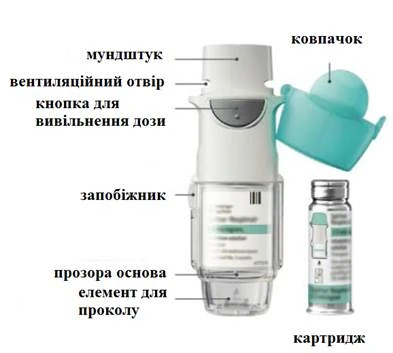
This medicinal product is intended for inhalation use only. RESPIMAT is an inhaler that generates a spray for inhalation. It is designed for use by one patient and for administration of multiple doses delivered from a single cartridge.
Patients must read the instructions for use of the RESPIMAT inhaler before starting treatment with SPIRIVA RESPIMAT.
To ensure proper use of the medicinal product, the physician or other healthcare professional should demonstrate to the patient how to use the inhaler.
Instructions for Using and Maintaining the RESPIMAT Inhaler
Children must use SPIRIVA RESPIMAT under adult supervision.
The patient must use the inhaler ONCE DAILY.
Each time of use, take TWO INHALATIONS.
**
**
- If SPIRIVA RESPIMAT has not been used for more than 7 days, release one inhalation by pointing the inhaler downward.
- If SPIRIVA RESPIMAT has not been used for more than 21 days, repeat steps 4–6 of "Preparation for Use" until an aerosol mist appears. Then repeat steps 4–6 three more times.
How to Maintain the RESPIMAT Inhaler
- Clean the mouthpiece, including the metal part inside the mouthpiece, only with a damp cloth or gauze at least once a week.
- Any slight discoloration of the mouthpiece does not affect the functioning of the RESPIMAT inhaler.
- If necessary, wipe the exterior of the RESPIMAT inhaler with a damp cloth or gauze.
When to Obtain a New SPIRIVA RESPIMAT Medicinal Product
-
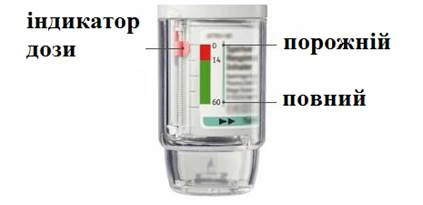
The RESPIMAT inhaler with SPIRIVA RESPIMAT contains 60 inhalations (30 doses) when used as directed (two inhalations once daily).
-
The dose indicator shows the approximate remaining amount of medication.
-
When the indicator reaches the red zone on the scale, approximately 7 days' supply (14 inhalations) of solution remains.
-
Once the dose indicator reaches the end of the red zone, the RESPIMAT inhaler with SPIRIVA RESPIMAT will be automatically locked – no further doses can be released. From this point, the transparent base cannot be turned back.
-
The RESPIMAT inhaler with SPIRIVA RESPIMAT must be discarded no later than three months after first use, even if not all of the solution has been used.
Preparation for First Use
|
|
|
|
|
|
|
|
|
|
|
|
|
|
|
|
|
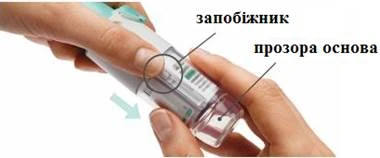
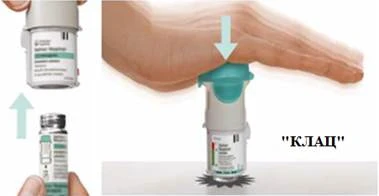
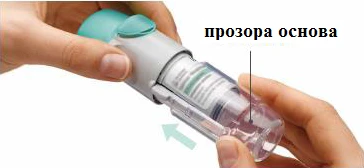
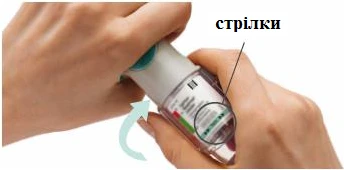
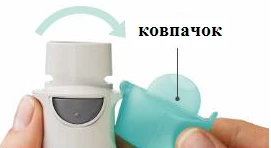
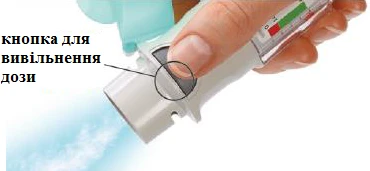
 STEPS 4-6
Daily use
| TURN
|
|
| OPEN
|
|
| PRESS
|
2 INHALATIONS ONCE DAILY |
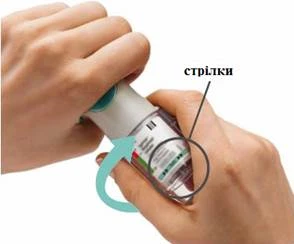
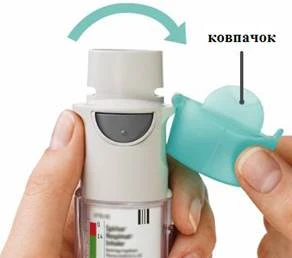
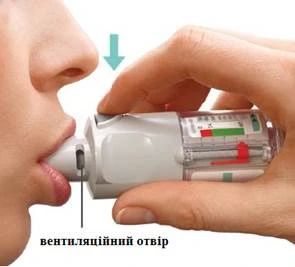
Children.
Asthma
The safety and efficacy of SPIRIVA RESPIMAT in children under 6 years of age have not been established (see sections "Pharmacological properties" and "Posology and method of administration").
COPD
There is no experience with the use of SPIRIVA RESPIMAT in children (under 18 years of age).
Overdose.
High doses of the medicinal product may cause anticholinergic signs and symptoms.
However, systemic anticholinergic side effects were not observed in healthy volunteers after a single inhalation of doses up to 340 mcg of tiotropium bromide. Additionally, no significant adverse effects were observed after 14 days of administration at doses up to 40 mcg of tiotropium, solution for inhalation, in healthy volunteers, except for dryness of the mucous membranes of the mouth/throat and nasal cavity, apart from a clear reduction in saliva secretion after 7 days of administration.
Adverse reactions.
Summary of safety information
Many of the adverse effects listed below can be attributed to the anticholinergic properties of tiotropium bromide.
Summary table of adverse reactions
The frequency of the adverse reactions listed below, observed in the group of patients receiving tiotropium bromide, was calculated based on pooled data from 7 placebo-controlled clinical trials in patients with COPD (3,282 patients) and 12 placebo-controlled clinical trials in adult and pediatric patients with asthma (1,930 patients), with treatment periods ranging from four weeks to one year.
Criteria for assessment of frequency of adverse reactions:
very common (≥1/10); common (≥1/100 to <1/10); uncommon (≥1/1,000 to <1/100); rare (≥1/10,000 to <1/1,000); very rare (<1/10,000); not known (cannot be estimated from available data).
Table 4
| System organ class / Preferred term according to MedDRA classification |
Frequency |
|
| COPD |
Asthma |
|
| Metabolism and nutrition disorders |
||
| Dehydration |
Unknown |
Unknown |
| Nervous system disorders |
||
| Dizziness |
Uncommon |
Uncommon |
| Headache |
Uncommon |
Uncommon |
| Sleep disorders |
Isolated |
Uncommon |
| Eye disorders |
||
| Glaucoma |
Isolated |
Unknown |
| Increased intraocular pressure |
Isolated |
Unknown |
| Blurred vision |
Isolated |
Unknown |
| Cardiac disorders |
||
| Atrial fibrillation |
Isolated |
Unknown |
| Palpitations |
Isolated |
Uncommon |
| Supraventricular tachycardia |
Isolated |
Unknown |
| Tachycardia |
Isolated |
Unknown |
| Respiratory, thoracic and mediastinal disorders |
||
| Cough |
Uncommon |
Uncommon |
| Pharyngitis |
Uncommon |
Uncommon |
| Dysphonia |
Uncommon |
Uncommon |
| Nosebleeds |
Isolated |
Isolated |
| Bronchospasm |
Isolated |
Uncommon |
| Laryngitis |
Isolated |
Unknown |
| Sinusitis |
Unknown |
Unknown |
| Gastrointestinal disorders |
||
| Dry mouth |
Common |
Uncommon |
| Constipation |
Uncommon |
Isolated |
| Oropharyngeal candidiasis |
Uncommon |
Uncommon |
| Dysphagia |
Isolated |
Unknown |
| Gastroesophageal reflux disease |
Isolated |
Unknown |
| Dental caries |
Isolated |
Unknown |
| Gingivitis |
Isolated |
Isolated |
| Glossitis |
Isolated |
Unknown |
| Stomatitis |
Unknown |
Isolated |
| Intestinal obstruction, including paralytic ileus |
Unknown |
Unknown |
| Nausea |
Unknown |
Unknown |
| Skin, subcutaneous tissue and immune system disorders |
||
| Rash |
Uncommon |
Uncommon |
| Itching |
Uncommon |
Isolated |
| Angioedema |
Isolated |
Isolated |
| Urticaria |
Isolated |
Isolated |
| Skin infection / skin ulcer |
Isolated |
Unknown |
| Dry skin |
Isolated |
Unknown |
| Hypersensitivity (including immediate-type allergic reactions) |
Unknown |
Isolated |
| Anaphylactic reaction |
Unknown |
Unknown |
| Musculoskeletal and connective tissue disorders |
||
| Joint swelling |
Unknown |
Unknown |
| Renal and urinary disorders |
||
| Urinary retention |
Uncommon |
Unknown |
| Urinary disorders |
Uncommon |
Unknown |
| Urinary tract infection |
Isolated |
Isolated |
Description of individual adverse reactions
In controlled clinical trials involving patients with COPD, the most common adverse events associated with anticholinergic effects were dry mouth. These occurred in approximately 2.9% of patients. In patients with asthma, the incidence of dry mouth was 0.83%.
In 7 clinical trials involving patients with COPD, dry mouth led to premature discontinuation of the study in 3 out of 3,282 patients treated with tiotropium (0.1%). In 12 clinical trials involving patients with asthma, no cases of premature discontinuation due to dry mouth were reported (1,930 patients).
Serious adverse reactions associated with anticholinergic effects include glaucoma, constipation, intestinal obstruction, including paralytic ileus, and urinary retention.
Pediatric patients
The safety database includes 560 pediatric patients (296 patients aged 1–11 years and 264 patients aged 12–17 years) who participated in 5 placebo-controlled clinical trials, with treatment durations ranging from 12 weeks to one year. The frequency, type, and severity of adverse reactions in pediatric patients were similar to those in adults.
Other patient categories
The anticholinergic effects of the drug may be enhanced with increasing patient age.
Reporting of suspected adverse reactions
Reporting of adverse reactions after drug registration is of great importance. It enables ongoing monitoring of the benefit-risk balance of the medicinal product. Healthcare and pharmaceutical professionals, as well as patients or their legal representatives, should report all suspected adverse reactions and lack of efficacy through the Automated Pharmacovigilance Information System at the following link: https://aisf.dec.gov.ua».
Shelf life. 3 years.
Shelf life after first use – 3 months.
Storage conditions.
Store at a temperature not exceeding 25°C. Do not freeze! Keep out of reach of children!
Packaging.
4 ml in a cartridge (60 inhalations); 1 cartridge with 1 RESPIMAT inhaler in a cardboard box.
Prescription status.
Prescription only.
Manufacturer.
Boehringer Ingelheim Pharma GmbH & Co. KG
or
Boehringer Ingelheim Espana, S.A.
Manufacturer's address and location of its business operations.
Binger Strasse 173, 55216 Ingelheim am Rhein, Germany
or
Prat de la Riba, 50, 08174 Sant Cugat del Valles (Barcelona), Spain.
The original data is available in the language of the country of manufacture.
Data source: State Register of Medicinal Products of Ukraine
Data last verified: August 13, 2026