PROSTIN E2
UkraineThe drug is used for the induction of labor in women with term or near-term pregnancy, provided the cervix is already mature and the woman is carrying a single fetus in the cephalic presentation.

Frequently asked questions
How should Prostin e2 be taken correctly?
The drug is administered by a healthcare professional in a hospital setting by carefully inserting the contents of the syringe into the posterior vaginal fornix. The initial dose is 1 mg. If the desired response is not achieved after 6 hours, the doctor may prescribe a second dose: 1 mg to enhance the effect, or 2 mg if the first dose was ineffective.
Who should not use this drug?
Use is contraindicated in multiple pregnancies, the presence of uterine scars (e.g., after a Cesarean section), if the fetal head has not yet engaged in the birth canal, in cases of lower genital tract infections, unexplained vaginal discharge or bleeding during pregnancy, as well as in certain diseases of the heart, lungs, kidneys, liver, or in cases of diabetes/epilepsy.
What are the possible side effects of Prostin e2?
The most common side effects are vomiting in the mother and changes in the infant's heart rate. Nausea, back pain, vaginal burning sensation, fever, abnormal uterine contractions, and fetal distress are also possible. In rare cases, serious complications such as uterine rupture or amniotic fluid embolism may occur.
Can this drug be combined with other medicines?
Simultaneous use with other agents that stimulate labor is not recommended. If oxytocin must be administered, at least 6 hours should pass between the administration of the drugs. Caution should also be exercised when taking non-steroidal anti-inflammatory drugs.
Does the drug affect the child or the pregnancy?
The drug is specifically intended for women at term or near-term pregnancy. Any dose that causes prolonged increased uterine tone may pose a risk to the fetus; therefore, continuous monitoring of the baby's condition is required during use.
Instructions for use
I N S T R U C T I O N for medical use of the medicinal product PROSTIN E2 (PROSTIN E2)
Composition:
Active substance: dinoprostone;
1 syringe (3 g of gel) contains 1 mg of dinoprostone;
Excipients: colloidal anhydrous silicon dioxide, glyceryl triacetate.
Pharmaceutical form. Vaginal gel.
Main physicochemical properties: semitransparent viscous gel.
Pharmacotherapeutic group. Drugs acting on the genitourinary system and sex hormones. Other gynecological preparations. Agents increasing myometrial tone. Prostaglandins. Dinoprostone. ATC code G02AD02.
Pharmacological properties.
Pharmacodynamics.
Dinoprostone, or prostaglandin E₂ (PGE₂), belongs to the family of natural unsaturated fatty acids. Prostaglandins possess a broad range of pharmacological properties, including the ability to stimulate organs containing smooth muscle tissue and to modulate organ responses to other hormonal stimuli in a desired direction.
The primary area of clinical application of dinoprostone is based on its capacity to accelerate cervical ripening and to stimulate uterine contractions. The underlying changes occurring in the cervix during pharmacologically induced softening, effacement, and dilation (collectively defined as cervical ripening) involve not only contraction of smooth muscle cells, which are actually present in small numbers in the cervix.
Pharmacokinetics.
Natural prostaglandins are synthesized very rapidly from corresponding free polyunsaturated fatty acids. Even in minimal amounts, these substances induce significant effects, after which they are quickly converted into inactive metabolites.
After endocervical administration of 0.5 mg dinoprostone, peak plasma concentrations are reached within 30–45 minutes, after which levels rapidly return to baseline, regardless of uterine activity.
Clinical characteristics.
Indications.
Prostin E2, vaginal gel, is indicated for induction of labor in women with full-term or near full-term pregnancy who have a mature cervix and a single fetus in cephalic presentation.
Contraindications.
The use of Prostin E2, vaginal gel, is contraindicated:
- In patients with hypersensitivity to dinoprostone or to any of the excipients listed in the section "Composition";
- In patients for whom uterine stimulants are contraindicated in general, including the following conditions:
- multiple pregnancy;
- grand multiparity (six or more previous full-term pregnancies);
- when the fetal head is not engaged in the pelvis;
- presence of uterine scars (following cesarean section, hysterotomy);
- disproportion between fetal head and maternal pelvis;
- fetal heart rate indicating onset of fetal distress;
- obstetrical conditions where the risk-benefit ratio for mother or fetus requires surgical intervention;
- vaginal discharge of unknown etiology and/or pathological uterine bleeding during pregnancy;
- non-cephalic (non-vertex) presentation;
- lower genital tract infection;
- fetal distress;
- active-phase heart, lung, kidney, or liver disease.
Interaction with other medicinal products and other forms of interaction.
The response to oxytocin may be enhanced in the presence of exogenous prostaglandin therapy. Concomitant use with other agents that stimulate labor is not recommended. If administration of oxytocin is considered necessary after dinoprostone administration, a minimum interval of at least 6 hours between doses is recommended.
Therefore, careful monitoring of the patient is advised when these agents are used concomitantly.
Because prostaglandins have numerous pharmacological effects, concomitant use of nonsteroidal anti-inflammatory drugs or other substances affecting prostaglandin metabolism requires special caution.
Special precautions for use.
This medicinal product should be used exclusively under hospital conditions and under the supervision of healthcare professionals.
As with the use of any agents stimulating uterine activity, the risk of uterine rupture should be considered. Concomitant therapy, maternal and fetal status should be taken into account to minimize the risk of uterine hyperstimulation, uterine rupture, uterine hemorrhage, fetal death, and neonatal death.
During administration of dinoprostone, continuous electronic monitoring of uterine contraction activity and fetal heart rate should be performed. In patients with hypertonus of the uterus or increased uterine contractile activity, or in those who exhibit unusual changes in fetal heart rate, labor should be managed in a manner ensuring general safety of both fetus and mother.
Dinoprostone should be used with caution in patients with a history of cardiovascular, hepatic, or renal dysfunction, in patients with bronchial asthma or history of bronchial asthma, in patients with epilepsy or history of epilepsy, with glaucoma (or elevated intraocular pressure), or rupture of chorioamniotic membranes, including in the past.
It has been shown that women aged 35 years and older who experienced complications during pregnancy, and those whose gestational age exceeds 40 weeks, have an increased risk of developing postpartum disseminated intravascular coagulation syndrome. In addition, these factors may further increase the risks associated with labor induction (see section "Adverse reactions"). Therefore, dinoprostone should be used with caution in such women. Measures should be taken to ensure early detection of fibrinolysis in the immediate postpartum period.
In general, labor induction is associated with the risk of amniotic fluid embolism (anaphylactoid syndrome of pregnancy). Cases of amniotic fluid embolism have been reported after administration of various dosage forms of dinoprostone used for cervical ripening (see section "Adverse reactions"). This condition often occurs suddenly during labor, cesarean section, or within 48 hours after delivery.
The physician should be aware that intracervical administration of dinoprostone gel may lead to inadvertent rupture followed by embolization of antigenic tissue, which in rare cases may cause anaphylactoid syndrome of pregnancy (amniotic fluid embolism).
Severe cardiovascular complications, potentially fatal (myocardial infarction and/or ventricular fibrillation), have been reported with the use of prostaglandins and prostaglandin analogs for injection. The risk of such complications increases with age and in the presence of chronic or recent smoking.
To date, there have been no reports of such complications following vaginal administration of prostaglandin E2. However, as a precautionary measure, patients are advised not to smoke for several days prior to dinoprostone administration.
Use during pregnancy or breastfeeding.
Fertility
Clinical data on the effect of dinoprostone on fertility are lacking.
Pregnancy
Prostin E2 is intended for use in women with full-term or near-term pregnancy.
Any dose causing prolonged increase in uterine tone may pose a risk to the fetus (see sections "Special precautions for use" and "Adverse reactions").
Animal studies have shown reproductive toxicity.
Breastfeeding
Prostaglandins pass into breast milk in very low concentrations. No significant difference in their concentration in breast milk of women with preterm and full-term pregnancy has been observed.
Ability to influence reaction speed when driving or operating machinery.
The product is to be used only under hospital conditions.
Method of Administration and Dosage
The drug should be administered only by qualified healthcare professionals in hospitals and clinics equipped with specialized obstetric departments and facilities for continuous monitoring.
The recommended dose should not be exceeded, and the dosing interval should not be shortened, as this increases the risk of uterine hyperstimulation, uterine rupture, uterine hemorrhage, fetal death, and neonatal death.
For induction of labor in women with term or near-term pregnancy, the initial dose of Prostin E2, vaginal gel, is 1 mg, administered by carefully instilling the entire contents of the syringe into the posterior vaginal fornix. If necessary, a second dose of Prostin E2 may be administered after 6 hours:
- 1 mg, to enhance the response to the initial dose;
- 2 mg, if there is no response to the initial dose.
INSTRUCTIONS FOR SYRINGE USE
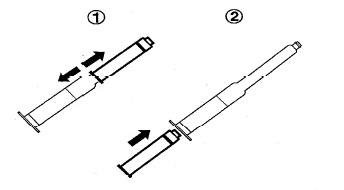
- Remove the protective cap (to be used as a plunger extension).
- Attach the protective cap to the plunger.
- Insert the contents of the syringe.
Children
The safety and efficacy of Prostin E2 in children have not been established. Currently, there is no experience with the use of Prostin E2 in children, except for adolescents.
Overdose
Since Prostin E2 vaginal gel is supplied only in single-dose syringes, any symptoms of overdose that may occur are generally related to the individual patient's sensitivity to the drug.
As clinical studies on prostaglandin antagonists are not yet sufficient to provide recommendations for use, treatment in case of overdose should currently be symptomatic.
Symptoms of overdose may include uterine hypertonus or abnormally strong or frequent uterine contractions, which may lead to fetal distress.
Due to the transient nature of prostaglandin E2-induced myometrial hyperstimulation, non-specific conservative management—such as changing maternal position and oxygen therapy—has been found effective in most cases.
If excessive uterine stimulation (and/or fetal distress) persists after discontinuation of the drug, intravenous administration of a β2-adrenomimetic may be indicated. If tocolytic treatment proves ineffective, immediate delivery is indicated.
Adverse Reactions
Safety Profile
The adverse reactions most commonly reported during clinical trials with topical dinoprostone formulations (occurring in >10% of patients) were: vomiting in the mother and fetal heart rate abnormalities.
Other adverse reactions reported in up to 10% of patients included: nausea, back pain, uterine hyperstimulation, vaginal and/or vulvar burning sensation, fever, and fetal distress syndrome.
The undesirable effects listed below are categorized by system organ class and frequency of occurrence. Within each section, reactions are presented in order of decreasing severity. Frequency classification: very common (≥1/10), common (≥1/100, <1/10), uncommon (≥1/1000, <1/100), rare (≥1/10,000, <1/1000), very rare (<1/10,000), frequency not known (cannot be estimated from available data).
Blood and lymphatic system disorders. Rare: Disseminated intravascular coagulation (DIC) syndrome.
Immune system disorders. Frequency not known: Anaphylactic shock, anaphylactic reactions, anaphylactoid reactions (including anaphylactoid pregnancy syndrome), hypersensitivity reactions.
Cardiac disorders. Frequency not known: Cardiac arrest.
Vascular disorders. Frequency not known: Arterial hypotension, hypertension.
Respiratory, thoracic and mediastinal disorders. Frequency not known: Asthma, bronchospasm, pulmonary embolism, pulmonary edema, dyspnea, apnea.
Gastrointestinal disorders. Very common: Vomiting; common: Nausea; frequency not known: Diarrhea.
Musculoskeletal and connective tissue disorders. Common: Back pain.
Pregnancy, puerperium and perinatal period. Common: Pathological uterine contractility; frequency not known: Premature placental abruption, amniotic fluid embolism, rapid cervical dilation, uterine rupture, fetal death§, stillbirth§, neonatal death§.
Reproductive system and breast disorders. Common: Burning sensation in the vagina and/or vulva; frequency not known: Vaginal irritation.
General disorders and administration site conditions. Common: Fever*; frequency not known: Headache.
Investigations. Very common: Fetal heart rate abnormalities; common: Fetal distress syndrome.
§ Cases of fetal death, stillbirth, and neonatal death have been reported following administration of dinoprostone, particularly after serious events such as uterine rupture (see sections "Dosage and Administration", "Contraindications", and "Special Warnings and Precautions for Use").
Post-marketing data.
Blood and lymphatic system disorders: In women whose labor was induced with pharmacological agents such as dinoprostone or oxytocin, an increased risk of postpartum disseminated intravascular coagulation (DIC) syndrome has been described (see section "Special Warnings and Precautions for Use"). However, the expected incidence of this adverse event is low (<1 case per 1000 deliveries).
Pregnancy, puerperium and perinatal period. Labor induction has been associated with the risk of anaphylactoid pregnancy syndrome (amniotic fluid embolism) (see section "Special Warnings and Precautions for Use"). The exact pathophysiology of amniotic fluid embolism remains unclear. However, entry of amniotic fluid components into the maternal circulation is believed to trigger an anaphylactoid reaction and mechanical obstruction of pulmonary capillaries, leading to severe hemodynamic disturbances, hemorrhage, and neurological complications. The most frequently reported clinical signs include acute hypotension, cardiac arrest, cardiac arrhythmias, prodromal symptoms such as restlessness and malaise, seizures, cyanosis, dyspnea or acute respiratory distress syndrome, fetal distress, and maternal hemorrhage, which in most cases is associated with disseminated intravascular coagulation. These clinical manifestations may occur individually or in combination.
Reporting suspected adverse reactions
Reporting suspected adverse reactions after marketing authorization is important. It allows continued monitoring of the benefit-risk balance of the medicinal product. Healthcare professionals are encouraged to report any suspected adverse reactions according to the local reporting system.
Shelf life.
2 years.
Storage conditions.
Store in a refrigerator at 2–8°C.
Keep out of the reach of children.
Packaging.
3 g of gel in a pre-filled syringe. 1 syringe in a cardboard box.
Prescription status.
Prescription only.
Manufacturer.
Pfizer Manufacturing Belgium NV.
Manufacturer's location and address of place of business.
Reyksweg 12, Puurs-Sint-Amands, 2870, Belgium.
The original data is available in the language of the country of manufacture.
Data source: State Register of Medicinal Products of Ukraine
Data last verified: August 13, 2026