MULTAK®
UkraineThe drug is intended to maintain a regular heart rhythm in adult patients with paroxysmal or persistent atrial fibrillation following successful cardioversion.
Frequently asked questions
How should Multak® be taken correctly?
For adults, it is recommended to take 1 tablet (400 mg) twice daily—in the morning and evening during meals. The tablet should be swallowed whole with water. Do not split the tablet or take it with grapefruit juice.
Who should not take this drug?
Multak® is contraindicated in patients with heart failure, cardiac conduction disturbances (e.g., blocks), very slow heart rate (less than 50 beats per minute), severe hepatic or renal impairment, and during pregnancy. It must not be used in combination with certain other medicines, specifically dabigatran or potent CYP3A4 enzyme inhibitors.
What are the possible side effects of Multak®?
The most common side effects are gastrointestinal disorders (diarrhea, nausea, vomiting, abdominal pain), increased fatigue, and asthenia. Changes in liver function tests, skin rashes, and increased blood creatinine levels are also possible.
Can the drug be combined with other medicines?
Special caution is required when taking it simultaneously with beta-blockers, calcium channel blockers, anticoagulants (warfarin, rivaroxaban), and statins. It is also important to monitor digoxin levels if you are taking it.
Does Multak® affect pregnancy and breastfeeding?
The drug is contraindicated in pregnant women. Women planning pregnancy should use effective methods of contraception during treatment and for 7 days after the last dose. It is recommended to refrain from breastfeeding during treatment and for 7 days after treatment.
Instructions for use
INSTRUCTIONS for medical use of the medicinal product MUL-TA® (MULTAQ®)
Composition:
Active substance: dronedarone;
1 tablet contains 400 mg of dronedarone hydrochloride calculated as dronedarone;
Excipients: hypromellose, corn starch, crospovidone (type A), poloxamer, lactose monohydrate, colloidal anhydrous silicon dioxide, magnesium stearate;
coating: hypromellose, titanium dioxide (E 171), polyethylene glycol, carnauba wax.
Pharmaceutical form. Film-coated tablets.
Main physicochemical characteristics: white, elongated, film-coated tablets, engraved with "4142" on one side and a double wavy line on the other.
Pharmacotherapeutic group. Agents used in the treatment of cardiovascular diseases. Antiarrhythmic agents, class III. Dronedarone. ATC code C01BD07.
Pharmacological Properties.
Pharmacodynamics.
Mechanism of action. Dronedarone is a multichannel blocker that inhibits potassium channels (including IK(Ach), IKur, IKr, IKs), thereby prolonging the cardiac action potential and refractory periods (class III). It also inhibits sodium channels (class Ib) and calcium channels (class IV). It is a non-competitive antagonist of adrenergic receptors (class II). In animal models, dronedarone prevented atrial fibrillation or restored normal sinus rhythm, depending on the experimental model used. It also prevented ventricular tachycardia and ventricular fibrillation in several animal models. This effect is most likely due to its electrophysiological properties, which are characteristic of all four classes according to the Vaughan-Williams classification.
Pharmacodynamic properties. In experimental animal models, dronedarone slows heart rate. It prolongs the Wenckebach cycle length and AH, PQ, QT intervals; at the same time, it has no significant effect or only slightly prolongs QTc, HV, and QRS intervals. It increases effective refractory periods (ERP) in the atria, atrioventricular node, and slightly prolongs ERP in the ventricles with minimal reverse use-dependence.
Dronedarone reduces arterial blood pressure and myocardial contractility (dP/dt max), without changing left ventricular ejection fraction and reduces myocardial oxygen consumption.
Dronedarone has vasodilatory properties, which are more pronounced in coronary arteries (due to activation of the nitric oxide signaling pathway) compared to peripheral arteries.
Dronedarone exerts indirect antiadrenergic effects; it reduces the alpha-adrenergic response of blood pressure to epinephrine, as well as beta-1 and beta-2 responses to isoproterenol.
Clinical efficacy and safety.
Reduction of hospitalization risk due to atrial fibrillation (AF). The efficacy of dronedarone in reducing the risk of hospitalization due to AF was demonstrated in patients with AF at the time of enrollment or in their medical history, as well as additional risk factors, who participated in the multinational, multicenter, double-blind, randomized, placebo-controlled ATHENA trial. Patients had to have at least one risk factor (including age, presence of arterial hypertension, diabetes mellitus, previous cerebrovascular event, left atrial diameter ≥50 mm, or left ventricular ejection fraction (LVEF) <0.40) in combination with atrial fibrillation/flutter and sinus rhythm, both documented within the last 6 months. Patients who had received amiodarone within the 4 weeks prior to randomization were excluded from the study. At enrollment, patients had to have atrial fibrillation/flutter or sinus rhythm restored after spontaneous conversion or following any medical procedure aimed at rhythm conversion. A total of 4628 patients were enrolled, randomized, and treated with study medications for up to 30 months (median follow-up duration was 22 months), receiving either dronedarone 400 mg twice daily (2301 patients) or placebo (2327 patients), added to standard therapy, which included beta-blockers (71%), angiotensin-converting enzyme inhibitors (ACE inhibitors) or angiotensin II receptor blockers (ARBs) (69%), digitalis preparations (14%), calcium channel blockers (14%), statins (39%), oral anticoagulants (60%), long-term antiplatelet agents (6%), and/or diuretics (54%).
The primary endpoint in this study was time to first hospitalization due to cardiovascular causes or death from any cause.
Patients were aged 23 to 97 years, 42% were over 75 years of age. 47% of patients were female, and the majority of study participants were of Caucasian race (89%).
Most patients had arterial hypertension (86%) and structural heart disease (60%) (including ischemic heart disease in 30%, congestive heart failure (CHF) in 30%, left ventricular ejection fraction (LVEF) <45% in 12%). AF was present at enrollment in 25% of participants.
The study results showed that dronedarone use led to a 24.2% reduction in the rate of hospitalizations due to cardiovascular causes or death from any cause compared to placebo (p<0.0001).
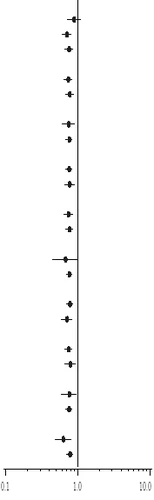
The reduction in the rate of cardiovascular hospitalizations or death from any cause was consistent across all patient subgroups, regardless of baseline patient characteristics or concomitant medications (ACE inhibitors or ARBs, beta-blockers, digitalis preparations, statins, calcium channel blockers, diuretics) (see Figure 1).
Figure 1. Relative risk estimate (dronedarone 400 mg twice daily versus placebo) with 95% confidence intervals according to selected baseline characteristics – first hospitalization due to cardiovascular causes or death from any cause.
| Characteristic |
Number |
HR [95% CI] (a) |
P-value (b) |
||
| Age (years) |
|
||||
| < 65 |
873 |
0.89 [0.71; 1.11] |
|||
| [65–75] |
1,830 |
0.71 [0.60; 0.83] |
|||
| ≥ 75 |
1,925 |
0.75 [0.65; 0.87] |
0.27 |
||
| Sex |
|||||
| Men |
2,459 |
0.74 [0.64; 0.85] |
|||
| Women |
2,169 |
0.77 [0.67; 0.89] |
0.65 |
||
| Atrial Fibrillation/Flutter Present |
|||||
| Yes |
1,155 |
0.74 [0.61; 0.91] |
|||
| No |
3,473 |
0.76 [0.68; 0.85] |
0.85 |
||
| Organic Heart Disease |
|||||
| Yes |
2,732 |
0.76 [0.67; 0.85] |
|||
| No |
1,853 |
0.77 [0.65; 0.92] |
0.85 |
||
| LVEF < 35% or NYHA ≥ Class I |
|||||
| Yes |
1,417 |
0.74 [0.63; 0.87] |
|||
| No |
3,146 |
0.77 [0.68; 0.87] |
0.71 |
||
| LVEF (%) |
|||||
| < 35 |
179 |
0.68 [0.44; 1.03] |
|||
| ≥ 35 |
4,365 |
0.76 [0.69; 0.84] |
0.58 |
||
| Beta-blockers |
|||||
| Yes |
3,269 |
0.78 [0.69; 0.87] |
|||
| No |
1,359 |
0.71 [0.58; 0.86] |
0.41 |
||
| ACE Inhibitors or Angiotensin II Receptor Blockers |
|||||
| Yes |
3,216 |
0.74 [0.66; 0.83] |
|||
| No |
1,412 |
0.79 [0.66; 0.95] |
0.59 |
||
| Cardiac Glycosides |
|||||
| Yes |
629 |
0.76 [0.59; 0.98] |
|||
| No |
3,999 |
0.76 [0.68; 0.84] |
0.96 |
||
| Calcium Channel Blockers (c) |
|||||
| Yes |
638 |
0.63 [0.48; 0.82] |
|||
| No |
3,990 |
0.78 [0.70; 0.87] |
0.15 |
||
| Dronedarone better / Placebo better |
|||||
(a) Determined by Cox regression model.
(b) P-value – interaction between baseline characteristics and treatment effects in the Cox regression model.
(c) Calcium channel blockers with heart rate-lowering effects are limited to diltiazem, verapamil, and bepridil.
Similar results were obtained regarding the number of hospitalizations due to cardiovascular diseases, with a 25.5% risk reduction (p < 0.0001).
During the study, the number of deaths from any cause was similar in the group receiving dronedarone (116/2,301) and in the placebo group (139/2,327).
Maintenance of sinus rhythm. The EURIDIS and ADONIS studies together included 1,237 patients with a previous documented episode of atrial fibrillation or atrial flutter, who were randomized in an outpatient setting to receive either dronedarone 400 mg twice daily (n = 828) or placebo (n = 409), in addition to standard medications (including oral anticoagulants, beta-blockers, ACE inhibitors or ARBs, long-term antiplatelet agents, diuretics, statins, digitalis preparations, and calcium channel blockers). Patients had experienced at least one documented ECG episode of atrial fibrillation/flutter within the previous 3 months and were in sinus rhythm for at least 1 hour; patients were followed for 12 months. In patients taking amiodarone, ECG was performed approximately 4 hours after the first dose to confirm adequate tolerability of treatment. Other antiarrhythmic drugs were discontinued for at least 5 elimination half-lives prior to the first dose of the study drug.
Study participants were aged 20 to 88 years, the majority being of Caucasian race (97%) and male gender (69%). The most common concomitant diseases were arterial hypertension (56.8%) and structural heart disease (41.5%), including ischemic heart disease (21.8%).
Based on combined data from the EURIDIS and ADONIS studies, as well as data from each individual study, dronedarone consistently delayed the occurrence of the first recurrent episode of atrial fibrillation/flutter (primary endpoint). Compared to placebo, dronedarone reduced the risk of the first recurrent episode of atrial fibrillation/flutter over the 12-month study period by 25% (p = 0.00007). The median time from randomization to the first recurrent episode of atrial fibrillation/flutter in the dronedarone group was 116 days, which was 2.2 times longer than in the placebo group (53 days).
In the DIONYSOS study, efficacy and safety of dronedarone (400 mg twice daily) were compared with amiodarone (600 mg daily for 28 days, followed by 200 mg daily), administered over 6 months. A total of 504 patients with documented AF were randomized into two groups: 249 patients received dronedarone and 255 received amiodarone. The rate of events for the primary efficacy endpoint—defined as the first recurrence of AF or premature discontinuation of the study drug due to intolerance or lack of efficacy—over 12 months was 75% in the dronedarone group and 59% in the amiodarone group (risk ratio (RR) = 1.59, log-rank p-value <0.0001). The risk of AF recurrence was 63.5% versus 42%, respectively. AF recurrences (including lack of rhythm conversion) occurred more frequently in the dronedarone group, whereas the rate of premature discontinuation due to drug intolerance was higher in the amiodarone group. The rate of events for the primary safety endpoint—defined as occurrence of specific adverse events involving the thyroid gland, liver, lungs, nervous system, skin, eyes, or gastrointestinal tract, or premature discontinuation due to any adverse event—was 20% lower in the dronedarone group compared to the amiodarone group (p=0.129). This risk reduction was driven by a statistically significant decrease in thyroid and nervous system events, a trend toward fewer skin and ocular events, and a lower rate of premature drug discontinuation compared to the amiodarone group.
In the dronedarone group, gastrointestinal adverse events occurred more frequently, primarily due to diarrhea (12.9% vs. 5.1%).
Patients with symptoms of heart failure at rest or with minimal exertion during the previous month, or patients who were hospitalized due to heart failure during the previous month. The ANDROMEDA study included 627 patients with left ventricular dysfunction who were hospitalized due to newly diagnosed heart failure or worsening of existing heart failure and had at least one episode of dyspnea with minimal physical exertion or at rest (NYHA functional class III or IV) or paroxysmal nocturnal dyspnea within the month prior to hospitalization.
This study was prematurely terminated due to observed differences in mortality rates with dronedarone treatment (25 patients in the dronedarone group vs. 12 in the placebo group, p = 0.027) (see sections «Contraindications» and «Special warnings and precautions for use»).
Patients with permanent atrial fibrillation.
The PALLAS study was a randomized, placebo-controlled trial evaluating the clinical benefit of dronedarone 400 mg twice daily added to standard therapy in patients with permanent AF and additional risk factors (heart failure ~9%, ischemic heart disease ~41%, prior stroke or TIA ~27%, LVEF ≤40% ~20.7%, and patients ≥75 years with hypertension and diabetes ~18%). The study was prematurely stopped after randomizing 3,149 patients (placebo=1,577; dronedarone=1,572) due to significant increases in heart failure events (placebo=33; dronedarone=80; RR=2.49 [1.66–3.74]), stroke [placebo=8; dronedarone=17; RR=2.14 (0.92–4.96)], and cardiovascular death [placebo=6; dronedarone=15; RR=2.53 (0.98–6.53)] (see sections «Contraindications» and «Special warnings and precautions for use»).
Pharmacokinetics.
Absorption. Dronedarone is well absorbed after oral administration with food (at least 70%). However, due to extensive presystemic "first-pass" metabolism, the absolute bioavailability of dronedarone (taken with food) is 15%. Concomitant food intake increases dronedarone bioavailability by an average of 2–4 times. After oral administration with food, peak plasma concentrations of dronedarone and its main active circulating metabolite (N-desbutyl metabolite) are reached within 3–6 hours. After repeated administration of 400 mg twice daily, steady-state is achieved within 4–8 days of treatment, and the mean accumulation ratio of dronedarone ranges from 2.6 to 4.5. The average Cmax of dronedarone at steady-state is 84–147 ng/mL; exposure to the main N-desbutyl metabolite is similar to that of the parent compound. The pharmacokinetics of dronedarone and its N-desbutyl metabolite change moderately with dose size: doubling the dose results in approximately a 2.5–3 fold increase in Cmax and AUC.
Distribution. In vitro, plasma protein binding of dronedarone and its N-desbutyl metabolite is 99.7% and 98.5%, respectively, and is non-saturable. Both compounds bind predominantly to albumin. After intravenous administration, the steady-state volume of distribution (Vss) ranges from 1,200 to 1,400 L.
Biotransformation. Dronedarone is extensively metabolized, primarily by the CYP3A4 enzyme (see section «Interaction with other medicinal products and other forms of interaction»). The main metabolic pathway is N-debutylation, forming the primary circulating active metabolite, followed by oxidation, oxidative deamination to form the inactive metabolite – propionic acid, and direct oxidation. Monoamine oxidases are partially involved in the metabolism of the active metabolite of dronedarone (see section «Interaction with other medicinal products and other forms of interaction»). The N-desbutyl metabolite exhibits pharmacodynamic activity but is 3–10 times less potent than dronedarone. This metabolite contributes to the pharmacological effect of dronedarone in humans.
Elimination. After oral administration of radiolabeled dronedarone, approximately 6% of the administered dose was excreted in urine, mainly as metabolites (unchanged parent compound was not detected in urine), and 84% was excreted in feces, primarily as metabolites. After intravenous administration, plasma clearance of dronedarone ranges from 130 to 150 L/h. The terminal half-life of dronedarone is approximately 25–30 hours, and that of its N-desbutyl metabolite is approximately 20–25 hours. After discontinuation of dronedarone 400 mg twice daily, complete elimination of dronedarone and its metabolite from plasma occurred within 2 weeks after the last dose.
Special patient populations. The pharmacokinetics of dronedarone in patients with AF are similar to those in healthy volunteers. Factors such as gender, age, and body weight influence dronedarone pharmacokinetics, but each of these factors has a limited effect.
Gender. Exposure to dronedarone and its N-desbutyl metabolite was on average 1.3–1.9 times higher in women compared to men.
Elderly patients. Among all participants in clinical studies of dronedarone, 73% were aged 65 years or older, and 34% were aged 75 years or older. In patients aged 65 years and older, dronedarone exposure was 23% higher compared to patients under 65 years.
Patients with hepatic impairment. In patients with moderate hepatic dysfunction, exposure to unbound dronedarone increases twofold. Exposure to its active metabolite decreases by 47% (see section «Dosage and administration»).
The effect of severe hepatic dysfunction on dronedarone pharmacokinetics has not been evaluated (see section «Contraindications»).
Patients with renal impairment. The effect of renal dysfunction on dronedarone pharmacokinetics has not been specifically evaluated in dedicated studies. Changes in dronedarone pharmacokinetics are not expected in renal dysfunction, as the unchanged compound is not excreted in urine at all, and only approximately 6% of the administered dose is excreted in urine as metabolites (see section «Dosage and administration»).
Preclinical safety data. Dronedarone showed no genotoxic effects based on results from one in vivo study (mouse micronucleus test) and four in vitro studies.
In these studies, increased incidences of mammary gland tumors in female mice, histiocytic sarcomas in mice, and hemangiomas in mesenteric lymph nodes in rats were observed, all only at the highest tested dose (corresponding to exposures 5–10 times higher than those achieved with the therapeutic dose in humans). Hemangiomas are not precancerous and do not transform into malignant hemangiosarcoma in either animals or humans. None of these findings were considered relevant to humans.
In chronic toxicity studies, a slight and reversible phospholipidosis (accumulation of foamy macrophages) was observed in mesenteric lymph nodes, primarily in rats. This effect was considered species-specific and not relevant to humans.
When administered at high doses in rats, dronedarone significantly affected embryofetal development, causing effects such as increased post-implantation embryo loss, reduced fetal and placental weight, and external, visceral, and skeletal developmental abnormalities in fetuses.
Clinical characteristics.
Indications. Multaq® is indicated for the maintenance of sinus rhythm after successful cardioversion in clinically stable adult patients with paroxysmal or persistent atrial fibrillation (AF). Due to its safety profile (see sections "Contraindications" and "Special precautions for use"), Multaq® should be prescribed only after consideration of alternative treatment approaches. Multaq® must not be administered to patients with left ventricular systolic dysfunction or to patients with heart failure or a history of heart failure episodes.
Contraindications.
Hypersensitivity to the active substance or to any of the excipients.
Second- or third-degree atrioventricular block, complete bundle-branch block, distal block, sinus node dysfunction, conduction disturbances in the atria, or sick sinus syndrome (except in patients with a functioning pacemaker).
Bradycardia <50 beats per minute.
Permanent atrial fibrillation (AF) with duration of AF ≥6 months (or of unknown duration), when the physician has decided to discontinue attempts to restore sinus rhythm.
Unstable hemodynamics.
Heart failure or history of left ventricular systolic dysfunction, or current heart failure.
Hepatic or pulmonary toxicity related to prior amiodarone use.
Concomitant use with strong inhibitors of cytochrome 450 (CYP) 3A4, such as ketoconazole, itraconazole, voriconazole, posaconazole, telithromycin, clarithromycin, nefazodone, and ritonavir (see section "Interaction with other medicinal products and other forms of interaction").
Medicinal products that may cause torsades de pointes tachycardia, such as phenothiazines, cisapride, bepridil, tricyclic antidepressants, terfenadine, and certain oral macrolides (e.g., erythromycin), as well as class I and III antiarrhythmic agents (see section "Interaction with other medicinal products and other forms of interaction").
QTc interval, calculated using Bazett’s formula: ≥500 ms.
Severe hepatic impairment.
Severe renal impairment (creatinine clearance <30 mL/min).
Concomitant use with dabigatran.
Interaction with other medicinal products and other forms of interaction.
Dronedarone is primarily metabolized by CYP 3A4 (see section "Pharmacokinetics"). Therefore, inhibitors and inducers of CYP 3A4 may interact with dronedarone.
Dronedarone is a moderate inhibitor of CYP 3A4, a weak inhibitor of CYP 2D6, and a potent inhibitor of P-glycoprotein (P-gp). Therefore, dronedarone may interact with medicinal products that are substrates of P-glycoprotein, CYP 3A4, or CYP 2D6. In vitro studies have also demonstrated that dronedarone and/or its metabolites inhibit organic anion transporter (OAT), organic anion transporting polypeptide (OATP), and organic cation transporter (OCT) families of transporter proteins. Dronedarone does not exhibit any significant potential to inhibit CYP 1A2, CYP 2C9, CYP 2C19, CYP 2C8, or CYP 2B6.
Pharmacodynamic interactions of the drug with beta-blockers, calcium channel blockers, and digitalis preparations are possible.
Medicinal products that may induce torsades de pointes. Medicinal products that may promote the development of torsades de pointes, such as phenothiazines, cisapride, bepridil, tricyclic antidepressants, certain oral macrolides (e.g., erythromycin), terfenadine, and class I and III antiarrhythmic agents, are contraindicated due to the potential risk of proarrhythmic effects (see section "Contraindications"). Caution should also be exercised when co-administering the drug with beta-blockers or digoxin.
Effect of other medicinal products on Multaq®.
Strong inhibitors of CYP 3A4 enzyme. Repeated administration of ketoconazole 200 mg once daily increased dronedarone exposure by 17-fold. Therefore, concomitant use of ketoconazole and other strong inhibitors of CYP 3A4 enzyme, such as itraconazole, voriconazole, posaconazole, ritonavir, telithromycin, clarithromycin, or nefazodone, is contraindicated (see section "Contraindications").
Moderate/weak inhibitors of CYP 3A4 enzyme.
Erythromycin. Erythromycin, an oral macrolide, may induce torsades de pointes and is therefore contraindicated (see section "Contraindications"). Repeated doses of erythromycin (500 mg three times daily for 10 days) increased steady-state dronedarone exposure by 3.8-fold.
Calcium channel blockers. Calcium channel blockers such as diltiazem and verapamil are substrates and/or moderate inhibitors of CYP 3A4 enzyme. Additionally, due to their properties of reducing heart rate, verapamil and diltiazem may interact pharmacodynamically with dronedarone.
Repeated administration of diltiazem (240 mg twice daily), verapamil (240 mg once daily), and nifedipine (20 mg twice daily) increased dronedarone exposure by 1.7-, 1.4-, and 1.2-fold, respectively. Dronedarone (400 mg twice daily) also increased exposure to calcium channel blockers (verapamil by 1.4-fold and nisoldipine by 1.5-fold). In clinical trials, 13% of patients received calcium channel blockers concomitantly with dronedarone. No increase in the risk of arterial hypotension, bradycardia, or heart failure was observed.
Overall, due to pharmacokinetic and potential pharmacodynamic interactions, calcium channel blockers that suppress sinus and atrioventricular node function, such as verapamil and diltiazem, should be used with caution when combined with dronedarone. These medicinal products should be initiated at low doses, which may be increased by titration only after ECG assessment. Patients already receiving calcium channel blockers at the initiation of dronedarone therapy should undergo ECG monitoring and, if necessary, calcium channel blocker dosage adjustment (see section "Special precautions for use").
Other moderate/weak inhibitors of CYP 3A4 enzyme. Other moderate inhibitors of CYP 3A4 enzyme may also increase dronedarone exposure.
Inducers of CYP 3A4 enzyme. Rifampicin (600 mg once daily) reduced dronedarone exposure by 80%, without significantly affecting exposure to its active metabolite. Therefore, concomitant use of rifampicin and other strong inducers of CYP 3A4 enzyme, such as phenobarbital, carbamazepine, phenytoin, or St. John’s wort, is not recommended, as they reduce dronedarone exposure.
Monoamine oxidase inhibitors (MAO). In vitro studies have shown that MAO inhibitors affect the metabolism of the active metabolite of dronedarone. The clinical significance of these data is unknown (see sections "Special precautions for use" and "Pharmacokinetics").
Effect of Multaq® on other medicinal products.
Interaction with medicinal products metabolized by CYP 3A4 enzyme.
Dabigatran. When dabigatran etexilate 150 mg once daily was administered concomitantly with dronedarone 400 mg twice daily, AUC0–24 and Cmax of dabigatran increased by 100% and 70%, respectively. There are no clinical data on concomitant use of these agents in patients with AF. Concomitant use of these agents is contraindicated (see section "Contraindications").
Statins. Dronedarone may increase exposure to statins that are substrates of CYP 3A4 enzyme and/or P-gp. Dronedarone (400 mg twice daily) increased exposure to simvastatin and simvastatin acid by 4- and 2-fold, respectively. It is expected that dronedarone may increase exposure to lovastatin to a similar extent as simvastatin acid. A weak interaction between dronedarone and atorvastatin was observed (resulting in a 1.7-fold increase in atorvastatin exposure on average). A weak interaction between dronedarone and statins transported by OATP, such as rosuvastatin, was also observed (resulting in a 1.4-fold increase in rosuvastatin exposure on average).
In clinical studies, there was no evidence of risk associated with concomitant use of dronedarone and statins metabolized by CYP 3A4. However, spontaneous reports have documented cases of rhabdomyolysis when dronedarone was used in combination with statins (particularly simvastatin). Therefore, statins should be prescribed with caution when used concomitantly with this drug.
Lower initial and maintenance doses of statins are recommended according to the instructions for their use, and patients should be monitored for clinical signs of muscle toxicity (see section "Special precautions for use").
Calcium channel blockers. Interaction of dronedarone with calcium channel blockers is described above (see section "Special precautions for use").
Immunosuppressants. Dronedarone may increase plasma concentrations of immunosuppressants (tacrolimus, sirolimus, everolimus, and cyclosporine). When used concomitantly with dronedarone, monitoring of their plasma concentrations and appropriate dose adjustment are recommended.
Oral contraceptives. In healthy volunteers receiving dronedarone (800 mg twice daily) concomitantly with oral contraceptives, no reduction in ethinylestradiol and levonorgestrel levels was observed.
Interaction with medicinal products metabolized by CYP 2D6 enzyme.
Beta-blockers. Sotalol must be discontinued prior to initiation of Multaq® (see sections "Contraindications" and "Dosage and administration"). Dronedarone may increase exposure to beta-blockers metabolized by CYP 2D6. Additionally, beta-blockers may interact pharmacodynamically with dronedarone. Dronedarone 800 mg daily increased exposure to metoprolol by 1.6-fold and to propranolol by 1.3-fold (i.e., much less than the 6-fold difference observed between poor and extensive metabolizers of CYP 2D6). In clinical studies, bradycardia was more frequently observed when dronedarone was used concomitantly with beta-blockers.
Overall, due to pharmacokinetic and potential pharmacodynamic interactions, beta-blockers should be used with caution when combined with dronedarone. These medicinal products should be initiated at low doses, which may be increased by titration only after ECG assessment. Patients already receiving beta-blockers at the initiation of dronedarone therapy should undergo ECG monitoring and, if necessary, beta-blocker dosage adjustment (see section "Special precautions for use").
Antidepressants. Since dronedarone is a weak inhibitor of CYP 2D6 in humans, its interaction with antidepressant medicinal products metabolized by CYP 2D6 is expected to be limited.
Interaction with P-gp substrates.
Digoxin. Dronedarone (400 mg twice daily) increased digoxin exposure by 2.5-fold due to inhibition of the P-gp transporter. Additionally, digitalis preparations may interact pharmacodynamically with dronedarone. A synergistic effect on heart rate and atrioventricular conduction is possible. In clinical studies, when dronedarone was used concomitantly with digitalis preparations, increased serum levels of digitalis and/or increased frequency of gastrointestinal disturbances were observed, indicating digitalis toxicity.
The digoxin dose should be reduced by approximately 50%, careful monitoring of serum digoxin levels is required, and clinical and ECG monitoring are recommended.
Interaction with medicinal products metabolized by CYP 3A4 and P-gp.
Rivaroxaban. Dronedarone is likely to increase the effect of rivaroxaban (a substrate of CYP 3A4 and P-gp); therefore, concomitant use may increase the risk of bleeding. Concomitant use of rivaroxaban and dronedarone is not recommended.
Apixaban. Dronedarone may increase the effect of apixaban (a substrate of CYP 3A4 and P-gp). However, when used concomitantly with agents that are not strong inhibitors of both CYP 3A4 and P-gp, such as dronedarone, dose adjustment of apixaban is not required.
Edoxaban. In vivo studies have shown increased exposure to edoxaban (a substrate of CYP 3A4 and P-gp) when administered with dronedarone. The dose of edoxaban should be reduced according to the recommendations provided in the edoxaban product information.
Interaction with warfarin and losartan (substrates of CYP 2C9 enzyme).
Warfarin and other vitamin K antagonists. Dronedarone (600 mg twice daily) increased S-warfarin levels by 1.2-fold, without affecting R-warfarin levels, and the international normalized ratio (INR) increased by only 1.07-fold.
However, cases of clinically significant INR increases (≥5-fold) have been reported, typically observed within 1 week after initiation of dronedarone in patients receiving oral anticoagulants. Therefore, INR values must be closely monitored after initiation of dronedarone in patients receiving vitamin K antagonists.
Losartan and other angiotensin II receptor blockers (ARBs). No interaction between dronedarone and losartan was observed, and no interaction is expected between dronedarone and other ARBs.
Interaction with theophylline (a substrate of CYP 1A2 enzyme). Dronedarone 400 mg twice daily did not increase steady-state theophylline exposure.
Interaction with metformin (a substrate of OCT1 and OCT2). No interaction between dronedarone and metformin, a substrate of OCT1 and OCT2, was observed.
Interaction with omeprazole (a substrate of CYP 2C19 enzyme). Dronedarone did not affect the pharmacokinetics of omeprazole, a substrate of CYP 2C19 enzyme.
Interaction with clopidogrel. Dronedarone did not affect the pharmacokinetics of clopidogrel or its active metabolite.
Other information.
Pantoprazole (40 mg once daily), a medicinal product that increases gastric juice acidity without affecting cytochrome P450, did not have any significant effect on dronedarone pharmacokinetics.
Grapefruit juice (an inhibitor of CYP 3A4 enzyme). Repeated intake of grapefruit juice (300 mL three times daily) increased dronedarone exposure by 3-fold. Therefore, patients should be advised to avoid consuming grapefruit juice-containing beverages during dronedarone therapy (see section "Special precautions for use").
Special precautions for use.
Careful monitoring through regular assessment of heart, liver, and lung function is recommended during administration of dronedarone (see below). In case of atrial fibrillation (AF) recurrence, discontinuation of dronedarone should be considered. Treatment with dronedarone should be discontinued if the patient develops any condition that may lead to a contraindication (see section "Contraindications"). Monitoring is required when dronedarone is used concomitantly with agents such as digoxin and anticoagulants.
Patients who develop permanent AF during treatment. A clinical trial involving patients with permanent AF (with AF duration of at least 6 months) and risk factors for cardiovascular disease was prematurely terminated due to excess mortality from cardiovascular causes, stroke, and heart failure in patients receiving Multaq® (see section "Pharmacodynamics"). It is recommended to perform ECG monitoring regularly, at least once every 6 months. If permanent AF develops in patients receiving Multaq®, Multaq® should be discontinued.
Patients with current or past history of heart failure or left ventricular systolic dysfunction. Multaq® is contraindicated in patients with unstable hemodynamics, heart failure, or left ventricular systolic dysfunction, current or past (see section "Contraindications").
Patients should be carefully evaluated for symptoms of congestive heart failure. Spontaneous reports of new-onset or worsening heart failure have been reported during treatment with Multaq®. Patients should be advised to consult their physician if they develop or experience signs or symptoms of heart failure, such as weight gain, peripheral edema, or worsening dyspnea. If heart failure develops, treatment with Multaq® should be discontinued.
Patients should be monitored for the development of left ventricular systolic dysfunction during treatment. If left ventricular systolic dysfunction occurs, treatment with Multaq® should be discontinued.
Patients with ischemic heart disease. Dronedarone should be used with caution in patients with ischemic heart disease.
Elderly patients. Dronedarone should be used with caution in elderly patients (aged 75 years and older) with multiple comorbidities (see section "Dosage and administration" and "Pharmacodynamic properties").
Hepatic impairment. Cases of hepatocellular liver injury, including life-threatening acute liver failure, have been reported during the post-marketing period in patients receiving Multaq®. Liver function tests should be assessed before initiating dronedarone, then at 1 week and 1 month after starting treatment, followed by monthly monitoring for 6 months, at months 9 and 12, and periodically thereafter. If alanine aminotransferase (ALT) levels are three times or more above the upper limit of normal (ULN), ALT levels should be rechecked within 48–72 hours. If the repeat test confirms ALT levels ≥3 times ULN, treatment with dronedarone should be discontinued. These patients should continue appropriate monitoring and close follow-up until ALT levels normalize.
Patients should be instructed to immediately inform their physician of any symptoms suggestive of possible liver injury (persistent, newly occurring abdominal pain; loss of appetite, nausea, vomiting, fever, malaise, fatigue, jaundice, dark urine, or pruritus).
Elevation of plasma creatinine levels. An increase in plasma creatinine levels (mean increase of 10 µmol/L) has been observed in healthy volunteers and patients receiving 400 mg dronedarone twice daily. In most patients, this increase occurs soon after initiation of treatment and creatinine levels reach a plateau within 7 days. It is recommended to measure plasma creatinine levels before initiating dronedarone and again 7 days after starting treatment. If an increase in creatininemia is observed, serum creatinine levels should be re-evaluated 7 days later. If no further increase in serum creatinine is observed, this elevated value should be used as the new baseline creatinine level for the patient, recognizing that this is an expected effect of dronedarone. If serum creatinine levels continue to rise, further diagnostic evaluation and discontinuation of the drug should be considered.
Elevated creatinine levels should not necessarily lead to discontinuation of angiotensin-converting enzyme (ACE) inhibitors or angiotensin II receptor blockers (ARBs).
More pronounced increases in creatinine levels have been reported during the post-marketing period after initiation of dronedarone. In some cases, increased blood urea nitrogen (BUN) levels have also been reported, possibly due to hypoperfusion secondary to heart failure development (prerenal azotemia). In such cases, treatment with dronedarone should be discontinued (see sections "Contraindications" and "Special precautions for use"). Periodic monitoring of renal function is recommended, and further investigations should be considered as needed.
Electrolyte imbalances. Since antiarrhythmic drugs may be ineffective or have arrhythmogenic effects in patients with hypokalemia, any potassium or magnesium deficiency should be corrected before and during treatment with dronedarone.
QT interval prolongation. The pharmacological action of dronedarone may cause a mild increase in the QTc interval (approximately 10 ms) using Bazett's formula, related to prolonged repolarization time. These changes are associated with the therapeutic effect of dronedarone and do not reflect its toxicity. Monitoring, including ECG (electrocardiography), is recommended during treatment. If the QTc interval using Bazett's formula reaches or exceeds 500 ms, dronedarone administration should be discontinued (see section "Contraindications").
Based on clinical experience, dronedarone has minimal proarrhythmic potential, and in the ATHENA study, a reduction in arrhythmia-related mortality was observed during treatment (see section "Pharmacodynamics").
However, proarrhythmic effects may occur in certain situations, such as concomitant use with drugs that promote arrhythmia and/or electrolyte imbalances (see sections "Special precautions for use" and "Interaction with other medicinal products and other forms of interaction").
Respiratory, thoracic, and mediastinal disorders. Cases of interstitial lung disease, including pneumonitis and pulmonary fibrosis, have been reported during the post-marketing period. The onset of dyspnea and non-productive cough may be related to drug-induced lung toxicity, and such patients require careful clinical evaluation. If drug-induced lung toxicity is confirmed, the drug should be discontinued.
Interactions (see section "Interaction with other medicinal products and other forms of interaction").
Digoxin. Administration of dronedarone to patients taking digoxin leads to increased plasma digoxin concentrations and may therefore enhance symptoms and signs associated with digoxin toxicity. Clinical, ECG, and biological monitoring is recommended, and the digoxin dose should be halved. A synergistic effect of these drugs on heart rate and atrioventricular conduction is also possible.
Concomitant use of beta-blockers or calcium channel blockers, which suppress sinus and atrioventricular node function, should be performed with caution. Initiation of these drugs should begin with low doses, which may be increased by titration only after ECG assessment. Patients already receiving calcium channel blockers or beta-blockers at the start of dronedarone therapy should undergo ECG monitoring and dose adjustment if necessary.
Anticoagulants. According to clinical guidelines for AF management, patients require appropriate anticoagulant therapy. After initiating dronedarone in patients taking vitamin K antagonists, careful monitoring of the international normalized ratio (INR) is required, as specified in the instructions for these agents.
The use of strong CYP3A4 inducers such as rifampicin, phenobarbital, carbamazepine, phenytoin, or St. John’s wort is not recommended.
Monoamine oxidase inhibitors may reduce the clearance of the active metabolite of dronedarone and should therefore be used with caution.
Statins should be used with caution. Low initial and maintenance doses of statins are recommended, and patients should be monitored for clinical signs of muscle toxicity.
Patients should be warned against consuming grapefruit juice during dronedarone therapy.
Patients with galactose intolerance. Due to the presence of lactose in this medicinal product, the drug should not be administered to patients with rare hereditary disorders such as galactose intolerance, Lapp lactase deficiency, or glucose-galactose malabsorption.
Use during pregnancy or breastfeeding.
Pregnancy. There are currently no adequate data on the use of dronedarone in pregnant women. Animal studies have demonstrated toxicity to reproductive function (teratogenicity in animals). Therefore, dronedarone is contraindicated in pregnant women.
Pregnancy testing
Before a woman of childbearing potential starts taking Multaq®, it must be confirmed that she is not pregnant.
Contraception
Women of childbearing potential should use effective contraceptive methods during treatment with dronedarone and for 7 days after the last dose.
Breastfeeding. It is unknown whether dronedarone and its metabolites are excreted in human breast milk. Available pharmacodynamic/toxicological animal data show the presence of dronedarone and its metabolites in milk. A risk to newborns/infants cannot be excluded. Women should be advised to avoid breastfeeding during treatment with Multaq® and for 7 days (approximately 5 elimination half-lives of the drug) after the last dose. The decision to discontinue breastfeeding or to discontinue/abstain from treatment with Multaq® should be made considering the benefits of breastfeeding for the child and the necessity of treatment for the woman.
Fertility. Dronedarone did not affect fertility in animal studies.
Ability to influence the speed of reactions while driving or operating machinery. The effect of Multaq® on the ability to drive or operate machinery is absent or negligible. However, adverse reactions such as increased fatigue may affect the ability to drive or operate machinery.
Method of Administration and Dosage
Treatment should be initiated and conducted only under the supervision of a specialist (see section "Special Precautions").
Treatment with Multaq® may be initiated in an outpatient setting.
Before starting treatment with Multaq®, antiarrhythmic drugs of class I or III (flecainide, propafenone, quinidine, disopyramide, dofetilide, sotalol, amiodarone) should be discontinued.
Data on the optimal timing for switching from amiodarone to Multaq® are currently limited. It should be noted that the effect of amiodarone may persist for a prolonged period after discontinuation due to its long half-life. If switching to Multaq® is planned, it should be done under the supervision of a specialist (see sections "Contraindications" and "Pharmacodynamics").
The recommended dose for adults is 400 mg twice daily. Take 1 tablet in the morning and 1 tablet in the evening with food.
The tablet should be swallowed whole with water. The tablet must not be split into two equal doses.
Do not take Multaq® tablets with grapefruit juice (see section "Interaction with Other Medicinal Products and Other Forms of Interaction").
If a dose is missed, patients should take the next dose according to the prescribed schedule; the dose should not be doubled.
Elderly patients. Efficacy and safety of the medicinal product in elderly patients without other cardiovascular diseases were similar to those in younger patients.
The drug should be prescribed with caution to patients aged 75 years and older who have concomitant diseases (see sections "Contraindications", "Special Precautions" and "Pharmacodynamics"). Although in a pharmacokinetic study involving healthy volunteers, exposure to the drug in plasma was increased in elderly women, dose adjustment is not considered necessary (see sections "Pharmacodynamics" and "Pharmacokinetics").
Hepatic impairment. Multaq® is contraindicated in patients with severe hepatic impairment due to lack of relevant data. Dose adjustment is not required in patients with mild or moderate hepatic impairment (see section "Pharmacokinetics").
Renal impairment. Multaq® is contraindicated in patients with severe renal impairment (creatinine clearance (CrCl) <30 mL/min) (see section "Contraindications"). Dose adjustment is not required in patients with other forms of renal impairment (see sections "Special Precautions" and "Pharmacokinetics").
Children. There is no experience with use in children and adolescents (under 18 years of age). Appropriate data are lacking.
Overdose.
It is unknown whether dronedarone and/or its metabolites can be eliminated by dialysis (hemodialysis, peritoneal dialysis, or hemofiltration).
There is no specific antidote. In case of overdose, treatment should be symptomatic and supportive.
Adverse reactions
The safety profile of dronedarone at a dose of 400 mg twice daily in patients with atrial fibrillation (AF) or atrial flutter (AFL) was established in five placebo-controlled studies. A total of 6285 patients were randomized and received treatment, of whom 3282 were treated with dronedarone 400 mg twice daily and 2875 received placebo. The median duration of treatment in these studies was 13 months. In the ATHENA study, the maximum follow-up period was 30 months. Some adverse reactions were also identified during post-marketing surveillance.
An assessment of the influence of patient characteristics such as sex or age on the frequency of treatment-emergent adverse events showed an effect of sex (increased risk in females) on the frequency of any adverse events and serious adverse events.
During clinical trials, treatment was prematurely discontinued due to adverse reactions in 11.8% of patients receiving dronedarone and 7.7% of patients in the placebo group. The most common reason for discontinuation of Multaq® therapy was gastrointestinal disorders (3.2% of patients vs. 1.8% in the placebo group). Across all five studies, the most frequently observed adverse effects during treatment with dronedarone 400 mg twice daily were diarrhea, nausea and vomiting, increased fatigue, and asthenia.
The table below presents adverse reactions classified by system organ classes. The frequency of occurrence is defined as very common (≥ 1/10), common (≥ 1/100, < 1/10), uncommon (≥ 1/1000, < 1/100), rare (≥ 1/10000, < 1/1000), very rare (< 1/10000), and not known (cannot be estimated due to lack of data). Within each frequency category, adverse effects are listed in order of decreasing severity.
| System organ class |
Very common (≥ 1/10) |
Common (from ≥ 1/100 to < 1/10) |
Uncommon (from ≥ 1/1000 to < 1/100) |
Rare (from ≥ 1/10000 to < 1/1000) |
| Immune system disorders |
Anaphylactic reactions, including angioedema |
|||
| Nervous system disorders |
Dysgeusia |
Ageusia |
||
| Cardiac disorders |
Heart failure (see below) |
Bradycardia (see sections "Contraindications" and "Special precautions") |
||
| Vascular disorders |
Vasculitis, including leukocytoclastic vasculitis |
|||
| Respiratory, thoracic and mediastinal disorders |
Interstitial lung disease, including pneumonitis and pulmonary fibrosis (see below) |
|||
| Gastrointestinal disorders |
Diarrhea Vomiting Nausea Abdominal pain Dyspepsia |
|||
| Hepatobiliary disorders |
Abnormal liver function tests |
Hepatocellular liver injury, including life-threatening acute liver failure (see section "Special precautions") |
||
| Skin and subcutaneous tissue disorders |
Rash (including generalized, macular, maculopapular) Pruritus |
Erythema (including erythema and erythematous rashes) Exposure Photosensitivity reactions Allergic dermatitis Dermatitis |
||
| General disorders and administration site conditions |
Increased fatigue Asthenia |
|||
| Investigations |
Increased blood creatinine levels* QTc interval prolongation by Bazett's formula# |
*Increased blood creatinine levels ≥ 10% within 5 days after initiation of treatment (see section "Special precautions").
#Prolongation of the QTc interval, calculated by Bazett’s formula (> 450 ms in males and > 470 ms in females) (see section "Special precautions").
Description of selected adverse reactions. In 5 placebo-controlled studies, congestive heart failure occurred at a frequency similar to that in the placebo group (very common; 11.2% and 10.9%, respectively). This finding should be interpreted in the context of the generally increased incidence of congestive heart failure in patients with atrial fibrillation. Cases of congestive heart failure have also been reported from post-marketing surveillance (frequency unknown) (see section "Special precautions").
During 5 placebo-controlled studies, pulmonary adverse events were observed in 0.6% of patients in the dronedarone group compared to 0.8% in the placebo group. Cases of interstitial lung disease, including pneumonitis and pulmonary fibrosis, have been reported from post-marketing surveillance (frequency unknown). Some of these patients had previously received amiodarone (see section "Special precautions").
Reporting of suspected adverse reactions.
Reporting suspected adverse reactions after medicine authorization is important. It allows continuous monitoring of the benefit-risk balance of the medicine. Healthcare professionals and patients, or their legal representatives, should report any suspected adverse reactions and lack of efficacy through the automated pharmacovigilance information system at the following link: https://aisf.dec.gov.ua.
Shelf life. 3 years.
Storage conditions. Keep out of reach and sight of children. Store in the original packaging at temperatures below 30 °C.
Packaging. No. 60 (10×6): 10 tablets in a blister; 6 blisters in a cardboard box.
Prescription status. Prescription only.
Manufacturer.
SANOFI WINTHROP INDUSTRIE.
Manufacturer’s address.
1 rue de la Vierge Ambarès et Lagrave, 33565 CARBON BLANC CEDEX, France.
Marketing Authorization Holder.
LLC "Sanofi-Aventis Ukraine", Ukraine.
Address of the Marketing Authorization Holder. 48-50A, Zhyljanska St., Kyiv, 01033, Ukraine
The original data is available in the language of the country of manufacture.
Data source: State Register of Medicinal Products of Ukraine
Data last verified: August 13, 2026