LOPERAMIDE
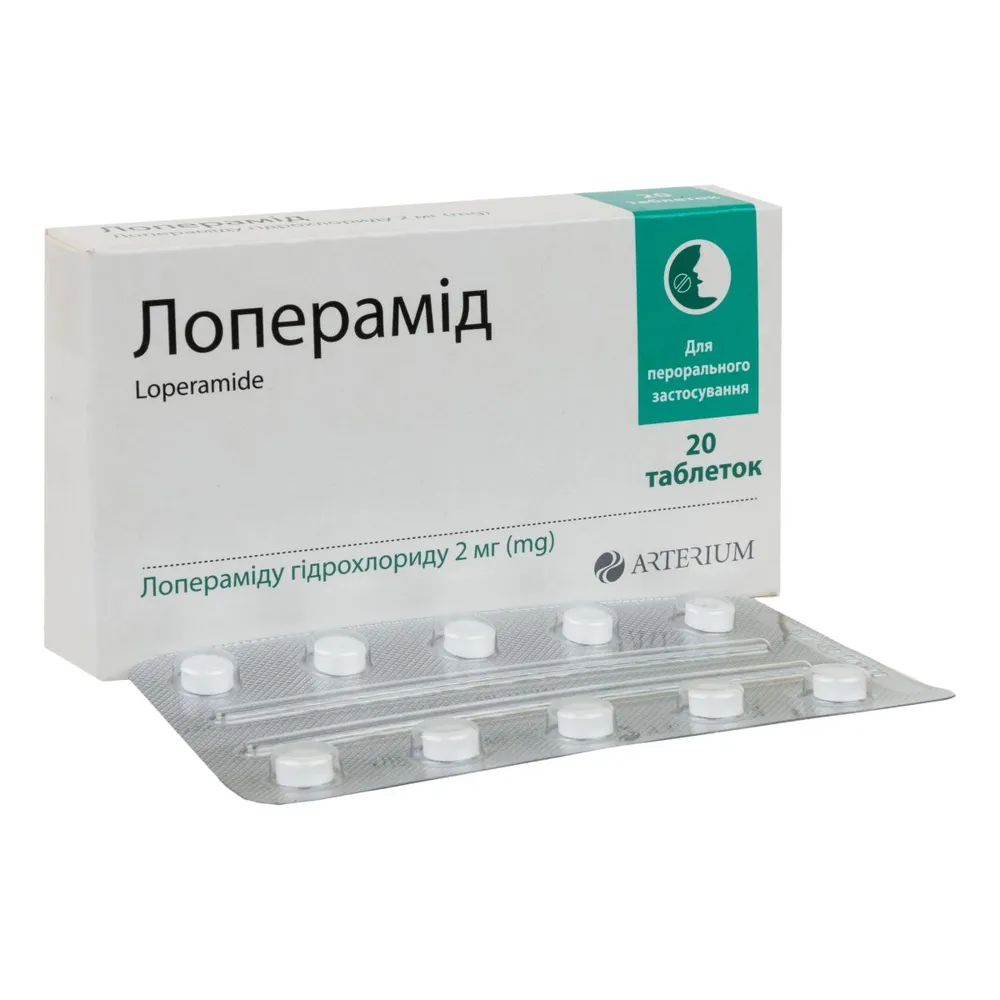
UkraineThe drug is used for the symptomatic treatment of acute diarrhea in adults and children aged 12 years and older. It is also used to treat acute episodes of diarrhea caused by irritable bowel syndrome in adults (from 18 years old) after a diagnosis has been established by a doctor.
Frequently asked questions
How should Loperamide be taken correctly?
Tablets should be swallowed whole, without chewing, and taken with water. For acute diarrhea, the initial dose is 2 tablets (4 mg), followed by 1 tablet (2 mg) after each loose stool. The maximum daily dose should not exceed 6 tablets (12 mg).
Who should not take this drug?
Loperamide is contraindicated in children under 12 years of age, people with hypersensitivity to its components, as well as patients with acute dysentery (with blood in the stool and fever), acute ulcerative or pseudomembranous colitis, and bacterial enterocolitis (Salmonella, Shigella, Campylobacter). The drug should also not be used in cases of lactose intolerance.
What side effects can Loperamide cause?
The most common side effects may include headache, constipation, abdominal bloating, or nausea. Dizziness, dry mouth, vomiting, and skin rashes are also possible. In very rare cases, serious complications such as intestinal obstruction, urinary retention, or cardiac disturbances may occur.
Can the drug be taken with other medicines?
Some drugs may affect the blood levels of Loperamide, specifically itraconazole, ketoconazole, ritonavir, quinidine, and gemfibrozil. Children should not take drugs that depress the central nervous system simultaneously. Additionally, medicinal products that accelerate the passage of food through the intestines may reduce the efficacy of the drug.
When should you seek medical attention immediately?
You must stop taking the medication and consult a doctor if no improvement is observed within 48 hours, if constipation, abdominal bloating, or signs of intestinal obstruction occur, or if diarrhea symptoms persist for more than 2 weeks.
Instructions for use
INSTRUCTION FOR MEDICAL USE OF THE MEDICINAL PRODUCT LOOPERAMIDE (Loperamide)
Composition:
Active substance: loperamide hydrochloride;
1 tablet contains loperamide hydrochloride calculated as 100% substance – 2 mg;
Excipients: lactose monohydrate; potato starch; calcium stearate.
Pharmaceutical form. Tablets.
Main physicochemical characteristics: white or almost white tablets, round-shaped, with flat surface, bevelled edges.
Pharmacotherapeutic group. Drugs that inhibit peristalsis.
ATC code A07DA03.
Pharmacological properties.
Pharmacodynamics.
Loperamide hydrochloride binds to opioid receptors in the intestinal wall, thereby inhibiting the release of acetylcholine and prostaglandins. In this way, loperamide slows propulsive peristalsis in the intestine and increases the transit time of intestinal contents through the gastrointestinal tract, as well as enhancing the intestinal wall's ability to absorb fluid.
Loperamide hydrochloride increases the tone of the anal sphincter, thereby reducing fecal incontinence and the urge to defecate.
Pharmacokinetics.
Absorption: the majority of orally administered loperamide is absorbed from the intestine, but due to extensive first-pass metabolism, systemic bioavailability is approximately only 0.3%.
Distribution: data indicate high affinity of loperamide for the intestinal wall, with predominant binding to receptors in the longitudinal muscle layer in rats. Loperamide protein binding is 95%, primarily to albumin. Evidence suggests that loperamide is a substrate for P-glycoprotein.
Metabolism: loperamide is almost completely extracted by the liver, where it is predominantly metabolized, conjugated, and excreted into bile. Oxidative N-demethylation is the main metabolic pathway of loperamide, a process primarily mediated by CYP3A4 and CYP2C8 isoenzymes. Due to this very extensive first-pass hepatic effect, plasma concentrations of unchanged drug remain very low.
Elimination: the elimination half-life of loperamide in humans is approximately 11 hours, with a range of 9–14 hours. Excretion of unchanged loperamide and its metabolites occurs primarily via feces.
Pediatric patient population: information on pharmacokinetic parameters in pediatric patients is lacking. The pharmacokinetic behavior of loperamide and drug interactions with loperamide are expected to be similar to those observed in adults.
Clinical characteristics.
Indications.
Symptomatic treatment of acute diarrhoea in adults and children aged 12 years and older.
Symptomatic treatment of acute episodes of diarrhoea associated with irritable bowel syndrome in adults aged 18 years and older, after initial diagnosis has been established by a physician.
Contraindications.
Loperamide is contraindicated:
- in patients with known hypersensitivity to loperamide hydrochloride or to any of the excipients;
- in children under 12 years of age;
- in patients with acute dysentery characterized by the presence of blood in stools and high fever;
- in patients with acute ulcerative colitis or antibiotic-associated pseudomembranous colitis;
- in patients with bacterial enterocolitis caused by Salmonella, Shigella, and Campylobacter species.
Loperamide should not be used when inhibition of peristalsis must be avoided, due to the risk of developing serious complications, including intestinal obstruction, megacolon, and toxic megacolon.
The drug should be discontinued immediately if constipation, abdominal distension, or intestinal obstruction develops.
Interaction with other medicinal products and other forms of interaction.
There are data on interactions between loperamide and medicinal products with similar pharmacological properties. Medicinal products with central nervous system (CNS) depressant effects should not be used concomitantly with loperamide in children.
Loperamide is considered a substrate of P-glycoprotein. Concomitant administration of loperamide (at a dose of 16 mg) with P-glycoprotein inhibitors (e.g., quinidine, ritonavir) has resulted in a 2- to 3-fold increase in plasma loperamide concentrations. The clinical significance of this pharmacokinetic interaction when loperamide is used at recommended doses is unknown.
Concomitant administration of loperamide (4 mg single dose) and itraconazole, an inhibitor of CYP3A4 and P-glycoprotein, resulted in a 3- to 4-fold increase in loperamide plasma concentrations. The CYP2C8 inhibitor gemfibrozil increases loperamide exposure approximately 2-fold. Combined administration of itraconazole and gemfibrozil leads to a 4-fold increase in maximum plasma concentration and a 13-fold increase in total plasma exposure of loperamide. This increase was not associated with effects on the central nervous system (CNS), as assessed by psychomotor tests (i.e., subjective drowsiness and digit symbol substitution test).
Concomitant administration of loperamide (16 mg single dose) and ketoconazole, an inhibitor of CYP3A4 and P-glycoprotein, resulted in a 5-fold increase in loperamide plasma concentration. This increase was not associated with an increase in pharmacodynamic effects, as assessed by pupillometry.
Concomitant administration of orally administered desmopressin resulted in a 3-fold increase in desmopressin plasma concentration, likely due to slower gastrointestinal motility.
Medicinal products with similar pharmacological properties are expected to potentiate the effects of loperamide, while medicinal products that accelerate gastrointestinal transit may reduce its efficacy.
Special precautions for use.
Treatment of diarrhoea is symptomatic. If the aetiology of the disease can be determined (or if it is indicated that this should be done), specific treatment should be carried out whenever possible.
In patients with diarrhoea, especially in children, debilitated patients, and elderly individuals, dehydration and electrolyte imbalance may occur. In such cases, the most important measure is replacement therapy to replenish fluids and electrolytes.
Use of this medicinal product does not replace the need for administration of adequate fluid and restoration of electrolytes.
Since persistent diarrhoea may indicate potentially more serious conditions, the medicinal product should not be used for prolonged periods until the cause of diarrhoea has been established.
In acute diarrhoea, if no clinical improvement is observed within 48 hours, treatment with loperamide hydrochloride should be discontinued and medical advice sought.
Patients with acquired immunodeficiency syndrome (AIDS) who are taking loperamide for diarrhoea must immediately discontinue treatment at the first signs of abdominal distension. Cases of intestinal obstruction with an increased risk of toxic megacolon have been reported in AIDS patients with infectious colitis of both viral and bacterial origin during treatment with loperamide.
Abuse or misuse of loperamide as an opioid substitute has been described in individuals with opioid dependence.
Although pharmacokinetic data in patients with impaired hepatic function are lacking, loperamide should be used with caution in such patients due to reduced first-pass metabolism. This medicinal product should be prescribed cautiously to patients with hepatic impairment, as it may lead to relative overdosage, potentially causing toxic effects on the central nervous system (CNS).
Medicinal products that prolong intestinal transit time may lead to the development of toxic megacolon in patients in this group.
Due to the rapid metabolism of loperamide and the excretion of loperamide and its metabolites in faeces, dose adjustment is generally not required in patients with impaired renal function.
Since the product contains lactose, it should not be administered to patients with rare hereditary forms of galactose intolerance, Lapp lactase deficiency, or glucose-galactose malabsorption syndrome.
Loperamide is not typically associated with significant cardiovascular complications within the therapeutic concentration range. However, when these levels are substantially exceeded (up to 47-fold), loperamide has demonstrated cardiovascular complications, including inhibition of potassium (hERG) and sodium currents, and arrhythmias in in vivo and in vitro animal models.
Cardiac disturbances, including QT and QRS interval prolongation and torsade de pointes, have been reported in cases of overdose. Fatal outcomes have also been reported (see section "Overdose"). Overdose may unmask Brugada syndrome. Patients must not exceed the recommended dose and/or the recommended duration of treatment.
If the medicinal product is used to control episodes of diarrhoea caused by irritable bowel syndrome previously diagnosed by a physician, and no clinical improvement is observed within 48 hours, treatment with loperamide hydrochloride should be discontinued and medical advice sought. Medical advice should also be sought if the nature of symptoms changes or if recurrent episodes of diarrhoea persist for more than 2 weeks.
For treatment of acute episodes of diarrhoea associated with irritable bowel syndrome, loperamide should only be used if the condition has been previously diagnosed by a physician.
The medicinal product should not be used without prior consultation with a physician in the following cases, even if the patient is known to have irritable bowel syndrome (IBS):
- patient age is 40 years or older and some time has passed since the last IBS episode;
- patient age is 40 years or older and current IBS symptoms differ from previous ones;
- recent gastrointestinal bleeding;
- severe constipation;
- nausea or vomiting;
- loss of appetite or weight loss;
- difficult or painful urination;
- fever;
- recent travel abroad.
If new symptoms develop, if symptoms worsen, or if the clinical condition does not improve within two weeks, medical advice should be sought.
Use during pregnancy or breastfeeding.
This medicinal product is not recommended during pregnancy. Therefore, pregnant women and women who are breastfeeding should be advised to consult their physician for appropriate treatment.
Effect on ability to drive vehicles or operate machinery.
Increased fatigue, dizziness, or drowsiness may occur during treatment with loperamide hydrochloride in patients with diarrhoea syndrome. Therefore, caution is recommended when taking this medicinal product while driving a vehicle or operating machinery.
Method of Administration and Dosage
Loperamide is not intended for initial treatment of severe diarrhea associated with fluid and electrolyte depletion. In particular, in children, this loss should be compensated by replacement therapy administered either parenterally or orally.
Tablets should be taken without chewing, swallowed with water.
Symptomatic treatment of acute diarrhea in adults and children aged 12 years and older
Initial dose: 2 tablets (4 mg), followed by 1 tablet (2 mg) after each subsequent loose bowel movement. The usual daily dose is 3–4 tablets (6–8 mg). The maximum daily dose in acute diarrhea should not exceed 6 tablets (12 mg).
Symptomatic treatment of acute episodes of diarrhea due to irritable bowel syndrome in adults aged 18 years and older, after initial diagnosis has been established by a physician
Initial dose: 2 tablets (4 mg); thereafter, take 1 tablet (2 mg) after each episode of loose stools or as previously directed by the physician. The maximum daily dose should not exceed 6 tablets (12 mg).
In acute diarrhea, if no clinical improvement is observed within 48 hours, loperamide administration should be discontinued.
Use in elderly patients
Dosage adjustment is not required for elderly patients.
Renal impairment
Dosage adjustment is not required for patients with renal impairment.
Hepatic impairment
Although pharmacokinetic data on the effect of the drug in patients with hepatic impairment are lacking, loperamide should be administered with caution in such patients due to reduced first-pass metabolism (see section "Special precautions for use").
Children
The drug is indicated for use in children aged 12 years and older for symptomatic treatment of acute diarrhea.
Overdose
Symptoms
In cases of overdose (including relative overdose due to hepatic impairment), central nervous system depression may occur (stupor, coordination disturbances, drowsiness, miosis, muscular hypertonia, respiratory depression), urinary retention, and a clinical picture resembling intestinal obstruction.
Children and patients with hepatic impairment may be more sensitive to central nervous system effects.
In individuals who have exceeded the recommended loperamide dosage, cardiac disturbances have been observed, such as QT and QRS complex prolongation, torsade de pointes, other serious ventricular arrhythmias, cardiac arrest, and loss of consciousness.
In individuals who intentionally ingested higher doses of loperamide (doses reported from 40 to 792 mg per day), cardiac arrest and syncope have been observed. Fatal outcomes have also been reported. Overdose may unmask Brugada syndrome.
Treatment
In case of overdose, the patient should seek immediate medical attention. Electrocardiographic (ECG) monitoring should be initiated promptly. If symptoms of overdose occur, naloxone may be used as an antidote. Because the duration of action of loperamide is longer than that of naloxone (1–3 hours), repeated administration of naloxone may be necessary. The patient should remain under close medical supervision for at least 48 hours to monitor for possible central nervous system depression.
Adverse reactions.
Adults and children aged 12 years and older
Adverse reactions observed in patients with acute diarrhea, reported with an incidence of 1% or higher in safety studies of loperamide hydrochloride:
Nervous system disorders: headache.
Gastrointestinal disorders: constipation, abdominal distension, nausea.
Adverse reactions observed with an incidence of less than 1% in safety studies of loperamide hydrochloride:
Nervous system disorders: dizziness.
Gastrointestinal disorders: dry mouth, flatulence, abdominal pain and discomfort, vomiting, upper abdominal pain, dyspepsia.
Skin and subcutaneous tissue disorders: rash.
Post-marketing experience with loperamide hydrochloride
The following adverse reactions have been observed, categorized by frequency of occurrence:
| Very common (≥ 1/10); |
| Common (≥ 1/100, < 1/10); |
| Uncommon (≥ 1/1000, < 1/100); |
| Rare (≥ 1/10000, < 1/1000); |
| Very rare (< 1/10000), including isolated reports. |
Immune system side effects: very rare – hypersensitivity reactions, anaphylactic reactions (including anaphylactic shock), and anaphylactoid reactions.
Nervous system side effects: very rare – coordination disturbances, loss of consciousness, depressed consciousness, hypertonia, somnolence, stupor.
Eye disorders: very rare – miosis.
Gastrointestinal side effects: very rare – intestinal obstruction (including paralytic ileus), megacolon (including toxic megacolon); frequency not known – acute pancreatitis.
Skin and subcutaneous tissue disorders: very rare – angioneurotic edema, bullous rashes including Stevens-Johnson syndrome, erythema multiforme, and toxic epidermal necrolysis, urticaria, and pruritus.
Renal and urinary disorders: very rare – urinary retention.
General disorders: very rare – increased fatigue.
Shelf life. 4 years.
Storage conditions.
Store in the original packaging at a temperature not exceeding 25 °C.
Keep out of reach of children.
Packaging. 10 tablets per blister pack, 2 blisters per carton.
Availability. Over-the-counter (without prescription).
Manufacturer.
JSC "Kyivmedpreparat".
LLC "MARIPHARM".
Manufacturer's address and place of business.
139 Saksahanskoho Street, Kyiv, 01032, Ukraine.
8 Minerikova Street, Maribor, 2000, Slovenia.
Similar drugs
| Brand name | Dosage form | Active substance / Dosage | Manufacturer |
|---|---|---|---|
| LOPERAMIDE | tablets |
|
PJSC "Lekhim-Kharkiv" |
| LOPERAMIDE HYDROCHLORIDE "OZ" | tablets |
|
LLC "Research Plant "GNCLS" (all manufacturing stages, quality control, batch release) |
| LOPERAMIDE-ZDOROVYA | tablets |
|
LLC "Corporation "Zdorovya" |
The original data is available in the language of the country of manufacture.
Data source: State Register of Medicinal Products of Ukraine
Data last verified: August 13, 2026