FLUCAP
UkraineThe drug is used for the treatment of influenza, as well as for its prevention (after contact with an infected person or during epidemics). It acts only against influenza viruses.
Frequently asked questions
How should Flucap be taken correctly?
Treatment should begin as soon as possible, within the first two days after the onset of symptoms. Adults and adolescents are usually prescribed 75 mg twice daily for 5 days. For children, the dosage is calculated based on body weight. For prevention, the dosage and duration of administration differ (usually once daily).
What are the possible side effects of Flucap?
In adults, nausea and vomiting are most commonly observed, which usually resolve on their own within 1–2 days. In children, vomiting is the most frequent reaction. Headache, diarrhea, abdominal pain, and other reactions are also possible. Rarely, serious disorders may occur, such as liver dysfunction or neuropsychiatric changes (behavioral changes, anxiety, hallucinations).
Who should not take the drug?
The drug should not be used by people with hypersensitivity to oseltamivir or any of its other components. Patients with hereditary fructose intolerance should be cautious, as the drug contains sorbitol.
Can the drug be taken with other medicines?
No interaction with most common medicines (e.g., paracetamol, antibiotics, or anti-asthmatic agents) has been identified. However, caution should be exercised when taking it simultaneously with drugs that have a narrow therapeutic index (e.g., methotrexate). When taking probenecid, the concentration of the active substance in the body may double.
How should the prepared suspension be stored?
The prepared suspension can be stored in a refrigerator (at a temperature of 2 to 8 °C) for no more than 17 days, or at a temperature not exceeding 25 °C for no more than 10 days. Do not freeze the suspension.
Instructions for use
INSTRUCTIONS FOR MEDICAL USE OF THE MEDICINAL PRODUCT FLUCAP (FLUCAP)
Composition:
Active substance: oseltamivir;
1 g of powder contains 30 mg of oseltamivir (as oseltamivir phosphate);
1 ml of reconstituted suspension contains 6 mg of oseltamivir (as oseltamivir phosphate);
Excipients: sorbitol (E 420), monosodium citrate, titanium dioxide (E 171), sodium benzoate (E 211), xanthan gum, sodium saccharin, Tutti Frutti (PS-77919-31) (flavoring agent).
Pharmaceutical form. Powder for oral suspension.
Main physicochemical properties: granules or granular granulate, white to light yellow in color, with a tutti frutti odor; reconstituted suspension – a white to light yellow suspension with a tutti frutti odor.
Pharmacotherapeutic group.
Antiviral agents for systemic use. Direct-acting antiviral agents.
Neuraminidase inhibitors.
ATC code J05A H02.
Pharmacological properties.
Pharmacodynamics.
Oseltamivir phosphate is a prodrug of the active metabolite (oseltamivir carboxylate). The active metabolite is a selective inhibitor of the neuraminidase enzyme of influenza viruses, a glycoprotein located on the surface of the virion. Viral neuraminidase enzyme activity is important for viral entry into uninfected cells, release of newly formed viral particles from infected cells, and further spread of the virus in the body.
Oseltamivir carboxylate inhibits neuraminidase of influenza viruses types A and B in vitro. Oseltamivir phosphate inhibits influenza virus and its replication in vitro. Following oral administration, oseltamivir suppresses replication and pathogenicity of influenza viruses types A and B in vivo in animal models of influenza infection at antiviral concentrations similar to those achieved in humans at a dose of 75 mg twice daily.
Antiviral activity of oseltamivir has been confirmed against influenza viruses types A and B in experimental studies involving healthy volunteers.
The IC50 values of oseltamivir for neuraminidase enzyme of clinical isolates of influenza A viruses ranged from 0.1 nmol to 1.3 nmol, and for influenza B viruses were 2.6 nmol. In these published studies, higher IC50 values were reported for influenza B viruses, with a median of 8.5 nmol.
Resistance to oseltamivir
Clinical studies. The risk of emergence of influenza viruses with reduced susceptibility or marked resistance to oseltamivir was studied in clinical trials. Development of resistance to oseltamivir during treatment was observed more frequently in children than in adults, ranging from less than 1% in adults to 18% in infants under 1 year of age.
Virus carriers resistant to oseltamivir generally shed the virus for a longer period compared to those with non-resistant virus. However, treatment-emergent resistance to oseltamivir did not affect treatment response and did not lead to prolonged influenza symptoms.
Overall, a higher frequency of resistance to oseltamivir was observed in immunocompromised adults and adolescents receiving standard or double dose of oseltamivir for 10 days [14.5% (10/69) in the standard dose group and 2.7% (2/74) in the double dose group], compared to data from studies involving otherwise healthy adults and adolescents receiving oseltamivir treatment. Most adult patients who developed resistance were post-transplant patients (8/10 in the standard dose group and 2/2 in the double dose group). Most patients with oseltamivir-resistant virus were infected with influenza A virus and shed the virus for a longer duration.
The frequency of resistance to oseltamivir in immunocompromised children (≤12 years) receiving oseltamivir in two studies was 20.7% (6/29). Of the six immunocompromised children in whom resistance to oseltamivir developed during treatment, 3 patients received the standard dose and 3 patients received a high (double or triple) dose. Most of them had acute lymphoblastic leukemia and were ≤5 years old.
Influenza prophylaxis
There is no evidence of resistance development associated with oseltamivir use in clinical studies of post-exposure influenza prophylaxis (7 days), household post-exposure prophylaxis (10 days), and seasonal influenza prophylaxis (42 days) in immunocompromised patients. Resistance was not observed during a 12-week prophylaxis study in immunocompromised patients.
Clinical data and surveillance data. Naturally occurring mutations associated with reduced susceptibility to oseltamivir have been identified in vitro in influenza A and B viruses isolated from patients not exposed to oseltamivir. Resistant strains selected during oseltamivir treatment have been isolated from patients with normal and impaired immunity. The risk of developing resistance to oseltamivir during treatment is higher in immunocompromised patients and younger children.
Resistant influenza viruses isolated from patients receiving oseltamivir treatment, as well as laboratory strains resistant to oseltamivir, were found to contain mutations in neuraminidases N1 and N2. Resistance mutations tended to be subtype-specific. Since 2007, naturally occurring resistance associated with the H275Y mutation has been sporadically detected in seasonal H1N1 strains. Sensitivity to oseltamivir and prevalence of such viruses vary seasonally and geographically. In 2008, H275Y was detected in >99% of circulating H1N1 influenza isolates in Europe. In 2009, the H1N1 influenza virus («swine flu») was almost uniformly sensitive to oseltamivir, although sporadic reports of resistance emerged during treatment and prophylaxis.
Pharmacokinetics.
Absorption
After oral administration, oseltamivir phosphate (prodrug) is readily absorbed in the gastrointestinal tract and is extensively converted to the active metabolite (oseltamivir carboxylate), primarily by hepatic esterases. At least 75% of the orally administered dose reaches systemic circulation as the active metabolite, and less than 5% as the prodrug. Plasma concentrations of both the prodrug and the active metabolite are dose-proportional and are not affected by concomitant food intake.
Distribution
In humans, the mean volume of distribution of oseltamivir carboxylate at steady state is approximately 23 L, equivalent to the volume of extracellular fluid in the body. Since neuraminidase activity is extracellular, oseltamivir carboxylate reaches all major sites of influenza infection.
Plasma protein binding of oseltamivir carboxylate is low (approximately 3%).
Metabolism
Oseltamivir is extensively converted to oseltamivir carboxylate by esterases, primarily located in the liver. Neither oseltamivir nor the active metabolite are substrates or inhibitors of cytochrome P450 isoenzymes in in vitro studies. No phase 2 conjugates of either compound have been identified in vivo.
Excretion
Absorbed oseltamivir is eliminated primarily (>90%) by conversion to oseltamivir carboxylate, which undergoes no further transformation and is excreted in urine. In most patients, the maximum plasma concentration of oseltamivir carboxylate declines with a half-life of 6–10 hours. The active metabolite is eliminated almost entirely (>99%) by the kidneys. Renal clearance (18.8 L/h) exceeds glomerular filtration rate (7.5 L/h), indicating that the drug is also eliminated via tubular secretion. Less than 20% of the orally administered radiolabeled drug is excreted in feces.
Special populations
Children < 1 year of age
Pharmacokinetics, pharmacodynamics, and safety of oseltamivir were studied in two uncontrolled open-label trials involving children infected with influenza virus aged up to 1 year (n = 135). The body weight-adjusted clearance rate of the active metabolite decreased with age up to 1 year. Metabolite exposure is also more variable in younger children.
Available data indicate that exposure following a dose of 3 mg/kg in children aged 0–12 months provides prodrug and metabolite exposure expected to be effective with a safety profile comparable to that in older children and adults receiving the approved dose (see sections «Indications», «Dosage and administration»). Reported adverse events were consistent with the established safety profile in older children.
There are no data on post-exposure influenza prophylaxis in children under 1 year of age. Seasonal prophylaxis during influenza epidemics has not been studied in children under 12 years of age.
Post-exposure prophylaxis in children under 1 year of age during a pandemic.
Modeling of once-daily dosing at 3 mg/kg in children under 1 year of age demonstrated drug exposure within the same range or higher than that achieved with 75 mg once daily in adults. Exposure does not exceed that observed during treatment in children under 1 year of age (3 mg/kg twice daily) and is expected to result in a comparable safety profile (see section «Adverse reactions»). Clinical studies on prophylaxis in children under 1 year of age have not been conducted.
Children ≥ 1 year of age
Pharmacokinetics of oseltamivir were studied in children aged 1 to 16 years in a pharmacokinetic study with single-dose administration and an efficacy clinical trial with multiple dosing in a small number of children. In younger children, elimination of the prodrug and active metabolite occurred faster than in adults, resulting in lower exposure expressed as mg/kg dose. A dose of 2 mg/kg provides exposure to oseltamivir carboxylate similar to that achieved in adults after a single 75 mg dose (equivalent to approximately 1 mg/kg). Pharmacokinetics of oseltamivir in children and adolescents aged 12 years and older is similar to that in adults.
Geriatric patients
Steady-state exposure to the active metabolite was 25–35% higher in elderly subjects (aged 65 to 78 years) compared to adults under 65 years receiving comparable oseltamivir doses. The elimination half-life in elderly subjects was similar to that in younger patients. Given drug exposure and tolerability, dose adjustment is not required for elderly patients, provided there is no moderate or severe renal impairment (creatinine clearance <60 mL/min) (see section «Dosage and administration»).
Renal impairment
Administration of 100 mg oseltamivir phosphate twice daily for 5 days to patients with varying degrees of renal impairment demonstrated that exposure to oseltamivir carboxylate is inversely proportional to the degree of renal function decline. For dosing recommendations, see section «Dosage and administration».
Hepatic impairment
In vitro studies demonstrated that no significant increase in oseltamivir exposure or significant decrease in active metabolite exposure is expected in patients with hepatic impairment (see section «Dosage and administration»).
Pregnant women
A combined population pharmacokinetic analysis indicates that the dosing regimen described in the section «Dosage and administration» results in lower exposure (on average 30% across all trimesters) of the active metabolite in pregnant women compared to non-pregnant women. However, the lower predicted exposure remains above inhibitory concentrations (IC95) and within the therapeutic range for a range of influenza virus strains. Additionally, observational study data support the benefit of this dosing regimen in this patient population. Therefore, dose adjustment is not required for pregnant women for treatment or prophylaxis of influenza (see section «Use in pregnancy or lactation»).
Immunocompromised patients
Population pharmacokinetic analyses demonstrated that administration of oseltamivir to immunocompromised adults and children (<18 years) (as specified in section «Dosage and administration») resulted in increased predicted exposure (approximately 5–50%) of the active metabolite compared to patients with normal immunity and comparable creatinine clearance. Due to the wide safety margin of the active metabolite, dose adjustment is not required for immunocompromised patients. However, for immunocompromised patients with renal impairment, the dose should be adjusted according to recommendations in section «Dosage and administration».
Analysis of pharmacokinetic and pharmacodynamic data from two studies in immunocompromised patients demonstrated no significant additional benefit from doses exceeding the standard dose.
Clinical Characteristics.
Indications.
Influenza Treatment
The medicinal product is indicated for adults and children, including full-term newborns, who have symptoms typical of influenza during influenza virus circulation. Efficacy has been demonstrated when treatment was initiated within two days of symptom onset.
Influenza Prophylaxis
- Prophylaxis of influenza in adults and children aged 1 year and older following contact with a person with clinically diagnosed influenza during influenza virus circulation.
- Appropriate use of the medicinal product for influenza prophylaxis should be determined on a case-by-case basis, considering the circumstances and weighing the patient group requiring protection. In exceptional situations (e.g., in case of a mismatch between the circulating influenza virus and the virus strain used in vaccination, or during a pandemic), seasonal prophylaxis may be conducted in individuals aged 1 year and older.
- The medicinal product is indicated for influenza prophylaxis in children under 1 year of age following contact with a person with clinically diagnosed influenza during an influenza pandemic (see section "Pharmacokinetics").
Use of the medicinal product does not replace influenza vaccination.
The use of antiviral agents for treatment and prophylaxis of influenza should be based on official recommendations. Decisions regarding the use of oseltamivir for treatment and prophylaxis should take into account characteristics of circulating influenza viruses, available data on antiviral susceptibility of influenza viruses each season, and the impact of the disease in different geographical regions and patient populations (see section "Pharmacodynamics").
Contraindications.
Hypersensitivity to oseltamivir phosphate or to any component of the medicinal product.
Interaction with Other Medicinal Products and Other Forms of Interaction.
The pharmacokinetic properties of oseltamivir, such as weak plasma protein binding and metabolism independent of the CYP450 and glucuronidation systems (see section "Pharmacokinetics"), suggest that clinically significant interactions with other medicinal products are unlikely.
Probenecid
No dose adjustment is required in patients with normal renal function when oseltamivir is taken concomitantly with probenecid. Concomitant administration of probenecid, a potent inhibitor of the anion pathway of renal tubular secretion, results in approximately a two-fold increase in exposure to the active metabolite of oseltamivir.
Amoxicillin
Oseltamivir does not exhibit kinetic interaction with amoxicillin, which is eliminated via the same pathway as oseltamivir, indicating minimal interaction between amoxicillin and oseltamivir at this route.
Renal Elimination
Clinically significant interaction with other medicinal products involving competition for renal tubular secretion is unlikely due to the known safety margins of most such agents, characteristics of the active metabolite elimination (glomerular filtration and anion tubular secretion), and the volume of excretion via these pathways. However, caution should be exercised when prescribing oseltamivir to patients taking medicinal products with a similar excretion pathway and a narrow therapeutic range (e.g., chlorpropamide, methotrexate, phenylbutazone).
Additional Information
No pharmacokinetic interactions between oseltamivir and its major metabolite were observed when coadministered with paracetamol, acetylsalicylic acid, cimetidine, antacids (magnesium hydroxide and aluminium hydroxide, calcium carbonate), rimantadine, or warfarin (in patients on stable warfarin doses and not suffering from influenza).
In Phase III clinical trials of oseltamivir for treatment and prophylaxis of influenza, oseltamivir was administered concomitantly with commonly used medicinal products such as angiotensin-converting enzyme (ACE) inhibitors (enalapril, captopril), thiazide diuretics (bendroflumethiazide), antibiotics (penicillin, cephalosporins, azithromycin, erythromycin, doxycycline), H2-receptor blockers (ranitidine, cimetidine), beta-blockers (propranolol), xanthines (theophylline), sympathomimetics (pseudoephedrine), opioids (codeine), corticosteroids, inhaled bronchodilators, and analgesics (acetylsalicylic acid, ibuprofen, paracetamol). No changes in the safety profile or frequency of adverse reactions were observed when oseltamivir was used concomitantly with these medicinal products.
There is no mechanism for interaction with oral contraceptives.
Special precautions.
Oseltamivir is effective only against illnesses caused by influenza viruses. There are no data on the efficacy of oseltamivir in any illnesses caused by pathogens other than influenza viruses (see section "Pharmacodynamics").
Oseltamivir does not replace influenza vaccination. The use of the drug should not affect the assessment of individuals regarding annual influenza vaccination. Protection against influenza lasts only during the period of drug administration. The drug should be used for the treatment and prevention of influenza only when reliable epidemiological data indicate the circulation of the virus among the population. High variability in the susceptibility of circulating influenza virus strains to oseltamivir has been demonstrated (see section "Pharmacodynamics"). Therefore, physicians should consider the most up-to-date information on the susceptibility of currently circulating influenza viruses to oseltamivir before making a decision on drug use.
Severe underlying conditions
There is no information on the safety and efficacy of oseltamivir use in patients with any severe or unstable conditions associated with an inevitable risk of hospitalization.
Immunocompromised patients
The efficacy of oseltamivir for the treatment and prevention of influenza in immunocompromised patients has not been clearly established.
Cardiac/respiratory diseases
The efficacy of oseltamivir for the treatment of individuals with chronic cardiac and/or respiratory diseases has not been established. In such patients, no difference in the frequency of complications was observed between treatment and placebo groups (see section "Pharmacodynamics").
Children
Currently, there are no data available to provide dosing recommendations for preterm infants (gestational age less than 36 weeks).
Severe renal impairment
Dose adjustment of the drug is recommended for adults and adolescents (13–17 years) with severe renal impairment when used for treatment and prophylaxis. There are insufficient clinical data in infants and children aged 1 year and older with renal impairment to provide dosing recommendations (see sections "Dosage and administration", "Pharmacokinetics").
Neuropsychiatric disorders
Neuropsychiatric disorders have been reported in influenza patients (predominantly in children and adolescents) receiving oseltamivir. Such disorders have also been reported in influenza patients who did not receive oseltamivir. Patients should be closely monitored for behavioral changes, and the benefit and risk of continuing treatment should be carefully evaluated for each patient (see section "Adverse reactions").
Excipients
This medicinal product contains sorbitol. Patients with hereditary fructose intolerance should not take this medicinal product. Sorbitol may cause gastrointestinal discomfort and has a mild laxative effect.
This medicinal product contains sodium benzoate. Sodium benzoate (E 211) may exacerbate jaundice in neonates (up to 4 weeks of age).
Use during pregnancy or breastfeeding.
Pregnancy
Influenza is associated with harmful effects on pregnancy outcomes, fetal development, and an increased risk of major congenital malformations, including congenital heart defects. A large amount of post-marketing and observational study data on oseltamivir use during pregnancy (over 1000 first-trimester exposures) indicate no evidence of teratogenic or fetal/neonatal toxicity of oseltamivir.
However, in one observational study, despite no overall increase in the risk of congenital malformations, the results regarding major congenital heart defects diagnosed within 12 months after birth were inconclusive. In this study, the rate of major congenital heart defects following first-trimester exposure to oseltamivir was 1.76% (7 infants out of 397 pregnancies), compared to 1.01% in unexposed pregnancies in the general population (risk ratio 1.75, 95% confidence interval 0.51 to 5.98). The clinical significance of these findings is unclear due to the limited sample size of the study. Additionally, the study was not sufficiently powered to reliably assess individual types of major congenital malformations; furthermore, a complete comparison between women exposed and unexposed to oseltamivir was not possible, including determining whether they had influenza.
Animal studies do not indicate reproductive toxicity.
If necessary, the use of the drug during pregnancy may be considered, taking into account the available safety and efficacy data, as well as the pathogenicity of the circulating influenza virus strain.
Breastfeeding
In lactating rats, oseltamivir and its active metabolite are excreted in milk. There is limited information on infants whose mothers received oseltamivir during lactation and on the excretion of oseltamivir into human breast milk. Limited data have shown that oseltamivir and its active metabolite are present in breast milk, but at low concentrations, potentially resulting in a subtherapeutic dose in the infant. Considering this information, as well as the pathogenicity of the circulating influenza virus strain and the health status of the breastfeeding woman, the use of oseltamivir may be considered if the potential benefit to the breastfeeding woman is clearly evident.
Fertility
Based on preclinical data, there is no evidence of an effect of oseltamivir on fertility in men or women.
Ability to affect reaction speed when driving or operating machinery.
The drug has no effect on reaction speed when driving or operating machinery.
Administration and dosage.
The Flucap preparation as a suspension and the Flucap preparation as hard capsules are bioequivalent medicinal forms. The 75 mg dose of the drug can be taken as one 75 mg capsule.
Adults, adolescents, and children (> 40 kg) capable of swallowing capsules may receive the appropriate doses of Flucap in capsule form.
Treatment
Treatment should be initiated as early as possible, within the first two days of influenza symptom onset.
Adults and adolescents (13–17 years)
The recommended dosage regimen for Flucap is 75 mg of oseltamivir twice daily orally for 5 days (or 10 days for immunocompromised patients).
Children
Children aged 1 year and older
The recommended dose of Flucap 6 mg/mL oral suspension is indicated in Table 1.
Dosing based on body weight for children aged 1 year and older
Table 1
| Body weight |
Dose recommended for administration over 5 days |
Dose recommended for administration over 10 days* to patients with weakened immunity |
Amount of oral suspension |
| 10–15 kg |
30 mg twice daily |
30 mg twice daily |
5 ml twice daily |
| > 15–23 kg |
45 mg twice daily |
45 mg twice daily |
7.5 ml twice daily |
| > 23–40 kg |
60 mg twice daily |
60 mg twice daily |
10 ml twice daily |
| > 40 kg |
75 mg twice daily |
75 mg twice daily |
12.5 ml twice daily |
* The recommended duration of treatment for patients (aged ≥ 1 year) with weakened immunity is 10 days. Detailed information is provided in the section "Dosage in special situations. Patients with weakened immunity."
Children weighing > 40 kg and children able to swallow capsules may receive treatment with the adult dose – 75 mg as capsules twice daily for 5 days – as an alternative to the recommended dose of Flucap suspension.
Children under 1 year of age
The recommended dose for treatment of children aged 0–12 months is 3 mg/kg twice daily. Based on pharmacokinetic and safety data indicating that this dose in children aged 0–12 months provides clinically effective plasma concentrations of the prodrug and active metabolite, with a safety profile similar to that observed in older children and adults (see section "Pharmacokinetics").
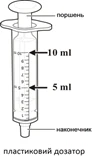
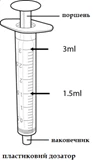
An oral dosing dispenser with a volume of 3 ml (graduated with 0.1 ml increments) should be used for children aged 0–12 months who require a dose between 1 and 3 ml of Flucap oral suspension 6 mg/ml. For higher doses, a 10 ml syringe should be used. The recommended dosing regimen for treatment of children under 1 year of age is provided below.
Osltamivir dosing for children under 1 year of age:
3 mg/kg twice daily
Table 2
| Body weight* |
Dose recommended for administration over 5 days |
Dose recommended for administration over 10 days** to immunocompromised patients |
Amount of oral suspension |
Dosing volume to be used |
| 3 kg |
9 mg twice daily |
9 mg twice daily |
1.5 ml twice daily |
3 ml |
| 3.5 kg |
10.5 mg twice daily |
10.5 mg twice daily |
1.8 ml twice daily |
3 ml |
| 4 kg |
12 mg twice daily |
12 mg twice daily |
2.0 ml twice daily |
3 ml |
| 4.5 kg |
13.5 mg twice daily |
13.5 mg twice daily |
2.3 ml twice daily |
3 ml |
| 5 kg |
15 mg twice daily |
15 mg twice daily |
2.5 ml twice daily |
3 ml |
| 5.5 kg |
16.5 mg twice daily |
16.5 mg twice daily |
2.8 ml twice daily |
3 ml |
| 6 kg |
18 mg twice daily |
18 mg twice daily |
3.0 ml twice daily |
3 ml |
| > 6–7 kg |
21 mg twice daily |
21 mg twice daily |
3.5 ml twice daily |
10 ml |
| > 7–8 kg |
24 mg twice daily |
24 mg twice daily |
4.0 ml twice daily |
10 ml |
| > 8–9 kg |
27 mg twice daily |
27 mg twice daily |
4.5 ml twice daily |
10 ml |
| > 9–10 kg |
30 mg twice daily |
30 mg twice daily |
5.0 ml twice daily |
10 ml |
* This table does not include all possible body weight ranges for this population.
** The recommended treatment duration for infants (aged 0–12 months) with weakened immunity is 10 days. Detailed information is provided in the section "Dosage in special situations. Patients with weakened immunity".
These age-related dosage recommendations do not apply to preterm infants, i.e. children younger than 36 weeks post-conceptional age. There is insufficient data available for such patients, in whom immature physiological functions may necessitate different dosage regimens.
Prophylaxis
Post-exposure prophylaxis of influenza
Adults and adolescents (13–17 years of age)
The recommended dose of Flucap for post-exposure prophylaxis of influenza is 75 mg of oseltamivir once daily orally for 10 days. The administration of the medication should be initiated as soon as possible within the first 2 days after contact with an infected individual.
Children aged 1 year and older
Recommended doses of Flucap for post-exposure prophylaxis of influenza
Table 3
| Body weight |
Dose recommended for administration over 10 days |
Dose recommended for administration over 10 days for patients with weakened immunity |
Volume of oral suspension |
| 10–15 kg |
30 mg once daily |
30 mg once daily |
5 ml once daily |
| > 15–23 kg |
45 mg once daily |
45 mg once daily |
7.5 ml once daily |
| > 23–40 kg |
60 mg once daily |
60 mg once daily |
10 ml once daily |
| > 40 kg |
75 mg once daily |
75 mg once daily |
12.5 ml once daily |
Children with body weight > 40 kg and children able to swallow capsules may receive prophylactic treatment using 75 mg capsules once daily for 10 days as an alternative to the recommended dose of Flucap oral suspension.
Children under 1 year of age
The recommended dose for influenza prophylaxis in children under 12 months of age during an influenza pandemic is half the daily treatment dose. This dosing regimen is based on clinical data regarding the use of the drug in children over 1 year of age and adults, which demonstrated that a prophylactic dose of the drug equivalent to half the daily treatment dose is clinically effective for influenza prevention (see section "Pharmacokinetics").
During an influenza pandemic, the 3 mL oral dosing dispenser (calibrated in 0.1 mL increments) should be used for children under 1 year of age who require a dose of 1 to 3 mL of Flucap oral suspension 6 mg/mL. For higher doses, a 10 mL syringe should be used. The recommended dosing regimen for children under 1 year of age is provided below.
Osimeltamivir dosing for children under 1 year of age:
3 mg/kg once daily
Table 4
| Body weight* |
Dose recommended for administration over 10 days |
Dose recommended for administration over 10 days for patients with weakened immunity |
Amount of oral suspension |
Dosing device volume to be used |
| 3 kg |
9 mg once daily |
9 mg once daily |
1.5 ml once daily |
3 ml |
| 3.5 kg |
10.5 mg once daily |
10.5 mg once daily |
1.8 ml once daily |
3 ml |
| 4 kg |
12 mg once daily |
12 mg once daily |
2.0 ml once daily |
3 ml |
| 4.5 kg |
13.5 mg once daily |
13.5 mg once daily |
2.3 ml once daily |
3 ml |
| 5 kg |
15 mg once daily |
15 mg once daily |
2.5 ml once daily |
3 ml |
| 5.5 kg |
16.5 mg once daily |
16.5 mg once daily |
2.8 ml once daily |
3 ml |
| 6 kg |
18 mg once daily |
18 mg once daily |
3.0 ml once daily |
3 ml |
| > 6–7 kg |
21 mg once daily |
21 mg once daily |
3.5 ml once daily |
10 ml |
| > 7–8 kg |
24 mg once daily |
24 mg once daily |
4.0 ml once daily |
10 ml |
| > 8–9 kg |
27 mg once daily |
27 mg once daily |
4.5 ml once daily |
10 ml |
| > 9–10 kg |
30 mg once daily |
30 mg once daily |
5.0 ml once daily |
10 ml |
* This table does not include all possible body weight categories for this population.
These age-related dosing recommendations are not intended for preterm neonates, i.e., infants with a gestational age of less than 36 weeks. There is insufficient data in such patients, in whom immature physiological functions may necessitate different dosing regimens.
Influenza prophylaxis during an influenza outbreak
Influenza prophylaxis in children under 12 years of age has not been studied. The recommended dose for adults and adolescents for influenza prophylaxis during an influenza outbreak is 75 mg of oseltamivir once daily for a duration of up to 6 weeks (or up to 12 weeks for immunocompromised patients).
Dosing in special situations
Patients with hepatic impairment
Dose adjustment is not required for treatment or prophylaxis in patients with hepatic dysfunction. Studies in children with hepatic impairment have not been conducted.
Patients with renal impairment
Influenza treatment
Dose adjustment of Flucap is required in adults and adolescents (13–17 years) with moderate and severe renal impairment.
Recommended doses for influenza treatment
Table 5
| Creatinine clearance |
Recommended treatment dose |
| > 60 mL/min |
75 mg twice daily |
| From > 30 to 60 mL/min |
30 mg twice daily |
| From > 10 to 30 mL/min |
30 mg once daily |
| ≤ 10 mL/min |
Not recommended (no data available) |
| Patients undergoing hemodialysis |
30 mg after each hemodialysis session |
| Patients undergoing peritoneal dialysis* |
30 mg as a single dose |
* Data obtained from studies in patients undergoing continuous ambulatory peritoneal dialysis (CAPD); clearance of oseltamivir carboxylate is expected to be higher with the use of automated continuous cycling peritoneal dialysis (CCPD). The treatment regimen may be switched from CCPD to CAPD if deemed necessary by the nephrologist.
Influenza prophylaxis
Dose adjustment of Flucap is required in adults and adolescents (13–17 years) with moderate and severe renal impairment. Recommended doses are shown in Table 6.
Influenza prophylaxis
Table 6
| Creatinine clearance |
Recommended prophylactic dose |
| > 60 mL/min |
75 mg once daily |
| From > 30 to 60 mL/min |
30 mg once daily |
| From > 10 to 30 mL/min |
30 mg every other day |
| ≤ 10 mL/min |
Not recommended (no data available) |
| Patients undergoing hemodialysis |
30 mg after every second hemodialysis session |
| Patients undergoing peritoneal dialysis* |
30 mg once weekly |
* Data obtained from studies in patients undergoing continuous ambulatory peritoneal dialysis (CAPD); clearance of oseltamivir carboxylate is expected to be higher with the use of automated continuous cycling peritoneal dialysis (CCPD). The treatment regimen may be switched from CCPD to CAPD if deemed necessary by the nephrologist.
There is insufficient clinical data available on the use of the drug in infants and children under 12 years of age with impaired renal function to provide dosing recommendations.
Elderly patients
There is no need to adjust the dose, except in cases of moderate or severe renal impairment.
Immunocompromised patients
Treatment. The recommended duration of influenza treatment in immunocompromised patients is 10 days (see sections "Special precautions" and "Side effects"). Dose adjustment is not required. Treatment should be initiated as soon as possible within the first two days of onset of influenza symptoms.
Seasonal prophylaxis.
Extended duration of seasonal prophylaxis up to 12 weeks has been studied in immunocompromised patients (see sections "Special precautions" and "Side effects").
Administration method
For dosing, plastic oral dosing dispensers of 3 mL and 10 mL volume are provided in the packaging.
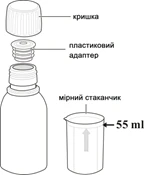
Preparation of oral suspension
- Gently shake the closed bottle several times to loosen the powder.
- Measure 55 mL of water using the measuring cup provided in the drug package, filling it to the indicated level.
- Add all the water (55 mL) to the bottle containing the powder, close it with the cap, and shake the closed bottle for approximately 15 seconds.
- Remove the protective cap and press the plastic adapter into the neck of the bottle.
- Securely close the bottle with the protective cap (over the adapter). This ensures proper positioning of the plastic adapter in the bottle.
This procedure yields a bottle of oral suspension of the drug FluCap, ready for dosing.
The FluCap suspension must be shaken thoroughly before each use!
Always use the plastic dosing dispenser supplied with the medication to ensure accurate dosing.
**
**
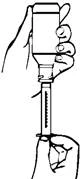
Fig. 1 Fig. 2 Fig. 3
- Check that the bottle is closed (see Fig. 1) and shake well before using the FluCap oral suspension.
- Depending on the required dose, select the 3 mL or 10 mL plastic dosing dispenser (see Fig. 2) supplied with the medication package.
Push the plunger fully down to the tip of the plastic dosing dispenser.
- Remove the cap from the bottle (see Fig. 1).
Attach the tip of the plastic dosing dispenser to the plastic adapter on the bottle.
Turn the bottle upside down together with the attached dosing dispenser (see Fig. 3).
Slowly pull back the plunger to draw the medication into the dispenser, stopping at the mark indicating the required dose.
Turn the bottle with the dosing dispenser back to an upright position.
Slowly detach the plastic dosing dispenser from the bottle.
- Administer the suspension directly into the oral cavity by pressing the plunger of the plastic dosing dispenser.
Ensure the suspension is swallowed. Food and drink may be taken after administration.
- Immediately after use, disassemble the plastic dosing dispenser into two parts and rinse thoroughly under running water.
Children.
Safety data on the use of oseltamivir for the treatment of influenza in children under 1 year of age, obtained from prospective and retrospective observational studies, as well as from epidemiological databases and post-marketing experience, indicate that the safety profile in children under 1 year of age is comparable to the established safety profile in children aged 1 year and older.
Overdose.
Reports of oseltamivir overdose have been received during clinical trials and post-marketing use. In most cases, no adverse reactions were reported.
Adverse reactions reported in cases of overdose were similar in nature and distribution to those observed with therapeutic doses of the drug (see section "Side effects").
No specific antidote is known.
Children
Overdose has been reported more frequently in children than in adults and adolescents. Caution should be exercised when administering the oral suspension of FluCap to children.
Adverse Reactions
The overall safety profile of the medicinal product is based on data from treatment of influenza in 6049 adults/adolescents and 1473 children, and on data from influenza prophylaxis in 3990 adults/adolescents and 253 children who received oseltamivir or placebo during clinical trials. Additionally, 245 immunocompromised patients (including 7 adolescents and 39 children) received oseltamivir for treatment of influenza, and 475 immunocompromised patients (including 18 children, of whom 10 received oseltamivir and 8 received placebo) received oseltamivir or placebo for influenza prophylaxis.
In adults/adolescents, the most commonly reported adverse reactions were nausea and vomiting in treatment studies, and nausea in prophylaxis studies. Most of these adverse reactions occurred once, during the first or second day of treatment, and resolved spontaneously within 1–2 days. In children, the most common adverse reaction was vomiting. In most cases, these adverse reactions did not lead to discontinuation of the drug.
During post-marketing use of oseltamivir, the following serious adverse reactions have been rarely reported: anaphylactic and anaphylactoid reactions, hepatic disorders (fulminant hepatitis, liver function abnormalities, and jaundice), angioedema, Stevens-Johnson syndrome, toxic epidermal necrolysis, gastrointestinal bleeding, and neuropsychiatric disorders (for neuropsychiatric disorders, see section "Special Warnings and Precautions for Use").
The following frequency categories were used to describe adverse reactions: very common (≥ 1/10), common (≥ 1/100, < 1/10), uncommon (≥ 1/1000, < 1/100), rare (≥ 1/10,000, < 1/1000), very rare (< 1/10,000). Adverse reactions were assigned to a frequency category based on pooled data from clinical trials.
Treatment and Prophylaxis of Influenza in Adults and Adolescents
The most frequently reported adverse reactions in adults/adolescents in treatment and prophylaxis studies with the recommended dose (75 mg twice daily for 5 days for treatment and 75 mg once daily for 6 weeks for prophylaxis) are listed below.
The safety profile reported in individuals who received oseltamivir at the recommended prophylactic dose (75 mg once daily for up to 6 weeks) was similar to that observed in treatment studies, despite the longer duration of dosing for prophylaxis.
Adverse reactions reported in oseltamivir clinical trials for treatment and prophylaxis of influenza in adults and adolescents or during post-marketing surveillance:
Infections and infestations: common – bronchitis, herpes simplex, nasopharyngitis, upper respiratory tract infections, sinusitis;
Blood and lymphatic system disorders: rare – thrombocytopenia;
Immune system disorders: uncommon – hypersensitivity reaction; rare – anaphylactic and anaphylactoid reactions;
Psychiatric disorders: rare – agitation, abnormal behavior, anxiety, confusion, delusions, delirium, hallucinations, nightmares, self-injury;
Nervous system disorders: very common – headache; common – insomnia; uncommon – disturbance of consciousness, convulsions;
Eye disorders: rare – vision disorders;
Cardiac disorders: uncommon – cardiac arrhythmias;
Respiratory, thoracic and mediastinal disorders: common – cough, rhinorrhea, sore throat;
Gastrointestinal disorders: very common – nausea; common – vomiting, abdominal pain (including upper abdominal pain), dyspepsia; rare – gastrointestinal hemorrhage, hemorrhagic colitis;
Hepatobiliary disorders: uncommon – increased liver enzymes; rare – fulminant hepatitis, hepatic failure, hepatitis;
Skin and subcutaneous tissue disorders: uncommon – eczema, dermatitis, rash, urticaria; rare – angioedema, erythema multiforme, Stevens-Johnson syndrome, toxic epidermal necrolysis;
General disorders and administration site conditions: common – pain, dizziness (including vertigo), weakness, hyperthermia, limb pain.
Treatment and Prophylaxis of Influenza in Children
Overall, 1473 children (including healthy children aged 1–12 years and children with asthma aged 6–12 years) participated in clinical trials of oseltamivir for treatment of influenza. Among them, 851 children received treatment with oseltamivir suspension. A total of 158 children received the recommended dose of oseltamivir once daily in prophylaxis studies: after household exposure (n = 99), in 6-week seasonal prophylaxis studies (n = 49), and in 12-week seasonal prophylaxis studies in immunocompromised children (n = 10).
Adverse reactions most commonly observed in clinical trials of oseltamivir for treatment and prophylaxis of influenza in children (dosing based on age/body weight – from 30 mg to 75 mg once daily):
Infections and infestations: common – otitis media;
Nervous system disorders: common – headache;
Eye disorders: common – conjunctivitis (including eye redness, eye discharge, and eye pain);
Ear and labyrinth disorders: common – ear pain; uncommon – tympanic membrane disorder;
Respiratory, thoracic and mediastinal disorders: very common – cough, nasal congestion; common – rhinorrhea;
Gastrointestinal disorders: very common – vomiting; common – abdominal pain (including upper abdominal pain), dyspepsia, nausea;
Skin and subcutaneous tissue disorders: uncommon – dermatitis (including allergic and atopic dermatitis).
Description of Selected Adverse Reactions
Psychiatric and Neurological Disorders
Influenza itself may be associated with various neurological disorders and behavioral disturbances, including hallucinations, delirium, and abnormal behavior, sometimes with fatal outcomes. These events may occur as manifestations of encephalitis or encephalopathy, but may also occur without apparent severe illness.
During post-marketing use of oseltamivir in patients with influenza, cases of convulsions and delirium (including symptoms such as altered level of consciousness, confusion, abnormal behavior, delusions, hallucinations, agitation, anxiety, and nightmares) have been reported. In rare cases, these events led to accidental self-harm or fatal outcomes. These events were primarily reported in children and adolescents and often had sudden onset and rapid resolution. It is unknown whether neuropsychiatric disorders are related to oseltamivir use. Such neuropsychiatric disorders have also been observed in patients with influenza who did not receive oseltamivir.
Hepatobiliary Disorders
Hepatobiliary disorders, including hepatitis and elevated liver enzymes, have been observed in patients with influenza-like illness. These cases included fatal fulminant hepatitis and liver failure.
Additional Information on Specific Patient Groups
Children under 1 year of age
In two studies evaluating the pharmacokinetics, pharmacodynamics, and safety profile of oseltamivir therapy in 135 children under 1 year of age infected with influenza virus, the safety profile was similar across age groups, with vomiting, diarrhea, and diaper dermatitis being the most commonly reported adverse events (see section "Pharmacokinetics"). Data are limited in children born at less than 36 weeks of gestational age.
Available safety data on oseltamivir use for treatment of influenza in children under 1 year of age, derived from prospective and retrospective observational studies involving over 2400 children in this age group, as well as from epidemiological databases and post-marketing experience, indicate that the safety profile in children under 1 year of age is comparable to that established in children aged 1 year and older.
Elderly Patients and Patients with Chronic Cardiac and/or Respiratory Diseases
The studied population for influenza treatment included healthy adults/adolescents and patients with risk factors (patients at increased risk of influenza-related complications, e.g., elderly patients and patients with chronic cardiac or respiratory diseases). Overall, the safety profile in adolescents and adults with these risk factors was qualitatively similar to that in healthy adults/adolescents.
Immunocompromised Patients
Treatment of influenza in immunocompromised patients was evaluated in two studies using standard or high (double or triple) doses of oseltamivir. The safety profile of oseltamivir observed in these studies was consistent with that observed in previous clinical trials in which oseltamivir was used for treatment of influenza in immunocompetent patients of all age groups (patients without other diseases or patients with risk factors [underlying cardiac and/or respiratory diseases]). The most common adverse reaction in immunocompromised children was vomiting (28%).
During a 12-week prophylaxis study in 475 immunocompromised individuals, including 18 children aged 1–12 years and older, the safety profile in 238 patients who received oseltamivir was comparable to that observed in clinical trials of oseltamivir for prophylaxis.
Children with Pre-existing Bronchial Asthma
Overall, the adverse reaction profile in children with bronchial asthma was qualitatively similar to that in healthy children.
Reporting of Suspected Adverse Reactions
Reporting suspected adverse reactions after medicine authorization is important. It allows continued monitoring of the benefit-risk balance of the medicinal product. Healthcare professionals, pharmacists, patients, or their legal representatives should report all suspected adverse reactions and lack of efficacy via the Automated Pharmacovigilance Information System at: https://aisf.dec.gov.ua.
Shelf Life.
2 years.
Storage Conditions.
Store in the original packaging at a temperature not exceeding 25 °C, in a place inaccessible to children.
The reconstituted suspension should be stored at 2–8 °C (in the refrigerator) for no more than 17 days; do not freeze. Alternatively, it may be stored at a temperature not exceeding 25 °C for no more than 10 days.
Packaging.
13 g of powder in a bottle; 1 bottle with a plastic adapter, 3 ml and 10 ml oral dosing syringes, and a plastic measuring cup in a cardboard box.
Prescription Category.
Prescription only.
Manufacturer. Hetero Labs Limited.
Manufacturer's Address and Location of Business Operations.
Unit-V, Block V and V-A, TSIIC - Formulation SEZ, S. Nos 439, 440, 441 & 458, Polepally Village, Jadcherla Mandal, Telangana State, 509301, India.
The original data is available in the language of the country of manufacture.
Data source: State Register of Medicinal Products of Ukraine
Data last verified: August 13, 2026