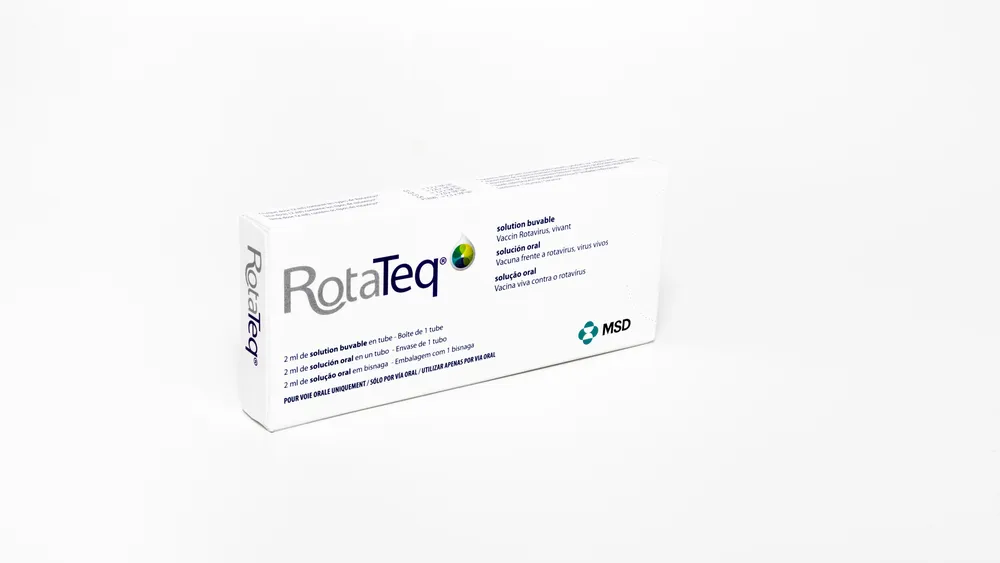
ROTATEQ ORAL SOLUTION
SpainIt is an oral vaccine that helps protect babies and young children from gastroenteritis (diarrhea and vomiting) caused by rotavirus infection.
Frequently asked questions
How should RotaTeq be administered?
It is administered orally only. A doctor or nurse must carefully squeeze the tube to pour the liquid into the child's mouth. It must not be injected under any circumstances.
What is the vaccination schedule?
The child must receive 3 doses, with an interval of at least four weeks between each one. Vaccination can begin at 6 weeks of age, and all doses must be administered before 32 weeks of age.
When should this vaccine not be used?
It should not be used if the child is allergic to its components, if they had a previous allergic reaction to this or another rotavirus vaccine, if they have had intussusception or gastrointestinal malformations, or if they have a disease that reduces their resistance to infections. It should also be avoided if the child has a high fever, diarrhea, or vomiting at that time.
What side effects can RotaTeq have?
The most frequent side effects are fever, diarrhea, and vomiting. Respiratory infections, stomach aches, runny nose, sore throat, ear infections, rashes, or blood in the stool may also occur. In very rare cases, it may cause intussusception (intestinal obstruction).
When should I contact a doctor immediately?
You should seek urgent medical attention if the child presents an allergic reaction (swelling of the face, lips, tongue, or throat), difficulty breathing, severe abdominal pain, persistent vomiting, blood in the stool, a swollen abdomen, or a high fever.
Can food or drink be taken after the vaccine?
There are no restrictions on the consumption of food or drinks, including breast milk, before or after vaccination.
Can I give my child other medications at the same time?
It can be administered alongside other routine vaccines (such as diphtheria, tetanus, or hepatitis B), but you must inform the doctor if the child is using any other medication.
Instructions for use
Package leaflet: Information for the user
Introduction
Package leaflet: information for the user
RotaTeq oral solution
rotavirus vaccine (live viruses)
Read the entire leaflet carefully before your child is vaccinated, as it contains important information for you.
- Keep this leaflet, as you may need to read it again.
- If you have any questions, consult your doctor or pharmacist.
- If your child experiences any adverse effects, consult your doctor or pharmacist, even if they are adverse effects not listed in this leaflet. See section 4.
Leaflet contents
- What RotaTeq is and what it is used for
- What you need to know before your child receives RotaTeq
- How to use RotaTeq
- Possible side effects
- How to store RotaTeq
- Contents of the pack and other information
1. What RotaTeq is and what it is used for
RotaTeq is an oral vaccine that helps protect infants and young children against gastroenteritis (diarrhea and vomiting) caused by rotavirus infection and can be given to children from 6 weeks up to 32 weeks of age (see section 3). The vaccine contains five strains of live rotavirus. When the vaccine is administered to a child, the immune system (the body's natural defenses) will produce antibodies against the rotavirus types that occur most frequently. These antibodies help protect against gastroenteritis caused by these rotavirus types.
2. What you need to know before your child receives RotaTeq
Do not use RotaTeq if
- your child is allergic to any of the components of this vaccine (see section 6. Contents of the pack and other information).
- your child has developed an allergic reaction after receiving a dose of RotaTeq or another rotavirus vaccine.
- your child has previously had intussusception (a bowel obstruction in which one segment of the intestine slides into another).
- your child was born with a gastrointestinal malformation that could predispose to intussusception.
- your child has any condition that reduces resistance to infection.
- your child has a serious infection with high fever. Vaccination may need to be postponed until recovery. A mild infection such as a cold should not be a problem, but consult your doctor first.
- your child has diarrhoea or vomiting. Vaccination may need to be postponed until recovery.
Warnings and precautions
Talk to your doctor or pharmacist before using RotaTeq if your child:
- has received a blood transfusion or immunoglobulins within the last 6 weeks.
- has close contact with someone, such as a family member, who has a weakened immune system, for example, someone with cancer or taking medicines that may weaken the immune system.
- has any gastrointestinal disorder.
- has not been gaining weight or growing as expected.
- or the mother received any medicine during pregnancy that weakens the immune system.
If, after receiving RotaTeq, your child develops severe stomach pain, persistent vomiting, blood in the stool, a swollen abdomen and/or high fever, contact a doctor/healthcare professional immediately (see also section 4 “Possible side effects”).
As always, take care to wash your hands thoroughly after changing used diapers.
As with any vaccine, RotaTeq does not guarantee complete protection in all vaccinated children, even after the three doses have been administered.
If your child was already infected with rotavirus, but was not yet ill at the time of vaccination, RotaTeq may not prevent the disease.
RotaTeq does not protect against diarrhoea and vomiting caused by agents other than rotavirus.
Other medicines and RotaTeq
RotaTeq can be given at the same time as other vaccines normally recommended for your child, such as vaccines against diphtheria, tetanus, pertussis (whooping cough), Haemophilus influenzae type b, inactivated or oral poliomyelitis, hepatitis B, pneumococcal conjugate vaccine, and meningococcal group C conjugate vaccine.
Tell your doctor or pharmacist if your child is taking, has recently taken, or might need to take any other medicines (or other vaccines).
Use of RotaTeq with food and drink
There are no restrictions on eating or drinking, including breastfeeding, before or after vaccination with RotaTeq.
RotaTeq contains sucrose
If you have been told that your child has an intolerance to certain sugars, inform your doctor or healthcare professional before administration of the vaccine.
RotaTeq contains sodium
This vaccine contains 37.6 mg of sodium (main component of table/cooking salt) per dose. This corresponds to 1.88% of the maximum daily recommended sodium intake for an adult.
3. How to use RotaTeq
ROTA TEQ IS FOR ORAL ADMINISTRATION ONLY.
A doctor or nurse will administer the recommended doses of RotaTeq to your child. The vaccine will be given by carefully squeezing the tube and administering the vaccine into your child's mouth. The vaccine may be given regardless of food, drink, or breastfeeding. If your child spits out or regurgitates most of the vaccine dose, a single replacement dose may be administered during the same vaccination visit.
This vaccine must never be injected under any circumstances.
The first dose (2 ml) of RotaTeq can be administered starting at 6 weeks of age and must be given before 12 weeks of age (approximately 3 months). RotaTeq may be given to premature infants provided the gestational age is at least 25 weeks. These infants should receive the first dose between 6 and 12 weeks after birth.
Your child will receive 3 doses of RotaTeq, administered at least four weeks apart. It is important that your child receives all 3 doses of the vaccine to be protected against rotavirus. It is preferable that all three doses are administered before 20–22 weeks of age, and in any case, all three doses must be completed before 32 weeks of age.
When RotaTeq is administered as the first dose to your child, it is recommended to continue using RotaTeq (and not another rotavirus vaccine) to complete the vaccination schedule.
If you miss a dose of RotaTeq
It is important to follow your doctor's or healthcare professional's instructions regarding your child's follow-up visits for subsequent doses. If you miss or are unable to attend your scheduled appointment, consult your doctor or healthcare professional.
4. Possible adverse effects
Like all vaccines and medicines, this vaccine may cause adverse effects, although not everyone experiences them.
Contact a doctor/healthcare professional immediately if your child experiences any of the following symptoms:
-
Allergic reactions (frequency cannot be estimated from available data), which may be severe (anaphylaxis), and may include: allergic swelling affecting the face, lips, tongue, or throat.
-
Bronchospasm (rare, may affect up to 1 in 1,000 children): This may present as wheezing, cough, or difficulty breathing.
-
Severe stomach pain, persistent vomiting, blood in the stool, bloated abdomen, and/or high fever. These could be symptoms of a very rare (may affect up to 1 in 10,000 children), but serious adverse effect called intussusception (a bowel obstruction in which one segment of the intestine folds into another segment).
The following adverse effects have been reported with the use of RotaTeq:
-
Very common (may affect more than 1 in 10 children): fever, diarrhoea, vomiting
-
Common (may affect up to 1 in 10 children): upper respiratory tract infections
-
Uncommon (may affect up to 1 in 100 children): stomach pains (see also the paragraph above for signs of the adverse effect intussusception, classified as very rare), runny nose and sore throat, ear infection, rash, blood in the stool
-
Rare (may affect up to 1 in 1,000 children): urticaria
-
Frequency not known (cannot be estimated from available data): irritability, gastroenteritis
In children born very prematurely (at 28 weeks of gestation or earlier), longer than normal pauses between breaths may occur during the 2 or 3 days following vaccination.
If you would like more information about the adverse effects of RotaTeq, consult your doctor/healthcare professional.
Reporting of adverse effects
If your child experiences any type of adverse effect, consult your doctor or pharmacist, even if it is a possible adverse effect not listed in this leaflet. You may also report them directly through the national reporting system included in Appendix V. By reporting adverse effects, you can help provide more information on the safety of this medicine.
5. Storage of RotaTeq
Keep this vaccine out of the sight and reach of children.
Do not use this vaccine after the expiry date which is stated on the label after EXP (EXP). The expiry date is the last day of the month indicated.
Store and transport refrigerated (between 2°C and 8°C). Keep the dosing tube in the outer packaging to protect it from light.
Medicines must not be disposed of via wastewater or household waste. Ask your pharmacist how to dispose of medicines and packaging no longer required. This will help protect the environment.
6. Contents of the pack and other information
Composition of RotaTeq
The active substances in RotaTeq are 5 reassortant human-bovine rotavirus strains:
G1 2.2 x 10⁶ Infectious Units
G2 2.8 x 10⁶ Infectious Units
G3 2.2 x 10⁶ Infectious Units
G4 2.0 x 10⁶ Infectious Units
P1A[8] 2.3 x 10⁶ Infectious Units
The other components of RotaTeq are: sucrose, sodium citrate, monosodium phosphate monohydrate, sodium hydroxide, polysorbate 80, culture medium (containing inorganic salts, amino acids and vitamins) and purified water.
Nature and contents of the container
Oral solution
This vaccine is contained in a single-dose tube and is a clear, pale yellow liquid which may have a pinkish tint.
RotaTeq is available in packs of 1 and 10 single-dose tubes. Not all pack sizes may be marketed.
Marketing Authorisation Holder and Manufacturer
Marketing Authorisation Holder: Merck Sharp & Dohme B.V., Waarderweg 39, 2031 BN Haarlem, the Netherlands
Manufacturer: Merck Sharp and Dohme B.V., Waarderweg 39, 2031 BN Haarlem, the Netherlands
Further information on this medicinal product is available upon request by contacting the local representative of the Marketing Authorisation Holder.
Belgium/Belgium/Belgium MSD Belgium Tel/Tel: +32(0)27766211 | Lithuania UAB Merck Sharp & Dohme Tel. +370 5 2780 247 |
| Luxembourg/Luxembourg MSD Belgium Tél/Tel: +32 (0)27766211 |
Czech Republic Merck Sharp & Dohme s.r.o. Tel.: +420 277 050 000 | Hungary MSD Pharma Hungary Kft. Tel.: +36 1 888 5300 |
Denmark MSD Danmark ApS Tlf.: +45 4482 4000 | Malta Merck Sharp & Dohme Cyprus LimitedTel: 8007 4433 (+356 99917558) |
Germany MSD Sharp & Dohme GmbH Tel.: +49 (0) 89 20 300 4500 | Netherlands Merck Sharp & Dohme B.V. Tel: 0800 9999000 (+31 23 5153153) |
Estonia Merck Sharp & Dohme OÜ Tel: +372 614 4200 | Norway MSD (Norge) AS Tlf: +47 32 20 73 00 |
Greece MSD Α.Φ.Ε.Ε. Tel: +30 210 98 97 300 | Austria Merck Sharp & Dohme Ges.m.b.H. Tel: +43 (0) 1 26 044 |
Spain Merck Sharp & Dohme de España, S.A. Tel: +34 91 321 06 00 | Poland MSD Polska Sp. z o.o. Tel.: +48 22 549 51 00 |
France MSD France Tel: +33 (0)1 80 46 40 40 | Portugal Merck Sharp & Dohme, Lda Tel.: +351 21 4465700 |
Croatia Merck Sharp & Dohme d.o.o. Tel: +385 1 6611 333 | Romania Merck Sharp & Dohme Romania S.R.L. Tel.: +40 21 529 29 00 |
Ireland Merck Sharp & Dohme Ireland (Human Health) Limited Tel: +353 (0)1 2998700 | Slovenia Merck Sharp & Dohme, inovativna zdravila d.o.o. Tel: +386 1 520 4201 |
Iceland Vistor ehf. Tel: +354 535 7000 | Slovakia Merck Sharp & Dohme, s. r. o. Tel.: +421 2 58282010 |
Italy MSD Italia S.r.l. Tel: 800 23 99 89 (+39 06 361911) | Finland MSD Finland Oy Tel: +358 (0)9 804 650 |
Cyprus Merck Sharp & Dohme Cyprus Limited Tel: 800 00 673 (+357 22866700) | Sweden Merck Sharp & Dohme (Sweden) AB Tel: +46 77 5700488 |
Latvia SIA Merck Sharp & Dohme Latvia Tel.: +371 67025300 |
Date of the most recent revision of this leaflet:
Other sources of information
Detailed information on this medicine is available on the European Medicines Agency website: https://www.ema.europa.eu.
This information is intended for healthcare professionals only:
Instructions
To administer the vaccine: | |
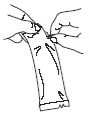
| Tear open the protective pouch and remove the dosing tube. |
| Remove liquid from the dispensing tip by holding the tube vertically and tapping gently on the half-turn cap. |
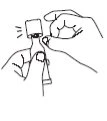
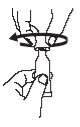
| Open the dosing tube with two simple steps: Pierce the dispensing tip by screwing the cap clockwise until tight. |
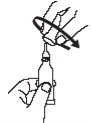
| Remove the cap by unscrewing it counterclockwise. |
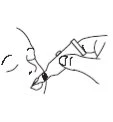
| Administer the dose by carefully pouring the liquid into the child's mouth against the inner cheek until the dosing tube is empty. (One residual drop may remain at the tip of the tube.) |
Dispose of the empty tube and cap in approved biological waste containers according to local requirements. |
Unused medicine and all materials that have come into contact with it should be disposed of in accordance with local regulations.
See also section 3. How to use RotaTeq.
The original data is available in the language of the country of manufacture.
Data source: Online Medicines Information Centre (CIMA) — AEMPS
Data last verified: September 21, 2026