KEYTRUDA 25 MG/ML CONCENTRATE FOR INFUSION SOLUTION
SpainWhat is KEYTRUDA used for?:
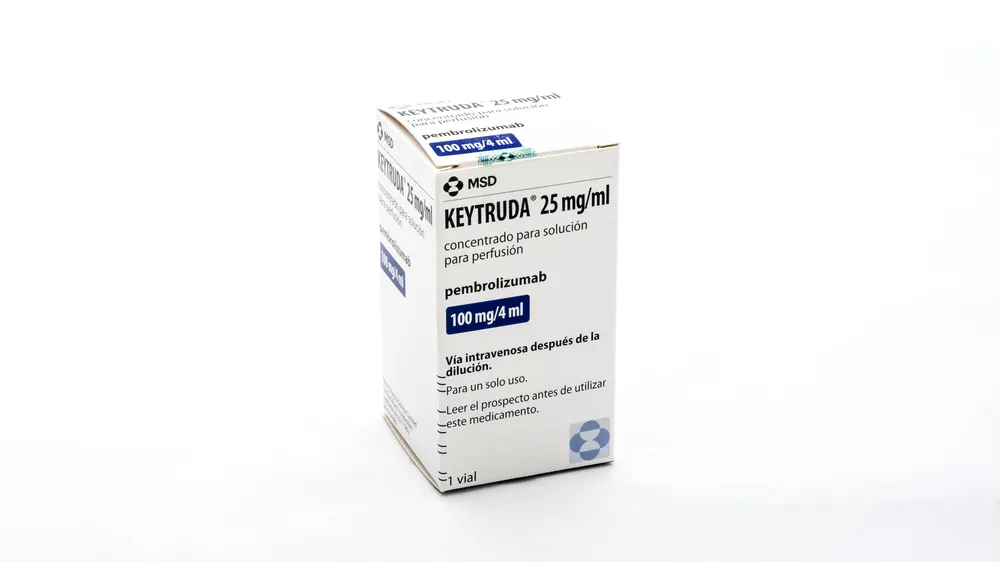
Frequently asked questions
Se utiliza en adultos para tratar diversos tipos de cáncer, como melanoma, cáncer de pulmón no microcítico, cáncer de vejiga, cáncer de riñón, cáncer de mama triple negativo, entre otros. También se usa en niños y adolescentes para el linfoma de Hodgkin clásico (a partir de 3 años) y el melanoma (a partir de 12 años).
It is used in adults to treat various types of cancer, such as melanoma, non-small cell lung cancer, bladder cancer, kidney cancer, triple-negative breast cancer, among others. It is also used in children and adolescents for classical Hodgkin lymphoma (from 3 years of age) and melanoma (from 12 years of age).
Cómo se debe tomar KEYTRUDA?:
How should KEYTRUDA be taken?:
Se administra en un hospital o clínica mediante una perfusión en la vena (intravenosa) durante unos 30 minutos. La dosis en adultos puede ser de 200 mg cada 3 semanas o 400 mg cada 6 semanas, según decida el médico.
It is administered in a hospital or clinic via intravenous infusion (IV) for approximately 30 minutes. The dose in adults may be 200 mg every 3 weeks or 400 mg every 6 weeks, as determined by your doctor.
Cuándo no se debe usar este medicamento?:
When should this medication not be used?:
No debe administrarse si es alérgico al pembrolizumab o a cualquiera de sus componentes. Además, debe informar a su médico si tiene enfermedades autoinmunes, problemas de hígado o riñón, infecciones como hepatitis o VIH, o si ha recibido un trasplante de órganos o médula ósea.
It should not be administered if you are allergic to pembrolizumab or any of its components. Additionally, you must inform your doctor if you have autoimmune diseases, liver or kidney problems, infections such as hepatitis or HIV, or if you have received an organ or bone marrow transplant.
Qué efectos secundarios puede causar KEYTRUDA?:
What side effects can KEYTRUDA cause?:
Puede causar efectos graves como inflamación de los pulmones, intestinos, hígado, riñones o corazón; diabetes tipo 1; y problemas en la piel o los ojos. Efectos muy frecuentes incluyen cansancio, diarrea, náuseas, dolor de cabeza, fiebre y disminución de glóbulos rojos.
It may cause serious side effects such as inflammation of the lungs, intestines, liver, kidneys, or heart; type 1 diabetes; and skin or eye problems. Very common side effects include fatigue, diarrhea, nausea, headache, fever, and a decrease in red blood cells.
Cómo afecta KEYTRUDA a otros medicamentos?:
How does KEYTRUDA affect other medications?:
Puede interactuar con medicamentos que debilitan el sistema inmunitario, como los corticosteroides (por ejemplo, la prednisona). Es fundamental informar al médico sobre cualquier otro medicamento que esté tomando.
It may interact with medications that weaken the immune system, such as corticosteroids (for example, prednisone). It is essential to inform your doctor about any other medication you are taking.
Qué precauciones debo tener durante el embarazo o lactancia?:
What precautions should I take during pregnancy or breastfeeding?:
No debe usar KEYTRUDA si está embarazada a menos que su médico lo recomiende específicamente, ya que puede causar daño o la muerte al bebé. Si está en periodo de lactancia, debe consultar a su médico y no debe dar el pecho mientras reciba el tratamiento.
You should not use KEYTRUDA if you are pregnant unless specifically recommended by your doctor, as it may cause harm or death to the baby. If you are breastfeeding, you must consult your doctor and should not breastfeed while receiving treatment.
Puedo conducir después de recibir el tratamiento?:
Can I drive after receiving the treatment?:
Es posible sentirse mareado, cansado o débil. No debe conducir ni usar máquinas después de la administración a menos que esté seguro de que se encuentra bien.
It is possible to feel dizzy, tired, or weak. You should not drive or operate machinery after administration unless you are sure that you feel well.
Instructions for use
Package leaflet: Information for the user
Introduction
Package leaflet: information for the patient
KEYTRUDA 25mg/ml concentrate for solution for infusion
pembrolizumab
Read the entire leaflet carefully before you are given this medicine, as it contains important information for you.
- Keep this leaflet, as you may need to read it again.
- It is important that you always carry the patient information card with you during treatment.
- If you have any questions, consult your doctor.
- If you experience side effects, consult your doctor, even if they are side effects not listed in this leaflet. See section 4.
Contents of the leaflet
- What KEYTRUDA is and what it is used for
- What you need to know before you are given KEYTRUDA
- How KEYTRUDA is administered
- Possible side effects
- How to store KEYTRUDA
- Contents of the pack and other information
1. What KEYTRUDA is and what it is used for
KEYTRUDA contains the active substance pembrolizumab, which is a monoclonal antibody.
KEYTRUDA works by helping your immune system fight your cancer.
KEYTRUDA is used in adults to treat:
- a type of skin cancer called melanoma
- a type of lung cancer called non-small cell lung cancer
- a type of cancer called malignant pleural mesothelioma (MPM) that affects the lining of the lungs and chest wall
- a type of cancer called classical Hodgkin lymphoma
- a type of cancer called bladder cancer (urothelial carcinoma)
- a type of head and neck cancer called head and neck squamous cell carcinoma
- a type of kidney cancer called renal cell carcinoma
- a type of cancer characterized by high microsatellite instability (MSI-H) or deficient mismatch repair (dMMR) in the colon or rectum (called colorectal cancer), in the uterus (called endometrial cancer), in the stomach (called gastric cancer), in the small intestine (called small intestine cancer), or in the biliary tract or gallbladder (called biliary tract cancer)
- a type of cancer called oesophageal carcinoma
- a type of breast cancer called triple-negative breast cancer
- a type of uterine cancer called endometrial cancer
- a type of cancer called cervical cancer
- a type of stomach cancer called gastric adenocarcinoma or gastroesophageal junction adenocarcinoma
- a type of biliary tract or gallbladder cancer called biliary tract carcinoma.
KEYTRUDA is used in children and adolescents:
- from 3 years of age to treat a type of cancer called classical Hodgkin lymphoma
- from 12 years of age to treat a type of cancer called melanoma.
People receive KEYTRUDA when their cancer has spread or cannot be removed by surgery.
People receive KEYTRUDA after surgery to remove melanoma, non-small cell lung cancer, or renal cell carcinoma, to help prevent their cancer from returning (adjuvant treatment).
People receive KEYTRUDA before surgery (neoadjuvant treatment) to treat non-small cell lung cancer, triple-negative breast cancer, or head and neck squamous cell carcinoma, and then continue receiving KEYTRUDA after surgery (adjuvant treatment) to help prevent their cancer from returning.
KEYTRUDA may be given in combination with other cancer medicines, with or without radiotherapy. It is important that you also read the package leaflets for these other medicines. If you have any questions about these medicines, consult your doctor.
2. What you need to know before you are given KEYTRUDA
Do not receive KEYTRUDA:
- if you are allergic to pembrolizumab or any of the other ingredients of this medicine (listed in section 6 “Contents of the pack and further information”). If in doubt, consult your doctor.
Warnings and precautions
Talk to your doctor or nurse before receiving KEYTRUDA.
Before receiving KEYTRUDA, inform your doctor if:
- you have an autoimmune disease (a disease in which the body attacks its own cells)
- you have pneumonia or inflammation of the lungs (called pneumonitis)
- you have previously been treated with ipilimumab, another medicine used to treat melanoma, and experienced serious side effects from this medicine
- you have had an allergic reaction to other treatments with monoclonal antibodies
- you have or have had chronic viral liver infection, such as hepatitis B or hepatitis C
- you have human immunodeficiency virus (HIV) infection or acquired immunodeficiency syndrome (AIDS)
- you have liver damage
- you have kidney damage
- you have received a solid organ transplant or an allogeneic hematopoietic stem cell transplant (bone marrow transplant using donor stem cells).
KEYTRUDA acts on your immune system. It may cause inflammation in parts of your body. The risk of these side effects may be higher if you already have an autoimmune disease (a disease in which the body attacks its own cells). You may also experience frequent flares of your autoimmune disease, which in most cases are mild.
When receiving KEYTRUDA, you may experience some serious side effects. These side effects can sometimes be potentially life-threatening and may lead to death. These side effects may occur at any time during treatment or even after treatment has ended. You may experience more than one side effect at the same time.
If you experience any of the following conditions, call your doctor or seek medical attention immediately. Your doctor may give you other medications to prevent more serious complications and reduce your symptoms. Your doctor may delay your next dose of KEYTRUDA or discontinue treatment with KEYTRUDA.
- inflammation of the lungs, which may include difficulty breathing, chest pain, or cough
- inflammation of the intestines, which may include diarrhea or more frequent bowel movements, black, tarry, sticky stools, or stools with blood or mucus, severe stomach pain or tenderness, nausea, vomiting
- inflammation of the liver, which may include nausea or vomiting, decreased appetite, pain in the right side of the stomach, yellowing of the skin or whites of the eyes, dark urine, or bleeding or bruising more easily than usual
- inflammation of the kidneys, which may include changes in the amount or color of urine
- inflammation of hormone-producing glands (especially the thyroid, pituitary, and adrenal glands), which may include rapid heartbeat, weight loss, increased sweating, weight gain, hair loss, feeling cold, constipation, deeper voice, muscle aches, dizziness or fainting, persistent headaches, or unusual headache
- type 1 diabetes, including diabetic ketoacidosis (acids in the blood caused by diabetes), symptoms of which may include increased hunger or thirst, more frequent urination, weight loss, feeling tired or unwell, stomach pain, rapid deep breathing, confusion, unusual sleepiness, sweet smell on breath, sweet or metallic taste in mouth, or unusual odor in urine or sweat
- inflammation of the eyes, which may include changes in vision
- inflammation of the muscles, which may include muscle pain or weakness
- inflammation of the heart muscle, which may include shortness of breath, irregular heartbeat, feeling tired, or chest pain (myocarditis)
- inflammation of the pancreas, which may include abdominal pain, nausea, and vomiting
- inflammation of the skin, which may include rash, itching, blistering, peeling, or ulcers on the skin and/or ulcers in the mouth or mucous membranes of the nose, throat, or genital area
- an immune-mediated disorder that may affect the lungs, skin, eyes and/or lymph nodes (sarcoidosis)
- inflammation of the brain, which may include confusion, fever, memory problems, or seizures (encephalitis)
- pain, numbness, tingling, or weakness in arms or legs; bladder or bowel problems such as needing to urinate more frequently, urinary incontinence, difficulty urinating, or constipation (myelitis)
- inflammation and fibrosis of the bile ducts, which may include pain in the upper right side of the stomach, swelling of the liver or spleen, fatigue, itching, or yellowing of the skin or whites of the eyes (sclerosing cholangitis)
- inflammation of the stomach (gastritis)
- decreased function of the parathyroid gland, which may include muscle cramps or spasms, fatigue, and weakness (hypoparathyroidism)
- inflammation of the lining around the heart, which may include chest pain, shortness of breath, or feeling tired (pericarditis)
- infusion reactions, which may include difficulty breathing, itching or rash, dizziness, or fever
Complications, including graft-versus-host disease (GVHD), in people who have received an allogeneic hematopoietic stem cell transplant (bone marrow transplant using donor stem cells). These complications can be serious and may become fatal. They may occur if you have previously received this type of transplant or if you will receive one in the future. Your doctor will monitor you for signs and symptoms, which may include skin rash, liver inflammation, abdominal pain, or diarrhea.
Children and adolescents
Do not give KEYTRUDA to children under 18 years of age, except in children:
- aged 3 years and older with classical Hodgkin lymphoma
- aged 12 years and older with melanoma.
Other medicines and KEYTRUDA
Talk to your doctor:
-
If you are taking other medicines that weaken your immune system.
-
Examples may include corticosteroids, such as prednisone.
-
These medicines may affect the action of KEYTRUDA.
-
However, once you are being treated with KEYTRUDA, your doctor may give you corticosteroids to reduce side effects caused by KEYTRUDA.
-
Corticosteroids may also be given before you receive KEYTRUDA in combination with chemotherapy to prevent and/or treat nausea, vomiting, and other side effects caused by chemotherapy.
-
If you are taking, have recently taken, or might need to take any other medicines.
Pregnancy
- You must not use KEYTRUDA if you are pregnant unless specifically recommended by your doctor.
- If you are pregnant, think you may be pregnant, or plan to become pregnant, consult your doctor.
- KEYTRUDA may cause harm or death to your unborn baby.
- If you are a woman of childbearing potential, you must use an effective method of contraception during treatment with KEYTRUDA and for at least 4 months after your last dose.
Breastfeeding
- If you are breastfeeding, consult your doctor.
- Do not breastfeed while taking KEYTRUDA.
- It is unknown whether KEYTRUDA passes into breast milk.
Driving and using machines
KEYTRUDA has a minor effect on your ability to drive or use machines. Feeling dizzy, tired, or weak are possible side effects of KEYTRUDA. Do not drive or operate machinery after receiving KEYTRUDA unless you are certain you feel well.
KEYTRUDA contains polysorbate 80
This medicine contains 0.2 mg of polysorbate 80 per ml of concentrate. Polysorbates may cause allergic reactions. Inform your doctor if you have any known allergies.
3. How KEYTRUDA is administered to you
KEYTRUDA will be administered to you in a hospital or clinic under the supervision of a physician experienced in the treatment of cancer.
-
The recommended dose of KEYTRUDA in adults is
-
200 mg every 3 weeks or
-
400 mg every 6 weeks.
-
The recommended dose of KEYTRUDA in children and adolescents aged 3 years and older with classical Hodgkin lymphoma and adolescents aged 12 years and older with melanoma is 2 mg/kg body weight (up to a maximum of 200 mg) every 3 weeks.
-
Your doctor will administer KEYTRUDA to you as an intravenous infusion over approximately 30 minutes.
-
Your doctor may change the way your treatment is given, from KEYTRUDA administered as an intravenous infusion to KEYTRUDA administered as an injection under the skin.
-
Your doctor will decide how many treatments you need.
If you miss an appointment to receive KEYTRUDA
- Call your doctor immediately to reschedule your appointment.
- It is very important not to miss any doses of this medicine.
If you interrupt treatment with KEYTRUDA
Interrupting your treatment may stop the medicine's effect. Do not interrupt treatment with KEYTRUDA unless you have discussed it with your doctor.
If you have any further questions about your treatment, ask your doctor.
Patient information card
You will also find this information on the patient information card provided by your doctor. It is important that you keep this information card and show it to your partner or caregivers.
4. Possible adverse effects
Like all medicines, this medicine can cause adverse effects, although not everyone gets them.
When you receive KEYTRUDA, you may experience serious adverse effects. See section 2.
The following adverse effects have been reported with KEYTRUDA as monotherapy:
Very common (may affect more than 1 in 10 people)
- decrease in the number of red blood cells
- reduced activity of the thyroid gland
- decreased appetite
- headache
- shortness of breath; cough
- diarrhoea; stomach pain; nausea; vomiting; constipation
- itching; skin rash
- muscle and bone pain; joint pain
- feeling tired; unusual tiredness or weakness; swelling; fever
Common (may affect up to 1 in 10 people)
- lung infection
- decrease in the number of platelets (bruising or bleeding more easily); decrease in the number of white blood cells (neutrophils, lymphocytes)
- infusion-related reactions to the medicine
- overactive thyroid gland; hot flushes
- low levels of sodium, potassium or calcium in the blood
- difficulty sleeping
- dizziness; nerve inflammation causing numbness, weakness, tingling or burning in arms and legs; lack of energy; change in taste sensation
- dry eyes
- abnormal heart rhythm
- high blood pressure
- inflammation of the lungs
- inflammation of the intestines; dry mouth
- liver inflammation
- red, inflamed rash, sometimes with blisters; skin inflammation; areas of skin that have lost colour; dry and itchy skin; hair loss; acne-like skin problems
- muscle pain, continuous aches or tenderness; pain in arms or legs; joint pain with swelling
- flu-like illness; chills
- elevated liver enzyme levels in the blood; increased calcium in the blood; abnormal kidney function tests
Uncommon (may affect up to 1 in 100 people)
- decreased number of white blood cells (leucocytes); immune reaction against platelets; increased number of white blood cells (eosinophils)
- an immune disorder that may affect the lungs, skin, eyes and/or lymph nodes (sarcoidosis)
- decreased hormone production by the adrenal glands; inflammation of the pituitary gland located at the base of the brain; thyroid inflammation
- type 1 diabetes, including diabetic ketoacidosis
- a condition in which muscles become weak and tire easily; seizures
- eye inflammation; eye pain, irritation, itching or redness; sensitivity to light; seeing spots
- inflammation of the heart muscle, which may include shortness of breath, irregular heartbeat, feeling tired or chest pain (myocarditis); inflammation of the sac surrounding the heart, which may include chest pain, shortness of breath or feeling tired (pericarditis); fluid accumulation around the heart
- inflammation of the pancreas; stomach inflammation; an ulcer forming in the inner lining of your stomach or upper small intestine
- thickening or peeling of the skin; small bumps, lumps or blisters on the skin; changes in hair colour
Rare (may affect up to 1 in 1,000 people)
- immune reaction against red blood cells, a condition called haemophagocytic lymphohistiocytosis, in which the immune system produces too many infection-fighting cells called histiocytes and lymphocytes, which may cause various symptoms; feeling weak, dizzy, short of breath or having pale skin (signs of low red blood cell levels, possibly due to a type of anaemia called pure red cell aplasia)
- reduced parathyroid gland function, which may include muscle cramps or spasms, fatigue and weakness
- temporary nerve inflammation causing pain, weakness and paralysis in the limbs (Guillain-Barré syndrome); brain inflammation, which may include confusion, fever, memory problems or seizures (encephalitis); pain, numbness, tingling or weakness in arms or legs; bladder or bowel problems such as needing to urinate more frequently, urinary incontinence, difficulty urinating and constipation (myelitis); optic nerve inflammation which may cause vision loss in one or both eyes, eye movement pain and/or loss of colour vision (optic neuritis); inflammation of the membrane surrounding the spinal cord and brain, which may present as neck stiffness, headache, fever, eye photosensitivity, nausea or vomiting (meningitis)
- inflammation of blood vessels
- lack or reduced production of digestive enzymes by the pancreas (exocrine pancreatic insufficiency); perforation of the small intestine; coeliac disease (characterised by symptoms such as stomach pain, diarrhoea and swelling after consuming foods containing gluten)
- inflammation of the bile ducts
- itching, blistering, peeling or ulceration of the skin and/or mouth ulcers or ulcers in the mucosa of the nose, throat or genital area (Stevens-Johnson syndrome or toxic epidermal necrolysis); soft red lumps under the skin
- a disease in which the immune system attacks glands that produce moisture in the body, such as tears and saliva (Sjögren's syndrome)
- bladder inflammation, which may present as frequent and/or painful urination, urgent need to urinate, blood in the urine, or pain or pressure in the lower abdomen
The following adverse effects have been reported in clinical trials of KEYTRUDA in combination with chemotherapy, radiotherapy, or chemoradiotherapy:
Very common (may affect more than 1 in 10 people)
- decrease in the number of red blood cells; decreased number of white blood cells (neutrophils); decrease in the number of platelets (bruising or bleeding more easily)
- reduced activity of the thyroid gland
- low potassium levels in the blood; decreased appetite
- difficulty sleeping
- nerve inflammation causing numbness, weakness, tingling or burning in arms and legs; headache
- shortness of breath; cough
- diarrhoea; nausea; vomiting; stomach pain; constipation
- skin rash; hair loss; itching
- muscle and bone pain; joint pain
- feeling tired; unusual tiredness or weakness; fever; swelling
- elevated blood levels of the liver enzyme alanine aminotransferase; elevated blood levels of the liver enzyme aspartate aminotransferase
Common (may affect up to 1 in 10 people)
- lung infection
- decreased number of white blood cells (neutrophils) with fever; decreased number of white blood cells (leucocytes, lymphocytes)
- infusion-related reactions to the medicine
- decreased hormone production by the adrenal glands; overactive thyroid gland; thyroid inflammation
- low levels of sodium or calcium in the blood
- dizziness; change in taste sensation
- dry eyes
- abnormal heart rhythm
- high blood pressure
- lung inflammation
- intestinal inflammation; stomach inflammation; dry mouth
- liver inflammation
- red, inflamed rash, sometimes with blisters; skin inflammation; acne-like skin problems; dry and itchy skin
- muscle pain; continuous aches or tenderness; pain in arms or legs; joint pain with swelling
- sudden kidney damage
- flu-like illness; chills
- increased bilirubin in the blood; elevated blood levels of the liver enzyme alkaline phosphatase; abnormal kidney function tests; increased calcium in the blood
Uncommon (may affect up to 1 in 100 people)
- immune reaction against red blood cells; increased number of white blood cells (eosinophils)
- inflammation of the pituitary gland located at the base of the brain
- type 1 diabetes, including diabetic ketoacidosis
- brain inflammation, which may present as confusion, fever, memory problems or seizures (encephalitis); seizures; lack of energy
- eye inflammation; eye pain, irritation, itching or redness; sensitivity to light; seeing spots
- inflammation of the heart muscle, which may include shortness of breath, irregular heartbeat, feeling tired or chest pain (myocarditis); inflammation of the sac surrounding the heart, which may include chest pain, shortness of breath or feeling tired (pericarditis); fluid accumulation around the heart
- inflammation of blood vessels
- pancreatitis; an ulcer forming in the inner lining of your stomach or upper small intestine
- thickening or peeling of the skin; areas of skin that have lost colour; small bumps, lumps or blisters on the skin
- inflammation of the tissue surrounding tendons
- kidney inflammation; bladder inflammation, which may present as frequent and/or painful urination, need to urinate, blood in the urine, or pain or pressure in the lower abdomen
- increased levels of amylase, an enzyme that breaks down starch
Rare (may affect up to 1 in 1,000 people)
- immune reaction against platelets
- an immune disorder that may affect the lungs, skin, eyes and/or lymph nodes (sarcoidosis)
- reduced parathyroid gland function, which may include muscle cramps or spasms, fatigue and weakness
- a condition in which muscles become weak and tire easily; temporary nerve inflammation causing pain, weakness and paralysis in the limbs (Guillain-Barré syndrome); pain, numbness, tingling or weakness in arms or legs; bladder or bowel problems such as needing to urinate more frequently, urinary incontinence, difficulty urinating and constipation (myelitis); optic nerve inflammation which may cause vision loss in one or both eyes, eye movement pain and/or loss of colour vision (optic neuritis); inflammation of the membrane surrounding the spinal cord and brain, which may present as neck stiffness, headache, fever, eye photosensitivity, nausea or vomiting (meningitis)
- lack or reduced production of digestive enzymes by the pancreas (exocrine pancreatic insufficiency); perforation of the small intestine; coeliac disease (characterised by symptoms such as stomach pain, diarrhoea and swelling after consuming foods containing gluten)
- inflammation of the bile ducts
- itching, blistering, peeling or ulceration of the skin and/or mouth ulcers or ulcers in the mucosa of the nose, throat or genital area (Stevens-Johnson syndrome); soft red lumps under the skin; changes in hair colour
- a disease in which the immune system attacks glands that produce moisture in the body, such as tears and saliva (Sjögren's syndrome)
The following adverse effects have been reported in clinical trials of KEYTRUDA in combination with axitinib or lenvatinib:
Very common (may affect more than 1 in 10 people)
- urinary tract infections (increased frequency of urination and pain when urinating)
- decrease in the number of red blood cells
- decreased thyroid gland activity
- decreased appetite
- headache; change in taste sensation
- high blood pressure
- difficulty breathing; cough
- diarrhoea; stomach pain; nausea; vomiting; constipation
- skin rash; itching
- joint pain; muscle and bone pain; muscle pain, continuous aches or tenderness; pain in arms or legs
- feeling tired; unusual tiredness or weakness; swelling; fever
- increased levels of lipase, an enzyme that breaks down fats; increased levels of liver enzymes in the blood; abnormal kidney function tests
Common (may affect up to 1 in 10 people)
- lung infection
- decreased number of white blood cells (neutrophils, lymphocytes, leucocytes); decrease in the number of platelets (bruising or bleeding more easily)
- infusion-related reactions to the medicine
- decreased hormone production by the adrenal glands; overactive thyroid gland; thyroid inflammation
- low levels of sodium, potassium or calcium in the blood
- difficulty sleeping
- dizziness; nerve inflammation causing numbness, weakness, tingling or burning in arms and legs; lack of energy
- dry eyes
- abnormal heart rhythm
- lung inflammation
- intestinal inflammation; pancreatitis; stomach inflammation; dry mouth
- liver inflammation
- red, inflamed rash, sometimes with blisters; skin inflammation; dry skin; acne-like skin problems; hair loss
- joint pain with swelling
- kidney inflammation
- flu-like illness; chills
- increased levels of amylase, an enzyme that breaks down starch; increased bilirubin in the blood; increased blood levels of the liver enzyme alkaline phosphatase; increased calcium in the blood
Uncommon (may affect up to 1 in 100 people)
- increased number of white blood cells (eosinophils)
- inflammation of the pituitary gland located at the base of the brain
- type 1 diabetes, including diabetic ketoacidosis
- a condition in which muscles become weak and tire easily; brain inflammation, which may present as confusion, fever, memory problems or seizures (encephalitis)
- eye inflammation; eye pain, irritation, itching or redness; sensitivity to light; seeing spots
- inflammation of the heart muscle, which may present as shortness of breath, irregular heartbeat, feeling tired or chest pain (myocarditis); fluid accumulation around the heart
- inflammation of blood vessels
- an ulcer forming in the inner lining of your stomach or upper small intestine
- dry, itchy skin; thickening or peeling of the skin; areas of skin that have lost colour; small bumps, lumps or blisters on the skin; changes in hair colour
- inflammation of the tissue surrounding tendons
Rare (may affect up to 1 in 1,000 people)
- reduced parathyroid gland function, which may include muscle cramps or spasms, fatigue and weakness
- optic nerve inflammation which may cause vision loss in one or both eyes, eye movement pain and/or loss of colour vision (optic neuritis)
- perforation of the small intestine
- itching, blistering, peeling or ulceration of the skin and/or mouth ulcers or ulcers in the mucosa of the nose, throat or genital area (toxic epidermal necrolysis or Stevens-Johnson syndrome)
- a disease in which the immune system attacks glands that produce moisture in the body, such as tears and saliva (Sjögren's syndrome)
- bladder inflammation, which may present as frequent and/or painful urination, need to urinate, blood in the urine, or pain or pressure in the lower abdomen
Other adverse effects reported with frequency not known (cannot be estimated from available data)
- lack or reduced production of digestive enzymes by the pancreas (exocrine pancreatic insufficiency); coeliac disease (characterised by symptoms such as stomach pain, diarrhoea and swelling after consuming foods containing gluten)
Skin rash is more common when KEYTRUDA is administered in combination with enfortumab vedotin than when KEYTRUDA is administered alone.
Reporting of adverse effects
If you experience any adverse effect, talk to your doctor, even if it is a possible adverse effect not listed in this leaflet. You can also report them directly through the national reporting system listed in Appendix V. By reporting adverse effects, you can help provide more information on the safety of this medicine.
5. Storage of KEYTRUDA
Unopened vial
Keep this medicine out of the sight and reach of children.
Do not use this medicine after the expiry date stated on the carton and vial after EXP. The expiry date refers to the last day of the month indicated.
Store in a refrigerator (between 2 °C and 8 °C).
Do not freeze.
Keep in the original packaging to protect from light.
After preparation for infusion
Chemical and physical in-use stability has been demonstrated for up to 42 days between 2 °C and 8 °C or between 23 °C and 27 °C. From a microbiological standpoint, the product should be used immediately once diluted. The diluted solution must not be frozen. If not used immediately, the storage times and conditions prior to use are the responsibility of the user and should normally not exceed 7 days between 2 °C and 8 °C, or 12 hours at room temperature, unless dilution has been carried out under controlled and validated aseptic conditions. If refrigerated, vials and/or intravenous bags should be allowed to reach room temperature before use.
Do not store any unused portion of the infusion solution for later reuse. Any unused medicine or waste material must be disposed of in accordance with local requirements.
6. Contents of the pack and other information
Composition of KEYTRUDA
The active substance is pembrolizumab.
A 4 ml vial contains 100 mg of pembrolizumab.
Each ml of concentrate contains 25 mg of pembrolizumab.
The other components are L-histidine, monohydrate L-histidine hydrochloride, sucrose, polysorbate 80, and water for injections.
Nature of the product and contents of the container
KEYTRUDA is a clear to slightly opalescent, colorless to slightly yellow solution, with a pH between 5.2 and 5.8.
It is available in cartons containing one or two glass vials.
Only certain pack sizes may be marketed.
Marketing Authorization Holder Merck Sharp & Dohme B.V. Waarderweg 39 2031 BN Haarlem Netherlands | Manufacturer Responsible Organon Heist bv Industriepark 30 2220 Heist-op-den-Berg Belgium Merck Sharp & Dohme B.V. Waarderweg 39 2031 BN Haarlem Netherlands |
You can request further information about this medicinal product by contacting the local representative of the marketing authorization holder:
Belgium/Belgium/Belgium MSD Belgium Tel/Tel: +32(0)27766211 | Lithuania UAB Merck Sharp & Dohme Tel. +370 5 2780 247 |
| Luxembourg/Luxembourg MSD Belgium Tél/Tel: +32(0)27766211 |
Czech Republic Merck Sharp & Dohme s.r.o. Tel.: +420 277 050 000 | Hungary MSD Pharma Hungary Kft. Tel.: +36 1 888 5300 |
Denmark MSD Danmark ApS Tlf.: +45 4482 4000 | Malta Merck Sharp & Dohme Cyprus Limited Tel: 8007 4433 (+356 99917558) |
Germany MSD Sharp & Dohme GmbH Tel.: +49 (0) 89 20 300 4500 | Netherlands Merck Sharp & Dohme B.V. Tel: 0800 9999000 (+31 23 5153153) |
Estonia Merck Sharp & Dohme OÜ Tel: +372 614 4200 | Norway MSD (Norge) AS Tlf: +47 32 20 73 00 |
Greece MSD Α.Φ.Ε.Ε. Tel: +30 210 98 97 300 | Austria Merck Sharp & Dohme Ges.m.b.H. Tel: +43 (0) 1 26 044 |
Spain Merck Sharp & Dohme de España, S.A. Tel: +34 91 321 06 00 | Poland MSD Polska Sp. z o.o. Tel.: +48 22 549 51 00 |
France MSD France Tél: +33 (0)1 80 46 40 40 | Portugal Merck Sharp & Dohme, Lda Tel.: +351 21 4465700 |
Croatia Merck Sharp & Dohme d.o.o. Tel: +385 1 6611 333 | Romania Merck Sharp & Dohme Romania S.R.L. Tel.: +40 21 529 29 00 |
Ireland Merck Sharp & Dohme Ireland (Human Health) Limited Tel: +353 (0)1 2998700 | Slovenia Merck Sharp & Dohme, inovativna zdravila d.o.o. Tel: +386 1 520 4201 |
Iceland Vistor ehf. Tel: +354 535 7000 | Slovakia Merck Sharp & Dohme, s. r. o. Tel.: +421 2 58282010 |
Italy MSD Italia S.r.l. Tel: 800 23 99 89 (+39 06 361911) | Finland/Sweden MSD Finland Oy Puh/Tel: +358 (0)9 804 650 |
Cyprus Merck Sharp & Dohme Cyprus Limited Tel: 800 00 673 (+357 22866700) |
Date of the most recent review of this leaflet:
Other sources of information
Detailed information on this medicine is available on the website of the European Medicines Agency: https://www.ema.europa.eu.
This information is intended for healthcare professionals only: Preparation and administration of the infusion
Disposal of unused medicine and all materials that have come into contact with it should be carried out in accordance with local regulations. |
The original data is available in the language of the country of manufacture.
Data source: Online Medicines Information Centre (CIMA) — AEMPS
Data last verified: September 21, 2026