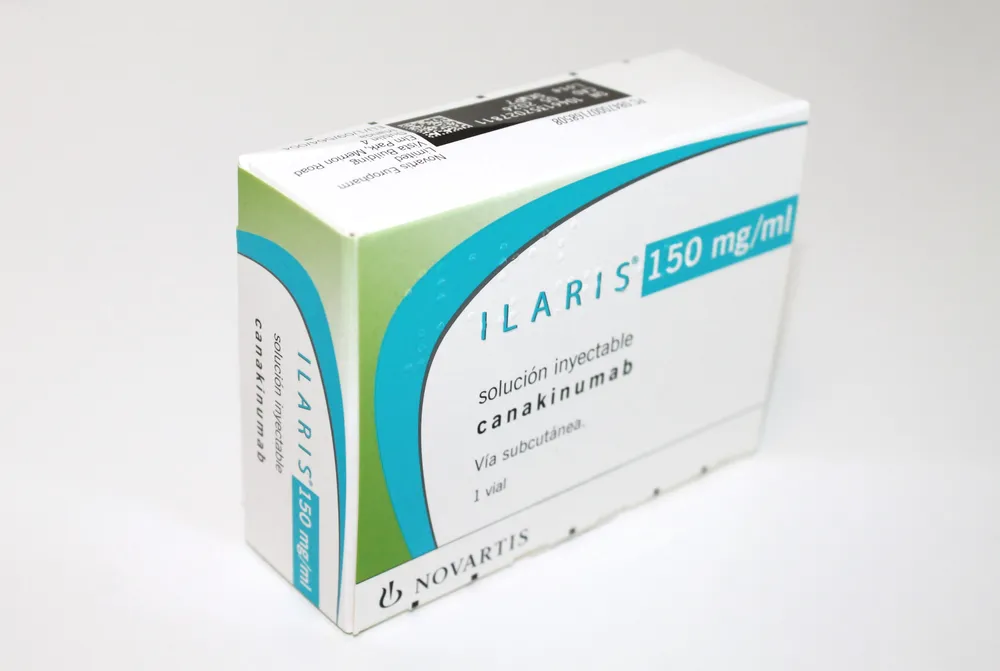
ILARIS 150 MG/ML SOLUTION FOR INJECTION
SpainIt is used to treat various inflammatory diseases, such as periodic fever syndromes (CAPS, TRAPS, HIDS/MKD, and familial Mediterranean fever), Still's disease (including adult-onset Still's disease and systemic juvenile idiopathic arthritis), and arthritic gout in adults.
Frequently asked questions
How should I take Ilaris?
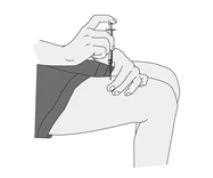
It must be administered via subcutaneous injection (under the skin) in the upper thigh, abdomen, upper arm, or buttocks. The frequency and dose depend on the disease being treated and must be prescribed by a doctor.
When should I not use this medication?
Do not use it if you are allergic to canakinumab or any of its components, or if you have or suspect you have a serious and active infection.
What side effects can Ilaris cause?
The most frequent side effects include infections (respiratory, ear, skin, urinary, or stomach), abdominal pain, joint pain, decreased white blood cell count, and injection site reactions. Dizziness, fatigue, or fungal infections may also occur.
What should I do if I have an allergic reaction or severe symptoms?
You must consult your doctor immediately if you develop a widespread and atypical skin rash with high fever and swollen lymph nodes, or if you experience difficulty breathing, swelling, dizziness, or palpitations.
Can I take other medications while using Ilaris?
You must inform your doctor about any other medications you are taking. It should not be used in conjunction with tumor necrosis factor (TNF) inhibitors because it increases the risk of infection, and it is recommended to avoid live vaccines during treatment.
What precautions should I take regarding pregnancy and breastfeeding?
You should avoid pregnancy and use contraceptive methods during treatment and for up to three months after the last dose. If you are pregnant or breastfeeding, you must consult your doctor regarding the potential risks.
How should I store the medication?
It should be stored in the refrigerator between 2 °C and 8 °C, do not freeze, and must be kept in its original carton to protect it from light.
Instructions for use
Package leaflet: Information for the user
Introduction
Package leaflet: information for the user
Ilaris 150 mg/ml solution for injection
canakinumab
Read the entire leaflet carefully before you start using this medicine, because it contains important information for you.
- Keep this leaflet, as you may need to read it again.
- If you have any questions, ask your doctor, pharmacist or nurse.
- This medicine has been prescribed for you only, and you should not give it to other people, even if they have the same symptoms as you, because it may harm them.
- If you experience any adverse reactions, consult your doctor, pharmacist or nurse, even if they are adverse reactions not listed in this leaflet. See section 4.
In addition to this leaflet, you will be given a patient card containing important safety information you need before and during treatment with Ilaris.
Leaflet contents
- What Ilaris is and what it is used for
- What you need to know before using Ilaris
- How to use Ilaris
- Possible side effects
- How to store Ilaris
- Contents of the pack and other information
1. What Ilaris is and what it is used for
What Ilaris is
Ilaris contains the active substance canakinumab, a monoclonal antibody belonging to a group of medicines called interleukin inhibitors. In the body, it blocks the activity of a substance called interleukin-1 beta (IL-1 beta), which is present at elevated levels in inflammatory diseases.
What Ilaris is used for
Ilaris is used to treat the following inflammatory diseases:
-
Periodic fever syndromes:
-
cryopyrin-associated periodic syndromes (CAPS*)
-
tumor necrosis factor receptor-associated periodic syndrome (TRAPS*)
-
hyperimmunoglobulinemia D syndrome (HIDS*)/mevalonate kinase deficiency (MKD*)
-
familial Mediterranean fever (FMF)
-
Still's disease, including adult-onset Still's disease (AOSD) and systemic juvenile idiopathic arthritis (SJIA)
-
Gouty arthritis
(*) abbreviations derived from English terms
More information on these diseases is provided below.
Periodic fever syndromes
Ilaris is used in adults and children from 2 years of age to treat the following conditions:
-
Cryopyrin-associated periodic syndromes (CAPS) – a group of autoinflammatory diseases, including:
-
Muckle-Wells syndrome (MWS)
-
neonatal-onset multisystem inflammatory disease (NOMID), also known as chronic infantile neurological, cutaneous, and articular syndrome (CINCA)
-
severe manifestations of familial cold autoinflammatory syndrome (FCAS)/familial cold urticaria (FCU) presenting signs and symptoms beyond cold-induced urticaria-like skin rash.
-
Tumor necrosis factor receptor-associated periodic syndrome (TRAPS)
-
Hyperimmunoglobulinemia D syndrome (HIDS)/mevalonate kinase deficiency (MKD)
-
Familial Mediterranean fever (FMF): Ilaris is used to treat FMF. Ilaris may be used in combination with colchicine, if appropriate.
In patients with periodic fever syndromes (CAPS, TRAPS, HIDS/MKD, and FMF), the body produces excessive amounts of IL-1 beta. This may cause fever, headache, fatigue, skin rash, or joint and muscle pain. By blocking the activity of IL-1 beta, Ilaris can improve these symptoms.
Still's disease
Ilaris is used in adult, adolescent, and pediatric patients from 2 years of age for the treatment of active Still's disease, including adult-onset Still's disease (AOSD) and systemic juvenile idiopathic arthritis (SJIA), when other treatments have not worked well. Ilaris may be used alone or in combination with methotrexate.
Still's disease, including SJIA and AOSD, is an inflammatory disease that may cause pain, swelling, and inflammation of one or more joints, as well as rash and fever. The pro-inflammatory protein IL-1beta plays an important role in the inflammation associated with Still's disease. By blocking the activity of IL-1beta, Ilaris can improve the signs and symptoms of Still's disease.
Gouty arthritis
Ilaris is used in adults to treat symptoms of frequent gouty arthritis attacks when other treatments have not worked well enough.
Gouty arthritis is caused by the formation of urate crystals. These urate crystals trigger excessive production of IL-1 beta, which in turn can cause sudden severe joint pain, redness, heat, and swelling (known as a gout attack). By blocking IL-1 beta, Ilaris can help improve these symptoms.
2. What you need to know before using Ilaris
Do not use Ilaris
- if you are allergic to canakinumab or to any of the other ingredients of this medicine (listed in section 6)
- if you have, or suspect you have, a serious and active infection
Warnings and precautions
Talk to your doctor before starting Ilaris if you are in any of the following situations:
- if you currently have an infection, or have had repeated infections, or suffer from a condition such as low white blood cell count that makes you more susceptible to infections
- if you have or have ever had tuberculosis or have had close contact with someone who has active tuberculosis. Your doctor may test you for tuberculosis using a specific test
- if you have signs of liver disorder such as yellowing of the skin and eyes (jaundice), nausea, loss of appetite, dark urine, or pale stools
- if you need to receive any vaccine. It is recommended to avoid vaccination with a type of vaccine (also known as live attenuated vaccine) while using Ilaris (see also "Use of Ilaris with other medicines").
- This medicine contains 0.4 mg of polysorbate 80 per 1 ml of injectable solution. Polysorbates may cause allergic reactions. Inform your doctor if you or your child have any known allergies.
Contact your doctor immediately
- if you have ever developed an unusual widespread rash or skin peeling after taking Ilaris.
A serious skin reaction, DRESS (Drug Reaction with Eosinophilia and Systemic Symptoms), has rarely been reported with Ilaris treatment, particularly in patients with systemic juvenile idiopathic arthritis (sJIA). Seek immediate medical attention if you notice an unusual widespread rash, which may occur along with high fever and swollen lymph nodes.
Still’s disease
- Patients with Still’s disease may develop a condition called macrophage activation syndrome (MAS), which can be life-threatening. Your doctor will monitor you for potential triggers of MAS, including infections and reactivation of Still’s disease (worsening).
Traceability
Each time you/your child receive a new pack of Ilaris, it is important to record the name of the medicine, the date of administration, and the batch number, and to keep this information in a safe place.
Children and adolescents
- CAPS, TRAPS, HIDS/MKD, FMF, and sJIA: Ilaris can be used in children from 2 years of age.
- Gouty arthritis: Ilaris is not recommended for children or adolescents under 18 years of age.
Other medicines and Ilaris
Tell your doctor, pharmacist, or nurse if you are taking, have recently taken, or might need to take any other medicines.
- Live attenuated vaccines: It is recommended to avoid vaccination with live attenuated vaccines while being treated with Ilaris. Your doctor may need to review your vaccination history and administer any missing vaccines before starting Ilaris treatment. If you need to receive a live attenuated vaccine after starting Ilaris, discuss this with your doctor. A live attenuated vaccine should normally be given at least 3 months after your last Ilaris injection and 3 months before the next scheduled dose.
- Medicines known as tumour necrosis factor (TNF) inhibitors, such as etanercept, adalimumab, or infliximab. These are mainly used for rheumatic and autoimmune diseases. They should not be used with Ilaris, as this may increase the risk of infections.
Pregnancy and breastfeeding
If you are pregnant, breastfeeding, think you may be pregnant, or plan to become pregnant, consult your doctor or pharmacist before using this medicine.
- You should avoid becoming pregnant, and it is recommended to use adequate contraception while taking Ilaris and for at least three months after the last dose. It is important to inform your doctor if you are pregnant, suspect you may be pregnant, or are planning to have a baby. Your doctor will advise you on the potential risks of using Ilaris during pregnancy.
- If you receive canakinumab while pregnant, it is important to inform the paediatrician or nurse before any vaccine is administered to your baby. Your baby should not receive live vaccines until at least 16 weeks after your last dose of canakinumab before delivery.
- It is unknown whether Ilaris passes into breast milk. Your doctor will advise you on the potential risks of using Ilaris before breastfeeding.
Driving and using machines
Treatment with Ilaris may cause dizziness or a sensation of spinning (vertigo) or extreme tiredness (asthenia). This should be taken into account when assessing your ability to perform tasks requiring judgment or motor skills. If you feel dizzy or tired, do not drive or operate tools or machinery until you feel well again.
3. How to use Ilaris
Follow exactly the administration instructions given by your doctor for this medicine. If in doubt, consult your doctor, pharmacist, or nurse again.
Keep your doctor informed about your condition and any symptoms before using or being administered Ilaris (see section 2). Your doctor may decide to delay or interrupt your treatment, only when necessary.
Ilaris must be administered subcutaneously. This means it is injected with a short needle into the fatty tissue beneath the skin.
If you have gouty arthritis, a doctor with specialized training will supervise your treatment. Ilaris must only be injected by a healthcare professional.
If you have CAPS, TRAPS, HIDS/MKD, FMF, or Still’s disease (systemic-onset juvenile idiopathic arthritis [SJIA] or adult-onset Still’s disease [AOSD]), you may self-inject Ilaris after receiving adequate training, or a caregiver may administer it to you.
How much Ilaris to use
Cryopyrin-Associated Periodic Syndromes (CAPS)
The recommended starting dose of Ilaris is based on body weight:
-
Adults and children aged 4 years or older
-
150 mg for patients weighing more than 40 kg
-
2 mg/kg for patients weighing between 15 kg and 40 kg
-
4 mg/kg for patients weighing between 7.5 kg and less than 15 kg
-
Children aged 2 or 3 years
-
4 mg/kg for patients with a body weight of 7.5 kg or more
Ilaris is injected every 8 weeks as a single injection.
- If you do not respond adequately to treatment within 7 days, your doctor may give you an additional dose of 150 mg or 2 mg/kg.
- If you respond adequately to this second dose, your treatment will continue with 300 mg or 4 mg/kg every 8 weeks.
- If you do not respond adequately to the second dose, a third dose of Ilaris at 300 mg or 4 mg/kg may be administered.
- If you respond adequately to the third dose, your treatment will continue with 600 mg or 8 mg/kg every 8 weeks.
In children who started with an initial dose of 4 mg/kg and who have not responded adequately after 7 days, the doctor may administer a second dose of 4 mg/kg. If the child responds adequately to this dose, treatment may continue with 8 mg/kg every 8 weeks.
Tumor Necrosis Factor Receptor-Associated Periodic Syndrome (TRAPS), Hyperimmunoglobulin D Syndrome (HIDS)/Mevalonate Kinase Deficiency (MKD), and Familial Mediterranean Fever (FMF)
The recommended starting dose of Ilaris is based on body weight:
-
Adults and children aged 2 years or older
-
150 mg for patients weighing more than 40 kg
-
2 mg/kg for patients weighing between 7.5 kg and less than 40 kg
Ilaris is injected every 4 weeks as a single injection.
- If you do not respond adequately to treatment within 7 days, your doctor may give you an additional dose of 150 mg or 2 mg/kg.
- If you respond adequately to this dose, your treatment will continue with 300 mg or 4 mg/kg every 4 weeks.
Still’s disease (SJIA and AOSD)
The recommended dose of Ilaris for patients with Still’s disease and a body weight of 7.5 kg or more is 4 mg/kg (up to a maximum of 300 mg). Ilaris is injected every 4 weeks as a single dose.
Gouty arthritis
Your doctor will discuss with you the need to start or adjust uric acid-lowering therapy to reduce the level of uric acid in your blood.
The recommended dose of Ilaris for adult patients with gout is 150 mg administered as a single dose during an attack of gouty arthritis.
If you require further treatment with Ilaris and obtained relief with the last dose, you should wait a minimum of 12 weeks before receiving another dose.
Self-injection of Ilaris or injection of Ilaris to a patient
If you are a patient with CAPS, TRAPS, HIDS/MKD, FMF, or Still’s disease (AOSD or SJIA), or a caregiver of a patient with one of these conditions, you may administer Ilaris injections yourself after receiving adequate training on the injection technique.
-
The patient or caregiver and the doctor will decide who will administer the Ilaris injections.
-
Your doctor or nurse will teach you how to administer Ilaris injections.
-
Do not attempt to give yourself an injection if you have not received the necessary training or are unsure how to do it.
-
Ilaris 150 mg/ml solution for injection is supplied in a single-use vial for individual use.
-
Do not reuse any leftover solution.
For more information on how to administer Ilaris injections, refer to the section "Instructions for Use" at the end of this leaflet. If you have any doubts, speak with your doctor, pharmacist, or nurse.
Duration of Ilaris treatment
- CAPS, TRAPS, HIDS/MKD, FMF, or Still’s disease (AOSD or SJIA): you should continue using Ilaris for as long as your doctor advises.
- Gouty arthritis: if you have an attack of gouty arthritis, you will be given a single dose of Ilaris. If you experience a new attack, your doctor may consider administering another dose of Ilaris, but not earlier than 12 weeks after the previous dose.
If you use more Ilaris than you should
If you accidentally inject more Ilaris than the recommended dose, it is unlikely to be serious, but you should inform your doctor, pharmacist, or nurse as soon as possible.
If you forget to use Ilaris
If you have CAPS, TRAPS, HIDS/MKD, FMF, or Still’s disease (AOSD or SJIA) and have forgotten to inject a dose of Ilaris, administer the missed dose as soon as you remember. Then contact your doctor to agree on when to administer the next dose. After that, continue injecting at the recommended intervals as before.
If you stop using Ilaris
Stopping your treatment with Ilaris may cause your disease to worsen. Do not stop treatment with Ilaris unless instructed by your doctor.
If you have any further questions about the use of this medicine, ask your doctor, pharmacist, or nurse.
4. Possible adverse effects
Like all medicines, this medicine can cause adverse effects, although not everyone experiences them.
Some adverse effects may be serious. Immediately inform your doctor if you experience any of the following adverse effects:
-
Fever lasting more than 3 days or any symptoms that may suggest a serious infection. These include shivering, chills, general malaise, loss of appetite, body aches, usually associated with sudden onset of illness, sore throat or mouth ulcers, cough, phlegm, chest pain, difficulty breathing, ear pain, prolonged headache, and localized redness, warmth, and swelling of the skin or inflammation of connective tissue (cellulitis). These symptoms may be due to a serious infection, an unusual infection (opportunistic infection), or related to low levels of white blood cells (called leucopenia and neutropenia). If necessary, your doctor may perform regular blood tests.
-
Allergic reactions with rash and itching, and possibly also hives, difficulty breathing or swallowing, dizziness, unusual awareness of heartbeat (palpitations), and low blood pressure.
Other adverse effects of Ilaris include:
Very common (may affect more than 1 in 10 people):
-
Infections of any kind. These may include:
-
Respiratory infections such as chest infection, flu, sore throat, runny nose, nasal congestion, sneezing, sensation of pressure or pain in the cheeks or forehead with or without fever (pneumonia, bronchitis, flu-like symptoms, sinusitis, rhinitis, pharyngitis, tonsillitis (sore throat), nasopharyngitis, upper respiratory tract infection).
-
Other infections such as ear infection, skin infection (cellulitis), stomach pain and gastroenteritis, and pain with frequent need to urinate with or without fever (urinary tract infection).
-
Upper abdominal pain.
-
Joint pain (arthralgia).
-
Decrease in white blood cell levels (leucopenia).
-
Abnormal kidney function test results (decreased renal clearance, proteinuria).
-
Reactions at the injection site (such as redness, swelling, warmth, and itching).
Common (may affect up to 1 in 10 people):
- Candida – fungal vaginal infection (vulvovaginal candidiasis).
- Feeling dizzy, sensation that everything is spinning (dizziness or vertigo).
- Back or muscle pain.
- Feeling weak or very tired (fatigue, asthenia).
- Decrease in levels of white blood cells which help prevent infection (neutropenia).
- Abnormal levels of triglycerides in your blood (disorder of lipid metabolism).
- Abnormal liver function test results (increased transaminases) or elevated bilirubin levels in the blood, with or without yellowing of the skin and eyes (hyperbilirubinemia).
Uncommon (may affect up to 1 in 100 people):
- Heartburn (gastroesophageal reflux disease).
- Decrease in blood cells that help prevent bleeding (platelets).
Immediately inform your doctor or your child's doctor if you notice any of these symptoms.
Reporting of adverse effects
If you experience any type of adverse effect, consult your doctor, pharmacist, or nurse, even if it is a possible adverse effect not listed in this leaflet. You may also report them directly through the national reporting system included in Appendix V. By reporting adverse effects, you can help provide more information on the safety of this medicine.
5. Storage of Ilaris
-
Keep this medicine out of the sight and reach of children.
-
Do not use this medicine after the expiry date which is stated on the label and the carton after EXP. The expiry date refers to the last day of the month indicated.
-
Store in a refrigerator (between 2°C and 8°C). Do not freeze.
-
Keep the vial in its original carton to protect it from light.
-
The solution should be used immediately after the first puncture of the vial stopper to prepare the injection.
-
Do not use this medicine if you notice that the solution is not clear to opalescent or if it contains particles.
-
Any unused medicine should be discarded after the dose has been injected.
Medicines must not be disposed of via wastewater or household waste. Ask your pharmacist how to dispose of medicines and packaging that you no longer need. This will help protect the environment.
6. Contents of the container and other information
Composition of Ilaris
-
The active substance is canakinumab. Each vial contains 150 mg of canakinumab in 1 ml of solution.
-
The other components are mannitol, histidine, histidine hydrochloride monohydrate, polysorbate 80 (see section 2), water for injections.
Appearance of the product and contents of the container
-
Ilaris is presented as an injectable solution in a 2 ml glass vial.
-
The solution is a liquid ranging from clear to opalescent and from colorless to slightly yellowish-brown. Do not use if the liquid contains readily visible particles, is cloudy, or shows a brown color.
-
Ilaris is available in packages containing one vial.
Marketing Authorization Holder
Novartis Europharm Limited
Vista Building
Elm Park, Merrion Road
Dublin 4
Ireland
Manufacturer
Novartis Farmacéutica, S.A.
Gran Vía de les Corts Catalanes, 764
08013 Barcelona
Spain
Novartis Pharma GmbH
Roonstrasse 25
90429 Nuremberg
Germany
Lek Pharmaceuticals d.d.
Verovskova Ulica 57
1526 Ljubljana
Slovenia
Novartis Pharma GmbH
Sophie-Germain-Strasse 10
90443 Nuremberg
Germany
Further information on this medicinal product is available upon request to the local representative of the marketing authorization holder:
Belgium/Belgium/Belgien Novartis Pharma N.V. Tel/Tel: +32 2 246 16 11 | Lithuania SIA Novartis Baltics Lithuania branch Tel: +370 5 269 16 50 |
Bulgaria Novartis Bulgaria EOOD Tel.: +359 2 489 98 28 | Luxembourg/Luxemburg Novartis Pharma N.V. Tél/Tel: +32 2 246 16 11 |
Czech Republic Novartis s.r.o. Tel: +420 225 775 111 | Hungary Novartis Hungária Kft. Tel.: +36 1 457 65 00 |
Denmark Novartis Healthcare A/S Tlf: +45 39 16 84 00 | Malta Novartis Pharma Services Inc. Tel: +356 2122 2872 |
Germany Novartis Pharma GmbH Tel: +49 911 273 0 | Netherlands Novartis Pharma B.V. Tel: +31 88 04 52 111 |
Estonia SIA Novartis Baltics Estonia branch Tel: +372 66 30 810 | Norway Novartis Norge AS Tlf: +47 23 05 20 00 |
Greece Novartis (Hellas) S.A. Tel: +30 210 281 17 12 | Austria Novartis Pharma GmbH Tel: +43 1 86 6570 |
Spain Novartis Farmacéutica, S.A. Tel: +34 93 306 42 00 | Poland Novartis Poland Sp. z o.o. Tel.: +48 22 375 4888 |
France Novartis Pharma S.A.S. Tél: +33 1 55 47 66 00 | Portugal Novartis Farma - Produtos Farmacêuticos, S.A. Tel: +351 21 000 8600 |
Croatia Novartis Hrvatska d.o.o. Tel. +385 1 6274 220 | Romania Novartis Pharma Services Romania SRL Tel: +40 21 31299 01 |
Ireland Novartis Ireland Limited Tel: +353 1 260 12 55 | Slovenia Novartis Pharma Services Inc. Tel: +386 1 300 75 50 |
Iceland Vistor hf. Tel: +354 535 7000 | Slovakia Novartis Slovakia s.r.o. Tel: +421 2 5542 5439 |
Italy Novartis Farma S.p.A. Tel: +39 02 96 54 1 | Finland Novartis Finland Oy Puh/Tel: +358 (0)10 6133 200 |
Cyprus Novartis Pharma Services Inc. Tel: +357 22 690 690 | Sweden Novartis Sverige AB Tel: +46 8 732 32 00 |
Latvia SIA Novartis Baltics Tel: +371 67 887 070 |
Date of the most recent review of this leaflet:
Other sources of information
Detailed information on this medicine is available on the European Medicines Agency website: https://www.ema.europa.eu
Instructions for use of Ilaris injectable solution
Read these instructions completely before injecting.
- It is important that you do not attempt to inject yourself until you have been trained by your healthcare professional.
- Also refer to section 3, "Self-injection of Ilaris or injection of Ilaris in a patient".
Essential preparations:
- Find a clean area in which to prepare and administer the injection.
- Wash your hands with soap and water, then dry them with a clean towel.
- After removing the vial from the refrigerator, check the expiry date on the vial. Do not use after the expiry date stated on the label and packaging. The expiry date refers to the last day of the month indicated.
- Leave the unopened vial for 10 minutes to allow the contents to reach room temperature. Do not attempt to heat the vial. Allow it to warm up naturally.
- Always use new syringes and needles that are in sealed packaging. Do not touch the needles or the vial stopper.
Gather all required items:
Included in the pack
- one vial of Ilaris injectable solution (keep refrigerated).
Not included in the pack
- one 1.0 ml syringe
- one needle (such as 18 G or 21 G x 2 inches or similar, depending on market availability) to withdraw the solution from the vial ("withdrawal needle").
- one 27 G x 0.5 inch needle (or similar, depending on market availability) for injection ("injection needle")
- alcohol wipes
- clean, dry cotton wool
- adhesive plaster
- an appropriate container for used needles, syringe, and vial (sharps waste container)
Preparation of the injection
|
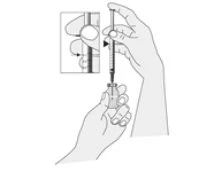
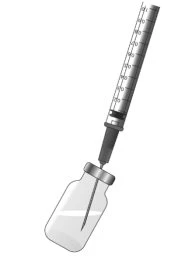
Open the packages containing the syringe and the transfer needle.
|
|
NOTE: The required amount depends on the dose to be administered. Your healthcare provider will show you the amount to be injected.
|
Administration of the injection
|
|
|
|
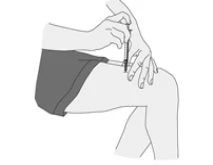
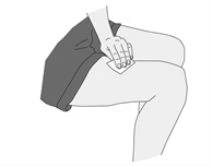
After the injection
|
|
|
Keep the waste container out of sight and out of reach of children. Dispose of it according to the instructions provided by your healthcare professional or pharmacist. |

The original data is available in the language of the country of manufacture.
Data source: Online Medicines Information Centre (CIMA) — AEMPS
Data last verified: September 21, 2026