HYDROXYCHLOROQUINE SULFATE EDEST
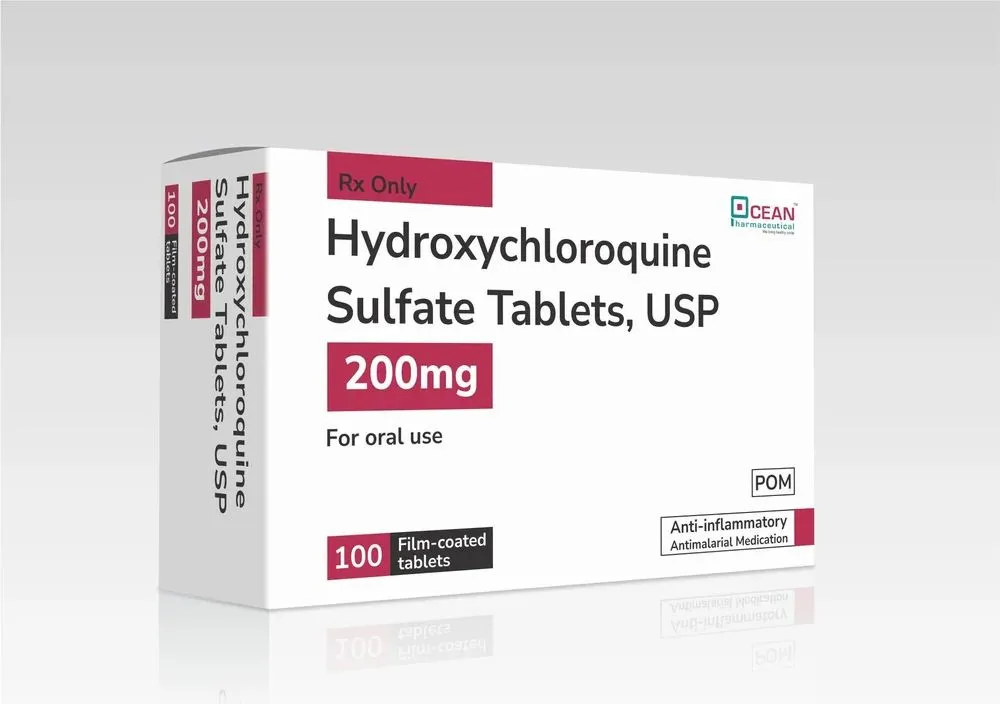
PolandThe medicine is used in adults for the treatment of rheumatoid arthritis, lupus erythematosus (systemic and discoid), skin problems with photosensitivity, and for the treatment and prevention of malaria. In children over 6 years of age (weighing more than 31 kg), it is used for the treatment of juvenile idiopathic arthritis, lupus, and malaria.
Frequently asked questions
How should Hydroxychloroquine sulfate Edest be taken?
Tablets should be swallowed whole after a meal. The dosage is determined individually by a doctor depending on the condition and body weight. For malaria prophylaxis in adults, 400 mg is taken once a week, whereas for joint treatment, the dose depends on the specific case (e.g., 400 mg per day at the start of treatment).
When should you not use this medicine?
Do not use the medicine if you are allergic to hydroxychloroquine, other antimalarial drugs (e.g., quinine), or any of the ingredients of the preparation. Contraindications also include certain eye diseases (e.g., maculopathy), myasthenia gravis, and use in children under 6 years of age or those weighing less than 31 kg.
What are the possible side effects of Hydroxychloroquine sulfate Edest?
The medicine may cause, among others, nausea, abdominal pain, skin rashes, dizziness, fatigue, and mood changes (e.g., depression or anxiety). It is very important to monitor vision, as the medicine may affect the eyes. In rare cases, serious skin reactions, heart problems, or hearing impairment may occur.
Can the medicine be taken with other medicines?
Caution should be exercised, and the doctor should be informed about all medications being taken. The medicine should not be combined with certain antidepressants (MAO inhibitors). It may interact with digoxin, anticonvulsants, antidiabetic drugs (e.g., insulin), drugs affecting heart rhythm, and may weaken the effect of the rabies vaccine.
What should you do in case of overdose?
If a dose greater than the recommended dose has been taken, contact a doctor or go to a hospital immediately, taking the medicine packaging with you. Overdose may manifest as headache, vision problems, seizures, or heart rhythm disturbances, and can be fatal.
Instructions for use
Table of contents
- 1. What Hydroxychloroquine sulfate Edest is and what it is used for
- 2. Important information before using Hydroxychloroquine sulfate Edest
- 3. How to take Hydroxychloroquine sulfate Edest
- 4. Possible adverse reactions
- 5. How to store Hydroxychloroquine sulfate Edest
- 6. Contents of the pack and other information
Package leaflet:
Information for the user
Hydroxychloroquine sulfate Edest, 200 mg, film-coated tablets
Hydroxychloroquini sulfas
Please read the entire leaflet carefully before taking this medicine, because it contains
important information for the patient.
- Keep this leaflet so that you can read it again if necessary.
- If you have any questions, please consult your doctor or pharmacist.
- This medicine has been prescribed for a specific individual. Do not share it with others. This medicine may harm another person, even if their symptoms are the same.
- If the patient experiences any adverse reactions, including any not listed in this leaflet, inform a doctor or pharmacist. See section 4.
Table of contents:
- What Hydroxychloroquine sulfate Edest is and what it is used for
- Important information before taking Hydroxychloroquine sulfate Edest
- How to take Hydroxychloroquine sulfate Edest
- Possible side effects
- How to store Hydroxychloroquine sulfate Edest
- Contents of the pack and other information
1. What Hydroxychloroquine sulfate Edest is and what it is used for
Hydroxychloroquine sulfate Edest contains the active substance hydroxychloroquine sulfate.
This medicine may be used in the following conditions:
Adults
- treatment of chronic conditions involving inflammation of joints, muscles, tendons or ligaments (rheumatoid arthritis),
- treatment of certain diseases whose symptoms include, among others, skin problems and (or) joint pain (systemic and discoid lupus erythematosus),
- treatment of skin problems associated with sensitivity to sunlight (photodermatoses),
- treatment of acute attacks of malaria and prevention of malaria.
Children (aged 6 years and above and weighing 31 kg and above)
- for the treatment of juvenile rheumatism in combination with other treatments (juvenile idiopathic arthritis),
- treatment of certain diseases whose symptoms include, among others, skin problems and (or) joint pain (systemic and discoid lupus erythematosus),
- treatment of acute attacks of malaria and prevention of malaria.
2. Important information before using Hydroxychloroquine sulfate Edest
When not to use Hydroxychloroquine sulfate Edest:
- If the patient is allergic to:
- hydroxychloroquine sulfate or any of the other ingredients of this medicine (listed in section 6).
- other similar medicines, such as quinolones and quinine (other medicines used in the treatment of malaria).
- The patient has certain eye diseases (ocular maculopathy or pigmentary retinopathy).
- The patient suffers from a certain form of muscle weakness (myasthenia gravis).
- Hydroxychloroquine sulfate Edest must not be used in children under 6 years of age and weighing less than 31 kg. The medicine should not be taken if any of the above symptoms occur. If in doubt, the patient should consult a doctor or pharmacist before starting treatment with Hydroxychloroquine sulfate Edest.
Warnings and precautions
Before starting treatment with Hydroxychloroquine sulfate Edest, consult a doctor or pharmacist if the patient has:
- liver or kidney diseases,
- severe stomach or intestinal disorders,
- is taking tamoxifen, used in the treatment of breast cancer,
- has blood disorders. The patient may undergo blood tests to check this condition.
- has heart disease (symptoms include shortness of breath and chest pain), which may require monitoring,
- has neurological or brain disorders,
- has psoriasis (red, scaly patches on the skin, usually affecting knees, elbows and scalp),
- previously experienced an adverse reaction to quinine,
- has a genetic disorder known as glucose-6-phosphate dehydrogenase deficiency,
- has a rare disorder known as porphyria, which affects metabolism,
- hydroxychloroquine may reduce blood glucose levels. The patient should ask the doctor to explain subjective and objective symptoms of low blood glucose levels. Blood glucose testing may be necessary.
- has hearing loss.
In some individuals treated with Hydroxychloroquine sulfate Edest, psychiatric symptoms may occur, such as irrational thoughts, hallucinations, feelings of disorientation or depression, including self-harming or suicidal thoughts, even in individuals who have not previously experienced such problems. If the patient or someone close to them notices such adverse effects (see section 4), immediate medical help should be sought.
Serious skin rashes have been reported with the use of hydroxychloroquine (see section 4 "Possible side effects"). Often, the rash may involve ulceration of the mouth, throat, nose, genital organs and conjunctivitis (redness and swelling of the eyes). Such serious skin rashes are often preceded by flu-like symptoms such as fever, headache and body aches. The rash may progress to extensive blistering and skin peeling. If such skin symptoms occur, hydroxychloroquine should be discontinued immediately and the patient should contact a doctor without delay.
Before using Hydroxychloroquine sulfate Edest
-
Before starting treatment with this medicine, the doctor will perform an eye examination to check for any abnormalities. For long-term use of this medicine, eye examinations should be repeated at least every 6 months during treatment with Hydroxychloroquine sulfate Edest. If the patient is over 65 years old, is taking a high dose (2 tablets daily), or has kidney problems, these examinations should be performed more frequently. If any problems occur during treatment (e.g. decreased visual acuity, changes in color vision, or reduced field of vision), the patient should contact the doctor immediately.
-
Hydroxychloroquine sulfate Edest may cause heart rhythm disturbances in some patients. Caution should be exercised when using Hydroxychloroquine sulfate Edest if the patient has congenital QT interval prolongation or a family history of QT prolongation, if the patient has developed QT prolongation (visible on electrocardiogram [ECG]), if the patient has heart function disorders or a previous heart attack (myocardial infarction), if the patient has electrolyte imbalances in the blood (especially low potassium or magnesium levels, see section "Hydroxychloroquine sulfate Edest and other medicines"). If palpitations or irregular heartbeat occur during treatment, the patient should inform the doctor immediately. The risk of heart problems may increase with higher doses. Therefore, the recommended dose must be strictly followed.
-
If the patient uses this medicine for a long time, periodic examinations of muscles and tendons are necessary. If muscle or tendon weakness occurs, the patient should inform the doctor.
If in doubt whether any of the above symptoms apply to the patient, consult a doctor or pharmacist before using Hydroxychloroquine sulfate Edest.
Children
Hydroxychloroquine sulfate Edest must not be used in children under 6 years of age and weighing less than 31 kg. Young children are particularly sensitive to the toxic effects of quinolones. Therefore, Hydroxychloroquine sulfate Edest should be stored out of reach of children.
Hydroxychloroquine sulfate Edest and other medicines
Inform the doctor or pharmacist about all medicines currently taken, recently taken, or planned for use.
- Certain antidepressants (monoamine oxidase inhibitors (MAOIs)) should not be combined with Hydroxychloroquine sulfate Edest.
- Taking Hydroxychloroquine sulfate Edest with digoxin (a heart medicine) may lead to increased digoxin effects.
- Hydroxychloroquine sulfate Edest may reduce the effectiveness of the rabies vaccine.
- Hydroxychloroquine sulfate Edest may increase the risk of seizures, especially when used with antimalarial medicines (e.g. mefloquine). Additionally, Hydroxychloroquine sulfate Edest may reduce the effectiveness of antiepileptic medicines.
- Hydroxychloroquine sulfate Edest may enhance the effect of certain antidiabetic medicines (such as insulin or metformin) on blood glucose levels. It may be necessary to reduce the dose of insulin or other antidiabetic medicines.
- The patient should inform the doctor if taking medicines known to affect heart rhythm. This includes medicines used to treat heart rhythm disorders (antiarrhythmic medicines), depression (tricyclic antidepressants), psychiatric disorders (antipsychotics), bacterial infections, or antimalarials (e.g. halofantrine).
Pregnancy and breastfeeding
If the patient is pregnant or breastfeeding, suspects she may be pregnant, or is planning to have a child, she should consult a doctor or pharmacist before using this medicine.
Pregnancy
Hydroxychloroquine sulfate Edest should not be used in high daily doses during pregnancy unless the doctor determines it is necessary, as the risk of discontinuing treatment is greater than the potential risk to the fetus.
This medicine may be used during pregnancy to prevent malaria, as only low doses are required.
Breastfeeding
This medicine passes into human milk. There is insufficient information on the effects of hydroxychloroquine on newborns and infants. Depending on the disease and duration of treatment, the doctor will decide whether this medicine can be used during breastfeeding. If the patient takes this medicine once a week, e.g. for malaria prophylaxis, breastfeeding need not be interrupted. However, this amount of medicine is insufficient to prevent malaria in the infant.
Driving and operating machinery
While taking this medicine, the patient may experience vision problems and dizziness. If such symptoms occur, the patient must not drive, use tools, or operate machinery and should contact a doctor immediately.
Hydroxychloroquine sulfate Edest contains lactose
If the patient has previously been diagnosed with intolerance to certain sugars, the patient should contact the doctor before taking the medicine.
3. How to take Hydroxychloroquine sulfate Edest
This medicine should always be taken as directed by your doctor or pharmacist. Your doctor will
determine the daily dose. If you have any doubts, consult your doctor or pharmacist.
What dose to take
Recommended dose:
Adults
Rheumatoid arthritis
Initial dose: 400 mg once daily, as a single dose or divided into two doses.
Maintenance dose: 200 mg once daily, and later possibly 200 mg every other day.
Systemic and discoid lupus erythematosus
Initial dose: from 400 mg (as a single dose or divided into two doses) to 600 mg (as a single dose or
divided into two or three doses) once daily (for several weeks, if necessary).
Maintenance dose: from 200 mg to 400 mg as a single dose or divided into two doses once daily.
Skin disorders related to sunlight exposure
Treatment is limited to periods when the patient is exposed to high levels of sunlight.
Adults: Usually, a dose of 400 mg once daily, as a single dose or divided into two doses, is sufficient.
Malaria prophylaxis
Adults: 400 mg once weekly, taken on the same day each week. Malaria prophylaxis should begin one week before entering a malaria-endemic area and continued for four weeks after leaving the area.
Treatment of acute malarial attack
The dose used in acute malarial attack depends on the nature of the infection. The total dose is up to 2 grams and is administered over a maximum of three days.
Children
The doctor will determine the dose based on the patient's body weight. The 200 mg tablet is not suitable for children weighing less than 31 kg.
Impaired kidney or liver function
In patients with impaired kidney or liver function, the doctor may prescribe a lower dose.
Duration of treatment
Follow your doctor's instructions regarding the duration of treatment. For long-term treatment, the doctor will prescribe the lowest effective dose. When treating joint disorders, the medicine may take several weeks to become effective.
How to take this medicine
- Take this medicine orally.
- Swallow the tablets whole with food.
- If taking this medicine for conditions related to sensitivity to sunlight, Hydroxychloroquine sulfate Edest should only be taken during periods of high exposure to sunlight.
- The recommended dose is determined by the doctor according to the patient's body weight. If you feel the effect of the medicine is too strong or too weak, do not change the dose on your own; consult your doctor.
- If a patient takes this medicine for rheumatoid arthritis over a long period (more than 6 months) and does not notice improvement, they should consult their doctor. It may be necessary to discontinue treatment.
Taking more Hydroxychloroquine sulfate Edest than prescribed
- If you have taken more Hydroxychloroquine sulfate Edest than prescribed, contact your doctor immediately or go to the nearest hospital emergency department. Take the medicine with you.
- This will allow the doctor to determine what the patient has taken. The following symptoms may occur: headache, visual disturbances, low blood pressure, seizures, cardiac arrhythmias, followed by sudden severe respiratory depression and possibly myocardial infarction. Overdose of Hydroxychloroquine sulfate Edest may result in death.
- Particular risk applies to small children and infants who accidentally ingest Hydroxychloroquine sulfate Edest. The child should be taken to hospital immediately.
Missing a dose of Hydroxychloroquine sulfate Edest
If you miss a dose, take it as soon as possible. However, if it is almost time for the next dose, skip the missed dose. Do not take a double dose to make up for a missed dose.
Stopping Hydroxychloroquine sulfate Edest
Continue taking the medicine until your doctor advises you to stop. Do not stop taking Hydroxychloroquine sulfate Edest because you feel better. Stopping treatment may lead to worsening of the disease.
If you have any further questions about the use of this medicine, consult your doctor or pharmacist.
4. Possible adverse reactions
Like all medicines, this medicine can cause adverse reactions, although not everyone will experience them.
Treatment with Hydroxychloroquine sulfate Edest must be discontinued and immediate medical attention must be sought from a doctor or hospital if the patient experiences any of the following symptoms:
Rare (occurs in no more than 1 in 1,000 patients)
- Eye disorders. These include changes in eye color and vision problems such as blurred vision, light sensitivity, or altered perception of colors. If these problems are detected early, they usually improve after stopping treatment with Hydroxychloroquine sulfate Edest. If not detected early enough, they may persist or even worsen after treatment is discontinued.
- Seizures (convulsions),
- Weakening of the heart muscle (circulatory failure) causing difficulty breathing, cough, high blood pressure, swelling, rapid heartbeat, and reduced urine output,
- Heart muscle disease (cardiomyopathy), which may be fatal with long-term use of high doses (see section 2, "Warnings and precautions").
Very rare (occurs in fewer than 1 in 10,000 patients)
- Severe skin reactions such as blistering, widespread peeling of the skin accompanied by high fever (toxic epidermal necrolysis).
- Blisters or peeling of the skin around the lips, eyes, mouth, nose, or genital organs, flu-like symptoms, and fever (Stevens-Johnson syndrome).
- Sudden skin rash with pustules, fever, and increased white blood cell count (acute generalized exanthematous pustulosis - AGEP).
Frequency unknown (cannot be estimated from available data)
- Allergic reaction. Symptoms may include: red rash or raised bumps, difficulty swallowing or breathing, swelling of the eyelids, lips, face, throat, or tongue (angioedema).
- Feeling of weakness, fatigue, fainting, dizziness, pale skin, shortness of breath, increased tendency to bruising and infections (anaemia, aplastic anaemia, thrombocytopenia, leukopenia, or agranulocytosis).
- Liver problems, which may cause yellowing of the eyes or skin (jaundice).
- Low blood sugar (hypoglycaemia), which may cause nervousness, trembling, or sweating.
- Feeling of depression or having self-harming or suicidal thoughts, hallucinations, nervousness or anxiety, disorientation, restlessness, difficulty sleeping, feelings of elation or excessive excitement.
-
- Severe skin reactions (see section 2. Warnings and precautions), such as rash with flu-like symptoms and fever, and swollen lymph nodes. This may be a condition called drug reaction with eosinophilia and systemic symptoms (DRESS).
-
- Blisters, widespread skin peeling, pus-filled spots, occurring with fever. This may be a condition called acute generalized exanthematous pustulosis (AGEP).
-
- Blisters or peeling of the skin around the lips, eyes, mouth, nose, and genital organs, flu-like symptoms, and fever. This may be a condition called Stevens-Johnson syndrome (SJS).
-
- Numerous skin lesions, itchy skin, joint pain, fever, and general malaise. This may be a disease called toxic epidermal necrolysis (TEN).
-
- Skin reactions, including plum-colored, raised, painful lesions (particularly on arms, hands, fingers, face, and neck), possibly accompanied by fever. This may be a condition called Sweet's syndrome.
Other adverse reactions associated with hydroxychloroquine sulfate treatment
Common adverse reactions (occurs in no more than 1 in 10 treated patients)
- Decreased appetite (anorexia).
Uncommon adverse reactions (occurs in no more than 1 in 100 treated patients)
- Nausea, diarrhoea, and stomach pain. These symptoms usually resolve after dose reduction or discontinuation of treatment.
- Skin rash.
Rare adverse reactions (occurs in no more than 1 in 1,000 treated patients)
- Psychiatric problems (such as delusions, hallucinations, and mood changes).
- Vomiting (usually resolves after dose reduction or discontinuation of treatment).
- Reduced bone marrow function (bone marrow suppression).
Very rare adverse reactions (occurs in no more than 1 in 10,000 treated patients)
- Hearing loss (irreversible).
- Skin redness with raised irregular spots (erythema multiforme).
- Long-term treatment with the structurally related substance chloroquine phosphate may very rarely lead to reversible phospholipidosis (increased accumulation of intracellular phospholipids), including renal phospholipidosis. Due to similar chemical structure, these adverse reactions may also occur during hydroxychloroquine treatment. In such cases, worsening of kidney function may occur.
Frequency unknown (cannot be estimated from available data)
- Worsening of red blood cell disease (porphyria).
- Drowsiness and (or) dizziness (vestibular origin).
- Nervousness.
- Excessive mood changes.
- Tinnitus (ringing in the ears).
- Headache.
- Movement disorders, such as muscle tension and tremors.
- Retinal changes, visual field disturbances, leading to restricted vision in parts of the visual field (in the case of central rings, everything except the center of the visual field is visible; in the case of paracentral rings, only the center of the visual field is visible), transient blind spots in the visual field, and unusual color perception.
- Corneal changes including clouding and fluid retention (edema). Sometimes these changes do not cause symptoms, but visual disturbances such as seeing colored halos, blurred vision, or photophobia may occur. These problems are transient or improve after discontinuation of treatment.
- Blurred vision due to accommodation disorders (focusing) of the eye. This problem is temporary and resolves after dose reduction.
- Changes in heart rhythm (the doctor may check the heart's electrical activity using an electrocardiograph).
- Enlargement of both heart chambers (biventricular hypertrophy).
- Severe itching of the skin (pruritus).
- Changes in skin color or inside the nose or mouth, hair loss, or loss of hair color (these symptoms usually resolve after dose reduction or discontinuation of treatment).
- Cases of blistering or nodular rash.
- Light sensitivity.
- Skin inflammation with redness and peeling (exfoliative dermatitis).
- Recurrence of skin disease with accompanying peeling, dry skin, and rash (psoriasis).
- Rare hypersensitivity reaction (DRESS syndrome) characterized by fever, skin rash, increased white blood cell count, and associated liver and lung diseases.
- Musculoskeletal disorders. These may resolve after stopping treatment, but recovery may take several months (myopathy).
- Muscle disorders affecting nerves as well, leading to weakness (neuromyopathy leading to progressive weakness).
- Decreased muscle tissue mass, reduced muscle strength (atrophy).
- Changes in sensory perception.
- Reduced tendon reflexes (muscle contraction in response to tendon tapping; an unconditioned reflex).
- Impaired limb control due to nerve disorders.
- Difficulty breathing.
- Abnormal liver function tests.
- Severe liver failure.
- Allergic reactions manifesting as skin rash with severe itching and appearance of raised bumps (urticaria).
- Irregular, life-threatening heart rhythm (observed on ECG; see section 2 "Warnings and precautions"). If a dose higher than recommended has been taken, inform the doctor immediately. The following effects may occur: disturbances in heart function - leading to irregular heartbeat.
Reporting of adverse reactions
If any adverse reactions occur, including any not listed in this leaflet, inform your doctor or pharmacist.
Adverse reactions can be reported directly to the Department of Monitoring Adverse Drug Reactions of the Office for Registration of Medicinal Products, Medical Devices and Biocidal Products
Al. Jerozolimskie 181C
PL-02 222 Warsaw
Tel.: + 48 22 49 21 301
Fax: + 48 22 49 21 309
Website: https://smz.ezdrowie.gov.pl
Reporting adverse reactions helps provide more information on the safety of this medicine.
5. How to store Hydroxychloroquine sulfate Edest
Keep this medicine out of sight and reach of children.
Do not use this medicine after the expiry date stated on the blister or carton after EXP. The expiry date refers to the last day of the stated month.
No special storage conditions are required for this medicinal product.
Medicines must not be disposed of via wastewater or household waste. Ask your pharmacist how to dispose of medicines no longer required. These measures will help protect the environment.
6. Contents of the pack and other information
What Hydroxychloroquine sulfate Edest contains
- Each tablet contains 200 mg of the active substance hydroxychloroquine sulfate.
- The other ingredients are: monohydrate lactose, maize starch, magnesium stearate, povidone K30, polyvinyl alcohol, talc, macrogol 4000 and titanium dioxide (E 171).
What Hydroxychloroquine sulfate Edest looks like and contents of the pack
Hydroxychloroquine sulfate Edest, 200 mg, film-coated tablets are white or off-white, peanut-shaped, biconvex film-coated tablets with the imprint "H11" on one side and no marking on the other side.
Approximate dimensions are 12.80 ± 0.05 mm × 6.10 ± 0.05 mm.
The tablets are available in blisters containing 20, 30, 50, 60, 90 or 100 tablets. Not all pack sizes may be marketed.
Marketing Authorisation Holder
Intas Third Party Sales 2005, S.L.
World Trade Center, Moll Barcelona s/n, Edifici Est, 6th Floor,
08039 Barcelona, Spain
Manufacturer/Importer
Laboratori Fundació Dau
C/c 12-14 Poligon Industrial Zona Franca
08040 Barcelona
Spain
Accord Healthcare Polska Sp. z o.o.
ul. Lutomierska 50
95-200 Pabianice
Poland
Pharmadox Healthcare Ltd.
KW20A Corradino Industrial Estate
PLA 3000 Paola
Malta
This medicinal product is authorised in the Member States of the European Economic Area under the following names:
| Netherlands | Hydroxychloroquine sulfate Edest 200 mg film-coated tablets |
| Spain | Duplaxil 200 mg film-coated tablets EFG |
| Poland | Hydroxychloroquine sulfate Edest |
Similar drugs
| Brand name | Dosage form | Active substance / Dosage | Manufacturer |
|---|---|---|---|
| AUTOKILA | tablets, film-coated |
|
Tarchomin Pharmaceutical Works 'Polfa' S.A. |
| HYDROQUININE | tablets, film-coated |
|
Aflofarm Farmacja Polska Limited |
| HYDROXYCHLOROQUINE ADAMED | tablets, film-coated |
|
Adamed Pharma S.A. |
| HYDROXYCHLOROQUINE SULFATE ACCORD | tablets, film-coated |
|
Accord Healthcare Polska Ltd. Laboratori Fundació Dau Pharmadox Healthcare Ltd. |
| NOVIDIN | tablets, film-coated |
|
Recipharm Parets S.L.U. |
The original data is available in the language of the country of manufacture.
Data source: Register of Medicinal Products of Poland (URPL)
Data last verified: September 01, 2026