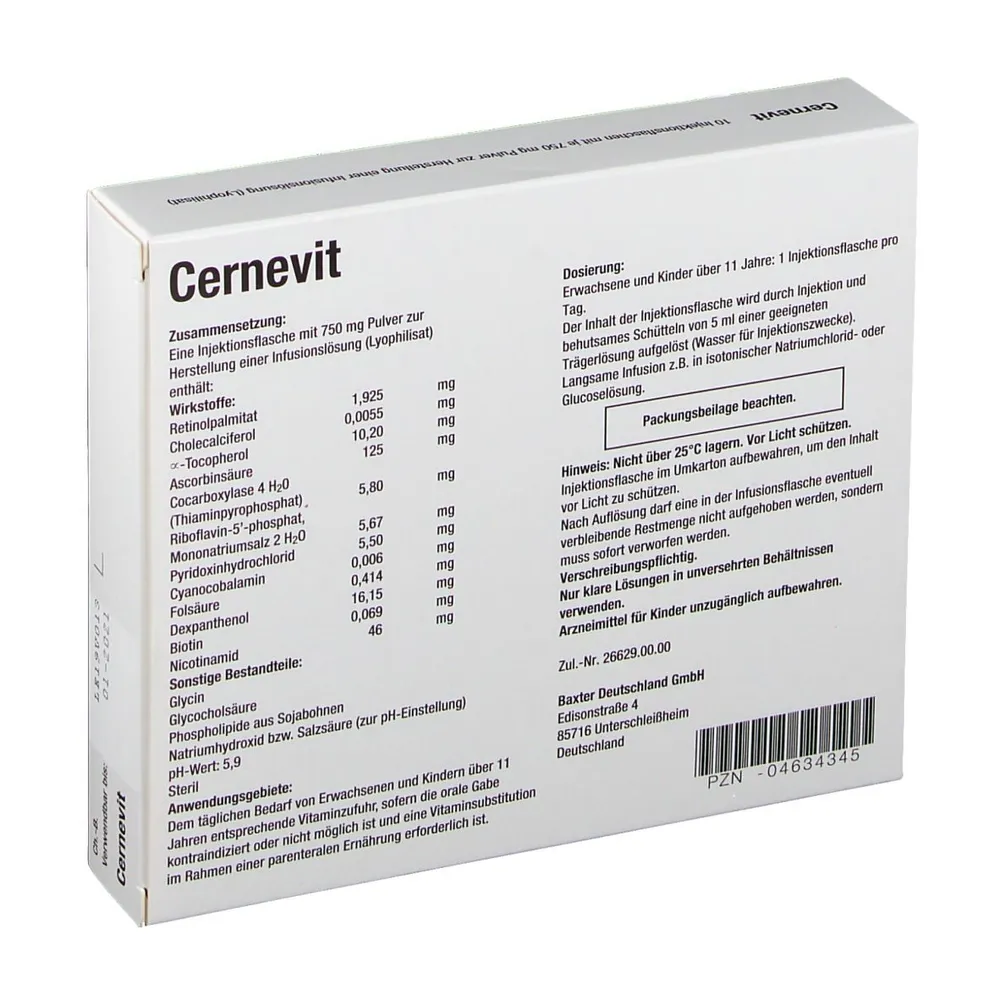
CERNEVIT
PolandThe medicinal product is used to provide vitamins to patients who are being fed intravenously (via drip).
Frequently asked questions
How should CERNEVIT be used?
The medicinal product is administered by specialized medical personnel as an intravenous infusion or injection (intramuscularly or intravenously). The standard dose is 1 vial per day.
Who must not take this medicine?
It must not be used in persons allergic to the active substances (especially vitamin B), soy protein or peanuts, in children under 11 years of age, and in patients with an excess (hypervitaminosis) of any of the vitamins contained therein.
What are the possible side effects of CERNEVIT?
Pain at the injection site may occur frequently. Nausea and vomiting may occur less frequently. Other possible reactions include: allergic reactions (e.g., throat swelling, hives, difficulty breathing), taste disturbances, diarrhea, fever, skin itching, and rapid heartbeat or respiration.
Does CERNEVIT interact with other medicines?
Yes, particular caution should be exercised if antiepileptic drugs (e.g., phenobarbital, phenytoin) and levodopa are being taken. The medicinal product may also affect the action of anticoagulants, antiretroviral drugs, and certain antiplatelet drugs.
What should be noted during laboratory tests?
Due to the biotin content, the medicinal product may interfere with the results of certain laboratory tests (results may be falsely elevated or decreased). The doctor or laboratory staff should be informed of this.
What are the symptoms of overdose?
The main symptoms result from an excess of vitamin A and may include: nausea, vomiting, headache, convulsions, irritability, and in the longer term, bone pain or liver problems.
Instructions for use
Table of contents
Package leaflet: Information for the user
CERNEVIT, powder for solution for injection and infusion
Please read all of this leaflet carefully before using this medicine because it contains important information for you.
- Keep this leaflet. You may need to read it again.
- If you have any further questions, ask your doctor, pharmacist or nurse.
- This medicine has been prescribed for you personally. Do not pass it on to others. It may harm them, even if their symptoms are the same as yours.
- If you get any side effects, talk to your doctor, pharmacist or nurse. This includes any side effects not listed in this leaflet. See section 4.
Contents of the leaflet:
- What CERNEVIT is and what it is used for
- What you need to know before you use CERNEVIT
- How to use CERNEVIT
- Possible side effects
- How to store CERNEVIT
- Contents of the pack and other information
1. What CERNEVIT is and what it is used for
CERNEVIT is a powder for solution for injection and infusion.
It contains 12 vitamins:
| Active substances | Corresponds to | ||
| retinyl palmitate | 3500 IU | vitamin A | 3500 IU |
| cholecalciferol | 220 IU | vitamin D3 | 220 IU |
| DL-α-tocopherol | 10.20 mg | vitamin E | 11.20 IU |
| ascorbic acid | 125 mg | vitamin C | 125 mg |
| thiamine cocarboxylase tetrahydrate | 5.80 mg | vitamin B1 (thiamine) | 3.51 mg |
| sodium phosphate of riboflavin | 5.67 mg | vitamin B2 (riboflavin) | 4.14 mg |
| pyridoxine hydrochloride | 5.50 mg | vitamin B6 (pyridoxine) | 4.53 mg |
| cyanocobalamin | 6 µg | vitamin B12 | 6 µg |
| folinic acid | 414 µg | folinic acid | 414 µg |
| dexpanthenol | 16.15 mg | pantothenic acid | 17.25 mg |
| biotin | 69 µg | biotin | 69 µg |
| nicotinamide | 46 mg | vitamin PP | 46 mg |
Cernevit provides vitamins to patients receiving intravenous nutrition (by infusion).
2. Information before using CERNEVIT
When CERNEVIT must not be used
- if the patient is allergic (hypersensitive) to the active substances or any of the other ingredients of this medicine, especially vitamin B, soy protein or peanuts (see section 6. Contents of the pack and other information)
- in patients under 11 years of age
- if the patient has hypervitaminosis of any of the vitamins contained in CERNEVIT preparation
Warnings and precautions
Before starting treatment with CERNEVIT, inform your doctor, pharmacist or
nurse:
- if the patient has liver disease,
- if the patient has kidney disease,
- if the patient has epilepsy,
- if the patient has Parkinson's disease.
CERNEVIT and other medicines
Tell your doctor or pharmacist about all medicines the patient is currently taking or has recently taken, including medicines obtained without a prescription, as well as any medicines the patient plans to take.
Particular caution is required if the patient is taking any of the following
medicines:
- L-Dopa (used in the treatment of Parkinson's disease),
- phenobarbital, phenytoin and (or) primidone (used in the treatment of epilepsy).
Your doctor may monitor blood levels of these medicines and adjust their doses appropriately when the patient starts or stops receiving CERNEVIT.
Interference with laboratory tests
Cernevit contains 69 micrograms of biotin per 5 ml. If the patient is to undergo laboratory testing, he/she must inform the doctor or laboratory staff that Cernevit has recently been taken, because biotin may interfere with test results. Depending on the test, results may be falsely elevated or falsely low due to biotin. The doctor may instruct to discontinue Cernevit before performing laboratory tests. It should also be remembered that other products the patient may be taking, such as multivitamin preparations or dietary supplements used to improve hair, skin and nails, may also contain biotin and affect laboratory test results. If the patient is taking such products, he/she should inform the doctor or laboratory staff.
Pregnancy, breastfeeding and fertility
If the patient is pregnant or breastfeeding, suspects she may be pregnant, or is planning to have a child, she should consult her doctor or pharmacist before using this medicine.
Pregnancy
This medicine may be administered to pregnant women if necessary, provided strict adherence to indications and dosage to avoid vitamin overdose.
Breastfeeding
Administration of CERNEVIT during breastfeeding is not recommended.
If the patient is breastfeeding while receiving CERNEVIT, there is a risk of vitamin A overdose in the infant.
Fertility
There are no available data on the effect of CERNEVIT on fertility in men or women.
3. How to use CERNEVIT
CERNEVIT will be administered by medical professionals. It is usually given as an intravenous infusion.
The recommended dose is 1 vial per day.
Administration of a higher than recommended dose of CERNEVIT
In such cases, symptoms of CERNEVIT overdose are mainly those associated with vitamin A overdose:
- symptoms of acute vitamin A overdose:
- gastrointestinal disturbances (nausea, vomiting),
- nervous system disturbances (headache, optic nerve swelling, convulsions) caused by increased intracranial pressure,
- psychiatric disturbances (irritability),
- skin disorders (delayed skin desquamation).
- symptoms of chronic vitamin A overdose:
- headache caused by increased intracranial pressure,
- bone disorders (tenderness or painful swellings at the extremities).
If any of the above overdose symptoms occur, inform the physician. The physician may discontinue the CERNEVIT infusion.
If you have any further questions about the use of this medicine, consult your doctor, pharmacist, or nurse.
4. Possible adverse reactions
Like all medicines, this medicine can cause adverse reactions, although not everyone will experience them.
The following adverse reactions are common and occur in 1 to 10 out of 100 patients:
- pain at the site of administration.
The following adverse reactions are rare and occur in 1 to 10 out of 1,000 patients:
- nausea, vomiting.
The following adverse reactions occur with unknown frequency:
- allergic reactions, with breathing difficulties, chest pain, throat swelling, urticaria, rash, skin redness, abdominal discomfort, and even cardiac arrest,
- increased blood concentration of vitamin A and vitamin A transport proteins,
- taste disturbances (metallic taste in the mouth),
- rapid heartbeat,
- rapid breathing,
- diarrhoea,
- increased liver enzymes and bile acid levels,
- itching,
- fever, generalized pain, infusion site reactions such as burning sensation, rash.
If symptoms of an allergic reaction occur, such as breathing difficulties, chest pain, throat swelling, urticaria, rash, skin redness, or abdominal discomfort, a doctor should be informed immediately. The doctor will discontinue the infusion and initiate necessary countermeasures.
Reporting of adverse reactions
If any adverse reactions occur, consult a doctor or nurse. This includes any adverse reactions not listed in this leaflet.
Adverse reactions can be reported directly to the Department of Monitoring Adverse Drug Reactions of the Office for Registration of Medicinal Products, Medical Devices and Biocidal Products
Al. Jerozolimskie 181C
PL 02-222 Warsaw
Tel.: + 48 22 49 21 301
Fax: + 48 22 49 21 309
e-mail: [email protected]
Adverse reactions may also be reported to the responsible entity.
By reporting adverse reactions, additional information regarding the safety of the medicine can be collected.
5. How to store CERNEVIT
Keep the medicine out of the sight and reach of children.
Store at room temperature, i.e. between 15°C and 25°C. Protect from light.
Keep in the outer cardboard packaging.
After reconstitution, the preparation remains chemically and physically stable for 24 hours at
25°C.
From a microbiological standpoint, the medicine should be used immediately after reconstitution.
Otherwise, responsibility for the duration and conditions of storage prior to use lies with the user, and storage should not exceed 24 hours at 2–8°C, unless reconstitution was carried out under controlled and validated aseptic conditions.
Do not use this medicine after the expiry date stated on the packaging after "Expiry date". The expiry date refers to the last day of the stated month.
Medicines must not be disposed of via wastewater or household waste. Ask your pharmacist how to dispose of medicines no longer required. Such measures will help protect the environment.
6. Contents of the package and other information
What Cernevit contains
- The active substances in the medicine are:
1 vial 5 ml contains:
| Active substances | Corresponds to | ||
| retinyl palmitate | 3500 IU | vitamin A | 3500 IU |
| cholecalciferol | 220 IU | vitamin D3 | 220 IU |
| DL-α-tocopherol | 10.20 mg | vitamin E | 11.20 IU |
| ascorbic acid | 125 mg | vitamin C | 125 mg |
| thiamine tetrahydrochloride | 5.80 mg | vitamin B1 (thiamine) | 3.51 mg |
| sodium phosphate of riboflavin | 5.67 mg | vitamin B2 (riboflavin) | 4.14 mg |
| pyridoxine hydrochloride | 5.50 mg | vitamin B6 (pyridoxine) | 4.53 mg |
| cyanocobalamin | 6 µg | vitamin B12 | 6 µg |
| folinic acid | 414 µg | folinic acid | 414 µg |
| dexpanthenol | 16.15 mg | pantothenic acid | 17.25 mg |
| biotin | 69 µg | biotin | 69 µg |
| nicotinamide | 46 mg | vitamin PP | 46 mg |
IU = International Units
mg = milligrams
Other ingredients are: glycine, soy phospholipids, glycocholic acid, sodium hydroxide and hydrochloric acid.
CERNEVIT contains 24 mg of sodium (1 mmol) per vial. This should be taken into account for patients on a sodium-restricted diet.
What CERNEVIT looks like and contents of the pack
CERNEVIT is supplied in vials made of brown glass. To prepare the infusion solution, healthcare professionals may use the BIO-SET kit, which facilitates dissolution of CERNEVIT.
CERNEVIT is available in packs containing 10 or 20 vials, with or without the BIO-SET kit.
Not all pack sizes may be marketed.
Marketing Authorisation Holder and Manufacturer
Marketing Authorisation Holder
Baxter Polska Sp. z o.o.
ul. Kruczkowskiego 8
00-380 Warszawa
Manufacturer
Baxter SA
Boulevard René Branquart 80
7860 Lessines, Belgium
For further information, please contact the Marketing Authorisation Holder.
Baxter Polska Sp. z o.o.
ul. Kruczkowskiego 8
00-380 Warszawa
tel.: (22) 488 37 77
The following information is intended solely for the physician or medical professional
Qualitative and quantitative composition
1 vial of 5 ml contains:
| Active substances | Corresponds to | ||
| retinyl palmitate | 3500 IU | vitamin A | 3500 IU |
| cholecalciferol | 220 IU | vitamin D3 | 220 IU |
| DL-α-tocopherol | 10.20 mg | vitamin E | 11.20 IU |
| ascorbic acid | 125 mg | vitamin C | 125 mg |
| thiamine tetrahydrochloride | 5.80 mg | vitamin B1 (thiamine) | 3.51 mg |
| sodium phosphate of riboflavin | 5.67 mg | vitamin B2 (riboflavin) | 4.14 mg |
| pyridoxine hydrochloride | 5.50 mg | vitamin B6 (pyridoxine) | 4.53 mg |
| cyanocobalamin | 6 µg | vitamin B12 | 6 µg |
| folic acid | 414 µg | folic acid | 414 µg |
| dexpanthenol | 16.15 mg | pantothenic acid | 17.25 mg |
| biotin | 69 µg | biotin | 69 µg |
| nicotinamide | 46 mg | vitamin PP | 46 mg |
Excipients: glycine, soybean phospholipids, glycocholic acid, sodium hydroxide and hydrochloric acid.
Appearance of the solution:
After reconstitution, the resulting solution is yellow-orange in colour.
Dosage and administration
For adults and children above 11 years of age only
1 vial daily.
Administer by slow intravenous or intramuscular injection, or by intravenous infusion.
Administration method
- Intravenous administration Reconstitution method: see instructions for use and preparation below.
After reconstitution: Inject slowly (at least 10 minutes; see Warnings section) intravenously or as an intravenous infusion into a physiological saline or 5% glucose solution.
Administration may continue throughout the period of parenteral nutrition. To meet nutritional requirements and prevent deficiencies and their potential complications, CERNEVIT may be added to nutritional mixtures containing carbohydrates, fats, amino acids and electrolytes, provided compatibility and stability with each component of the nutritional mixture have been previously established.
- Intramuscular administration Reconstitution method: see instructions for use and preparation below.
The total amount of vitamins from all sources, such as other forms of nutrition, administration of other vitamins or drugs containing vitamins as inactive ingredients, should be taken into account (see Interactions section).
The patient's clinical condition and vitamin concentrations should be monitored to maintain adequate levels.
It should be noted that some vitamins, particularly A, B₁ and B₂, are sensitive to ultraviolet light (e.g., direct and indirect sunlight). Additionally, high oxygen content in the solution may increase the loss of vitamins A, B₁, B₂, C and E. These factors should be considered if appropriate vitamin concentrations are not achieved.
Contraindications
CERNEVIT must not be used:
- in hypersensitivity to any of the active substances, especially vitamin B₁, or to any of the excipients, including soy protein and soy products (lecithin in micellar mixtures is derived from soy), or to peanut protein and products containing peanuts,
- in newborns, infants and children under 11 years of age,
- in hypervitaminosis of any of the vitamins contained in this product.
Special warnings and precautions for use
Warnings
Hypersensitivity reactions
-
For CERNEVIT, other multivitamin products and individual vitamins (especially B₁, B₂, B₆ and folic acid), severe systemic hypersensitivity reactions have been reported. For CERNEVIT and other parenterally administered vitamin products, fatal reactions have been reported.
-
Cross-allergy between soy and peanut proteins has been observed.
-
In some cases, hypersensitivity reactions following intravenous administration of multivitamin products may be related to the rate of administration. When administered as an intravenous infusion, CERNEVIT must be given slowly. When administered as an intravenous injection, it must be given slowly (the injection should last at least 10 minutes).
-
If objective or subjective symptoms of hypersensitivity reactions occur, the infusion or injection must be immediately discontinued.
Vitamin toxicity
- The patient's clinical condition and blood vitamin concentrations should be monitored to avoid overdosage and toxic effects, particularly of vitamins A, D and E, especially in patients who additionally receive vitamins from other sources or use other factors increasing the risk of vitamin toxicity.
- Monitoring is particularly important in patients receiving long-term supplementation.
Hypervitaminosis A
- The risk of hypervitaminosis A and toxic effects of vitamin A (e.g., skin and bone abnormalities, double vision, liver cirrhosis) is increased, for example:
- in patients with protein deficiency
- in patients with renal failure (even without vitamin A supplementation)
- in patients with liver failure
- in patients with low body weight (e.g., paediatric patients)
- and in chronically treated patients.
- Acute liver disease in patients with high liver stores of vitamin A may lead to symptoms of vitamin A toxicity.
Refeeding syndrome in patients receiving parenteral nutrition
Replenishment of nutrients in severely malnourished patients may trigger a syndrome of related symptoms characterised by the shift of potassium, phosphate and magnesium into the intracellular space as anabolic processes begin to predominate. Thiamine deficiency and fluid retention may also occur. Careful monitoring and gradual increase in nutrient supply, avoiding overfeeding, may prevent these complications. In case of nutritional deficiencies, appropriate supplementation may be justified.
Precipitates in patients receiving parenteral nutrition
Precipitation has been reported in the pulmonary vessels of patients receiving parenteral nutrition. Some cases have been fatal. Excessive addition of calcium and phosphate increases the risk of calcium phosphate precipitation. Precipitates have also been reported even in the absence of phosphate salts in the solution. Precipitation distal to the filter on the infusion line and suspicion of precipitate formation in the bloodstream have also been reported.
In addition to solution monitoring, the infusion set and catheter should be periodically checked for the presence of precipitates.
If objective symptoms of pulmonary dysfunction occur, the infusion must be discontinued and a clinical assessment of the patient initiated.
Check whether the container is damaged.
Work under aseptic conditions.
Partially used vials must not be stored; do not use if the colour of the reconstituted product is abnormal.
Special precautions for use
Effect on the liver
- In patients receiving CERNEVIT, monitoring of liver function parameters is recommended. Special monitoring is recommended in patients with hepatic jaundice or other signs of cholestasis. Cases of increased liver enzyme activity, including isolated increase in alanine aminotransferase (ALT) activity in patients with inflammatory bowel disease, have been reported in patients receiving CERNEVIT. Additionally, increased bile acid concentrations (total and individual bile acids, including glycocholic acid) have been observed in patients receiving CERNEVIT.
- In some patients receiving parenteral nutrition (including parenteral nutrition with vitamin supplementation), liver and biliary tract disorders, including cholestasis, steatosis, fibrosis and liver cirrhosis, leading possibly to liver failure, as well as cholecystitis and gallstones, may occur. The aetiology of these disorders is considered multifactorial and may vary between individual patients. Patients who develop laboratory abnormalities or other signs of liver and biliary tract disorders should be referred as early as possible to a physician knowledgeable in liver diseases to identify possible causative and contributing factors and to initiate possible therapeutic and preventive measures.
Use in patients with liver function disorders
Patients with liver function disorders may require individual vitamin supplementation.
Particular attention should be paid to preventing vitamin A toxicity, as liver disease is associated with increased susceptibility to vitamin A toxicity, especially in combination with chronic excessive alcohol consumption (see also above "Hypervitaminosis A" and "Effect on the liver").
Use in patients with impaired renal function
Patients with impaired renal function may require individual vitamin supplementation, depending on the degree of renal damage and presence of concomitant diseases. In patients with severe renal failure, particular attention should be paid to maintaining appropriate vitamin D levels and preventing vitamin A toxicity, which may occur in such patients even with small-dose vitamin A supplementation or even without supplementation.
Hypervitaminosis and toxicity (peripheral neuropathy, involuntary movements) of pyridoxine (vitamin B₆) have been reported in chronically haemodialysed patients who received intravenous multivitamin products containing 4 mg pyridoxine administered three times weekly.
General monitoring
In patients receiving intravenous multivitamin products as the sole source of vitamins for prolonged periods, clinical status and vitamin concentrations should be monitored. This is particularly important for appropriate supplementation, e.g.:
- vitamin A in patients with pressure ulcers, wounds, burns, short bowel syndrome or cystic fibrosis,
- vitamin B₁ in dialysed patients,
- vitamin B₆ in patients with neoplastic disease,
- vitamin B₁₂ in patients with renal failure,
- individual vitamins whose requirements may be increased due to interactions with other medicinal products (see Interactions section).
Deficiencies of one or more vitamins should be corrected by specific supplementation.
CERNEVIT does not contain vitamin K, which should be administered separately if required.
Use in patients with vitamin B₁₂ deficiency
Before initiating supplementation with CERNEVIT in patients at risk of vitamin B₁₂ deficiency and (or) when administration of CERNEVIT is planned for several weeks, assessment of vitamin B₁₂ status is recommended.
After several days of administration, both the concentration of cyanocobalamin (vitamin B₁₂) and folic acid in CERNEVIT may be sufficient to increase red blood cell count, reticulocyte count and haemoglobin in some patients with vitamin B₁₂ deficiency and concomitant megaloblastic anaemia. This may mask vitamin B₁₂ deficiency.
Effective treatment of vitamin B₁₂ deficiency requires higher doses of cyanocobalamin than provided in CERNEVIT.
Folic acid supplementation in patients with vitamin B₁₂ deficiency who do not also receive vitamin B₁₂ does not prevent the development or progression of neurological changes associated with vitamin B₁₂ deficiency. It may even suggest a worsening of the neurological condition.
When interpreting vitamin B₁₂ levels, it should be considered that recent vitamin B₁₂ intake may result in normal levels despite tissue deficiency.
Interference with laboratory tests
Biotin may interfere with laboratory tests based on biotin-streptavidin interaction, leading to falsely low or falsely high test results, depending on the assay. The risk of interference is higher in children and patients with renal dysfunction and increases with higher doses. When interpreting laboratory test results, possible biotin interference should be considered, especially if there is a lack of concordance with the clinical presentation (e.g., thyroid test results mimicking Graves' disease in biotin-taking patients without symptoms of this disease or falsely negative troponin test results in patients with myocardial infarction taking biotin). In cases where interference is suspected, alternative tests not susceptible to biotin interference should be performed, if available. If laboratory tests are ordered for patients taking biotin, consultation with laboratory personnel is recommended.
Depending on the reagents used, the presence of ascorbic acid in blood serum and urine may cause falsely high or low readings of glucose concentration in certain blood and urine glucose testing systems, including portable test strips and portable glucose meters. Information on technical data for each laboratory test should be consulted to determine potential disturbances caused by vitamins.
Concomitant use with anticonvulsants:
Due to the presence of folic acid, concomitant administration of CERNEVIT with anticonvulsant drugs containing phenobarbital, phenytoin or primidone requires special caution.
Concomitant use with levodopa:
Due to the presence of pyridoxine in CERNEVIT, concomitant use with levodopa requires caution, as it may reduce the efficacy of L-dopa.
Use in children and adolescents
CERNEVIT is indicated in children and adolescents above 11 years of age (see also section "Special warnings and precautions for use").
Use in elderly patients
Generally, dose adjustment should be considered in elderly patients (reduced dose and/or prolonged intervals between doses), taking into account the higher frequency of impaired liver, kidney or heart function and presence of concomitant diseases or drug therapy.
Sodium content
CERNEVIT contains 24 mg of sodium (1 mmol) per vial. This should be taken into account if patients are on a sodium-controlled diet.
Compatibility of the product should be checked before mixing with other infusion solutions, especially when CERNEVIT is added to bags containing dual mixtures for parenteral nutrition combining glucose, electrolytes and amino acid solution, as well as triple mixtures combining glucose, electrolytes, amino acid solution and fats.
Interactions with other medicinal products and other types of interactions
Interactions between individual vitamins in CERNEVIT and other factors should be appropriately considered.
These interactions include:
- factors that may cause pseudotumour cerebri (including certain tetracyclines): the risk of pseudotumour cerebri increases with concomitant administration of vitamin A,
- alcohol (chronic abuse): increases the risk of hepatotoxic effect of vitamin A,
- anticonvulsants: folic acid may increase the metabolism of certain anticonvulsant drugs, e.g., phenobarbital, phenytoin, fosphenytoin and primidone, increasing the risk of seizure occurrence. Serum concentrations of anticonvulsant drugs should be monitored during concomitant use of folates and after discontinuation of their therapy,
- antiplatelet drugs (e.g., aspirin): vitamin E may enhance the inhibitory effect on platelet function,
- aspirin (high-dose therapy): may reduce folic acid levels by increasing urinary excretion,
- certain anticonvulsants (e.g., phenytoin, carbamazepine, phenobarbital, valproate): may cause folate, pyridoxine and vitamin D deficiency,
- certain antiretroviral drugs: reduced vitamin D levels are associated, e.g., with efavirenz or zidovudine. Reduced formation of active vitamin D metabolites is associated with protease inhibitors,
- chloramphenicol: may inhibit the haematological response to vitamin B₁₂ treatment,
- deferoxamine: increases the risk of iron-induced heart failure due to increased iron mobilisation from higher than physiological vitamin C supplementation. For specific precautions, refer to deferoxamine product information,
- ethionamide: may cause pyridoxine deficiency,
- fluoropyrimidines (5-fluorouracil, capecitabine, tegafur): increased cytotoxicity in combination with folic acid,
- folate antagonists, e.g., methotrexate, sulfasalazine, pyrimethamine, triamterene, trimethoprim and high concentrations of catechins in tea: block the conversion of folates to their active metabolites and reduce the effectiveness of supplementation,
- antifolate antimetabolites (methotrexate, raltitrexed): folic acid supplementation may reduce the antineoplastic efficacy,
- levodopa: vitamin B₆ may reduce the efficacy of levodopa, as decarboxylation of levodopa requires a vitamin B₆-dependent enzyme. To prevent this interaction, a dopa-decarboxylase inhibitor such as carbidopa may be added.
- pyridoxine antagonists, including cycloserine, hydralazine, isoniazid, penicillamine, phenelzine: may cause pyridoxine deficiency,
- retinoids, including bexarotene: the risk of their toxicity increases if administered with vitamin A (see "Hypervitaminosis A" in section "Special warnings and precautions for use"),
- theophylline: may cause pyridoxine deficiency,
- oral tipranavir solution: contains 116 IU/ml vitamin E, exceeding the recommended daily intake,
- vitamin K antagonists (e.g., warfarin): enhance the anticoagulant effect of vitamin E.
Medicinal products binding to alpha-1-acid glycoprotein (AAG):
In an in vitro study using human serum, approximately 4-fold higher concentration of glycocholic acid than the serum concentration of glycocholic acid, which could result from bolus injection of CERNEVIT to an adult, increased by 50-80% the fraction of selected medicinal products binding to alpha-1-acid glycoprotein (AAG).
It is unknown whether this effect is clinically significant when the amount of glycocholic acid contained in the standard dose of CERNEVIT (as a component of mixed micelles) is administered by slow intravenous injection, slow intramuscular injection or prolonged infusion.
Patients receiving CERNEVIT and medicinal products binding to AAG should be closely monitored for increased effects of these drugs. These include propranolol, prazosin and many others.
Interactions related to supplementation of other vitamins:
Some medicinal products may interact with certain vitamins at doses significantly exceeding those contained in CERNEVIT. This should be taken into account in patients receiving vitamins from multiple sources, and when this occurs, patients should be monitored for these interactions and managed appropriately.
Overdose
Acute or chronic overdose of vitamins (particularly A, B₁, D and E) may cause symptomatic hypervitaminosis.
The risk of overdose is particularly high if the patient receives vitamins from multiple sources, total vitamin supplementation does not meet individual patient needs, and in patients with increased susceptibility to hypervitaminosis (see Special precautions for use section).
Symptoms of CERNEVIT overdose are mainly due to excessive vitamin A administration.
Clinical symptoms of acute vitamin A overdose (doses exceeding 150,000 IU)
- gastrointestinal disturbances, headache, increased intracranial pressure, optic disc swelling, psychiatric disturbances, excessive irritability and even seizures. As a late reaction to overdose, generalized skin desquamation may be observed.
Clinical symptoms of vitamin A toxicity in chronic overdose (long-term administration of vitamin A doses higher than physiological in patients not requiring deficiency correction)
-
increased intracranial pressure, excessive cortical thickening of long bones and premature ossification of metaphyses. Diagnosis is based on the presence of tender, pressure-sensitive or painful subcutaneous swellings in the limbs. X-ray images show periosteal thickening of the shafts of the ulna, radius, clavicles and ribs.
Treatment of vitamin overdose usually consists of discontinuing vitamin supplementation and other measures according to clinical indications (such as limiting calcium intake, increasing diuresis and hydration).
Pharmaceutical data
Shelf life
2 years
Special precautions for storage
Store at room temperature, i.e., 15°C to 25°C, protected from light.
Store in the outer packaging.
After reconstitution, the preparation maintains chemical and physical stability for 24 hours at 25°C.
From a microbiological point of view, the product should be used immediately after reconstitution. Otherwise, the person administering the preparation is responsible for the time and conditions of storage prior to use, and storage should not exceed 24 hours at 2-8°C, unless reconstitution was performed under controlled and validated aseptic conditions.
Type and contents of container
Amber glass vials containing 750 mg of powder, in cardboard boxes. Pack sizes of 10 and 20 vials.
Amber glass vials containing 750 mg of powder, with BIO-SET system, in cardboard boxes. Pack sizes of 10 and 20 vials.
Not all pack sizes may be marketed.
Incompatibilities, instructions for disposal and preparation of the medicinal product for use (if applicable) -
During preparation of the solution and addition of the component to the parenteral nutrition mixture, aseptic conditions must be observed.
-
Mix gently to dissolve the lyophilised powder.
-
CERNEVIT must be completely dissolved before being transferred from the vial.
-
Do not use the product if the prepared solution is not clear or if the original closure is damaged.
-
After adding CERNEVIT to the parenteral nutrition solution, check for abnormal colour change and (or) presence of insoluble complexes or crystals.
-
The final solution should be thoroughly mixed if CERNEVIT is used as a component of a parenteral nutrition mixture.
-
Unused reconstituted CERNEVIT should be discarded and not stored for later use.
-
Parenteral medicinal products should be visually inspected for particulate matter and abnormal colour change before administration, whenever the solution and container permit.
-
During administration of all types of parenteral nutrition, use of an in-line filter is recommended.
If necessary, refer to appropriate references regarding compatibility and guidelines. This medicinal product must not be mixed with other medicinal products unless compatibility and stability have been demonstrated. For further information, contact the marketing authorisation holder.
Compatibility of solutions administered simultaneously through the same line should be checked.
CERNEVIT (vials without BIO-SET)
Intravenous administration
Using a syringe, inject 5 ml of water for injections or 5% glucose solution or 0.9% sodium chloride solution into the vial.
Gently mix until the powder is dissolved.
The resulting solution is yellow-orange in colour.
Intramuscular administration
Dissolve the powder in 2.5 ml of water for injections as described above.
CERNEVIT BIO-SET
CERNEVIT with the BIO-SET system allows direct dissolution of the preparation in bags (single and multi-chamber) with an injection port.
Single-chamber bag:
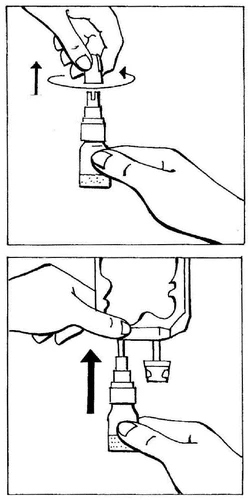
- Remove the cap by twisting and then pulling to break the security ring.
- Connect the BIO-SET directly to the injection port of the bag.
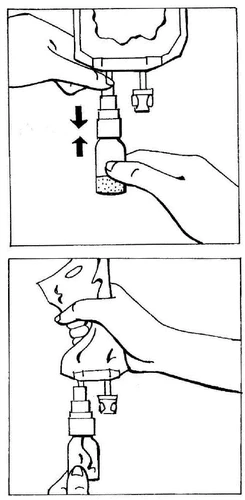
- Activate the BIO-SET by pressing the transparent, movable part. This allows the vial's rubber stopper to be pierced.
- Hold the connected components (CERNEVIT with BIO-SET and bag with infusion fluid) vertically with the bag on top. Gently squeeze the bag several times to cause fluid to flow into the vial (approx. 5 ml). Shake the vial to dissolve the powder.
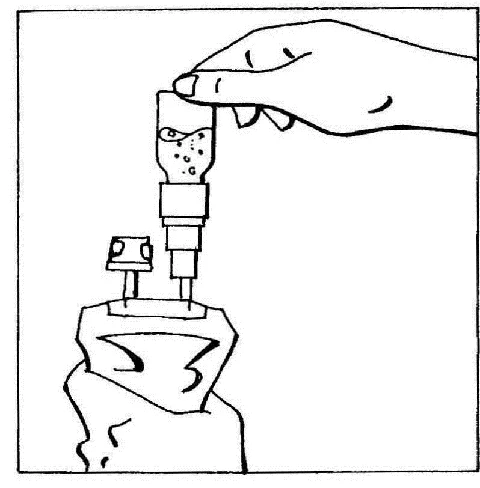
- Invert the connected components and hold them vertically with the vial on top. Gently squeeze the bag several times to move air from the bag into the vial. This will cause reverse flow of fluid back into the bag.
- Repeat steps 4 and 5 until the vial is empty.
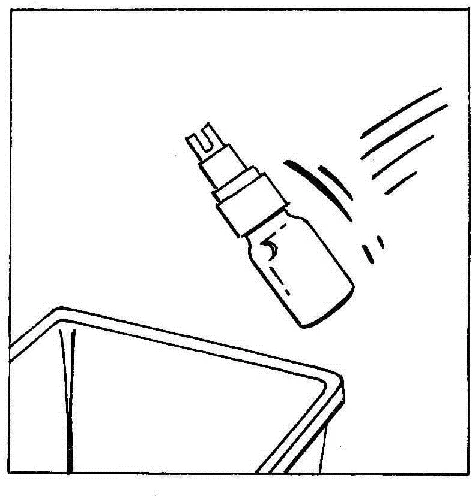
- Disconnect and discard the vial with BIO-SET.
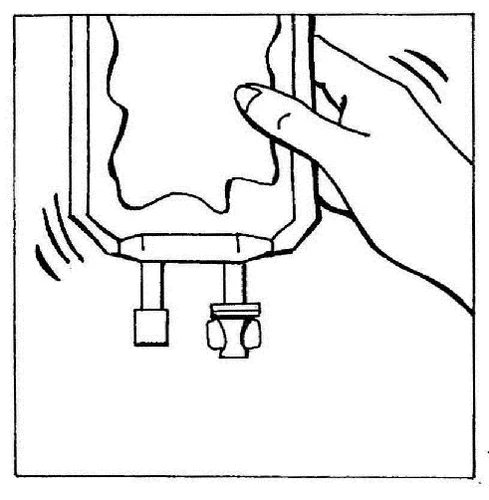
- Gently mix the contents of the bag.
Multi-chamber bag:
Dissolution of CERNEVIT with the BIO-SET set should be performed before activation of the multi-chamber bag (before opening the breakable seals and mixing all chambers).
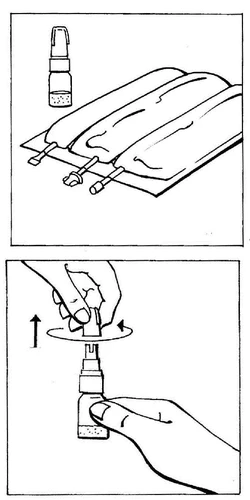
- Place the multi-chamber bag on the table.
- Remove the cap by twisting and then pulling to break the security ring.
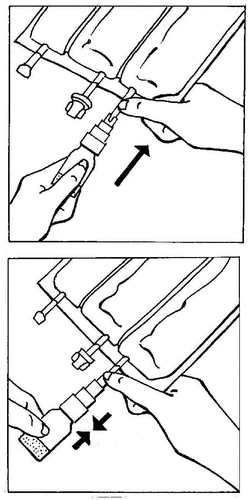
- Connect the BIO-SET directly to the injection port of the bag.
- Activate the BIO-SET by pressing the transparent, movable part. This allows the vial's rubber stopper to be pierced.
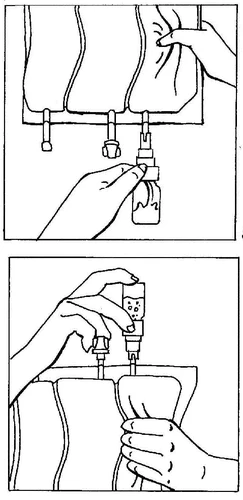
- Hold the vial vertically. Gently squeeze the bag chamber several times to cause fluid to flow into the vial (approx. 5 ml). Shake the vial to dissolve the powder.
- Invert the connected components and hold them vertically with the vial on top. Gently squeeze the bag chamber several times to move air from the bag into the vial. This will cause reverse flow of fluid back into the bag.
- Repeat steps 5 and 6 until the vial is empty.
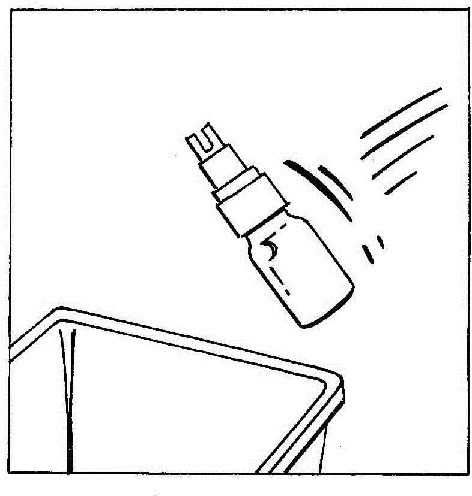
- Disconnect and discard the vial with CERNEVIT BIO-SET.
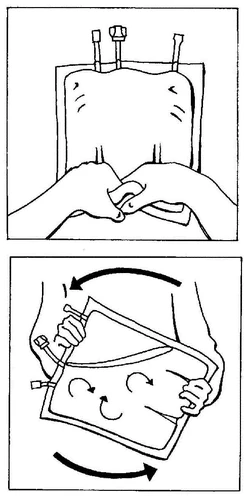
- Break the chamber seals. Finally, activate the multi-chamber bag.
- Gently mix the contents of the bag by rotating it at least 3 times.
WARNING:
Care must be taken to avoid disconnection of the BIO-SET set from the bag's injection port during dissolution of the preparation.
The original data is available in the language of the country of manufacture.
Data source: Register of Medicinal Products of Poland (URPL)
Data last verified: September 01, 2026