ZOLPIDEM RATIOPHARM
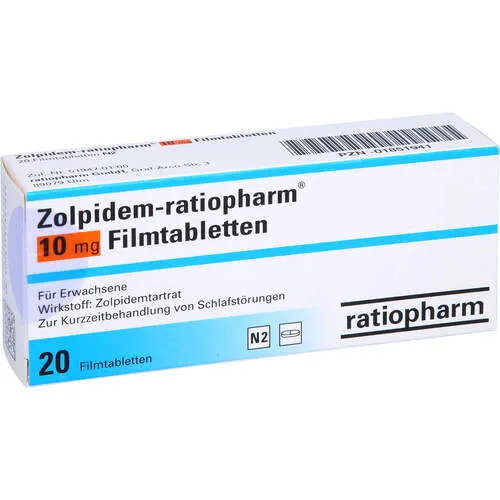
ItalyIt is a sleeping aid indicated for the short-term treatment of sleep disorders in adults, specifically in cases of severe, debilitating disorders or those causing serious distress in daily life.
Frequently asked questions
How should I take Zolpidem ratiopharm 10 mg?
The recommended dose for adults is 1 tablet (10 mg) to be taken in a single dose, immediately before going to bed, with a little liquid. It is essential to ensure that you can sleep for at least 8 hours after administration. For elderly patients or those with liver problems, the dose is usually half a tablet (5 mg).
When should I not take this medication?
It must not be taken if you are allergic to zolpidem or any of its components, if you suffer from severe muscle weakness (myasthenia gravis), sleep apnea (obstructive sleep apnea), severe respiratory depression, or severe liver disorders. Use is prohibited in children and adolescents under 18 years of age.
What are the side effects of Zolpidem ratiopharm 10 mg?
Common side effects include hallucinations, agitation, nightmares, drowsiness in the following days, dizziness, headache, memory difficulties, diarrhea, or stomach ache. Unusual behaviors such as sleepwalking or sleep-driving may also occur. In the elderly, there is an increased risk of falls.
Can I drink alcohol or take other medications while taking this medicine?
Alcohol should not be consumed during treatment because it can unpredictably intensify the effect of the drug. It is necessary to inform the doctor if you are taking other medicines, particularly antipsychotics, hypnotics, anxiolytics, muscle relaxants, antidepressants, opioids, or epilepsy medications, as they may increase the risk of drowsiness and respiratory problems.
What happens if I stop treatment abruptly?
Sudden discontinuation can cause rebound insomnia (difficulty falling asleep may return more intensely) and withdrawal symptoms such as anxiety, irritability, headache, or muscle pain. The doctor will advise reducing the dose gradually to end the therapy.
Does this drug affect the ability to drive?
Yes, it may impair the ability to drive vehicles or use machinery, increasing the risk of falling asleep at the wheel. It is recommended to wait at least 8 hours between administration and performing activities that require alertness.
Instructions for use
PACKAGE LEAFLET: INFORMATION FOR THE USER
Zolpidem ratiopharm 10 mg film-coated tablets
For adults
Zolpidem tartrate
Please read this leaflet carefully before taking this medicine because it contains important information for you.
- Keep this leaflet. You may need to read it again.
- If you have any questions, ask your doctor or pharmacist.
- This medicine has been prescribed for you only. Never give it to other people, even if their symptoms are the same as yours, because it could be harmful.
- If you experience any side effects, including those not listed in this leaflet, talk to your doctor or pharmacist. See section 4.
Contents of this leaflet:
- What Zolpidem ratiopharm 10 mg film-coated tablets are and what they are used for
- What you need to know before taking Zolpidem ratiopharm 10 mg film-coated tablets
- How to take Zolpidem ratiopharm 10 mg film-coated tablets
- Possible side effects
- How to store Zolpidem ratiopharm 10 mg film-coated tablets
- Contents of the pack and other information
1. What is Zolpidem ratiopharm 10 mg film-coated tablets and what is it used for?
Zolpidem ratiopharm 10 mg film-coated tablets is a hypnotic medicine belonging to a class of medicines known as benzodiazepine-like agents.
It is indicated for the short-term treatment of sleep disorders in adults.
Zolpidem ratiopharm 10 mg film-coated tablets should only be prescribed in cases of severe, debilitating sleep disorders or those causing significant distress or discomfort in daily life.
- What you should know before taking Zolpidem ratiopharm 10 mg film-coated tablets
Do not take Zolpidem ratiopharm 10 mg film-coated tablets
- if you are allergic to zolpidem or to any of the excipients of this medicine (listed in section 6)
- if you suffer from severe muscle weakness (severe myasthenia gravis)
- if you suffer from brief periods of breathing cessation during sleep (obstructive sleep apnoea syndrome)
- if you suffer from severe respiratory depression
- if you suffer from severe liver disorders
Children and adolescents under 18 years of age must not take Zolpidem ratiopharm 10 mg film-coated tablets.
Warnings and precautions
General information
Talk to your doctor or pharmacist before taking Zolpidem ratiopharm 10 mg film-coated tablets.
Before starting treatment with this medicine:
- the cause of the sleep disorder should be established;
- any underlying diseases should be treated.
If sleep disorders persist after 7–14 days of treatment, the cause may be an underlying psychiatric or physical condition, which should be properly investigated.
General information on effects observed after using this medicine and other sleep medicines:
- Tolerance (habituation to the medicine) If after a few weeks you notice that the tablets are no longer as effective as they were at the beginning of treatment, consult your doctor, as it may be necessary to adjust the dosage.
- Dependence Taking this type of medicine carries the risk of developing physical or mental effects due to habitual compulsive use of the medicine. This risk increases with dosage and duration of treatment. The risk is higher in patients with a personal history of alcohol or drug abuse. When dependence develops, abruptly stopping treatment may lead to withdrawal symptoms (see section 3. “If you stop taking Zolpidem ratiopharm 10 mg film-coated tablets”).
- Rebound insomnia After sudden discontinuation of treatment, difficulty falling asleep may return in a more intense form. This may be accompanied by mood changes, anxiety, and restlessness (see section 3. “If you stop taking Zolpidem ratiopharm 10 mg film-coated tablets”).
- Memory loss (amnesia) This medicine may cause memory loss several hours after taking it. To minimize this risk, ensure optimal conditions for uninterrupted sleep of 7–8 hours.
- Psychiatric reactions and paradoxical effects This medicine may cause behavioural side effects such as restlessness, agitation, irritability, aggression, delirium (psychosis), anger, nightmares, perception of non-existent things (hallucinations), sleepwalking, inappropriate behaviour, worsening of sleep disorders, and other adverse behavioural effects. These reactions are more common in elderly patients. Inform your doctor if such symptoms occur, as treatment should be discontinued.
- Sleepwalking and associated behaviours There have been reports of individuals performing actions during a drowsy state after taking the medicine, which are not remembered upon waking. These include sleepwalking, driving while asleep, preparing and eating food, making phone calls, or engaging in sexual activity. If someone in your household notices such reactions, contact your doctor.
- Next-day psychomotor impairment (see also Driving and use of machines) The day after taking Zolpidem ratiopharm 10 mg film-coated tablets, the risk of psychomotor impairment, including impaired driving ability, may increase if you:
- take this medicine less than 8 hours before performing tasks requiring mental alertness
- take a higher dose than recommended
- take zolpidem while already taking other medicines with central nervous system depressant effects or other medicines that increase zolpidem blood levels, or while consuming alcohol or illicit substances. Take a single dose immediately before going to bed. Do not take another dose during the same night.
Special patient groups
Like other hypnotic medicines, Zolpidem ratiopharm 10 mg film-coated tablets should be administered with caution in the following cases:
- Elderly and debilitated patients A lower dose is required for these patients (see section 3. “How to take Zolpidem ratiopharm 10 mg film-coated tablets”). This medicine has a muscle-relaxant effect. For this reason, elderly patients are particularly at risk of falls with resulting hip fractures during nighttime awakenings.
- Patients with impaired renal function Inform your doctor if you have reduced kidney function. Your body may require more time to eliminate zolpidem. Although dose reduction is not usually necessary, caution is advised.
- Patients with chronic respiratory problems Some types of hypnotics may impair breathing.
- Patients with a history of alcohol or drug abuse Extreme caution is required when treating these patients. These patients require close medical supervision during treatment with this medicine due to the risk of tolerance and psychological dependence.
Zolpidem ratiopharm 10 mg film-coated tablets and similar medicines are not indicated
- for patients with severe liver dysfunction who are at risk of brain damage (hepatic encephalopathy)
- for the primary treatment of patients with delirium (psychosis)
- as sole treatment for depression or anxiety, as depressive symptoms may worsen. Therefore, if you have ever thought about suicide because you felt useless and unmotivated, it is very important that you inform your doctor so that you can be appropriately supported.
Other medicines and Zolpidem ratiopharm 10 mg film-coated tablets
Inform your doctor or pharmacist if you are taking, have recently taken, or might take any other medicines.
Zolpidem ratiopharm 10 mg film-coated tablets may affect the action of other medicines, and conversely, other medicines may affect the mechanism of action of Zolpidem ratiopharm 10 mg film-coated tablets.
When taking zolpidem together with the following medicines, increased drowsiness and next-day psychomotor impairment, including impaired driving ability, may occur:
- medicines for certain mental health conditions (antipsychotics)
- medicines for sleep disorders (hypnotics)
- medicines to calm or reduce anxiety
- muscle relaxants
- medicines for depression
- medicines for moderate to severe pain (narcotic analgesics)
- medicines for epilepsy
- medicines used for anaesthesia
- medicines for hay fever, skin rashes, or other allergies that may cause drowsiness (sedating antihistamines)
- medicines for fungal infections such as itraconazole and ketoconazole.
Concomitant use of Zolpidem ratiopharm 10 mg film-coated tablets and opioids (strong painkillers, substitution therapy medicines, and some cough medicines) increases the risk of drowsiness, breathing difficulties (respiratory depression), and coma, which may be life-threatening. Therefore, concomitant use should only be considered when no other treatment options are available.
However, if your doctor prescribes Zolpidem ratiopharm 10 mg film-coated tablets together with opioids, the dose and duration of concomitant therapy must be determined by your doctor.
Inform your doctor about all opioid medicines you are taking and carefully follow your doctor’s dosage recommendations. It may be helpful to inform friends or family members to watch for the signs and symptoms listed above. Contact your doctor if these symptoms occur.
While taking zolpidem with antidepressants, including bupropion, desipramine, fluoxetine, sertraline, and venlafaxine, you may see things that are not there (hallucinations).
It is not recommended to take zolpidem with fluvoxamine or ciprofloxacin.
Medicines that enhance the activity of certain liver enzymes may reduce the effects of this medicine, for example, rifampicin (used to treat tuberculosis).
Zolpidem ratiopharm 10 mg film-coated tablets with food and drink
You must not consume alcohol during treatment, as it may unpredictably alter and intensify the effect of zolpidem. This combination also impairs your ability to perform tasks requiring high concentration.
Pregnancy and breastfeeding
If you are pregnant, think you may be pregnant, are planning a pregnancy, or are breastfeeding, consult your doctor or pharmacist before taking this medicine.
Zolpidem ratiopharm 10 mg film-coated tablets must not be used during pregnancy, especially during the first three months, due to insufficient safety data on administration of this medicine during pregnancy and breastfeeding. Although animal studies with Zolpidem ratiopharm 10 mg film-coated tablets have not shown malformations or harmful effects on the embryo, safety during human pregnancy has not been established.
If this medicine is taken for urgent medical reasons during the last months of pregnancy or during delivery, the newborn may experience symptoms such as low body temperature (hypothermia), muscle weakness, and breathing difficulties. After birth, withdrawal symptoms due to physical dependence may occur.
Since zolpidem passes into breast milk in small amounts, this medicine must not be taken during breastfeeding.
Driving and use of machines
Zolpidem ratiopharm 10 mg film-coated tablets impairs the ability to drive vehicles and operate machinery, for example, with the risk of "falling asleep at the wheel".
The day after taking Zolpidem ratiopharm 10 mg film-coated tablets (as with other hypnotic medicines), you should be aware that:
- you may feel drowsy, sleepy, dizzy, or confused
- you may require more time to make decisions
- your vision may be blurred or double
- you may feel less alert
An interval of at least 8 hours is recommended between taking zolpidem and driving, operating machinery, or working at heights, to minimize the previously listed effects. Do not drink alcohol or take other psychoactive substances while taking Zolpidem ratiopharm 10 mg film-coated tablets, as the previously listed effects may be intensified.
Zolpidem ratiopharm 10 mg film-coated tablets contains lactose and sodium.
This medicine contains lactose. If you know you have an intolerance to certain sugars, inform your doctor before taking this medicine.
This medicine contains less than 1 mmol of sodium (23 mg) per tablet, i.e., essentially “sodium-free”.
3. How to take Zolpidem ratiopharm 10 mg film-coated tablets
Always take this medicine exactly as directed by your doctor. If you have any doubts, consult your doctor or pharmacist.
Adults
The recommended dose every 24 hours is 10 mg of zolpidem tartrate (1 film-coated tablet of Zolpidem ratiopharm 10 mg). A lower dose may be prescribed for certain patients. Zolpidem ratiopharm 10 mg film-coated tablets should be taken:
- as a single dose,
- immediately before bedtime.
Make sure you have at least an 8-hour period after taking this medicine before carrying out any activities requiring full alertness. The film-coated tablet should be swallowed with a little liquid.
Elderly and debilitated patients
The recommended daily dose for elderly and debilitated patients is ½ film-coated tablet (corresponding to 5 mg of zolpidem tartrate per day).
Your doctor will assess whether an increase in the daily dose may be necessary.
Patients with impaired liver function
The recommended daily dose in patients with impaired liver function is ½ film-coated tablet (corresponding to 5 mg of zolpidem tartrate per day).
Your doctor will assess whether an increase in the daily dose may be necessary.
Maximum dose
Do not exceed 10 mg (1 film-coated tablet of Zolpidem ratiopharm 10 mg film-coated tablets) every 24 hours.
Children and adolescents
Zolpidem ratiopharm 10 mg film-coated tablets must not be used in children and adolescents under 18 years of age.
How long should you take Zolpidem ratiopharm 10 mg film-coated tablets
The duration of treatment should be as short as possible. It may vary from a few days up to 2 weeks and must not exceed 4 weeks.
Your doctor will inform you about the timing and manner of discontinuing treatment.
If you take more Zolpidem ratiopharm 10 mg film-coated tablets than you should
Contact your doctor immediately. Take this leaflet and any remaining tablets with you and show them to your doctor.
In cases of overdose with Zolpidem ratiopharm 10 mg film-coated tablets alone, episodes of consciousness depression have been reported, ranging from extreme drowsiness to mild coma.
If you forget to take Zolpidem ratiopharm 10 mg film-coated tablets
If you forget to take a dose immediately before going to bed but remember during the night, take only the missed dose if you can sleep undisturbed for 8 hours before needing to wake up. Otherwise, resume your normal dosing schedule the next day, immediately before bedtime. Do not take a double dose to make up for a forgotten dose.
If you stop taking Zolpidem ratiopharm 10 mg film-coated tablets
Do not stop taking this medicine abruptly. If you do, insomnia may return in a more intense form and may be accompanied by possible mood swings, anxiety, and restlessness.
In case of dependence, withdrawal symptoms such as headache, muscle pain, anxiety and severe tension, sleep disturbances, restlessness, confusion, and irritability may occur. In more severe cases, symptoms such as derealization and depersonalization (feeling of "separation" from one's identity and sense of reality), tingling sensations in the limbs, hypersensitivity to light, sound, and touch, hallucinations, or epileptic seizures may occur.
Since the risk of withdrawal symptoms and rebound insomnia is higher after abrupt discontinuation of treatment, your doctor will advise you to stop treatment gradually by reducing the dose step by step.
See section 2. “Dependence” and “Rebound insomnia”.
If you have any questions about the use of this medicine, consult your doctor or pharmacist.
4. Possible side effects
Like all medicines, this medicine can cause side effects, although not everyone gets them.
These effects appear to be related to individual sensitivity and seem to occur more frequently within the first hour after taking the tablet, especially if you have not yet gone to bed or do not fall asleep immediately.
Side effects occur more frequently in elderly patients.
The side effects are:
Common (may affect from 1 to 10 people):
Mental: Perceiving things that are not real (hallucinations), agitation, nightmares
Nervous system: drowsiness in the days following intake, emotional numbness, reduced alertness, fatigue, headache, dizziness, difficulty in remembering things (amnesia), which may be associated with inappropriate behaviour, ataxia (loss of muscular coordination), worsening of insomnia
Ears: sensation of spinning with loss of balance (vertigo)
Gastrointestinal: diarrhoea, malaise, vomiting, stomach pain
General disorders and administration site conditions: fatigue
Uncommon (may affect from 1 to 100 people):
Mental: confusion, irritability
Eyes: diplopia
Not known (frequency cannot be estimated from the available data):
Mental: restlessness, aggression, delusions, rage attacks, mental disorders (psychosis), sleepwalking, inappropriate behaviour and other adverse behavioural effects, which may be associated with inappropriate behaviours (see section 2, "Warnings and precautions"). These reactions occur more frequently in the elderly.
Pre-existing depression may become apparent during treatment with Zolpidem ratiopharm 10 mg film-coated tablets and other similar hypnotics.
Long-term use of Zolpidem ratiopharm 10 mg film-coated tablets may lead to physical or psychological dependence. Abrupt discontinuation of Zolpidem ratiopharm 10 mg film-coated tablets may cause withdrawal symptoms (see section 2, "Warnings and precautions").
Abuse of Zolpidem ratiopharm has been observed in individuals with multiple dependencies.
Decreased sexual desire (libido).
Nervous system: depression of consciousness level
Skin: skin rash, urticaria, pruritus, excessive sweating
Muscles: muscle weakness
General disorders and administration site conditions: abnormal posture during walking (abnormal gait), drug tolerance, falls (especially in elderly patients and when Zolpidem ratiopharm 10 mg film-coated tablets are not taken as prescribed)
Liver: elevated liver enzymes
Immune system: sudden swelling of the lips, cheeks, eyelids, tongue or throat.
Reporting of side effects
If you experience any side effect, including those not listed in this leaflet, talk to your doctor or pharmacist. You can also report side effects directly via the national reporting system at https://www.aifa.gov.it/content/segnalazioni-reazioni-avverse. By reporting side effects, you can help provide more information on the safety of this medicine.
5. How to store Zolpidem ratiopharm 10 mg film-coated tablets
Keep this medicine out of the sight and reach of children.
Do not use this medicine after the expiry date which is stated on the packaging and blister after Exp.
The expiry date refers to the last day of that month.
This medicine does not require any special storage conditions.
Do not dispose of medicines via wastewater or household waste. Ask your pharmacist how to dispose of medicines no longer required. This will help protect the environment.
6. Contents of the pack and other information
What Zolpidem ratiopharm 10 mg film-coated tablets contain
The active substance is zolpidem tartrate 10 mg.
The excipients are:
Tablet core: Lactose monohydrate, microcrystalline cellulose, sodium carboxymethyl starch (Type A),
magnesium stearate, hypromellose
Tablet coating: Hypromellose, macrogol 400, titanium dioxide (colourant E 171)
Description of the appearance of Zolpidem ratiopharm 10 mg film-coated tablets and pack contents
Zolpidem ratiopharm 10 mg film-coated tablets are white, oval, biconvex tablets with a score line and engraved with "ZIM" and "10" on one side.
The tablet can be divided into two equal doses.
The film-coated tablets are packed in blisters within carton packs containing 10, 14, 15, 20, 28, 30, 50, 100 film-coated tablets.
Zolpidem ratiopharm tablets are also available in tablet containers with child-resistant closures containing 30, 100 or 500 tablets.
Not all pack sizes may be marketed.
Marketing Authorisation Holder
ratiopharm GmbH Graf – Arco – Strasse, 3 – Ulm – (Germany)
Manufacturers
Merckle GmbH Ludwig – Merckle - Strasse, 3 – 89143-Blaubeuren – (Germany)
This medicinal product is authorised in the European Economic Area countries under the following names:
Germany Zolpidem-AbZ 10 mg Filmtabletten
Italy Zolpidem ratiopharm 10 mg compresse rivestite con film
Netherlands Zolpidemtartraat ratiopharm 10 mg, filmomhulde tabletten
Similar drugs
| Brand name | Dosage form | Active substance / Dosage | Manufacturer |
|---|---|---|---|
| ZOLPIDEM EG | tablets | EG S.P.A. |
The original data is available in the language of the country of manufacture.
Data source: Italian Medicines Agency (AIFA)
Data last verified: September 21, 2026