SPIDIDOLPOCKET
ItalyIt is used for the short-term treatment of mild to moderate pain, such as headache, toothache, menstrual pain, feverish states, and cold and flu symptoms. Upon medical advice, it can also be used for post-operative pain and mild to moderate migraine attacks.
Frequently asked questions
How should SPIDIDOLPOCKET be taken?
The contents of the sachet can be taken directly or diluted in water. Before opening it, the sachet must be massaged between the fingers to mix the contents well. For adults and adolescents (over 12 years old or over 40 kg), the dose varies depending on whether the 200 mg or 400 mg version is used, but in both cases, it is important to respect an interval of at least 6 hours between doses and not exceed the maximum number of sachets indicated for 24 hours.
When should you not take this medicine?
It must not be taken if you are allergic to ibuprofen or other non-steroidal anti-inflammatory drugs (NSAIDs), if you have had problems with asthma, facial swelling, or hives after taking acetylsalicylic acid, if you have stomach ulcers or bleeding, if you suffer from severe liver, kidney, or heart problems, if you are severely dehydrated, or if you are in the third trimester of pregnancy.
What are the side effects of SPIDIDOLPOCKET?
Common effects include stomach disturbances such as heartburn, nausea, vomiting, diarrhea, or constipation. Less common effects may also occur, such as headache, dizziness, or skin rashes. In very rare cases, kidney or liver problems or severe allergic reactions may occur. It is necessary to stop use immediately and consult a doctor if you notice signs of intestinal bleeding (such as dark stools or vomiting blood) or severe allergic reactions (such as difficulty breathing or facial swelling).
Can I take other medicines together with SPIDIDOLPOCKET?
It is important to inform your doctor or pharmacist if you are taking other medications, as ibuprofen can interact with corticosteroids, other non-steroidal anti-inflammatory drugs (NSAIDs), anticoagulants, blood pressure medications, or diabetes medications, among others. The simultaneous use of other NSAIDs must be avoided.
What should I do if I forget a dose or if I take too much?
If you forget a dose, do not take a larger amount than usual to make up for it. In case of overdose or if a child has accidentally taken the medicine, it is necessary to contact a doctor or emergency services immediately.
Instructions for use
Table of contents
- SPIDIDOLPOCKET 200 mg oral suspension in sachet
- 1. What SPIDIDOLPOCKET is and what it is used for
- 2. What you should know before taking SPIDIDOLPOCKET
- 3. How to take SPIDIDOLPOCKET
- 4. Possible side effects
- 5. How to store SPIDIDOLPOCKET
- 6. Package contents and other information
- Patient Information Leaflet
- SPIDIDOLPOCKET 400 mg oral suspension in sachet
- 1. What SPIDIDOLPOCKET is and what it is used for
- 2. What you should know before taking SPIDIDOLPOCKET
- 3. How to take SPIDIDOLPOCKET
- 4. Possible side effects
- 5. How to store SPIDIDOLPOCKET
- 6. Package contents and other information
Patient Information Leaflet
SPIDIDOLPOCKET 200 mg oral suspension in sachet
ibuprofen
Please read this leaflet carefully before taking this medicine because it contains
important information for you.
Always take this medicine exactly as described in this leaflet or as your doctor or
pharmacist has instructed you.
- Keep this leaflet. You may need to read it again.
- If you need more information or advice, consult your pharmacist.
- If you experience any adverse reaction, including those not listed in this leaflet, consult your doctor or pharmacist. See section 4.
- Consult your doctor if you do not notice improvement or if your symptoms worsen after 3 days in children and adolescents, or in adults after 4 days for pain or 3 days for fever.
Contents of this leaflet
- What SPIDIDOLPOCKET is and what it is used for
- What you need to know before taking SPIDIDOLPOCKET
- How to take SPIDIDOLPOCKET
- Possible side effects
- How to store SPIDIDOLPOCKET
- Contents of the pack and other information
1. What SPIDIDOLPOCKET is and what it is used for
Ibuprofen belongs to a group of medicines known as non-steroidal anti-inflammatory drugs (NSAIDs). These medicines work by modifying the body's response to pain, inflammation, and elevated body temperature.
SPIDIDOLPOCKET is used for the short-term treatment of mild to moderate pain, such as headache, toothache, menstrual pain, fever, and symptoms of cold and flu.
Additionally, on medical advice, SPIDIDOLPOCKET may also be used to relieve post-operative pain.
SPIDIDOLPOCKET 200 mg is recommended for adults, adolescents, and children with a body weight of 20 kg or more (aged 6 years and older).
2. What you should know before taking SPIDIDOLPOCKET
Do not take SPIDIDOLPOCKET
- if you are allergic to ibuprofen or other non-steroidal anti-inflammatory drugs (NSAIDs), or to any of the other ingredients of this medicine (listed in section 6);
- if you have experienced shortness of breath, asthma, runny nose, swelling of the face, tongue or throat, or hives after taking acetylsalicylic acid or other non-steroidal anti-inflammatory drugs (NSAIDs);
- if you have ever had gastrointestinal bleeding or perforation related to previous treatment with NSAIDs;
- if you currently have or have had recurrent stomach or duodenal ulcers or bleeding, or if you have had this problem repeatedly (two or more episodes of proven ulceration or bleeding) in the past;
- if you suffer from severe liver, kidney or heart failure;
- if you have bleeding in the brain (cerebrovascular bleeding) or any other active bleeding;
- if you are severely dehydrated (due to vomiting, diarrhoea or insufficient fluid intake);
- if you suffer from blood formation disorders of unknown origin, such as thrombocytopenia;
- if you are a woman in the third trimester of pregnancy (see “Pregnancy, breastfeeding and fertility”).
Warnings and precautions
Talk to your doctor or pharmacist before taking SPIDIDOLPOCKET if:
- you suffer from certain inherited blood disorders (e.g. acute intermittent porphyria);
- you have previously suffered from high blood pressure and/or heart failure;
- you suffer from certain skin diseases (systemic lupus erythematosus [SLE] or mixed connective tissue disease);
- you have or have previously had intestinal diseases (ulcerative colitis or Crohn’s disease), as these may worsen (see section 4 “Possible side effects”);
- you have reduced kidney function;
- you have liver problems;
- you are taking other medicines that may increase the risk of ulcers or bleeding, such as oral corticosteroids (e.g. prednisolone), blood-thinning medicines (e.g. warfarin), selective serotonin reuptake inhibitors (medicines used for depression), or antiplatelet agents (e.g. acetylsalicylic acid);
- you are taking other NSAIDs (including cyclooxygenase-2 [COX-2] inhibitors such as celecoxib or etoricoxib), since their concomitant use should be avoided;
- you have heart problems, including heart failure and angina pectoris (chest pain), or if you have had a history of heart attack, bypass surgery, peripheral arterial disease (poor circulation in legs or feet due to narrowing or blockage of arteries), or any type of stroke (including “mini-stroke” or transient ischaemic attack, “TIA”);
- you have high blood pressure, diabetes, high cholesterol, a family history of heart disease or stroke, or if you are a smoker;
- you have recently undergone major surgery;
- you are dehydrated, as this increases the risk of kidney problems;
- you have blood clotting disorders;
- you have an infection – see section “Infections” below.
Side effects may be minimized by using the lowest effective dose for the shortest possible duration.
Prolonged use of any type of analgesic for headache may worsen it. If this occurs, consult your doctor and discontinue treatment with SPIDIDOLPOCKET.
In general, habitual intake of (various types of) analgesics may cause serious and permanent kidney damage. This risk may be increased during physical exertion associated with loss of salts and dehydration. Therefore, it should be avoided.
If you suffer from or have suffered from asthma or allergic diseases, shortness of breath may occur.
If you suffer from hay fever, nasal polyps, or chronic obstructive respiratory diseases, there is an increased risk of allergic reactions, which may manifest as asthma attacks (so-called analgesic-induced asthma), Quincke’s oedema or urticaria.
Very rarely, severe acute hypersensitivity reactions (e.g. anaphylactic shock) have been observed.
If the first signs of a severe hypersensitivity reaction appear after taking SPIDIDOLPOCKET, stop treatment immediately. Depending on the symptoms, a qualified doctor must initiate appropriate medical procedures.
Infections
SPIDIDOLPOCKET may mask symptoms of infections such as fever and pain. Therefore, SPIDIDOLPOCKET may delay appropriate treatment of the infection, potentially increasing the risk of complications. This has been observed in bacterial pneumonia and bacterial skin infections associated with chickenpox. If you take this medicine while having an infection and the symptoms of infection persist or worsen, consult your doctor immediately.
Skin reactions
Serious skin reactions have been reported with ibuprofen treatment, including exfoliative dermatitis, erythema multiforme, Stevens-Johnson syndrome, toxic epidermal necrolysis, drug reaction with eosinophilia and systemic symptoms (DRESS), and acute generalized exanthematous pustulosis (AGEP). Stop using SPIDIDOLPOCKET and contact your doctor immediately if you notice any of the symptoms related to these serious skin reactions described in section 4.
During chickenpox, it is advisable to avoid using SPIDIDOLPOCKET.
The use of anti-inflammatory/analgesic medicines such as ibuprofen may be associated with a small increased risk of heart attack or stroke, especially when taken at high doses. Do not exceed the recommended dose or the maximum duration of treatment.
Signs of an allergic reaction to this medicine, including breathing difficulties, swelling of the face and neck (angioedema), and chest pain, have been reported with ibuprofen.
Stop taking SPIDIDOLPOCKET immediately and contact your doctor or emergency medical services if you notice any of these signs.
Potentially fatal gastrointestinal bleeding, ulceration or perforation have been reported with all NSAIDs at any time during treatment, with or without warning symptoms or a history of serious gastrointestinal events. If gastrointestinal bleeding or ulceration occurs, discontinue this medicine immediately. The risk of gastrointestinal bleeding, ulceration or perforation increases with higher NSAID doses, in patients with a history of ulcers, particularly if complicated by haemorrhage or perforation (see section 2 “Do not take SPIDIDOLPOCKET”), and in elderly patients. These patients should start treatment with the lowest available dose. For these patients, as well as for those requiring concomitant use of low-dose acetylsalicylic acid or other medicines that may increase gastrointestinal risk, combination therapy with protective agents (e.g. misoprostol or proton pump inhibitors) should be considered.
If any of the above conditions apply to you, consult your doctor before using SPIDIDOLPOCKET.
Periodic monitoring of liver function, kidney function and blood counts is necessary if SPIDIDOLPOCKET is used for prolonged periods.
Elderly
Elderly patients taking NSAIDs are at increased risk of adverse effects, particularly those affecting the stomach and intestines. For further information, see section 4 “Possible side effects”.
If you have a history of gastrointestinal toxicity, especially if you are elderly, report any unusual abdominal symptoms (particularly gastrointestinal bleeding), especially during the initial stages of treatment.
Children and adolescents
There is a risk of kidney impairment in dehydrated children and adolescents.
SPIDIDOLPOCKET 200 mg is not suitable for children weighing less than 20 kg or under 6 years of age due to the high amount of active ingredient contained in each sachet.
Other medicines and SPIDIDOLPOCKET
Inform your doctor or pharmacist if you are taking, have recently taken or might take any other medicines.
SPIDIDOLPOCKET may affect or be affected by other medicines. For example:
- corticosteroids (such as prednisolone), as their use may increase the risk of gastrointestinal ulceration or bleeding;
- other NSAIDs (including COX-2 inhibitors such as celecoxib or etoricoxib), as these may increase the risk of gastrointestinal bleeding and ulcers. Concomitant use of ibuprofen and other NSAIDs should be avoided;
- anticoagulant medicines (i.e. those that thin the blood/prevent clotting, e.g. warfarin and ticlopidine);
- antiplatelet agents (such as acetylsalicylic acid) and selective serotonin reuptake inhibitors (medicines used for depression), as their use may increase the risk of gastrointestinal side effects;
- medicines that lower blood pressure (ACE inhibitors such as captopril, beta-blockers such as atenolol-based medicines, angiotensin-II receptor antagonists such as losartan) and diuretics, as NSAIDs may reduce the effectiveness of these medicines and increase the risk to the kidneys. In this case, ensure you drink sufficient water throughout the day;
- methotrexate (a medicine used for cancer or rheumatic diseases), as the effect of methotrexate may be enhanced;
- tacrolimus (a medicine used to suppress the immune response), due to increased risk of kidney toxicity;
- cyclosporine (a medicine used to suppress the immune response), as there is limited evidence of increased risk of kidney toxicity;
- mifepristone (a medicine used for abortion), as the effect of mifepristone may be reduced;
- zidovudine (a medicine for the treatment of AIDS), as use of SPIDIDOLPOCKET may increase the risk of joint bleeding or bleeding causing swelling in HIV-positive haemophiliacs;
- sulphonylureas: clinical studies have shown interactions between NSAIDs and antidiabetic medicines (sulphonylureas). Although no interactions between ibuprofen and sulphonylureas have been reported so far, monitoring of blood sugar levels is recommended if taken together;
- probenecid and sulfinpyrazone: medicines containing probenecid or sulfinpyrazone may delay the elimination of ibuprofen;
- baclofen: baclofen toxicity may develop after starting treatment with ibuprofen;
- ritonavir, as taking this medicine may increase NSAID plasma concentrations;
- aminoglycosides (antibiotics), as NSAIDs may reduce the elimination of aminoglycosides;
- digoxin, phenytoin and lithium: ibuprofen may increase plasma concentrations of these medicines;
- quinolone antibiotics, as their use together with NSAIDs may increase the risk of seizures;
- colestyramine, as taking ibuprofen together with colestyramine may delay or reduce ibuprofen absorption;
- voriconazole and fluconazole, as taking these medicines may increase NSAID plasma concentrations.
Other medicines may also affect or be affected by SPIDIDOLPOCKET. Therefore, always consult your doctor or pharmacist before taking SPIDIDOLPOCKET with other medicines.
SPIDIDOLPOCKET with food and alcohol
The contents of the sachet can be taken with or without food. If taken with food or shortly after eating, the onset of action may be delayed, but taking it with food improves tolerability and reduces the likelihood of gastrointestinal problems. Avoid drinking alcohol while taking SPIDIDOLPOCKET, as concomitant use of alcohol and SPIDIDOLPOCKET may increase the likelihood of certain side effects, such as those affecting the gastrointestinal tract or central nervous system.
Pregnancy, breastfeeding and fertility
If you are pregnant, think you may be pregnant, are planning to become pregnant, or are breastfeeding, consult your doctor or pharmacist before taking this medicine.
Pregnancy
Inform your doctor if you become pregnant while taking SPIDIDOLPOCKET.
Do not take SPIDIDOLPOCKET during the last three months of pregnancy, as it may harm the fetus or cause problems during delivery. It may cause kidney and heart problems in the fetus. It may affect your and your baby’s tendency to bleed and delay or prolong labour more than expected. You should not take SPIDIDOLPOCKET during the first six months of pregnancy unless absolutely necessary and under medical advice. If treatment is required during this period or during attempts to conceive, the lowest possible dose for the shortest possible time should be used. From week 20 of pregnancy, SPIDIDOLPOCKET may cause kidney problems in the fetus if taken for more than a few days, thereby reducing the levels of amniotic fluid surrounding the baby (oligohydramnios) or causing narrowing of a blood vessel (ductus arteriosus) in the baby’s heart. If treatment is required for more than a few days, your doctor may recommend additional monitoring.
Breastfeeding
Only minimal amounts of ibuprofen and its breakdown products are excreted in breast milk. Since no harmful effects on infants have been reported to date, breastfeeding usually does not need to be interrupted during short-term use of SPIDIDOLPOCKET at recommended doses.
Fertility
SPIDIDOLPOCKET belongs to a group of medicines (NSAIDs) that may impair fertility in women. This effect is reversible upon discontinuation of the medicine.
Driving and using machines
If you experience dizziness, vertigo, visual disturbances or other symptoms while taking this medicine, avoid driving or operating machinery. If you take a single dose of ibuprofen or use it for a short period, no special precautions are usually required.
SPIDIDOLPOCKET contains maltitol, sodium benzoate, benzyl alcohol and sodium
If your doctor has informed you that you have an intolerance to certain sugars, contact him before taking this medicine.
Maltitol may have a mild laxative effect. The caloric value of maltitol is 2.3 kcal/g.
This medicine contains 10 mg of sodium benzoate (E211) in 10 ml.
This medicine contains 0.001652 mg of benzyl alcohol in 10 ml. Benzyl alcohol may cause allergic reactions.
SPIDIDOLPOCKET 200 mg contains 35.84 mg of sodium per 10 ml. Patients on a low-sodium diet should take this into account.
3. How to take SPIDIDOLPOCKET
Take this medicine exactly as stated in this leaflet or as directed by your doctor or pharmacist. If in doubt, consult your doctor or pharmacist.
The lowest effective dose for the shortest duration necessary to relieve symptoms should be used.
If you have an infection, contact your doctor immediately if symptoms (such as fever and
pain) persist or worsen (see section 2).
For oral use.
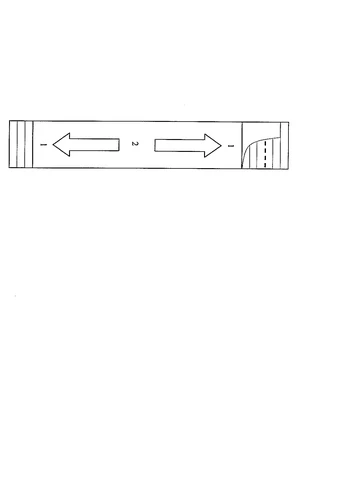
Before opening, knead the sachet to properly mix its contents, as shown in the following figure:
1 - Repeatedly press the upper and lower ends of the sachet with your fingers.
2 - Press several times from the upper end to the lower end and vice versa.
SPIDIDOLPOCKET may be taken directly without water or diluted in water.
This medicine is intended for short-term use only.
Recommended dose:
Adults and adolescents weighing 40 kg or more (aged 12 years and older)
The initial dose is 1 or 2 sachets of SPIDIDOLPOCKET 200 mg, and subsequently, if needed, 1 or 2 sachets of SPIDIDOLPOCKET 200 mg every 6 hours.
Allow at least a 6-hour interval between doses.
Do not take more than 6 sachets of SPIDIDOLPOCKET 200 mg within 24 hours.
Children weighing between 20 kg and 39 kg (aged 6 to 11 years)
SPIDIDOLPOCKET 200 mg should only be used in children weighing at least 20 kg. The maximum total daily dose of ibuprofen is 20–30 mg per kg of body weight, divided into 3 or 4 individual doses.
The dosing for children aged 6 to 11 years, based on body weight, is as follows:
- Children weighing between 20 and 29 kg should take 1 sachet of SPIDIDOLPOCKET 200 mg up to three times a day as needed. Do not take more than 3 sachets (up to 600 mg of ibuprofen) within 24 hours. Allow at least 8 hours between doses.
- Children weighing between 30 and 39 kg should take 1 sachet of SPIDIDOLPOCKET 200 mg up to four times a day as needed. Do not take more than 4 sachets (up to 800 mg of ibuprofen) within 24 hours. Allow at least 6–8 hours between doses.
If in children over 6 years of age and adolescents, this medicine is required for more than 3 days or if symptoms worsen, consult a doctor.
Children weighing less than 20 kg (under 6 years of age)
SPIDIDOLPOCKET 200 mg is not indicated for children weighing less than 20 kg and under 6 years of age.
Elderly
In elderly patients, the dosage is the same as for adults, but greater caution is required.
Patients with impaired renal or hepatic function
If you have reduced kidney or liver function, always consult your doctor before taking SPIDIDOLPOCKET. Your doctor will provide appropriate advice.
If you are an adult and your symptoms worsen or do not improve after 4 days for pain or 3 days for fever, you must consult a doctor. Do not take SPIDIDOLPOCKET for more than 7 days without consulting a doctor.
If you take more SPIDIDOLPOCKET than you should
Seek immediate medical advice in case of overdose or accidental ingestion by a child.
If you have taken more SPIDIDOLPOCKET than recommended or if your child has accidentally taken this medicine, always contact a doctor or the nearest hospital for advice on the potential risk and necessary actions.
Symptoms may include nausea, stomach ache, vomiting (possibly with traces of blood), headache, tinnitus, confusion, and uncontrolled eye movements. At high doses, drowsiness, chest pain, palpitations, loss of consciousness, seizures (especially in children), weakness and dizziness, blood in urine, feeling cold, and breathing difficulties have been reported.
If you forget to take SPIDIDOLPOCKET
If you forget to take a dose, do not take a larger amount than the recommended dose at the next scheduled dose.
If you have any doubts about how to use this medicine, consult your doctor or pharmacist.
4. Possible side effects
Like all medicines, this medicine can cause side effects, although not everyone experiences them.
Side effects may be minimized by using the lowest effective dose for the shortest duration necessary to relieve symptoms.
You may experience one of the known side effects of NSAIDs. If this occurs, or if you have any concerns, stop taking this medicine and consult your doctor as soon as possible.
Elderly patients using this medicine are at higher risk of developing problems related to adverse effects.
Please note that the following side effects are mainly dose-dependent and may vary from patient to patient.
Stop taking this medicine and seek immediate medical attention if you experience:
- signs of gastrointestinal bleeding such as: severe abdominal pain, black tarry stools, vomiting blood or dark particles resembling coffee grounds;
- signs of very rare but serious allergic reactions, such as wheezing or unexplained shortness of breath, swelling of the face, tongue or throat, difficulty breathing, rapid heartbeat, drop in blood pressure leading to shock. These may occur even after the first dose of this medicine. If any of these symptoms occur, call your doctor immediately;
- severe skin reactions, such as rashes covering the entire body, skin peeling, blistering or skin sloughing (e.g. Stevens-Johnson syndrome, erythema multiforme, toxic epidermal necrolysis/Lyell’s syndrome);
- vision problems or changes;
- flat, non-elevated reddish target-shaped or circular rashes on the trunk, often with central blisters, skin peeling, and ulcers in the mouth, throat, nose, genitals, and eyes. These severe skin eruptions may be preceded by fever and flu-like symptoms [exfoliative dermatitis, erythema multiforme, Stevens-Johnson syndrome, toxic epidermal necrolysis];
- widespread rash, high body temperature, and swollen lymph nodes (DRESS syndrome);
- widespread, red, scaly rash with bumps under the skin and blisters, accompanied by fever. Symptoms usually appear at the beginning of treatment (generalized pustular exanthema).
Contact your doctor if you experience any of the following side effects, if they worsen, or if you notice any unlisted side effect.
Common (may affect up to 1 in 10 people):
- stomach discomfort such as heartburn, stomach ache, nausea, vomiting, flatulence (gas in the intestine), diarrhoea, constipation, and minor bleeding from the stomach and/or intestine, which in rare cases may lead to anaemia.
Uncommon (may affect up to 1 in 100 people):
- inflammation of the stomach, worsening of colitis or Crohn’s disease;
- disorders of the central nervous system such as headache, dizziness, insomnia, restlessness, irritability, or fatigue;
- gastrointestinal ulcers which may bleed or perforate;
- mouth ulcers and/or swelling and irritation of the mouth;
- hypersensitivity reactions with skin rashes and itching, as well as asthma attacks (possibly with low blood pressure). In such cases, inform your doctor immediately and discontinue SPIDIDOLPOCKET;
- various skin rashes.
Rare (may affect up to 1 in 1,000 people):
- tinnitus (ringing in the ears);
- inflammation of the bladder;
- inflammation of the nasal mucosa;
- dry eyes;
- increased need to urinate, presence of blood in the urine;
- redness and peeling of the skin, photosensitivity skin reactions;
- increased levels of uric acid in the blood, increased levels of urea in the blood;
- low red blood cell count;
- flank and/or abdominal pain, presence of blood in the urine and fever, which may indicate kidney damage (papillary necrosis).
Very rare (may affect up to 1 in 10,000 people):
- inflammation of the oesophagus or pancreas, intestinal obstruction;
- in very rare cases, during chickenpox infection, severe skin infections and complications affecting soft tissues may occur;
- reduced urine output and swelling (particularly in patients with high blood pressure or reduced kidney function), cloudy urine (nephrotic syndrome), inflammatory kidney disease (interstitial nephritis), which may lead to acute kidney failure. If any of the above symptoms occur or if you feel generally unwell, stop taking SPIDIDOLPOCKET and consult your doctor immediately, as these may be early signs of kidney damage or kidney failure;
- problems in blood cell production (early signs include fever, sore throat, superficial mouth ulcers, flu-like symptoms, severe fatigue, nose and skin bleeding, unexplained or unusual bruising). In such cases, treatment must be stopped immediately and a doctor consulted. Do not take any painkillers or fever-reducing medicines (antipyretics);
- psychotic reactions and depression;
- worsening of inflammation due to infection (e.g. necrotizing fasciitis). If signs of infection appear or worsen during treatment with SPIDIDOLPOCKET, consult a doctor immediately;
- swelling, high blood pressure, palpitations, heart failure, heart attack;
- liver problems or liver inflammation. Liver failure or damage, particularly with long-term use, may present as yellowing of the skin and eyes, pale stools, or dark urine;
- very rarely, symptoms of aseptic meningitis such as neck stiffness, headache, nausea, vomiting, fever, or confusion have been observed during ibuprofen treatment. Patients with autoimmune disorders (SLE and mixed connective tissue disease) appear to be more susceptible. If such symptoms occur, contact a doctor immediately;
- jaundice (yellowing of the skin and/or whites of the eyes), severe liver damage;
- decreased levels of haemoglobin, the pigment responsible for oxygen transport in the blood;
- inflammation of blood vessels;
- hair loss (alopecia).
Not known (frequency cannot be estimated from available data):
- hearing impairment;
- fluid retention (excess water in the body), loss of appetite;
- asthma, laryngeal constriction, excessive contraction of the smooth muscles of the bronchi (as in asthma), or respiratory obstruction, difficulty breathing or laboured breathing;
- a severe skin reaction known as DRESS syndrome may occur. Symptoms of DRESS include: skin rash, fever, swollen lymph nodes, and increased eosinophils (a type of white blood cell);
- a widespread, red, scaly rash with pustules under the skin and blisters, mainly affecting skin folds, trunk, and upper limbs, accompanied by fever at the beginning of treatment (generalized pustular exanthema). Stop using SPIDIDOLPOCKET if you develop these symptoms and contact your doctor immediately. See also section 2.;
- chest pain, which may be a sign of a potentially serious allergic reaction called Kounis syndrome.
Medicines like this one may be associated with a small increased risk of heart attack (myocardial infarction) or stroke.
Reporting of side effects
If you experience any side effect, including those not listed in this leaflet, talk to your doctor or pharmacist.
You can also report side effects directly via the national reporting system at: www.agenziafarmaco.gov.it/content/come-segnalare-una-sospetta-reazione-avversa.
By reporting side effects, you can help provide more information on the safety of this medicine.
5. How to store SPIDIDOLPOCKET
Keep this medicine out of the sight and reach of children.
Do not use this medicine after the expiry date stated on the carton and label after "EXP.". The expiry date refers to the last day of that month.
Do not store above 30°C.
Do not dispose of any medicine via wastewater. Ask your pharmacist how to dispose of medicines you no longer use. This will help protect the environment.
6. Package contents and other information
What SPIDIDOLPOCKET contains
- The active substance is ibuprofen. Each single-dose sachet (10 ml of oral suspension) contains ibuprofen 200 mg.
- The other components are: sodium benzoate (E211), citric acid (E330), sodium citrate (E331), sodium saccharin (E954), sodium chloride, hypromellose 15 cP, xanthan gum (E415), maltitol liquid (E965), glycerol 99.8% (E422), strawberry flavour (the strawberry flavouring contains: substances identical to natural flavourings, natural flavouring preparations, maize maltodextrins, triethyl citrate (E-1505), propylene glycol (E-1520) and benzyl alcohol), purified water.
Description of the appearance of SPIDIDOLPOCKET and package contents
SPIDIDOLPOCKET is a viscous suspension, white or almost white in colour, with a characteristic strawberry aroma.
Type and size of packaging: 10 ml suspension in 10 ml single-dose sachets made of PET/Al/PET/PE (PE layer in contact with the medicinal product), size 25 mm x 150 mm.
SPIDIDOLPOCKET 200 mg: 10, 12, 18, 20, 24, 30 sachets.
Not all pack sizes may be marketed.
Marketing Authorization Holder
ZAMBON ITALIA s.r.l. - Via Lillo del Duca, 10 - 20091 Bresso (MI)
Manufacturer
Farmalider S.A
C/Aragoneses 2
28108 Alcobendas
Madrid (Spain)
or
EDEFARM, S.L.
Polígono Industrial Enchilagar del Rullo, 117
Villamarchante, 46191
Valencia (Spain)
This medicinal product is authorized in the Member States of the European Economic Area
under the following names:
| Romania | Ibuprofen Nutra 200 mg |
| Italy | SPIDIDOLPOCKET |
| Hungary | Winadol 200 mg |
| Slovakia | Ibuprofen Nutra 200 mg |
Patient Information Leaflet
SPIDIDOLPOCKET 400 mg oral suspension in sachet
ibuprofen
Please read this leaflet carefully before taking this medicine because it contains
important information for you.
Always take this medicine exactly as described in this leaflet or as your doctor or
pharmacist has instructed you.
- Keep this leaflet. You may need to read it again.
- If you would like further information or advice, consult your pharmacist.
- If any adverse reaction occurs, including those not listed in this leaflet, consult your doctor or pharmacist. See section 4.
- Consult your doctor if you do not notice improvement or if your symptoms worsen after 3 days in children and adolescents, or in adults after 4 days for pain or 3 days for migraine or fever.
Contents of this leaflet
- What SPIDIDOLPOCKET is and what it is used for
- What you need to know before taking SPIDIDOLPOCKET
- How to take SPIDIDOLPOCKET
- Possible side effects
- How to store SPIDIDOLPOCKET
- Contents of the pack and other information
1. What SPIDIDOLPOCKET is and what it is used for
Ibuprofen belongs to a group of medicines known as non-steroidal anti-inflammatory drugs (NSAIDs).
These medicines work by altering the body's response to pain, inflammation, and elevated body temperature.
SPIDIDOLPOCKET is used for the short-term treatment of mild to moderate pain such as headache, toothache, menstrual pain, fever, and symptoms of cold and flu.
Additionally, on medical advice, SPIDIDOLPOCKET is also used to relieve post-operative pain and mild to moderate migraine attacks (with or without aura).
SPIDIDOLPOCKET 400 mg is recommended for adults and adolescents with a body weight of 40 kg or more (aged 12 years and above).
2. What you should know before taking SPIDIDOLPOCKET
Do not take SPIDIDOLPOCKET
- if you are allergic to ibuprofen or to other non-steroidal anti-inflammatory drugs (NSAIDs) or to any of the other ingredients of this medicine (listed in section 6);
- if you have experienced breathlessness, asthma, runny nose, swelling of the face, tongue or throat, or hives after taking acetylsalicylic acid (aspirin) or other non-steroidal anti-inflammatory drugs (NSAIDs);
- if you have previously had gastrointestinal bleeding or perforation related to prior NSAID therapy;
- if you currently have or have had recurrent stomach or duodenal ulcers or bleeding (including two or more proven episodes of ulceration or bleeding in the past);
- if you suffer from severe liver, kidney, or heart failure;
- if you have bleeding in the brain (cerebrovascular hemorrhage) or other active bleeding;
- if you are severely dehydrated (due to vomiting, diarrhea, or insufficient fluid intake);
- if you suffer from blood formation disorders of unknown origin, such as thrombocytopenia;
- if you are a woman in the third trimester of pregnancy (see “Pregnancy, breastfeeding and fertility”).
Warnings and precautions
Talk to your doctor or pharmacist before taking SPIDIDOLPOCKET if:
- you suffer from certain inherited blood disorders (e.g., acute intermittent porphyria);
- you have previously suffered from high blood pressure and/or heart failure;
- you suffer from certain skin diseases (systemic lupus erythematosus [SLE] or mixed connective tissue disease);
- you have or have had intestinal diseases (ulcerative colitis or Crohn’s disease), as these may worsen (see section 4 “Possible side effects”);
- you have reduced kidney function;
- you have liver problems;
- you are taking other medicines that may increase the risk of ulcers or gastrointestinal bleeding, such as oral corticosteroids (e.g., prednisolone), blood-thinning medicines (e.g., warfarin), selective serotonin reuptake inhibitors (medicines used for depression), or antiplatelet agents (e.g., acetylsalicylic acid);
- you are taking other NSAIDs (including cyclooxygenase-2 [COX-2] inhibitors such as celecoxib or etoricoxib), since their concomitant use should be avoided;
- you have heart problems, including heart failure and angina pectoris (chest pain), or if you have a history of heart attack, coronary bypass surgery, peripheral arterial disease (poor circulation in legs or feet due to narrowed or blocked arteries), or any type of stroke (including “mini-stroke” or transient ischemic attack, “TIA”);
- you have high blood pressure, diabetes, high cholesterol, a family history of heart disease or stroke, or if you are a smoker;
- you have recently undergone major surgery;
- you are dehydrated, as this increases the risk of kidney problems;
- you have blood clotting disorders;
- you have an infection – see section “Infections” below.
Side effects can be minimized by using the lowest effective dose for the shortest possible duration.
Prolonged use of any type of painkiller for headache may worsen it. If this occurs, consult your doctor and discontinue treatment with SPIDIDOLPOCKET.
In general, habitual intake of (various types of) painkillers may cause serious and permanent kidney damage. This risk may be increased during physical exertion associated with loss of salts and dehydration. Therefore, it should be avoided.
If you suffer from or have suffered from asthma or allergic diseases, breathlessness may occur.
If you suffer from hay fever, nasal polyps, or chronic obstructive respiratory diseases, there is an increased risk of allergic reactions, which may present as asthma attacks (so-called analgesic-induced asthma), Quincke’s edema, or hives.
Very rarely, severe acute hypersensitivity reactions (e.g., anaphylactic shock) have been observed.
At the first sign of a severe hypersensitivity reaction after taking SPIDIDOLPOCKET, stop treatment immediately. Depending on the symptoms, a qualified physician must initiate appropriate medical procedures.
Infections
SPIDIDOLPOCKET may mask symptoms of infections such as fever and pain. Therefore, SPIDIDOLPOCKET may delay appropriate treatment of the infection, potentially increasing the risk of complications. This has been observed in bacterial pneumonia and bacterial skin infections associated with chickenpox. If you take this medicine while having an infection and the symptoms persist or worsen, consult your doctor immediately.
Skin reactions
Serious skin reactions have been reported with ibuprofen treatment, including exfoliative dermatitis, erythema multiforme, Stevens-Johnson syndrome, toxic epidermal necrolysis, drug reaction with eosinophilia and systemic symptoms (DRESS), and acute generalized exanthematous pustulosis (AGEP). Stop using SPIDIDOLPOCKET and contact your doctor immediately if you notice any symptoms related to these serious skin reactions described in section 4.
The use of SPIDIDOLPOCKET should be avoided during chickenpox.
The use of anti-inflammatory/analgesic medicines such as ibuprofen may be associated with a small increased risk of heart attack or stroke, especially when taken at high doses. Do not exceed the recommended dose or the maximum duration of treatment.
Signs of an allergic reaction to this medicine, including breathing difficulties, swelling of the face and neck (angioedema), and chest pain, have been reported with ibuprofen.
Stop taking SPIDIDOLPOCKET immediately and contact your doctor or emergency medical services if you notice any of these signs.
Gastrointestinal bleeding, ulceration, or perforation, which may be fatal, have been reported with all NSAIDs at any time during treatment, with or without warning symptoms or a previous history of serious gastrointestinal events. If gastrointestinal bleeding or ulceration occurs, discontinue this medicine immediately. The risk of gastrointestinal bleeding, ulceration, or perforation increases with higher NSAID doses, in patients with a history of ulcers, especially if complicated by hemorrhage or perforation (see section 2 “Do not take SPIDIDOLPOCKET”), and in elderly patients. These patients should start treatment with the lowest available dose. For these patients, as well as for those requiring concomitant use of low-dose acetylsalicylic acid or other medicines that may increase gastrointestinal risk, combination therapy with protective agents (e.g., misoprostol or proton pump inhibitors) should be considered.
If any of the above conditions apply to you, consult your doctor before using SPIDIDOLPOCKET.
Periodic monitoring of liver function, kidney function, and blood counts is necessary during prolonged use of SPIDIDOLPOCKET.
Elderly
Elderly patients taking NSAIDs are at higher risk of adverse effects, particularly those affecting the stomach and intestines. For more information, see section 4 “Possible side effects”.
If you have a history of gastrointestinal toxicity, especially if you are elderly, report any unusual abdominal symptoms (particularly gastrointestinal bleeding), especially in the early stages of treatment.
Children and adolescents
There is a risk of kidney impairment in dehydrated children and adolescents.
SPIDIDOLPOCKET 400 mg is not suitable for adolescents weighing less than 40 kg or for children under 12 years of age due to the high amount of active ingredient contained in each sachet.
Other medicines and SPIDIDOLPOCKET
Inform your doctor or pharmacist if you are taking, have recently taken, or might take any other medicines.
SPIDIDOLPOCKET may affect or be affected by other medicines. For example:
- corticosteroids (such as prednisolone), as their use may increase the risk of gastrointestinal ulceration or bleeding;
- other NSAIDs (including COX-2 inhibitors such as celecoxib or etoricoxib), as these may increase the risk of gastrointestinal bleeding and ulcers. Concomitant use of ibuprofen and other NSAIDs should be avoided;
- anticoagulant medicines (i.e., blood thinners/anticoagulants, e.g., warfarin and ticlopidine);
- antiplatelet agents (such as acetylsalicylic acid) and selective serotonin reuptake inhibitors (medicines used for depression), as their use may increase the risk of gastrointestinal side effects;
- medicines that lower high blood pressure (ACE inhibitors such as captopril, beta-blockers such as atenolol-containing medicines, angiotensin-II receptor antagonists such as losartan) and diuretics, as NSAIDs may reduce the effectiveness of these medicines and increase the risk to the kidneys. In this case, ensure you drink sufficient water throughout the day;
- methotrexate (a medicine used for cancer or rheumatism), as the effect of methotrexate may be enhanced;
- tacrolimus (a medicine used to suppress the immune response), due to an increased risk of kidney toxicity;
- cyclosporine (a medicine used to suppress the immune response), as there is limited evidence of an increased risk of kidney toxicity;
- mifepristone (a medicine used for abortion), as the effect of mifepristone may be reduced;
- zidovudine (a medicine for the treatment of AIDS), as the use of SPIDIDOLPOCKET may increase the risk of joint bleeding or swelling due to bleeding in HIV-positive hemophiliacs;
- sulfonylureas: clinical studies have shown interactions between NSAIDs and antidiabetic medicines (sulfonylureas). Although interactions between ibuprofen and sulfonylureas have not been reported so far, blood sugar levels should be monitored if taken together;
- probenecid and sulfinpyrazone: medicines containing probenecid or sulfinpyrazone may delay the elimination of ibuprofen;
- baclofen: toxicity from baclofen may develop after starting ibuprofen treatment;
- ritonavir, as taking this medicine may increase NSAID plasma concentrations;
- aminoglycosides (antibiotics), as NSAIDs may reduce the elimination of aminoglycosides;
- digoxin, phenytoin, and lithium: ibuprofen may increase plasma concentrations of these medicines;
- quinolone antibiotics, as their concomitant use with NSAIDs may increase the risk of seizures;
- cholestyramine, as taking ibuprofen together with cholestyramine may delay or reduce ibuprofen absorption;
- voriconazole and fluconazole, as taking these medicines may increase NSAID plasma concentrations.
Other medicines may also affect or be affected by SPIDIDOLPOCKET. Therefore, always consult your doctor or pharmacist before taking SPIDIDOLPOCKET with other medicines.
SPIDIDOLPOCKET with food and alcohol
The contents of the sachet can be taken with or without food. If taken with food or shortly after eating, the onset of action may be delayed, but taking it with food improves product tolerability and reduces the likelihood of gastrointestinal problems. Avoid drinking alcohol while using SPIDIDOLPOCKET, as concomitant use of alcohol and SPIDIDOLPOCKET may increase the likelihood of certain side effects, such as those affecting the gastrointestinal tract or central nervous system.
Pregnancy, breastfeeding and fertility
If you are pregnant, think you may be pregnant, planning to become pregnant, or breastfeeding, consult your doctor or pharmacist before taking this medicine.
Pregnancy
Inform your doctor if you become pregnant while taking SPIDIDOLPOCKET.
Do not take SPIDIDOLPOCKET during the last three months of pregnancy, as it may harm the fetus or cause problems during delivery. It may cause kidney and heart problems in the fetus. It may affect your and your baby’s tendency to bleed and delay or prolong labor more than expected. You should not take SPIDIDOLPOCKET during the first six months of pregnancy unless absolutely necessary and under medical advice. If treatment is required during this period or during attempts to conceive, the lowest possible dose for the shortest possible time should be used. From the 20th week of pregnancy, SPIDIDOLPOCKET may cause kidney problems in the fetus if taken for more than a few days, thereby reducing the levels of amniotic fluid surrounding the baby (oligohydramnios) or causing narrowing of a blood vessel (ductus arteriosus) in the baby’s heart. If treatment is required for more than a few days, your doctor may recommend additional monitoring.
Breastfeeding
Only minimal amounts of ibuprofen and its metabolites are excreted in breast milk. Since no harmful effects on infants have been reported to date, breastfeeding usually does not need to be discontinued during short-term use of SPIDIDOLPOCKET at recommended doses.
Fertility
SPIDIDOLPOCKET belongs to a group of medicines (NSAIDs) that may impair fertility in women. This effect is reversible upon discontinuation of the medicine.
Driving and using machines
If you experience dizziness, vertigo, visual disturbances, or other symptoms while taking this medicine, avoid driving vehicles or operating machinery. If you take a single dose of ibuprofen or use it for a short period, no special precautions are usually necessary.
SPIDIDOLPOCKET contains maltitol, sodium benzoate, benzyl alcohol, and sodium
If your doctor has informed you that you have an intolerance to certain sugars, contact him before taking this medicine.
Maltitol may have a mild laxative effect. The caloric value of maltitol is 2.3 kcal/g.
This medicine contains 10 mg of sodium benzoate (E211) in 10 ml.
This medicine contains 0.001652 mg of benzyl alcohol in 10 ml. Benzyl alcohol may cause allergic reactions.
SPIDIDOLPOCKET 400 mg contains 57.94 mg of sodium per 10 ml. Patients on a low-sodium diet should take this into account.
3. How to take SPIDIDOLPOCKET
Take this medicine exactly as stated in this leaflet or as instructed by your doctor or pharmacist. If you have any doubts, consult your doctor or pharmacist.
The lowest effective dose for the shortest necessary duration should be used to relieve symptoms.
If you have an infection, contact your doctor immediately if symptoms (for example, fever and
pain) persist or worsen (see section 2).
For oral use.
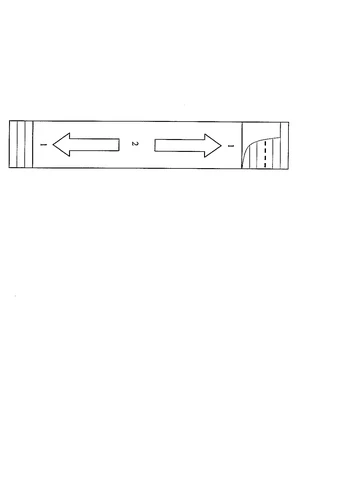
Before opening, knead the sachet to mix its contents thoroughly, as shown in the following figure:
1 - Repeatedly press the upper and lower ends of the sachet with your fingers.
2 - Press several times from the upper end to the lower end and vice versa.
SPIDIDOLPOCKET may be taken directly without water or diluted in water.
This medicine is intended for short-term use only.
The recommended dose is:
Adults and adolescents weighing 40 kg or more (aged 12 years and older)
The initial dose is 1 sachet of SPIDIDOLPOCKET 400 mg; thereafter, if necessary, take 1 sachet of SPIDIDOLPOCKET 400 mg every 6 hours.
Allow at least a 6-hour interval between doses.
Do not take more than 3 sachets of SPIDIDOLPOCKET 400 mg within 24 hours.
Children and adolescents
SPIDIDOLPOCKET 400 mg is not indicated for adolescents weighing less than 40 kg and for children under 12 years of age.
Elderly
In elderly patients, the dosage is the same as for adults, but greater caution is required.
Patients with impaired renal or hepatic function
If you have reduced renal or hepatic function, always consult your doctor before taking SPIDIDOLPOCKET. Your doctor will provide appropriate advice.
If you are an adult and your symptoms worsen or do not improve after 4 days for pain or 3 days for fever, you must consult your doctor. Do not take SPIDIDOLPOCKET for more than 7 days without consulting your doctor.
If in adolescents (aged 12 years and older) the use of this medicine is required for more than 3 days or if symptoms worsen, a doctor must be consulted.
If you take more SPIDIDOLPOCKET than you should
Seek immediate medical attention in case of overdose or accidental ingestion of this medicine by a child.
If you have taken more SPIDIDOLPOCKET than recommended or if your child has accidentally taken this medicine, always contact a doctor or the nearest hospital for advice on the risk and actions to be taken.
Symptoms may include nausea, stomach ache, vomiting (possibly with traces of blood), headache, tinnitus, confusion, and uncontrolled eye movements. At high doses, drowsiness, chest pain, palpitations, loss of consciousness, seizures (especially in children), weakness and dizziness, blood in the urine, feeling cold, and breathing difficulties have been reported.
If you forget to take SPIDIDOLPOCKET
If you forget to take a dose, do not take a larger amount than the recommended dose at the next scheduled dose.
If you have any questions about the use of this medicine, consult your doctor or pharmacist.
4. Possible side effects
Like all medicines, this medicine can cause side effects, although not everybody will experience them.
Side effects may be minimized by using the lowest effective dose for the shortest necessary duration to relieve symptoms.
You may experience one of the known side effects of NSAIDs. If this occurs, or if you have any doubts, stop taking this medicine and consult your doctor as soon as possible.
Elderly patients using this medicine are at higher risk of developing problems associated with side effects.
Please note that the following side effects are mainly dose-dependent and may vary from patient to patient.
Stop taking this medicine and seek immediate medical attention if you experience:
- signs of gastrointestinal bleeding such as: severe abdominal pain, dark, tar-like stools, vomiting blood or dark particles resembling coffee grounds;
- signs of very rare but serious allergic reactions, such as wheezing or shortness of breath of unknown origin, swelling of the face, tongue or throat, difficulty breathing, rapid heartbeat, or drop in blood pressure leading to shock. These may occur even after the first dose of this medicine. If any of these symptoms occur, call your doctor immediately;
- severe skin reactions, such as rash covering the entire body, skin peeling, blistering or desquamation (e.g. Stevens-Johnson syndrome, erythema multiforme, toxic epidermal necrolysis/Lyell’s syndrome);
- vision problems/changes;
- flat, non-elevated reddish, target-shaped or circular spots on the trunk, often with central blisters, skin peeling, and ulcers in the mouth, throat, nose, genitals, and eyes. These severe skin eruptions may be preceded by fever and flu-like symptoms [exfoliative dermatitis, erythema multiforme, Stevens-Johnson syndrome, toxic epidermal necrolysis];
- widespread rash, high body temperature, and swollen lymph nodes (DRESS syndrome);
- widespread, red, scaly rash with bumps under the skin and blisters, accompanied by fever. Symptoms usually appear at the beginning of treatment (generalized pustular eruption).
Contact your doctor if you experience any of the following side effects, if they worsen, or if you notice any unlisted side effects.
Common (may affect up to 1 in 10 people):
- stomach discomfort such as heartburn, stomach ache, nausea, vomiting, flatulence (gas), diarrhoea, constipation, and minor bleeding in the stomach and/or intestine, which in rare cases may lead to anaemia.
Uncommon (may affect up to 1 in 100 people):
- inflammation of the stomach, worsening of colitis or Crohn’s disease;
- disorders of the central nervous system such as headache, dizziness, insomnia, agitation, irritability, or fatigue;
- gastrointestinal ulcers that may bleed or perforate;
- mouth ulcers and/or swelling and irritation of the mouth;
- hypersensitivity reactions with skin rashes and itching, and asthma attacks (possibly with low blood pressure). In such cases, inform your doctor immediately and discontinue SPIDIDOLPOCKET;
- various skin rashes.
Rare (may affect up to 1 in 1,000 people):
- tinnitus (ringing in the ears);
- inflammation of the bladder;
- inflammation of the nasal mucosa;
- dry eyes;
- increased need to urinate, presence of blood in urine;
- redness and peeling of the skin, photosensitivity reactions;
- increased levels of uric acid in the blood, increased levels of urea in the blood;
- low red blood cell count;
- pain in the sides and/or abdomen, blood in the urine, and fever, which may indicate kidney damage (papillary necrosis).
Very rare (may affect up to 1 in 10,000 people):
- inflammation of the oesophagus or pancreas, intestinal obstruction;
- in very rare cases, during chickenpox infection, severe skin infections and soft tissue complications may occur;
- reduced urine output and swelling (particularly in patients with high blood pressure or impaired kidney function), cloudy urine (nephrotic syndrome), inflammatory kidney disease (interstitial nephritis) which may lead to acute kidney failure. If any of the above symptoms occur or if you feel generally unwell, stop taking SPIDIDOLPOCKET and consult your doctor immediately, as these may be early signs of kidney damage or kidney failure;
- problems in blood cell production (early signs include fever, sore throat, superficial mouth ulcers, flu-like symptoms, severe fatigue, nosebleeds and skin bleeding, unexplained or unusual bruising). In such cases, treatment must be stopped immediately and a doctor consulted. Do not take any painkillers or fever-reducing medicines (antipyretics);
- psychotic reactions and depression;
- worsening of infection-related inflammation (e.g. necrotizing fasciitis). If signs of infection appear or worsen during treatment with SPIDIDOLPOCKET, consult a doctor immediately;
- swelling, high blood pressure, palpitations, heart failure, heart attack;
- liver problems or liver inflammation. Liver failure or damage, particularly with long-term use, may present as yellowing of the skin and eyes, pale stools, or dark urine;
- very rarely, symptoms of aseptic meningitis such as neck stiffness, headache, nausea, vomiting, fever, or altered consciousness have been reported during ibuprofen treatment. Patients with autoimmune disorders (SLE and mixed connective tissue disease) appear to be more susceptible. If these symptoms occur, contact a doctor immediately;
- jaundice (yellowing of the skin and/or whites of the eyes), severe liver damage;
- reduced levels of haemoglobin, the pigment responsible for oxygen transport in the blood;
- inflammation of blood vessels;
- hair loss (alopecia).
Frequency not known (cannot be estimated from available data):
- hearing impairment;
- fluid retention (excess water in the body), loss of appetite;
- asthma, laryngeal constriction, excessive contraction of the smooth muscles in the bronchi (as in asthma), or breathing blockage, difficulty breathing or laboured breathing;
- a severe skin reaction known as DRESS syndrome may occur. Symptoms of DRESS include rash, fever, swollen lymph nodes, and increased eosinophils (a type of white blood cell);
- a widespread, red, scaly rash with pustules under the skin and blisters, mainly in skin folds, trunk, and upper limbs, accompanied by fever at the beginning of treatment (generalized pustular eruption). Stop using SPIDIDOLPOCKET if you develop these symptoms and contact your doctor immediately. See also section 2.;
- chest pain, which may be a sign of a potentially serious allergic reaction called Kounis syndrome.
Medicines such as this one may be associated with a small increased risk of heart attack (myocardial infarction) or stroke.
Reporting of side effects
If you experience any side effect, including those not listed in this leaflet, talk to your doctor or pharmacist.
You can also report side effects directly via the national reporting system at: www.agenziafarmaco.gov.it/content/come-segnalare-una-sospetta-reazione-avversa.
By reporting side effects, you can help provide more information on the safety of this medicine.
5. How to store SPIDIDOLPOCKET
Keep this medicine out of the sight and reach of children.
Do not use this medicine after the expiry date stated on the carton and label after "EXP.". The expiry date refers to the last day of that month.
Do not store above 30°C.
Do not dispose of any medicine via wastewater. Ask your pharmacist how to dispose of medicines no longer in use. This will help protect the environment.
6. Package contents and other information
What SPIDIDOLPOCKET contains
- The active substance is ibuprofen. Each single-dose sachet (10 ml of oral suspension) contains ibuprofen 400 mg.
- The other ingredients are: sodium benzoate (E211), citric acid (E330), sodium citrate (E331), sodium saccharin (E954), sodium chloride, hypromellose 15 cP, xanthan gum (E415), liquid maltitol (E965), glycerol 99.8% (E422), strawberry flavour (the strawberry flavouring contains: substances identical to natural flavourings, natural flavouring preparations, maize maltodextrins, triethyl citrate (E-1505), propylene glycol (E-1520) and benzyl alcohol), thaumatin, purified water.
Description of the appearance of SPIDIDOLPOCKET and contents of the pack
SPIDIDOLPOCKET is a viscous suspension, white or almost white, with a characteristic strawberry aroma.
Type and size of pack: 10 ml suspension in 10 ml single-dose sachets, made of PET/Al/PET/PE (PE layer in contact with the medicinal product), size 25 mm x 150 mm.
SPIDIDOLPOCKET 400 mg: 10, 12, 18, 20, 24, 30 sachets.
Not all pack sizes may be marketed.
Marketing Authorization Holder
ZAMBON ITALIA s.r.l. - Via Lillo del Duca, 10 - 20091 Bresso (MI)
Manufacturer
Farmalider S.A
C/Aragoneses 2
28108 Alcobendas
Madrid (Spain)
or
EDEFARM, S.L.
Polígono Industrial Enchilagar del Rullo, 117
Villamarchante, 46191
Valencia (Spain)
This medicinal product is authorized in the Member States of the European Economic Area
under the following names:
| Romania | Ibuprofen Nutra 400 mg |
| Italy | SPIDIDOLPOCKET |
| Hungary | Winadol 400 mg |
| Slovakia | Ibuprofen Nutra 400 mg |
Similar drugs
| Brand name | Dosage form | Active substance / Dosage | Manufacturer |
|---|---|---|---|
| ALGIDRIN | suspension, oral | DICOFARM S.P.A. | |
| ALGO PIRINA FOR FEVER AND PAIN | suspension, oral | SO.SE.PHARM S.R.L. SOCIETA' DI SERVIZIO PER L'INDUSTRIA FARMACEUTICA ED AFFINI | |
| BRUFENKIDS FOR FEVER AND PAIN | suspension, oral | VIATRIS ITALIA S.R.L. | |
| BRUFENLIK | suspension, oral | MYLAN S.P.A. | |
| DECAFLU FOR FEVER AND PAIN | suspension, oral | LABORATORIO CHIMICO DECA DR.CAPUANI S.R.L. | |
| DOLIBLOC | suspension, oral | EPIFARMA S.R.L | |
| FEVRALT | suspension, oral | NEOPHARMED GENTILI S.P.A. | |
| FLUIFORT FEVER AND PAIN | suspension, oral | DOMPE' FARMACEUTICI S.P.A. | |
| IBULEV | suspension, oral | FARTO S.R.L. - FARMACO BIOCHIMICO TOSCANO | |
| IBUPROFEN DOC GENERICI | suspension, oral | DOC GENERICI SRL | |
| IBUPROFEN EG | suspension, oral | EG S.P.A. | |
| LEVIFEN | suspension, oral | EXIPHARMA S.R.L. |
The original data is available in the language of the country of manufacture.
Data source: Italian Medicines Agency (AIFA)
Data last verified: September 21, 2026