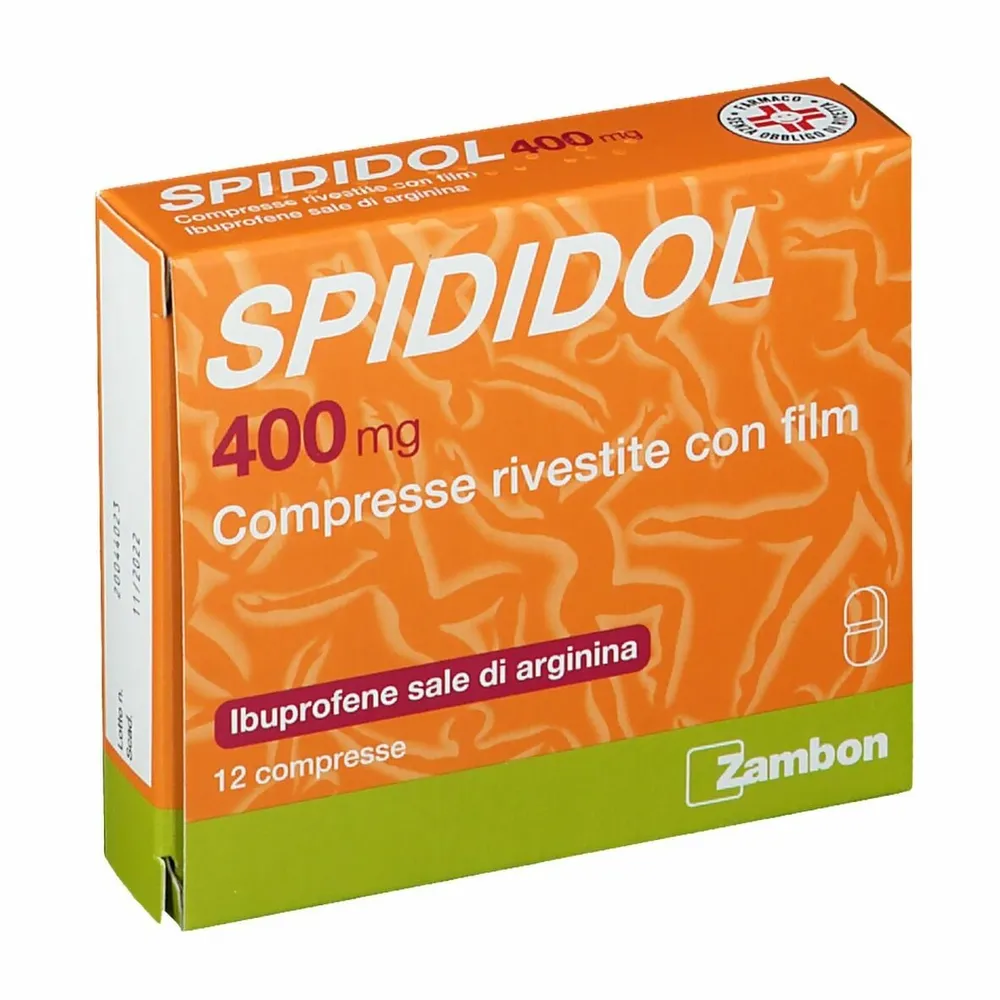
SPIDIDOL
ItalyIt is used to treat pain (such as headache, toothache, menstrual pain, muscle or bone pain, and neuralgia) and inflammatory conditions. It can also be used to treat feverish and flu-like states, in addition to other medicines.
Frequently asked questions
How should SPIDIDOL be taken?
For adults and adolescents aged 12 and over, the dose is 1 tablet or 1 sachet, to be taken 2-3 times a day, not exceeding 1200 mg per day (3 units). Tablets should be taken with a little water, while the granules should be dissolved in a glass of water (50-100 ml). It is advisable to take the medicine on a full stomach.
When should you not take this medicine?
It must not be taken if you are allergic to ibuprofen or any of its other components, if you have stomach or intestinal problems with bleeding or ulcers, if you suffer from ulcerative colitis or Crohn's disease, if you have serious liver, kidney, or heart problems, if you are in the third trimester of pregnancy, if you suffer from phenylketonuria (for the granules), or if you have undergone heart surgery.
What are the side effects of SPIDIDOL?
Very common side effects include indigestion and diarrhea. Other common side effects are headache, dizziness, nausea, heartburn, and skin rashes. Less common or rare side effects may also occur, such as ulcers, gastrointestinal bleeding, vision problems, breathing difficulties, or severe allergic reactions. It is necessary to discontinue treatment and consult a doctor immediately if severe skin rashes or allergic reactions occur.
Are there interactions with other medicines?
Yes, taking SPIDIDOL can interact with many drugs, including other anti-inflammatories (NSAIDs), anticoagulants (such as warfarin or aspirin), corticosteroids, blood pressure medications, antidepressants, lithium, and certain antibiotics. It is essential to inform your doctor or pharmacist about all the medicines you are currently taking.
Can I take this medicine if I am pregnant or breastfeeding?
SPIDIDOL should not be taken during breastfeeding. During pregnancy, it should not be taken in the last trimester because it can harm the fetus. During the first 6 months, it should only be used if absolutely necessary and under strict medical advice, using the lowest dose for the shortest time possible.
Instructions for use
Table of contents
- SPIDIDOL 400 mg granules for oral solution, cola-lemon flavour
- 1. What SPIDIDOL is and what it is used for
- 2. What you need to know before taking SPIDIDOL
- 3. How to take SPIDIDOL
- 4. Possible side effects
- 5. How to store SPIDIDOL
- 6. Package contents and other information
- Package leaflet: information for the patient
- SPIDIDOL 400 mg film-coated tablets, 400 mg granules for oral solution, apricot flavour
- 1. What SPIDIDOL is and what it is used for
- 2. What you need to know before taking SPIDIDOL
- 3. How to take SPIDIDOL
- 4. Possible side effects
- 5. How to store SPIDIDOL
- 6. Contents of the pack and other information
Package leaflet: Information for the patient
SPIDIDOL 400 mg granules for oral solution, cola-lemon flavour
Arginine ibuprofen
Please read all of this leaflet carefully before taking this medicine because it contains important information for you.
- Always take this medicine exactly as described in this leaflet or as your doctor or pharmacist has told you to do.
- Keep this leaflet. You may need to read it again.
- If you want more information or advice, contact your pharmacist.
- If you experience any side effects, including those not listed in this leaflet, contact your doctor or pharmacist. See section 4.
- Contact your doctor if you do not notice any improvement or if you notice a worsening of symptoms.
Contents of this leaflet:
- What SPIDIDOL is and what it is used for
- What you need to know before taking SPIDIDOL
- How to take SPIDIDOL
- Possible side effects
- How to store SPIDIDOL
- Contents of the pack and other information
1. What SPIDIDOL is and what it is used for
This medicinal product contains the active substance ibuprofen, which belongs to a group of medicines known as non-steroidal anti-inflammatory drugs (NSAIDs). These act by relieving pain (analgesic effect) and reducing symptoms of inflammation (anti-inflammatory effect).
SPIDIDOL is indicated for the treatment of pain or inflammatory conditions in the following cases:
- Pain relief: headache, toothache, menstrual pain, neuralgia, osteoarticular (bone) and muscular pain.
- Treatment of fever and flu-like symptoms, in addition to other medicines.
Consult your doctor if you do not notice improvement or if your symptoms worsen.
2. What you need to know before taking SPIDIDOL
Do not take SPIDIDOL
- if you are allergic to ibuprofen, to other similar medicines, or to any of the other ingredients of this medicine (listed in section 6);
- if you have previously suffered from stomach or intestinal disorders associated with bleeding (gastrointestinal haemorrhage or perforation related to previous treatment with anti-inflammatory medicines (NSAIDs) or history of recurrent peptic ulcer/bleeding, with two or more distinct episodes of proven ulceration or bleeding);
- if you suffer from stomach or intestinal disorders associated with lesions and bleeding (active or recurrent peptic ulcer);
- if you have gastrointestinal bleeding;
- if you currently have other types of bleeding, such as cerebrovascular bleeding;
- if you suffer from ulcerative colitis or Crohn’s disease;
- if you have severe liver or kidney problems (severe hepatic or renal insufficiency);
- if you suffer from bleeding disorders (haemorrhagic diathesis);
- if you suffer from severe heart problems (severe heart failure);
- if in the past, after taking acetylsalicylic acid or other anti-inflammatory medicines (NSAIDs), you experienced facial swelling due to fluid accumulation, especially around the mouth and eyes (angioedema), severe breathing difficulty (bronchospasm), breathing problems (asthma), skin irritation (urticaria), nasal mucosa inflammation (rhinitis), or nasal polyps;
- if you suffer from systemic lupus erythematosus or other skin diseases (collagen diseases);
- if you are in the third trimester of pregnancy (See section “Pregnancy, breastfeeding and fertility”);
- before or after heart surgery;
- if you have phenylketonuria, a condition in which levels of certain substances in urine and blood are altered.
Warnings and precautions
Consult your doctor or pharmacist before taking SPIDIDOL if you have an infection (see section “Infections” below).
Exercise particular caution with SPIDIDOL:
Serious skin reactions have been reported during treatment with ibuprofen, including exfoliative dermatitis, erythema multiforme, Stevens-Johnson syndrome, toxic epidermal necrolysis, drug reaction with eosinophilia and systemic symptoms (DRESS), and acute generalized exanthematous pustulosis (AGEP). Stop using SPIDIDOL and contact your doctor immediately if you notice any of the symptoms related to these serious skin reactions described in section 4.
Take this medicine with caution if:
- you are already taking other anti-inflammatory medicines (including selective COX-2 inhibitors, see section “Other medicines and SPIDIDOL”);
- you are taking other medicines that may increase the risk of ulceration or bleeding, such as oral corticosteroids, anticoagulants like warfarin, selective serotonin reuptake inhibitors, or antiplatelet agents like aspirin (See section “Other medicines and SPIDIDOL”);
- you have suffered from high blood pressure (hypertension), as, in association with NSAID therapy, you may experience problems with fluid elimination (fluid retention) and swelling due to fluid accumulation (edema);
- you have previously suffered from intestinal disorders (ulcerative colitis, Crohn’s disease);
- you suffer from heart disorders (mild to moderate congestive heart failure);
- you have suffered from breathing problems (bronchospasm), especially following medicine use. In patients who suffer or have suffered from bronchial asthma or allergic diseases, bronchospasm may worsen. In such cases, especially for prolonged treatments, your doctor may recommend periodic testing;
- you suffer from coagulation disorders or reduced function of the heart, liver, or kidneys; in such cases, especially for prolonged treatments, periodic tests may be necessary. Hypersensitivity to SPIDIDOL may cause liver problems (hepatotoxic reactions);
- you suffer from lupus erythematosus, a chronic autoimmune disease that can affect various organs and tissues and cause facial lesions and pain, or suffer from other skin diseases (collagen diseases). In this case, consult your doctor before taking SPIDIDOL. The risk of developing skin disorders may increase;
- you plan to become pregnant, as the use of SPIDIDOL may impair female fertility; use of SPIDIDOL should be discontinued in women with fertility problems or undergoing fertility investigations.
Risk of stroke and heart attack
Anti-inflammatory/pain-relief medicines may be associated with a small increased risk of heart attack or stroke, especially when administered at high doses. Do not exceed the recommended dose or duration of treatment.
You should discuss treatment with your doctor or pharmacist before taking SPIDIDOL if you have:
- heart problems including heart attack, angina (chest pain), or history of heart attack, coronary bypass surgery, peripheral arterial disease (poor circulation in legs or feet due to narrowed or blocked arteries), or any type of stroke (including ‘mini-stroke’ or “TIA”, transient ischemic attack);
- high blood pressure, diabetes, high cholesterol, family history of heart disease or stroke, or if you are a smoker.
Signs of an allergic reaction to this medicine, including breathing problems, swelling of the face and neck (angioedema), and chest pain, have been reported with ibuprofen.
Stop SPIDIDOL immediately and contact your doctor or emergency medical services immediately if you notice any of these signs.
Gastrointestinal risks
At any time, with or without warning symptoms or previous history of serious gastrointestinal events, gastrointestinal bleeding, ulceration, and perforation have been reported, which can be fatal.
If you have previously suffered from ulcers, the risk of gastrointestinal bleeding, ulceration, or perforation is higher with increased NSAID doses. Your doctor may recommend taking specific medicines to protect the stomach, such as misoprostol or proton pump inhibitors, especially if you are taking other medicines (e.g., aspirin or medicines that increase gastrointestinal risk).
If you suffer from or have suffered from stomach or intestinal problems (gastrointestinal toxicity), particularly at the beginning of treatment with SPIDIDOL, inform your doctor of any gastrointestinal symptoms you experience (especially bleeding). At doses exceeding 1000 mg per day, bleeding time may be prolonged.
If you experience gastrointestinal bleeding or ulceration, discontinue treatment with SPIDIDOL and consult your doctor or the nearest hospital.
Vision problems
If you experience visual disturbances, stop treatment with this medicine and consult an ophthalmologist.
Elderly patients
If you are elderly, the risk of adverse effects is higher, especially gastrointestinal bleeding and perforation of the stomach and intestine (gastrointestinal events), which can be fatal. The risk of gastrointestinal bleeding, ulceration, or perforation is higher with increased NSAID doses.
Therefore, start treatment with the lowest available dose and take SPIDIDOL for the shortest possible duration needed to control symptoms. Your doctor may recommend medicines that protect the stomach (misoprostol or proton pump inhibitors), especially if you are taking other medicines (e.g., aspirin or medicines that increase gastrointestinal risk). If you suffer from or have suffered from stomach or intestinal problems (gastrointestinal toxicity), particularly at the beginning of treatment with SPIDIDOL, inform your doctor of any gastrointestinal symptoms you experience (especially bleeding). At doses exceeding 1000 mg per day, bleeding time may be prolonged.
If you experience gastrointestinal bleeding or ulceration, discontinue treatment with SPIDIDOL and consult your doctor or the nearest hospital.
Children and adolescents
This medicine should be administered with caution in dehydrated adolescents due to an increased risk of kidney problems (see section 3 “Use in adolescents aged 12 to 18 years”).
Exercise caution when starting treatment with ibuprofen if you suffer from severe dehydration.
Infections
SPIDIDOL may mask symptoms of infections such as fever and pain. Therefore, SPIDIDOL may delay appropriate treatment of the infection, potentially increasing the risk of complications. This has been observed in bacterial pneumonia and bacterial skin infections related to chickenpox. If you take this medicine while having an infection and infection symptoms persist or worsen, consult your doctor immediately.
Therefore, use ibuprofen therapy cautiously in case of infection.
NSAIDs may cause increased results in liver function tests.
Avoid consuming alcohol, as it may increase the side effects of NSAIDs, particularly those affecting the gastrointestinal tract or central nervous system.
If you experience a hypersensitivity reaction after taking ibuprofen, stop treatment immediately.
Medically assisted measures must be initiated by specialized medical personnel, in accordance with the symptoms.
Ibuprofen acid may prolong bleeding time because it reversibly inhibits platelet aggregation.
Pay particular attention in the above cases, bearing in mind that any risk is more likely when using this medicine at high doses and during prolonged therapy.
Other medicines and SPIDIDOL
Inform your doctor or pharmacist if you are taking, have recently taken, or might take any other medicine.
Taking SPIDIDOL, like other similar medicines (non-steroidal anti-inflammatory drugs, analgesics, antipyretics), may cause allergic-type reactions (hypersensitivity), even severe ones (see section “Possible side effects”). Do not use SPIDIDOL if you are taking other anti-inflammatory medicines (e.g., analgesics, antipyretics, and other NSAIDs such as acetylsalicylic acid/aspirin), as the risk of side effects may increase. If you are taking acetylsalicylic acid (Aspirin) for heart problems, do not take SPIDIDOL simultaneously, as the cardioprotective effect may be reduced.
SPIDIDOL may affect or be affected by other medicines. For example:
- medicines used to reduce inflammation and treat allergies (oral corticosteroids); SPIDIDOL may increase the risk of stomach or intestinal ulcers or bleeding;
- medicines with anticoagulant effects (i.e., substances that thin the blood to prevent clotting, e.g., aspirin/acetylsalicylic acid, warfarin, ticlopidine); SPIDIDOL may enhance the effect of these medicines, so your doctor may require appropriate tests to assess whether your therapy needs adjustment. SPIDIDOL may also increase the risk of gastrointestinal bleeding when taken concomitantly with antiplatelet agents;
- medicines that lower high blood pressure (diuretics, ACE inhibitors such as captopril, beta-blockers such as atenolol, angiotensin II antagonists such as losartan). SPIDIDOL may alter the effect of the medicines you are taking. Additionally, if you have kidney problems, especially if you are elderly or dehydrated, SPIDIDOL may worsen your condition when taken with ACE inhibitors or angiotensin II antagonists; in such cases, adequate fluid intake is necessary, and your doctor may periodically monitor your kidney function after starting treatment;
- medicines used to treat depression and anxiety disorders (serotonin reuptake inhibitors); SPIDIDOL may increase the risk of gastrointestinal bleeding;
- medicines based on lithium and phenytoin;
- medicines used to treat heart conditions such as digoxin;
- non-steroidal anti-inflammatory drugs (NSAIDs), including selective COX-2 inhibitors. SPIDIDOL should be used with caution in combination with other NSAIDs, as it may increase the risk of adverse gastrointestinal reactions;
- methotrexate-based medicines used for uncontrolled blood cell proliferation (leukemia), chronic inflammatory skin diseases (psoriasis), and chronic inflammatory joint diseases associated with skin conditions (psoriatic arthritis). SPIDIDOL may increase plasma levels of methotrexate;
- zidovudine-based medicines used to treat Human Immunodeficiency Virus (HIV) infection. SPIDIDOL may increase the risk of bleeding in joints or muscles in HIV-positive haemophiliac patients;
- tacrolimus and cyclosporine-based medicines used to prevent rejection in patients receiving liver, kidney, or heart transplants. SPIDIDOL may increase the risk of renal toxicity;
- medicines used to lower blood sugar levels, hypoglycaemics and insulin. Dosage adjustment may be necessary;
- cyclosporine-based medicines used to reduce immune system activity in autoimmune diseases. SPIDIDOL may increase the risk of renal toxicity;
- antifungal medicines based on voriconazole and fluconazole. SPIDIDOL dosage adjustment may be necessary;
- mifepristone-based medicines used for medical termination of pregnancy. SPIDIDOL dosage adjustment may be necessary. In addition, the effectiveness of mifepristone could theoretically be reduced;
- medicines used to treat bacterial infections, such as quinolone antibiotics. SPIDIDOL may increase the risk of seizures;
- medicines used to treat bacterial infections, such as aminoglycosides. SPIDIDOL may reduce their elimination;
- products containing ginkgo biloba. SPIDIDOL may enhance the risk of bleeding;
- medicines containing bisphosphonates, drugs for bone diseases, and pentoxifylline, a vasodilator, may enhance gastrointestinal side effects and the risk of bleeding and ulceration.
- baclofen-based medicines, a muscle relaxant used for severe muscular and nervous system disorders: increased baclofen toxicity.
SPIDIDOL may affect the results of the following diagnostic tests:
- tests to evaluate the time required to stop bleeding (bleeding time may be prolonged up to one day after stopping treatment);
- tests to evaluate blood sugar concentrations (concentrations may decrease);
- tests to evaluate kidney function through creatinine, potassium, and nitrogen level measurements (levels may increase);
- tests to evaluate blood composition and haemoglobin (values may decrease);
- tests to evaluate liver function through transaminase measurements (values may increase).
Some other medicines may also affect or be affected by SPIDIDOL treatment.
Therefore, always consult your doctor or pharmacist before using SPIDIDOL with other medicines.
Pregnancy, breastfeeding and fertility
If you are pregnant, suspect you may be pregnant, are planning a pregnancy, or are breastfeeding, consult your doctor or pharmacist before taking this medicine.
Pregnancy
Before starting treatment, ensure you are not pregnant; discontinue treatment if you become pregnant.
Do not take SPIDIDOL during the last three months of pregnancy, as it may harm the fetus or cause problems during delivery. NSAIDs may cause kidney and heart problems in the fetus.
It may affect the bleeding tendency in both mother and baby and delay or prolong labour more than expected. You should not take SPIDIDOL during the first six months of pregnancy unless absolutely necessary and under medical advice.
If treatment is required during this period or during attempts to conceive, the lowest possible dose and shortest duration of treatment should be used. If taken for more than a few days from the 20th week of pregnancy onwards, NSAIDs may cause kidney problems in the fetus, reducing amniotic fluid levels surrounding the baby (oligohydramnios) or causing narrowing of a blood vessel (ductus arteriosus) in the baby’s heart. If treatment is required for more than a few days, your doctor may recommend additional monitoring.
Breastfeeding
Avoid taking SPIDIDOL during breastfeeding.
Fertility
Do not take SPIDIDOL if you have fertility problems.
Driving and using machines
This medicine may cause drowsiness, dizziness, headache, and depression, which may impair your ability to drive or use machinery. If these effects occur, avoid driving and using machinery.
SPIDIDOL oral granules for oral solution contain aspartame, sucrose and sodium
- This medicine contains 60 mg of aspartame per sachet, equivalent to 60 mg/3 g. Aspartame is a source of phenylalanine. It may be harmful if you have phenylketonuria, a rare genetic disorder causing phenylalanine accumulation because the body cannot properly eliminate it (see section “Do not take SPIDIDOL”).
- This medicine contains sucrose. If your doctor has diagnosed you with an intolerance to certain sugars, contact him before taking this medicine.
- This medicine contains 56.98 mg of sodium (the main component of table salt) per sachet. This corresponds to 2.85% of the maximum daily recommended dietary intake for an adult. This should be taken into account in individuals with reduced kidney function or those on a low-sodium diet.
3. How to take SPIDIDOL
Take this medicine exactly as stated in this leaflet or as instructed by your doctor or pharmacist. If you have any doubts, consult your doctor or pharmacist.
Use in adults and adolescents (from 12 years of age)
The recommended dose is 1 sachet, 2–3 times daily.
Do not exceed the maximum recommended dose of 1200 mg per day (3 sachets).
Dissolve the contents of one sachet in a glass of water (50–100 ml) and take immediately after dissolving. Take the solution with food.
Use in adolescents aged between 12 and 18 years
Consult your doctor if treatment beyond 3 days is needed or if symptoms worsen.
Use in elderly people
If you are elderly, adhere to the lower doses indicated above. However, always consult your doctor, as a dose reduction may be necessary.
Use in patients with impaired renal, hepatic or cardiac function
If you have impaired renal, hepatic or cardiac function, always consult your doctor, as a dose reduction may be necessary. SPIDIDOL must not be used in cases of severe renal, hepatic or cardiac insufficiency (see section “Do not take SPIDIDOL”).
Do not exceed the recommended dose or duration of treatment.
The lowest effective dose should be used for the shortest duration necessary to relieve symptoms.
If you have an infection, consult your doctor immediately if symptoms (e.g. fever and pain) persist or worsen (see section 2).
If you take more SPIDIDOL than you should
If you have taken more SPIDIDOL than you should, or if your child has accidentally taken this medicine, contact a doctor or the nearest hospital immediately. Bring the medicine package and this leaflet with you so that appropriate advice on risks and necessary actions can be provided.
Symptoms of overdose may include nausea, stomach ache, vomiting (possibly with traces of blood), diarrhoea (with blood), gastrointestinal bleeding (see also section 4), headache, tinnitus, confusion, uncontrolled eye movements and double vision. Agitation, drowsiness, disorientation or coma may also occur.
Occasionally, patients may develop seizures. At high doses, drowsiness, chest pain, palpitations, loss of consciousness, seizures (especially in children), weakness and dizziness, blood in the urine, low blood potassium levels, feeling cold and breathing problems may occur. In addition, prothrombin time/INR may be prolonged, probably due to interference with circulating coagulation factors. Acute renal failure and liver damage may also occur. In asthmatic patients, asthma may worsen.
In addition, low blood pressure and reduced breathing may occur.
In cases of severe poisoning, disturbances in kidney function, low blood pressure, reduced level of consciousness and coma may occur.
Other possible effects include abdominal pain, deep sleep with reduced response to normal stimuli (lethargy), loss of muscle coordination (ataxia), severe muscle disorders (rhabdomyolysis), epileptic seizures, excitement, fainting, and decreased, increased or irregular heartbeats (bradycardia, tachycardia).
Rarely, temporary interruption of breathing (apnoea) or reduced activity of the central nervous system (central nervous system depression) may occur.
In cases of severe poisoning, metabolic acidosis (increased acid levels in the blood) may occur.
Symptoms of overdose may appear within 4–6 hours after taking ibuprofen.
If you have any doubts about the use of SPIDIDOL, consult your doctor or pharmacist.
If you forget to take SPIDIDOL
Do not take a double dose to make up for the missed dose.
If you have any doubts, consult your doctor or pharmacist.
4. Possible side effects
Like all medicines, this medicine can cause side effects, although not everyone gets them.
Stop taking ibuprofen and consult your doctor immediately if you notice any of the following symptoms:
- Flat, red rash resembling targets or circular spots on the trunk, often with central blisters, skin peeling, mouth, throat, nose, genital or eye ulcers. These severe skin rashes may be preceded by fever and flu-like symptoms [exfoliative dermatitis, erythema multiforme, Stevens-Johnson syndrome, toxic epidermal necrolysis].
- Widespread rash, high body temperature, and swollen lymph nodes (DRESS syndrome).
- Widespread, red, scaly rash with bumps under the skin and blisters, accompanied by fever. Symptoms usually appear at the beginning of treatment (generalized pustular eruption).
The following side effects may occur:
Very common (may affect more than 1 in 10 people)
- Indigestion (dyspepsia);
- Diarrhea.
Common (may affect up to 1 in 10 people)
- Stomach pain or discomfort, burning sensation in the stomach (heartburn), nausea, flatulence;
- Headache (cephalalgia), dizziness;
- Skin disease, rash (rash).
Uncommon (may affect up to 1 in 100 people)
- Formation of lesions in the stomach or intestine (peptic ulcers or bleeding), sometimes fatal, particularly in the elderly;
- Vomiting;
- Presence of blood in the stool (melena);
- Inflammation of the stomach (gastritis);
- Inflammation of the mouth (stomatitis);
- Confusion;
- Drowsiness;
- Itching, skin irritation (urticaria, exanthema), serious skin condition associated with bleeding (purpura);
- Swelling of the face, lips, mouth, tongue, or throat, which may cause difficulty breathing and swallowing (angioedema);
- Allergic reactions;
- Breathing difficulties (asthma, worsening of asthma, bronchospasm, dyspnea).
Rare (may affect up to 1 in 1,000 people)
- Formation of lesions in the stomach or intestine (gastrointestinal perforation);
- Constipation;
- Presence of blood in vomit (hematemesis);
- Inflammation of the mouth associated with lesions (ulcerative stomatitis);
- Worsening of certain chronic inflammatory bowel diseases (colitis and Crohn's disease);
- Hearing disturbances, ringing in the ears (tinnitus);
- Vision disturbances (blurred vision, amblyopia, color vision disturbances);
- Changes in platelet, white blood cell, and red blood cell levels (thrombocytopenia, agranulocytosis, aplastic anemia, hemolytic anemia, granulocytopenia);
- Presence of blood in urine (hematuria);
- Difficulty passing urine (dysuria);
- Liver problems (hepatotoxicity);
- Changes in liver function tests (elevated transaminases);
- Changes in diagnostic tests (increased alkaline phosphatase, reduced hematocrit, prolonged bleeding time, decreased blood calcium*, increased uric acid*);
- Severe allergic reaction (anaphylaxis);
- Stroke*.
Very rare (may affect up to 1 in 10,000 people)
- Impairment of sensory and orientation functions (mental confusion);
- Severe skin disorders (exfoliative dermatitis, Stevens-Johnson syndrome, erythema multiforme, toxic epidermal necrolysis, allergic vasculitis);
- Kidney problems (interstitial nephritis, papillary necrosis, renal failure, including acute form);
- Changes in diagnostic tests (decreased blood hemoglobin levels).
Not known (frequency cannot be estimated from available data)
- Decreased appetite and body weight (anorexia);
- Swelling of a body part due to fluid accumulation (edema);
- Fever;
- Heart problems (heart failure);
- Increased blood pressure (hypertension);
- Blood circulation problems (thrombosis);
- Decreased blood pressure (hypotension);
- Depression and mental disorders (psychotic reaction);
- Infection of the membranes covering the brain without bacterial growth in culture (aseptic meningitis);
- Swelling at the point where the optic nerve connects to the eye (papilledema);
- Drug reaction with eosinophilia and systemic symptoms (DRESS syndrome): a severe skin reaction known as DRESS syndrome may occur. Symptoms of DRESS include rash, fever, swollen lymph nodes, and increased eosinophils (a type of white blood cells);
- Worsening of skin rashes;
- Unexpected and exaggerated skin reactions upon exposure to sunlight (photosensitivity reaction);
- Anemia;
- Muscle stiffness;
- Increased levels of uric acid in the blood (hyperuricemia);
- Poor excretion of sodium and fluids, resulting in swelling (edema);
- Menstrual cycle disturbances;
- Inflammation of the liver (hepatitis), liver damage, jaundice;
- Changes in kidney function tests;
- Severe clinical reaction triggered in a sensitized individual upon contact with a specific allergen (anaphylactic shock);
- Burning and pain in the throat (throat irritation);
- A widespread, red, scaly rash with pustules under the skin and blisters, mainly localized in skin folds, trunk, and upper limbs, accompanied by fever at the beginning of treatment (generalized pustular eruption). Stop using SPIDIDOL if you develop these symptoms and contact your doctor immediately. See also section 2;
- Chest pain, which may be a sign of a potentially serious allergic reaction called Kounis syndrome.
Reporting of side effects
If you experience any side effect, including those not listed in this leaflet, talk to your doctor or pharmacist.
You can also report side effects directly via the national reporting system at https://www.aifa.gov.it/content/segnalazioni-reazioni-avverse .
Reporting side effects helps provide more information on the safety of this medicine.
5. How to store SPIDIDOL
Keep this medicine out of the sight and reach of children.
Do not use this medicine after the expiry date stated on the packaging after "Exp.".
The expiry date refers to the last day of that month.
Do not dispose of any medicine via wastewater or household waste. Ask your pharmacist how to dispose of medicines you no longer use. This will help protect the environment.
6. Package contents and other information
What SPIDIDOL contains
- The active substance is ibuprofen arginine salt, corresponding to 400 mg of ibuprofen.
- The other components are: l-Arginine, sodium bicarbonate, sodium saccharin, aspartame, cola-lemon flavour, sucrose.
Description of the appearance of SPIDIDOL and the contents of the pack
SPIDIDOL 400 mg granules for oral solution, cola-lemon flavour
Pack of 12 sachets containing 400 mg each.
Marketing Authorization Holder
ZAMBON ITALIA s.r.l. - Via Lillo del Duca, 10 - 20091 Bresso (MI)
Manufacturer
ZAMBON S.p.A. - via della Chimica 9 – 36100 - Vicenza
Package leaflet: information for the patient
SPIDIDOL 400 mg film-coated tablets, 400 mg granules for oral solution, apricot flavour
Ibuprofen arginine salt
Please read all of this leaflet carefully before taking this medicine because it contains
important information for you.
- Always take this medicine exactly as described in this leaflet or as your doctor or pharmacist has told you to.
- Keep this leaflet. You may need to read it again.
- If you need more information or advice, consult your pharmacist.
- If you experience any of the side effects, including those not listed in this leaflet, talk to your doctor or pharmacist. See section 4.
- Talk to your doctor if you do not notice improvement or if your symptoms worsen.
Contents of this leaflet:
- What SPIDIDOL is and what it is used for
- What you need to know before taking SPIDIDOL
- How to take SPIDIDOL
- Possible side effects
- How to store SPIDIDOL
- Contents of the pack and other information
1. What SPIDIDOL is and what it is used for
This medicinal product contains the active substance ibuprofen, belonging to a group of medicines known as non-steroidal anti-inflammatory drugs (NSAIDs), which work by relieving pain (analgesic effect) and reducing inflammation symptoms (anti-inflammatory effect).
SPIDIDOL is indicated for the treatment of pain or inflammatory conditions in the following cases:
- Treatment of pain: headache, toothache, menstrual pain, neuralgia, osteoarticular (bone) and muscular pain.
- Treatment of fever and flu-like symptoms, in addition to other medicines.
Consult your doctor if you do not notice any improvement or if your symptoms worsen.
2. What you need to know before taking SPIDIDOL
Do not take SPIDIDOL
- if you are allergic to ibuprofen, to other similar medicines, or to any of the other ingredients of this medicine (listed in section 6);
- if you have previously suffered from stomach or intestinal disorders associated with bleeding (gastrointestinal haemorrhage or perforation related to previous treatment with anti-inflammatory medicines (NSAIDs) or history of recurrent peptic ulcer/bleeding, with two or more distinct episodes of proven ulceration or bleeding);
- if you currently suffer from stomach or intestinal disorders associated with lesions and bleeding (active or recurrent peptic ulcer);
- if you have bleeding in the stomach or intestine (gastrointestinal bleeding);
- if you currently have other types of bleeding, such as cerebrovascular bleeding;
- if you suffer from ulcerative colitis or Crohn's disease;
- if you have severe liver or kidney problems (severe hepatic or renal insufficiency);
- if you suffer from bleeding disorders (haemorrhagic diathesis);
- if you have severe heart problems (severe heart failure);
- if in the past, after taking acetylsalicylic acid or other anti-inflammatory medicines (NSAIDs), you experienced swelling of the face due to fluid accumulation, especially around the mouth and eyes (angioedema), severe breathing difficulties (bronchospasm), breathing problems (asthma), skin irritation (urticaria), inflammation of nasal mucosa (rhinitis), or nasal polyps;
- if you suffer from systemic lupus erythematosus or other skin diseases (collagen diseases);
- if you are in the third trimester of pregnancy (See section “Pregnancy, breastfeeding and fertility”);
- before or after heart surgery;
- if you have phenylketonuria, a condition in which levels of certain substances in urine and blood are altered. This warning applies only to the oral granules, as they contain aspartame.
Warnings and precautions
Consult your doctor or pharmacist before taking SPIDIDOL if you have an infection (see section “Infections”).
Exercise particular caution with SPIDIDOL:
Serious skin reactions have been reported during treatment with ibuprofen, including exfoliative dermatitis, erythema multiforme, Stevens-Johnson syndrome, toxic epidermal necrolysis, drug reaction with eosinophilia and systemic symptoms (DRESS), and acute generalized exanthematous pustulosis (AGEP). Stop using SPIDIDOL and contact your doctor immediately if you notice any symptoms related to these serious skin reactions described in section 4.
Take this medicine with caution if:
- you are already taking other anti-inflammatory medicines (including selective COX-2 inhibitors, see section “Other medicines and SPIDIDOL”);
- you are taking other medicines that may increase the risk of ulceration or bleeding, such as oral corticosteroids, anticoagulants like warfarin, selective serotonin reuptake inhibitors, or antiplatelet agents such as aspirin (See section “Other medicines and SPIDIDOL”);
- you have previously suffered from high blood pressure (hypertension), as fluid retention (water retention) and swelling due to fluid accumulation (edema) may occur during NSAID therapy;
- you have previously suffered from intestinal disorders (ulcerative colitis, Crohn's disease);
- you suffer from heart disorders (mild to moderate congestive heart failure);
- you have previously experienced breathing problems (bronchospasm), especially following use of medicines. In patients with or who have had bronchial asthma or allergic diseases, bronchospasm may worsen. In such cases, especially with prolonged treatment, your doctor may recommend periodic tests;
- you suffer from coagulation disorders or reduced function of the heart, liver, or kidneys; in such cases, especially with prolonged treatment, periodic testing may be required. Hypersensitivity to SPIDIDOL may cause liver problems (hepatotoxic reactions);
- you suffer from systemic lupus erythematosus, a chronic autoimmune disease affecting various organs and tissues, causing facial lesions and pain, or suffer from other skin diseases (collagen diseases). In such cases, consult your doctor before taking SPIDIDOL. The risk of developing skin disorders may increase;
- you plan to become pregnant, as use of SPIDIDOL may impair female fertility; use of SPIDIDOL should be discontinued in women with fertility problems or undergoing fertility investigations.
Risk of stroke and heart attack
Anti-inflammatory/pain-relief medicines such as ibuprofen may be associated with a small increased risk of heart attack or stroke, especially when administered at high doses. Do not exceed the recommended dose or duration of treatment.
You should discuss treatment with your doctor or pharmacist before taking SPIDIDOL if you have:
- heart problems including heart attack, angina (chest pain), or history of heart attack, coronary bypass surgery, peripheral arterial disease (poor circulation in legs or feet due to narrowed or blocked arteries), or any type of stroke (including ‘mini-stroke’ or “TIA”, transient ischaemic attack);
- high blood pressure, diabetes, high cholesterol, family history of heart disease or stroke, or if you are a smoker.
Signs of an allergic reaction to this medicine, including breathing difficulties, swelling of the face and neck area (angioedema), and chest pain, have been reported with ibuprofen. Immediately discontinue SPIDIDOL and contact your doctor or emergency medical services if you notice any of these signs.
Gastrointestinal risks
At any time, with or without warning symptoms or previous history of serious gastrointestinal disorders, bleeding of the stomach and intestine (gastrointestinal haemorrhage), formation of serious lesions (ulceration and perforation), which may be fatal, can occur.
If you have previously suffered from ulcers, the risk of gastrointestinal bleeding, ulceration, or perforation is higher with increased doses of NSAIDs. Your doctor may recommend taking specific medicines to protect the stomach, such as misoprostol or proton pump inhibitors, especially if you are taking other medicines (e.g., aspirin or medicines that increase gastrointestinal risk).
If you suffer from or have previously suffered from stomach or intestinal problems (gastrointestinal toxicity), particularly at the beginning of treatment with SPIDIDOL, inform your doctor of any gastrointestinal symptoms you experience (especially bleeding). At doses exceeding 1000 mg per day, bleeding time may be prolonged.
If you experience gastrointestinal bleeding or ulceration, discontinue treatment with SPIDIDOL and consult your doctor or nearest hospital.
Vision problems
If you experience vision disturbances, discontinue treatment with this medicine and consult an ophthalmologist.
Elderly patients
If you are elderly, the risk of adverse effects is higher, especially gastrointestinal bleeding and perforation of the stomach and intestine (gastrointestinal events), which can be fatal. The risk of gastrointestinal bleeding, ulceration, or perforation is higher with increased NSAID doses.
Therefore, start treatment with the lowest available dose and take SPIDIDOL for the shortest duration necessary to control symptoms. Your doctor may recommend medicines that provide protective action on the stomach (misoprostol or proton pump inhibitors), especially if you are taking other medicines (e.g., aspirin or medicines that increase gastrointestinal risk). If you suffer from or have previously suffered from stomach or intestinal problems (gastrointestinal toxicity), particularly at the beginning of treatment with SPIDIDOL, inform your doctor of any gastrointestinal symptoms you experience (especially bleeding). At doses exceeding 1000 mg per day, bleeding time may be prolonged.
If you experience gastrointestinal bleeding or ulceration, discontinue treatment with SPIDIDOL and consult your doctor or nearest hospital.
Children and adolescents
This medicine should be administered with caution in dehydrated adolescents due to increased risk of kidney problems (see section 3 “Use in adolescents aged 12 to 18 years”).
Exercise caution when starting treatment with ibuprofen if you suffer from severe dehydration.
Infections
SPIDIDOL may mask symptoms of infections such as fever and pain. Therefore, SPIDIDOL may delay appropriate treatment of the infection, potentially increasing the risk of complications. This has been observed in bacterial pneumonia and bacterial skin infections related to chickenpox. If you take this medicine during an infection and infection symptoms persist or worsen, consult your doctor immediately.
Therefore, use ibuprofen therapy cautiously in case of infection.
NSAIDs may cause increased results in liver function tests.
Avoid alcohol consumption, as it may increase side effects of NSAIDs, particularly those affecting the gastrointestinal tract or central nervous system.
If you experience a hypersensitivity reaction after taking ibuprofen, discontinue treatment immediately.
Medically assisted measures should be initiated by specialized medical personnel, in accordance with symptoms.
Ibuprofen acid may prolong bleeding time because it reversibly inhibits platelet aggregation.
Pay particular attention in the above cases, bearing in mind that any risk is more likely when using this medicine at high doses and during prolonged therapy.
Other medicines and SPIDIDOL
Inform your doctor or pharmacist if you are taking, have recently taken, or might take any other medicine.
Taking SPIDIDOL, like other similar medicines (non-steroidal anti-inflammatory drugs, analgesics, antipyretics), may cause allergic reactions (hypersensitivity), even severe ones (see section “Possible side effects”). Do not use SPIDIDOL if you are taking other anti-inflammatory medicines (e.g., analgesics, antipyretics, and other NSAIDs such as acetylsalicylic acid/aspirin), as the risk of side effects may increase. If you are taking acetylsalicylic acid (Aspirin) for heart problems, do not take SPIDIDOL simultaneously, as the cardioprotective effect may be reduced.
SPIDIDOL may affect or be affected by other medicines. For example:
- medicines used to reduce inflammation and treat allergies (oral corticosteroids); SPIDIDOL may increase the risk of ulcers or bleeding in the stomach or intestine;
- medicines with anticoagulant effect (i.e., substances that thin the blood to prevent clotting, e.g., aspirin/acetylsalicylic acid, warfarin, ticlopidine); SPIDIDOL may enhance the effect of these medicines, so your doctor may require appropriate tests to assess whether your therapy needs adjustment. SPIDIDOL may also increase the risk of bleeding in the stomach or intestine when taken concomitantly with antiplatelet agents;
- medicines that lower high blood pressure (diuretics, ACE inhibitors such as captopril, beta-blockers such as atenolol, angiotensin II receptor antagonists such as losartan). SPIDIDOL may alter the effect of the medicines you are taking. Furthermore, if you have kidney problems, especially if you are elderly or dehydrated, SPIDIDOL may worsen your condition if you are taking ACE inhibitors or angiotensin II antagonists; in such cases, it is necessary to maintain adequate fluid intake, and your doctor may periodically monitor proper kidney function after starting treatment;
- medicines used for depression and anxiety disorders (serotonin reuptake inhibitors); SPIDIDOL may increase the risk of bleeding in the stomach or intestine;
- medicines based on lithium and phenytoin used for mental disorders;
- medicines used to treat heart problems such as digoxin;
- non-steroidal anti-inflammatory drugs (NSAIDs), including selective COX-2 inhibitors. SPIDIDOL should be used with caution in combination with other NSAIDs, as it may increase the risk of adverse reactions in the gastrointestinal tract;
- medicines containing methotrexate, used for uncontrolled proliferation of blood cells (leukaemia), chronic inflammatory skin diseases (psoriasis), and chronic inflammatory joint diseases associated with skin conditions (psoriatic arthritis). SPIDIDOL may increase plasma levels of methotrexate;
- medicines based on zidovudine used to treat Human Immunodeficiency Virus (HIV) infection. SPIDIDOL may increase the risk of bleeding into joints or muscles in HIV-positive haemophiliac patients;
- medicines based on tacrolimus and cyclosporine used to prevent rejection in patients receiving liver, kidney, or heart transplants. SPIDIDOL may increase the risk of renal toxicity;
- medicines used to lower blood sugar levels, hypoglycaemics and insulin. Dosage adjustment may be necessary;
- medicines based on cyclosporine used to reduce immune system activity in autoimmune diseases. SPIDIDOL may increase the risk of renal toxicity;
- medicines with antifungal effect, based on voriconazole and fluconazole. Dosage adjustment of SPIDIDOL may be required;
- medicines used for termination of pregnancy, based on mifepristone. Dosage adjustment of SPIDIDOL may be required. Moreover, the effectiveness of mifepristone may theoretically be reduced;
- medicines used to treat bacterial infections, such as quinolone antibiotics. SPIDIDOL may increase the risk of seizures;
- medicines used to treat bacterial infections, such as aminoglycosides. SPIDIDOL may decrease their elimination;
- products containing ginkgo biloba. SPIDIDOL may enhance the risk of bleeding;
- medicines containing bisphosphonates, drugs for bone diseases, and pentoxifylline, a vasodilator drug: may potentiate gastrointestinal side effects and increase the risk of bleeding and ulceration;
- medicines based on baclofen, a muscle relaxant used for severe muscular and nervous system disorders: increased baclofen toxicity.
SPIDIDOL may affect the results of the following diagnostic tests:
- tests to evaluate the time required to stop blood loss after bleeding (bleeding time may be prolonged up to one day after discontinuation of therapy);
- tests to evaluate blood sugar concentrations (concentrations may decrease);
- tests to evaluate kidney function through creatinine, potassium, and nitrogen levels (levels may increase);
- tests to evaluate blood composition and haemoglobin (values may decrease);
- tests to evaluate liver function through transaminase levels (values may increase).
Other medicines may also affect or be affected by treatment with SPIDIDOL.
Therefore, always consult your doctor or pharmacist before using SPIDIDOL with other medicines.
Pregnancy, breastfeeding and fertility
If you are pregnant, suspect you may be pregnant, are planning a pregnancy, or are breastfeeding, consult your doctor or pharmacist before taking this medicine.
Pregnancy
Before starting treatment, ensure you are not pregnant; discontinue it if you become pregnant.
Do not take SPIDIDOL during the last three months of pregnancy, as it may harm the fetus or cause problems during delivery. NSAIDs may cause kidney and heart problems in the fetus.
It may affect the tendency of both mother and child to bleed and may delay or prolong labour more than expected. You should not take SPIDIDOL during the first six months of pregnancy unless absolutely necessary and under medical advice.
If treatment is required during this period or during attempts to conceive, the lowest possible dose and shortest duration of treatment should be used. If taken for more than a few days from the 20th week of pregnancy onwards, NSAIDs may cause kidney problems in the fetus, reducing amniotic fluid levels surrounding the baby (oligohydramnios), or cause narrowing of a blood vessel (ductus arteriosus) in the baby’s heart. If treatment is required for more than a few days, your doctor may recommend additional monitoring.
Breastfeeding
Avoid taking SPIDIDOL during breastfeeding.
Fertility
Do not take SPIDIDOL if you have fertility problems.
Driving and using machines
This medicine may cause drowsiness, dizziness, headache, and depression, which may impair your ability to drive or use machinery. If these effects occur, avoid driving and operating machinery.
SPIDIDOL 400 mg film-coated tablets contain sucrose and sodium
- This medicine contains sucrose. If your doctor has diagnosed you with an intolerance to certain sugars, contact him before taking this medicine.
- This medicine contains 82.98 mg of sodium (main component of table salt) per tablet. This corresponds to 4.15% of the maximum recommended daily dietary intake for an adult. This should be considered in individuals with reduced kidney function or those on a low-sodium diet.
SPIDIDOL 400 mg oral granules for solution contain aspartame, sucrose and sodium
- This medicine contains 60 mg of aspartame per sachet, equivalent to 60 mg/3 g. Aspartame is a source of phenylalanine. It may be harmful if you have phenylketonuria, a rare genetic disorder causing accumulation of phenylalanine because the body cannot properly eliminate it (see section “Do not take SPIDIDOL”).
- This medicine contains sucrose. If your doctor has diagnosed you with an intolerance to certain sugars, contact him before taking this medicine.
- This medicine contains 56.98 mg of sodium (main component of table salt) per sachet. This corresponds to 2.85% of the maximum recommended daily dietary intake for an adult. This should be considered in individuals with reduced kidney function or those on a low-sodium diet.
3. How to take SPIDIDOL
Take this medicine exactly as stated in this leaflet or as directed by your doctor or pharmacist. If you have any doubts, consult your doctor or pharmacist.
Use in adults and adolescents (from 12 years of age)
The recommended dose is 1 tablet or 1 sachet, 2–3 times daily.
Do not exceed the maximum recommended dose of 1200 mg per day (3 tablets/sachets).
Take the tablets with a glass of water. If you have stomach problems, take the tablets with food.
Granules: dissolve the contents of one sachet in a glass of water (50–100 ml) and take immediately after dissolving. Take the solution with food.
Use in adolescents aged between 12 and 18 years
Consult your doctor if treatment beyond 3 days is needed or if symptoms worsen.
Use in elderly people
If you are elderly, adhere to the lower dosage recommendations stated above. However, always consult your doctor, as a dose reduction may be necessary.
Use in patients with impaired renal, hepatic or cardiac function
If you have impaired renal, hepatic or cardiac function, always consult your doctor, as a dose reduction may be necessary. In cases of severe renal, hepatic or cardiac insufficiency, the use of SPIDIDOL is contraindicated (see section “Do not take SPIDIDOL”).
Do not exceed the recommended dose or duration of treatment.
The lowest effective dose for the shortest duration necessary to relieve symptoms should be used.
If you have an infection, consult your doctor immediately if symptoms (e.g. fever and pain) persist or worsen (see section 2).
If you take more SPIDIDOL than you should
If you have taken more SPIDIDOL than recommended, or if your child has accidentally taken this medicine, contact a doctor or the nearest hospital immediately. Take the medicine packaging and this leaflet with you to allow appropriate advice on risks and actions to be taken.
Symptoms of overdose may include nausea, stomach ache, vomiting (possibly with blood traces), diarrhoea (with blood), gastrointestinal bleeding (see also section 4), headache, tinnitus, confusion, uncontrolled eye movements and double vision. Agitation, drowsiness, disorientation or coma may also occur.
Occasionally, patients may develop seizures. At high doses, drowsiness, chest pain, palpitations, loss of consciousness, seizures (especially in children), weakness and dizziness, blood in the urine, low blood potassium levels, feeling cold and breathing difficulties may occur. In addition, prothrombin time/INR may be prolonged, probably due to interference with circulating coagulation factors. Acute renal failure and liver damage may also occur. In asthmatic subjects, asthma exacerbation is possible.
Moreover, low blood pressure and reduced breathing may occur.
In cases of severe poisoning, disturbances in kidney function, low blood pressure, decreased level of consciousness and coma may occur.
Other possible effects include: abdominal pain, deep sleep with reduced response to normal stimuli (lethargy), loss of muscle coordination (ataxia), severe muscle disorders (rhabdomyolysis), epileptic seizures, excitement, fainting, and decreased, increased or altered heart rate (bradycardia, tachycardia).
Rarely, temporary interruption of breathing (apnoea) or reduced activity of the central nervous system (central nervous system depression) may occur.
In case of severe poisoning, metabolic acidosis (increased acid levels in the blood) may occur.
Symptoms of overdose may appear within 4–6 hours after taking ibuprofen.
If you have any doubts about the use of SPIDIDOL, consult your doctor or pharmacist.
If you forget to take SPIDIDOL
Do not take a double dose to make up for the missed dose.
If you have any doubts, consult your doctor or pharmacist.
4. Possible side effects
Like all medicines, this medicine can cause side effects, although not everybody gets them.
Stop taking ibuprofen and contact your doctor immediately if you notice any of the following symptoms:
- Flat, red rash spots, target-shaped or circular, on the trunk, often with central blisters, skin peeling, mouth, throat, nose, genital or eye ulcers. These serious skin rashes may be preceded by fever and flu-like symptoms [exfoliative dermatitis, erythema multiforme, Stevens-Johnson syndrome, toxic epidermal necrolysis].
- Widespread rash, high body temperature and swollen lymph nodes (DRESS syndrome).
- Widespread, red, scaly rash, with bumps under the skin and blisters, accompanied by fever. Symptoms usually appear at the beginning of treatment (generalized pustular eruption).
The following side effects may occur:
Very common (may affect more than 1 in 10 people)
- Indigestion (dyspepsia);
- Diarrhoea.
Common (may affect up to 1 in 10 people)
- Abdominal pain or discomfort, burning sensation in the stomach (pyrosis), nausea, flatulence;
- Headache (cephalalgia), dizziness;
- Skin disease, skin rash (rash).
Uncommon (may affect up to 1 in 100 people)
- Formation of stomach or intestinal lesions (peptic ulcers or bleeding), sometimes fatal, particularly in elderly people;
- Vomiting;
- Blood in the stools (melena);
- Inflammation of the stomach (gastritis);
- Inflammation of the mouth (stomatitis);
- Confusion;
- Drowsiness;
- Itching, skin irritation (urticaria, exanthema), serious skin disorder associated with bleeding (purpura);
- Swelling of the face, lips, mouth, tongue or throat, which may cause difficulty in breathing and swallowing (angioedema);
- Allergic reactions;
- Breathing difficulties (asthma, worsening of asthma, bronchospasm, dyspnoea).
Rare (may affect up to 1 in 1,000 people)
- Formation of stomach or intestinal lesions (gastrointestinal perforation);
- Constipation;
- Blood in vomit (haematemesis);
- Inflammation of the mouth associated with lesions (ulcerative stomatitis);
- Worsening of certain chronic inflammatory bowel diseases (colitis and Crohn's disease);
- Hearing disorders, ringing in the ears (tinnitus);
- Vision disorders (blurred vision, amblyopia, colour vision disturbances);
- Changes in platelet, white blood cell and red blood cell levels (thrombocytopenia, agranulocytosis, aplastic anaemia, haemolytic anaemia, granulocytopenia);
- Blood in urine (haematuria);
- Difficulty passing urine (dysuria);
- Liver problems (hepatotoxicity);
- Changes in liver function tests (elevated transaminases);
- Changes in diagnostic tests (increased alkaline phosphatase, reduced haematocrit, prolonged bleeding time, decreased blood calcium*, increased uric acid*);
- Severe allergic reaction (anaphylaxis);
- Cerebrovascular event*.
Very rare (may affect up to 1 in 10,000 people)
- Impairment of sensory and orientation functions (mental confusion);
- Severe skin disorders (exfoliative dermatitis, Stevens-Johnson syndrome, erythema multiforme, toxic epidermal necrolysis, allergic vasculitis);
- Kidney problems (interstitial nephritis, papillary necrosis, renal failure, including acute forms);
- Changes in diagnostic tests (decreased blood haemoglobin levels).
Not known (frequency cannot be estimated from available data)
- Loss of appetite and body weight (anorexia);
- Swelling of part of the body due to fluid accumulation (oedema);
- Fever;
- Heart problems (heart failure);
- Increased blood pressure (hypertension);
- Blood circulation problems (thrombosis);
- Decreased blood pressure (hypotension);
- Depression and mental disorders (psychotic reaction);
- Infection of the membranes surrounding the brain without bacterial growth in culture (aseptic meningitis);
- Swelling at the point where the optic nerve connects to the eye (papilloedema);
- Drug reaction with eosinophilia and systemic symptoms (DRESS syndrome): a severe skin reaction known as DRESS syndrome may occur. Symptoms of DRESS include: skin rash, fever, swollen lymph nodes and increased eosinophils (a type of white blood cells).
- Worsening of skin rashes;
- Unexpected and exaggerated skin reactions to sun exposure (photosensitivity reaction);
- Anaemia;
- Muscle stiffness;
- Increased levels of uric acid in the blood (uricaemia);
- Poor excretion of sodium and fluids, resulting in swelling (oedema);
- Menstrual cycle disorders;
- Inflammation of the liver (hepatitis), liver damage, jaundice;
- Changes in kidney function tests;
- Severe clinical reaction triggered in a sensitized individual upon contact with a specific allergen (anaphylactic shock);
- Burning and pain in the throat (sore throat);
- A widespread, red, scaly rash, with pustules under the skin and blisters, mainly located in skin folds, trunk and upper limbs, accompanied by fever at the beginning of treatment (generalized pustular eruption). Stop using SPIDIDOL if you develop these symptoms and contact your doctor immediately. See also section 2;
- Chest pain, which may be a sign of a potentially serious allergic reaction called Kounis syndrome.
Reporting of side effects
If you experience any side effect, including those not listed in this leaflet, talk to your doctor or pharmacist.
You can also report side effects directly via the national reporting system at https://www.aifa.gov.it/content/segnalazioni-reazioni-avverse.
By reporting side effects, you can help provide more information on the safety of this medicine.
5. How to store SPIDIDOL
Keep this medicine out of the sight and reach of children.
Do not use this medicine after the expiry date stated on the packaging after "Exp.".
The expiry date refers to the last day of that month.
Store the tablets at a temperature not exceeding 30°C.
Do not dispose of any medicine via wastewater or household waste. Ask your pharmacist how to dispose of medicines you no longer use. This will help protect the environment.
6. Contents of the pack and other information
What SPIDIDOL contains
SPIDIDOL 400 mg granules for oral solution, apricot flavour
- The active substance is ibuprofen arginine salt, equivalent to 400 mg of ibuprofen.
- The other components are: l-Arginine, sodium bicarbonate, sodium saccharin, aspartame, apricot flavouring, sucrose.
SPIDIDOL 400 mg film-coated tablets
- The active substance is ibuprofen arginine salt, equivalent to 400 mg of ibuprofen.
- The other components are: l-Arginine, sodium bicarbonate, crospovidone, magnesium stearate, hydroxypropylmethylcellulose, sucrose, titanium dioxide, polyethylene glycol.
Description of the appearance of SPIDIDOL and contents of the pack
SPIDIDOL 400 mg granules for oral solution, apricot flavour
Pack containing 12 sachets of 400 mg.
SPIDIDOL 400 mg film-coated tablets
Pack containing 3, 6, 12, 20, 24 or 30 tablets of 400 mg.
Marketing Authorisation Holder
ZAMBON ITALIA s.r.l. - Via Lillo del Duca, 10 - 20091 Bresso (MI)
Manufacturer
ZAMBON S.p.A. - via della Chimica 9 – 36100 - Vicenza
Similar drugs
| Brand name | Dosage form | Active substance / Dosage | Manufacturer |
|---|---|---|---|
| ABIDOL | tablets, film-coated | AURORA LICENSING SRL | |
| ALGOFEN | tablets, film-coated | LABORATORIO FARMACEUTICO SIT SPECIALITA IGIENICO TERAPEUTICHE S.R.L. | |
| ALGOPIRINDOL | tablets, film-coated | SO.SE.PHARM S.R.L. SOCIETA' DI SERVIZIO PER L'INDUSTRIA FARMACEUTICA ED AFFINI | |
| BINOFENUM | tablets, film-coated | MEDREG S.R.O. | |
| BRUFEN ANALGESICO | tablets, film-coated | MYLAN S.P.A. | |
| BUSCOFEN | tablets, film-coated | OPELLA HEALTHCARE ITALY S.R.L. | |
| DOLZAN | tablets, film-coated | LABORATORI ALTER S.R.L. | |
| EIREN | tablets, film-coated | AURORA LICENSING SRL | |
| IBUMAL | tablets, film-coated | EPIFARMA S.R.L | |
| IBUMENOL | tablets, film-coated | S.F. GROUP S.R.L. | |
| IBUPROFEN ABC FARMACEUTICI | tablets, film-coated | ABC FARMACEUTICI S.P.A. | |
| IBUPROFEN ALTER | tablets, film-coated | LABORATORI ALTER S.R.L. |
The original data is available in the language of the country of manufacture.
Data source: Italian Medicines Agency (AIFA)
Data last verified: September 21, 2026