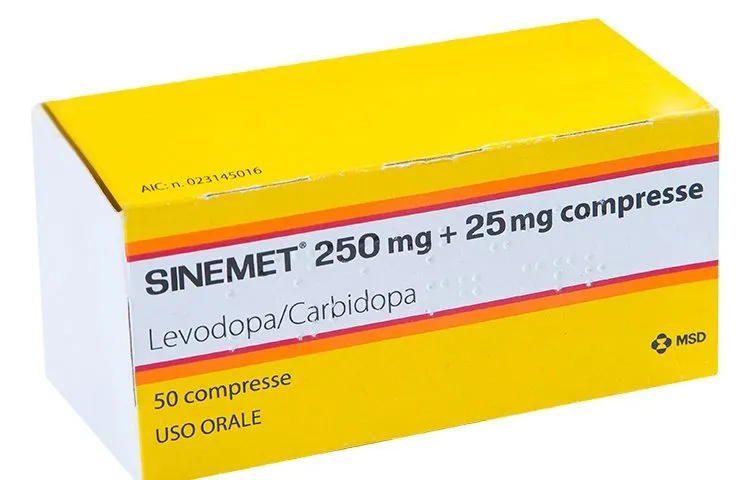
SINEMET
ItalySinemet is used for the treatment of Parkinson's disease and parkinsonian syndrome. It is used to relieve symptoms such as muscle stiffness, slowness of movement (bradykinesia), tremor, difficulty swallowing, excessive saliva production, and instability in balance. Modified-release versions are specifically indicated to reduce complications in the advanced stage of the disease, such as muscle stiffness ('off' periods) in patients experiencing motor symptom fluctuations.
Frequently asked questions
When should you not take this medicine?
You must not take Sinemet if you are allergic to the active substances or any other components, if you suffer from angle-closure glaucoma, if you have recently had a heart attack, if you have suspicious skin lesions or skin tumors (melanoma), if you are under 18 years of age, or if you are pregnant or breastfeeding. It should not be used if you are taking monoamine oxidase inhibitors (except for low doses of selective type B inhibitors).
How should you take Sinemet?
The medicine must be taken exactly according to the doctor's instructions. Regular tablets should be swallowed whole; modified-release tablets must not be chewed or crushed so as not to alter their properties. If switching from levodopa monotherapy to Sinemet, a specific interval must be observed (at least 12 hours for regular tablets and between 8 and 12 hours for modified-release tablets). The dose is determined by the doctor based on the patient's needs.
What are the most common side effects of Sinemet?
The most frequent side effects include involuntary movements (such as dyskinesia, chorea, or dystonia), nausea, muscle spasms, and involuntary eyelid closure. Urinary tract infections may also occur.
What other health problems may occur during treatment?
Mental disturbances may occur (hallucinations, confusion, depression, thoughts deviating from reality), heart problems (palpitations, changes in heart rate), drops in blood pressure when standing up, sleep disturbances (excessive drowsiness or sudden sleep attacks), gastrointestinal problems (vomiting, constipation, diarrhea), and impulse control disorders (such as compulsive gambling, overeating, or abnormal sexual desire).
Are there interactions with other medicines or food?
Absorption may be reduced by diets very high in protein. Sinemet may interact with antihypertensive medicines, antidepressants, medicines containing iron, antipsychotics, drugs for epilepsy or muscle relaxation, and certain drugs that reduce dopamine stores. It is important to inform the doctor about all medicines being taken.
What to do in case of a missed dose or overdose?
If you forget a dose, take it as soon as you remember, unless it is almost time for your next dose; never take a double dose to compensate. In case of accidental ingestion of an excessive dose, contact a doctor immediately or go to the emergency room.
Instructions for use
Table of contents
- SINEMET 250 mg + 25 mg tablets, 100 mg + 25 mg tablets
- 1. What Sinemet is and what it is used for
- 2. What you need to know before taking Sinemet
- 3. How to take Sinemet
- 4. Possible side effects
- 5. How to store Sinemet
- 6. Package contents and other information
- Patient information leaflet: information for the patient
- SINEMET 200 mg + 50 mg modified-release tablets, 100 mg + 25 mg modified-release tablets
- 1. What Sinemet is and what it is used for
- 2. What you should know before taking Sinemet modified-release
- 3. How to take Sinemet
- 4. Possible adverse effects
- 5. How to store Sinemet
- 6. Package contents and other information
Package leaflet: Information for the patient
SINEMET 250 mg + 25 mg tablets, 100 mg + 25 mg tablets
levodopa/carbidopa
Please read all of this leaflet carefully before taking this medicine because it contains important information for you.
- Keep this leaflet. You may need to read it again.
- If you have any questions, ask your doctor or pharmacist.
- This medicine has been prescribed for you only. Do not give it to other people, even if they have the same symptoms as yours, because it could be harmful.
- If you experience any side effects, including those not listed in this leaflet, tell your doctor or pharmacist. See section 4.
Contents of this leaflet:
- What Sinemet is and what it is used for
- What you need to know before taking Sinemet
- How to take Sinemet
- Possible side effects
- How to store Sinemet
- Contents of the pack and other information
1. What Sinemet is and what it is used for
Sinemet tablets contain the active substances carbidopa and levodopa and are used in the treatment of
Parkinson's disease and parkinsonism.
Sinemet helps relieve many of the symptoms of Parkinson's disease, particularly muscle rigidity
and slowness of movement (bradykinesia). It is also beneficial in treating tremor, difficulty in swallowing (dysphagia),
excessive saliva production (sialorrhea), and difficulty in maintaining balance (postural instability).
Compared to levodopa alone, treatment with Sinemet improves control of the symptoms of Parkinson's disease,
reduces fluctuations in therapeutic response, and decreases the occurrence of adverse effects. These advantages
enable a greater number of patients to achieve adequate relief from the symptoms of Parkinson's disease.
Sinemet is also indicated for patients with Parkinson's disease and parkinsonism who are taking vitamin preparations containing pyridoxine.
What is Parkinson's disease?
It is a disorder of the nervous system that causes tremors, stiffness, slowness of movement, and difficulty walking. It is caused by low levels of dopamine, a substance normally produced by the brain that plays an essential role in controlling muscular movements.
2. What you need to know before taking Sinemet
Do not take Sinemet
- if you are allergic to levodopa and carbidopa or to any of the other ingredients of this medicine (listed in section 6);
- if you have increased intraocular pressure (closed-angle glaucoma);
- if you have recently suffered from heart problems (acute phase of myocardial infarction);
- if you have undiagnosed suspicious skin lesions;
- if you currently have or have previously had skin cancer (melanoma);
- if you are taking or have taken within the previous two weeks medicines for depression or Parkinson’s syndrome (monoamine oxidase inhibitors), except for low doses of selective monoamine oxidase type B inhibitors (see sections “Warnings and precautions” and “Other medicines and Sinemet”);
- if you are under 18 years of age;
- if you are pregnant or breastfeeding (see section “Pregnancy and breastfeeding”).
Warnings and precautions
Talk to your doctor or pharmacist before taking Sinemet. If you experience any unusual signs or symptoms while taking Sinemet, contact your doctor or pharmacist immediately.
Inform your doctor before using this medicine:
- if you are currently taking medicines containing levodopa alone. In this case, you must wait at least 12 hours before starting treatment with Sinemet. Sinemet should be administered at a dose providing approximately 20% of your previous levodopa dose (see section 3 “How to take Sinemet”). You must absolutely avoid taking additional doses of levodopa unless specifically prescribed by your doctor;
- if you are currently taking a recommended dose of a selective monoamine oxidase type B inhibitor used to treat Parkinson’s disease (e.g. selegiline hydrochloride) (see section 2 “Other medicines and Sinemet”). Since selegiline enhances the effects of levodopa, adverse reactions to levodopa may be amplified, especially if you are on high doses of levodopa. You will be closely monitored by your doctor. Adding selegiline to levodopa therapy may cause involuntary movements and/or agitation. These side effects usually disappear after reducing the levodopa dose;
- if you have extrapyramidal reactions (due to causes outside the central nervous system) induced by medicines, such as involuntary muscle movements (tardive dyskinesia) or inability to remain still (akathisia), because treatment with Sinemet is not recommended in such cases;
- if you currently have or have previously had thought disorders, delusions, or hallucinations (psychosis);
- if you have previously experienced severe involuntary movements or psychotic episodes during treatment with levodopa alone. These reactions are thought to be due to increased cerebral dopamine (a substance produced by the body that acts as a neurotransmitter in nerve cells) following levodopa administration; therefore, Sinemet use may trigger a recurrence. All patients should be carefully monitored for the development of mental disturbances, depression with suicidal tendencies, or other serious antisocial behaviors;
- if you experience a rapid increase in dopamine levels after taking Sinemet compared to treatment with levodopa alone, as this may lead to early onset of abnormal muscle movements (dyskinesias). These disturbances require a reduction in the dose of Sinemet;
- if you have severe cardiovascular disease;
- if you have severe pulmonary disease or bronchial asthma;
- if you have kidney or liver problems, or disorders of the endocrine system (the system comprising glands that release hormones into the bloodstream);
- if you have recently had a heart attack (myocardial infarction) and still have irregular heart rhythms (atrial, nodal, or ventricular arrhythmias). In this case, your doctor must carefully monitor your cardiac function during the initial dose adjustment period;
- if you have previously had stomach or intestinal wall lesions (peptic ulcer). Taking Sinemet, like levodopa, may increase the risk of upper gastrointestinal bleeding;
- if you abruptly stop taking medicines for Parkinson’s disease; this may lead to symptoms resembling neuroleptic malignant syndrome, characterized by muscle rigidity, elevated body temperature, mental disturbances, and increased serum creatine phosphokinase (an enzyme present in the blood). Your doctor will closely monitor you if your Sinemet dose is suddenly reduced or discontinued, especially if you are taking antipsychotic medicines;
- if you are experiencing excessive drowsiness or sudden sleep attacks. In this case, you must not drive, operate machinery, and should contact your doctor;
- if you have previously had seizures;
- if you have eye diseases caused by increased intraocular pressure (chronic open-angle glaucoma). You may still take Sinemet provided that intraocular pressure is well controlled, and your doctor carefully monitors any changes during treatment.
As with levodopa, during prolonged treatment, periodic blood tests and assessments of liver, kidney, and cardiovascular function are advisable.
Patients and healthcare providers are advised to perform regular and frequent monitoring for skin cancer (melanoma) when Sinemet is used for any indication. Some studies have shown that patients with Parkinson’s disease have a higher risk (2 to approximately 6 times greater) of developing melanoma compared to the general population. It is unclear whether this increased risk is due to Parkinson’s disease itself or other factors, such as the use of medicines to treat the disease. For this reason, periodic skin examinations by qualified personnel (e.g. dermatologists) are recommended.
Inform your doctor if you or a family member/caregiver notice the development of symptoms suggestive of dependence, leading to a desire for high doses of Sinemet and other medicines used to treat Parkinson’s disease.
Inform your doctor if you or a family member/caregiver notice the development of impulses or urges to behave in ways that are unusual for you and that you cannot resist the impulse or temptation to perform certain activities that could harm yourself or others. These behaviors are known as impulse control disorders and may include gambling addiction, compulsive eating, excessive spending, abnormally increased sexual desire, or increased sexual thoughts or feelings. Your doctor may consider it necessary to reassess, modify, or discontinue treatment.
During treatment with Sinemet, changes in the results of certain laboratory tests may occur:
- increased levels of certain substances in the blood (liver transaminases, LDH, bilirubin, alkaline phosphatase, nitrogen, creatinine, and uric acid);
- positive Coombs test (a test used to detect certain types of antibodies in the blood);
- decreased hemoglobin and hematocrit (which may lead to anemia), increased blood sugar (hyperglycemia), increased white blood cell count, and presence of blood and bacteria in urine. Hemolytic anemia (destruction of red blood cells) is extremely rare.
If you experience any unusual signs or symptoms during treatment with Sinemet, consult your doctor or pharmacist immediately.
Children and adolescents
The use of Sinemet is not recommended in children and adolescents under 18 years of age due to lack of safety and efficacy data in neonates and children.
Other medicines and Sinemet
Inform your doctor or pharmacist if you are taking, have recently taken, or might take any other medicines.
You must exercise particular caution when taking Sinemet together with the following medicines:
- antihypertensive medicines, used to treat high blood pressure: concomitant administration with Sinemet may cause a drop in blood pressure upon sudden change from a sitting or lying position to standing (symptomatic postural hypotension). Before starting Sinemet treatment, consult your doctor about possible dose adjustments;
- medicines used to treat depression: adverse effects, including high blood pressure and involuntary muscle movements (dyskinesia), have rarely been observed during concomitant treatment with Sinemet and certain antidepressants (tricyclic antidepressants). If you are taking monoamine oxidase inhibitors, refer to section “Do not take Sinemet”;
- iron-containing medicines (e.g. ferrous sulfate or ferrous gluconate): these reduce the absorption and effectiveness of carbidopa and/or levodopa (the active substances in Sinemet);
- antipsychotic medicines such as phenothiazines and butyrophenones, used to treat psychosis: the therapeutic effects of levodopa may be reduced by these medicines;
- medicines such as phenytoin, used to treat epilepsy, and papaverine, used to relax muscles: the therapeutic effects of levodopa may be counteracted by these medicines. If you are taking antipsychotics, phenytoin, or papaverine concomitantly with Sinemet, your doctor must closely monitor you for possible loss of therapeutic response;
- medicines containing agents that reduce dopamine stores in the body, such as reserpine (used to treat hypertension) and tetrabenazine (used to treat spasms and uncontrollable muscle movements), or other medicines known to deplete monoamine stores, such as adrenaline and noradrenaline: the use of Sinemet is not recommended with these medicines;
- medicines containing selegiline, used to treat Parkinson’s disease, depression, and senile dementia: concomitant therapy with selegiline and carbidopa-levodopa may cause a severe drop in blood pressure not attributable to carbidopa-levodopa alone (see section 2 “Warnings and precautions”);
- monoamine oxidase inhibitor medicines, used to treat depression and Parkinson’s disease (except low doses of selective monoamine oxidase type B inhibitors): you must not take these medicines at the same time as Sinemet, and you must stop treatment with these inhibitors at least two weeks before starting Sinemet.
Sinemet with food and drink
The absorption of Sinemet may be reduced in some patients who consume high amounts of dietary protein. Consult your doctor if your diet is high in protein.
Pregnancy and breastfeeding
If you are pregnant, suspect you may be pregnant, plan to become pregnant, or are breastfeeding, ask your doctor or pharmacist for advice before taking this medicine.
Do not use Sinemet if you are pregnant, suspect pregnancy, or are breastfeeding.
Driving and using machines
Treatment with Sinemet may cause drowsiness (excessive somnolence) and sudden sleep attacks. Therefore, you must refrain from driving or engaging in any activity where reduced alertness could put yourself or others at risk of serious injury or death (e.g. operating machinery) until these recurring episodes and drowsiness have resolved.
3. How to take Sinemet
Take this medicine exactly as directed by your doctor or pharmacist. If you have any doubts, consult your doctor or pharmacist.
The optimal dose must be determined according to your individual needs and your doctor's instructions; this may require adjustment of both the dose and the frequency of administration.
Your doctor will monitor your response to treatment.
The fully effective dose is usually reached within 7 days.
The tablets in the two strengths (250 mg + 25 mg and 100 mg + 25 mg) may be administered separately or together, as needed, to achieve the optimal dose.
Do not use the tablet if it has broken during removal from the blister pack. Any fragments of the broken tablet must be discarded (see “How to store Sinemet”) and a new tablet should be taken from the package.
Taking a partial dose may cause worsening of symptoms.
SINEMET 250 mg + 25 mg tablets
The tablet may be divided into equal doses.
The recommended starting dose is half a tablet one or two times daily, increasing if necessary by half a tablet per day or every other day until an optimal response is achieved.
The recommended maximum daily dose is 8 tablets.
Do not exceed the recommended maximum daily dose.
SINEMET 100 mg + 25 mg tablets
The recommended starting dose is one tablet three times daily. The dosage may be increased by one tablet per day or every other day, as needed, until an effective response is achieved.
The recommended maximum daily dose is 8 tablets.
Do not exceed the recommended maximum daily dose.
If previously treated with levodopa alone
Treatment with levodopa must be discontinued at least 12 hours before starting therapy with Sinemet.
If you were taking less than 1,500 mg of levodopa per day:
Treatment should be started with Sinemet 100 mg + 25 mg tablets.
The recommended starting dose is one tablet three or four times daily.
If you were taking more than 1,500 mg of levodopa per day:
Treatment should be started with Sinemet 250 mg + 25 mg tablets.
The recommended starting dose is one tablet three or four times daily.
Maintenance therapy
The recommended maintenance dose, in most cases, ranges from 3 to 6 tablets per day.
Do not take more than 8 tablets per day, as no additional benefit is obtained by increasing the dose of carbidopa beyond that provided by 8 tablets.
If you take more Sinemet than you should
If you accidentally take too much Sinemet, contact your doctor or pharmacist immediately or go to the nearest hospital.
Treatment in case of overdose
Emergency measures include immediate gastric lavage together with appropriate supportive therapy. Intravenous fluids should be administered with caution, and airways must be kept clear. An electrocardiogram should be performed and the patient must be closely monitored for possible development of cardiac rhythm disturbances (arrhythmias); if necessary, appropriate antiarrhythmic therapy should be administered. Also consider the possibility that the patient may have taken other medicines together with Sinemet. To date, there is no experience reported regarding the effectiveness of dialysis in overdose. Pyridoxine has no effect in reversing the action of Sinemet.
If you forget to take Sinemet
Do not take a double dose to make up for a forgotten tablet.
If you forget to take a tablet, take it as soon as you remember. If it is almost time for your next dose, do not take the missed tablet but continue with your regular dosing schedule.
If you stop taking Sinemet
If your dose of Sinemet is suddenly reduced or treatment is stopped, your doctor will keep you under regular observation, especially if you are taking antipsychotic medicines. Sudden discontinuation of medicines used to treat Parkinson’s disease may lead to symptoms resembling neuroleptic malignant syndrome, characterized by muscle rigidity, fever, delirium, and increased serum creatine phosphokinase.
If you have any doubts about how to use this medicine, consult your doctor or pharmacist.
4. Possible side effects
Like all medicines, this medicine can cause side effects, although not everybody gets them.
The side effects commonly observed in patients treated with Sinemet are due to dopamine activity in the brain. These effects can usually be reduced by lowering the dose.
The most common side effects are:
- involuntary, random, and continuous movements (choreiform), abnormal muscle contractions (dystonia), and other involuntary movements (dyskinesia);
- feeling unwell (nausea);
- muscle contraction abnormalities (muscle spasms) and forced, involuntary eyelid closure (blepharospasm). The presence of these symptoms suggests that the dose should be reduced.
Other side effects reported in clinical studies or during actual marketing of Sinemet include:
- craving for excessively high doses of Sinemet beyond what is needed to control motor symptoms, known as dopamine dysregulation syndrome, with frequency not known (frequency cannot be estimated from the available data). Some patients experience severe involuntary abnormal movements (dyskinesias), mood changes, or other adverse effects after taking high doses of Sinemet;
- loss of consciousness (syncope), chest pain, anorexia;
- urinary tract infections (very common frequency);
- changes in heart rate and/or palpitations, episodes of posture-related drop in blood pressure (orthostatic hypotension), hypertension, venous inflammation (phlebitis);
- vomiting, gastrointestinal bleeding (from stomach and/or intestines), duodenal ulcer, dark saliva, diarrhea;
- reduction in certain types of white blood cells (leukopenia, agranulocytosis), platelets (thrombocytopenia), and red blood cells (hemolytic and non-hemolytic anemia);
- allergic reactions such as inflammatory skin reactions and swelling (angioedema), urticaria, pruritus, Henoch-Schönlein purpura presenting with skin lesions and joint pain;
- neuroleptic malignant syndrome characterized by muscle rigidity, high body temperature, and mental disturbances (see section “Warnings and precautions”), movement difficulties (bradykinesia and on-off phenomenon), dizziness, drowsiness (excessive somnolence), including very rarely excessive daytime sleepiness and sudden sleep attacks;
- altered sensation in limbs or other body parts (paresthesia);
- mental disorders, such as thoughts deviating from reality (paranoid ideation) and psychotic episodes including delirium, depression with or without suicidal tendencies, dementia, disturbances in dream activity (dream alteration), agitation, and confusion;
- breathing problems (dyspnea);
- hair loss (alopecia), skin rashes, dark sweat;
- dark urine;
- inability to resist the impulse or temptation to perform actions that could be harmful to oneself or others, which may include:
- a strong urge to gamble excessively, despite serious personal or family consequences;
- altered or increased sexual desire causing significant concern to the patient or others;
- uncontrollable shopping or excessive spending;
- compulsive eating (eating large amounts of food in a short time) or bulimia (eating more food than normal and more than needed to satisfy hunger).
Seizures have been rarely observed; however, it has not been definitively proven that seizures are caused by Sinemet.
Inform your doctor if any of these behaviours occur, so that appropriate measures can be taken to manage or reduce the symptoms.
Treatment with Sinemet (and similar medicines) may cause changes in certain laboratory tests:
- increased levels of certain substances in the blood (liver transaminases, LDH, bilirubin, alkaline phosphatase, nitrogen, creatinine, and uric acid);
- positive Coombs test (a test used to detect the presence of certain types of antibodies in the blood);
- decreased hemoglobin and hematocrit (which may lead to anemia), increased blood sugar (hyperglycemia) and white blood cell count, and presence of blood and bacteria in urine;
- false positive test for certain substances (ketone bodies) in urine when using a dipstick test for detecting ketonuria. This reaction is not altered by boiling the urine sample. False negative results may occur when using glucose-oxidase methods to test for glucose in urine.
Other side effects have been reported during the use of medicines containing levodopa or levodopa/carbidopa combination medicines and may represent potential side effects of Sinemet:
- difficulty digesting (dyspepsia), dry mouth, taste disturbances, excessive saliva production (sialorrhea), difficulty swallowing (dysphagia), involuntary contraction of masticatory muscles causing excessive teeth grinding (bruxism), hiccups, abdominal discomfort and pain, constipation, flatulence, burning sensation of the tongue;
- weight loss or weight gain, edema;
- muscle weakness (asthenia), reduced mental sharpness, disorientation, loss of muscle coordination (ataxia), numbness, increased hand tremor, muscle cramps, abnormal contractions of jaw muscles (trismus), activation of pre-existing Horner's syndrome (an eye disorder) presenting with eye lesions and movement difficulties, insomnia, agitation and anxiety, euphoria, increased risk of falling, gait disturbances;
- hot flushes, increased sweating;
- double vision (diplopia), blurred vision, dilated pupils, fixed eye position (oculogyric crisis);
- urinary retention, incontinence, prolonged, abnormal, and painful erections (priapism);
- weakness, fainting, fatigue, headache, changes in normal voice tone (hoarseness), malaise, hot flushes, feeling of excitement, irregular breathing rhythm, skin tumours (malignant melanoma) (see section 2 “Do not take Sinemet”).
Reporting of side effects
If you experience any side effect, including those not listed in this leaflet, please inform your doctor or pharmacist. You may also report side effects directly via https://www.aifa.gov.it/content/segnalazioni-reazioni-avverse.
By reporting side effects, you can help provide more information on the safety of this medicine.
5. How to store Sinemet
Keep this medicine out of the sight and reach of children.
Store in the original packaging to protect the medicine from light.
Do not use this medicine after the expiry date stated on the carton after "Exp.". The expiry date refers to the last day of that month.
The stated expiry date applies to the medicine in its original, unopened packaging and stored correctly.
Do not dispose of medicines via wastewater or household waste. Ask your pharmacist how to dispose of medicines you no longer use. This will help protect the environment.
6. Package contents and other information
What Sinemet contains
The active substances in Sinemet tablets are: levodopa and carbidopa.
Each tablet of Sinemet 100 mg + 25 mg contains: 100 mg of levodopa and 27 mg of carbidopa
hydrate, equivalent to 25 mg of anhydrous carbidopa.
The other components are: microcrystalline cellulose, pregelatinized starch, maize starch, magnesium
stearate, quinoline yellow (E104).
Each tablet of Sinemet 250 mg + 25 mg contains: 250 mg of levodopa and 27 mg of carbidopa
hydrate, equivalent to 25 mg of anhydrous carbidopa.
The other components are: microcrystalline cellulose, pregelatinized starch, maize starch, magnesium
stearate, indigo carmine (E132).
Description of the appearance of Sinemet and contents of the pack
Sinemet is available as tablets. The tablets are packaged in opaque blisters.
Each box of Sinemet 250 mg + 25 mg contains 50 tablets.
Each box of Sinemet 100 mg + 25 mg contains 50 tablets.
Marketing Authorization Holder and Manufacturer
Marketing Authorization Holder
Organon Italia S.r.l.
Piazza Carlo Magno, 21
00162 Rome
Manufacturer
Merck Sharp & Dohme B.V.
Waarderweg 39, 2031 BN – Haarlem, The Netherlands
N.V. Organon
Kloosterstraat 6
5349 AB Oss
The Netherlands
Patient information leaflet: information for the patient
SINEMET 200 mg + 50 mg modified-release tablets, 100 mg + 25 mg modified-release tablets
levodopa/carbidopa
Please read this leaflet carefully before taking this medicine because it contains
important information for you.
- Keep this leaflet. You may need to read it again.
- If you have any questions, ask your doctor or pharmacist.
- This medicine has been prescribed for you only. Do not give it to others, even if their symptoms are the same as yours, as it could be harmful.
- If you experience any side effects, including those not listed in this leaflet, talk to your doctor or pharmacist. See section 4.
Contents of this leaflet:
- What Sinemet is and what it is used for
- What you need to know before taking Sinemet
- How to take Sinemet
- Possible side effects
- How to store Sinemet
- Contents of the pack and other information
1. What Sinemet is and what it is used for
Sinemet modified-release tablets contain the active substances levodopa and carbidopa and are used
for the treatment of Parkinson's disease, particularly to reduce complications in the advanced stages
of the disease, such as muscle stiffness (‘off’ periods), in patients already being treated with
combinations of levodopa and decarboxylase inhibitors (e.g. carbidopa) or with levodopa alone, who
have developed motor fluctuations. Motor fluctuations are characterised by alternating periods during
the day of improvement in motor symptoms related to treatment (‘on’ periods) and the return of
symptoms when the effect of therapy wears off (‘off’ periods).
Limited data are available on the use of Sinemet modified-release tablets in patients who have not
previously been treated with levodopa-only medicines.
What is Parkinson's disease?
It is a disorder of the nervous system that causes tremors, stiffness, slowness of movement, and difficulty
walking. It is caused by low levels of dopamine, a substance normally produced by the brain that plays
an essential role in controlling muscle movement.
2. What you should know before taking Sinemet modified-release
Do not take Sinemet
- if you are allergic to levodopa and carbidopa or to any of the other ingredients of this medicine (listed in section 6);
- if you cannot use medicines that act on the central nervous system (sympathomimetic agents);
- if you have increased intraocular pressure (closed-angle glaucoma);
- if you have recently had heart problems (acute phase of myocardial infarction);
- if you are taking medicines for Parkinson’s disease called monoamine oxidase type A (MAO-A) inhibitors, except for low doses of selective monoamine oxidase type B inhibitors (see section “Warnings and precautions” and “Other medicines and Sinemet”). Discontinue treatment with MAO-A inhibitors at least two weeks before starting therapy with Sinemet modified-release tablets;
- if you have undiagnosed suspicious skin lesions;
- if you have or have had skin cancer (melanoma);
- if you are under 18 years of age;
- if you are pregnant or breastfeeding (see section “Pregnancy and breastfeeding”).
Warnings and precautions
Talk to your doctor or pharmacist before taking Sinemet. If during treatment with Sinemet you develop any unusual signs or symptoms, contact your doctor or pharmacist immediately.
Inform your doctor before using this medicine:
- if you are currently taking medicines containing levodopa only. In this case, you must wait at least 8 hours before starting therapy with Sinemet modified-release tablets (at least 12 hours if you are taking slow-release levodopa);
- if you are currently taking the recommended dose of a selective monoamine oxidase type B inhibitor used for the treatment of Parkinson’s disease (e.g. selegiline hydrochloride) (see section 2 “Other medicines and Sinemet”). Since selegiline enhances the effects of levodopa, adverse reactions to levodopa may be amplified, especially if you are on high doses of levodopa. You will be closely monitored by your doctor. Adding selegiline to levodopa therapy may cause involuntary movements and/or agitation. These side effects disappear following reduction of the levodopa dose;
- if you suffer from muscle movement disturbances in the morning (morning dyskinesia). The therapeutic effect of Sinemet modified-release tablets may, in this case, be slower compared to the standard Sinemet tablet formulation. The incidence of dyskinesia in patients with severe motor fluctuations is slightly higher during treatment with Sinemet modified-release tablets than with Sinemet tablets (16.5% vs. 12.2%). Since the function of carbidopa is to ensure that a higher concentration of levodopa reaches the brain to form more dopamine, if you are taking levodopa-only medicines together with Sinemet, you may develop dyskinesia. In such cases, dose reduction may be necessary;
- if you have previously experienced severe involuntary movements or psychotic episodes following treatment with levodopa alone or in combination with decarboxylase inhibitors (e.g. carbidopa). Like levodopa, Sinemet can cause involuntary movements and mental disturbances; therefore, your doctor will monitor you closely during the initial period of Sinemet therapy. These reactions are thought to be due to increased cerebral dopamine (a substance produced by the body that acts as a messenger in nerve cells) after levodopa administration; consequently, use of Sinemet may trigger a relapse. In these cases, dose reduction may be necessary;
- you will be closely monitored for possible development of depression and suicidal tendencies, especially if you have had or currently have psychotic episodes;
- if you have severe cardiovascular disease;
- if you have severe pulmonary disease or bronchial asthma;
- if you have kidney or liver problems, or endocrine system disorders (the system comprising glands that release hormones into the bloodstream);
- if you have previously had stomach or intestinal wall lesions (peptic ulcer);
- if you have previously had seizures;
- if you have recently had a heart attack (myocardial infarction) and still have heart rhythm disturbances (atrial, nodal, or ventricular arrhythmias). In this case, your doctor must carefully monitor cardiac function during the initial dose adjustment period;
- if you have eye diseases caused by altered intraocular pressure (chronic open-angle glaucoma). You may still take Sinemet provided intraocular pressure is well controlled, and your doctor carefully monitors any changes during therapy;
- if you abruptly discontinue Parkinson’s disease medications; this may lead to symptoms resembling neuroleptic malignant syndrome, characterized by muscle rigidity, elevated body temperature, mental changes, and increased serum creatine phosphokinase (an enzyme in the blood). Your doctor will closely monitor you if the dose of carbidopa-levodopa is abruptly reduced or discontinued, especially if you are taking antipsychotic medicines;
- if you suffer from a hereditary disorder characterized by sudden, uncoordinated involuntary movements (Huntington’s chorea). In this case, Sinemet is not recommended.
Treatment with levodopa-carbidopa, the active substances in Sinemet, has been associated with
drowsiness and sudden onset of sleep episodes. Very rarely, sudden sleep attacks have been reported
during daily activities, sometimes without awareness or warning signs. If you experience episodes of drowsiness and/or sudden sleep attacks, do not drive and do not operate machinery. Your doctor may consider reducing the dose or discontinuing therapy.
During treatment, regular blood tests and monitoring of liver, kidney, and cardiovascular function are advisable.
Patients and healthcare providers are advised to perform regular and frequent monitoring for skin cancer (melanoma) when using Sinemet for any indication. Some studies have shown that patients with Parkinson’s disease have a higher risk (2 to about 6 times greater) of developing melanoma compared to the general population. It is unclear whether this increased risk is due to Parkinson’s disease itself or other factors, such as medications used to treat the disease. For this reason, periodic skin examinations by qualified personnel (e.g. dermatologists) are recommended.
Inform your doctor if you or a family member/caregiver notice the development of symptoms resembling dependence, leading to a desire for high doses of Sinemet and other Parkinson’s disease medications.
Inform your doctor if you or a family member/caregiver notice the development of impulses or urges to behave in ways that are unusual for you and that you cannot resist, such as engaging in certain activities that could harm yourself or others. These behaviors are called impulse control disorders and may include gambling addiction, compulsive eating, excessive spending, abnormally increased sexual desire, or increased sexual thoughts or feelings. Your doctor may consider it necessary to reassess, modify, or discontinue treatment.
During treatment with Sinemet, changes in laboratory test results may occur:
- increased levels of certain substances in the blood (liver transaminases, LDH, bilirubin, alkaline phosphatase, nitrogen);
- positive Coombs test (a test used to detect certain types of antibodies in the blood);
- false positive for ketone bodies in urine if a dipstick test is used for ketonuria detection. This reaction is not altered by boiling the urine sample;
- false negative for glycosuria when glucose oxidase methods are used.
If you experience any unusual signs or symptoms during treatment with SINEMET, consult your doctor or pharmacist immediately.
Children and adolescents
The use of Sinemet is not recommended in children and adolescents under 18 years of age due to lack of safety and efficacy data in neonates and children.
Other medicines and Sinemet
Inform your doctor or pharmacist if you are taking, have recently taken, or might take any other medicines.
You should exercise particular caution when taking Sinemet together with the following medicines:
- antihypertensive medicines, used to treat high blood pressure: concomitant administration with Sinemet may cause a drop in blood pressure upon sudden change from sitting or lying to standing position (symptomatic postural hypotension). Before starting Sinemet treatment, consult your doctor about possible dose adjustments;
- medicines used to treat depression: adverse effects, including high blood pressure and involuntary muscle movements (dyskinesia), have rarely been observed during concomitant treatment with Sinemet and certain antidepressants (tricyclic antidepressants). If you are taking monoamine oxidase inhibitors, refer to section “Do not take Sinemet”;
- medicines acting on the central nervous system (anticholinergics): these medicines may interfere with the absorption of Sinemet and thus affect your response to therapy;
- iron-containing medicines (e.g. ferrous sulfate or ferrous gluconate): these reduce the absorption and thus the effectiveness of carbidopa and/or levodopa (the active ingredients of Sinemet);
- dopamine receptor antagonists, such as phenothiazines, butyrophenones, and risperidone, used to treat psychosis, and isoniazid, used to treat tuberculosis: the therapeutic effects of levodopa may be reduced by these medicines;
- medicines such as phenytoin, used to treat epilepsy, and papaverine, used to relax muscles: the therapeutic effects of levodopa may be nullified by these medicines. If you are taking antipsychotics, phenytoin, or papaverine concomitantly with Sinemet, your doctor should monitor you closely for any loss of therapeutic response;
- medicines containing agents that deplete dopamine stores in the body, such as reserpine, used to treat hypertension, and tetrabenazine, used to treat spasms and uncontrollable muscle movements, or other medicines known to deplete monoamine stores, such as adrenaline and noradrenaline: use of Sinemet is not recommended with these medicines;
- medicines containing selegiline, used to treat Parkinson’s disease, depression, and senile dementia: concomitant therapy with selegiline and carbidopa-levodopa may cause a severe drop in blood pressure not attributable to carbidopa-levodopa alone (see section 2 “Warnings and precautions”);
- antacids, used to relieve heartburn (main symptom of gastroesophageal reflux disease): the effect of concomitant administration of these medicines and Sinemet on levodopa absorption and effectiveness is unknown.
Sinemet with food and drinks
Absorption of Sinemet may be reduced in some patients consuming high amounts of dietary protein. Consult your doctor if your diet contains high levels of protein.
Pregnancy and breastfeeding
If you are pregnant, think you may be pregnant, planning to become pregnant, or breastfeeding, consult your doctor or pharmacist before using this medicine.
There are insufficient data on the use of Sinemet during pregnancy. Since Sinemet has shown harmful effects in animal studies (skeletal and visceral malformations in rabbits) and it is unknown whether carbidopa and levodopa are excreted in breast milk, do not use Sinemet if you are pregnant or breastfeeding.
Driving and using machines
Treatment with Sinemet may cause drowsiness (excessive somnolence) and sudden onset of sleep episodes. Therefore, you must refrain from driving or performing any activity where reduced alertness could expose you or others to risk of serious injury or death (e.g. operating machinery) until these recurrent episodes and drowsiness have resolved.
3. How to take Sinemet
Take this medicine exactly as directed by your doctor or pharmacist. If
you have any doubts, consult your doctor or pharmacist.
Swallow the Sinemet tablet whole; do not chew or crush it, to avoid altering the properties of the modified-release tablet.
During the initial dose adjustment period, inform your doctor if you experience the onset or worsening of nausea or abnormal involuntary movements (including dyskinesia, chorea, and dystonia).
While being treated with Sinemet, you may continue taking other medicines for Parkinson’s disease, except for levodopa alone. However, the dosage of these medicines may need to be adjusted.
You may take Sinemet together with vitamin preparations containing pyridoxine (e.g., vitamin B6), since carbidopa prevents the antagonistic effect of pyridoxine on levodopa.
Initial Dosage
If you have never been treated with levodopa before
Sinemet 100 mg + 25 mg modified-release is primarily indicated for patients in the early stages of the disease who have not previously been treated with levodopa, or to facilitate dose adjustment in patients currently taking Sinemet 200 mg + 50 mg modified-release.
When appropriate, levodopa therapy may also be initiated with Sinemet 200 mg + 50 mg modified-release. The initial dose should not exceed 600 mg of levodopa per day, and doses should not be taken less than 6 hours apart.
Sinemet 200 mg + 50 mg modified-release: the recommended dose is one tablet two or three times a day.
Sinemet 100 mg + 25 mg modified-release: the recommended dose is one tablet twice a day. If your doctor considers it necessary, the dose may be increased from one to four tablets twice daily.
If you are currently being treated with conventional levodopa/decarboxylase inhibitor combinations
You should take a dose of Sinemet 200 mg + 50 mg modified-release providing approximately 10% more levodopa than your previous daily dose. This dose may be increased up to 30% more levodopa per day, depending on your clinical response.
Maintain a dosing interval of 4–8 hours between doses of Sinemet 200 mg + 50 mg modified-release, during waking hours.
Below is a table to assist you in switching from conventional levodopa/carbidopa combinations to Sinemet 200 mg + 50 mg modified-release.
| Levodopa/Dopa Decarboxylase Inhibitor total daily dose in levodopa*(mg) | Sinemet 200 mg + 50 mg modified-release recommended dose |
| 300-400 | 1 tablet of 200 mg + 50 mg twice daily |
| 500-600 | 1 tablet of 200 mg + 50 mg and 1 tablet of 100 mg + 25 mg twice daily, or 1 tablet of 200 mg + 50 mg three times daily |
| 700-800 | A total of 5 tablets divided into three or more administrations, e.g.: Morning: 1 tablet of 200 mg + 50 mg and 1 tablet of 100 mg + 25 mg Afternoon: 1 tablet of 200 mg + 50 mg and 1 tablet of 100 mg + 25 mg Evening: 1 tablet of 200 mg + 50 mg |
| 900-1,000 | A total of 5 tablets divided into three or more administrations, e.g.: Morning: 2 tablets of 200 mg + 50 mg Afternoon: 2 tablets of 200 mg + 50 mg Evening: 1 tablet of 200 mg + 50 mg |
*For dosages not included in the table, refer to the section “If you are currently being treated with the conventional combination of levodopa/decarboxylase inhibitor”.
Sinemet 100 mg + 25 mg modified-release is available to achieve the optimal dose and to follow the dosing schedule outlined above.
If you are currently being treated with levodopa alone
You must discontinue levodopa treatment at least 8 hours before starting therapy with Sinemet 200 mg + 50 mg modified-release.
The recommended initial dose for patients with mild to moderate Parkinson's disease is one tablet of Sinemet 200 mg + 50 mg modified-release twice daily.
D
After starting therapy, the dose and dosing intervals may be adjusted according to the therapeutic response. Most patients have been adequately treated with 2–8 tablets of Sinemet 200 mg + 50 mg modified-release per day, administered at intervals of 4–12 hours throughout the day. Higher doses (up to 12 tablets) administered at shorter intervals (less than 4 hours) have been evaluated but are generally not recommended. If doses of Sinemet 200 mg + 50 mg modified-release are administered at intervals shorter than 4 hours or divided into unequal doses, it is recommended that the smaller dose be taken at the end of the day. Compared to the usual response, after administration of the first daily dose of Sinemet modified-release tablets, pharmacological activity may be delayed by up to one hour in some patients.
Dose adjustments should be made at intervals of at least three days.
Maintenance Therapy
Due to the nature of Parkinson's disease, your doctor will monitor you regularly and adjust the dose if necessary.
Concomitant treatment with other antiparkinsonian medications
Treatment with Sinemet concomitantly with anticholinergics, dopamine agonists, and amantadine may require dose adjustments.
If you take more Sinemet modified-release than you should
In case of accidental ingestion/overdose of Sinemet, contact your doctor immediately or go to the nearest hospital.
Management in case of Sinemet overdose
I, S,
;
’ ’ S.
An electrocardiogram should be performed and the patient should be closely monitored for possible development of cardiac rhythm disturbances (arrhythmias); if necessary, appropriate antiarrhythmic therapy should be administered. Additionally, consider the possibility that the patient may have taken other medications together with Sinemet. To date, there has been no reported experience regarding the effectiveness of dialysis in cases of overdose.
If you forget to take Sinemet
Do not take a double dose to make up for the missed tablet.
If you forget to take a dose, take it as soon as you remember. If it is almost time for your next dose, do not take the missed tablet; instead, continue with your usual dosing schedule.
If you stop taking Sinemet
If your dose of Sinemet is abruptly reduced or discontinued, your doctor will keep you under regular observation, especially if you are taking antipsychotic medications.
If you are undergoing surgery requiring general anesthesia, stop taking Sinemet until you are able to resume oral therapy again.
If you have any doubts about using this medicine, consult your doctor or pharmacist.
4. Possible adverse effects
Like all medicines, this medicine can cause adverse effects, although not everyone experiences them.
In clinical studies conducted in patients with moderate to severe motor symptom fluctuations,
Sinemet did not cause adverse effects specific to modified-release formulations.
The most commonly reported adverse effect was dyskinesia, which manifests as abnormal involuntary movements.
Other adverse effects reported in clinical studies or during the actual post-marketing use of
Sinemet include:
- Craving for excessive doses of Sinemet beyond those required to control motor symptoms, known as dopaminergic dysregulation syndrome, with unknown frequency (frequency cannot be estimated from available data). Some patients experience severe abnormal involuntary movements (dyskinesias), mood disturbances, or other adverse effects after taking high doses of Sinemet:
- nausea;
- hallucinations, confusion, dizziness;
- random, continuous, and involuntary movements (chorea);
- dry mouth;
- disturbances in dream activity (dream abnormalities);
- abnormal muscle contractions (dystonia);
- somnolence (excessive drowsiness), very rarely including excessive daytime sleepiness and sudden episodes of falling asleep, insomnia;
- depression;
- reduced muscle strength (asthenia);
- vomiting;
- anorexia;
- chest pain;
- loss of consciousness (syncope);
- urinary tract infections (very common frequency);
- palpitations, posture-related drop in blood pressure (orthostatic hypotension);
- constipation, diarrhoea, digestive difficulties (dyspepsia), gastrointestinal pain, dark saliva;
- allergic reactions such as inflammatory skin reactions and swelling (angioedema), urticaria, pruritus;
- weight loss;
- neuroleptic malignant syndrome, characterized by muscle rigidity, high body temperature, and mental disturbances (see section “Warnings and precautions”);
- agitation, anxiety, reduced mental acuity;
- altered sensation in limbs or other body parts (paraesthesia);
- disorientation;
- fatigue;
- headache;
- movement disorders caused by factors outside the pyramidal system (extrapyramidal disorders), tendency to fall, gait disturbances;
- muscle cramps;
- sudden fluctuations in Parkinson’s disease symptoms (“on-off” phenomena);
- psychotic episodes including delirium and paranoid ideation;
- breathing difficulties (dyspnoea);
- hot flushes, hair loss (alopecia), skin rash, dark sweat;
- blurred vision;
- dark urine;
- inability to resist the impulse or temptation to carry out actions that could be harmful to oneself or others, which may include:
- a strong urge to gamble excessively, despite serious personal or family consequences;
- altered or increased sexual desire causing significant concern to the patient or others;
- uncontrollable shopping or excessive spending;
- compulsive eating (consuming large amounts of food in a short period) or bulimia (eating more food than normal and more than needed to satisfy hunger).
Seizures have been observed; however, it has not been definitively established that seizures are caused by Sinemet.
Inform your doctor if you experience any of these behaviours, so that appropriate measures can be taken to manage or reduce the symptoms.
Treatment with Sinemet (and similar medicines) may cause changes in certain laboratory tests:
- increased levels of certain substances in the blood (liver transaminases, LDH, bilirubin, alkaline phosphatase, nitrogen, creatinine, and uric acid);
- positive Coombs test (a test used to detect certain types of antibodies in the blood);
- decreased haemoglobin and haematocrit (which may lead to anaemia), increased blood glucose (hyperglycaemia), increased white blood cell count, and presence of blood and bacteria in urine;
- false positive for ketone bodies in urine when using a dipstick test for ketonuria. This reaction is not altered by boiling the urine sample. False negative results may occur when using glucose oxidase methods to test for glucose in urine.
Other adverse effects have been observed during the use of medicines containing levodopa or levodopa/carbidopa combination products and may therefore represent potential adverse effects of Sinemet:
- cardiac disorders, increased blood pressure, inflammation of veins (phlebitis);
- bitter taste, excessive saliva production (sialorrhoea), difficulty swallowing (dysphagia), involuntary contractions of jaw muscles causing excessive teeth grinding (bruxism), hiccup, gastrointestinal haemorrhage, flatulence, burning sensation of the tongue, development of intestinal wall lesions (duodenal ulcer);
- decreased white blood cells (leucopenia and agranulocytosis), decreased red blood cells (haemolytic and non-haemolytic anaemia), decreased platelets (thrombocytopenia);
- loss of muscular coordination (ataxia), numbness, increased hand tremor, contraction and relaxation of one or more muscles (muscle spasm), forced and involuntary eyelid closure (blepharospasm), abnormal contractions of jaw muscles (trismus), activation of pre-existing Horner’s syndrome (an eye disorder) manifesting as eye lesions and movement difficulties;
- euphoria, dementia;
- depression with suicidal tendencies;
- increased sweating;
- double vision (diplopia), dilated pupils, fixed eye positioning (oculogyric crisis);
- urinary retention, urinary incontinence, dark urine, persistent, abnormal, and painful erections (priapism);
- weight gain, oedema, weakness, fainting, voice tone alteration (hoarseness), malaise, hot flushes, feeling of excitement, irregular breathing, skin tumours (malignant melanoma) (see section 2 “Do not take Sinemet”), Henoch-Schönlein purpura, presenting with skin lesions and joint pain;
- seizures, although a causal relationship with levodopa or levodopa/carbidopa combinations has not been established.
Reporting of adverse effects
If you experience any adverse effect, including those not listed in this leaflet, talk to your doctor or pharmacist.
You can also report adverse effects directly via the national reporting system at: www.agenziafarmaco.gov.it/content/come-segnalare-una-sospetta-reazione-avversa.
By reporting adverse effects, you can help provide more information on the safety of this medicine.
5. How to store Sinemet
Keep this medicine out of the sight and reach of children.
Store in the original packaging to protect the medicine from light.
Do not use this medicine after the expiry date which is stated on the carton after “Exp.”. The expiry
date refers to the last day of that month.
The stated expiry date applies to the medicine when it is unopened and stored correctly.
Do not dispose of medicines via wastewater or household waste. Ask your pharmacist how to dispose
of medicines no longer required. This will help protect the environment.
6. Package contents and other information
What Sinemet contains
The active substances in Sinemet are: levodopa and carbidopa.
Each tablet of Sinemet 100 mg + 25 mg contains: 100 mg of levodopa and 27 mg of hydrated carbidopa,
equivalent to 25 mg of anhydrous carbidopa.
The other components are: E172 iron oxide red, hydroxypropylcellulose, copolymer of polyvinyl acetate with crotonic acid, magnesium stearate.
Each tablet of Sinemet 200 mg + 50 mg contains: 200 mg of levodopa and 54 mg of hydrated carbidopa,
equivalent to 50 mg of anhydrous carbidopa.
The other components are: E172 iron oxide red, hydroxypropylcellulose, copolymer of polyvinyl acetate with crotonic acid, magnesium stearate, E104 quinoline yellow on hydrated aluminium.
Description of the appearance of Sinemet and contents of the pack
Sinemet is presented as tablets. The tablets are packaged in aluminium/aluminium blisters.
Each pack of Sinemet 200 mg + 50 mg contains 30 modified-release tablets.
Each pack of Sinemet 100 mg + 25 mg contains 50 modified-release tablets.
Marketing Authorisation Holder and Manufacturer
Marketing Authorisation Holder
Organon Italia S.r.l.
Piazza Carlo Magno, 21
00162 Roma, Italy
Manufacturers
Merck Sharp & Dohme B.V.
Waarderweg 39, 2031 BN – Haarlem, The Netherlands
N.V. Organon
Kloosterstraat 6
5349 AB Oss
The Netherlands
Similar drugs
| Brand name | Dosage form | Active substance / Dosage | Manufacturer |
|---|---|---|---|
| LEVODOPA AND CARBIDOPA DOC GENERICI | tablets | DOC GENERICI SRL | |
| ORIDOPA | tablets | ORION CORPORATION |
The original data is available in the language of the country of manufacture.
Data source: Italian Medicines Agency (AIFA)
Data last verified: September 21, 2026