RECOMBINATE
ItalyIt is used for the prevention and treatment of bleeding in patients with hemophilia A (congenital factor VIII deficiency).
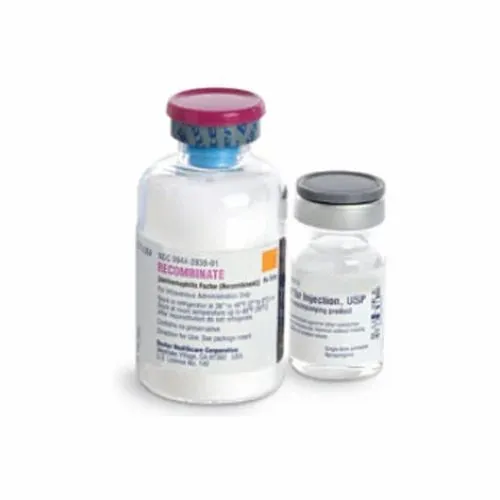
Frequently asked questions
Who must not take Recombinate?
It must not be used if you are allergic to octocog alfa, murine, bovine, or hamster proteins, or to any other component of the medicinal product.
How should the drug be taken?
Recombinate is administered intravenously (into a vein) by a doctor or a nurse, via injection or infusion. The exact dosage and frequency are determined by the doctor based on the patient's needs and body weight.
What are the possible side effects of Recombinate?
Effects such as nausea, vomiting, abdominal pain, dizziness, headache, chills, fever, skin rashes, bruising, or reactions at the injection site may occur. Rarely, serious allergic reactions (anaphylaxis) may occur, requiring emergency treatment.
What happens if factor VIII inhibitors develop?
The formation of antibodies (inhibitors) is a known complication that can prevent the treatment from working correctly. If bleeding is not controlled, the doctor must be informed immediately to check for the presence of inhibitors.
Are there interactions with other drugs?
No adverse interactions with other medicines have been observed, but it is always important to inform the doctor if you are taking other medications.
How should the medicinal product be stored?
It must be stored in a refrigerator between 2°C and 8°C, in the outer packaging to protect it from light. After reconstitution, the product must be used within three hours at room temperature and must not be refrigerated.
Instructions for use
Table of contents
- Recombinate 250 IU/5 ml powder and solvent for solution for injection, 500 IU/5 ml powder and solvent for solution for injection, 1000 IU/5 ml powder and solvent for solution for injection
- 1. What Recombinate is and what it is used for
- 2. What you need to know before using Recombinate
- 3. How to use Recombinate
- 4. Possible side effects
- 5. How to store Recombinate
- 6. Package contents and other information
- 1. NAME OF THE MEDICINAL PRODUCT
- 2. QUALITATIVE AND QUANTITATIVE COMPOSITION
- 3. PHARMACEUTICAL FORM
- 4. CLINICAL INFORMATION
- 5. PHARMACOLOGICAL PROPERTIES
- 6. PHARMACEUTICAL INFORMATION
- 7. MARKETING AUTHORISATION HOLDER
- 8. MARKETING AUTHORISATION NUMBERS
- 9. DATE OF FIRST AUTHORISATION / RENEWAL OF THE AUTHORISATION
- 10. DATE OF TEXT REVISION
- Patient Information Leaflet: Information for the User
- Recombinate 250 IU/10 ml powder and solvent for injectable solution, 500 IU/10 ml powder and solvent for injectable solution, 1000 IU/10 ml powder and solvent for injectable solution
- 1. What Recombinate is and what it is used for
- 2. What you need to know before using Recombinate
- 3. How to use Recombinate
- 4. Possible side effects
- 5. How to store Recombinate
- 6. Package contents and other information
- 1. NAME OF THE MEDICINAL PRODUCT
- 2. QUALITATIVE AND QUANTITATIVE COMPOSITION
- 3. PHARMACEUTICAL FORM
- 4. CLINICAL INFORMATION
- 5. PHARMACOLOGICAL PROPERTIES
- 6. PHARMACEUTICAL INFORMATION
- 7. MARKETING AUTHORISATION HOLDER
- 8. MARKETING AUTHORISATION NUMBERS
- 9. DATE OF FIRST AUTHORISATION / DATE OF MOST RECENT RENEWAL
- 10. DATE OF TEXT REVISION
Package leaflet: Information for the user
Recombinate 250 IU/5 ml powder and solvent for solution for injection, 500 IU/5 ml powder and solvent for solution for injection, 1000 IU/5 ml powder and solvent for solution for injection
octocog alfa (recombinant coagulation factor VIII)
Please read all of this leaflet carefully before you start using this medicine
because it contains important information for you.
- Keep this leaflet. You may need to read it again.
- If you have any further questions, ask your doctor, pharmacist, or nurse.
- This medicine has been prescribed for you only. Do not pass it on to others, even if their symptoms seem identical to yours, as it may be harmful.
- If you experience any side effects, including those not listed in this leaflet, tell your doctor, pharmacist, or nurse.
Contents of this leaflet:
- What Recombinate is and what it is used for
- What you need to know before you use Recombinate
- How to use Recombinate
- Possible side effects
- How to store Recombinate
- Contents of the pack and other information
1. What Recombinate is and what it is used for
Recombinate belongs to a pharmacotherapeutic group called blood coagulation factor VIII.
Recombinate is used in patients with haemophilia A (congenital factor VIII deficiency) for:
- prevention of bleeding
- treatment of bleeding episodes (e.g. muscular, oral, surgical site bleeding)
Recombinate does not contain von Willebrand factor and is therefore not indicated for von Willebrand disease (a specific blood coagulation disorder).
2. What you need to know before using Recombinate
Do not use Recombinate
- If you are allergic to octocog alfa, murine, bovine or hamster proteins, or to any of the other ingredients of this medicine (listed in section 6). If in doubt, consult your doctor.
Warnings and precautions
In case of allergic reactions:
- There is a rare possibility of experiencing an anaphylactic reaction (a severe and sudden allergic reaction) to Recombinate. You should be able to recognize early signs of allergic reactions such as rash, urticaria, hives, generalized itching, swelling of the lips and tongue, breathing difficulties, dyspnea, chest tightness, general malaise, and dizziness. These symptoms may represent early signs of anaphylactic shock, which may also include extreme dizziness, loss of consciousness, and severe difficulty in breathing.
- If any of these symptoms occur, the infusion must be stopped immediately. For severe symptoms, including breathing difficulties and fainting (or feeling faint), prompt emergency treatment is required.
When monitoring is necessary:
- Your doctor may consider it appropriate to perform tests to ensure that your current dose is sufficient to achieve and maintain adequate factor VIII levels. This is particularly important during major surgical procedures.
In case of persistent bleeding: - The development of inhibitors (antibodies) is a known complication that may occur during treatment with all factor VIII-containing medicines. Inhibitors, especially at high levels, may prevent the treatment from working properly, and you or your child will be closely monitored for the development of such inhibitors. If Recombinate fails to control bleeding in you or your child, inform your doctor immediately.
Other medicines and Recombinate
No unfavorable interactions with other medicines have been observed.
Inform your doctor or pharmacist if you are taking, have recently taken, or might take any other medicines.
Pregnancy and breastfeeding
There is no experience with the use of Recombinate during pregnancy or breastfeeding, as haemophilia A is a rare condition in women. Therefore, inform your doctor if you are pregnant or breastfeeding. Your doctor will decide whether Recombinate can be used during pregnancy and breastfeeding.
Driving and using machines
No effects on the ability to drive or operate machinery have been observed.
Recombinate contains sodium
This medicine contains 35 mg (1.5 mmol) of sodium (a main component of table salt) per 250 IU, 500 IU, and 1000 IU vial. This corresponds to 1.8% of the maximum recommended daily intake of 2 g of sodium for an adult. This should be taken into account in patients on a low-sodium diet.
3. How to use Recombinate
Use this medicine exactly as instructed by a doctor experienced in the treatment of patients with haemophilia A.
Dosing for haemorrhage prophylaxis
If you are using Recombinate to prevent (prophylaxis) bleeding episodes, your doctor will calculate the dose for you and inform you accordingly. Your doctor will determine the dose based on your individual needs. Normally, the dose is 20–40 IU of octocog alfa per kilogram of body weight, administered every 2–3 days. However, in some cases, especially in younger patients, shorter intervals or higher doses may be required.
If you think that the effect of Recombinate is insufficient, you must discuss this with your doctor.
Dosing for the treatment of bleeding episodes
If you are using Recombinate to treat bleeding episodes, your doctor will calculate the dose tailored to your individual needs using the following formula:
IU required = body weight (kilograms) × desired increase in factor VIII (% of normal) × 0.5
The following table provides guidance for the minimum factor VIII levels in blood. For the listed bleeding events, factor VIII activity should not fall below the indicated level (as % of normal) during the corresponding period.
In certain circumstances, higher amounts than those calculated may be necessary, especially in the presence of a low-titer inhibitor.
| Severity of bleeding / Type of surgical procedure | Peak AHF activity required in blood after infusion (% of normal or IU/dL of plasma) | Frequency of infusions |
| Severity of bleeding Hemarthrosis in early stage or muscle or oral bleeding Extended hemarthrosis; muscle bleeding or hematoma Life-threatening bleeding, such as intracranial hemorrhage, throat bleeding, or severe abdominal bleeding | 20 - 40 30 - 60 60 - 100 | Infuse every 12 - 24 hours for one to three days until the bleeding episode has resolved (based on pain) or healing has occurred Repeat infusion every 12 - 24 hours, usually for three days or more until pain disappears or functional recovery is achieved Repeat infusion every 8 - 24 hours until the risk has subsided |
| Surgery Type of procedure Minor surgery, including dental extractions Major surgery | 30 - 60 80 - 100 (pre- and post-operatively) | A single infusion, plus oral antifibrinolytic therapy, administered within one hour of the procedure, is sufficient in approximately 70% of cases. Every 24 hours for at least one day until wound healing is complete. Repeat infusion every 8 - 24 hours according to the wound healing status. |
Use in children
Recombinate is suitable for use in both adults and children of all ages, including newborns. The dosage recommendations for the treatment of bleeding mentioned above are the same for adults and children. For bleeding prophylaxis (prevention), in some cases shorter dosing intervals or higher doses than the standard dose of 20–40 IU of factor VIII per kg of body weight every 2–3 days may be required.
Monitoring by the physician
Your doctor will perform appropriate laboratory tests to ensure that adequate levels of factor VIII have been achieved. This is particularly important during major surgical procedures.
Patients with factor VIII inhibitors
If plasma levels of factor VIII do not reach the expected levels, or if bleeding is not adequately controlled despite increasing the dose, the presence of factor VIII inhibitors should be suspected. The presence of factor VIII inhibitors will be checked by your doctor.
If factor VIII inhibitors have developed, higher amounts of Recombinate may be needed to control bleeding. If this dose fails to control the bleeding, your doctor may consider using another product. Do not increase the total dose of Recombinate to control bleeding without first consulting your doctor.
Method and route of administration
Recombinate is administered intravenously after reconstituting the powder with the solvent provided in the package:
- by injection administered by a doctor or nurse
- by infusion administered by a doctor or nurse
The infusion rate should be determined based on the patient's comfort. The product may be administered at a maximum rate of up to 10 ml per minute.
Frequency of administration
Your doctor will decide and inform you about the frequency of Recombinate administrations based on effectiveness in your individual case.
Duration of treatment
Replacement therapy with Recombinate is generally a lifelong treatment.
If you use more Recombinate than you should
- No symptoms of overdose have been reported with recombinant coagulation factor VIII. If in doubt, consult your doctor.
If you forget to use Recombinate
- Do not take a double dose to make up for a forgotten dose.
- Proceed immediately with the next scheduled dose and continue at regular intervals as advised by your doctor.
If you stop using Recombinate
Do not stop using Recombinate without consulting your doctor, due to the possible occurrence of life-threatening bleeding episodes.
If you have any questions about the use of this medicine, consult your doctor, pharmacist, or nurse.
4. Possible side effects
Like all medicines, this medicine can cause side effects, although not everybody gets them.
The following side effects have been reported during use of this product: nausea, vomiting,
abdominal pain, hot flushes, mild fatigue, dizziness, general malaise, headache,
transient skin rash (skin redness), bruising, injection site reactions, sweating,
chills, tremors, fever, leg pain, cold hands and feet, tingling sensation in hands or feet,
sore throat, ear infections, hearing test failure, epistaxis and pallor.
Rarely, hypersensitivity reactions have been reported, including: generalized urticaria and pruritus
(skin rash with severe itching and wheal formation), rash, breathing difficulties, cough,
chest pain or tightness, wheezing, low blood pressure (hypotension),
loss of consciousness, rapid heartbeat, severe hypersensitivity reactions which may cause
difficulty swallowing and/or breathing, swelling and redness of the face and/or hands (anaphylaxis).
In case of allergic or anaphylactic reactions, the infusion/injection must be stopped immediately
and the doctor must be contacted.
For children who have not previously been treated with factor VIII-containing medicines, the development of
inhibitor antibodies (see section 2) may be very common (more than 1 in 10 patients); however, in
patients who have received prior treatment with factor VIII (more than 150 days of
treatment), the risk is uncommon (less than 1 in 100 patients). If this occurs, your medicine or your child's medicine may stop working properly, and you or your child may experience persistent bleeding. If this happens, contact your doctor immediately.
Reporting of side effects
If you experience any side effect, including those not listed in this leaflet, consult your
doctor, pharmacist, or nurse.
You can also report side effects directly via the national reporting system for adverse reactions.
By reporting side effects, you can help provide more information on the safety
of this medicine.
5. How to store Recombinate
- Keep this medicine out of the sight and reach of children.
- Store in the refrigerator (2 °C - 8 °C).
- Do not freeze.
- Keep in the outer packaging to protect the medicine from light.
- Do not use this medicine after the expiry date stated on the label and the carton. The expiry date follows the abbreviation “Exp.” and refers to the last day of that month. During its shelf life, the product may be stored at 15°C–25°C prior to use for a maximum of six months. Do not return the product to the refrigerator after storage at 15°C–25°C. After reconstitution, Recombinate must be administered at room temperature within three hours.
Storage after reconstitution
- This product is for single use only. Use the product within three hours after reconstitution.
- Do not refrigerate the solution after reconstitution. Do not use Recombinate if the solution contains particles or appears cloudy. Do not dispose of any medicine via wastewater or household waste. Ask your pharmacist how to dispose of medicines no longer required. This will help protect the environment.
6. Package contents and other information
What Recombinate contains
- The active substance is octocog alfa, recombinant coagulation factor VIII 50 IU/ml, 100 IU/ml or 200 IU/ml. The product is available in three strengths: 250 IU, 500 IU or 1000 IU (International Units) per vial of active substance.
- The other components are
- for the powder: human albumin, sodium chloride, histidine, macrogol 3350, calcium chloride dihydrate, hydrochloric acid (for pH adjustment) and sodium hydroxide (for pH adjustment).
- for the solvent: water for injections.
Description of the appearance of Recombinate and contents of the pack
Recombinate is a powder and solvent for solution for injection and appears as a friable powder of white or off-white colour. After reconstitution, the solution is clear, colourless and free from extraneous particles. The solvent (sterile water for injections) is a clear, colourless liquid.
The pack contains one vial of 250 IU or 500 IU or 1000 IU powder, one 5 ml solvent vial, a reconstitution device (BAXJECT II), a single-use sterile plastic syringe, a sterile infusion miniset, 2 alcohol-impregnated cotton swabs and 2 adhesive plasters.
Alternatively to BAXJECT II, a reconstitution device with needle may be supplied, comprising a sterile double-ended needle (to transfer the solvent into the Recombinate vial) and a sterile filter needle (to transfer the reconstituted solution into the syringe).
Pack size: 1 unit.
Marketing Authorisation Holder
Baxalta Innovations GmbH
Industriestrasse 67, A-1221 Vienna
Representative in Italy:
Takeda Italia S.p.A.
Tel. +39 06 502601
Manufacturer
Baxalta Belgium Manufacturing SA
Bd. René Branquart 80, B-7860 Lessines,
Belgium
This medicinal product is authorised in the Member States of the European Economic Area under the following names:
Belgium: Recombinate 250 (500, 1000) UI/5 ml
Recombinate 250 (500, 1000) UI/10 ml
Bulgaria: Recombinate 250 (500, 1000) IU/5 ml
Cyprus: Recombinate 250 (500, 1000) IU
Germany: Recombinate Antihämophilie Faktor (rekombinant) 1000
Greece: Recombinate 250 (500, 1000) IU
Lithuania: Recombinate 250 (500, 1000) IU/5 ml
Malta: Recombinate 250 (500, 1000) IU
Netherlands: Recombinate 250 (500, 1000) IE/5 ml
Recombinate 250 (500, 1000) IE/10 ml
Estonia: Recombinate 250 (500, 1000) IU/5 ml
Ireland: Recombinate 250 (500, 1000) IU
Italy: Recombinate 250 (500, 1000) UI/5 ml
Recombinate 250 (500, 1000) UI/10 ml
Latvia: Recombinate 250 (500, 1000) UI/5 ml
The following information is intended for healthcare professionals only:
PRODUCT CHARACTERISTICS SUMMARY
1. NAME OF THE MEDICINAL PRODUCT
Recombinate 250 IU/5 ml powder and solvent for injectable solution
Recombinate 500 IU/5 ml powder and solvent for injectable solution
Recombinate 1000 IU/5 ml powder and solvent for injectable solution
2. QUALITATIVE AND QUANTITATIVE COMPOSITION
Octocog alfa 50 IU per ml of reconstituted solution
After reconstitution: A 5 ml vial contains 250 IU of octocog alfa
Recombinate 250 IU/5 ml nominally contains 250 IU of octocog alfa, recombinant coagulation factor VIII,
in each vial.
The product contains approximately 50 IU/ml of octocog alfa, recombinant coagulation factor VIII,
after reconstitution with 5 ml of sterile water for injections.
Octocog alfa 100 IU per ml of reconstituted solution
After reconstitution: A 5 ml vial contains 500 IU of octocog alfa
Recombinate 500 IU/5 ml nominally contains 500 IU of octocog alfa, recombinant coagulation factor VIII,
in each vial.
The product contains approximately 100 IU/ml of octocog alfa, recombinant coagulation factor VIII,
after reconstitution with 5 ml of sterile water for injections.
Octocog alfa 200 IU per ml of reconstituted solution
After reconstitution: A 5 ml vial contains 1000 IU of octocog alfa
Recombinate 1000 IU/5 ml nominally contains 1000 IU of octocog alfa, recombinant coagulation factor VIII,
in each vial.
The product contains approximately 200 IU/ml of octocog alfa, recombinant coagulation factor VIII,
after reconstitution with 5 ml of sterile water for injections.
The activity is determined using the chromogenic assay of the European Pharmacopoeia, calibrated against the WHO standard via the FDA Mega Standard. The specific activity of Recombinate is approximately 4000–8000 IU/mg of protein.
Recombinate contains recombinant coagulation factor VIII (INN: octocog alfa). Octocog alfa (recombinant coagulation factor VIII) is a purified protein consisting of 2332 amino acids. It has an amino acid sequence comparable to plasma-derived factor VIII and post-translational modifications similar to the plasma-derived molecule. Recombinant coagulation factor VIII is a glycoprotein expressed in mammalian cells produced by recombinant DNA technology using a Chinese hamster ovary cell line.
Excipients with known effect:
Each vial contains 35 mg (1.5 mmol) of sodium.
For the complete list of excipients, see section 6.1.
3. PHARMACEUTICAL FORM
Powder and solvent for injectable solution.
Friable powder, white to off-white. The solvent (sterile water for injectable preparations) is a clear, colourless liquid.
4. CLINICAL INFORMATION
4.1 Therapeutic Indications
Treatment and prophylaxis of bleeding episodes in patients with haemophilia A (congenital factor
VIII deficiency).
This product does not contain von Willebrand factor and is therefore not indicated for von Willebrand
disease.
Recombinate is indicated for all age groups, from neonates to adults.
4.2 Dosage and Method of Administration
Treatment must be supervised by a physician experienced in the management of haemophilia.
Monitoring of Treatment
During treatment, appropriate measurement of factor VIII levels is recommended to determine the
required dose and the frequency of repeat infusions. Individual patient response to factor VIII may
vary, resulting in different half-lives and recovery rates. Dose adjustments based on body weight may
be necessary in underweight or overweight patients. In particular, during major surgical procedures,
careful monitoring of replacement therapy using coagulation assays (plasma factor VIII activity) is
essential.
Dosage
The dosage and duration of replacement therapy depend on the severity of the coagulation factor
deficiency, the site and extent of bleeding, and the patient's clinical condition.
Treatment should be carried out in collaboration with a physician experienced in coagulation
disorders and with a laboratory capable of measuring plasma AHF (antihemophilic factor)
concentration.
The amount of factor VIII administered is expressed in International Units (IU), referenced to the
current WHO standard for factor VIII products. Plasma factor VIII activity is expressed both as a
percentage (relative to normal human plasma) and in International Units (relative to an international
standard for plasma factor VIII).
One International Unit (IU) of factor VIII activity is equivalent to the amount of factor VIII present in
1 ml of normal human plasma.
On-demand treatment
The expected in vivo peak level increase of Recombinate, expressed in IU/dL of plasma or as a
percentage (%) of normal, can be calculated by multiplying the administered dose in IU/kg body
weight by 2.
The calculation method is illustrated in the following examples:
Expected % increase in FVIII = Number of units administered × 2% / IU / kg
Body weight (kg)
Example for an adult weighing 70 kg: 1750 IU × 2% / IU / kg = ~50%
70 kg
or
Required dose (IU) = Body weight (kg) × Desired % increase in FVIII
2% / IU / kg
Example for a child weighing 40 kg: 40 kg × 70% = 1400 IU
2% / IU / kg
Although dosage can be estimated using the above calculation, it is strongly recommended to perform
appropriate laboratory tests, including serial measurements of AHF in the patient's plasma at suitable
intervals, to ensure that adequate AHF levels have been achieved and maintained. If the expected
plasma AHF level is not achieved, or if bleeding is not controlled after administration of an adequate
dose, the presence of an inhibitor should be suspected. Appropriate laboratory testing can detect and
quantify the inhibitor in terms of International Units of AHF neutralized by 1 ml of plasma (Bethesda
Units) or by the estimated total plasma volume. If the inhibitor level is less than 10 Bethesda Units
per ml, administration of additional AHF may neutralize the inhibitor. Therefore, administration of
further International Units of AHF should achieve the expected effect. In such cases, monitoring of
AHF levels by laboratory assays is necessary. Inhibitor levels exceeding 10 Bethesda Units per ml
may make haemostatic control with AHF impossible or impractical due to the excessively high doses
required.
The dosing regimen outlined in Table I below may be used as a guide for adults and children. The
amount to be administered and the frequency of infusions should always be adjusted according to
clinical efficacy in individual cases.
Depending on the clinical situation and at the physician’s discretion, Recombinate may also be used
for short- or long-term prophylaxis of bleeding episodes.
In the case of the following bleeding events, factor VIII activity should not fall below the specified
plasma activity level (in <% of normal>) during the corresponding period. The following table may be
used as a guide for determining dosage in bleeding episodes and surgical procedures:
Table I: Dosing Schedule
| Bleeding | ||
| Degree of bleeding | Required peak level of FVIII activity in the blood after infusion (% of normal or IU/dL of plasma) | Frequency of infusion |
| Early haemarthrosis, muscle or oral bleeding | 20 - 40 | Begin infusion every 12 - 24 hours for one to three days until the bleeding episode has resolved (based on pain) or healing is achieved |
| Extensive haemarthrosis; muscle bleeding or hematoma | 30 - 60 | Repeat infusion every 12 - 24 hours, typically for three days or more until pain subsides and functional recovery is achieved |
| Life-threatening bleeding, such as intracranial haemorrhage, throat bleeding, or severe abdominal bleeding | 60 - 100 | Repeat infusion every 8 - 24 hours until the risk has subsided |
| Surgery | ||
| Type of procedure | ||
| Minor surgery, including dental extractions | 30 - 60 | A single infusion, plus oral antifibrinolytic therapy administered within one hour before the procedure, is sufficient in approximately 70% of cases. Administer every 24 hours for at least one day until wound healing is complete. |
| Major surgery | 80 - 100 (pre- and post-operatively) | Repeat infusion every 8 - 24 hours depending on the wound healing status. |
The data reported represent the peak activity levels of AHF in patients with the expected mean half-life of Factor VIII. If deemed necessary, peak activity should be measured within half an hour after administration. In patients with a relatively short half-life of Factor VIII, it may be necessary to increase the dose and/or frequency of administration.
Each vial of Recombinate is labelled with the activity of recombinant antihemophilic factor (Recombinate) expressed in IU per vial.
The activity assay refers to the WHO International Standard for Factor VIII:C concentrates. Studies have shown that, to accurately determine these activity levels, the assay must be performed using plastic test tubes and pipettes, and employing a substrate containing normal levels of von Willebrand Factor.
Prophylaxis
For long-term anti-haemorrhagic prophylaxis in patients with severe haemophilia A, the usual dose is 20–40 IU of Factor VIII per kg body weight, administered every 2–3 days.
Patients should be monitored for the development of Factor VIII inhibitors. If expected plasma Factor VIII activity levels are not achieved, or if a bleeding episode cannot be controlled with an appropriate dose, a test should be performed to determine the possible presence of a Factor VIII inhibitor. In patients with high inhibitor levels, Factor VIII-based therapy may not be effective, and alternative therapeutic options should be considered. The treatment of such patients should be managed by physicians experienced in the care of patients with haemophilia.
See also section 4.4.
Paediatric population
Recombinate is suitable for use in children of all ages, including neonates (safety and efficacy studies have been conducted in both previously treated and previously untreated children: see section 5.1). For on-demand treatment, the dosing in paediatric patients does not differ from that in adults. For long-term prophylaxis of bleeding in patients with severe haemophilia A, in some cases shorter dosing intervals or higher doses than the standard 20–40 IU of Factor VIII per kg body weight every 2–3 days may be required.
Method of administration
The preparation must be administered intravenously after reconstitution with the solvent supplied (see section 6.6). The reconstituted product must not be refrigerated. Recombinate is recommended to be administered at room temperature and within 3 hours of reconstitution. The rate of administration should be such as to ensure patient comfort, up to a maximum of 10 ml/minute. Pulse rate should be monitored before and during administration of Recombinate. In case of a significant increase, reducing the infusion rate or temporarily stopping the injection usually leads to rapid resolution of symptoms (see sections 4.4 and 4.8).
For instructions on reconstitution of the medicinal product prior to administration, see section 6.6.
4.3 Contraindications
Hypersensitivity to the active substance or to any of the excipients listed in section 6.1. Known allergic reaction to bovine, murine or hamster proteins.
4.4 Special warnings and precautions for use
Traceability
To improve traceability of biological medicinal products, the name and batch number of the administered product should be clearly recorded.
Hypersensitivity
Severe allergic reactions to Recombinate have been reported. Patients with known hypersensitivity to murine, bovine or hamster proteins should be treated with caution. Patients should be informed about early symptoms of hypersensitivity reactions, including urticaria, generalized urticaria, chest tightness, wheezing, hypotension and anaphylaxis. If an allergic or anaphylactic reaction occurs, the injection or infusion should be stopped immediately. In case of shock, standard medical treatment for shock should be initiated.
Inhibitors
The development of neutralizing antibodies (inhibitors) against Factor VIII is a known complication in the treatment of patients with haemophilia A. These inhibitors are usually immunoglobulins of the IgG class directed against the procoagulant activity of Factor VIII, and are quantified in Bethesda Units (BU) per ml of plasma by means of a modified assay. The risk of inhibitor development is related to disease severity and duration of exposure to Factor VIII, being higher during the first 50 exposure days, but persists throughout life, although it is not a common risk.
The clinical relevance of inhibitor development depends on the inhibitor titre: low-titre inhibitors, whether transient or persistently low, are less likely to affect the risk of inadequate clinical response compared to high-titre inhibitors.
In general, all patients treated with Factor VIII coagulation products should be carefully monitored for inhibitor development through appropriate clinical observations and laboratory tests. If expected plasma levels of Factor VIII activity are not achieved, or if bleeding is not controlled with an adequate dose, testing should be performed to determine the presence of Factor VIII inhibitors. In patients with high inhibitor levels, Factor VIII therapy may not be effective, and alternative therapeutic options should be considered. The management of these patients should be entrusted to physicians experienced in the treatment of haemophilia and Factor VIII inhibitors.
Cardiovascular events
In patients with pre-existing cardiovascular risk factors, replacement therapy with FVIII may increase cardiovascular risk.
Catheter-related complications
If a central venous access device (CVAD) is required, the risk of CVAD-related complications, including local infections, bacteraemia and thrombosis at the catheter site, should be considered.
Paediatric population
Warnings and precautions for use in paediatric patients do not differ from those for adults.
This medicinal product contains 35 mg (1.5 mmol) of sodium per 250 IU, 500 IU and 1000 IU vial, equivalent to 1.8% of the maximum daily intake recommended by the WHO (2 g of sodium for an adult). This should be taken into account in patients on a low-sodium diet.
4.5 Interaction with other medicinal products and other forms of interaction
No interaction studies have been performed.
4.6 Fertility, pregnancy and lactation
No reproductive animal studies have been conducted with Factor VIII. As haemophilia A in women is a rare event, no experimental data are available on the use of Factor VIII during pregnancy or breastfeeding. Factor VIII should therefore be administered during pregnancy and breastfeeding only if clearly indicated.
4.7 Effects on ability to drive and use machines
No effects on the ability to drive vehicles or operate machinery have been observed.
4.8 Undesirable effects
Summary table of adverse reactions
The table below lists adverse reactions reported from spontaneous reports and clinical studies.
The table below has been compiled based on the MedDRA system organ classification (SOC and Preferred Term).
Frequency is defined according to the following criteria: very common (≥ 1/10), common (≥ 1/100, < 1/10), uncommon (≥ 1/1,000, < 1/100), rare (≥ 1/10,000, < 1/1,000), very rare (< 1/10,000), not known (frequency cannot be estimated from the available data).
| System Organ Class according to MedDRA | Frequency | Preferred MedDRA Term |
| Infections and infestations | uncommon 1 | Ear infection 1 |
| Haematopoietic and lymphatic system disorders | uncommon (PTPs)1very common (PUPs)1 | Factor VIII inhibition 1 |
| Immune system disorders | not known | Anaphylactic reaction Hypersensitivity2 |
| Nervous system disorders | uncommon | Dizziness Tremor |
| not known | Loss of consciousness Syncope Headache Paraesthesia | |
| Cardiac disorders | not known | Cyanosis Tachycardia |
| Vascular disorders | uncommon | Epistaxis Flushing Haematoma Hypotension Pallor Cold sensation in extremities |
| Respiratory, thoracic and mediastinal disorders | uncommon | Pharyngolaryngeal pain |
| not known | Dyspnoea Cough Wheezing | |
| Gastrointestinal disorders | uncommon | Nausea |
| not known | Vomiting Abdominal pain | |
| Skin and subcutaneous tissue disorders | uncommon | Hyperhidrosis Pruritus Rash Maculopapular rash |
| not known | Angioedema Urticaria Skin exfoliation Erythema | |
| Musculoskeletal and connective tissue disorders | uncommon | Limb pain |
| General disorders and administration site conditions | common | Chills |
| uncommon | Feeling of fatigue Pyrexia | |
| not known | Malaise Injection site reaction Chest pain Sensation of chest tightness | |
| Investigations 1 | uncommon | Auditory stimulation test abnormal |
The frequency is based on studies conducted with all factor VIII products that have included patients with severe haemophilia A. PTPs = previously treated patients, PUPs = previously untreated patients.
Early signs of hypersensitivity reactions include, for example, urticaria, dyspnea, cough, chest tightness, wheezing, anaphylaxis, rash, hypotension, pruritus, chills, flushing, pyrexia, cyanosis, tachycardia, vomiting, syncope, headache. Caution is recommended in patients with known allergic reactions to the components of the product (see sections 4.3. and 4.4.).
Description of selected adverse reactions
The development of neutralizing antibodies (inhibitors) may occur in patients with haemophilia A treated with factor VIII, including Recombinate. The presence of inhibitors may manifest as a suboptimal clinical response. In such cases, it is recommended to contact a specialized haemophilia centre.
Paediatric population
During clinical studies, no age-specific differences in adverse reactions were observed, except for the development of inhibitors in previously untreated paediatric patients (PUPs).
Reporting of suspected adverse reactions
Reporting of suspected adverse reactions occurring after marketing authorization is important, as it allows continuous monitoring of the benefit-risk balance of the medicinal product. Healthcare professionals are required to report any suspected adverse reactions via the following website: https://www.aifa.gov.it/content/segnalazioni-reazioni-avverse .
4.9 Overdose
Symptoms of overdose are not known.
5. PHARMACOLOGICAL PROPERTIES
5.1 Pharmacodynamic properties
Pharmacotherapeutic category: Antihemorrhagics: blood coagulation factor VIII. ATC code:
B02BD02.
The factor VIII / von Willebrand factor complex consists of two molecules (factor VIII and von
Willebrand factor) with different physiological functions.
When infused into a haemophilic patient, factor VIII binds in circulation to von Willebrand factor.
Activated factor VIII acts as a cofactor for activated factor IX, accelerating the conversion of factor X
to activated factor X; this then converts prothrombin into thrombin, which in turn converts fibrinogen
into fibrin, resulting in clot formation. Haemophilia A is a sex-linked inherited blood coagulation
disorder due to reduced levels of factor VIII:C, leading to extensive bleeding into joints, muscles, or
internal organs, either spontaneously or following trauma or surgical procedures. Replacement therapy
increases plasma levels of factor VIII, thereby providing temporary correction of the factor deficiency
and controlling bleeding tendencies.
It should be noted that the annualized bleeding rate (ABR) is not comparable across different factor
concentrates or between different clinical studies.
Paediatric population
Recombinate has been studied in 71 previously untreated paediatric patients (PUPs), with a mean age
of 10 months (range: 2 days – 50 months) at the time of first Recombinate infusion. The product was
well tolerated and not associated with significant short-term adverse effects. Its clinical efficacy was
comparable to that of other full-length FVIII molecules both in the treatment of acute bleeding episodes
and for surgical prophylaxis (10 subjects underwent surgical procedures). Long-term follow-up of these
subjects revealed an incidence of product-related adverse events of 0.86/1,000 infusions, none of which
were serious or life-threatening.
5.2 Pharmacokinetic properties
Pharmacokinetic studies in 69 previously treated patients have shown that the mean half-life of circulating
Recombinate is 14.6 ± 4.9 hours (n = 67), a value that does not differ statistically significantly from that
of HemofilM, Antihaemophilic Factor (Human), plasma-derived (pdAHF), which has a mean half-life of
14.7 ± 5.1 hours (n = 61). The actual recovery relative to baseline observed with Recombinate after an
infusion dose of 50 IU/kg was 123.9 ± 47.7 IU/dL (n = 23), which is significantly higher than the
actual baseline recovery observed with HemofilM, which was 101.7 ± 31.6 IU/dL (n = 61). However,
the calculated ratio between actual and expected recovery (i.e., a 2% increase in Factor VIII activity per
1 IU of rAHF/kg body weight) with Recombinate (121.2 ± 48.9%) is similar to that of HemofilM
(123.4 ± 16.4%).
A total of 494 recovery studies were obtained from 68 previously untreated patients.
Two hundred and twelve recovery studies were performed while patients were being treated for
bleeding episodes, yielding a mean actual recovery ± SD of 70.0 ± 37.9 IU/dL (N = 208, with four
recovery values excluded from analysis because they were outside the reference range). The high
variability is due to the wide range of actual administered doses, from 13.8 to 103.2 IU/kg (mean ± SD
36.0 ± 16.2, median 30.2 IU/kg). Accounting for variable dosing, the ratio of actual to predicted
recovery was calculated and found to average 1.0 ± 0.3.
A total of 68 recovery studies were conducted when patients were receiving repeated infusions for the
continuous treatment of pre-existing bleeding episodes. The actual FVIII recovery level was corrected
for the pre-infusion FVIII level. The mean actual recovery ± SD was 88.6 ± 38.2 IU/dL (N = 66, with
two recovery values excluded from analysis as they were outside the reference range). Again, the wide
range of actually administered doses, from 18.5 to 85.7 IU/kg (mean ± SD 38.6 ± 15.9, median 32.1
IU/kg), resulted in substantial variation in the observed recovery levels. The mean ± SD ratio of actual
to predicted recovery was 1.0 ± 0.3, with a median of 1.0.
A total of 214 recovery studies were performed when patients were stabilized, showing a mean actual
recovery of 71.6 ± 29.7 IU/dL (N = 209, with five recovery values excluded from analysis as they
were outside the reference range). Administered doses ranged from 10.4 to 68.1 IU/kg (mean ± SD 38.0
± 12.7, median 36.1 IU/kg). The mean ± SD ratio of actual to predicted recovery was 1.0 ± 0.3.
5.3 Preclinical safety data
Recombinate acts like endogenous Factor VIII. Doses several times higher than those recommended in
humans per kg of body weight did not show toxic effects in laboratory animal tests. Recombinate was
tested for mutagenicity both in vitro at doses considerably higher than the plasma AHF levels and
in vivo at doses up to 10 times the maximum recommended clinical dose, without causing reverse
mutations, chromosomal aberrations, or an increase in micronuclei in polychromatic erythrocytes of
bone marrow.
Since clinical experience provides no evidence of carcinogenic or mutagenic effects, long-term studies
to assess potential carcinogenicity in animals were not considered necessary.
6. PHARMACEUTICAL INFORMATION
6.1 List of excipients
Powder:
Human albumin
Sodium chloride
Histidine
Macrogol 3350
Calcium chloride dihydrate
Hydrochloric acid (for pH adjustment)
Sodium hydroxide (for pH adjustment)
Solvent:
Water for injections
6.2 Incompatibilities
In the absence of compatibility studies, this medicinal product must not be mixed with other medicinal products.
Only the infusion set supplied in the pack must be used, as treatment may fail due to adsorption of human coagulation factor VIII onto the internal surfaces of certain infusion devices.
6.3 Shelf life
3 years. After reconstitution, Recombinate must not be refrigerated and must be administered within three hours.
6.4 Special precautions for storage
Store in a refrigerator (2°C – 8°C).
Do not freeze.
Keep in the outer packaging to protect from light.
Within the shelf life, the medicinal product may be stored for up to six months at 15°C - 25°C prior to use.
Do not re-refrigerate after storage at 15°C - 25°C.
For storage conditions after reconstitution of the medicinal product, see section 6.3.
6.5 Nature and contents of container
One pack contains one vial of powder, one vial with 5 ml of solvent (both made of Type I glass with rubber stoppers), and one reconstitution device (BAXJECT II) + one sterile disposable plastic syringe + one sterile infusion miniset + two alcohol-impregnated cotton swabs + two adhesive plasters.
Alternatively, instead of BAXJECT II, the pack may contain a needle-equipped reconstitution device comprising a sterile double-ended needle (to transfer the solvent into the Recombinate vial) and a sterile filter needle (to transfer the reconstituted solution into the syringe).
Pack size: 1 unit.
6.6 Special precautions for disposal and handling
The preparation must be administered intravenously after reconstitution with the sterile water for injections provided in the pack. The disposable plastic syringe supplied in the pack must be used.
- Use within 3 hours after reconstitution.
- Do not refrigerate after reconstitution.
- Unused medicinal product and waste materials derived from this medicinal product must be disposed of in accordance with local applicable regulations.
- The solution should appear clear or slightly opalescent. Do not use turbid solutions or those containing deposits. Reconstituted products must be inspected visually for particulate matter or unusual discoloration prior to administration.
- Do not use if the product, its sterile barrier system, or its packaging is damaged or shows any signs of deterioration.
| Reconstitution: Use aseptic technique | |
| Reconstitution with BAXJECT II | Reconstitution with needles |
1. Bring Recombinate (powder) and Sterile Water for Injections (solvent) to a temperature of 15°C–25°C. 2. Remove the caps from the vial of lyophilized powder and the solvent vial. 3. Disinfect the stoppers with alcohol swabs. Place the vials on a flat surface. 4. Open the BAXJECT II device package by removing the paper cover, taking care not to touch the inside (Fig. a). Do not remove the device from the package. 5. Turn the box over and insert the transparent plastic spike through the solvent vial stopper. Grasp the edge of the box and pull it away to release the BAXJECT II (Fig. b). Do not remove the blue cap from the BAXJECT II device. 6. While keeping the BAXJECT II attached to the solvent vial, invert the system so that the solvent vial is positioned above the device. Insert the white plastic spike through the stopper of the Recombinate vial. The solvent will be drawn into the vacuum-containing Recombinate vial (Fig. c). 7. Gently swirl until all material is dissolved. Ensure that Recombinate is completely dissolved; otherwise, the active substance will not pass through the device filter. The product dissolves rapidly (usually within less than 1 minute). Fig. a Fig. b Fig. c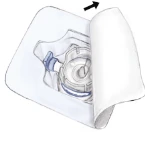 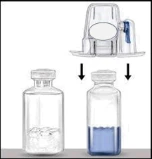 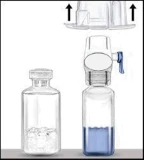 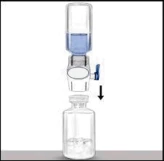 | 1. Bring Recombinate (powder) and Sterile Water for Injections (solvent) to a temperature of 15°C–25°C. 2. Remove the caps from the vial of lyophilized powder and the solvent vial. 3. Disinfect the stoppers with alcohol swabs. Place the vials on a flat surface. 4. Remove the protective cover from one end of the double-ended needle and insert the exposed end into the stopper of the solvent vial. 5. Remove the protective cover from the other end of the double-ended needle. Invert the solvent vial over the upright Recombinate vial and quickly insert the free end of the needle into the center of the Recombinate vial stopper. The solvent will flow into the lyophilized powder vial due to vacuum. 6. Separate the two vials by removing the needle from the solvent vial stopper, then remove the needle from the Recombinate vial. Gently swirl until all material is dissolved. Ensure that Recombinate is completely dissolved; otherwise, the active substance will be retained by the filter needle. |
| Administration: Use aseptic technique | |
Administration is recommended to begin no later than three hours after reconstitution. The reconstituted product must not be refrigerated. Parenteral products should be inspected visually for particulate matter or discoloration prior to administration, whenever solution and container permit. A colorless to slightly yellowish solution is acceptable for Recombinate. 1. Remove the blue cap from BAXJECT II. DO NOT DRAW AIR INTO THE SYRINGE. Attach the syringe to BAXJECT II (Fig. d). 2. Invert the system (so that the concentrate vial is positioned above the device). Slowly draw the concentrate into the syringe by pulling back the plunger (Fig. e). 3. Disconnect the syringe. 4. Attach the administration set to the syringe. Administer intravenously. The preparation may be administered at a rate of up to 10 ml per minute. Patient pulse should be monitored before and during administration of Recombinate. In case of a significant increase, reducing the infusion rate or temporarily stopping the injection usually results in rapid resolution of symptoms (see sections 4.4 and 4.8). Fig. d Fig. e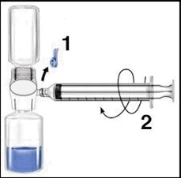 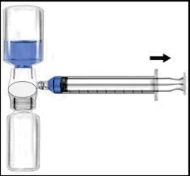 | Administration is recommended to begin no later than three hours after reconstitution. The reconstituted product must not be refrigerated. Parenteral products should be inspected visually for particulate matter or discoloration prior to administration, whenever solution and container permit. A colorless to slightly yellowish solution is acceptable for Recombinate. 1. Attach the filter needle to the disposable syringe and pull back the plunger to draw air into the syringe. 2. Insert the filter needle into the reconstituted Recombinate vial. 3. Inject air into the vial and then draw the reconstituted solution into the syringe. 4. Remove and discard the filter needle. Attach the administration set to the syringe. Administer intravenously. The preparation may be administered at a rate of up to 10 ml per minute. Patient pulse should be monitored before and during administration of Recombinate. In case of a significant increase, reducing the infusion rate or temporarily stopping the injection usually results in rapid resolution of symptoms (see sections 4.4 and 4.8). 5. A new, unused filter needle must be used to draw up the contents of each reconstituted Recombinate vial. |
7. MARKETING AUTHORISATION HOLDER
Baxalta Innovations GmbH
Industriestrasse 67, A-1221 Vienna
8. MARKETING AUTHORISATION NUMBERS
MA number 028687046: "250 IU/5 ml powder and solvent for injectable solution" 1 vial of powder + 1 vial of solvent with needle-free reconstitution device
MA number 028687073: "250 IU/5 ml powder and solvent for injectable solution" 1 vial of powder + 1 vial of solvent with double-ended needle reconstitution device + filter needle
MA number 028687059: "500 IU/5 ml powder and solvent for injectable solution" 1 vial of powder + 1 vial of solvent with needle-free reconstitution device
MA number 028687085: "500 IU/5 ml powder and solvent for injectable solution" 1 vial of powder + 1 vial of solvent with double-ended needle reconstitution device + filter needle
MA number 028687061: "1000 IU/5 ml powder and solvent for injectable solution" 1 vial of powder + 1 vial of solvent with needle-free reconstitution device
MA number 028687097: "1000 IU/5 ml powder and solvent for injectable solution" 1 vial of powder + 1 vial of solvent with double-ended needle reconstitution device + filter needle
9. DATE OF FIRST AUTHORISATION / RENEWAL OF THE AUTHORISATION
Date of first authorisation: 23 October 2013
Date of renewal of the authorisation: 9 April 2018
10. DATE OF TEXT REVISION
Patient Information Leaflet: Information for the User
Recombinate 250 IU/10 ml powder and solvent for injectable solution, 500 IU/10 ml powder and solvent for injectable solution, 1000 IU/10 ml powder and solvent for injectable solution
Octocog alfa (recombinant coagulation factor VIII)
Please read this leaflet carefully before using this medicine because it contains important information for you.
- Keep this leaflet. You may need to read it again.
- If you have any questions, ask your doctor, pharmacist, or nurse.
- This medicine has been prescribed for you only. Do not give it to others, even if their symptoms are the same as yours, as it may be harmful.
- If you experience any adverse reactions, including those not listed in this leaflet, consult your doctor, pharmacist, or nurse.
Contents of this leaflet:
- What Recombinate is and what it is used for
- What you need to know before using Recombinate
- How to use Recombinate
- Possible side effects
- How to store Recombinate
- Contents of the pack and other information
1. What Recombinate is and what it is used for
Recombinate belongs to a pharmacotherapeutic group called blood coagulation factor VIII.
Recombinate is used in patients with haemophilia A (congenital factor VIII deficiency) for:
- prevention of bleeding
- treatment of bleeding episodes (e.g. muscular, oral, bleeding at surgical sites)
Recombinate does not contain von Willebrand factor and is therefore not indicated for von Willebrand disease (a specific blood coagulation disorder).
2. What you need to know before using Recombinate
Do not use Recombinate
- If you are allergic to octocog alfa, murine, bovine or hamster proteins, or to any of the other ingredients of this medicine (listed in section 6). If in doubt, consult your doctor.
Warnings and precautions
In case of allergic reactions:
- There is a rare possibility of experiencing an anaphylactic reaction (a severe and sudden allergic reaction) to Recombinate. You should be aware of the early signs of allergic reactions such as rash, urticaria, wheals, generalized itching, swelling of the lips and tongue, breathing difficulties, dyspnea, chest tightness, general feeling of malaise and dizziness. These symptoms may represent early signs of anaphylactic shock, which may also include extreme dizziness, loss of consciousness, and severe difficulty in breathing.
- If any of these symptoms occur, the infusion must be stopped immediately. For severe symptoms, including breathing difficulties and fainting (or feeling faint), prompt emergency treatment is required.
When monitoring is necessary:
- Your doctor may consider it appropriate to perform tests to ensure that your current dose is sufficient to achieve and maintain adequate factor VIII levels. This is particularly important during major surgical procedures. In case of persistent bleeding:
- The development of inhibitors (antibodies) is a known complication that may occur during treatment with all factor VIII medicines. Inhibitors, especially at high levels, may prevent the treatment from working properly, and you or your child will be closely monitored for the development of such inhibitors. If Recombinate fails to control bleeding in you or your child, inform your doctor immediately.
Other medicines and Recombinate
No unfavorable interactions with other medicines have been observed.
Inform your doctor or pharmacist if you are taking, have recently taken, or might take any other medicines.
Pregnancy and breastfeeding
There is no experience with the use of Recombinate during pregnancy or breastfeeding, since haemophilia A is a rare condition in women. Therefore, inform your doctor if you are pregnant or breastfeeding. Your doctor will decide whether Recombinate can be used during pregnancy and breastfeeding.
Driving and using machines
No effects on the ability to drive or use machines have been reported.
Recombinate contains sodium
This medicine contains 35 mg (1.5 mmol) of sodium (a main component of table salt) per 250 IU, 500 IU, and 1000 IU vial. This corresponds to 1.8% of the maximum recommended daily intake of 2 g of sodium for an adult. This should be taken into account in patients on a low-sodium diet.
3. How to use Recombinate
Always use Recombinate exactly as directed by a physician experienced in the treatment of
patients with haemophilia A.
Dosing for haemorrhage prophylaxis
If you are using Recombinate for prevention (prophylaxis) of bleeding episodes, your doctor will calculate
the dose for you and inform you accordingly. The doctor will determine the dose according to your
individual needs.
Normally, the dose is 20–40 IU of octocog alfa per kilogram of body weight, administered at intervals
of 2–3 days. However, in some cases, particularly in younger patients, shorter intervals or higher doses
may be required.
If you suspect that the effect of Recombinate is insufficient, you must discuss this with your doctor.
Dosing for treatment of bleeding episodes
If you are using Recombinate to treat bleeding episodes, your doctor will calculate the dose tailored to
your individual needs using the following formula:
IU required = body weight (kilogram) x desired increase in factor VIII (% of normal) x 0.5
The following table provides guidance on the minimum required factor VIII levels in blood. For the
bleeding events listed, factor VIII activity should not fall below the level indicated (in % of normal) during
the corresponding period.
In certain circumstances, higher amounts than those calculated may be necessary, especially in the
presence of a low-titre inhibitor.
| Severity of bleeding/Surgical procedure type | Peak AHF activity required in the blood after infusion (% of normal or IU/dL of plasma) | Frequency of infusions |
| Severity of bleeding Hemarthrosis in early stage; muscle or oral bleeding Extended hemarthrosis; muscle hemorrhage or hematoma Life-threatening bleeding such as intracranial hemorrhage, throat bleeding, or severe abdominal bleeding | 20 - 40 30 - 60 60 - 100 | Infuse every 12 - 24 hours for one to three days until the bleeding episode has resolved (based on pain) or healing has occurred Repeat infusion every 12 - 24 hours, typically for three days or more until pain subsides or functional recovery is achieved Repeat infusion every 8 - 24 hours until the risk has subsided |
| Surgery Type of procedure Minor surgery, including dental extractions Major surgery | 30 - 60 80 - 100 (pre- and post-operatively) | A single infusion plus oral antifibrinolytic therapy administered within one hour before surgery is sufficient in approximately 70% of cases. Every 24 hours for at least one day until wound healing. Repeat infusion every 8 - 24 hours depending on the wound healing status. |
Use in children
Recombinate is suitable for use in both adults and children of all ages, including newborns. The dosage recommendations for the treatment of bleeding mentioned above are the same for adults and children. For prophylaxis of bleeding (prevention), in some cases shorter dosing intervals or higher doses than the standard dose of 20–40 IU of factor VIII per kg body weight every 2–3 days may be required.
Monitoring by the physician
Your doctor will perform appropriate laboratory tests to ensure that adequate levels of factor VIII have been achieved. This is particularly important in the case of major surgery.
Patients with factor VIII inhibitors
If plasma levels of factor VIII do not reach the expected levels, or if bleeding is not adequately controlled despite increasing the dose, the presence of factor VIII inhibitors should be suspected. The presence of factor VIII inhibitors will be checked by your doctor.
If factor VIII inhibitors have developed, higher amounts of Recombinate may be needed to control bleeding. If this dose fails to control the bleeding, your doctor may consider using another product. Do not increase the total dose of Recombinate to control bleeding without first consulting your doctor.
Method and route of administration
Recombinate is administered intravenously (into a vein) after reconstituting the solution with the solvent provided in the package:
- by injection administered by a doctor or nurse
- by infusion administered by a doctor or nurse.
The rate of administration should be based on the patient's level of well-being. The product may be given at a maximum rate of up to 10 ml per minute.
Frequency of administration
Your doctor will decide and inform you about the frequency of Recombinate administrations based on effectiveness in your individual case.
Duration of treatment
Replacement therapy with Recombinate is generally a lifelong treatment.
If you use more Recombinate than you should
- No symptoms of overdose have been reported with recombinant coagulation factor VIII. If you have any doubts, consult your doctor.
If you forget to use Recombinate
- Do not take a double dose to make up for a missed single dose.
- Proceed immediately with the next scheduled dose and continue at regular intervals as advised by your doctor.
If you stop treatment with Recombinate
Do not stop using Recombinate without consulting your doctor, due to the possible occurrence of life-threatening bleeding episodes.
If you have any questions about the use of this medicine, ask your doctor, pharmacist, or nurse.
4. Possible side effects
Like all medicines, this medicine can cause side effects, although not everybody gets them.
The following side effects have been reported during use of this product: nausea, vomiting,
abdominal pain, hot flushes, mild fatigue, dizziness, general malaise, headache,
transient skin rash (skin redness), bruising, injection site reactions, sweating,
chills, tremors, fever, leg pain, cold hands and feet, tingling sensation in hands and feet,
sore throat, ear infections, hearing test failure, epistaxis and pallor.
Rarely, hypersensitivity reactions have been reported, including: generalized urticaria and pruritus
(skin rash with severe itching and wheal formation), rash, breathing difficulties, cough,
chest pain or tightness, wheezing, low blood pressure (hypotension),
loss of consciousness, rapid heartbeat, severe hypersensitivity reactions which may cause
difficulty swallowing and/or breathing, swelling and redness of the face and/or hands (anaphylaxis).
In case of allergic or anaphylactic reactions, the infusion/injection must be stopped immediately and the doctor must be contacted.
In children not previously treated with factor VIII-containing medicines, the development of
inhibitor antibodies (see section 2) can be very common (more than 1 in 10 patients); however, in
patients who have previously received treatment with factor VIII (more than 150 exposure days), the risk is uncommon (less than 1 in 100 patients). If this occurs, your medicine or your child's medicine may no longer work properly and you or your child may experience persistent bleeding. If this happens, contact your doctor immediately.
Reporting of side effects
If you experience any side effect, including those not listed in this leaflet, consult your doctor. You can also report side effects directly via the national system at
https://www.aifa.gov.it/content/segnalazioni-reazioni-avverse .
By reporting side effects, you can help provide more information on the safety of this medicine.
5. How to store Recombinate
- Keep this medicine out of the sight and reach of children.
- Store in a refrigerator (2 °C - 8 °C).
- Do not freeze.
- Keep in the outer packaging to protect the medicine from light.
- Do not use this medicine after the expiry date stated on the label and the carton. The expiry date follows the abbreviation "Exp." and refers to the last day of that month.
During its shelf life, the product may be stored at 15°C–25°C prior to use for a maximum of six months. Do not return the product to the refrigerator after storage at 15°C–25°C. After reconstitution, Recombinate must be administered at room temperature within three hours.
Storage after reconstitution
- This product is for single use only. Use the product within three hours after reconstitution.
- Do not refrigerate the solution after reconstitution. Do not use Recombinate if the solution contains particles or is cloudy. Do not dispose of any medicine via wastewater or household waste. Ask your pharmacist how to dispose of medicines no longer required. This will help protect the environment.
6. Package contents and other information
What Recombinate contains
- The active substance is octocog alfa, recombinant coagulation factor VIII 25 IU/ml, 50 IU/ml or 100 IU/ml. The product is available in three strengths: 250 IU, 500 IU or 1000 IU (International Units) per vial of active substance.
- The other components are:
- for the powder: human albumin, sodium chloride, histidine, macrogol 3350, calcium chloride dihydrate, hydrochloric acid (for pH adjustment) and sodium hydroxide (for pH adjustment).
- for the solvent: water for injections.
Description of the appearance of Recombinate and contents of the pack
Recombinate is supplied as a powder and solvent for injectable solution and appears as a friable powder of white or off-white colour. After reconstitution, the solution is clear, colourless and free from foreign particles. The solvent (sterile water for injectable preparations) is a clear, colourless liquid.
The pack contains one vial of 250 IU or 500 IU or 1000 IU powder, one 10 ml solvent vial, a reconstitution device (BAXJECT II), one single-use sterile plastic syringe, one sterile infusion miniset, two alcohol-impregnated cotton swabs and two adhesive bandages.
Alternatively to BAXJECT II, a reconstitution device with needle may be supplied, comprising a sterile double-ended needle (to transfer the solvent into the Recombinate vial) and a sterile filter needle (to transfer the reconstituted solution into the syringe).
Pack size: 1 unit
Marketing Authorisation Holder
Baxalta Innovations GmbH
Industriestrasse 67, A-1221 Vienna
Representative in Italy:
Takeda Italia S.p.A.
Tel. +39 06 502601
Manufacturer
Baxalta Belgium Manufacturing SA
Bd. René Branquart 80, B-7860 Lessines,
Belgium
This medicinal product is authorised in the European Economic Area Member States under the following names:
Belgium: Recombinate 250 (500, 1000) IU/10 ml
Recombinate 250 (500, 1000) IU/5 ml
Bulgaria: Recombinate 500 IU/5 ml
Cyprus: Recombinate 250 (500, 1000) IU
Estonia: Recombinate 250 (500, 1000) IU/5 ml
Germany: Recombinate Antihämophilie Factor (rekombinant) 1000
Greece: Recombinate 250 (500, 1000) IU
Lithuania: Recombinate 250 (500, 1000) IU/10 ml
Malta: Recombinate 250 (500, 1000) IU
Netherlands: Recombinate 250 (500, 1000) IE/10 ml
Recombinate 250 (500, 1000) IE/5 ml
Ireland: Recombinate 250 (500, 1000) IU
Italy: Recombinate 250 (500, 1000) UI/10 ml
Recombinate 250 (500, 1000) UI/5 ml
Latvia: Recombinate 250 (500, 1000) UI/5 ml
The following information is intended for healthcare professionals only:
PRODUCT CHARACTERISTICS SUMMARY
1. NAME OF THE MEDICINAL PRODUCT
Recombinate 250 IU/10 ml powder and solvent for injectable solution
Recombinate 500 IU/10 ml powder and solvent for injectable solution
Recombinate 1000 IU/10 ml powder and solvent for injectable solution
2. QUALITATIVE AND QUANTITATIVE COMPOSITION
Octocog alfa 25 IU per ml of reconstituted solution
After reconstitution: One 10 ml vial contains 250 IU of octocog alfa
Recombinate 250 IU/10 ml contains nominally 250 IU of octocog alfa, recombinant coagulation factor VIII,
in each vial.
The product contains approximately 25 IU/ml of octocog alfa, recombinant coagulation factor VIII,
after reconstitution with 10 ml of sterile water for injections.
Octocog alfa 50 IU per ml of reconstituted solution
After reconstitution: One 10 ml vial contains 500 IU of octocog alfa
Recombinate 500 IU/10 ml contains nominally 500 IU of octocog alfa, recombinant coagulation factor VIII,
in each vial.
The product contains approximately 50 IU/ml of octocog alfa, recombinant coagulation factor VIII,
after reconstitution with 10 ml of sterile water for injections.
Octocog alfa 100 IU per ml of reconstituted solution
After reconstitution: One 10 ml vial contains 1000 IU of octocog alfa
Recombinate 1000 IU/10 ml contains nominally 1000 IU of octocog alfa, recombinant coagulation factor VIII,
in each vial.
The product contains approximately 100 IU/ml of octocog alfa, recombinant coagulation factor VIII,
after reconstitution with 10 ml of sterile water for injections.
The potency is determined using the chromogenic assay of the European Pharmacopoeia relative to the Mega FDA standard calibrated against the WHO standard. The specific activity of Recombinate is approximately 4000 – 8000 IU/mg of protein.
Recombinate contains recombinant coagulation factor VIII (INN: octocog alfa). Octocog alfa (recombinant coagulation factor VIII) is a purified protein consisting of 2332 amino acids. It has an amino acid sequence comparable to that of plasma-derived factor VIII and similar post-translational modifications to the plasma-derived molecule. Recombinant coagulation factor VIII is a glycoprotein expressed in mammalian cells produced by recombinant DNA technology using a Chinese hamster ovary (CHO) cell line.
Excipients with known effect:
Each vial contains 35 mg (1.5 mmol) of sodium.
For the complete list of excipients, see section 6.1.
3. PHARMACEUTICAL FORM
Powder and solvent for injectable solution.
Brittle powder, white to off-white. The solvent (water for injectable preparations) is a clear, colourless liquid.
4. CLINICAL INFORMATION
4.1 Therapeutic indications
Treatment and prophylaxis of bleeding episodes in patients with haemophilia A (congenital Factor VIII deficiency).
This product does not contain von Willebrand factor and is therefore not indicated in von Willebrand disease.
Recombinate is indicated for all age groups, from neonates to adults.
4.2 Posology and method of administration
Treatment must be supervised by a physician experienced in the management of haemophilia.
Monitoring of treatment
Appropriate monitoring of Factor VIII levels is recommended during treatment to determine the dose and frequency of infusions. Individual patient response to Factor VIII may vary, resulting in different half-lives and recovery rates. Dose adjustments based on body weight may be necessary in underweight or overweight patients. In particular, during major surgical procedures, careful monitoring of replacement therapy using coagulation assays (plasma Factor VIII activity) is essential.
Posology
The dosage and duration of replacement therapy depend on the severity of the coagulation factor deficiency, the site and extent of bleeding, and the patient's clinical condition.
Treatment should be carried out in collaboration with a physician experienced in coagulation disorders and a laboratory capable of measuring plasma AHF (antihemophilic factor) concentration.
The administered number of Factor VIII units is expressed in International Units (IU), referenced to the current WHO standard for Factor VIII-containing products. Plasma Factor VIII activity is expressed both as a percentage (relative to normal human plasma) and in International Units (referenced to an international standard for plasma Factor VIII).
One International Unit (IU) of Factor VIII activity is equivalent to the amount of Factor VIII present in 1 ml of normal human plasma.
On-demand treatment
The expected in vivo peak level increase of Recombinate, expressed in IU/dL of plasma or as a percentage (%) of normal, can be calculated by multiplying the administered dose in IU/kg body weight by two.
The calculation method is illustrated in the following examples:
Expected % increase in FVIII = Number of administered units × 2% / IU / kg
Body weight (kg)
Example for a 70 kg adult: 1750 IU × 2% / IU / kg = ~50%
70 kg
or
Required dose (IU) = Body weight (kg) × Desired % increase in FVIII
2% / IU / kg
Example for a 40 kg child: 40 kg × 70% = 1400 IU
2% / IU / kg
Although dosage may be estimated using the above calculation, appropriate laboratory tests—including serial measurement of AHF in the patient’s plasma at suitable time intervals—are strongly recommended to confirm that adequate AHF levels have been achieved and maintained. If the expected plasma AHF level is not achieved, or if bleeding is not controlled after administration of an adequate dose, the presence of an inhibitor should be suspected. Appropriate laboratory testing can detect and quantify the inhibitor in terms of International Units of AHF neutralized by 1 ml of plasma (Bethesda Units) or by estimated total plasma volume. If the inhibitor level is less than 10 Bethesda Units per ml, administration of additional AHF may neutralize the inhibitor. Therefore, administration of further International Units of AHF should achieve the expected effect. In such cases, monitoring of AHF levels via laboratory assays is necessary. Inhibitor levels exceeding 10 Bethesda Units per ml may make haemostatic control with AHF impossible or impractical due to the excessively high doses required.
The dosing regimen outlined in Table I below may be used as a guide for adults and children. The amount administered and the frequency of infusions should always be adjusted according to clinical efficacy in individual cases.
Depending on the clinical situation and at the physician’s discretion, Recombinate may also be administered for short- or long-term prophylaxis of bleeding episodes.
In the case of the following bleeding events, Factor VIII activity should not fall below the specified plasma activity level (in <% of normal>) during the corresponding period. The following table may be used as a guide for determining dosage in bleeding episodes and surgical procedures:
Table I: Dosage regimen
| Bleeding | ||
| Degree of bleeding | Peak AHF activity required in blood after infusion (% of normal or IU/dL plasma) | Infusion frequency |
| Early hemarthrosis; muscle or oral bleeding | 20 - 40 | Begin infusion every 12 - 24 hours for one to three days until the bleeding episode has resolved (based on pain) or healing is achieved |
| Extensive hemarthrosis; muscle bleeding or hematoma | 30 - 60 | Repeat infusion every 12 - 24 hours, typically for three days or more, until pain subsides and functional recovery is achieved |
| Life-threatening bleeding, such as intracranial hemorrhage, throat bleeding, or severe abdominal bleeding | 60 - 100 | Repeat infusion every 8 - 24 hours until the risk has subsided |
| Surgery | ||
| Type of procedure | ||
| Minor surgery, including dental extractions | 30 - 60 | A single infusion, plus oral antifibrinolytic therapy, administered within one hour before the procedure, is sufficient in approximately 70% of cases. Administer every 24 hours for at least 1 day until wound healing is complete |
| Major surgery | 80 - 100 (pre- and post-operative) | Repeat infusion every 8 - 24 hours depending on wound healing status |
The data reported represent peak AHF activity in patients with the expected mean half-life of Factor VIII. If deemed necessary, peak activity should be measured within half an hour after administration. In patients with a relatively short half-life of Factor VIII, it may be necessary to increase the dose and/or frequency of administration.
Each vial of Recombinate is labelled with the activity of Recombinant Antihemophilic Factor (Recombinate) expressed in IU per vial.
The assay is calibrated against the WHO International Standard for Factor VIII:C concentrates. Studies have shown that, to accurately determine these activity levels, the assay must be performed using plastic test tubes and pipettes, and employing a substrate containing normal levels of von Willebrand Factor.
Prophylaxis
For long-term prophylaxis against bleeding in patients with severe haemophilia A, the usual doses are 20–40 IU of Factor VIII per kg body weight administered at intervals of 2–3 days.
Patients should be monitored for the development of Factor VIII inhibitors. If the expected plasma Factor VIII activity levels are not achieved, or if a bleeding episode cannot be controlled with an appropriate dose, a test should be performed to determine the possible presence of a Factor VIII inhibitor. In patients with high inhibitor levels, Factor VIII-based therapy may not be effective, and alternative therapeutic options should therefore be considered. The treatment of such patients should be managed by physicians experienced in the care of patients with haemophilia.
See also section 4.4.
Paediatric population
Recombinate is suitable for use in children of all ages, including neonates (safety and efficacy studies have been conducted in both previously treated and previously untreated children: see section 5.1). For on-demand treatment, the dosing in paediatric patients does not differ from that in adults. For long-term prophylaxis of bleeding in patients with severe haemophilia A, in some cases shorter dosing intervals or higher doses than the usual 20–40 IU of Factor VIII per kg body weight every 2–3 days may be required.
Method of administration
The preparation must be administered intravenously after reconstitution with the solvent supplied (see section 6.6). The reconstituted product must not be refrigerated. It is recommended to administer Recombinate at room temperature within 3 hours of reconstitution. The rate of administration should ensure patient comfort, up to a maximum of 10 ml/min. Pulse rate should be monitored before and during administration of Recombinate. In case of a significant increase, reducing the infusion rate or temporarily suspending the injection usually leads to rapid resolution of symptoms (see sections 4.4 and 4.8).
For instructions on reconstitution of the medicinal product prior to administration, see section 6.6.
4.3 Contraindications
Hypersensitivity to the active substance or to any of the excipients listed in section 6.1. Known allergic reaction to bovine, murine or hamster proteins.
4.4 Special warnings and precautions for use
Traceability
In order to improve the traceability of biological medicinal products, the name and batch number of the administered product must be clearly documented.
Hypersensitivity
Cases of severe allergic reactions to Recombinate have been reported. Patients with known hypersensitivity to murine, bovine or hamster proteins should be treated with caution. Patients should be informed about the early signs of hypersensitivity reactions, including urticaria, generalized urticaria, tightness of the chest, wheezing, hypotension, and anaphylaxis. In case of an allergic or anaphylactic reaction, the injection or infusion must be stopped immediately. In case of shock, standard medical treatment for shock should be initiated.
Inhibitors
The development of neutralizing antibodies (inhibitors) against Factor VIII is a known complication in the treatment of patients with haemophilia A. These inhibitors are usually IgG immunoglobulins directed against the procoagulant activity of Factor VIII and are quantified in Bethesda Units (BU) per ml of plasma by means of a modified assay. The risk of developing inhibitors is related to the severity of the disease and the duration of exposure to Factor VIII, being higher within the first 50 exposure days, but persists throughout life, although it is not a common risk.
The clinical relevance of inhibitor development depends on the inhibitor titre: low-titre inhibitors, whether transient or persistently low, are less likely to affect the risk of inadequate clinical response compared to high-titre inhibitors.
In general, all patients treated with Factor VIII coagulation products should be closely monitored for the development of inhibitors through appropriate clinical observations and laboratory tests. If the expected plasma levels of Factor VIII activity are not achieved, or if bleeding is not controlled with an adequate dose, testing should be performed to determine the presence of Factor VIII inhibitors. In patients with high inhibitor levels, Factor VIII therapy may not be effective, and alternative therapeutic options should be considered. The management of these patients should be entrusted to physicians experienced in the treatment of haemophilia and Factor VIII inhibitors.
Cardiovascular events
In patients with pre-existing cardiovascular risk factors, replacement therapy with FVIII may increase cardiovascular risk.
Catheter-related complications
If a central venous access device (CVAD) is required, the risk of CVAD-related complications, including local infections, bacteraemia and thrombosis at the catheter site, should be taken into consideration.
Paediatric population
The warnings and precautions for use in paediatric patients do not differ from those for adult patients.
This medicinal product contains 35 mg (1.5 mmol) of sodium per 250 IU, 500 IU and 1000 IU vial, equivalent to 1.8% of the maximum daily intake recommended by WHO, which corresponds to 2 g of sodium for an adult. This should be taken into account in patients on a low-sodium diet.
4.5 Interaction with other medicinal products and other forms of interaction
No interaction studies have been performed.
4.6 Fertility, pregnancy and lactation
No animal reproduction studies have been conducted with Factor VIII. As haemophilia A in women is a rare event, experimental data on the use of Factor VIII during pregnancy or breastfeeding are not available. Factor VIII should therefore be administered during pregnancy and breastfeeding only if clearly indicated.
4.7 Effects on ability to drive and use machines
No effects on the ability to drive vehicles or use machines have been observed.
4.8 Undesirable effects
Summary table of adverse reactions
The table below lists adverse reactions reported from spontaneous reports and clinical trials.
The table below has been compiled based on MedDRA classification by System Organ Class (SOC) and Preferred Term.
The frequency is defined according to the following criteria: very common (≥ 1/10), common (≥ 1/100, < 1/10), uncommon (≥ 1/1,000, < 1/100), rare (≥ 1/10,000, < 1/1,000), very rare (< 1/10,000), not known (the frequency cannot be estimated from the available data).
| System Organ Class according to MedDRA | Frequency | Preferred MedDRA Term |
| Infections and infestations | uncommon 1 | Ear infection 1 |
| Haematological and lymphatic system disorders | uncommon (PTPs)1very common (PUPs)1 | Factor VIII inhibition 1 |
| Immune system disorders | not known | Anaphylactic reaction Hypersensitivity2 |
| Nervous system disorders | uncommon | Dizziness Tremor |
| not known | Loss of consciousness Syncope Headache Paraesthesia | |
| Cardiac disorders | not known | Cyanosis Tachycardia |
| Vascular disorders | uncommon | Epistaxis Flushing Haematoma Hypotension Pallor Cold sensation in extremities |
| Respiratory, thoracic and mediastinal disorders | uncommon | Pharyngolaryngeal pain |
| not known | Dyspnoea Cough Wheezing | |
| Gastrointestinal disorders | uncommon | Nausea |
| not known | Vomiting Abdominal pain | |
| Skin and subcutaneous tissue disorders | uncommon | Hyperhidrosis Pruritus Rash Maculopapular rash |
| not known | Angioedema Urticaria Skin exfoliation Erythema | |
| Musculoskeletal and connective tissue disorders | uncommon | Limb pain |
| General disorders and administration site conditions | common | Chills |
| uncommon | Feeling of fatigue Pyrexia | |
| not known | Malaise Injection site reaction Chest pain Feeling of chest tightness | |
| Investigations 1 | uncommon | Abnormal acoustic stimulation test |
The frequency is based on studies conducted with all factor VIII products that have included
patients with severe haemophilia A. PTPs = previously treated patients, PUPs = previously untreated
patients.
Early signs of hypersensitivity reactions include, for example, urticaria, dyspnea, cough, chest tightness, wheezing, anaphylaxis, rash, hypotension, pruritus, chills, flushing, pyrexia, cyanosis, tachycardia, vomiting, syncope, headache. Caution is recommended in patients with known allergic reactions to the components of the product (see sections 4.3. and 4.4.).
Description of selected adverse reactions
The development of neutralizing antibodies (inhibitors) may occur in patients with haemophilia A treated with factor VIII, including Recombinate. The presence of inhibitors may manifest as a poor clinical response. In such cases, it is recommended to contact a specialized haemophilia centre.
Paediatric population
During clinical studies, no age-specific differences in adverse reactions were observed, except for the development of inhibitors in previously untreated paediatric patients (PUPs).
Reporting of suspected adverse reactions
Reporting of suspected adverse reactions occurring after marketing authorization of the medicinal product is important, as it allows continuous monitoring of the benefit-risk balance of the medicinal product. Healthcare professionals are required to report any suspected adverse reactions via the following website: https://www.aifa.gov.it/content/segnalazioni-reazioni-avverse .
4.9 Overdose
Symptoms related to overdose are not known.
5. PHARMACOLOGICAL PROPERTIES
5.1 Pharmacodynamic Properties
Pharmacotherapeutic category: Antihemorrhagics: blood coagulation factor VIII. ATC code: B02BD02.
The factor VIII / von Willebrand factor complex consists of two molecules (factor VIII and von Willebrand factor) with different physiological functions.
When infused into a haemophilic patient, factor VIII binds in circulation to von Willebrand factor.
Activated factor VIII acts as a cofactor for activated factor IX, accelerating the conversion of factor X to activated factor X; this then converts prothrombin into thrombin, which in turn converts fibrinogen into fibrin, leading to clot formation. Haemophilia A is a sex-linked inherited coagulation disorder due to reduced levels of factor VIII:C, resulting in extensive bleeding into joints, muscles, or internal organs, either spontaneously or following trauma or surgical procedures. Replacement therapy allows an increase in plasma levels of factor VIII, thereby providing temporary correction of the factor deficiency and control of bleeding tendencies.
It should be noted that the annualized bleeding rate (ABR) is not comparable across different factor concentrates or between different clinical studies.
Paediatric population
Recombinate has been studied in 71 previously untreated paediatric patients (PUPs), with a mean age at first infusion of Recombinate of 10 months (range: 2 days – 50 months). The product was well tolerated and not associated with significant short-term adverse effects. Its clinical efficacy was comparable to that of other full-length FVIII molecules both in the treatment of acute bleeding episodes and for surgical prophylaxis (10 subjects underwent surgical procedures). Long-term follow-up of these subjects revealed an incidence of product-related adverse events of 0.86/1,000 infusions, none of which were serious or life-threatening.
5.2 Pharmacokinetic Properties
Pharmacokinetic studies in 69 previously treated patients have shown that the mean half-life of circulating Recombinate is 14.6 ± 4.9 hours (n = 67), a value that does not differ statistically significantly from that of HemofilM, Antihaemophilic Factor (Human), a plasma-derived AHF (pdAHF), which has a mean half-life of 14.7 ± 5.1 hours (n = 61). The actual recovery from baseline observed with Recombinate after an infusion of 50 IU/kg was 123.9 ± 47.7 IU/dL (n = 23), which is significantly higher than the actual recovery from baseline observed with HemofilM, which was 101.7 ± 31.6 IU/dL (n = 61). However, the calculated ratio between actual and expected recovery (i.e., an increase of 2% in Factor VIII activity per 1 IU of rAHF/kg body weight) with Recombinate (121.2 ± 48.9%) is similar to that of HemofilM (123.4 ± 16.4%).
A total of 494 recovery studies were obtained from 68 previously untreated patients.
Two hundred and twelve recovery studies were performed when patients were being treated for bleeding episodes, showing a mean actual recovery ± SD of 70.0 ± 37.9 IU/dL (N = 208, with four recovery values excluded from analysis as they were outside the reference range). The high variability is due to the wide range of actual doses administered, from 13.8 to 103.2 IU/kg (mean ± SD of 36.0 ± 16.2 and median of 30.2 IU/kg). Taking into account the variable dosing, the ratio of actual to predicted recovery was calculated and found to be a mean of 1.0 ± 0.3.
A total of 68 recovery studies were performed when patients were receiving repeated infusions for ongoing treatment of pre-existing bleeding episodes. The actual FVIII recovery level was corrected for the pre-infusion FVIII level. The mean actual recovery ± SD was 88.6 ± 38.2 IU/dL (N = 66, with two recovery values excluded from analysis as they were outside the reference range). Again, the wide range of actual doses administered, from 18.5 to 85.7 IU/kg (mean ± SD of 38.6 ± 15.9 and median of 32.1 IU/kg), resulted in substantial variation in observed recovery levels. The mean ± SD ratio of actual to predicted recovery was 1.0 ± 0.3, with a median of 1.0.
A total of 214 recovery studies were performed when patients were in a stable condition, showing a mean actual recovery of 71.6 ± 29.7 IU/dL (N = 209, with five recovery values excluded from analysis as they were outside the reference range). Administered doses ranged from 10.4 to 68.1 IU/kg (mean ± SD of 38.0 ± 12.7 and median of 36.1 IU/kg). The mean ± SD ratio of actual to predicted recovery was 1.0 ± 0.3.
5.3 Preclinical Safety Data
Recombinate acts in the same way as endogenous factor VIII. Doses several times higher than those recommended in humans per kg of body weight did not show toxic effects in laboratory animal testing. Recombinate was tested for mutagenicity both in vitro at concentrations considerably higher than the plasma levels of AHF and in vivo at doses up to 10 times the maximum recommended clinical dose, without causing reverse mutations, chromosomal aberrations, or an increase in micronuclei in polychromatic erythrocytes of bone marrow.
Since clinical experience provides no evidence of carcinogenic or mutagenic effects, long-term studies to assess potential carcinogenicity in animals were not considered necessary.
6. PHARMACEUTICAL INFORMATION
6.1 List of excipients
Powder:
Human albumin
Sodium chloride
Histidine
Macrogol 3350
Calcium chloride dihydrate
Hydrochloric acid (for pH adjustment)
Sodium hydroxide (for pH adjustment)
Solvent:
Water for injections
6.2 Incompatibilities
In the absence of compatibility studies, this medicinal product must not be mixed with other medicinal products.
Use only the infusion set provided in the package, as treatment failure may occur due to adsorption of human coagulation factor VIII onto the internal surfaces of certain infusion devices.
6.3 Shelf life
3 years. After reconstitution, Recombinate must not be refrigerated and must be administered within three hours.
6.4 Special precautions for storage
Store in a refrigerator (2°C – 8°C).
Do not freeze.
Keep in the outer packaging to protect from light.
Within the shelf life, the medicinal product may be stored for up to six months at 15°C - 25°C prior to use.
Do not refrigerate again after storage at 15-25°C.
For storage conditions after reconstitution, see section 6.3.
6.5 Nature and content of container
One pack contains one vial of powder, one vial with 10 ml of solvent (both type I glass vials with rubber stoppers), and a reconstitution device (BAXJECT II) + one single-use sterile plastic syringe + one sterile infusion miniset + 2 alcohol-impregnated cotton swabs + 2 adhesive bandages.
Alternatively to BAXJECT II, the pack may contain a reconstitution device with needle, including a sterile double-ended needle (to transfer the solvent into the Recombinate vial) and a sterile filter needle (to transfer the reconstituted solution into the syringe).
Pack size: 1 unit.
6.6 Special precautions for disposal and handling
The preparation must be administered intravenously after reconstitution with the sterile water for injections provided in the pack. The single-use plastic syringe supplied in the pack must be used.
- Use within 3 hours after reconstitution.
- Do not refrigerate after reconstitution.
- Unused medicinal product and waste materials derived from this medicinal product must be disposed of in accordance with local regulations.
- The solution should appear clear or slightly opalescent. Do not use solutions that are cloudy or contain particles. Reconstituted products must be inspected visually for particulate matter or discoloration prior to administration.
- Do not use if the product, its sterile barrier system, or its packaging are damaged or show any signs of deterioration.
| Reconstitution: Use aseptic technique | |
| Reconstitution with BAXJECT II | Reconstitution with needles |
| 1. Bring Recombinate (powder) and Water for Injections (solvent) to a temperature of 15°C–25°C. 2. Remove the flip-off caps from the vials of lyophilized powder and solvent. 3. Disinfect the stoppers with alcohol swabs. Place the vials on a flat surface. 4. Open the BAXJECT II device package by removing the paper cover without touching the inside (Fig. a). Do not remove the device from the package. 5. Turn the box upside down and insert the transparent plastic tip through the solvent vial stopper. Grasp the edge of the box and pull it away to release the BAXJECT II (Fig. b). Do not remove the blue cap from the BAXJECT II device. 6. While keeping the BAXJECT II attached to the solvent vial, invert the system so that the solvent vial is positioned on the | 1. Bring Recombinate (powder) and Water for Injections (solvent) to a temperature of 15°C–25°C. 2. Remove the flip-off caps from the vials of lyophilized powder and solvent. 3. Disinfect the stoppers with alcohol swabs. Place the vials on a flat surface. 4. Remove the protective cap from one end of the double-ended needle and insert the exposed end of the needle into the stopper of the solvent vial. 5. Remove the protective cap from the other end of the double-ended needle. Invert the solvent vial over the upright Recombinate vial and quickly insert the free end of the needle into the center of the Recombinate vial stopper. The solvent will be drawn into the lyophilized powder vial by vacuum. 6. Separate the two vials by removing the needle from the solvent vial stopper, then remove the needle from the Recombinate vial. Gently swirl until all material is dissolved. Ensure that Recombinate is completely dissolved; otherwise, the active substance will be retained by the filter needle. |
upper part of the device. Insert the white plastic tip through the stopper of Recombinate. The solvent will be drawn into the vacuum-containing Recombinate vial (Fig. c). 7. Gently swirl until all material is dissolved. Ensure that Recombinate is completely dissolved; otherwise, the active substance will not pass through the device filter. The product dissolves rapidly (usually within less than 1 minute). Fig. a Fig. b Fig. c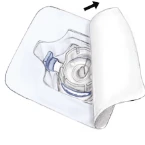 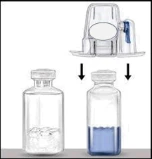 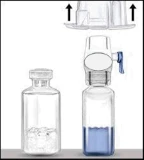 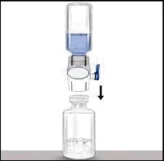 | |
| Administration: Use aseptic technique | |
Administration is recommended to begin within three hours of reconstitution. The reconstituted product must not be refrigerated. Parenteral products should be inspected visually for particulate matter and discoloration prior to administration, whenever solution and container permit. For Recombinate, a colorless to slightly yellowish solution is acceptable. 1. Remove the blue cap from the BAXJECT II. DO NOT DRAW AIR INTO THE SYRINGE. Attach the syringe to the BAXJECT II (Fig. d). 2. Invert the system (so that the concentrate vial is on the upper part of the device). Draw the concentrate into the syringe by slowly pulling back the plunger (Fig. e). 3. Disconnect the syringe. 4. Attach the administration set to the syringe. Administer intravenously. The preparation may be infused at a rate of up to 10 ml per minute. Patient pulse should be monitored before and during administration of Recombinate. In case of a significant increase in pulse rate, reducing the infusion rate or temporarily stopping the infusion usually results in rapid resolution of symptoms (see sections 4.4 and 4.8). Fig. d Fig. e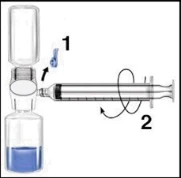 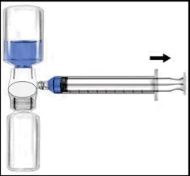 | Administration is recommended to begin within three hours of reconstitution. The reconstituted product must not be refrigerated. Parenteral products should be inspected visually for particulate matter and discoloration prior to administration, whenever solution and container permit. For Recombinate, a colorless to slightly yellowish solution is acceptable. 1. Attach the filter needle to a disposable syringe and pull back the plunger to draw air into the syringe. 2. Insert the filter needle into the reconstituted Recombinate vial. 3. Inject air into the vial and then draw the reconstituted solution into the syringe. 4. Remove and discard the filter needle. Attach the administration set to the syringe. Administer intravenously. The preparation may be infused at a rate of up to 10 ml per minute. Patient pulse should be monitored before and during administration of Recombinate. In case of a significant increase in pulse rate, reducing the infusion rate or temporarily stopping the infusion usually results in rapid resolution of symptoms (see sections 4.4 and 4.8). 5. A new, unused filter needle must be used to draw up the contents from each reconstituted Recombinate vial. |
7. MARKETING AUTHORISATION HOLDER
Baxalta Innovations GmbH - Industriestrasse 67, A-1221 Vienna
8. MARKETING AUTHORISATION NUMBERS
AIC No. 028687010 – “250 IU/10 ml powder and solvent for injectable solution” 1 vial of powder + 1 vial of solvent with needle-free reconstitution device
AIC No. 028687022 – “500 IU/10 ml powder and solvent for injectable solution” 1 vial of powder + 1 vial of solvent with needle-free reconstitution device
AIC No. 028687034 – “1000 IU/10 ml powder and solvent for injectable solution” 1 vial of powder + 1 vial of solvent with needle-free reconstitution device
AIC No. 028687109 – “250 IU/10 ml powder and solvent for injectable solution” 1 vial of powder + 1 vial of solvent with reconstitution device with double-ended needle + filter needle
AIC No. 028687111 – “500 IU/10 ml powder and solvent for injectable solution” 1 vial of powder + 1 vial of solvent with reconstitution device with double-ended needle + filter needle
AIC No. 028687123 – “1000 IU/10 ml powder and solvent for injectable solution” 1 vial of powder + 1 vial of solvent with reconstitution device with double-ended needle + filter needle
9. DATE OF FIRST AUTHORISATION / DATE OF MOST RECENT RENEWAL
Date of first authorisation: 12 May 1993
Date of most recent renewal: 17 May 2010
10. DATE OF TEXT REVISION
Similar drugs
| Brand name | Dosage form | Active substance / Dosage | Manufacturer |
|---|---|---|---|
| ADVATE | solution for injection, powder and solvent | TAKEDA MANUFACTURING AUSTRIA AG | |
| ADYNOVI | solution for injection, powder and solvent | BAXALTA INNOVATIONS GMBH | |
| AFSTYLA | solution for injection, powder and solvent | CSL BEHRING GMBH | |
| ALTUVOCT | solution for injection, powder and solvent | SWEDISH ORPHAN BIOVITRUM AB (PUBL) | |
| ELOCTA | solution for injection, powder and solvent | SWEDISH ORPHAN BIOVITRUM AB (PUBL) | |
| EMOWIL | solution for injection, powder and solvent | KEDRION S.P.A. | |
| ESPEROCT | solution for injection, powder and solvent | NOVO NORDISK A/S | |
| HAEMOCTIN | solution for injection, powder and solvent | BIOTEST PHARMA GMBH | |
| JIVI | solution for injection, powder and solvent | BAYER AG | |
| KOVALTRY | solution for injection, powder and solvent | BAYER AG | |
| NOVOEIGHT | solution for injection, powder and solvent | NOVO NORDISK A/S | |
| NUWIQ | solution for injection, powder and solvent | OCTAPHARMA AB |
The original data is available in the language of the country of manufacture.
Data source: Italian Medicines Agency (AIFA)
Data last verified: September 21, 2026