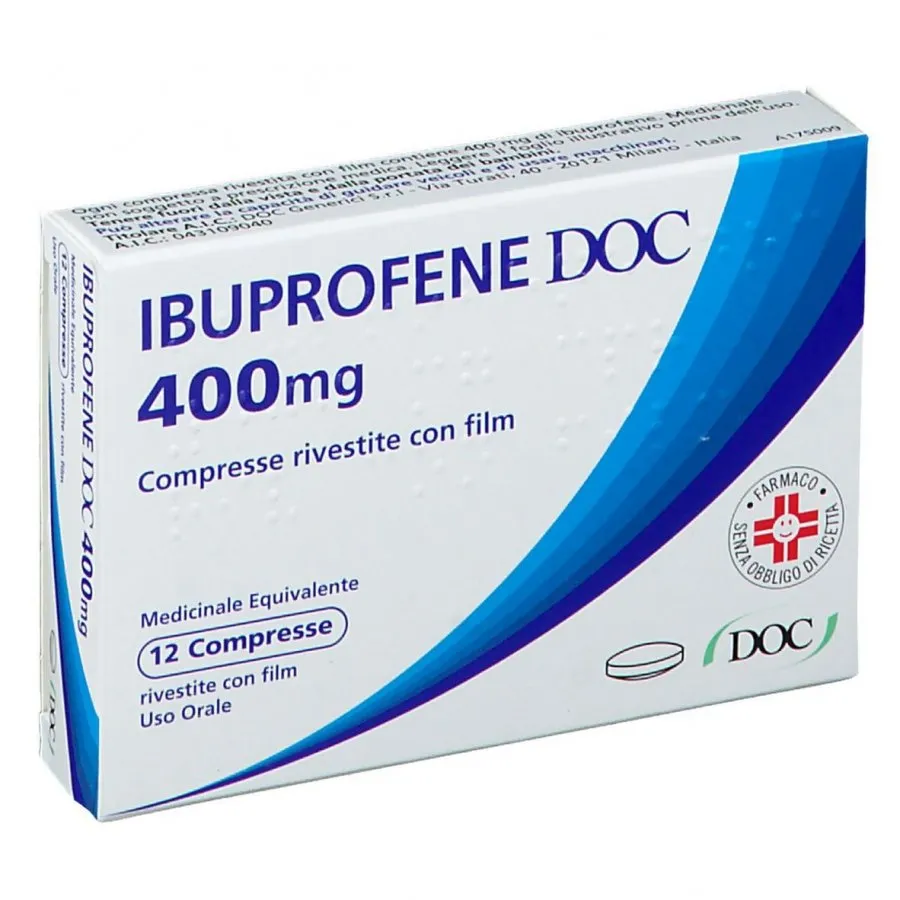
IBUPROFEN DOC GENERICI
ItalyIt is used to treat various types of pain, such as toothache, menstrual pain, headache, and muscle, joint, and nerve pain. It can also be used, in combination with other medications, for flu symptoms or febrile states.
Frequently asked questions
How should I take IBUPROFENE DOC?
Tablets should be swallowed whole with plenty of water. For a faster response, they can be taken on an empty stomach, while those with stomach problems should take them during meals.
What is the recommended dosage for adults and adolescents?
The usual dose is 2-3 tablets per day, without exceeding the maximum dose of 1200 mg per day (which corresponds to 3 tablets of 400 mg).
When should this medication not be taken?
It must not be taken if you are allergic to ibuprofen or other NSAIDs (such as aspirin), if you have stomach/intestinal ulcers or lesions, severe liver, kidney, or heart problems, or if you are in a state of severe dehydration. It should not be used after the sixth month of pregnancy and is not indicated for children under 12 years of age.
What are the side effects of IBUPROFENE DOC?
Common effects include nausea, vomiting, diarrhea, constipation, headache, and dizziness. Serious effects may also occur, such as stomach bleeding, skin or respiratory allergic reactions, and vision or liver problems. In case of severe skin reactions or bleeding, it is necessary to stop taking the medication and consult a doctor immediately.
Can I take other medicines together with this?
It is important to inform your doctor if you are taking other medications, particularly other anti-inflammatories (NSAIDs), anticoagulants, diabetes medications, cortisone, antidepressants, or blood pressure medications, as there may be interactions.
Are there warnings regarding pregnancy or breastfeeding?
It should not be taken during the last 3 months of pregnancy. During the first 6 months, it can only be used if absolutely necessary and under strict medical supervision. Taking it may reduce female fertility. During breastfeeding, it should only be used if absolutely necessary and under medical supervision, as the drug passes into breast milk.
Can alcohol consumption affect it?
Yes, consuming alcohol during treatment can increase the likelihood of adverse effects, especially those affecting the stomach, intestines, or nervous system.
Instructions for use
Table of contents
- IBUPROFENE DOC 400 mg film-coated tablets, 600 mg film-coated tablets
- 1. What IBUPROFENE DOC is and what it is used for
- 2. What you need to know before taking IBUPROFENE DOC
- 3. How to take IBUPROFENE DOC
- 4. Possible side effects
- 5. How to store IBUPROFENE DOC
- 6. Package contents and other information
- Patient information leaflet
- IBUPROFENE DOC 400 mg film-coated tablets
- 1. What IBUPROFENE DOC is and what it is used for
- 2. What you need to know before taking IBUPROFENE DOC
- 3. How to take IBUPROFENE DOC
- 4. Possible side effects
- 5. How to store IBUPROFENE DOC
- 6. Package contents and other information
Patient Information Leaflet
IBUPROFENE DOC 400 mg film-coated tablets, 600 mg film-coated tablets
Equivalent medicine
Please read this leaflet carefully before taking this medicine, as it contains important information for you.
- Keep this leaflet. You may need to read it again.
- If you have any questions, ask your doctor or pharmacist.
- This medicine has been prescribed for you only. Do not give it to other people, even if their symptoms are the same as yours, as it may be harmful.
- If you experience any adverse reaction, including those not listed in this leaflet, contact your doctor or pharmacist. See section 4.
Contents of this leaflet:
- What IBUPROFENE DOC is and what it is used for
- What you need to know before taking IBUPROFENE DOC
- How to take IBUPROFENE DOC
- Possible side effects
- How to store IBUPROFENE DOC
- Contents of the pack and other information
1. What IBUPROFENE DOC is and what it is used for
IBUPROFENE DOC contains ibuprofen, which belongs to a class of medicines called NSAIDs (non-steroidal anti-inflammatory drugs). These medicines work by reducing pain and swelling caused by inflammation.
IBUPROFENE DOC is used to treat pain of various origins and types:
- rheumatic joint pain (osteoarthritis, rheumatoid arthritis, Still's disease)
- muscle, tendon or nerve pain
- pain due to accidental or sports-related injuries, headache (migraine, cephalalgia), toothache, eye pain, menstrual pain, postpartum pain, and pain occurring after surgical procedures.
2. What you need to know before taking IBUPROFENE DOC
Do not take IBUPROFENE DOC:
- if you are allergic to ibuprofen or to any of the other ingredients of this medicine (listed in section 6);
- if you have had allergic reactions after taking aspirin (acetylsalicylic acid), other painkillers, fever-reducing medicines, or other non-steroidal anti-inflammatory drugs (NSAIDs), especially if associated with nasal polyps, facial swelling (angioedema), and/or asthma;
- if you have a lesion in the wall of the stomach or intestine (severe or active peptic ulcer);
- if you have previously experienced an episode of perforation or bleeding in the stomach or intestine caused by taking medicines;
- if you have had two or more separate episodes of bleeding or damage to the wall of the stomach or intestine (recurrent peptic ulcer);
- if you have severe liver or kidney problems;
- if you suffer from severe heart problems (severe heart failure);
- if you have any illness that increases the risk of bleeding;
- if you are in a severe state of dehydration, for example, if you have had severe episodes of vomiting, diarrhoea, or drink very little;
- after the sixth month of pregnancy.
Do not use IBUPROFENE DOC in children under 12 years of age or weighing less than 40 kg.
Warnings and precautions
Talk to your doctor before taking IBUPROFENE DOC if:
- you suffer from systemic lupus erythematosus (SLE) or mixed connective tissue disease, conditions affecting connective tissue causing joint or muscle pain, skin changes, and problems in other organs;
- you have had stomach or intestinal problems, such as ulcers, Crohn's disease, or ulcerative colitis (see the section below "BE CAREFUL" on gastrointestinal risks and "Do not take IBUPROFENE DOC");
- you have reduced kidney function;
- you have liver problems;
- you have blood clotting disorders;
- you have or have had allergies (e.g. hay fever);
- you have chronic nasal inflammation (chronic rhinitis) or nasal polyps;
- you suffer from asthma or long-term (chronic) respiratory diseases;
- you have previously experienced swelling of the face, throat, lips, or other body parts (angioedema);
- you are elderly, as you are more likely to develop adverse reactions to this medicine, particularly bleeding and perforations of the stomach and intestine, which may be life-threatening (see the section below "BE CAREFUL" on gastrointestinal risks);
- you have chickenpox, since pain and anti-inflammatory medicines (NSAIDs) may worsen the severity of skin lesions caused by it. In such cases, your doctor may advise against using this medicine;
- if you are a dehydrated adolescent or an elderly person, as you are more likely to experience kidney problems;
- you have an infection – see the section "Infections" below.
Heart attack and stroke
Anti-inflammatory/painkillers such as ibuprofen may be associated with a small increased risk of heart attack or stroke, especially when administered at high doses. Do not exceed the recommended dose or duration of treatment.
You should discuss treatment with your doctor or pharmacist before taking IBUPROFENE DOC if you have:
- heart problems, including heart attack, angina (chest pain), or a history of heart attack, coronary bypass surgery, peripheral arterial disease (poor circulation in legs or feet due to narrowed or blocked arteries), or any type of stroke (including "mini-stroke" or "TIA", transient ischemic attack);
- high blood pressure, diabetes, high cholesterol, a family history of heart disease or stroke, or if you are a smoker.
Skin reactions
Serious skin reactions have been reported in association with treatment with IBUPROFENE DOC.
Stop taking IBUPROFENE DOC and consult your doctor immediately if you develop a skin rash, mucosal lesions, blisters, or other signs of allergy, as these may be early signs of a very serious skin reaction. See section 4.
Infections
IBUPROFENE DOC may mask symptoms of infections such as fever and pain. Therefore, IBUPROFENE DOC could delay appropriate treatment of the infection, increasing the risk of complications. This has been observed in bacterial pneumonia and bacterial skin infections associated with chickenpox. If you take this medicine while having an infection and infection symptoms persist or worsen, contact your doctor immediately.
BE CAREFUL, because during treatment with all non-steroidal anti-inflammatory drugs for pain and inflammation (NSAIDs):
- at any time, with or without warning symptoms, even in patients without previous serious stomach or intestinal (gastrointestinal) problems, gastrointestinal bleeding, ulceration, or perforation of the stomach or intestine have been reported, which may be life-threatening (see section "Do not take IBUPROFENE DOC"). If you are elderly or have previously had such problems, the risk of experiencing these events increases with higher doses of the medicine. In this case, your doctor will advise starting treatment with the lowest available dose and may prescribe a medicine to protect your stomach (gastroprotective agents such as misoprostol or proton pump inhibitors) to be taken together with IBUPROFENE DOC;
- serious skin reactions have been reported in association with treatment with IBUPROFENE DOC, including exfoliative dermatitis, erythema multiforme, Stevens-Johnson syndrome, toxic epidermal necrolysis, drug reaction with eosinophilia and systemic symptoms (DRESS), and acute generalized exanthematous pustulosis (AGEP). Stop using IBUPROFENE DOC and contact your doctor immediately if you notice any of the symptoms related to these serious skin reactions described in section 4;
- severe allergic reactions (anaphylactoid reactions, up to anaphylactic shock) may occur;
- eye disorders may occur when using IBUPROFENE DOC. Regular eye examinations are necessary during treatment, especially for prolonged therapy;
- headache may occur, especially if used for prolonged periods and at high doses; in such cases, do not increase the dose of IBUPROFENE DOC to relieve pain.
If you have reduced heart, liver, or kidney function (particularly if you suffer from systemic lupus erythematosus), your doctor will prescribe periodic specific tests, especially for prolonged treatments, and will prescribe the lowest effective dose for the shortest possible duration needed to control symptoms.
The risk of experiencing adverse effects can be reduced by using the lowest effective dose for the shortest possible duration needed to control symptoms. Do not exceed the dose of IBUPROFENE DOC or take it for long periods; always follow your doctor's instructions carefully.
STOP treatment and contact your doctor if:
- you notice any symptoms affecting the stomach and intestine (gastrointestinal), especially bleeding, particularly if this occurs early in treatment, if you are elderly, or if you have previously had gastrointestinal problems;
- a skin rash, mucosal lesions, or any other sign of allergic reaction appear (e.g. redness, itching, swelling of the face and throat, sudden drop in blood pressure);
- you experience vision problems;
- you develop liver problems;
- with ibuprofen, signs of an allergic reaction to this medicine have been reported, including breathing difficulties, swelling of the face and neck area (angioedema), and chest pain. Immediately stop taking IBUPROFENE DOC and contact your doctor or emergency medical services immediately if you notice any of these signs.
Children
Do not use IBUPROFENE DOC in children under 12 years of age or weighing less than 40 kg. If necessary, consult your doctor, as lower specific dosages are available for such patients.
Other medicines and IBUPROFENE DOC
Inform your doctor or pharmacist if you are taking, have recently taken, or might take any other medicine.
IBUPROFENE DOC may affect or be affected by other medicines. For example:
- other medicines that reduce pain and inflammation (NSAIDs), including selective COX-2 inhibitors, as this may increase the risk of ulcers or gastrointestinal bleeding;
- cardiac glycosides (e.g. digoxin), medicines used for heart conditions;
- sulfonylureas, medicines used for diabetes;
- medicines with anticoagulant effects (i.e. substances that thin the blood to prevent clotting, e.g. aspirin/acetylsalicylic acid, warfarin, ticlopidine);
- cyclosporine and tacrolimus, medicines that reduce immune defences;
- medicines that lower high blood pressure (ACE inhibitors such as captopril, beta-blockers such as atenolol, angiotensin II receptor antagonists such as losartan, diuretics);
- medicines containing cortisone or cortisone-like substances used to treat inflammation (corticosteroids);
- medicines called 'selective serotonin reuptake inhibitors' (SSRIs), used as antidepressants;
- aminoglycoside and quinolone antibiotics;
- zidovudine and ritonavir, medicines used in HIV infections;
- methotrexate, used in cancer treatment and for certain types of immune system diseases, e.g. rheumatoid arthritis;
- cholestyramine, a medicine used to lower blood cholesterol levels;
- lithium, used in depression;
- medicines that inhibit CYP2C9, such as voriconazole and fluconazole, medicines used for fungal infections;
- Ginkgo Biloba, a herbal extract used to improve circulation;
- probenecid, a medicine used for gout;
- phenytoin, a medicine used for epilepsy;
- bisphosphonates, medicines used to treat osteoporosis;
- oxpentifylline, a medicine used for blood vessel problems;
- baclofen, a medicine used to relax muscles;
- mifepristone, a medicine used for medical termination of pregnancy;
- moclobemide, a medicine used for depression treatment.
Other medicines may also affect or be affected by treatment with IBUPROFENE DOC. Therefore, always consult your doctor or pharmacist before taking IBUPROFENE DOC with other medicines.
IBUPROFENE DOC and alcohol
Some adverse effects, such as those affecting the stomach and intestine or the nervous system, may be more likely when consuming alcohol during treatment with IBUPROFENE DOC.
Pregnancy, breastfeeding, and fertility
If you are pregnant, suspect you may be pregnant, planning a pregnancy, or breastfeeding, consult your doctor or pharmacist before taking this medicine.
Pregnancy
Do not take IBUPROFENE DOC during the last 3 months of pregnancy, as it may harm the fetus or cause problems during childbirth.
It may cause kidney and heart problems in the fetus. It may affect your and your baby's tendency to bleed and delay or prolong labour more than expected.
You should not take IBUPROFENE DOC during the first 6 months of pregnancy unless absolutely necessary and under medical advice. If treatment is required during this period or during attempts to conceive, the lowest possible dose for the shortest possible time should be used.
From the 20th week of pregnancy, IBUPROFENE DOC may cause kidney problems in the fetus if taken for more than a few days, thereby reducing the levels of amniotic fluid surrounding the baby (oligohydramnios) or causing narrowing of a blood vessel (ductus arteriosus) in the baby's heart. If treatment is required for more than a few days, your doctor may recommend additional monitoring.
Breastfeeding
If you are breastfeeding, take IBUPROFENE DOC only if absolutely necessary and under direct medical supervision, as this medicine passes into breast milk.
Fertility
IBUPROFENE DOC may cause fertility problems in women. Therefore, if you plan to start a pregnancy, inform your doctor, as this medicine may reduce fertility.
Driving and using machines
IBUPROFENE DOC may cause adverse effects that may impair your reaction to stimuli, such as headache, drowsiness, dizziness, vertigo, fatigue, and vision disturbances. Ensure you do not experience any of these adverse effects before driving vehicles or operating machinery or doing anything requiring attention. This is particularly important when consuming alcohol during treatment with IBUPROFENE DOC.
3. How to take IBUPROFENE DOC
Take this medicine exactly as directed by your doctor or pharmacist. If you have any doubts,
consult your doctor or pharmacist.
IBUPROFENE DOC should be taken orally with a full glass of water. Swallow the tablets
whole, without chewing, breaking, crushing, or sucking them.
For people who have stomach problems, it is recommended to take the tablet during a meal.
Use in adults and adolescents weighing 40 kg or more (and aged 12 years or older)
- 400 mg tablets: The recommended dose is 2 - 4 tablets per day, taken at intervals throughout the day.
- 600 mg tablets: The recommended dose is 1 - 3 tablets per day, taken at intervals throughout the day.
Do not exceed the maximum daily dose of 1800 mg.
If you are taking this medicine to treat rheumatic pain and to improve morning stiffness, take the first dose in the morning upon waking, and subsequent doses with meals.
If you notice a worsening of symptoms or if you have been using this medicine for more than 3 days (in adolescents) or more than 4 days (in adults), consult your doctor.
The lowest effective dose for the shortest duration necessary to relieve symptoms should be used. If you have an infection, contact your doctor immediately if symptoms (such as fever and pain) persist or worsen (see section 2).
Use in children and adolescents weighing less than 40 kg (and under 12 years of age)
These patients must not take IBUPROFENE DOC.
Use in elderly patients and patients with liver or kidney problems
Your doctor will determine the appropriate dose for you in these cases.
If you have severe kidney or liver problems, you must not take this medicine.
If you take more IBUPROFENE DOC than you should
If you have taken more IBUPROFENE DOC than recommended, or if your child has accidentally taken this medicine, contact a doctor or the nearest hospital immediately for advice on the potential risk and actions to take.
Symptoms of overdose may include nausea, stomach ache, vomiting (possibly with traces of blood), headache, ringing in the ears, confusion, and uncontrolled eye movements (nystagmus). At high doses, drowsiness, chest pain, palpitations, loss of consciousness, seizures (especially in children), weakness, dizziness, blood in the urine, low blood potassium levels, feeling cold, and breathing difficulties may occur.
Additional symptoms may include: increased acidity in the blood (metabolic acidosis), lowered body temperature (hypothermia), kidney-related effects, gastrointestinal bleeding, deep loss of consciousness (coma), temporary interruption of breathing (apnea), diarrhea, reduced activity of the nervous and respiratory systems, disorientation, excitement, fainting, low blood pressure (hypotension), and decreased or increased heart rate (bradycardia or tachycardia).
If you take significantly high doses of ibuprofen, serious kidney and liver damage may occur.
Symptoms of overdose may appear within 4–6 hours after taking ibuprofen.
In case of accidental ingestion or overdose of IBUPROFENE DOC, contact your doctor immediately or go to the nearest hospital.
If you have any doubts about how to use IBUPROFENE DOC, consult your doctor or pharmacist.
If you forget to take IBUPROFENE DOC
Do not take a double dose to make up for the missed tablet.
If you have any doubts about how to use this medicine, consult your doctor or pharmacist.
4. Possible side effects
Like all medicines, this medicine can cause side effects, although not everybody will experience them.
Serious side effects
Stop taking IBUPROFEN DOC and contact your doctor immediately if you experience
any of the following conditions:
- severe stomach problems, burning or abdominal pain due to injury of the stomach or intestine (peptic ulcers), sudden and severe pain in the upper abdomen or stomach area (gastrointestinal perforation). These side effects are uncommon;
- vomiting of blood (hematemesis) or black stools (melena), bleeding from the stomach or intestines (gastrointestinal hemorrhage). These conditions are common side effects;
- allergic reactions, even severe ones, presenting as more or less sudden appearance of skin lesions, for example widespread or spotted redness (rash, purpura), hives, itching, swelling of the face, eyes, lips, throat swelling possibly causing difficulty breathing and swallowing (angioedema). These conditions occur with uncommon frequency. Rarely, a severe, potentially life-threatening allergic reaction may also occur, characterized by increased heart rate and sudden drop in blood pressure (anaphylactic reactions, anaphylaxis);
- flat, reddish spots, target-shaped or circular rashes on the trunk, often with central blisters, skin peeling, mouth, throat, nose, genital and eye ulcers. These severe skin rashes may be preceded by fever and flu-like symptoms [exfoliative dermatitis, erythema multiforme, Stevens-Johnson syndrome, toxic epidermal necrolysis];
- difficulty breathing (asthma, even severe, bronchospasm or dyspnea). These conditions are uncommon side effects;
- systemic lupus erythematosus (SLE), a disease affecting connective tissue causing joint or muscle pain, skin changes and problems in other organs. This condition occurs rarely.
- worsening of infections, such as the onset of necrotizing fasciitis, presenting with fever, chills, weakness, sweating, diarrhea, vomiting, redness, pain, swelling, bruising in an area of the body due to tissue necrosis (death of tissue cells);
- inflammation of the meninges (aseptic meningitis), presenting with: very high fever, sudden headache, inability to bend the neck, nausea, vomiting, confusion, drowsiness and sensitivity to light. This condition occurs rarely.
- widespread skin rash, high body temperature and swollen lymph nodes (DRESS syndrome).
- Symptoms of DRESS also include increased eosinophils (a type of white blood cells), widespread red, scaly rash with skin elevations and blisters mainly located in skin folds, trunk and upper limbs, accompanied by fever. Symptoms usually appear early during treatment (generalized pustular eruption).
Other side effects
Tell your doctor if you notice:
Common side effects (may affect up to 1 in 10 people)
- nausea, vomiting, diarrhea, intestinal gas (flatulence), constipation, indigestion (dyspepsia), abdominal pain;
- headache, dizziness;
- fatigue.
Uncommon side effects (may affect up to 1 in 100 people)
- inflammation of the nose (rhinitis);
- inflammation of the stomach (gastritis), mouth ulcers;
- dizziness, drowsiness, difficulty falling asleep (insomnia), anxiety, altered sensation (paresthesia);
- impaired hearing, ringing in the ears (tinnitus), vision disturbances;
- skin reactions following sun exposure (photosensitivity);
- changes in liver function, yellowing of the eyes or skin (jaundice), dark urine, pale stools, itching or abdominal pain, inflammation of the liver (hepatitis);
- kidney problems such as nephrotic syndrome, inflammation of the kidney (tubulointerstitial nephritis), changes in kidney function (renal failure).
Rare side effects (may affect up to 1 in 1,000 people)
- decrease in the number of white blood cells (leukopenia) or certain types of white blood cells (neutropenia, agranulocytosis), decrease in the number of platelets (thrombocytopenia), decrease in red blood cells due to destruction (hemolytic anemia) or due to bone marrow problems (aplastic anemia);
- depression, confusion;
- vision disturbances, for example due to inflammation of the optic nerve (optic neuritis) or toxic optic neuropathy;
- swelling (edema).
Very rare side effects (may affect up to 1 in 10,000 people)
- reduced liver function, inflammation of the pancreas (pancreatitis);
- sensation of pounding heartbeat (palpitations), heart attack (myocardial infarction), reduced heart function (heart failure), high blood pressure (hypertension);
- breathing problems due to fluid in the lungs (pulmonary edema).
Other side effects
- pain or burning sensation (pyrosis) in the upper stomach, inflammation of the mouth mucosa with ulcers (ulcerative stomatitis);
- worsening of colon inflammation (colitis) or Crohn's disease;
- worsening of skin infections caused by chickenpox;
- stroke;
- hallucinations, malaise;
- chest pain, which may be a sign of a potentially serious allergic reaction called Kounis syndrome.
Reporting of side effects
If you experience any side effects, including those not listed in this leaflet, talk to your doctor or pharmacist. You can also report side effects directly via the national reporting system at https://www.aifa.gov.it/content/segnalazioni-reazioni-avverse. By reporting side effects, you can help provide more information on the safety of this medicine.
5. How to store IBUPROFENE DOC
Keep this medicine out of the sight and reach of children.
Do not use this medicine after the expiry date stated on the packaging after "Exp.". The expiry date refers to the last day of that month.
This medicine does not require any special storage conditions.
Do not dispose of medicines via wastewater or household waste. Ask your pharmacist how to dispose of medicines you no longer use. This will help protect the environment.
6. Package contents and other information
What IBUPROFENE DOC contains
IBUPROFENE DOC 400 mg
- The active substance is ibuprofen. Each tablet contains 400 mg of ibuprofen.
- The other components are:
- tablet core: maize starch, pregelatinized starch, microcrystalline cellulose, anhydrous colloidal silica, magnesium stearate
- tablet coating: cellulose derivative/polysyl 40 stearate, hypromellose, titanium dioxide, propylene glycol, macrogol 8000
IBUPROFENE DOC 600 mg
- The active substance is ibuprofen. Each tablet contains 600 mg of ibuprofen.
- The other components are:
- tablet core: maize starch, pregelatinized starch, microcrystalline cellulose, anhydrous colloidal silica, magnesium stearate
- tablet coating: cellulose derivative/polysyl 40 stearate, hypromellose, titanium dioxide, propylene glycol, macrogol 8000.
Description of the appearance of IBUPROFENE DOC and pack sizes
The 400 mg tablets are available in blister packs of 30 tablets.
The 600 mg tablets are available in blister packs of 30 tablets.
Marketing Authorization Holder
DOC Generici S.r.l. – Via Turati 40 – 20121 Milan – Italy.
Manufacturer
- Special Product’s line S.p.A. - Via Fratta Rotonda Vado Largo 1 - 03012 Anagni (Frosinone) - Italy.
Patient information leaflet
IBUPROFENE DOC 400 mg film-coated tablets
Equivalence medicine
Please read this leaflet carefully before taking this medicine because it contains important information for you.
Always take this medicine exactly as described in this leaflet or as your doctor or pharmacist has instructed you to do.
- Keep this leaflet. You may need to read it again.
- If you would like more information or advice, consult your pharmacist.
- If you experience any adverse reactions, including those not listed in this leaflet, contact your doctor or pharmacist. See section 4.
- Contact your doctor if you do not notice any improvement or if you experience worsening of symptoms after a short period of treatment.
Contents of this leaflet:
- What IBUPROFENE DOC is and what it is used for
- What you need to know before taking IBUPROFENE DOC
- How to take IBUPROFENE DOC
- Possible side effects
- How to store IBUPROFENE DOC
- Contents of the pack and other information
1. What IBUPROFENE DOC is and what it is used for
IBUPROFENE DOC contains ibuprofen, an active substance belonging to a group of medicines called NSAIDs (non-steroidal anti-inflammatory drugs). NSAIDs are medicines used to relieve pain, fever, and inflammation.
IBUPROFENE DOC is used:
- to treat pain of various origins, such as toothache (for example following tooth extraction or dental and oral procedures), menstrual pain, headache, muscle pain, joint pain (osteoarticular), and nerve pain (neuralgia);
- in combination with other medicines, to treat symptoms associated with influenza or febrile conditions.
IBUPROFENE在玩家中 DOC can be used by adults and children over 12 years of age.
2. What you need to know before taking IBUPROFENE DOC
Do not take IBUPROFENE DOC:
- if you are allergic to ibuprofen or to any of the other ingredients of this medicine (listed in section 6);
- if you have had allergic reactions after taking aspirin (acetylsalicylic acid), other painkillers, fever-reducing medicines, or other non-steroidal anti-inflammatory drugs (NSAIDs), particularly if associated with nasal polyps, facial swelling (angioedema), and/or asthma;
- if you have a lesion in the wall of your stomach or intestine (severe or active peptic ulcer);
- if you have previously experienced an episode of perforation or bleeding in the stomach or intestine caused by taking medicines;
- if you have had two or more separate episodes of bleeding or damage to the stomach or intestinal wall (recurrent peptic ulcer);
- if you have severe liver or kidney problems;
- if you suffer from severe heart problems (severe heart failure);
- if you have any condition that increases the risk of bleeding;
- if you are severely dehydrated, for example, if you have had severe episodes of vomiting, diarrhoea, or drink very little;
- after the sixth month of pregnancy.
Do not use IBUPROFENE DOC in children under 12 years of age.
Warnings and precautions
Talk to your doctor before taking IBUPROFENE DOC if:
- you suffer from systemic lupus erythematosus (SLE) or mixed connective tissue disease, conditions affecting connective tissue causing joint or muscle pain, skin changes, and problems in other organs;
- you have had stomach or intestinal problems, such as ulcers, Crohn’s disease, or ulcerative colitis (see the section below “BE CAREFUL” on gastrointestinal risks and “Do not take IBUPROFENE DOC”);
- you have reduced kidney function;
- you have liver problems;
- you have blood clotting disorders;
- you have or have had allergies (e.g., hay fever);
- you have chronic nasal inflammation (chronic rhinitis) or nasal polyps;
- you suffer from asthma or long-lasting (chronic) respiratory diseases;
- you have previously experienced swelling of the face, throat, lips, or other body parts (angioedema);
- you are elderly, as you are more likely to develop adverse effects from this medicine, especially bleeding and perforations of the stomach and intestine, which can be life-threatening (see the section below “BE CAREFUL” on gastrointestinal risks);
- you have chickenpox, as pain and anti-inflammatory medicines (NSAIDs) may worsen the severity of skin lesions caused by it. In such cases, your doctor may advise against using this medicine;
- if you are a dehydrated adolescent or an elderly person, as you are more likely to develop kidney problems;
- you have an infection – see the “Infections” section below.
Heart attack and stroke
Anti-inflammatory/pain-relieving medicines such as ibuprofen may be associated with a small increased risk of heart attack or stroke, especially when administered at high doses. Do not exceed the recommended dose or duration of treatment.
You should discuss treatment with your doctor or pharmacist before taking IBUPROFENE DOC if you have:
- heart problems, including heart attack, angina (chest pain), or a history of heart attack, coronary bypass surgery, peripheral arterial disease (poor circulation in legs or feet due to narrowed or blocked arteries), or any type of stroke (including “mini-stroke” or “TIA”, transient ischemic attack);
- high blood pressure, diabetes, high cholesterol, a family history of heart disease or stroke, or if you are a smoker.
Skin reactions
Serious skin reactions have been reported during treatment with IBUPROFENE DOC.
Stop taking IBUPROFENE DOC and consult your doctor immediately if you develop a skin rash, mucosal lesions, blisters, or other signs of allergy, as these may be early signs of a very serious skin reaction. See section 4.
Infections
IBUPROFENE DOC may mask symptoms of infections such as fever and pain. Therefore, IBUPROFENE DOC may delay appropriate treatment of the infection, potentially increasing the risk of complications. This has been observed in bacterial pneumonia and bacterial skin infections associated with chickenpox. If you take this medicine while having an infection and the symptoms of the infection persist or worsen, contact your doctor immediately.
BE CAREFUL, because during treatment with all non-steroidal anti-inflammatory drugs (NSAIDs) used for pain and inflammation:
- at any time, with or without warning symptoms, even in patients without previous serious stomach or intestinal (gastrointestinal) problems, bleeding, ulceration, or perforation of the stomach or intestine have been reported, which can be life-threatening (see section “Do not take IBUPROFENE DOC”). If you are elderly or have previously had such problems, the risk of these events increases with higher doses of the medicine. In this case, your doctor will advise starting treatment with the lowest available dose and may also prescribe a medicine to protect your stomach (gastroprotective agents such as misoprostol or proton pump inhibitors) to be taken alongside IBUPROFENE DOC;
- serious skin reactions have been reported in association with treatment with IBUPROFENE DOC, including exfoliative dermatitis, erythema multiforme, Stevens-Johnson syndrome, toxic epidermal necrolysis, drug reaction with eosinophilia and systemic symptoms (DRESS), and acute generalized exanthematous pustulosis (AGEP). Stop using IBUPROFENE DOC and contact your doctor immediately if you notice any symptoms related to these serious skin reactions described in section 4;
- severe allergic reactions (anaphylactoid reactions, up to anaphylactic shock) may occur;
- eye problems may occur when using IBUPROFENE DOC. Regular eye examinations are necessary during treatment, especially for prolonged therapy;
- headache may occur, especially when used for long periods and at high doses; in such cases, do not increase the dose of IBUPROFENE DOC to relieve the pain.
If you have reduced function of the heart, liver, or kidneys (especially if you suffer from systemic lupus erythematosus), your doctor will prescribe periodic specific tests, particularly during prolonged treatment, and will prescribe the lowest effective dose for the shortest possible duration needed to control symptoms.
The risk of experiencing side effects can be reduced by using the lowest effective dose for the shortest possible duration needed to control symptoms. Do not exceed the dose of IBUPROFENE DOC or take it for long periods; always follow your doctor's instructions carefully.
STOP treatment and contact your doctor if:
- you notice any stomach or intestinal (gastrointestinal) symptoms, especially bleeding, particularly if this occurs early in treatment, if you are elderly, or if you have previously had gastrointestinal problems;
- a skin rash, mucosal lesions, or any other sign of an allergic reaction appear (e.g., redness, itching, swelling of the face and throat, sudden drop in blood pressure);
- you experience vision problems;
- you develop liver problems;
- with ibuprofen, signs of an allergic reaction to this medicine have been reported, including breathing difficulties, swelling of the face and neck (angioedema), and chest pain. Stop taking IBUPROFENE DOC immediately and contact your doctor or emergency medical services immediately if you notice any of these signs.
Children
Do not use IBUPROFENE DOC in children under 12 years of age. If necessary, consult your doctor, as lower specific dosages are available for such patients.
Other medicines and IBUPROFENE DOC
Inform your doctor or pharmacist if you are taking, have recently taken, or might take any other medicines.
IBUPROFENE DOC may affect or be affected by other medicines. For example:
- other medicines that reduce pain and inflammation (NSAIDs), including selective COX-2 inhibitors, as this may increase the risk of ulcers or gastrointestinal bleeding;
- cardiac glycosides (e.g., digoxin), medicines used for heart conditions;
- sulfonylureas, medicines used for diabetes;
- medicines with anticoagulant effects (i.e., substances that thin the blood and prevent clot formation, e.g., aspirin/acetylsalicylic acid, warfarin, ticlopidine);
- cyclosporine and tacrolimus, medicines that reduce immune defenses;
- medicines that lower high blood pressure (ACE inhibitors such as captopril, beta-blockers such as atenolol, angiotensin II receptor antagonists such as losartan, diuretics);
- medicines containing cortisone or cortisone-like substances used to treat inflammation (corticosteroids);
- medicines called 'selective serotonin reuptake inhibitors' (SSRIs), used as antidepressants;
- aminoglycoside and quinolone antibiotics;
- zidovudine and ritonavir, medicines used in HIV infections;
- methotrexate, used in cancer treatment and for certain immune system disorders, e.g., rheumatoid arthritis;
- cholestyramine, a medicine used to lower blood cholesterol levels;
- lithium, used in depression;
- medicines that inhibit CYP2C9, such as voriconazole and fluconazole, medicines used in fungal infections;
- Ginkgo Biloba, a herbal extract used to improve circulation;
- probenecid, a medicine used for gout;
- phenytoin, a medicine used for epilepsy;
- bisphosphonates, medicines used to treat osteoporosis;
- oxpentifylline, a medicine used for blood vessel problems;
- baclofen, a medicine used to relax muscles;
- mifepristone, a medicine used for medical termination of pregnancy;
- moclobemide, a medicine used to treat depression.
Other medicines may also affect or be affected by treatment with IBUPROFENE DOC. Therefore, always consult your doctor or pharmacist before taking IBUPROFENE DOC with other medicines.
IBUPROFENE DOC and alcohol
Some adverse effects, such as those affecting the stomach and intestine or the nervous system, may be more likely when consuming alcohol during treatment with IBUPROFENE DOC.
Pregnancy, breastfeeding, and fertility
If you are pregnant, think you may be pregnant, planning a pregnancy, or breastfeeding, consult your doctor or pharmacist before taking this medicine.
Pregnancy
Do not take IBUPROFENE DOC during the last 3 months of pregnancy, as it may harm the fetus or cause problems during childbirth.
It may cause kidney and heart problems in the fetus. It may affect your and your baby's tendency to bleed and delay or prolong labour beyond normal.
You should not take IBUPROFENE DOC during the first 6 months of pregnancy unless absolutely necessary and under medical advice. If treatment is needed during this period or during attempts to conceive, the lowest possible dose for the shortest possible time should be used.
From the 20th week of pregnancy, IBUPROFENE DOC may cause kidney problems in the fetus if taken for more than a few days, thereby reducing the levels of amniotic fluid surrounding the baby (oligohydramnios) or causing narrowing of a blood vessel (ductus arteriosus) in the baby's heart. If treatment is needed for more than a few days, your doctor may recommend additional monitoring.
Breastfeeding
If you are breastfeeding, take IBUPROFENE DOC only if absolutely necessary and under direct medical supervision, as this medicine passes into breast milk.
Fertility
IBUPROFENE DOC may cause fertility problems in women. Therefore, if you plan to start a pregnancy, inform your doctor, as this medicine may reduce fertility.
Driving and using machines
IBUPROFENE DOC may cause side effects that may impair your reaction to stimuli, such as headache, drowsiness, dizziness, vertigo, fatigue, and visual disturbances. Make sure you do not experience any of these side effects before driving vehicles or operating machinery or doing anything that requires attention. This is particularly important when consuming alcohol during treatment with IBUPROFENE DOC.
3. How to take IBUPROFENE DOC
Take this medicine exactly as stated in this leaflet or as instructed by your doctor or pharmacist. If you have any doubts, consult your doctor or pharmacist.
Adults and children over 12 years of age
The usual dose is 2–3 tablets per day. The maximum dose is 3 tablets (1200 mg) per day.
Duration of treatment
Use the lowest effective dose for the shortest duration necessary to relieve symptoms. If you have an infection, contact your doctor immediately if symptoms (e.g. fever and pain) persist or worsen (see section 2).
Consult your doctor if you do not feel better or feel worse, or if new symptoms appear after treatment for:
- 3 days in adolescents aged 12 years and older;
- 5 days for pain or 3 days for fever, in adults.
Patients with kidney or liver problems
If you have kidney or liver problems, your doctor will decide the most appropriate dose for you, possibly reducing the doses indicated above.
Elderly
If you are elderly, your doctor will determine the most appropriate dose for you, possibly reducing the doses indicated above.
Method of administration
IBUPROFENE DOC should be taken by mouth (oral use) with plenty of water. To achieve a faster onset of action, IBUPROFENE DOC may be taken on an empty stomach. In patients with gastric sensitivity, IBUPROFENE DOC should be taken with food. You may experience some burning or discomfort in the mouth or throat after taking the tablets. If this occurs, take the tablets whole, without chewing, breaking, crushing, or sucking them.
If you take more IBUPROFENE DOC than you should
If you have taken more IBUPROFENE DOC than recommended or if your child has accidentally taken this medicine, contact a doctor or the nearest hospital immediately for advice on potential risks and necessary actions. Symptoms of overdose may include nausea, stomach ache, vomiting (possibly with traces of blood), headache, ringing in the ears, confusion, and uncontrolled eye movements (nystagmus). At high doses, drowsiness, chest pain, palpitations, loss of consciousness, seizures (especially in children), weakness, dizziness, blood in the urine, low blood potassium levels, feeling cold, and breathing difficulties may occur.
Additionally, the following may occur: increased levels of acid in the blood (metabolic acidosis), lowered body temperature (hypothermia), kidney-related effects, gastrointestinal bleeding, profound loss of consciousness (coma), temporary interruption of breathing (apnea), diarrhoea, reduced activity of the central nervous system and respiratory depression, disorientation, excited state, fainting, low blood pressure (hypotension), decreased or increased heart rate (bradycardia or tachycardia).
If significantly excessive doses of ibuprofen are taken, severe damage to the kidneys and liver may occur.
Symptoms of overdose may appear within 4–6 hours after taking ibuprofen.
In case of accidental ingestion or intake of an excessive dose of IBUPROFENE DOC, inform your doctor immediately or go to the nearest hospital.
If you have any doubts about how to use IBUPROFENE DOC, consult your doctor or pharmacist.
If you forget to take IBUPROFENE DOC
Do not take a double dose to make up for the forgotten tablet.
If you have any doubts about using this medicine, consult your doctor or pharmacist.
4. Possible side effects
Like all medicines, this medicine can cause side effects, although not everybody will get them.
Serious side effects
Stop taking IBUPROFENE DOC and contact your doctor immediately if you experience
any of the following conditions:
-
severe stomach problems, burning or abdominal pain due to injury of the stomach or intestine (peptic ulcers), sudden and severe pain in the upper abdomen or belly (gastrointestinal perforation). These adverse reactions are uncommon;
-
vomiting blood (haematemesis) or black stools (melena), bleeding from the stomach or intestine (gastrointestinal haemorrhage). These conditions are common adverse reactions;
-
allergic reactions, even severe ones, appearing as more or less sudden skin lesions, for example widespread redness or spots (rash, purpura), hives, itching, swelling of the face, eyes, lips, throat swelling possibly causing difficulty in breathing and swallowing (angioedema). These conditions occur with uncommon frequency. Rarely, a severe, life-threatening allergic reaction may occur, characterized by increased heart rate and sudden drop in blood pressure (anaphylactic reaction, anaphylaxis);
-
flat, red spots on the trunk, often target-shaped or circular, sometimes with central blisters, skin peeling, mouth, throat, nose, genital or eye ulcers. These
serious skin rashes may be preceded by fever and flu-like symptoms [exfoliative dermatitis, erythema multiforme, Stevens-Johnson syndrome, toxic epidermal necrolysis]; -
difficulty breathing (asthma, even severe, bronchospasm or dyspnoea). These conditions are uncommon adverse reactions;
-
systemic lupus erythematosus (SLE), a disease affecting connective tissue causing joint or muscle pain, skin changes and problems in other organs. This condition occurs rarely.
-
worsening of infections, such as the onset of necrotizing fasciitis, presenting with fever, chills, weakness, sweating, diarrhoea, vomiting, redness, pain, swelling, bruising in one area of the body due to tissue necrosis (death of tissue cells);
-
inflammation of the meninges (aseptic meningitis), presenting with: high fever, sudden headache, inability to bend the neck, nausea, vomiting, confusion, drowsiness and light sensitivity. This condition occurs rarely.
-
widespread skin rash, high body temperature and swollen lymph nodes (DRESS syndrome). Symptoms of DRESS also include increased eosinophils (a type of white blood cells).
-
widespread, red, scaly rash with bumps under the skin and blisters mainly localized in skin folds, trunk and upper limbs, accompanied by fever. Symptoms usually appear at the beginning of treatment (acute generalized exanthematous pustulosis).
Other side effects
Tell your doctor if you notice:
Common side effects (may affect up to 1 in 10 people)
- nausea, vomiting, diarrhoea, intestinal gas (flatulence), constipation, indigestion (dyspepsia), abdominal pain;
- headache, dizziness;
- fatigue.
Uncommon side effects (may affect up to 1 in 100 people)
- inflammation of the nose (rhinitis);
- inflammation of the stomach (gastritis), mouth ulcers;
- dizziness, drowsiness, difficulty falling asleep (insomnia), anxiety, altered sensation (paraesthesia);
- impaired hearing, ringing in the ears (tinnitus), vision disorders;
- skin reactions after exposure to sunlight (photosensitivity);
- changes in liver function, yellowing of the eyes or skin (jaundice), dark urine, pale stools, itching or abdominal pain, inflammation of the liver (hepatitis);
- kidney problems such as nephrotic syndrome, inflammation of the kidney (tubulointerstitial nephritis), changes in function (renal failure).
Rare side effects (may affect up to 1 in 1,000 people)
- decreased number of white blood cells (leucopenia) or of certain types of white blood cells (neutropenia, agranulocytosis), decreased number of platelets (thrombocytopenia), decreased number of red blood cells due to destruction (haemolytic anaemia) or due to bone marrow problems (aplastic anaemia);
- depression, confusion;
- vision disturbances, for example due to inflammation of the optic nerve (optic neuritis) or toxic optic neuropathy;
- swelling (oedema).
Very rare side effects (may affect up to 1 in 10,000 people)
- reduced liver function, inflammation of the pancreas (pancreatitis);
- sensation of the heart pounding (palpitations), heart attack (myocardial infarction), reduced heart function (heart failure), high blood pressure (hypertension);
- breathing problems due to fluid in the lungs (pulmonary oedema).
Other side effects
- pain or burning (pyrosis) in the upper stomach, inflammation of the mouth mucosa with ulcers (ulcerative stomatitis);
- worsening of colon inflammation (colitis) or Crohn's disease;
- worsening of skin infections caused by chickenpox;
- stroke;
- hallucinations, malaise;
- chest pain, which may be a sign of a potentially serious allergic reaction called Kounis syndrome. Reporting of side effects If you get any side effects, including ones not listed in this leaflet, talk to your doctor or pharmacist. You can also report side effects directly via the national reporting system at https://www.aifa.gov.it/content/segnalazioni-reazioni-avverse. By reporting side effects, you can help provide more information on the safety of this medicine.
5. How to store IBUPROFENE DOC
Keep this medicine out of the sight and reach of children.
Do not use this medicine after the expiry date stated on the packaging after "Exp.". The expiry date refers to the last day of that month.
This medicine does not require any special storage conditions.
Do not dispose of medicines via wastewater or household waste. Ask your pharmacist how to dispose of medicines you no longer use. This will help protect the environment.
6. Package contents and other information
What IBUPROFENE DOC contains
- The active substance is ibuprofen. Each tablet contains 400 mg of ibuprofen.
- The other components are:
- tablet core: maize starch, pregelatinized starch, microcrystalline cellulose, anhydrous colloidal silica, magnesium stearate
- tablet coating: cellulose derivative/polysyl 40 stearate, hypromellose, titanium dioxide, propylene glycol, macrogol 8000.
Description of the appearance of IBUPROFENE DOC and package contents
This medicine is available in blisters of 10 or 12 tablets.
Marketing Authorization Holder
DOC Generici S.r.l. – Via Turati 40 – 20121 Milan – Italy.
Manufacturer
- Special Product’s line S.p.A. - Via Fratta Rotonda Vado Largo 1 - 03012 Anagni (Frosinone) - Italy.
Similar drugs
| Brand name | Dosage form | Active substance / Dosage | Manufacturer |
|---|---|---|---|
| ABIDOL | tablets, film-coated | AURORA LICENSING SRL | |
| ALGOFEN | tablets, film-coated | LABORATORIO FARMACEUTICO SIT SPECIALITA IGIENICO TERAPEUTICHE S.R.L. | |
| ALGOPIRINDOL | tablets, film-coated | SO.SE.PHARM S.R.L. SOCIETA' DI SERVIZIO PER L'INDUSTRIA FARMACEUTICA ED AFFINI | |
| BINOFENUM | tablets, film-coated | MEDREG S.R.O. | |
| BRUFEN ANALGESICO | tablets, film-coated | MYLAN S.P.A. | |
| BUSCOFEN | tablets, film-coated | OPELLA HEALTHCARE ITALY S.R.L. | |
| DOLZAN | tablets, film-coated | LABORATORI ALTER S.R.L. | |
| EIREN | tablets, film-coated | AURORA LICENSING SRL | |
| IBUMAL | tablets, film-coated | EPIFARMA S.R.L | |
| IBUMENOL | tablets, film-coated | S.F. GROUP S.R.L. | |
| IBUPROFEN ABC FARMACEUTICI | tablets, film-coated | ABC FARMACEUTICI S.P.A. | |
| IBUPROFEN ALTER | tablets, film-coated | LABORATORI ALTER S.R.L. |
The original data is available in the language of the country of manufacture.
Data source: Italian Medicines Agency (AIFA)
Data last verified: September 21, 2026