FUROSEMIDE HEXAL
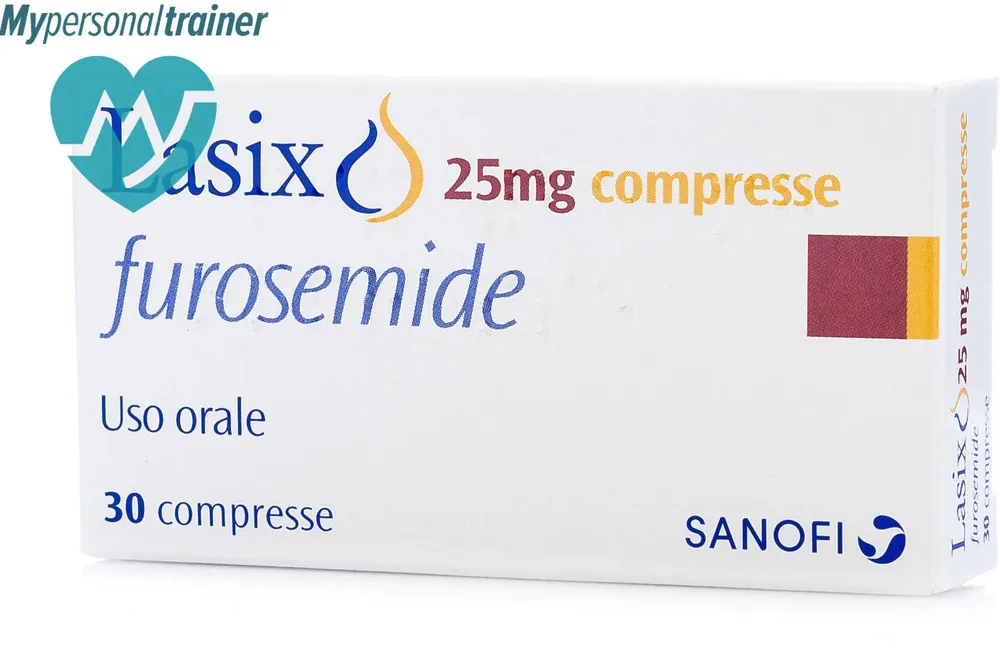
ItalyIt is a diuretic drug used to promote the elimination of excess fluids. It is prescribed to treat severe kidney function problems, shock states with circulatory problems, low urine production, and to reduce swelling (edema) caused by heart, liver, or kidney problems, or for slightly or moderately high blood pressure.
Frequently asked questions
How should Furosemide Hexal be taken?
The method of administration depends on the formulation: tablets should be taken on an empty stomach (preferably in the morning during breakfast), while the injectable solution must be administered intravenously by healthcare personnel via slow infusion or injection. The doctor will always determine the dose and duration of treatment based on health conditions.
When should you not take this medicine?
It must not be taken if you are allergic to the active substance or its components, if you are allergic to sulfonamides or sulfonylureas, if you are dehydrated or have reduced blood volume, if you are not urinating, if you have low levels of potassium or sodium in the blood, if you are in a state of coma or pre-coma with brain problems due to liver issues, if you are in the first three months of pregnancy or breastfeeding, or if you suffer from Addison's disease.
What are the side effects of Furosemide Hexal?
Very common side effects include dehydration, electrolyte abnormalities, decreased blood volume, and increased values in certain blood tests. Other effects may include the production of large amounts of urine, dizziness, muscle cramps, fatigue, hearing disturbances, or allergic reactions. In case of difficulty breathing or swelling of the face, tongue, or lips, you must consult a doctor immediately.
Are there any interactions with other medicines to be aware of?
Yes, it is essential to inform the doctor if you are taking other medicines. For example, it must not be used with chloral hydrate or certain antibiotics (aminoglycosides). Particular caution must be exercised if you are taking lithium salts, blood pressure medications (ACE inhibitors), diabetes medications, anti-inflammatories (NSAIDs), corticosteroids, or heart medications (digitalis), as they could alter its efficacy or increase its toxicity.
Is it possible to drive while taking this drug?
The medicine may alter the ability to drive vehicles or use machinery, as it can cause a decrease in blood pressure, reducing reflex readiness and the level of attention.
Instructions for use
Table of contents
- Furosemide Hexal 500 mg Tablets
- 1. What Furosemide Hexal is and what it is used for
- 2. What you should know before taking Furosemide Hexal
- 3. How to take Furosemide Hexal
- 4. Possible side effects
- 5. How to store Furosemide Hexal
- 6. Package contents and other information
- Package leaflet: information for the user
- Furosemide Hexal 20 mg/2 ml injectable solution
- 1. What Furosemide Hexal is and what it is used for
- 2. What you should know before using Furosemide Hexal
- 3. How to use Furosemide Hexal
- 4. Possible side effects
- 5. How to store Furosemide Hexal
- 6. Package contents and other information
- Package leaflet: Information for the user
- Furosemide Hexal 250 mg/25 ml solution for infusion
- 1. What Furosemide Hexal is and what it is used for
- 2. What you need to know before using Furosemide Hexal
- 3. How to use Furosemide Hexal
- 4. Possible side effects
- 5. How to store Furosemide Hexal
- 6. Package contents and other information
- The following information is intended exclusively for healthcare professionals:
Patient Information Leaflet: Instructions for the User
Furosemide Hexal 500 mg Tablets
Generic medicine
Please read this leaflet carefully before taking this medicine, as it contains
important information for you.
- Keep this leaflet. You may need to read it again.
- If you have any questions, ask your doctor or pharmacist.
- This medicine has been prescribed for you only. Do not give it to others, even if their symptoms are the same as yours, as it could be harmful.
- If you experience any side effects, including those not listed in this leaflet, contact your doctor or pharmacist. See section 4.
Contents of this leaflet:
- What Furosemide Hexal is and what it is used for
- What you need to know before taking Furosemide Hexal
- How to take Furosemide Hexal
- Possible side effects
- How to store Furosemide Hexal
- Package contents and other information
1. What Furosemide Hexal is and what it is used for
Furosemide Hexal contains the active substance furosemide, which belongs to a group of
medicines called diuretics used to promote the elimination of excess fluids.
Furosemide Hexal is indicated if any of the following conditions applies to you:
- if you suffer from severe problems with kidney function (e.g. acute renal failure in the postoperative phase and in case of septicemia, chronic renal failure in the predialytic and dialytic stage with fluid retention, chronic renal failure without fluid retention, severely impaired renal function such as in chronic glomerulonephritis and lupus erythematosus, Kimmelstiel-Wilson syndrome);
- if you are in a state of shock characterized by severe circulatory problems;
- poor urine output (severely impaired glomerular filtration).
Furosemide Hexal 500 mg tablets may also be used as maintenance therapy
in patients who have responded positively to treatment with high doses of furosemide
administered by infusion.
2. What you should know before taking Furosemide Hexal
Do not take Furosemide Hexal:
- if you are allergic to the active substance or to any of the other ingredients of this medicine (listed in section 6);
- if you are allergic to medicines called sulfonamides used for infections or to medicines called sulfonylureas used to treat diabetes;
- if you have a significantly reduced blood volume (hypovolemia) or are dehydrated;
- if you are not passing urine or your urine output is markedly reduced (renal failure with oliguria or anuria) and does not respond to treatment with medicines containing a substance called furosemide;
- if you have low levels of potassium (hypokalaemia) or sodium (hyponatraemia) in the blood;
- if you are in a pre-comatose or comatose state and have brain problems caused by liver damage (hepatic encephalopathy);
- if you have taken high doses of a heart medicine called digitalis;
- if you are in the first three months of pregnancy or are breastfeeding (see section “Pregnancy and breastfeeding”);
- if your body is unable to produce adequate amounts of adrenal hormones (Addison’s disease).
Do not take Furosemide Hexal if your kidney function is normal, as you may be at risk of significant fluid loss.
Warnings and precautions
Talk to your doctor or pharmacist before taking Furosemide Hexal.
Take this medicine under direct medical supervision.
Take Furosemide Hexal with caution and inform your doctor in the following cases:
- if you have problems emptying your bladder or suffer from conditions causing difficulty in passing urine (prostatic hyperplasia or urethral stenosis). In patients where urinary flow is obstructed, careful monitoring is required, especially at the beginning of therapy;
- if you suffer from low blood pressure (hypotension) or are at risk of excessive lowering of arterial blood pressure due to circulatory problems (significant narrowing of coronary arteries or blood vessels supplying the brain);
- if you suffer from diabetes (latent or overt diabetes mellitus). During treatment, your doctor will need to monitor your blood and urine sugar levels;
- if you suffer from a condition called gout, caused by accumulation of uric acid. During treatment, your doctor will need to monitor your blood uric acid levels;
- if you have severe liver or kidney problems (hepatorenal syndrome, for example, functional renal failure associated with severe liver disease);
- if you have low levels of protein in the blood (hypoproteinaemia);
- if you are at risk of electrolyte imbalances in the blood or have lost significant fluids (e.g. due to vomiting, diarrhoea, or excessive sweating). In such cases, your doctor will need to monitor your blood levels of sodium, potassium, and creatinine and may advise you to temporarily stop treatment with furosemide and follow appropriate therapy to restore normal electrolyte levels;
- if you are taking a medicine called risperidone, used to treat psychiatric disorders. Cases of death in elderly patients with dementia taking risperidone together with furosemide have been reported (see section “Other medicines and Furosemide Hexal”);
- if you suffer from a chronic autoimmune disease that can affect various organs and tissues of the body called systemic lupus erythematosus, taking this medicine could worsen your condition. The disease may also develop in individuals who have not previously been diagnosed;
- if you suffer from severe high blood pressure (severe hypertension), as you may need to take other medicines alongside furosemide to control your blood pressure;
- if you are elderly, taking other medicines that may lower blood pressure, or have other conditions that increase the risk of low blood pressure;
- if you have a disease of the adrenal glands (see section 2 “What you should know before taking Furosemide Hexal”).
To reduce the risk of low potassium levels in the blood, follow a potassium-rich diet (potatoes, bananas, oranges, tomatoes, spinach, and dried fruit) during treatment with Furosemide Hexal. Your doctor may also recommend potassium supplements if needed.
Your doctor will monitor your blood glucose levels, sugar in urine, and, if necessary, uric acid metabolism.
Your doctor should also correct any reduction in circulating blood volume, dehydration, and significant imbalances in blood electrolytes or acid-base balance. This may require temporary discontinuation of the medicine.
You are at risk of low potassium levels if:
- you have liver problems (hepatic cirrhosis);
- you suffer from chronic diarrhoea;
- you are in a condition with increased fluid loss (vomiting, diarrhoea, excessive sweating);
- you use laxatives for prolonged periods;
- you follow a diet low in potassium;
- you are taking medicines called mineralocorticoids, which regulate water and salt levels in the blood.
For sportspeople, using this medicine without therapeutic need constitutes doping and may lead to a positive anti-doping test.
Children
This medicine may cause kidney problems (nephrocalcinosis/nephrolithiasis) in premature infants.
Therefore, during treatment with Furosemide Hexal, your doctor should monitor your child’s kidney function.
Other medicines and Furosemide Hexal
Tell your doctor or pharmacist if you are taking, have recently taken, or might take any other medicines.
Do not take this medicine if you are taking:
- chloral hydrate, a sedative medicine. If furosemide is administered intravenously within 24 hours of taking chloral hydrate, it may cause skin flushing, sudden sweating, agitation, nausea, increased blood pressure, and rapid heartbeat (tachycardia);
- aminoglycoside antibiotics, medicines used to treat bacterial infections and other medicines that may cause ear damage. Furosemide Hexal may increase ototoxic effects in such cases.
Take Furosemide Hexal with caution and consult your doctor if you are taking any of the following medicines:
- cisplatin, a medicine used to treat certain cancers. When taken with furosemide, it may cause damage to the ears and kidneys;
- sucralfate, a medicine used to treat ulcers. Take sucralfate at least two hours apart from furosemide, as concomitant use may reduce its effect;
- lithium salts, medicines used to treat depression. Furosemide may increase lithium’s toxic effects; therefore, if both medicines are taken together, your doctor must closely monitor blood lithium levels;
- ACE inhibitors or angiotensin II receptor antagonists, medicines used to lower blood pressure. Your doctor will need to determine the appropriate furosemide dose and may advise temporary discontinuation;
- risperidone, a medicine used to treat psychiatric disorders (see section “Warnings and precautions”);
- levotiroxine (a medicine used to stimulate the thyroid gland): high doses of furosemide may lead to an overall reduction in thyroid hormone.
The concomitant use of the following medicines with furosemide should be carefully evaluated by your doctor, as they may reduce furosemide’s effect:
- Non-steroidal anti-inflammatory drugs (NSAIDs), including acetylsalicylic acid, medicines used to treat inflammation. If you are dehydrated or have low blood volume (hypovolemia), you may also develop kidney problems (acute renal failure);
- phenytoin, a medicine used to treat epilepsy;
- probenecid, a medicine used to treat gout;
- methotrexate, a medicine used to treat certain cancers.
The concomitant use of the following medicines with furosemide should be carefully evaluated by your doctor, as they may increase the toxicity of these medicines or alter their effectiveness:
- nephrotoxic medicines (those toxic to the kidneys);
- corticosteroids, medicines for inflammation, carbenoxolone, a medicine for ulcers, and laxatives used long-term, as they may increase the risk of low potassium levels in the blood;
- digitalis-based medicines, used for heart conditions. Furosemide may increase their toxic effects by altering magnesium and potassium levels in the blood;
- antihypertensives, medicines for high blood pressure, and diuretics, medicines that promote urine elimination, as a marked drop in blood pressure may occur;
- antidiabetics, medicines used to treat diabetes;
- sympathomimetics such as adrenaline and noradrenaline;
- curare-like muscle relaxants, used in anaesthesia;
- theophylline, used to treat asthma;
- antibiotics belonging to the cephalosporin class, medicines used against bacteria, as kidney damage may occur;
- cyclosporine A, a medicine used after transplantation, as it may increase the risk of uric acid accumulation;
- contrast agents, medicines used in certain diagnostic procedures, as kidney damage may occur;
- aliskiren (used to treat high blood pressure), which may reduce blood concentrations of orally administered furosemide.
Furosemide Hexal with food
Furosemide Hexal may rarely lead to decreased potassium levels in the blood; it is therefore important to follow a potassium-rich diet including potatoes, bananas, oranges, tomatoes, spinach, and dried fruit during treatment. Additionally, the therapeutic effect of Furosemide Hexal may be reduced if taken during meals; always take the medicine on an empty stomach (see also section “How to take Furosemide Hexal”).
If you consume large amounts of liquorice during treatment with this medicine, you may experience low potassium levels in the blood.
Pregnancy, breastfeeding, and fertility
Pregnancy
If you are pregnant, suspect you may be pregnant, planning a pregnancy, or breastfeeding, consult your doctor or pharmacist before taking this medicine.
Do not take Furosemide Hexal 500 mg tablets during the first three months of pregnancy. You may take it during the second and third trimesters only if strictly necessary and under direct medical supervision.
Breastfeeding
Furosemide is excreted in breast milk; therefore, discontinue breastfeeding during treatment with Furosemide Hexal.
Driving and using machines
This medicine may impair your ability to drive or operate machinery.
Do not drive or use machinery requiring special attention while taking this medicine, as it may cause low blood pressure, thereby reducing reflex responsiveness and alertness.
Furosemide Hexal contains lactose and sodium
If your doctor has diagnosed you with an intolerance to certain sugars, consult them before taking this medicine.
This medicine contains less than 1 mmol (23 mg) of sodium per tablet, i.e., essentially “sodium-free”.
3. How to take Furosemide Hexal
Take this medicine exactly as directed by your doctor or pharmacist. If you have any doubts, consult your doctor or pharmacist.
The dose used should be the lowest sufficient to achieve the desired effect.
Your doctor will determine the dose and duration of treatment depending on the condition being treated and your individual health status.
Treatment in case of chronic renal failure
Your doctor will determine the most appropriate dose for you based on your response to treatment (the effective dose will allow elimination of approximately 2.5 litres of urine).
The recommended starting dose at the beginning of treatment is ½ tablet of 500 mg.
If a satisfactory increase in urine production (diuresis) does not occur within 4–6 hours, your doctor will increase the initial dose by ½ tablet to be taken every 4–6 hours until the desired effect is achieved.
The maximum dose, which will be determined by your doctor, may range from 250 mg to 2 g (from ½ tablet to 4 tablets).
Maintenance therapy
The recommended dose for maintenance therapy in patients who have responded positively to high-dose furosemide administered parenterally (by intravenous infusion) is equal to the effective dose previously administered by infusion.
If a satisfactory increase in diuresis does not occur within 4–6 hours, your doctor will increase the dose by ½–1 tablet.
Instructions for use
Lasix 500 mg tablets should be taken with a little water in the morning during breakfast.
If you take more Furosemide Hexal than you should
In case of overdose, contact your doctor immediately or go to the nearest hospital emergency department.
Overdose with this medicine may cause reduction in blood volume (hypovolemia), dehydration, blood abnormalities (haemoconcentration), heart problems, cardiac arrhythmias (including A-V block and ventricular fibrillation). Symptoms may include severe drop in blood pressure (up to shock), severe kidney problems (acute renal failure), circulatory problems (thrombosis), muscle paralysis (flaccid paralysis), delirium, apathy, and confusion.
Depending on your condition, your doctor will initiate appropriate treatment.
If you forget to take Furosemide Hexal
Do not take a double dose to make up for the forgotten dose.
If you stop taking Furosemide Hexal
Consult your doctor if you intend to stop treatment.
If you have any questions about the use of this medicine, consult your doctor or pharmacist.
4. Possible side effects
Like all medicines, this medicine can cause side effects, although not everybody gets them.
Stop taking this medicine immediately and contact your doctor or nurse if you experience the
following: difficulty breathing or swallowing, swelling of the face, eyes, lips and/or tongue, skin
irritation: these may be symptoms of a severe allergic reaction (anaphylactic shock), which is rare.
The following side effects may occur:
Very common (may affect more than 1 in 10 people):
- dehydration;
- electrolyte level abnormalities;
- reduction in blood volume (hypovolemia), especially in elderly patients;
- increased levels in certain blood tests (creatinine and triglycerides).
Common (may affect up to 1 in 10 people):
- increased concentration of red blood cells in the blood (haemoconcentration);
- decreased levels of sodium, chloride, and potassium in the blood (hyponatraemia, hypochloraemia, hypokalaemia);
- increased uric acid levels in the blood (hyperuricaemia);
- increased cholesterol levels in blood tests;
- gout (joint inflammation causing pain and swelling);
- brain disturbances as a consequence of liver disorders (hepatic encephalopathy in patients with hepatocellular insufficiency);
- production of large amounts of urine (polyuria).
Uncommon (may affect up to 1 in 100 people):
- reduced number of platelets (thrombocytopenia);
- diabetes and worsening of pre-existing diabetes (impaired glucose tolerance, clinical manifestation of latent diabetes mellitus);
- heart rhythm problems (cardiac arrhythmias);
- drowsiness, headache (cephalalgia), dizziness, confusion;
- visual disturbances;
- dry mouth, nausea, intestinal problems (intestinal motility disorders);
- sudden, severe muscle pain caused by involuntary contraction of one or more muscles (cramps);
- muscle weakness (myasthenia);
- cramps, muscle spasms, involuntary muscle contractions and tremors (symptoms of a condition known as tetany);
- fatigue;
- itching, urticaria, skin irritation, blister formation on the skin and mucous membranes (symptoms of skin disorders such as bullous dermatitis, exfoliative dermatitis, erythema multiforme, or pemphigoid);
- appearance of small red or purple spots spread across the skin, with or without joint pain, muscle pain, weakness and fever (may be symptoms of inflammation of blood vessel walls, known as purpura);
- allergic reaction to sunlight, manifesting as skin irritation accompanied by itching (photosensitivity reaction);
- hearing disturbances (usually transient);
- deafness (sometimes irreversible).
Rare (may affect up to 1 in 1,000 people):
- reduced number of white blood cells (leucopenia), increased number of eosinophils (eosinophilia);
- altered sensation in limbs or other body parts (paraesthesia);
- allergic reactions, including severe reactions such as shock (anaphylactic and anaphylactoid reactions);
- severe kidney problems (interstitial nephritis);
- inflammation of blood vessels (vasculitis);
- vomiting;
- diarrhoea;
- fever.
Very rare (may affect less than 1 in 1,000 people):
- reduced haemoglobin concentrations (haemolytic anaemia), impaired production of blood cells (aplastic anaemia), severe reduction in white blood cells (agranulocytosis);
- ringing in the ears (tinnitus);
- inflammation of the pancreas (acute pancreatitis);
- impaired bile flow (cholestasis);
- increased levels of certain liver enzymes in the blood (transaminases).
Not known (frequency cannot be estimated from available data):
- formation of blood clots within blood vessels (thrombosis);
- onset or worsening of a chronic autoimmune disease affecting various organs and tissues, called systemic lupus erythematosus;
- severe skin damage (Stevens-Johnson syndrome, toxic epidermal necrolysis);
- decreased levels of calcium and magnesium in the blood (hypocalcaemia, hypomagnesaemia);
- acute febrile skin eruption due to medication (acute generalised exanthematous pustulosis (AGEP));
- skin rash caused by hypersensitivity (DRESS syndrome);
- problems with urination (urinary retention in patients with prostatic hypertrophy, urethral stenosis, or bladder emptying difficulties);
- increased sodium levels in urine tests;
- increased chloride levels in urine tests;
- increased blood pH (metabolic alkalosis);
- impaired kidney function (renal failure);
- dizziness, fainting and loss of consciousness (due to symptomatic hypotension);
- kidney stones (nephrolithiasis) or kidney calcifications (nephrocalcinosis) in preterm neonates;
- abnormal blood test results, fatigue, muscle weakness, diarrhoea, dehydration, increased thirst, increased urination, low blood pressure, irregular heartbeat (pseudo-Bartter syndrome);
- increased risk of heart abnormalities (patent ductus arteriosus) in preterm neonates receiving furosemide during the first weeks of life;
- increased blood urea levels;
- severe damage to skeletal muscle cells and release into the blood of substances contained in muscles (rhabdomyolysis), usually in the context of severe potassium deficiency in the blood;
- lichenoid reactions, characterised by small, itchy, reddish-purple polygonal lesions on the skin, genitals, or inside the mouth.
Reporting of side effects
If you experience any side effect, including those not listed in this leaflet, talk to your doctor or
pharmacist. You can also report side effects directly via the national reporting system at
www.aifa.gov.it/content/segnalazioni-reazioni-avverse.
By reporting side effects, you can help provide more information on the safety of this medicine.
5. How to store Furosemide Hexal
Keep this medicine out of the sight and reach of children.
Do not use this medicine after the expiry date which is stated on the packaging after "Exp.".
The expiry date refers to the last day of that month.
Store in the original packaging to protect the medicine from light.
Do not dispose of any medicine via wastewater or household waste. Ask your pharmacist how to dispose of medicines you no longer use. This will help protect the environment.
6. Package contents and other information
What Furosemide Hexal 500 mg tablets contains
- The active substance is furosemide. One tablet contains 500 mg of furosemide.
- The other ingredients are: microcrystalline cellulose, corn starch, sodium carboxymethylcellulose, hydroxypropylcellulose, monohydrate lactose, magnesium stearate.
Description of the appearance of Furosemide Hexal and pack contents
Carton pack containing 20 tablets of 500 mg.
Marketing Authorization Holder
Sandoz S.p.A. -
Viale Luigi Sturzo 43
20154 Milan - Italy
Manufacturer
Salutas Pharma GmbH - Otto-von-Guericke-Allee, 1 - 39179 Barleben (Germany)
Package leaflet: information for the user
Furosemide Hexal 20 mg/2 ml injectable solution
Generic Medicine
Please read this leaflet carefully before using this medicine as it contains important information for you.
- Keep this leaflet. You may need to read it again.
- If you have any questions, consult your doctor, pharmacist or nurse.
- This medicine has been prescribed for you only. Do not give it to others, even if their symptoms are the same as yours, as it may be harmful.
- If you experience any side effect, including those not listed in this leaflet, inform your doctor, pharmacist or nurse. See section 4.
Contents of this leaflet:
- What Furosemide Hexal is and what it is used for
- What you need to know before using Furosemide Hexal
- How to use Furosemide Hexal
- Possible side effects
- How to store Furosemide Hexal
- Contents of the pack and other information
1. What Furosemide Hexal is and what it is used for
Furosemide Hexal contains the active substance furosemide, which belongs to a group of medicines
called diuretics used to promote the elimination of excess fluids.
Furosemide Hexal is indicated for the treatment of:
- all forms of swelling due to fluid accumulation (edema and peripheral edema) caused by heart, liver, or kidney problems, or by obstruction of an organ or blood vessels;
- mild to moderate high blood pressure.
2. What you should know before using Furosemide Hexal
Do not use Furosemide Hexal:
- if you are allergic to the active substance or to any of the other ingredients of this medicine (listed in section 6);
- if you are allergic to medicines called sulfonamides used for infections or to medicines called sulfonylureas used for the treatment of diabetes;
- if your body is unable to produce adequate amounts of adrenal hormones (Addison's disease);
- if you have severely reduced blood volume (hypovolemia) or are dehydrated;
- if you are not passing urine or your urine output is markedly reduced (renal failure with oliguria or anuria) and does not respond to treatment with medicines containing a substance called furosemide;
- if you have low levels of potassium (hypokalaemia) or sodium (hyponatraemia) in the blood;
- if you are in a pre-comatose or comatose state and have brain problems caused by liver damage (hepatic encephalopathy);
- if you have taken high doses of a heart medicine called digitalis;
- if you are in the first three months of pregnancy or are breastfeeding (see section “Pregnancy and breastfeeding”).
Warnings and precautions
Talk to your doctor, pharmacist, or nurse before using Furosemide Hexal.
Take this medicine under the direct supervision of a doctor.
Furosemide Hexal must be administered with caution in the following cases:
- if you have problems emptying your bladder or suffer from diseases causing difficulty in eliminating urine (prostatic hyperplasia or urethral stenosis). In patients in whom urinary flow is obstructed, careful monitoring is required, especially at the beginning of treatment;
- if you suffer from low blood pressure or are at risk of excessive lowering of arterial blood pressure due to circulatory problems (significant narrowing of coronary arteries or blood vessels supplying the brain);
- if you suffer from diabetes (latent or overt diabetes mellitus). During treatment, your doctor will need to monitor sugar levels in your blood and urine;
- if you suffer from a disease called gout, caused by accumulation of uric acid. During treatment, your doctor will need to monitor uric acid levels in your blood;
- if you have severe liver or kidney problems (hepatorenal syndrome, for example with functional renal failure associated with severe hepatopathy);
- if you have low levels of protein in the blood (hypoproteinaemia);
- if you are at risk of imbalances in blood salt (electrolyte) levels or have lost large amounts of fluid (e.g. due to vomiting, diarrhoea, or excessive sweating). In such cases, your doctor will need to monitor your blood levels of sodium, potassium, and creatinine, and may advise you to temporarily stop treatment with furosemide and follow appropriate therapy to restore normal electrolyte levels;
- if you are taking a medicine called risperidone, used to treat psychiatric disorders. Cases of death have been reported in elderly patients with dementia who were taking risperidone together with furosemide (see section “Other medicines and Furosemide Hexal”);
- if you suffer from a chronic autoimmune disease that can affect various organs and tissues of the body called systemic lupus erythematosus, taking this medicine may worsen your condition. The disease may also be triggered in individuals in whom it was not previously established.
- if you suffer from severe high blood pressure (severe forms of hypertension), because in this case you will need to take other medicines together with furosemide to control your blood pressure;
- if you are elderly, if you are taking other medicines that may lower blood pressure, or if you suffer from other conditions that increase the risk of low blood pressure;
- if you have an adrenal gland disorder (see section 2 “What you should know before taking Furosemide Hexal”).
To reduce the risk of low potassium levels in the blood, during treatment with
Furosemide Hexal follow a diet rich in potassium (potatoes, bananas, oranges, tomatoes, spinach, and
dried fruit). Your doctor may also recommend potassium supplements if necessary.
Your doctor must correct any reduction in circulating blood volume, dehydration, and any significant
imbalance in mineral salt levels and blood acidity or alkalinity. This may require a temporary
interruption of treatment.
Your doctor will monitor your blood glucose, urine sugar levels, and, if necessary, uric acid metabolism.
You are at risk of low potassium levels:
- if you have liver problems (hepatic cirrhosis);
- if you suffer from chronic diarrhoea;
- if you are in a condition with increased fluid loss (vomiting, diarrhoea, excessive sweating);
- if you use laxatives for prolonged periods;
- if you follow a diet low in potassium;
- if you are taking medicines called mineralocorticoids, which regulate water and salt levels in the blood.
For those engaged in sports, the use of this medicine without therapeutic need constitutes doping and
may result in a positive anti-doping test.
Children
This medicine may cause kidney problems (nephrocalcinosis/nephrolithiasis) in premature newborns.
Therefore, during treatment with Furosemide Hexal, your doctor must monitor your child’s kidney function.
Other medicines and Furosemide Hexal
Inform your doctor, pharmacist, or nurse if you are taking, have recently taken, or might take any other medicines.
Furosemide Hexal must not be administered if you are taking any of the following
medicines:
- chloral hydrate, a sedative medicine. If furosemide is injected intravenously within 24 hours of taking chloral hydrate, it may cause skin flushing, sudden sweating, agitation, nausea, increased blood pressure, and increased heart rate (tachycardia);
- aminoglycosides, medicines used against bacterial infections and other medicines that may cause ear damage. Furosemide Hexal may increase ototoxic effects in such cases.
Furosemide Hexal must be administered with caution if you are taking any of the following
medicines:
- cisplatin, a medicine used to treat certain tumours. When taken together with furosemide, it may cause damage to the ear and kidneys;
- sucralfate, a medicine used to treat ulcers. Take sucralfate at least two hours apart from furosemide, as simultaneous use may reduce its effect;
- lithium salts, medicines used to treat depression. Furosemide may increase lithium toxicity, so if both medicines are taken together, your doctor must closely monitor lithium blood levels;
- ACE inhibitors or angiotensin II receptor antagonists, medicines used to lower blood pressure. In such cases, your doctor will determine the appropriate furosemide dose and may advise temporarily stopping treatment;
- risperidone, a medicine used to treat psychiatric disorders (see section “Warnings and precautions”);
- levotiroxine (a medicine used to stimulate the thyroid): high doses of furosemide may lead to an overall decrease in thyroid hormone.
The concomitant use of the following medicines with furosemide must be carefully evaluated by your
doctor, as they may reduce the effect of furosemide:
- Non-steroidal anti-inflammatory drugs (NSAIDs), including acetylsalicylic acid, medicines used to treat inflammation. If you are dehydrated or have low blood volume (hypovolemia), you may also develop kidney problems (renal failure);
- phenytoin, a medicine used to treat epilepsy;
- probenecid, a medicine used to treat gout;
- methotrexate, a medicine used to treat certain tumours.
The concomitant use of the following medicines with furosemide must be carefully evaluated by your
doctor, as they may increase the toxic effects of these medicines or alter their efficacy:
- nephrotoxic medicines (toxic to the kidneys);
- corticosteroids, medicines for inflammation, carbenoxolone, a medicine for ulcers, and laxatives used long-term, because they may increase the risk of low potassium levels in the blood;
- digitalis-containing medicines, used for heart conditions. Furosemide may increase their toxicity by altering magnesium and potassium levels in the blood;
- antihypertensives, medicines used to treat high blood pressure, and diuretics, medicines that promote urine elimination, because a marked drop in blood pressure may occur;
- antidiabetics, medicines used to treat diabetes;
- sympathomimetics such as adrenaline and noradrenaline;
- curare-like muscle relaxants, used in anaesthesia;
- theophylline, used to treat asthma;
- antibiotics belonging to the cephalosporin class, medicines used against bacteria, because kidney damage may occur;
- cyclosporine A, a medicine used after transplantation, because risks of uric acid accumulation may increase;
- contrast media, medicines used in certain diagnostic tests, because kidney damage may occur;
- aliskiren (used to treat high blood pressure): it may reduce blood concentrations of orally administered furosemide. Effects of aliskiren on intravenous furosemide solution have not been studied.
Furosemide Hexal with food
If you consume large amounts of liquorice during treatment with this medicine, you may
experience low potassium levels in the blood. It is important that you follow a diet rich in this mineral,
consuming potatoes, bananas, oranges, tomatoes, spinach, and dried fruit, during treatment.
Pregnancy and breastfeeding
If you are pregnant, suspect you may be pregnant, planning a pregnancy, or breastfeeding, consult your
doctor or pharmacist before using this medicine.
Pregnancy
Do not take Furosemide Hexal 20 mg/2 ml injectable solution during the first three months of pregnancy.
During the second and third trimesters, it may be administered only if strictly necessary and under direct
medical supervision.
Breastfeeding
Furosemide is excreted in breast milk; therefore, breastfeeding must be discontinued during
treatment with Furosemide Hexal.
Driving and using machines
This medicine may affect your ability to drive or operate machinery.
Do not drive or operate machinery requiring high concentration while taking this
medicine, as it may cause low blood pressure, thereby reducing reflex speed and alertness.
Furosemide Hexal contains sodium
1 ampoule of Furosemide Hexal 20 mg/2 ml contains less than 1 mmol (23 mg) of sodium, i.e. it is practically “sodium-free”.
3. How to use Furosemide Hexal
You must be given this medicine exactly as directed by your
doctor, pharmacist, or nurse. If you have any doubts, consult your doctor, pharmacist, or nurse.
Your doctor will determine the dose, duration of treatment, method, and rate of injection depending
on the condition being treated and on your individual health status.
The recommended dose is 20 mg (1 vial), 1–2 times daily, as prescribed by your doctor.
The dose used should be the lowest sufficient to achieve the desired effect.
Method of administration
Furosemide Hexal is normally administered by intravenous injection or slow infusion; the infusion rate
will be carefully determined by the doctor or nurse, particularly in patients with severe kidney disorders.
Patients with kidney or liver disorders
In case of kidney disease (low glomerular filtration rate) or liver disease (hepatic cirrhosis), or if both
kidneys and liver are inadequately functioning, your doctor may adjust the dose.
In exceptional cases (i.e., when administration of the medicine is not possible either intravenously or
orally), Furosemide Hexal may be administered by intramuscular injection.
If you are given more Furosemide Hexal than you should
If you think you have been given too high a dose of this medicine, contact your doctor immediately or
go to the nearest hospital emergency department.
Overdose with this medicine may lead to reduced blood volume (hypovolemia), dehydration, blood
concentration (haemoconcentration), heart problems, cardiac arrhythmias (including A-V block and
ventricular fibrillation). Symptoms may include severe drop in blood pressure (down to shock), severe
kidney problems (acute renal failure), blood circulation problems (thrombosis), muscle paralysis
(flaccid paralysis), delirium, apathy, or confusion.
Depending on your condition, your doctor will decide on appropriate treatment.
If you stop treatment with Furosemide Hexal
Ask your doctor for advice if you intend to discontinue treatment.
If you have any doubts about how to use this medicine, consult your doctor, pharmacist, or nurse.
4. Possible side effects
Like all medicines, this medicine can cause side effects, although not everybody gets them.
Stop treatment with this medicine immediately and contact your doctor or nurse if you experience any of the following symptoms: difficulty breathing or swallowing, swelling of the face, eyes, lips and/or tongue, skin irritation: these may be symptoms of a severe allergic reaction (anaphylactic shock), which is rare.
The following side effects may occur:
Very common (may affect more than 1 in 10 people):
- dehydration;
- abnormalities in electrolyte levels;
- reduction in blood volume (hypovolaemia);
- increased levels in certain blood tests (creatinine and triglycerides);
- decreased blood pressure (hypotension) or dizziness upon standing due to low blood pressure (orthostatic hypotension).
Common (may affect up to 1 in 10 people):
- increased concentration of red blood cells in the blood (haemoconcentration);
- decreased levels of sodium, chloride, and potassium in the blood (hyponatraemia, hypochloraemia, hypokalaemia);
- increased uric acid levels in the blood (hyperuricaemia);
- increased cholesterol levels in blood tests;
- gout (inflammation of the joints causing pain and swelling);
- brain disorders as a consequence of liver problems (hepatic encephalopathy);
- production of large amounts of urine (polyuria).
Uncommon (may affect up to 1 in 100 people):
- reduced number of platelets (thrombocytopenia);
- diabetes and worsening of pre-existing diabetes (impaired glucose tolerance, clinical manifestation of latent diabetes mellitus);
- heart rhythm problems (cardiac arrhythmias);
- drowsiness, headache (cephalalgia), dizziness, confusion;
- visual disturbances;
- dry mouth, nausea, intestinal problems (intestinal motility disorders);
- sudden, severe muscle pain caused by involuntary contraction of one or more muscles (cramps);
- muscle weakness (myasthenia);
- muscle cramps, spasms, involuntary muscle contractions and tremors (symptoms of a condition known as tetany);
- fatigue;
- itching, urticaria, skin irritation, blister formation on the skin and mucous membranes (symptoms of skin diseases such as bullous dermatitis, exfoliative dermatitis, erythema multiforme or pemphigoid);
- appearance of small red or purplish spots on the skin, with or without joint and muscle pain, weakness and fever (may be symptoms of inflammation of blood vessel walls, known as purpura);
- allergic reaction to sunlight, presenting as skin irritation accompanied by itching (photosensitivity reaction);
- hearing disturbances (usually transient);
- low levels of protein in the blood (hypoproteinaemia);
- deafness (sometimes irreversible).
Rare (may affect up to 1 in 1,000 people):
- reduced number of white blood cells (leucopenia), increased number of eosinophils (eosinophilia);
- altered sensation in limbs or other parts of the body (paraesthesia);
- allergic reactions, even severe, including shock (anaphylactic and anaphylactoid reactions);
- serious kidney problems (interstitial nephritis);
- inflammation of blood vessels (vasculitis);
- vomiting;
- diarrhoea;
- fever.
Very rare (may affect less than 1 in 10,000 people):
- reduced haemoglobin concentrations (haemolytic anaemia), impaired production of blood cells (aplastic anaemia), severe reduction in white blood cells (agranulocytosis);
- ringing in the ears (tinnitus);
- inflammation of the pancreas (acute pancreatitis);
- impaired bile flow (cholestasis);
- increased levels of certain liver enzymes in the blood (transaminases).
Not known (frequency cannot be estimated from available data):
- formation of blood clots within blood vessels (thrombosis);
- onset or worsening of a chronic autoimmune disease affecting various organs and tissues of the body, called Systemic Lupus Erythematosus;
- severe skin damage (Stevens-Johnson syndrome, toxic epidermal necrolysis);
- decreased levels of calcium and magnesium in the blood (hypocalcaemia, hypomagnesaemia);
- acute febrile skin eruption due to medication (acute generalised exanthematous pustulosis (AGEP));
- skin rash caused by hypersensitivity (DRESS syndrome);
- problems with urination (urinary retention in patients with prostatic hypertrophy, urethral stenosis or difficulty in bladder emptying);
- increased sodium levels in urine tests;
- increased chloride levels in urine tests;
- increased blood pH (metabolic alkalosis);
- impaired kidney function (renal failure);
- dizziness, fainting and loss of consciousness (due to symptomatic hypotension);
- kidney stones (nephrolithiasis) or kidney calcifications (nephrocalcinosis) in preterm neonates;
- abnormal blood test results, fatigue, muscle weakness, diarrhoea, dehydration, increased thirst, increased urination, low blood pressure, irregular heartbeat (pseudo-Bartter syndrome);
- increased risk of heart abnormalities (patent ductus arteriosus) in premature infants receiving furosemide during the first weeks of life;
- increased urea levels in blood tests;
- severe damage to skeletal muscle cells and release into the blood of substances contained in muscles (rhabdomyolysis), usually in the context of severe potassium deficiency in the blood;
- local reactions such as pain at the injection site;
- lichenoid reactions, characterised by small, itchy, reddish-purple, polygon-shaped lesions on the skin, genitals or in the mouth.
Reporting of side effects
If you experience any side effect, including those not listed in this leaflet, talk to your doctor or pharmacist. You may also report side effects directly via the national reporting system at the following website:
http://www.aifa.gov.it/content/segnalazioni-reazioni-avverse.
By reporting side effects, you can help provide more information on the safety of this medicine.
5. How to store Furosemide Hexal
Keep this medicine out of the sight and reach of children.
Do not use this medicine after the expiry date stated on the pack after "Exp.".
The expiry date refers to the last day of that month.
Store in the original packaging to protect the medicine from light.
Do not refrigerate or freeze.
Do not dispose of medicines via wastewater or household waste. Ask your pharmacist how to
dispose of medicines no longer in use. This will help protect the environment.
6. Package contents and other information
What Furosemide Hexal 20 mg/2 ml injectable solution contains
- The active substance is furosemide. One 2 ml vial contains 20 mg of furosemide.
- The other components are: sodium hydroxide, sodium chloride, sodium hydroxide solution 5 N, water for injections.
Description of the appearance of Furosemide Hexal and pack contents
Pack containing 5 vials of 2 ml.
Marketing Authorization Holder
Sandoz S.p.A.
Viale Luigi Sturzo 43
20154 Milan
Italy
Manufacturer
Salutas Pharma GmbH - Otto-von-Guericke Allee, 1 - D-39179 Barleben (Germany)
Lek farmacevtska družba d.d. (Lek Pharmaceuticals d.d.) Verovskova 57 - SI-1526 Ljubljana (Slovenia)
The following information is intended exclusively for physicians or healthcare professionals:
Administration instructions for the medicinal product
Injection/infusion
Intravenous furosemide must be administered slowly by injection or infusion, not exceeding a rate of
4 mg/minute. In patients with severe renal impairment
(serum creatinine > 5 mg/dL), a maximum infusion rate of 2.5 mg
per minute is recommended.
Intramuscular injection
Intramuscular administration should be limited to exceptional circumstances, when neither intravenous nor oral administration is feasible.
It should be emphasized that intramuscular injection is not suitable for the treatment of acute conditions, such as pulmonary edema.
Incompatibilities
Furosemide, as an anthranilic acid derivative, dissolves in alkaline environments forming a salt. The solution has a pH of approximately 9 and has no buffering effect; the active substance precipitates below pH 7. Therefore, it should be noted that Furosemide Hexal may be mixed with alkaline or neutral solutions or weakly acidic solutions with modest buffering capacity, for example isotonic saline solution and Ringer's solution, strophanthin solution, and neutral glucose solution.
Acidic solutions, especially those with high buffering capacity, must not be mixed with Furosemide Hexal.
Moreover, salts of organic bases in solution (e.g. local anesthetics, alkaloids, sedatives and antihistamines) may precipitate when combined with Furosemide Hexal solution.
Furosemide Hexal must not be mixed with other medicinal products in the same syringe.
After dilution, the solution should be used as soon as possible. Infusion solutions should be used immediately after preparation.
Package leaflet: Information for the user
Furosemide Hexal 250 mg/25 ml solution for infusion
Generic Medicine
Please read this leaflet carefully before using this medicine as it contains important information for you.
- Keep this leaflet. You may need to read it again.
- If you have any questions, ask your doctor, pharmacist, or nurse.
- This medicine has been prescribed for you only. Do not give it to other people, even if their symptoms are the same as yours, as it may be harmful.
- If you experience any side effects, including those not listed in this leaflet, contact your doctor, pharmacist, or nurse. See section 4.
Contents of this leaflet:
- What Furosemide Hexal is and what it is used for
- What you need to know before using Furosemide Hexal
- How to use Furosemide Hexal
- Possible side effects
- How to store Furosemide Hexal
- Package contents and other information
1. What Furosemide Hexal is and what it is used for
Furosemide Hexal contains the active substance furosemide, which belongs to a group of medicines
called diuretics used to promote the elimination of excess fluid.
Furosemide Hexal is indicated if you have any of the following conditions:
- if you suffer from severe kidney function problems (e.g. acute renal failure in the postoperative phase and in septicemia, chronic renal failure in the pre-dialysis and dialysis stages with fluid retention, chronic renal failure without fluid retention, severely impaired renal function as in chronic glomerulonephritis and lupus erythematosus, Kimmelstiel-Wilson syndrome);
- if you are in a state of shock characterized by severe circulatory problems.
2. What you need to know before using Furosemide Hexal
Do not use Furosemide Hexal:
- if you are allergic to the active substance or to any of the other ingredients of this medicine (listed in section 6);
- if your body is unable to produce adequate amounts of adrenal hormones (Addison's disease);
- if you are allergic to medicines called sulfonamides used for infections or to medicines called sulfonylureas used to treat diabetes;
- if you have a severely reduced blood volume (hypovolemia) or are dehydrated;
- if you are not passing urine or your urine output is significantly reduced (renal failure with oliguria or anuria) and does not respond to treatment with medicines containing a substance called furosemide;
- if you have low levels of potassium (hypokalaemia) or sodium (hyponatraemia) in your blood;
- if you are in a pre-comatose or comatose state and have brain problems caused by liver damage (hepatic encephalopathy);
- if you have taken high doses of a heart medicine called digitalis;
- if you are in the first three months of pregnancy or are breastfeeding (see section “Pregnancy and breastfeeding”).
If your kidney function is normal, do not take Furosemide Hexal, as you may be at risk of significant fluid loss.
Warnings and precautions
Talk to your doctor, pharmacist, or nurse before using Furosemide Hexal.
Take this medicine under direct medical supervision.
Furosemide Hexal must be administered with caution in the following cases:
- if you have problems emptying your bladder or suffer from conditions causing difficulty in eliminating urine (prostatic hyperplasia or urethral stenosis). In individuals where urinary flow is obstructed, careful monitoring is required, especially at the beginning of therapy;
- if you suffer from low blood pressure or are at risk of excessive drop in arterial blood pressure due to circulatory problems (significant narrowing of coronary arteries or blood vessels supplying the brain);
- if you suffer from diabetes (latent or overt diabetes mellitus). During treatment, your doctor will need to monitor glucose levels in your blood and urine;
- if you suffer from a condition called gout, caused by accumulation of uric acid. During treatment, your doctor will need to monitor uric acid levels in your blood;
- if you have severe liver or kidney problems (hepatorenal syndrome, for example, functional renal failure associated with severe liver disease);
- if you have low levels of protein in your blood (hypoproteinaemia);
- if you are at risk of electrolyte imbalances in the blood or have lost significant amounts of fluids (e.g. due to vomiting, diarrhoea, or excessive sweating). In such cases, your doctor will need to monitor your blood levels of sodium, potassium, and creatinine and may advise you to temporarily discontinue furosemide treatment and follow appropriate therapy to restore normal electrolyte levels;
- if you are taking a medicine called risperidone, used to treat psychiatric disorders. Cases of death in elderly patients with dementia taking risperidone together with furosemide have been reported (see section “Other medicines and Furosemide Hexal”);
- if you suffer from a chronic autoimmune disease that can affect various organs and tissues of the body called systemic lupus erythematosus, taking this medicine may worsen your condition. The disease may also develop in individuals who have not previously been diagnosed.
- if you suffer from severe high blood pressure (severe forms of hypertension), as you may need to take other medicines together with furosemide to control your blood pressure;
- if you are elderly, taking other medicines that may lower blood pressure, or have other conditions that increase the risk of low blood pressure;
- if you have an adrenal gland disorder (see section 2 “What you need to know before taking Furosemide Hexal”).
To reduce the risk of low potassium levels in the blood, during treatment with
Furosemide Hexal follow a diet rich in potassium (potatoes, bananas, oranges, tomatoes, spinach, and dried fruit). Your doctor may also prescribe medicines to restore normal potassium levels in your blood if necessary.
Your doctor will monitor your blood glucose levels, urinary glucose, and, if needed, your uric acid metabolism.
Your doctor must also correct any reduction in circulating blood volume, dehydration, and any significant disturbances in mineral balance or blood pH (acid-base balance). This may require temporary discontinuation of the medicine.
You are at risk of low potassium levels if:
- you suffer from liver problems (hepatic cirrhosis);
- you suffer from chronic diarrhoea;
- you are in a condition with increased fluid loss (vomiting, diarrhoea, excessive sweating);
- you use laxatives for prolonged periods;
- you follow a diet low in potassium;
- you are taking medicines called mineralocorticoids, which regulate water and salt levels in the blood.
For those engaged in sports, using this medicine without therapeutic need constitutes doping and may result in a positive anti-doping test.
Children
This medicine may cause kidney problems (nephrocalcinosis/nephrolithiasis) in premature newborns.
Therefore, during treatment with Furosemide Hexal, your doctor must monitor your child’s kidney function.
Other medicines and Furosemide Hexal
Inform your doctor, pharmacist, or nurse if you are taking, have recently taken, or might take any other medicines.
Furosemide Hexal must not be administered if you are taking any of the following medicines:
- chloral hydrate, a sedative medicine. If furosemide is administered intravenously within 24 hours of taking chloral hydrate, it may cause skin flushing, sudden sweating, agitation, nausea, increased blood pressure, and increased heart rate (tachycardia);
- aminoglycosides, medicines used against bacterial infections and other medicines that may cause ear damage. Furosemide Hexal may increase ototoxic (ear-damaging) effects in such cases.
Furosemide Hexal should be administered with caution if you are taking any of the following medicines:
- cisplatin, a medicine used to treat certain tumours. When taken together with furosemide, it may cause damage to the ears and kidneys;
- sucralfate, a medicine used to treat ulcers. Take sucralfate at least two hours apart from furosemide, as simultaneous administration may reduce its effect;
- lithium salts, medicines used to treat depression. Furosemide may increase lithium’s toxic effects; therefore, if both medicines are taken together, your doctor must closely monitor lithium blood levels;
- ACE inhibitors or angiotensin II receptor antagonists, medicines used to lower blood pressure. Your doctor will need to determine the appropriate furosemide dose and may advise you to discontinue its administration;
- risperidone, a medicine used for mental disorders (see section “Warnings and precautions”);
- levotiroxine (a medicine used to stimulate the thyroid gland): high doses of furosemide may lead to an overall decrease in thyroid hormone.
The concomitant use of the following medicines with furosemide must be carefully evaluated by your doctor, as they may reduce the effect of furosemide:
- Non-steroidal anti-inflammatory drugs (NSAIDs), including acetylsalicylic acid, medicines used to treat inflammation. If you are dehydrated or have low blood volume (hypovolemia), you may also develop kidney problems (acute renal failure);
- phenytoin, a medicine used to treat epilepsy;
- probenecid, a medicine used to treat gout;
- methotrexate, a medicine used to treat certain tumours.
The concomitant use of the following medicines with furosemide must be carefully evaluated by your doctor, as they may increase the toxic effects of these medicines or alter their effectiveness:
- nephrotoxic medicines (toxic to the kidneys);
- corticosteroids, medicines for inflammation, carbenoxolone, a medicine for ulcers, and laxatives used long-term, as they may increase the risk of low potassium levels in the blood;
- digitalis-based medicines, used for heart conditions. Furosemide may increase their toxic effects by altering magnesium and potassium levels in the blood;
- antihypertensives, medicines for high blood pressure, and diuretics, medicines that promote urine elimination, as a marked drop in blood pressure may occur;
- antidiabetics, medicines used to treat diabetes;
- sympathomimetics such as adrenaline and noradrenaline;
- curare-like muscle relaxants, used in anaesthesia;
- theophylline, used to treat asthma;
- antibiotics belonging to the cephalosporin class, medicines used against bacteria, as they may cause kidney damage;
- cyclosporine A, a medicine used after transplantation, as it may increase the risk of uric acid accumulation;
- contrast media, medicines used in certain diagnostic tests, as they may cause kidney damage;
- aliskiren (used to treat high blood pressure), which may reduce furosemide blood concentrations when administered orally.
Furosemide Hexal with food
If you consume large amounts of liquorice during treatment with this medicine, you may experience a decrease in blood potassium levels. It is important that you follow a diet rich in this mineral by consuming potatoes, bananas, oranges, tomatoes, spinach, and dried fruit during treatment.
Pregnancy, breastfeeding and fertility
If you are pregnant, suspect you may be pregnant, planning a pregnancy, or breastfeeding, consult your doctor or pharmacist before using this medicine.
Pregnancy
Do not take Furosemide Hexal 250 mg/25 ml infusion solution during the first three months of pregnancy. In the second and third trimesters, it may be administered only if strictly necessary and under direct medical supervision.
Breastfeeding
Furosemide is excreted in breast milk; therefore, interrupt breastfeeding during treatment with Furosemide Hexal.
Driving and using machines
This medicine may impair your ability to drive or operate machinery.
Do not drive or use machinery requiring high concentration while taking this medicine, as it may cause low blood pressure, thereby reducing reflex responsiveness and attention levels.
Furosemide Hexal contains sodium
This medicine contains 35.65 mg of sodium (the main component of table salt) per vial.
This corresponds to 1.82% of the maximum daily recommended dietary intake for an adult.
3. How to use Furosemide Hexal
You must be given this medicine exactly as directed by your
doctor, pharmacist, or nurse. If you have any doubts, consult your doctor, pharmacist, or nurse.
The dose used should be the lowest sufficient to achieve the desired effect.
Your doctor will determine the dose, duration of treatment, method, and rate of injection depending on
the condition being treated and your individual health status.
The medicine must be administered intravenously through an appropriate device.
The recommended initial dose at the start of treatment is 1 vial appropriately diluted in 250 ml of
infusion solution. An increase in urine output (diuresis) should occur already
during the infusion, which will last approximately 1 hour.
If a satisfactory increase in diuresis is not achieved, one hour after completion of the first
administration, a second infusion may be given with 2 vials of Lasix appropriately
diluted in infusion solution. The duration of this administration will be determined by
healthcare personnel based on your condition.
If the desired effect is still not achieved after the second administration, one hour after the end of the
second administration, a third infusion may be performed with 4 vials of
Furosemide Hexal appropriately diluted in infusion solution.
If no effect is obtained even after the third administration, your doctor will
consider whether to proceed with dialysis.
If you are a patient with hypervolemia (excessive blood volume), Furosemide Hexal
250 mg/25 ml solution for infusion may be administered without prior dilution in infusion
solution, in order to avoid administering an excessive amount of fluid (hyperhydration).
The duration of this administration must be carefully regulated by healthcare personnel.
Patients with renal impairment
In case of kidney disease, your doctor may adjust the dose.
Method of administration
Furosemide Hexal 250 mg/25 ml solution for infusion is administered intravenously (into a vein) by slow
infusion only by healthcare professionals, who will regulate the infusion rate and dilute the contents of the
vial in an appropriate infusion solution. No other medicines should be added to this solution.
Solutions for infusion of Lasix must be used immediately after dilution.
If you are given more Furosemide Hexal than you should be
If you think you have been given an excessive dose of this medicine, contact your
doctor immediately or go to the nearest hospital emergency department.
Overdose with this medicine may cause decreased blood volume (hypovolemia), dehydration, blood
concentration (hemoconcentration), heart problems, cardiac arrhythmias (including A-V block and
ventricular fibrillation). Symptoms may include severe drop in blood pressure (up to shock), severe
kidney problems (acute renal failure), circulatory problems (thrombosis), muscle paralysis (flaccid
paralysis), delirium, apathy, and confusion.
Depending on your condition, your doctor will decide on appropriate treatment.
If you have any doubts about how to use this medicine, consult your doctor, pharmacist, or nurse.
4. Possible side effects
Like all medicines, this medicine can cause side effects, although not everybody will get them.
Stop taking this medicine and contact your doctor or nurse immediately if you experience any of the following: difficulty breathing or swallowing, swelling of the face, eyes, lips and/or tongue, skin irritation: these may be symptoms of a serious allergic reaction (anaphylactic shock), which is rare.
The following side effects may occur:
Very common (may affect more than 1 in 10 people):
- dehydration;
- abnormalities in electrolyte levels;
- reduction in blood volume (hypovolemia);
- increased values in certain blood tests (creatinine and triglycerides);
- decreased blood pressure (hypotension) or dizziness upon standing due to low blood pressure (orthostatic hypotension).
Common (may affect up to 1 in 10 people):
- increased concentration of red blood cells in the blood (haemoconcentration);
- decreased levels of sodium, chloride, and potassium in the blood (hyponatraemia, hypochloraemia, hypokalaemia);
- increased uric acid levels in the blood (hyperuricaemia);
- increased cholesterol values in blood tests;
- gout (joint inflammation causing pain and swelling);
- brain disturbances as a consequence of liver disorders (hepatic encephalopathy);
- production of large amounts of urine (polyuria).
Uncommon (may affect up to 1 in 100 people):
- reduced number of platelets (thrombocytopenia);
- diabetes and worsening of pre-existing diabetes (impaired glucose tolerance, clinical manifestation of latent diabetes mellitus);
- heart rhythm problems (cardiac arrhythmias);
- drowsiness, headache (cephalalgia), dizziness, confusion;
- visual disturbances;
- dry mouth, nausea, intestinal problems (intestinal motility disorders);
- sudden, severe muscle pain caused by involuntary contraction of one or more muscles (cramps);
- muscle weakness (myasthenia);
- cramps, muscle spasms, involuntary muscle contractions and tremors (symptoms of a condition known as tetany);
- fatigue;
- itching, hives, skin irritation, formation of blisters on the skin and mucous membranes (symptoms of skin diseases such as bullous dermatitis, exfoliative dermatitis, erythema multiforme or pemphigoid);
- appearance of small red or purple spots spread across the skin, with or without joint pain, muscle pain, weakness and fever (may be symptoms of inflammation of blood vessel walls, known as purpura);
- allergic reaction to sunlight presenting as skin irritation with itching (photosensitivity reaction);
- hearing disturbances (usually temporary);
- low levels of protein in the blood (hypoproteinaemia);
- deafness (sometimes irreversible).
Rare (may affect up to 1 in 1,000 people):
- reduced number of white blood cells (leucopenia), increased number of eosinophils (eosinophilia);
- altered sensation in limbs or other body parts (paraesthesia);
- allergic reactions, including severe reactions such as shock (anaphylactic and anaphylactoid reactions);
- severe kidney problems (interstitial nephritis);
- inflammation of blood vessels (vasculitis);
- vomiting;
- diarrhoea;
- fever.
Very rare (may affect less than 1 in 10,000 people):
- reduced haemoglobin concentrations (haemolytic anaemia), impaired production of blood cells (aplastic anaemia), severe reduction in white blood cells (agranulocytosis);
- ringing in the ears (tinnitus);
- inflammation of the pancreas (acute pancreatitis);
- impaired bile flow (cholestasis);
- increased levels of certain liver enzymes in the blood (transaminases).
Not known (frequency cannot be estimated from the available data):
- formation of blood clots within blood vessels (thrombosis);
- onset or worsening of a chronic autoimmune disease affecting various organs and tissues of the body, called systemic lupus erythematosus;
- severe skin damage (Stevens-Johnson syndrome, toxic epidermal necrolysis);
- decreased levels of calcium and magnesium in the blood (hypocalcaemia, hypomagnesaemia);
- acute febrile drug-induced skin eruption (acute generalised exanthematous pustulosis (AGEP));
- skin rash caused by hypersensitivity (DRESS syndrome);
- problems urinating (urinary retention in patients with prostate enlargement, urethral stenosis, or difficulty in bladder emptying);
- increased sodium levels in urine tests;
- increased chloride levels in urine tests;
- increased blood pH (metabolic alkalosis);
- impaired kidney function (renal failure);
- dizziness, fainting and loss of consciousness (due to symptomatic hypotension);
- kidney stones (nephrolithiasis) or calcium deposits in the kidneys (nephrocalcinosis) in preterm neonates;
- abnormal blood test results, fatigue, muscle weakness, diarrhoea, dehydration, increased thirst, increased urination, low blood pressure, irregular heartbeat (pseudo-Bartter syndrome);
- increased risk of heart abnormalities (patent ductus arteriosus) in premature infants receiving furosemide during the first weeks of life;
- increased blood urea levels in blood tests;
- severe damage to skeletal muscle cells and release into the blood of substances contained in muscles (rhabdomyolysis), usually in the context of severe potassium deficiency in the blood;
- local reactions such as pain at the injection site;
- lichenoid reactions, characterised by small, itchy, reddish-purple, polygon-shaped lesions on the skin, genitals or in the mouth.
Reporting of side effects
If you experience any side effect, including those not listed in this leaflet, talk to your doctor or pharmacist. You can also report side effects directly via the national reporting system at the website
https://www.aifa.gov.it/content/segnalazioni-reazioni-avverse. By reporting side effects, you can help provide more information on the safety of this medicine.
5. How to store Furosemide Hexal
Keep this medicine out of the sight and reach of children.
Do not use this medicine after the expiry date stated on the pack after "Exp.".
The expiry date refers to the last day of that month.
Store in the original packaging to protect the medicine from light.
Do not dispose of this medicine via wastewater or household waste. Ask your pharmacist how to
dispose of medicines you no longer use. This will help protect the environment.
6. Package contents and other information
What Furosemide Hexal 250 mg/25 ml infusion solution contains
- The active substance is: furosemide. One 25 ml vial contains 250 mg of furosemide.
- The other components are: sodium hydroxide, mannitol, sodium hydroxide solution 5N, water for injections.
Description of the appearance of Furosemide Hexal and contents of the pack
Pack containing 5 vials of 25 ml.
Marketing Authorization Holder
Sandoz S.p.A.
Viale Luigi Sturzo 43
20154 Milan
Italy
Manufacturer
Salutas Pharma GmbH - Otto-von-Guericke Allee, 1 – 39179 Barleben (Germany)
Sandoz GmbH - Biochemiestraße 10 - 6250 Kundl (Austria)
EVER Pharma Jena GmbH - Otto-Schott-Straße 15 - 07745 Jena (Germany)
The following information is intended exclusively for healthcare professionals:
Therapeutic indications:
The use of Lasix 250 mg/25 ml solution for infusion is indicated exclusively in patients with:
- Severely impaired glomerular filtration (GFR < 0.33 ml/s = 20 ml/min);
- Acute renal failure (oliguria/anuria), e.g., in the postoperative phase or during septic processes;
- Chronic renal insufficiency in the predialytic and dialytic stages with fluid retention, particularly in chronic pulmonary edema;
- Nephrotic syndrome with markedly reduced renal function, e.g., in chronic glomerulonephritis and systemic lupus erythematosus; Kimmelstiel-Wilson syndrome. In nephrotic syndrome, corticosteroid therapy is of primary importance. However, Lasix is indicated when edema control is inadequate, in patients refractory to corticosteroid therapy, or when corticosteroids are contraindicated;
- Chronic renal insufficiency without fluid retention. In such patients, a therapeutic trial with Lasix may be attempted; if diuresis remains insufficient (less than 2.5 L/day), the patient should be considered for dialysis;
- Shock state; before initiating saluretic therapy, hypovolemia and hypotension must be corrected with appropriate measures. Severe disturbances in serum electrolytes and acid-base balance must also be corrected prior to treatment.
Furosemide, due to its high therapeutic reserve, can induce a significant increase in saluresis even in clinical situations where other diuretic measures are ineffective (severe renal impairment, hypoalbuminemia, metabolic acidosis).
Special warnings and precautions for use
Furosemide Hexal 250 mg/25 ml solution for infusion must not be used for intravenous bolus injection, but only for slow intravenous infusion using volumetric or rate-controlled infusion pumps, in order to reduce the risk of accidental overdose.
Dosage and method of administration
Lasix 250 mg/25 ml solution for infusion
The infusion rate must always be adjusted so that no more than 4 mg of furosemide per minute is administered. In patients with severe renal function impairment (serum creatinine > 5 mg/dL), an infusion rate exceeding 2.5 mg per minute is not recommended.
The pH of the ready-to-use infusion solution must not be lower than 7, as furosemide may precipitate in acidic solutions.
Furosemide solution must not be infused simultaneously with other drugs.
If a test dose of 40–80 mg of furosemide, administered slowly intravenously (over approximately 2–5 minutes), does not produce a significant increase in diuresis within 30 minutes, infusion therapy with Furosemide Hexal 250 mg may be initiated.
The contents of one vial of Furosemide Hexal 250 mg/25 ml solution for infusion should be diluted in 250 ml of Ringer's isotonic solution or another neutral or alkaline isotonic solution.
Considering the prescribed infusion rate, the duration of the infusion (250 mg in 275 ml total volume) will be approximately 1 hour. If the patient responds to this dose, an increase in diuresis should be observed during the infusion. Therapeutically, the goal is to achieve an increase in diuresis of at least 40–50 ml/hour.
If an adequate increase in diuresis is not achieved with the first dose of Furosemide Hexal, a second infusion should be administered one hour after completion of the first infusion, using 2 vials of Furosemide Hexal 250 mg/25 ml solution for infusion (500 mg in 50 ml), diluted in an appropriate infusion solution, with the total infusion volume adjusted according to the patient's hydration status.
The duration of the infusion must always be regulated to ensure that no more than 4 mg/min of active substance is infused.
If the desired diuretic effect is still not achieved, a third infusion may be administered one hour after the end of the second infusion, using 4 vials of Furosemide Hexal 250 mg/25 ml solution for infusion (1000 mg in 100 ml). The same guidelines apply regarding total infusion volume and infusion rate. If no satisfactory diuretic effect is achieved even with this dose, dialysis should be considered.
In hypervolemic patients, if the initial test dose of 40–80 mg i.v. proves ineffective, it is preferable to administer Furosemide Hexal 250 mg/25 ml solution for infusion undiluted or added to a volume of compatible infusion solution adjusted to the patient's hydration status, to avoid fluid overload. Direct infusion of the vial contents is permissible only if the administration rate does not exceed 4 mg of furosemide per minute (= 0.4 ml/min).
Infusion solutions containing furosemide must be used immediately after preparation.
Fluid retention associated with chronic renal insufficiency
The natriuretic response to furosemide depends on several factors, including the severity of renal impairment and sodium balance; therefore, the effect of a given dose cannot be precisely predicted. In patients with chronic renal insufficiency, the dose must be carefully titrated to ensure that initial fluid loss occurs gradually.
Maintenance of fluid excretion in acute renal failure
Hypovolemia, hypotension, and significant electrolyte and acid-base imbalances must be corrected before initiating furosemide therapy. It is recommended that transition from intravenous to oral administration be made as early as possible.
Incompatibilities
Lasix 250 mg/25 ml solution for infusion
Furosemide, as an anthranilic acid derivative, is soluble in alkaline environments. Furosemide Hexal 250 mg/25 ml solution for infusion contains the sodium salt of furosemide; the solution has a pH of approximately 9 and has no buffering effect.
At pH values below 7, the active ingredient may precipitate. Therefore, for infusion administration, Furosemide Hexal 250 mg/25 ml solution for infusion may only be mixed with weakly alkaline or neutral solutions with modest buffering capacity, such as isotonic sodium chloride solution or Ringer's solution.
Acidic solutions, especially those with high buffering capacity, must not be mixed with Furosemide Hexal.
Furosemide Hexal must not be mixed with other drugs in the same syringe.
Once diluted, the solution should be used as soon as possible.
Similar drugs
| Brand name | Dosage form | Active substance / Dosage | Manufacturer |
|---|---|---|---|
| FUROSEMIDE AUROBINDO | tablets | AUROBINDO PHARMA (ITALIA) S.R.L. | |
| FUROSEMIDE AUROBINDO ITALIA | tablets | AUROBINDO PHARMA (ITALIA) S.R.L. | |
| FUROSEMIDE DOC GENERICI | tablets | DOC GENERICI SRL | |
| FUROSEMIDE L.F.M. | tablets | LABORATORIO FARMACOLOGICO MILANESE S.R.L. | |
| FUROSEMIDE MYLAN GENERICS | tablets | MYLAN S.P.A. | |
| FUROSEMIDE TEVA | tablets | TEVA ITALIA S.R.L. | |
| FUROSEMIDE TEVA GENERICS | tablets | TEVA ITALIA S.R.L. | |
| FUROSEMIDE TEVA ITALIA | tablets | TEVA B.V. | |
| LASIX | tablets | SANOFI S.R.L. |
The original data is available in the language of the country of manufacture.
Data source: Italian Medicines Agency (AIFA)
Data last verified: September 21, 2026