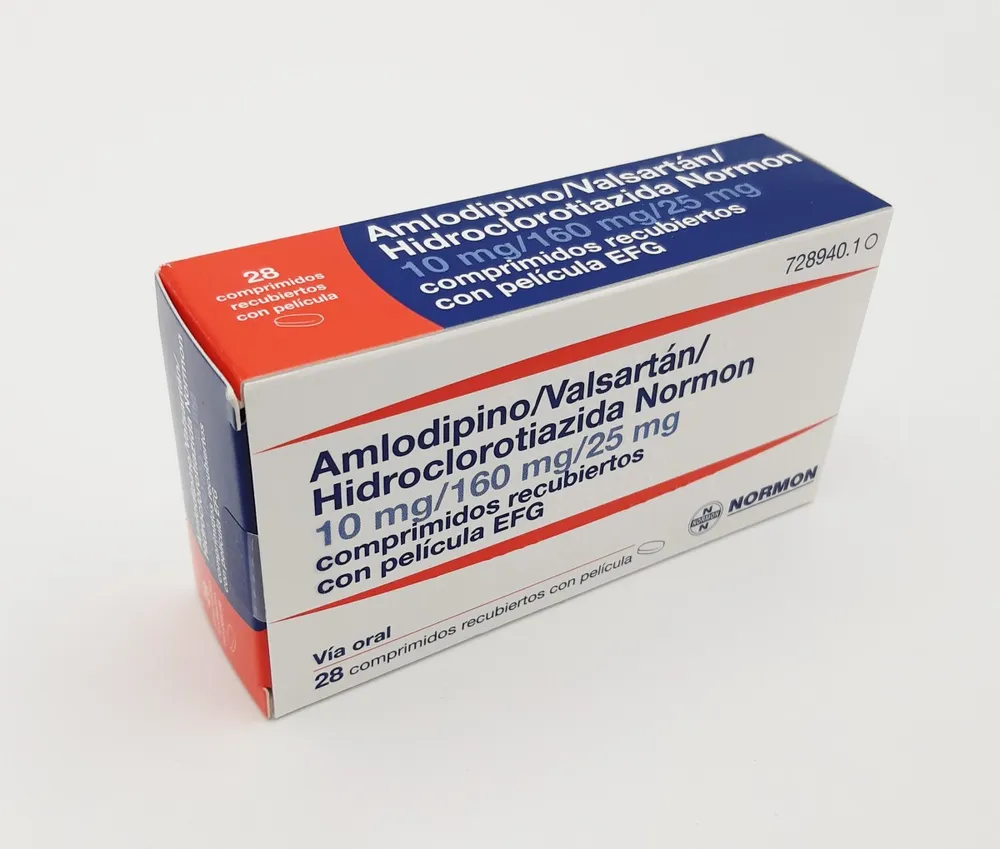
AMLODYPINA/WALSARTAN/HYDROCHLOROTIAZYD PENSA 10 MG/160 MG/25 MG TABLETKI POWLEKANE EFG
HiszpaniaStosuje się w celu leczenia nadciśnienia tętniczego u dorosłych, u których ciśnienie jest już kontrolowane za pomocą poszczególnych składników i którzy mogą odnieść korzyść z połączenia ich w jednej tabletce.
Najczęściej zadawane pytania
Jak należy przyjmować Amlodypina/Walsartan/Hydrochlorothiazid pensa?
Standardowa dawka to jedna tabletka dziennie, najlepiej rano i o tej samej porze każdego dnia. Można przyjmować z jedzeniem lub bez, ale nie należy przyjmować leku z grejpfrutem ani sokiem grejpfrutowym.
Kiedy nie należy przyjmować tego leku?
Nie należy przyjmować leku, jeśli jest się w ciąży powyżej 3. miesiąca, jeśli ma się alergię na jego składniki lub pochodne sulfonamidów, jeśli występują poważne problemy z nerkami, jeśli występuje problem z oddawaniem moczu, jeśli poziom potasu, sodu lub wapnia we krwi jest nieprawidłowy, jeśli choruje się na dnę moczanową, ma się bardzo niskie ciśnienie tętnicze, stenozy aorty, wstrząs kardiogenny, niewydolność serca po zawale mięśnia sercowego lub jeśli przyjmuje się aliskiren i choruje na cukrzycę lub niewydolność nerek.
Jakie działania niepożądane może powodować Amlodypina/Walsartan/Hydrochlorothiazid pensa?
Częste działania niepożądane obejmują zawroty głowy, niskie ciśnienie tętnicze, senność, kołatanie serca, obrzęk kostek, ból głowy, zmęczenie i bóle brzucha. Niektóre działania mogą być poważne i wymagać natychmiastowej pomocy medycznej, takie jak trudności w oddychaniu, obrzęk języka lub gardła, poważne reakcje skórne lub zmiany w widzeniu.
Czego należy unikać podczas przyjmowania tego leku?
Należy unikać spożywania grejpfrutów oraz soku grejpfrutowego. Należy również skonsultować się z lekarzem w sprawie spożywania alkoholu, ponieważ może on obniżyć ciśnienie tętnicze i zwiększyć ryzyko zawrotów głowy lub omdleń.
Czy można jednocześnie przyjmować inne leki?
Należy poinformować lekarza, jeśli przyjmuje się lit, leki zwiększające poziom potasu, inhibitory konwertazy angiotensyny (ACE) lub aliskiren, ponieważ nie należy ich ze sobą łączyć. Należy również zachować ostrożność przy stosowaniu leków na chorobę Parkinsona, leków przeciwpadaczkowych, niektórych leków na cukrzycę, niesteroidowych leków przeciwzapalnych (NLPZ) oraz innych leków na nadciśnienie tętnicze.
Co należy zrobić w przypadku pominięcia dawki lub przyjęcia zbyt dużej ilości leku?
Jeśli zapomni Pan/Pani przyjąć dawkę, należy ją przyjąć niezwłocznie, chyba że zbliża się czas przyjęcia kolejnej dawki – wtedy należy kontynuować regularny harmonogram; nie należy przyjmować podwójnej dawki. Jeśli przypadkowo przyjmie Pan/Pani zbyt wiele tabletek, należy natychmiast skonsultować się z lekarzem, ponieważ może być wymagana pomoc medyczna ze względu na ryzyko obrzęku płuc.
Ulotka informacyjna
Spis treści
- Wprowadzenie
- 1. Co to jest Amlodipino/Valsartan/Hydrochlorothiazidum pensa i do czego jest stosowany
- 2. Co należy wiedzieć przed zażyciem Amlodypina/Walsartan/Hydrochlorothiazid pensa
- 3. Jak stosować Amlodipino/Valsartan/Hidroclorotiazida pensa
- 4. Możliwe działania niepożądane
- 5. Zachowanie leku Amlodipine/Valsartan/Hydrochlorothiazide pensa
- 6. Zawartość opakowania i informacja dodatkowa
Ulotka: Informacja dla użytkownika
Wprowadzenie
Ulotka: informacja dla użytkownika
Amlodypina/Walsartan/Hydrochlorothiazid pensa 10 mg/160 mg/25 mg
tabletki powlekane EFG
Przed zaczęciem stosowania tego leku należy dokładnie przeczytać całą ulotkę, ponieważ zawiera ona ważną dla Ciebie informację.
- Zachowaj ulotkę, ponieważ możesz w niej ponownie szukać informacji.
- Jeżeli masz jakiekolwiek pytania, skontaktuj się z lekarzem lub farmaceutą.
- Ten lek został Ci przepisany indywidualnie i nie powinieneś go przekazywać innym osobom, nawet jeśli mają one takie same objawy jak Ty, ponieważ może im zaszkodzić.
- Jeżeli wystąpią u Ciebie działania niepożądane, skontaktuj się z lekarzem lub farmaceutą, nawet jeśli są to działania niepożądane, których nie ma w niniejszej ulotce. Zobacz sekcję 4.
Spis treści ulotki
- Co to jest Amlodypina/Walsartan/Hydrochlorothiazid pensa i w jakim celu stosuje się ten lek
- Co należy wiedzieć przed rozpoczęciem stosowania Amlodypiny/Walsartanu/Hydrochlorothiazidu pensa
- Jak stosować Amlodypina/Walsartan/Hydrochlorothiazid pensa
- Możliwe działania niepożądane
- Jak przechowywać Amlodypina/Walsartan/Hydrochlorothiazid pensa
- Zawartość opakowania i informacje dodatkowe
1. Co to jest Amlodipino/Valsartan/Hydrochlorothiazidum pensa i do czego jest stosowany
Ten lek zawiera trzy substancje czynne: amlodypinę, walzartan i hydrochlorothiazid. Wszystkie te substancje pomagają kontrolować nadciśnienie tętnicze.
- Amlodypina należy do grupy związków zwanych „antagonistami kanałów wapniowych”. Amlodypina zapobiega przenikaniu wapnia do ściany naczynia krwionośnego, co zapobiega zwężaniu się naczyń krwionośnych.
- Walzartan należy do grupy związków zwanych „antagonistami receptora angiotensyny II”. Angiotensyna II jest wytwarzana przez organizm i powoduje zwężanie się naczyń krwionośnych, co prowadzi do podwyższenia ciśnienia tętniczego. Walzartan działa poprzez blokowanie działania angiotensyny II.
- Hydrochlorothiazid należy do grupy związków zwanych „diuretykami tiazydowymi”. Hydrochlorothiazid zwiększa produkcję moczu, co również przyczynia się do obniżenia ciśnienia tętniczego.
W wyniku działania tych trzech mechanizmów naczynia krwionośne rozluźniają się i ciśnienie tętnicze obniża się.
Amlodypina/walzartan/hydrochlorothiazid stosuje się w leczeniu nadciśnienia tętniczego u dorosłych pacjentów, u których ciśnienie tętnicze jest już kontrolowane podczas leczenia amlodypiną, walzartanem i hydrochlorothiazidem, a którzy mogą skorzystać na stosowaniu tabletek zawierających te trzy substancje.
2. Co należy wiedzieć przed zażyciem Amlodypina/Walsartan/Hydrochlorothiazid pensa
Nie zażywaj Amlodypina/Walsartan/Hydrochlorothiazid pensa
- jeśli jesteś w ciąży powyżej 3. miesiąca. (W każdym przypadku zaleca się unikanie stosowania amlodypiny/walsartanu/hydrochlorothiazidu również na początku ciąży – patrz sekcja Ciążą).
- jeśli jesteś uczulony na amlodypinę lub inne leki blokujące kanały wapniowe, walsartan, hydrochlorothiazid, leki pochodne sulfonamidów (stosowane w leczeniu infekcji dróg oddechowych lub układu moczowego), lub którykolwiek z innych składników tego leku (wymienionych w sekcji 6).
Jeśli podejrzewasz uczulenie, nie zażywaj amlodypiny/walsartanu/hydrochlorothiazidu i powiadom lekarza.
- jeśli masz chorobę wątroby, niszczenie drobnych przewodów żółciowych w obrębie wątroby (zwłóknienie dróg żółciowych) prowadzące do gromadzenia się żółci w wątrobie (zastój żółci).
- jeśli masz ciężkie schorzenia nerek lub jesteś poddawany dializie.
- jeśli nie możesz oddawać moczu (anuria).
- jeśli poziom potasu lub sodu we krwi jest zbyt niski mimo leczenia mającego na celu podniesienie poziomu potasu lub sodu we krwi.
- jeśli poziom wapnia we krwi jest zbyt wysoki mimo leczenia mającego na celu obniżenie poziomu wapnia we krwi.
- jeśli masz podagry (kryształy kwasu moczowego w stawach).
- jeśli masz ciężkie obniżenie ciśnienia tętniczego (hipotensję).
- jeśli masz zwężenie zastawki aortalnej (stenozę aortalną) lub wstrząs kardiogenny (stan, w którym serce nie jest w stanie dostarczyć wystarczającej ilości krwi do organizmu).
- jeśli cierpisz na niewydolność serca po zawał serca.
- jeśli masz cukrzycę lub niewydolność nerek i leczony jesteś lekiem obniżającym ciśnienie tętnicze zawierającym aliskiren.
Nie zażywaj Amlodypina/Walsartan/Hydrochlorothiazid pensa i powiadom lekarza, jeśli dotyczy Cię którykolwiek z powyższych przypadków.
Ostrzeżenia i środki ostrożności
Skonsultuj się z lekarzem lub farmaceutą przed rozpoczęciem stosowania amlodypiny/walsartanu/hydrochlorothiazidu:
-
jeśli masz niski poziom potasu lub magnezu we krwi (z objawami lub bez objawów, takimi jak osłabienie mięśni, skurcze mięśni, nieregularne bicie serca).
-
jeśli masz niski poziom sodu we krwi (z objawami lub bez objawów, takimi jak zmęczenie, dezorientacja, skurcze mięśni, drgawki).
-
jeśli masz wysoki poziom wapnia we krwi (z objawami lub bez objawów, takimi jak nudności, wymioty, zaparcia, ból brzucha, częste oddawanie moczu, pragnienie, skurcze mięśni i osłabienie mięśni).
-
jeśli masz problemy z nerkami, przeszczepiono Ci nerki lub poinformowano Cię o zwężeniu tętnic nerkowych.
-
jeśli masz problemy z wątrobą.
-
jeśli masz lub miałeś niewydolność serca lub chorobę wieńcową, szczególnie jeśli przepisano Ci maksymalną dawkę amlodypiny/walsartanu/hydrochlorothiazidu (10 mg/320 mg/25 mg).
-
jeśli miałeś zawał serca. Postępuj zgodnie z instrukcjami lekarza dotyczące ostrożnego rozpoczęcia leczenia. Lekarz może również sprawdzić funkcję nerek.
-
jeśli lekarz poinformował Cię o zwężeniu zastawek serca (tzw. „stenozie aortalnej lub mitralnej”) lub o nieprawidłowym zwiększeniu grubości mięśnia sercowego (tzw. „obstrukcyjnej kardiomiopatii przerostowej”).
-
jeśli cierpisz na aldosteronizm – chorobę, w której gruczoły nadnerczy produkują zbyt dużo hormonu aldosteronu. W takim przypadku nie zaleca się stosowania amlodypiny/walsartanu/hydrochlorothiazidu.
-
jeśli cierpisz na chorobę zwaną toczeniem rumieniowym układowym (tzw. „lupus” lub „SLE”).
-
jeśli masz cukrzycę (wysoki poziom glukozy we krwi).
-
jeśli masz wysoki poziom cholesterolu lub trójglicerydów we krwi.
-
jeśli doświadczasz reakcji skórnych, takich jak wysypka po ekspozycji na słońce.
-
jeśli doświadczyłeś reakcji alergicznej na inne leki obniżające ciśnienie tętnicze lub diuretyki, szczególnie jeśli masz astmę i alergie.
-
jeśli byłeś chory (z wymiotami lub biegunką).
-
jeśli doświadczasz obrzęku, szczególnie twarzy i gardła, podczas stosowania innych leków (w tym inhibitorów enzymu konwertującego angiotensynę). Jeśli wystąpią takie objawy, natychmiast przestań zażywać amlodypinę/walsartan/hydrochlorothiazid i skontaktuj się z lekarzem. Nigdy więcej nie powinieneś brać tego leku.
-
jeśli doświadczasz zawrotów głowy i/lub omdleń podczas leczenia amlodypiną/walsartanem/hydrochlorothiazidem, powiadom lekarza jak najszybciej.
-
jeśli doświadczasz pogorszenia wzroku lub bólu oka. Mogą to być objawy gromadzenia się płynu w naczyniówce oka (wylewu naczyniówki) lub wzrostu ciśnienia w oku i mogą pojawić się w ciągu kilku godzin do tygodnia po podaniu amlodypiny/walsartanu/hydrochlorothiazidu. Jeśli nie zostanie to leczone, może to prowadzić do trwałego pogorszenia wzroku.
-
jeśli przyjmujesz którykolwiek z następujących leków stosowanych w leczeniu nadciśnienia (wysokiego ciśnienia tętniczego):
-
inhibitor enzymu konwertującego angiotensynę (IEC) (np. enalapryl, lizynopryl, ramipryl), szczególnie jeśli masz problemy nerkowe związane z cukrzycą.
-
aliskiren.
-
jeśli miałeś raka skóry lub pojawiła się nieoczekiwana zmiana skórna podczas leczenia. Leczenie hydrochlorothiazidem, szczególnie długotrwałe i w wysokich dawkach, może zwiększyć ryzyko niektórych rodzajów raka skóry i warg (nie-melanoma raka skóry). Chron przed ekspozycją skóry na słońce i promienie UV podczas przyjmowania amlodypiny/walsartanu/hydrochlorothiazidu.
-
Jeśli miałeś problemy z oddychaniem lub płuca (np. zapalenie lub gromadzenie się płynu w płucach) po zażyciu hydrochlorothiazidu w przeszłości. Jeśli pojawia się duszność lub ciężka trudność w oddychaniu po zażyciu X, natychmiast skontaktuj się z lekarzem.
-
jeśli pojawiają się bóle brzucha, nudności, wymioty lub biegunka po zażyciu Amlodypina/Walsartan/Hydrochlorothiazid pensa. Twój lekarz zdecyduje, czy kontynuować leczenie. Nie przerywaj samodzielnie stosowania Amlodypina/Walsartan/Hydrochlorothiazid pensa.
Twój lekarz może okresowo kontrolować funkcję nerek, ciśnienie tętnicze i poziom elektrolitów (np. potasu) we krwi.
Zobacz również informacje w sekcji „Nie zażywaj Amlodypina/Walsartan/Hydrochlorothiazid pensa”.
Powiadom lekarza, jeśli którykolwiek z wymienionych przypadków dotyczy Cię.
Dzieci i nastolatkowie
Nie zaleca się stosowania amlodypiny/walsartanu/hydrochlorothiazidu u dzieci i nastolatków poniżej 18. roku życia.
Osoby starsze (65 lat i więcej)
Amlodypina/walsartan/hydrochlorothiazid może być stosowana u osób w wieku 65 lat i starszych w tej samej dawce, co u innych dorosłych, w taki sam sposób, jak wcześniej stosowano trzy substancje: amlodypinę, walsartan i hydrochlorothiazid. Ciśnienie tętnicze u pacjentów starszych powinno być okresowo kontrolowane, szczególnie u tych, którzy przyjmują maksymalną dawkę amlodypiny/walsartanu/hydrochlorothiazidu (10 mg/320 mg/25 mg).
Stosowanie Amlodypina/Walsartan/Hydrochlorothiazid pensa z innymi lekami
Powiadom lekarza lub farmaceutę, jeśli aktualnie przyjmujesz, ostatnio przyjmowałeś lub możesz potrzebować przyjmować inne leki. Lekarz może być zmuszony dostosować dawkę i/lub podjąć inne środki ostrożności. W niektórych przypadkach może być konieczne odstawienie jednego z leków. Jest to szczególnie ważne, jeśli przyjmujesz którykolwiek z następujących leków:
Nie przyjmować razem z:
- litem (lek stosowany w leczeniu niektórych rodzajów depresji);
- lekami lub substancjami, które mogą zwiększać stężenie potasu we krwi. Obejmują one suplementy potasu lub substytuty soli zawierające potas, leki oszczędzające potas i heparynę;
- IEC lub aliskirenu (zobacz również informacje w sekcjach „Nie zażywaj Amlodypina/Walsartan/Hydrochlorothiazid pensa” i „Ostrzeżenia i środki ostrożności”).
Powinny być stosowane z ostrożnością razem z:
- alkoholem, lekami nasennymi i anestetykami (leki dla pacjentów poddawanych operacjom i innym zabiegom);
- amantadyną (leczenie choroby Parkinsona, stosowane również w leczeniu lub zapobieganiu niektórym chorobom wirusowym);
- lekami antycholinergicznymi (stosowane w leczeniu różnych zaburzeń, takich jak skurcze przewodu pokarmowego, skurcze pęcherza moczowego, astma, zawroty głowy spowodowane ruchem, skurcze mięśni, choroba Parkinsona i jako pomoc w znieczuleniu);
- lekami przeciwpadaczkowymi i stabilizatorami nastroju stosowanymi w leczeniu padaczki i zaburzeń dwubiegunowych (np. karbamazepina, fenobarbital, fenytoina, fosfenofofenofofenofofenofofenofofenofofenofofenofofenofofenofofenofofenofofenofofenofofenofofenofofenofofenofofenofofenofofenofofenofofenofofenofofenofofenofofenofofenofofenofofenofofenofofenofofenofofenofofenofofenofofenofofenofofenofofenofofenofofenofofenofofenofofenofofenofofenofofenofofenofofenofofenofofenofofenofofenofofenofofenofofenofofenofofenofofenofofenofofenofofenofofenofofenofofenofofenofofenofofenofofenofofenofofenofofenofofenofofenofofenofofenofofenofofenofofenofofenofofenofofenofofenofofenofofenofofenofofenofofenofofenofofenofofenofofenofofenofofenofofenofofenofofenofofenofofenofofenofofenofofenofofenofofenofofenofofenofofenofofenofofenofofenofofenofofenofofenofofenofofenofofenofofenofofenofofenofofenofofenofofenofofenofofenofofenofofenofofenofofenofofenofofenofofenofofenofofenofofenofofenofofenofofenofofenofofenofofenofofenofofenofofenofofenofofenofofenofofenofofenofofenofofenofofenofofenofofenofofenofofenofofenofofenofofenofofenofofenofofenofofenofofenofofenofofenofofenofofenofofenofofenofofenofofenofofenofofenofofenofofenofofenofofenofofenofofenofofenofofenofofenofofenofofenofofenofofenofofenofofenofofenofofenofofenofofenofofenofofenofofenofofenofofenofofenofofenofofenofofenofofenofofenofofenofofenofofenofofenofofenofofenofofenofofenofofenofofenofofenofofenofofenofofenofofenofofenofofenofofenofofenofofenofofenofofenofofenofofenofofenofofenofofenofofenofofenofofenofofenofofenofofenofofenofofenofofenofofenofofenofofenofofenofofenofofenofofenofofenofofenofofenofofenofofenofofenofofenofofenofofenofofenofofenofofenofofenofofenofofenofofenofofenofofenofofenofofenofofenofofenofofenofofenofofenofofenofofenofofenofofenofofenofofenofofenofofenofofenofofenofofenofofenofofenofofenofofenofofenofofenofofenofofenofofenofofenofofenofofenofofenofofenofofenofofenofofenofofenofofenofofenofofenofofenofofenofofenofofenofofenofofenofofenofofenofofenofofenofofenofofenofofenofofenofofenofofenofofenofofenofofenofofenofofenofofenofofenofofenofofenofofenofofenofofenofofenofofenofofenofofenofofenofofenofofenofofenofofenofofenofofenofofenofofenofofenofofenofofenofofenofofenofofenofofenofofenofofenofofenofofenofofenofofenofofenofofenofofenofofenofofenofofenofofenofofenofofenofofenofofenofofenofofenofofenofofenofofenofofenofofenofofenofofenofofenofofenofofenofofenofofenofofenofofenofofenofofenofofenofofenofofenofofenofofenofofenofofenofofenofofenofofenofofenofofenofofenofofenofofenofofenofofenofofenofofenofofenofofenofofenofofenofofenofofenofofenofofenofofenofofenofofenofofenofofenofofenofofenofofenofofenofofenofofenofofenofofenofofenofofenofofenofofenofofenofofenofofenofofenofofenofofenofofenofofenofofenofofenofofenofofenofofenofofenofofenofofenofofenofofenofofenofofenofofenofofenofofenofofenofofenofofenofofenofofenofofenofofenofofenofofenofofenofofenofofenofofenofofenofofenofofenofofenofofenofofenofofenofofenofofenofofenofofenofofenofofenofofenofofenofofenofofenofofenofofenofofenofofenofofenofofenofofenofofenofofenofofenofofenofofenofofenofofenofofenofofenofofenofofenofofenofofenofofenofofenofofenofofenofofenofofenofofenofofenofofenofofenofofenofofenofofenofofenofofenofofenofofenofofenofofenofofenofofenofofenofofenofofenofofenofofenofofenofofenofofenofofenofofenofofenofofenofofenofofenofofenofofenofofenofofenofofenofofenofofenofofenofofenofofenofofenofofenofofenofofenofofenofofenofofenofofenofofenofofenofofenofofenofofenofofenofofenofofenofofenofofenofofenofofenofofenofofenofofenofofenofofenofofenofofenofofenofofenofofenofofenofofenofofenofofenofofenofofenofofenofofenofofenofofenofofenofofenofofenofofenofofenofofenofofenofofenofofenofofenofofenofofenofofenofofenofofenofofenofofenofofenofofenofofenofofenofofenofofenofofenofofenofofenofofenofofenofofenofofenofofenofofenofofenofofenofofenofofenofofenofofenofofenofofenofofenofofenofofenofofenofofenofofenofofenofofenofofenofofenofofenofofenofofenofofenofofenofofenofofenofofenofofenofofenofofenofofenofofenofofenofofenofofenofofenofofenofofenofofenofofenofofenofofenofofenofofenofofenofofenofofenofofenofofenofofenofofenofofenofofenofofenofofenofofenofofenofofenofofenofofenofofenofofenofofenofofenofofenofofenofofenofofenofofenofofenofofenofofenofofenofofenofofenofofenofofenofofenofofenofofenofofenofofenofofenofofenofofenofofenofofenofofenofofenofofenofofenofofenofofenofofenofofenofofenofofenofofenofofenofofenofofenofofenofofenofofenofofenofofenofofenofofenofofenofofenofofenofofenofofenofofenofofenofofenofofenofofenofofenofofenofofenofofenofofenofofenofofenofofenofofenofofenofofenofofenofofenofofenofofenofofenofofenofofenofofenofofenofofenofofenofofenofofenofofenofofenofofenofofenofofenofofenofofenofofenofofenofofenofofenofofenofofenofofenofofenofofenofofenofofenofofenofofenofofenofofenofofenofofenofofenofofenofofenofofenofofenofofenofofenofofenofofenofofenofofenofofenofofenofofenofofenofofenofofenofofenofofenofofenofofenofofenofofenofofenofofenofofenofofenofofenofofenofofenofofenofofenofofenofofenofofenofofenofofenofofenofofenofofenofofenofofenofofenofofenofofenofofenofofenofofenofofenofofenofofenofofenofofenofofenofofenofofenofofenofofenofofenofofenofofenofofenofofenofofenofofenofofenofofenofofenofofenofofenofofenofofenofofenofofenofofenofofenofofenofofenofofenofofenofofenofofenofofenofofenofofenofofenofofenofofenofofenofofenofofenofofenofofenofofenofofenofofenofofenofofenofofenofofenofofenofofenofofenofofenofofenofofenofofenofofenofofenofofenofofenofofenofofenofofenofofenofofenofofenofofenofofenofofenofofenofofenofofenofofenofofenofofenofofenofofenofofenofofenofofenofofenofofenofofenofofenofofenofofenofofenofofenofofenofofenofofenofofenofofenofofenofofenofofenofofenofofenofofenofofenofofenofofenofofenofofenofofenofofenofofenofofenofofenofofenofofenofofenofofenofofenofofenofofenofofenofofenofofenofofenofofenofofenofofenofofenofofenofofenofofenofofenofofenofofenofofenofofenofofenofofenofofenofofenofofenofofenofofenofofenofofenofofenofofenofofenofofenofofenofofenofofenofofenofofenofofenofofenofofenofofenofofenofofenofofenofofenofofenofofenofofenofofenofofenofofenofofenofofenofofenofofenofofenofofenofofenofofenofofenofofenofofenofofenofofenofofenofofenofofenofofenofofenofofenofofenofofenofofenofofenofofenofofenofofenofofenofofenofofenofofenofofenofofenofofenofofenofofenofofenofofenofofenofofenofofenofofenofofenofofenofofenofofenofofenofofenofofenofofenofofenofofenofofenofofenofofenofofenofofenofofenofofenofofenofofenofofenofofenofofenofofenofofenofofenofofenofofenofofenofofenofofenofofenofofenofofenofofenofofenofofenofofenofofenofofenofofenofofenofofenofofenofofenofofenofofenofofenofofenofofenofofenofofenofofenofofenofofenofofenofofenofofenofofenofofenofofenofofenofofenofofenofofenofofenofofenofofenofofenofofenofofenofofenofofenofofenofofenofofenofofenofofenofofenofofenofofenofofenofofenofofenofofenofofenofofenofofenofofenofofenofofenofofenofofenofofenofofenofofenofofenofofenofofenofofenofofenofofenofofenofofenofofenofofenofofenofofenofofenofofenofofenofofenofofenofofenofofenofofenofofenofofenofofenofofenofofenofofenofofenofofenofofenofofenofofenofofenofofenofofenofofenofofenofofenofofenofofenofofenofofenofofenofofenofofenofofenofofenofofenofofenofofenofofenofofenofofenofofenofofenofofenofofenofofenofofenofofenofofenofofenofofenofofenofofenofofenofofenofofenofofenofofenofofenofofenofofenofofenofofenofofenofofenofofenofofenofofenofofenofofenofofenofofenofofenofofenofofenofofenofofenofofenofofenofofenofofenofofenofofenofofenofofenofofenofofenofofenofofenofofenofofenofofenofofenofofenofofenofofenofofenofofenofofenofofenofofenofofenofofenofofenofofenofofenofofenofofenofofenofofenofofenofofenofofenofofenofofenofofenofofenofofenofofenofofenofofenofofenofofenofofenofofenofofenofofenofofenofofenofofenofofenofofenofofenofofenofofenofofenofofenofofenofofenofofenofofenofofenofofenofofenofofenofofenofofenofofenofofenofofenofofenofofenofofenofofenofofenofofenofofenofofenofofenofofenofofenofofenofofenofofenofofenofofenofofenofofenofofenofofenofofenofofenofofenofofenofofenofofenofofenofofenofofenofofenofofenofofenofofenofofenofofenofofenofofenofofenofofenofofenofofenofofenofofenofofenofofenofofenofofenofofenofofenofofenofofenofofenofofenofofenofofenofofenofofenofofenofofenofofenofofenofofenofofenofofenofofenofofenofofenofofenofofenofofenofofenofofenofofenofofenofofenofofenofofenofofenofofenofofenofofenofofenofofenofofenofofenofofenofofenofofenofofenofofenofofenofofenofofenofofenofofenofofenofofenofofenofofenofofenofofenofofenofofenofofenofofenofofenofofenofofenofofenofofenofofenofofenofofenofofenofofenofofenofofenofofenofofenofofenofofenofofenofofenofofenofofenofofenofofenofofenofofenofofenofofenofofenofofenofofenofofenofofenofofenofofenofofenofofenofofenofofenofofenofofenofofenofofenofofenofofenofofenofofenofofenofofenofofenofofenofofenofofenofofenofofenofofenofofenofofenofofenofofenofofenofofenofofenofofenofofenofofenofofenofofenofofenofofenofofenofofenofofenofofenofofenofofenofofenofofenofofenofofenofofenofofenofofenofofenofofenofofenofofenofofenofofenofofenofofenofofenofofenofofenofofenofofenofofenofofenofofenofofenofofenofofenofofenofofenofofenofofenofofenofofenofofenofofenofofenofofenofofenofofenofofenofofenofofenofofenofofenofofenofofenofofenofofenofofenofofenofofenofofenofofenofofenofofenofofenofofenofofenofofenofofenofofenofofenofofenofofenofofenofofenofofenofofenofofenofofenofofenofofenofofenofofenofofenofofenofofenofofenofofenofofenofofenofofenofofenofofenofofenofofenofofenofofenofofenofofenofofenofofenofofenofofenofofenofofenofofenofofenofofenofofenofofenofofenofofenofofenofofenofofenofofenofofenofofenofofenofofenofofenofofenofofenofofenofofenofofenofofenofofenofofenofofenofofenofofenofofenofofenofofenofofenofofenofofenofofenofofenofofenofofenofofenofofenofofenofofenofofenofofenofofenofofenofofenofofenofofenofofenofofenofofenofofenofofenofofenofofenofofenofofenofofenofofenofofenofofenofofenofofenofofenofofenofofenofofenofofenofofenofofenofofenofofenofofenofofenofofenofofenofofenofofenofofenofofenofofenofofenofofenofofenofofenofofenofofenofofenofofenofofenofofenofofenofofenofofenofofenofofenofofenofofenofofenofofenofofenofofenofofenofofenofofenofofenofofenofofenofofenofofenofofenofofenofofenofofenofofenofofenofofenofofenofofenofofenofofenofofenofofenofofenofofenofofenofofenofofenofofenofofenofofenofofenofofenofofenofofenofofenofofenofofenofofenofofenofofenofofenofofenofofenofofenofofenofofenofofenofofenofofenofofenofofenofofenofofenofofenofofenofofenofofenofofenofofenofofenofofenofofenofofenofofenofofenofofenofofenofofenofofenofofenofofenofofenofofenofofenofofenofofenofofenofofenofofenofofenofofenofofenofofenofofenofofenofofenofofenofofenofofenofofenofofenofofenofofenofofenofofenofofenofofenofofenofofenofofenofofenofofenofofenofofenofofenofofenofofenofofenofofenofofenofofenofofenofofenofofenofofenofofenofofenofofenofofenofofenofofenofofenofofenofofenofofenofofenofofenofofenofofenofofenofofenofofenofofenofofenofofenofofenofofenofofenofofenofofenofofenofofenofofenofofenofofenofofenofofenofofenofofenofofenofofenofofenofofenofofenofofenofofenofofenofofenofofenofofenofofenofofenofofenofofenofofenofofenofofenofofenofofenofofenofofenofofenofofenofofenofofenofofenofofenofofenofofenofofenofofenofofenofofenofofenofofenofofenofofenofofenofofenofofenofofenofofenofofenofofenofofenofofenofofenofofenofofenofofenofofenofofenofofenofofenofofenofofenofofenofofenofofenofofenofofenofofenofofenofofenofofenofofenofofenofofenofofenofofenofofenofofenofofenofofenofofenofofenofofenofofenofofenofofenofofenofofenofofenofofenofofenofofenofofenofofenofofenofofenofofenofofenofofenofofenofofenofofenofofenofofenofofenofofenofofenofofenofofenofofenofofenofofenofofenofofenofofenofofenofofenofofenofofenofofenofofenofofenofofenofofenofofenofofenofofenofofenofofenofofenofofenofofenofofenofofenofofenofofenofofenofofenofofenofofenofofenofofenofofenofofenofofenofofenofofenofofenofofenofofenofofenofofenofofenofofenofofenofofenofofenofofenofofenofofenofofenofofenofofenofofenofofenofofenofofenofofenofofenofofenofofenofofenofofenofofenofofenofofenofofenofofenofofenofofenofofenofofenofofenofofenofofenofofenofofenofofenofofenofofenofofenofofenofofenofofenofofenofofenofofenofofenofofenofofenofofenofofenofofenofofenofofenofofenofofenofofenofofenofofenofofenofofenofofenofofenofofenofofenofofenofofenofofenofofenofofenofofenofofenofofenofofenofofenofofenofofenofofenofofenofofenofofenofofenofofenofofenofofenofofenofofenofofenofofenofofenofofenofofenofofenofofenofofenofofenofofenofofenofofenofofenofofenofofenofofenofofenofofenofofenofofenofofenofofenofofenofofenofofenofofenofofenofofenofofenofofenofofenofofenofofenofofenofofenofofenofofenofofenofofenofofenofofenofofenofofenofofenofofenofofenofofenofofenofofenofofenofofenofofenofofenofofenofofenofofenofofenofofenofofenofofenofofenofofenofofenofofenofofenofofenofofenofofenofofenofofenofofenofofenofofenofofenofofenofofenofofenofofenofofenofofenofofenofofenofofenofofenofofenofofenofofenofofenofofenofofenofofenofofenofofenofofenofofenofofenofofenofofenofofenofofenofofenofofenofofenofofenofofenofofenofofenofofenofofenofofenofofenofofenofofenofofenofofenofofenofofenofofenofofenofofenofofenofofenofofenofofenofofenofofenofofenofofenofofenofofenofofenofofenofofenofofenofofenofofenofofenofofenofofenofofenofofenofofenofofenofofenofofenofofenofofenofofenofofenofofenofofenofofenofofenofofenofofenofofenofofenofofenofofenofofenofofenofofenofofenofofenofofenofofenofofenofofenofofenofofenofofenofofenofofenofofenofofenofofenofofenofofenofofenofofenofofenofofenofofenofofenofofenofofenofofenofofenofofenofofenofofenofofenofofenofofenofofenofofenofofenofofenofofenofofenofofenofofenofofenofofenofofenofofenofofenofofenofofenofofenofofenofofenofofenofofenofofenofofenofofenofofenofofenofofenofofenofofenofofenofofenofofenofofenofofenofofenofofenofofenofofenofofenofofenofofenofofenofofenofofenofofenofofenofofenofofenofofenofofenofofenofofenofofenofofenofofenofofenofofenofofenofofenofofenofofenofofenofofenofofenofofenofofenofofenofofenofofenofofenofofenofofenofofenofofenofofenofofenofofenofofenofofenofofenofofenofofenofofenofofenofofenofofenofofenofofenofofenofofenofofenofofenofofenofofenofofenofofenofofenofofenofofenofofenofofenofofenofofenofofenofofenofofenofofenofofenofofenofofenofofenofofenofofenofofenofofenofofenofofenofofenofofenofofenofofenofofenofofenofofenofofenofofenofofenofofenofofenofofenofofenofofenofofenofofenofofenofofenofofenofofenofofenofofenofofenofofenofofenofofenofofenofofenofofenofofenofofenofofenofofenofofenofofenofofenofofenofofenofofenofofenofofenofofenofofenofofenofofenofofenofofenofofenofofenofofenofofenofofenofofenofofenofofenofofenofofenofofenofofenofofenofofenofofenofofenofofenofofenofofenofofenofofenofofenofofenofofenofofenofofenofofenofofenofofenofofenofofenofofenofofenofofenofofenofofenofofenofofenofofenofofenofofenofofenofofenofofenofofenofofenofofenofofenofofenofofenofofenofofenofofenofofenofofenofofenofofenofofenofofenofofenofofenofofenofofenofofenofofenofofenofofenofofenofofenofofenofofenofofenofofenofofenofofenofofenofofenofofenofofenofofenofofenofofenofofenofofenofofenofofenofofenofofenofofenofofenofofenofofenofofenofofenofofenofofenofofenofofenofofenofofenofofenofofenofofenofofenofofenofofenofofenofofenofofenofofenofofenofofenofofenofofenofofenofofenofofenofofenofofenofofenofofenofofenofofenofofenofofenofofenofofenofofenofofenofofenofofenofofenofofenofofenofofenofofenofofenofofenofofenofofenofofenofofenofofenofofenofofenofofenofofenofofenofofenofofenofofenofofenofofenofofenofofenofofenofofenofofenofofenofofenofofenofofenofofenofofenofofenofofenofofenofofenofofenofofenofofenofofenofofenofofenofofenofofenofofenofofenofofenofofenofofenofofenofofenofofenofofenofofenofofenofofenofofenofofenofofenofofenofofenofofenofofenofofenofofenofofenofofenofofenofofenofofenofofenofofenofofenofofenofofenofofenofofenofofenofofenofofenofofenofofenofofenofofenofofenofofenofofenofofenofofenofofenofofenofofenofofenofofenofofenofofenofofenofofenofofenofofenofofenofofenofofenofofenofofenofofenofofenofofenofofenofofenofofenofofenofofenofofenofofenofofenofofenofofenofofenofofenofofenofofenofofenofofenofofenofofenofofenofofenofofenofofenofofenofofenofofenofofenofofenofofenofofenofofenofofenofofenofofenofofenofofenofofenofofenofofenofofenofofenofofenofofenofofenofofenofofenofofenofofenofofenofofenofofenofofenofofenofofenofofenofofenofofenofofenofofenofofenofofenofofenofofenofofenofofenofofenofofenofofenofofenofofenofofenofofenofofenofofenofofenofofenofofenofofenofofenofofenofofenofofenofofenofofenofofenofofenofofenofofenofofenofofenofofenofofenofofenofofenofofenofofenofofenofofenofofenofofenofofenofofenofofenofofenofofenofofenofofenofofenofofenofofenofofenofofenofofenofofenofofenofofenofofenofofenofofenofofenofofenofofenofofenofofenofofenofofenofofenofofenofofenofofenofofenofofenofofenofofenofofenofofenofofenofofenofofenofofenofofenofofenofofenofofenofofenofofenofofenofofenofofenofofenofofenofofenofofenofofenofofenofofenofofenofofenofofenofofenofofenofofenofofenofofenofofenofofenofofenofofenofofenofofenofofenofofenofofenofofenofofenofofenofofenofofenofofenofofenofofenofofenofofenofofenofofenofofenofofenofofenofofenofofenofofenofofenofofenofofenofofenofofenofofenofofenofofenofofenofofenofofenofofenofofenofofenofofenofofenofofenofofenofofenofofenofofenofofenofofenofofenofofenofofenofofenofofenofofenofofenofofenofofenofofenofofenofofenofofenofofenofofenofofenofofenofofenofofenofofenofofenofofenofofenofofenofofenofofenofofenofofenofofenofofenofofenofofenofofenofofenofofenofofenofofenofofenofofenofofenofofenofofenofofenofofenofofenofofenofofenofofenofofenofofenofofenofofenofofenofofenofofenofofenofofenofofenofofenofofenofofenofofenofofenofofenofofenofofenofofenofofenofofenofofenofofenofofenofofenofofenofofenofofenofofenofofenofofenofofenofofenofofenofofenofofenofofenofofenofofenofofenofofenofofenofofenofofenofofenofofenofofenofofenofofenofofenofofenofofenofofenofofenofofenofofenofofenofofenofofenofofenofofenofofenofofenofofenofofenofofenofofenofofenofofenofofenofofenofofenofofenofofenofofenofofenofofenofofenofofenofofenofofenofofenofofenofofenofofenofofenofofenofofenofofenofofenofofenofofenofofenofofenofofenofofenofofenofofenofofenofofenofofenofofenofofenofofenofofenofofenofofenofofenofofenofofenofofenofofenofofenofofenofofenofofenofofenofofenofofenofofenofofenofofenofofenofofenofofenofofenofofenofofenofofenofofenofofenofofenofofenofofenofofenofofenofofenofofenofofenofofenofofenofofenofofenofofenofofenofofenofofenofofenofofenofofenofofenofofenofofenofofenofofenofofenofofenofofenofofenofofenofofenofofenofofenofofenofofenofofenofofenofofenofofenofofenofofenofofenofofenofofenofofenofofenofofenofofenofofenofofenofofenofofenofofenofofenofofenofofenofofenofofenofofenofofenofofenofofenofofenofofenofofenofofenofofenofofenofofenofofenofofenofofenofofenofofenofofenofofenofofenofofenofofenofofenofofenofofenofofenofofenofofenofofenofofenofofenofofenofofenofofenofofenofofenofofenofofenofofenofofenofofenofofenofofenofofenofofenofofenofofenofofenofofenofofenofofenofofenofofenofofenofofenofofenofofenofofenofofenofofenofofenofofenofofenofofenofofenofofenofofenofofenofofenofofenofofenofofenofofenofofenofofenofofenofofenofofenofofenofofenofofenofofenofofenofofenofofenofofenofofenofofenofofenofofenofofenofofenofofenofofenofofenofofenofofenofofenofofenofofenofofenofofenofofenofofenofofenofofenofofenofofenofofenofofenofofenofofenofofenofofenofofenofofenofofenofofenofofenofofenofofenofofenofofenofofenofofenofofenofofenofofenofofenofofenofofenofofenofofenofofenofofenofofenofofenofofenofofenofofenofofenofofenofofenofofenofofenofofenofofenofofenofofenofofenofofenofofenofofenofofenofofenofofenofofenofofenofofenofofenofofenofofenofofenofofenofofenofofenofofenofofenofofenofofenofofenofofenofofenofofenofofenofofenofofenofofenofofenofofenofofenofofenofofenofofenofofenofofenofofenofofenofofenofofenofofenofofenofofenofofenofofenofofenofofenofofenofofenofofenofofenofofenofofenofofenofofenofofenofofenofofenofofenofofenofofenofofenofofenofofenofofenofofenofofenofofenofofenofofenofofenofofenofofenofofenofofenofofenofofenofofenofofenofofenofofenofofenofofenofofenofofenofofenofofenofofenofofenofofenofofenofofenofofenofofenofofenofofenofofenofofenofofenofofenofofenofofenofofenofofenofofenofofenofofenofofenofofenofofenofofenofofenofofenofofenofofenofofenofofenofofenofofenofofenofofenofofenofofenofofenofofenofofenofofenofofenofofenofofenofofenofofenofofenofofenofofenofofenofofenofofenofofenofofenofofenofofenofofenofofenofofenofofenofofenofofenofofenofofenofofenofofenofofenofofenofofenofofenofofenofofenofofenofofenofofenofofenofofenofofenofofenofofenofofenofofenofofenofofenofofenofofenofofenofofenofofenofofenofofenofofenofofenofofenofofenofofenofofenofofenofofenofofenofofenofofenofofenofofenofofenofofenofofenofofenofofenofofenofofenofofenofofenofofenofofenofofenofofenofofenofofenofofenofofenofofenofofenofofenofofenofofenofofenofofenofofenofofenofofenofofenofofenofofenofofenofofenofofenofofenofofenofofenofofenofofenofofenofofenofofenofofenofofenofofenofofenofofenofofenofofenofofenofofenofofenofofenofofenofofenofofenofofenofofenofofenofofenofofenofofenofofenofofenofofenofofenofofenofofenofofenofofenofofenofofenofofenofofenofofenofofenofofenofofenofofenofofenofofenofofenofofenofofenofofenofofenofofenofofenofofenofofenofofenofofenofofenofofenofofenofofenofofenofofenofofenofofenofofenofofenofofenofofenofofenofofenofofenofofenofofenofofenofofenofofenofofenofofenofofenofofenofofenofofenofofenofofenofofenofofenofofenofofenofofenofofenofofenofofenofofenofofenofofenofofenofofenofofenofofenofofenofofenofofenofofenofofenofofenofofenofofenofofenofofenofofenofofenofofenofofenofofenofofenofofenofofenofofenofofenofofenofofenofofenofofenofofenofofenofofenofofenofofenofofenofofenofofenofofenofofenofofenofofenofofenofofenofofenofofenofofenofofenofofenofofenofofenofofenofofenofofenofofenofofenofofenofofenofofenofofenofofenofofenofofenofofenofofenofofenofofenofofenofofenofofenofofenofofenofofenofofenofofenofofenofofenofofenofofenofofenofofenofofenofofenofofenofofenofofenofofenofofenofofenofofenofofenofofenofofenofofenofofenofofenofofenofofenofofenofofenofofenofofenofofenofofenofofenofofenofofenofofenofofenofofenofofenofofenofofenofofenofofenofofenofofenofofenofofenofofenofofenofofenofofenofofenofofenofofenofofenofofenofofenofofenofofenofofenofofenofofenofofenofofenofofenofofenofofenofofenofofenofofenofofenofofenofofenofofenofofenofofenofofenofofenofofenofofenofofenofofenofofenofofenofofenofofenofofenofofenofofenofofenofofenofofenofofenofofenofofenofofenofofenofofenofofenofofenofofenofofenofofenofofenofofenofofenofofenofofenofofenofofenofofenofofenofofenofofenofofenofofenofofenofofenofofenofofenofofenofofenofofenofofenofofenofofenofofenofofenofofenofofenofofenofofenofofenofofenofofenofofenofofenofofenofofenofofenofofenofofenofofenofofenofofenofofenofofenofofenofofenofofenofofenofofenofofenofofenofofenofofenofofenofofenofofenofofenofofenofofenofofenofofenofofenofofenofofenofofenofofenofofenofofenofofenofofenofofenofofenofofenofofenofofenofofenofofenofofenofofenofofenofofenofofenofofenofofenofofenofofenofofenofofenofofenofofenofofenofofenofofenofofenofofenofofenofofenofofenofofenofofenofofenofofenofofenofofenofofenofofenofofenofofenofofenofofenofofenofofenofofenofofenofofenofofenofofenofofenofofenofofenofofenofofenofofenofofenofofenofofenofofenofofenofofenofofenofofenofofenofofenofofenofofenofofenofofenofofenofofenofofenofofenofofenofofenofofenofofenofofenofofenofofenofofenofofenofofenofofenofofenofofenofofenofofenofofenofofenofofenofofenofofenofofenofofenofofenofofenofofenofofenofofenofofenofofenofofenofofenofofenofofenofofenofofenofofenofofenofofenofofenofofenofofenofofenofofenofofenofofenofofenofofenofofenofofenofofenofofenofofenofofenofofenofofenofofenofofenofofenofofenofofenofofenofofenofofenofofenofofenofofenofofenofofenofofenofofenofofenofofenofofenofofenofofenofofenofofenofofenofofenofofenofofenofofenofofenofofenofofenofofenofofenofofenofofenofofenofofenofofenofofenofofenofofenofofenofofenofofenofofenofofenofofenofofenofofenofofenofofenofofenofofenofofenofofenofofenofofenofofenofofenofofenofofenofofenofofenofofenofofenofofenofofenofofenofofenofofenofofenofofenofofenofofenofofenofofenofofenofofenofofenofofenofofenofofenofofenofofenofofenofofenofofenofofenofofenofofenofofenofofenofofenofofenofofenofofenofofenofofenofofenofofenofofenofofenofofenofofenofofenofofenofofenofofenofofenofofenofofenofofenofofenofofenofofenofofenofofenofofenofofenofofenofofenofofenofofenofofenofofenofofenofofenofofenofofenofofenofofenofofenofofenofofenofofenofofenofofenofofenofofenofofenofofenofofenofofenofofenofofenofofenofofenofofenofofenofofenofofenofofenofofenofofenofofenofofenofofenofofenofofenofofenofofenofofenofofenofofenofofenofofenofofenofofenofofenofofenofofenofofenofofenofofenofofenofofenofofenofofenofofenofofenofofenofofenofofenofofenofofenofofenofofenofofenofofenofofenofofenofofenofofenofofenofofenofofenofofenofofenofofenofofenofofenofofenofofenofofenofofenofofenofofenofofenofofenofofenofofenofofenofofenofofenofofenofofenofofenofofenofofenofofenofofenofofenofofenofofenofofenofofenofofenofofenofofenofofenofofenofofenofofenofofenofofenofofenofofenofofenofofenofofenofofenofofenofofenofofenofofenofofenofofenofofenofofenofofenofofenofofenofofenofofenofofenofofenofofenofofenofofenofofenofofenofofenofofenofofenofofenofofenofofenofofenofofenofofenofofenofofenofofenofofenofofenofofenofofenofofenofofenofofenofofenofofenofofenofofenofofenofofenofofenofofenofofenofofenofofenofofenofofenofofenofofenofofenofofenofofenofofenofofenofofenofofenofofenofofenofofenofofenofofenofofenofofenofofenofofenofofenofofenofofenofofenofofenofofenofofenofofenofofenofofenofofenofofenofofenofofenofofenofofenofofenofofenofofenofofenofofenofofenofofenofofenofofenofofenofofenofofenofofenofofenofofenofofenofofenofofenofofenofofenofofenofofenofofenofofenofofenofofenofofenofofenofofenofofenofofenofofenofofenofofenofofenofofenofofenofofenofofenofofenofofenofofenofofenofofenofofenofofenofofenofofenofofenofofenofofenofofenofofenofofenofofenofofenofofenofofenofofenofofenofofenofofenofofenofofenofofenofofenofofenofofenofofenofofenofofenofofenofofenofofenofofenofofenofofenofofenofofenofofenofofenofofenofofenofofenofofenofofenofofenofofenofofenofofenofofenofofenofofenofofenofofenofofenofofenofofenofofenofofenofofenofofenofofenofofenofofenofofenofofenofofenofofenofofenofofenofofenofofenofofenofofenofofenofofenofofenofofenofofenofofenofofenofofenofofenofofenofofenofofenofofenofofenofofenofofenofofenofofenofofenofofenofofenofofenofofenofofenofofenofofenofofenofofenofofenofofenofofenofofenofofenofofenofofenofofenofofenofofenofofenofofenofofenofofenofofenofofenofofenofofenofofenofofenofofenofofenofofenofofenofofenofofenofofenofofenofofenofofenofofenofofenofofenofofenofofenofofenofofenofofenofofenofofenofofenofofenofofenofofenofofenofofenofofenofofenofofenofofenofofenofofenofofenofofenofofenofofenofofenofofenofofenofofenofofenofofenofofenofofenofofenofofenofo
3. Jak stosować Amlodipino/Valsartan/Hidroclorotiazida pensa
Postępuj dokładnie zgodnie z instrukcjami lekarza dotyczącymi stosowania tego leku. W razie wątpliwości ponownie skonsultuj się z lekarzem. To pomoże uzyskać najlepsze rezultaty i zmniejszyć ryzyko działań niepożądanych.
Standardowa dawka amlodipiny/valsartanu/hydrochlorothiazidu to jedna tabletka dziennie.
- Tabletkę najlepiej przyjmować o tej samej porze każdego dnia. Najlepszym momentem jest pora ranna.
- Tabletkę należy połknąć całą, wypijając szklankę wody.
- Amlodipinę/valsartan/hydrochlorothiazid można przyjmować z posiłkiem lub na czczo. Nie należy przyjmować amlodipiny/valsartanu/hydrochlorothiazidu z grejpfrutem ani z sokiem grejpfrutowym.
W zależności od odpowiedzi na leczenie lekarz może zalecić wyższą lub niższą dawkę.
Nie przekraczaj przepisanej dawki.
Jeśli przyjmiesz więcej Amlodipino/Valsartan/Hidroclorotiazida pensa niż powinieneś
Jeśli przypadkowo przyjmiesz zbyt wiele tabletek amlodipiny/valsartanu/hydrochlorothiazidu, natychmiast skontaktuj się z lekarzem. Może być potrzebna pomoc medyczna.
Nadmiar płynu może gromadzić się w płucach (wystąpić może obrzęk płuc), co powoduje trudności w oddychaniu – może się to pojawić nawet 24–48 godzin po przyjęciu leku.
W przypadku przedawkowania lub przypadkowego przyjęcia leku natychmiast skontaktuj się z lekarzem lub farmaceutą albo zadzwoń do Krajowego Centrum Informacji Toksykologicznej pod numer telefonu: 91 562 04 20, podając nazwę leku i ilość przyjętych dawek.
Jeśli zapomnisz wziąć Amlodipino/Valsartan/Hidroclorotiazida pensa
Jeśli zapomnisz przyjąć dawkę tego leku, przyjmij ją jak najszybciej po przypomnieniu sobie, a następnie kontynuuj przyjmowanie kolejnej dawki o zwykłej porze. Jeśli do następnej dawki zostało już niewiele czasu, przyjmij tylko następną tabletkę o zwykłej porze. Nie przyjmuj podwójnej dawki (dwóch tabletek naraz), aby uzupełnić pominiętą dawkę.
Jeśli przerwiesz leczenie Amlodipino/Valsartan/Hidroclorotiazida pensa
Przerwanie leczenia amlodipiną/valsartanem/hydrochlorothiazidem może spowodować pogorszenie się choroby. Nie przerywaj przyjmowania leku, chyba że lekarz wyraźnie zaleci Ci jego odstawienie.
Stosuj ten lek zawsze zgodnie z zaleceniem, nawet jeśli czujesz się dobrze
Osoby z nadciśnieniem tętniczym często nie odczuwają żadnych objawów choroby. Wiele z nich czuje się dobrze. Bardzo ważne jest, aby przyjmować ten lek dokładnie zgodnie z zaleceniem lekarza, aby osiągnąć najlepsze rezultaty i zmniejszyć ryzyko działań niepożądanych. Kontynuuj regularne wizyty u lekarza, nawet jeśli czujesz się dobrze.
Jeśli masz jakiekolwiek pytania dotyczące stosowania tego leku, skonsultuj się z lekarzem lub farmaceutą.
4. Możliwe działania niepożądane
Tak jak wszystkie leki, ten lek może powodować działania niepożądane, choć nie u wszystkich pacjentów je występują.
Ponieważ chodzi o kombinację zawierającą trzy substancje czynne, nie można wykluczyć działań niepożądanych związanych z każdym pojedynczym składnikiem. Poniżej wymieniono działania niepożądane obserwowane przy stosowaniu amlodypiny/valsartanu/hydrochlorotiazydu lub jednego z jej trzech składników (amlodypiny, valsartanu i hydrochlorotiazydu), które mogą wystąpić podczas stosowania amlodypiny/valsartanu/hydrochlorotiazydu.
Niektóre działania niepożądane mogą być poważne i wymagają natychmiastowej pomocy medycznej.
Natychmiast skontaktuj się z lekarzem, jeśli po zażyciu tego leku wystąpiły u Ciebie następujące poważne działania niepożądane:
Częste (mogą dotyczyć do 1 na 10 pacjentów):
- zawroty głowy
- obniżone ciśnienie krwi (uczucie osłabienia, zawroty głowy, nagła utrata przytomności)
Niekorzystne (mogą dotyczyć do 1 na 100 pacjentów):
- zmniejszenie ilości wydzielanej moczu (obniżona funkcja nerek)
Rzadkie (mogą dotyczyć do 1 na 1000 pacjentów):
- samoistne krwawienia
- nieregularne bicie serca
- zaburzenia wątroby
Bardzo rzadkie (mogą dotyczyć do 1 na 10 000 pacjentów):
- nagłe świsty podczas oddychania (nagłe świsty), ból w klatce piersiowej, duszność lub trudności z oddychaniem
- obrzęk powiek, twarzy lub warg
- obrzęk języka i gardła powodujący duże trudności z oddychaniem
- poważne reakcje skórne, w tym silne wysypki, pokrzywki, silne zaczerwienienie skóry całego ciała, silne swędzenie, pęcherze, łuszczenie się skóry, zapalenie skóry, zapalenie błon śluzowych (zespołu Stevensa-Johnsona, toksycznej martwicy nabłonka) lub inne reakcje alergiczne
- zawał serca
- zapalenie trzustki, które może powodować silny ból brzucha i ból pleców towarzyszący dużemu uczuciu niedoboru
- osłabienie, siniaki, gorączka i częste infekcje
- sztywność
- Ostra niewydolność oddechowa (objawy obejmują silną duszność, gorączkę, osłabienie i dezorientację)
Inne działania niepożądane mogą obejmować:
Bardzo częste (mogą dotyczyć więcej niż 1 na 10 pacjentów)
- obniżony poziom potasu we krwi
- podwyższenie poziomu lipidów we krwi
Częste (mogą dotyczyć do 1 na 10 pacjentów)
- senność
- kołatanie serca (uczucie uderzeń serca)
- napady gorąca
- obrzęk kostek (obrzęk)
- ból brzucha
- dolegliwości żołądka po jedzeniu
- zmęczenie
- ból głowy
- częste oddawanie moczu
- podwyższony poziom kwasu moczowego we krwi
- obniżony poziom magnezu we krwi
- obniżony poziom sodu we krwi
- zawroty głowy, zawroty głowy przy wstawaniu
- zmniejszony apetyt
- nudności i wymioty
- swędzące wysypki i inne rodzaje wysypek
- niemożność osiągnięcia lub utrzymania erekcji
Niekorzystne (mogą dotyczyć do 1 na 100 pacjentów)
- przyspieszone bicie serca
- uczucie wirującego otoczenia
- zaburzenia wzroku
- dolegliwości żołądka
- ból w klatce piersiowej
- podwyższenie poziomu azotu mocznikowego, kreatyniny i kwasu moczowego we krwi
- podwyższony poziom wapnia, lipidów lub sodu we krwi
- obniżenie poziomu potasu we krwi
- nieprzyjemny zapach z ust
- biegunka
- suchość w ustach
- przyrost masy ciała
- utrata apetytu
- zmieniony smak
- ból pleców
- obrzęk stawów
- skurcze / osłabienie / ból mięśni
- ból kończyn
- niemożność normalnego stania lub chodzenia
- osłabienie
- zaburzona koordynacja
- zawroty głowy przy wstawaniu lub po wysiłku fizycznym
- duszność
- brak energii
- zaburzenia snu
- mrowienie lub zdrętwienie
- neuropatia
- nagła i przejściowa utrata przytomności
- obniżone ciśnienie krwi przy wstawaniu
- kaszel
- duszność
- podrażnienie gardła
- nadmierne pocenie się
- swędzenie
- obrzęk, zaczerwienienie i ból wzdłuż żyły
- zaczerwienienie skóry
- drżenie
- zmiany nastroju
- niepokój
- depresja
- senność
- zaburzenia smaku
- omdlenia
- utrata wrażliwości na ból
- zaburzenia wzroku
- pogorszenie wzroku
- dzwonienie w uszach
- kichanie / wydzielina z nosa spowodowana zapaleniem błony śluzowej nosa (rzewica)
- zaburzenia w pracy jelit
- niestrawność
- wypadanie włosów
- swędzenie skóry
- przebarwienie skóry
- zaburzenia oddawania moczu
- zwiększone potrzebę oddawania moczu w nocy
- zwiększenie liczby oddawania moczu
- dyskomfort lub zwiększenie piersi u mężczyzn
- ból
- uczucie niedoboru
- utrata masy ciała
Rzadkie (mogą dotyczyć do 1 na 1000 pacjentów)
- obniżony poziom płytek krwi we krwi (czasem z krwawieniem lub siniakami pod skórą)
- cukier w moczu
- podwyższony poziom glukozy we krwi
- pogorszenie stanu metabolicznego cukrzycy
- dolegliwości brzuszne
- zaparcia
- zaburzenia wątroby, które mogą występować razem z żółtaczką skóry i oczu lub ciemnym zabarwieniem moczu (anemia hemolityczna)
- zwiększone wrażliwość skóry na działanie promieni słonecznych
- plamy purpurowe na skórze
- zaburzenia nerek
- dezorientacja
Bardzo rzadkie (mogą dotyczyć do 1 na 10 000 pacjentów)
- zmniejszenie liczby białych krwinek we krwi
- zmniejszenie liczby płytek krwi we krwi, które może powodować nietypowe siniaki lub łatwe krwawienie (uszkodzenie czerwonych krwinek)
- zapalenie dziąseł
- obrzęk brzucha (zapalenie żołądka)
- zapalenie wątroby (zapalenie wątroby)
- żółtaczka skóry (żółtaczka)
- podwyższenie aktywności enzymów wątrobowych, które może wpływać na niektóre badania medyczne
- zwiększenie napięcia mięśniowego
- zapalenie naczyń krwionośnych, często z wysypką na skórze
- nadwrażliwość na światło
- zaburzenia polegające na sztywności, drżeniu i/lub zaburzeniach ruchu
- gorączka, ból gardła lub owrzodzenia w jamie ustnej, częstsze infekcje (niski lub bardzo niski poziom białych krwinek)
- blada cera, zmęczenie, duszność, ciemny mocz (anemia hemolityczna, nieprawidłowe zmniejszenie się czerwonych krwinek zarówno w naczyniach krwionośnych, jak i w innych częściach ciała)
- dezorientacja, zmęczenie, skurcze i drgawki mięśni, szybkie oddychanie (alkalosis hipochlorymowa)
- silny ból w górnej części brzucha (zapalenie trzustki)
- trudności z oddychaniem towarzyszone gorączką, kaszlem, świstem, dusznością (niewydolność oddechowa, obrzęk płuc, zapalenie płuc)
- wysypka na twarzy, ból stawów, zaburzenia mięśni, gorączka (toczeń rumieniowaty)
- zapalenie naczyń krwionośnych z objawami takimi jak wysypka, czerwone purpurowe plamy, gorączka (zapalenie naczyń)
- poważna choroba skóry powodująca wysypkę, zaczerwienienie skóry, pęcherze na wargach, oczach lub w jamie ustnej, łuszczenie się skóry, gorączkę (toksyczna martwica nabłonka)
- angioobrzęk jelita: obrzęk jelita, który objawia się bólem brzucha, nudnościami, wymiotami i biegunką
Częstość nieznana (częstość nie może być oszacowana na podstawie dostępnych danych)
- zaburzenia wyników badań funkcji nerek we krwi, podwyższenie potasu we krwi, niska liczba czerwonych krwinek we krwi
- nieprawidłowy wynik badania czerwonych krwinek
- obniżony poziom określonego rodzaju białych krwinek i płytek krwi we krwi
- podwyższenie kreatyniny we krwi
- nieprawidłowy wynik badań czynności wątroby
- znaczne zmniejszenie ilości wydzielanej moczu
- zapalenie naczyń krwionośnych
- osłabienie, siniaki i częste infekcje (anemia aplastyczna)
- pogorszenie wzroku lub ból oczu spowodowany wysokim ciśnieniem wewnątrzgałkowym (możliwe objawy gromadzenia się płynu w warstwie naczyniowej oka (odwarstwienie naczyniówki) lub jaskrą kąta zamkniętego)
- duszność
- silne zmniejszenie ilości wydzielanej moczu (możliwe objawy zaburzeń nerek lub niewydolności nerek)
- poważna choroba skóry powodująca wysypkę, czerwone zaczerwienienie skóry, pęcherze na wargach, oczach lub w jamie ustnej, łuszczenie się skóry, gorączkę (wielopostaciowe rumień)
- skurcze mięśni
- gorączka (pireksja)
- pęcherzyca skóry (objaw choroby zwanej zapaleniem pęcherzykowym skóry)
Powiadamianie o działaniach niepożądanych
Jeśli wystąpiły u Ciebie jakiekolwiek działania niepożądane, skonsultuj się z lekarzem lub farmaceutą, nawet jeśli chodzi o możliwe działania niepożądane, które nie są wymienione w niniejszym ulotce. Możesz również zgłaszać działania niepożądane bezpośrednio za pośrednictwem Hiszpańskiego Systemu Farmakowigilancji Leków Używanych u Ludzi: https://www.notificaram.es. Poprzez zgłaszanie działań niepożądanych możesz przyczynić się do dostarczenia większej liczby informacji na temat bezpieczeństwa tego leku.
5. Zachowanie leku Amlodipine/Valsartan/Hydrochlorothiazide pensa
Przechowuj ten lek poza zasięgiem wzroku i zasięgiem ręki dzieci.
Nie stosuj tego leku po upływie daty ważności wskazanej na opakowaniu i folii po słowie CAD. Data ważności odnosi się do ostatniego dnia wskazanego miesiąca.
Nie przechowuj w temperaturze powyżej 30°C.
Nie stosuj tego leku, jeśli zauważysz, że opakowanie jest uszkodzone lub wykazuje ślady ingerencji.
Leków nie wolno wyrzucać do kanalizacji ani do śmieci. Zwróć puste opakowania i niepotrzebne leki do punktu zbiórki odpadów farmaceutycznych SIGRE w aptece. W razie wątpliwości zapytaj farmaceuty, jak pozbyć się niepotrzebnych opakowań i leków. W ten sposób pomogą Państwo w ochronie środowiska.
6. Zawartość opakowania i informacja dodatkowa
Skład Amlodypina/Walsartan/Wykazan
Substancjami czynnymi tego leku są amlodypina (jako amlodypina besylan), walsartan i wykazan.
Każda tabletka powlekana zawiera 10 mg amlodypiny (jako amlodypina besylan), 160 mg walsartanu i 25 mg wykazanu.
Pozostałe składniki to:
jądro tabletki: celuloza mikrokryształowa, crospowidon, bezwodny krzemionka koloidalna i stearynian magnezu.
powłoka: Opadry żółty (II 85F220127) (alkohol poliwinylowy, polietylenoglikol/makrolog, dwutlenek tytanu (E171), talk, lak aluminiowy FD&C żółty nr 5 / tartrazyna (E102), lak aluminiowy FD&C żółty nr 6 / żółto-pomarańczowy FCF (E110), tlenek żelaza żółty (E-172) i lak aluminiowy FD&C niebieski nr 1 / błyszczący niebieski FCF (E133)).
Wygląd produktu i zawartość opakowania
Tabletki Amlodypina/Walsartan/Wykazan 10 mg/160 mg/25 mg to tabletki powlekane, dwuwypukłe, owalne, podzielone i żółto-brązowe.
Rowek służy wyłącznie do dzielenia i ułatwienia połykania, ale nie do dzielenia na równe dawki.
Amlodypina/Walsartan/Wykazan jest dostępny w opakowaniach zawierających 28 tabletek powlekanych w blisterach z dawkami indywidualnymi.
Właściciel pozwolenia na dopuszczenie do obrotu i producent
Właściciel pozwolenia na dopuszczenie do obrotu
Towa Pharmaceutical, S.A.
C/ de Sant Martí, 75-97
08107 Martorelles (Barcelona)
Hiszpania
Producent
LABORATORIOS CINFA, S.A.
C/Olaz Chipi, 10 – Polígono Industrial Areta
31620 Huarte-Pamplona (Navarra)
Hiszpania
Data ostatniej weryfikacji ulotki: grudzień 2024
Szczegółowe informacje na temat tego leku są dostępne na stronie internetowej Hiszpańskiej Agencji Leków i Produktów Zdrowotnych (AEMPS) http://www.aemps.gob.es/
Podobne leki
Oryginalne dane są dostępne w języku kraju producenta.
Źródło danych: Internetowe Centrum Informacji o Lekach (CIMA) — AEMPS
Ostatnia weryfikacja danych: 21 września 2026